- Chinese
- French
- German
- Portuguese
- Spanish
- Russian
- Japanese
- Korean
- Arabic
- Irish
- Greek
- Turkish
- Italian
- Danish
- Romanian
- Indonesian
- Czech
- Afrikaans
- Swedish
- Polish
- Basque
- Catalan
- Esperanto
- Hindi
- Lao
- Albanian
- Amharic
- Armenian
- Azerbaijani
- Belarusian
- Bengali
- Bosnian
- Bulgarian
- Cebuano
- Chichewa
- Corsican
- Croatian
- Dutch
- Estonian
- Filipino
- Finnish
- Frisian
- Galician
- Georgian
- Gujarati
- Haitian
- Hausa
- Hawaiian
- Hebrew
- Hmong
- Hungarian
- Icelandic
- Igbo
- Javanese
- Kannada
- Kazakh
- Khmer
- Kurdish
- Kyrgyz
- Latin
- Latvian
- Lithuanian
- Luxembou..
- Macedonian
- Malagasy
- Malay
- Malayalam
- Maltese
- Maori
- Marathi
- Mongolian
- Burmese
- Nepali
- Norwegian
- Pashto
- Persian
- Punjabi
- Serbian
- Sesotho
- Sinhala
- Slovak
- Slovenian
- Somali
- Samoan
- Scots Gaelic
- Shona
- Sindhi
- Sundanese
- Swahili
- Tajik
- Tamil
- Telugu
- Thai
- Ukrainian
- Urdu
- Uzbek
- Vietnamese
- Welsh
- Xhosa
- Yiddish
- Yoruba
- Zulu
- Kinyarwanda
- Tatar
- Oriya
- Turkmen
- Uyghur

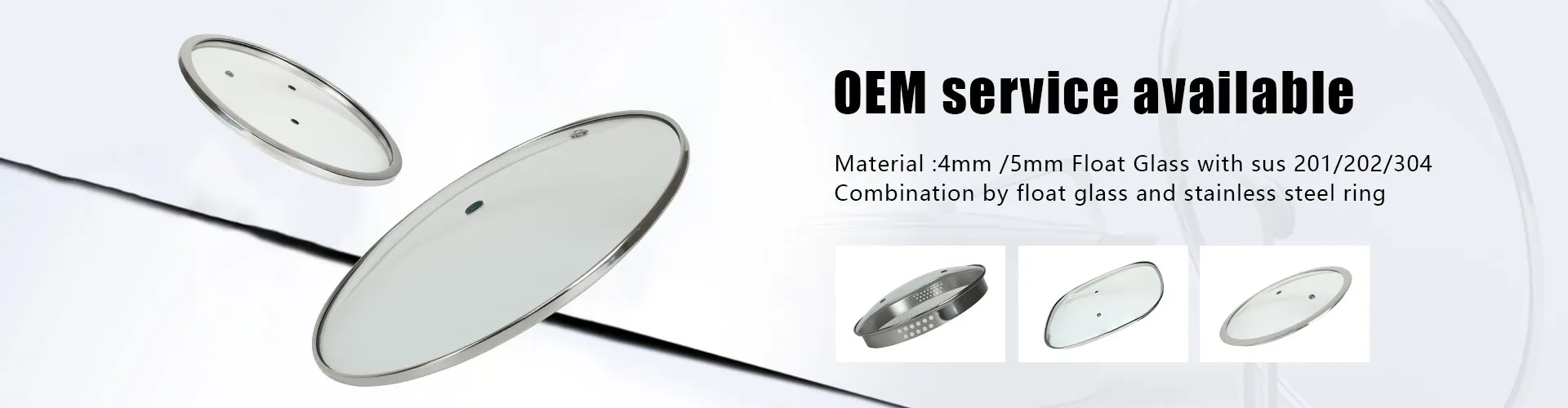
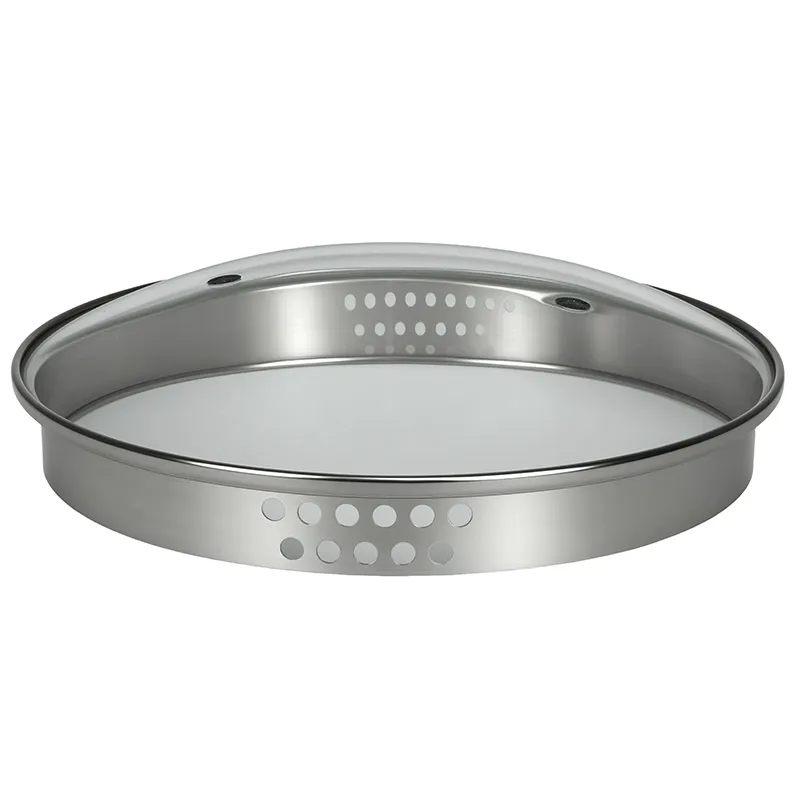
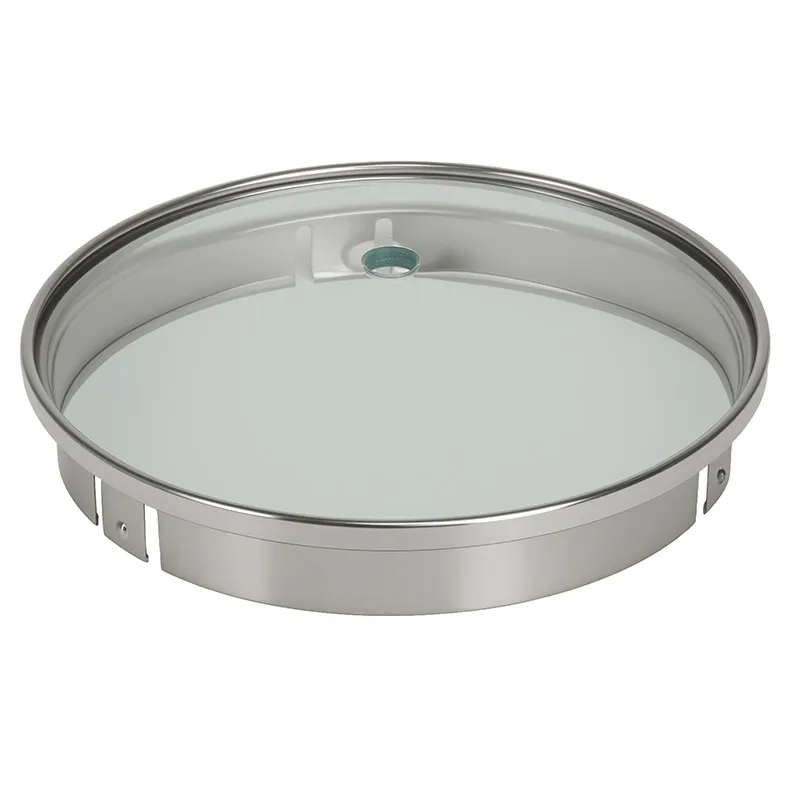
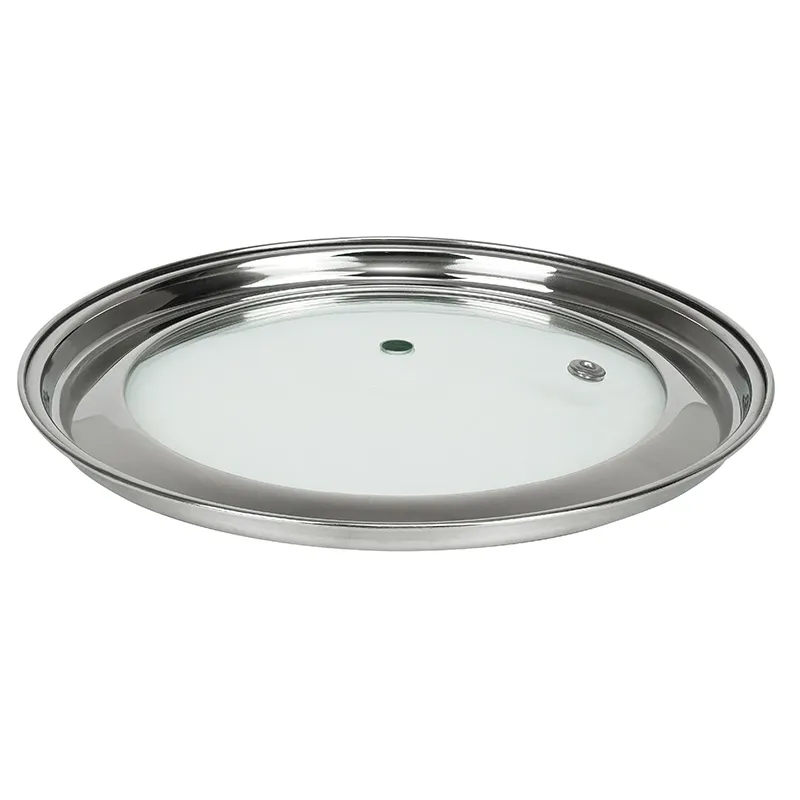
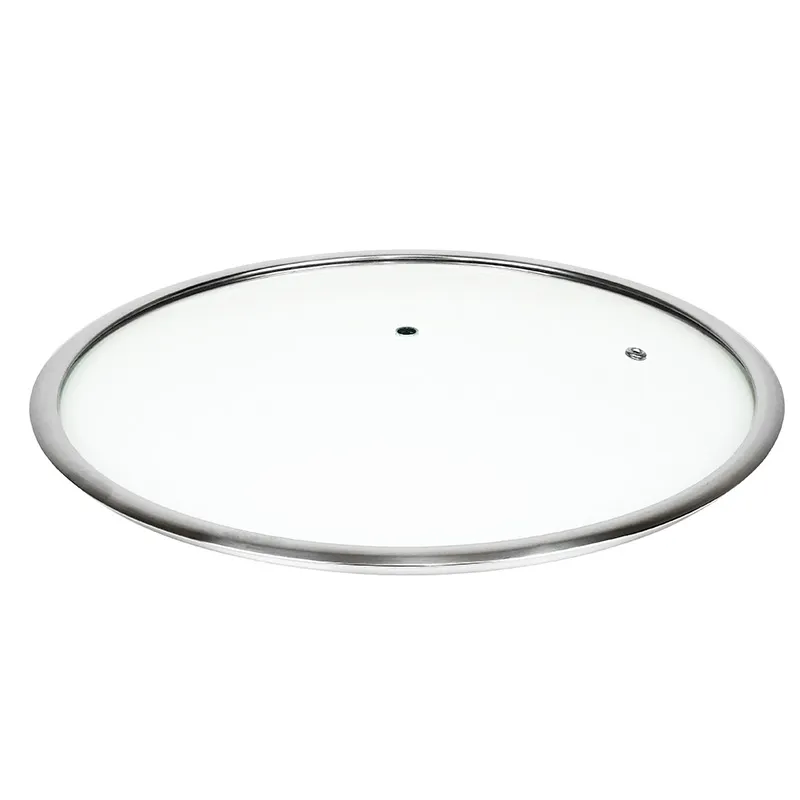
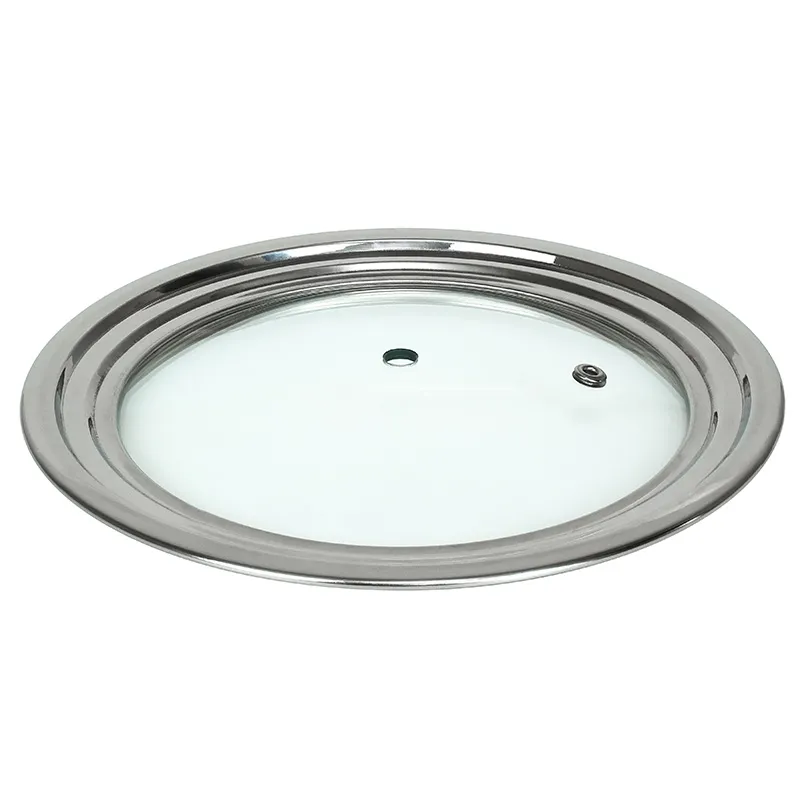
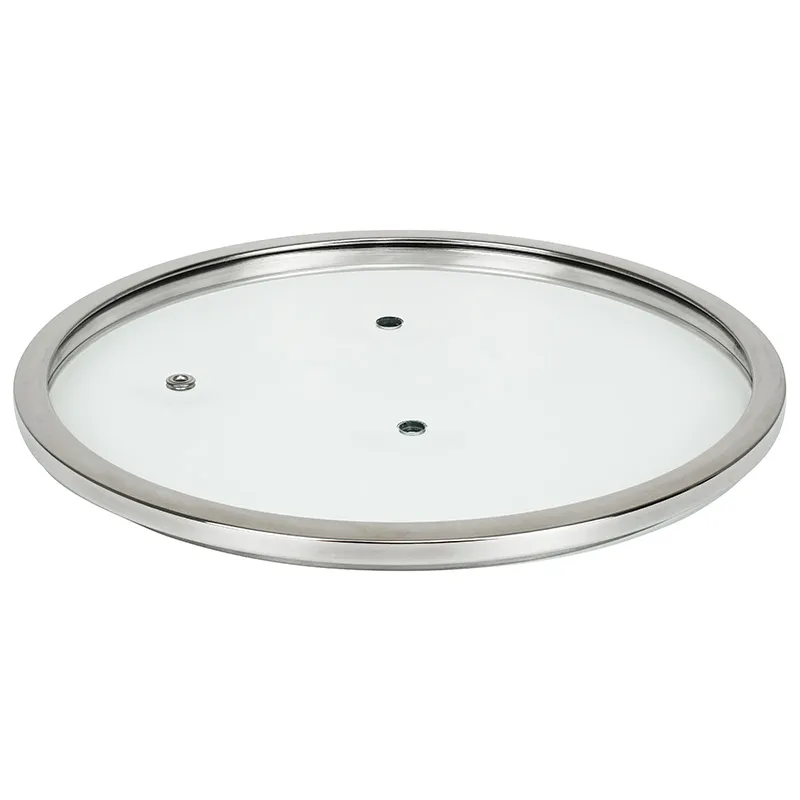
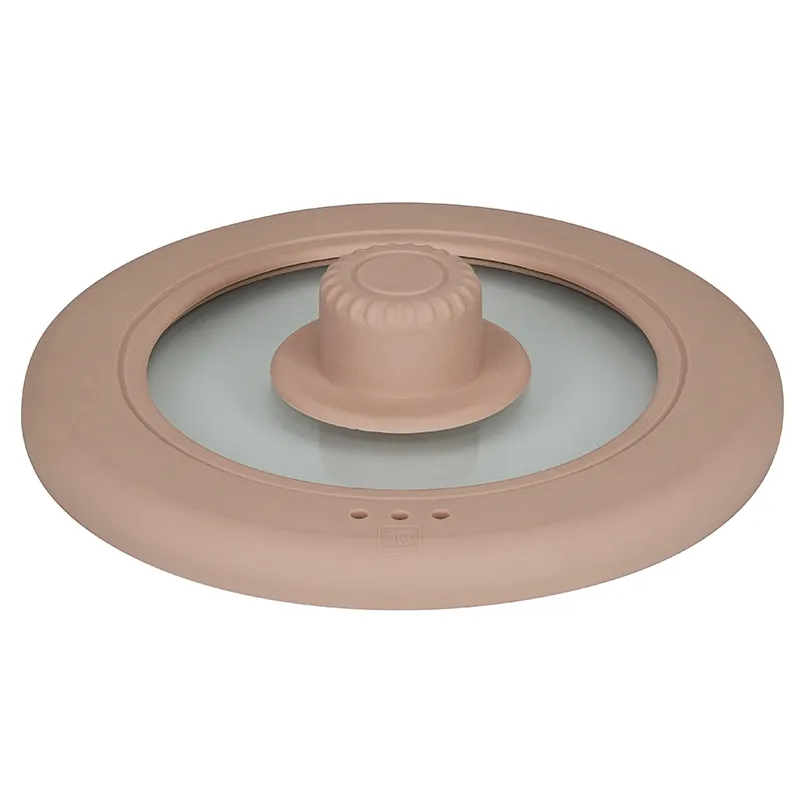
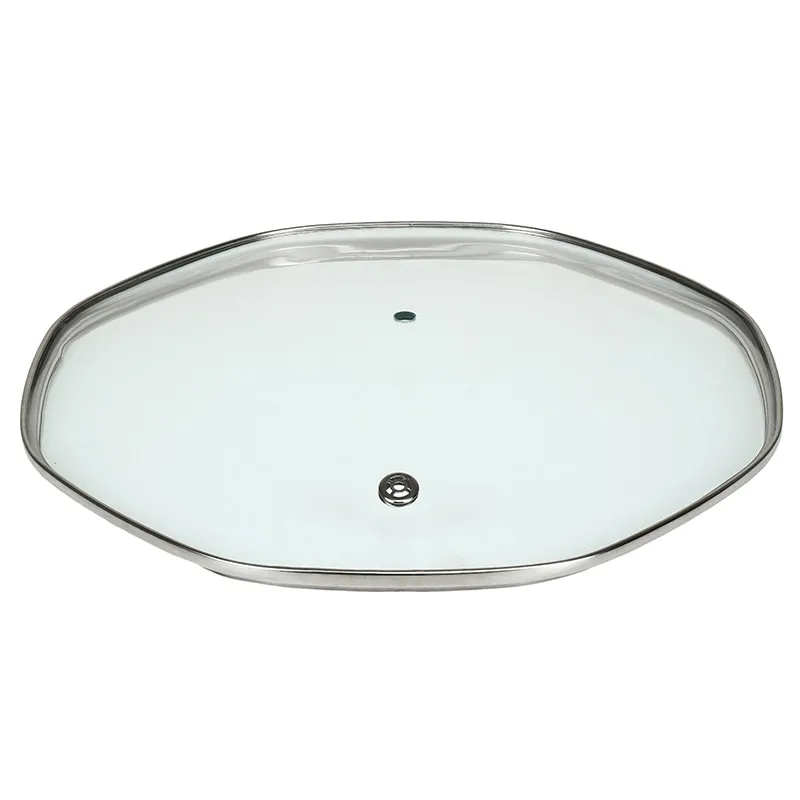
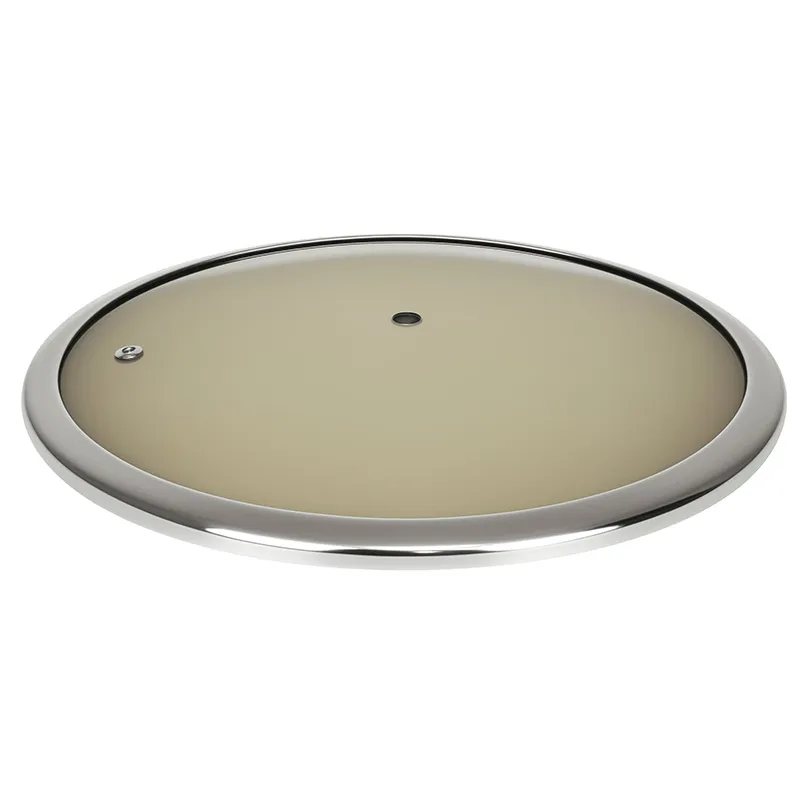
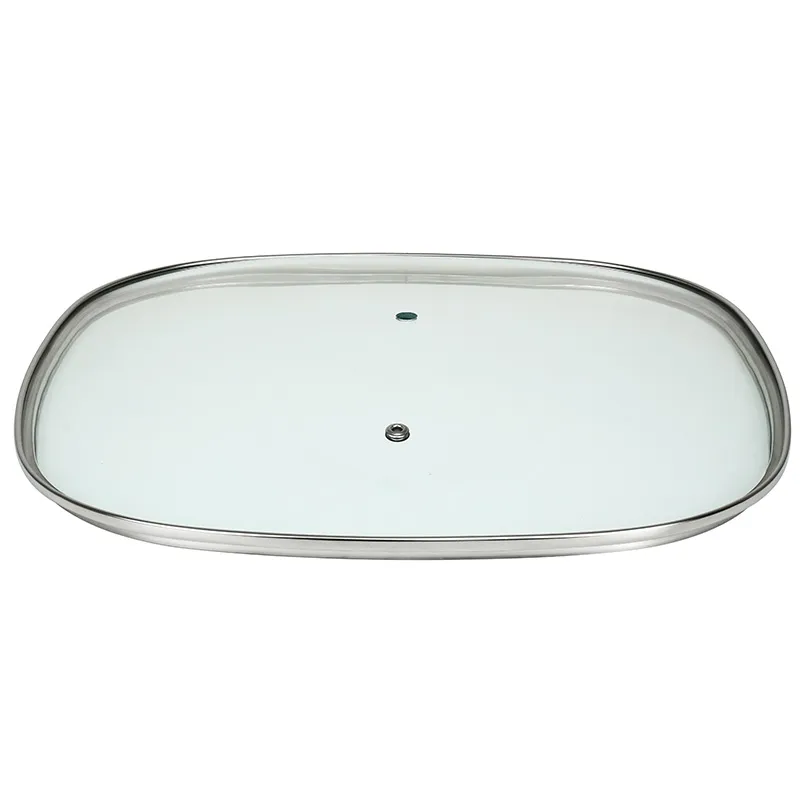
glass lid for non stick pan
When you search for 'glass lid for non stick pan', you're probably picturing a simple, clear cover. But in the cookware trade, that phrase opens a can of worms about compatibility, thermal shock, and the real purpose of a lid. Most think it's just for seeing your food, but the wrong fit can warp a pan rim or, worse, scratch that delicate non-stick surface from the inside. It's not as straightforward as grabbing any tempered glass disc.
Why a Dedicated Lid Matters for Non-Stick
Let's get specific. A non-stick pan, especially a good one with a thick aluminum core and a PFOA-free coating, has a specific thermal behavior. It heats up fast and distributes heat evenly, but the coating itself has a maximum safe temperature—usually around 260°C (500°F). You slap a generic, thick, heavy glass lid on it, and you're trapping a lot of steam and heat. That's fine for boiling, but if you're doing a quick sauté and then covering it, the sudden temperature spike under the lid can be intense. The lid needs to sit perfectly without grinding against the interior. I've seen lids with a rough, unfinished glass edge on the underside slowly wear a ring into the coating over time. It's a silent killer.
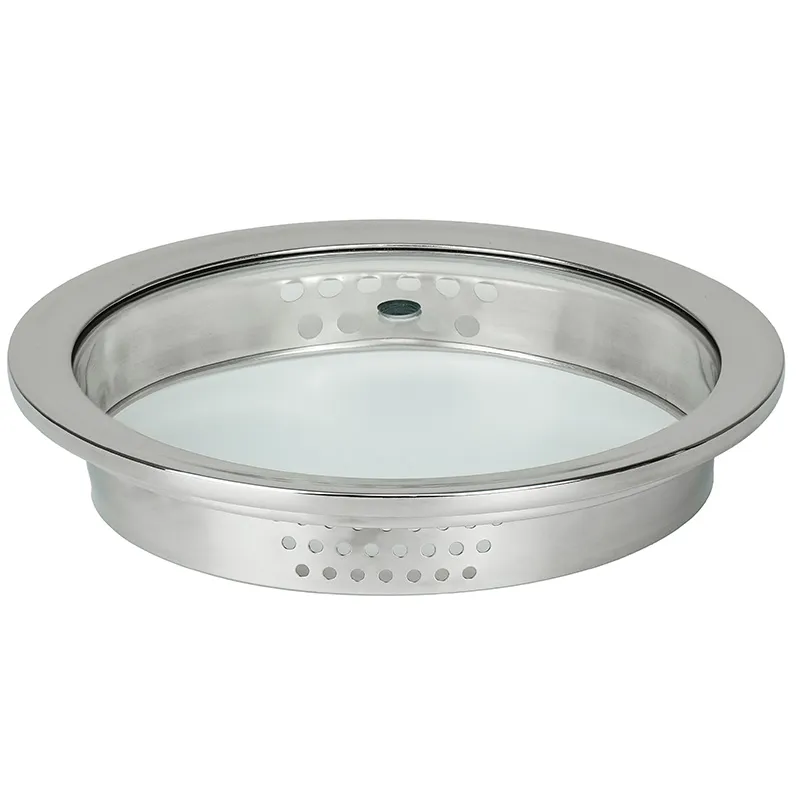
Then there's the condensation management. A good lid for this job should have a designed drip pattern. The condensation that forms on the underside should channel back toward the food, not run down the vertical side of the pan where it can pool between the glass and the pan wall, potentially causing localized cooling and sticking. Some cheaper lids just have a smooth dome—terrible for actual cooking. You want a lid with a subtle, inward-curving dome or specific ridges.
The handle is another point of failure. That knob on top? It can't be metal that gets scorching hot. It has to be a heat-resistant phenolic or similar material, securely fastened with a stainless steel nut and washer. I've had samples where the handle loosened after a few dishwasher cycles because the metal insert and the glass expanded at different rates. A loose handle on a hot lid is a hazard. Companies that get this right, like EUR-ASIA COOKWARE CO.,LTD, often use a compression-fit system with a silicone gasket in the assembly, which accounts for the expansion. You can check their approach on their portal at https://www.glass-lid.com—their focus on export markets means they're building to withstand the rigors of global safety standards, which are no joke.
The Manufacturing Nuances and Fit
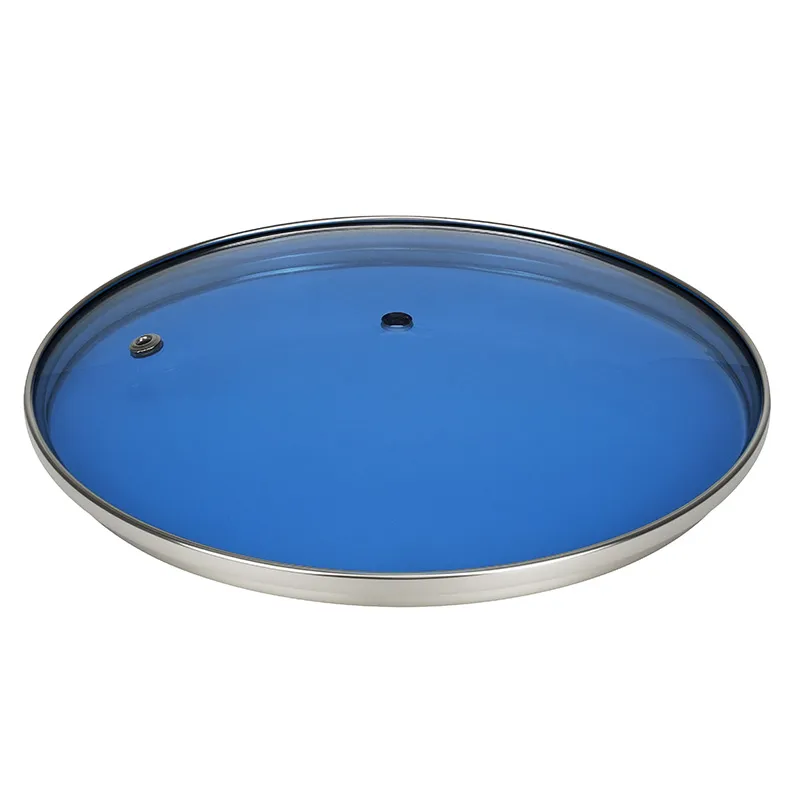
Producing these isn't about just cutting circles of glass. The rim, or the skirt, is critical. For a non-stick pan, you generally want a lid with a glass lid that has a smooth, fire-polished edge and sits on the exterior rim of the pan, not inside it. An inset lid creates friction. The tolerance for the diameter is tight—usually within 0.5mm. Too loose, and steam escapes uncontrollably; too tight, and it's a struggle to remove.
Tempering is the baseline, but the quality of the temper matters. You can't have stress points. I recall a batch from a supplier years ago where the lids would spontaneously shatter when placed on a cool, wet countertop after use. The problem was uneven heating during the tempering process, creating internal stress. A proper tempering line, like the kind you'd expect from a facility with a 15,000㎡ building area producing over 15 million pieces annually, should have consistent, automated quenching. That scale, which EUR-ASIA mentions, often correlates with better process control.
The thickness is a trade-off. 3mm is common, but for larger pans (28cm+), 4mm provides more rigidity and less bounce when simmering. However, thicker glass holds more heat, so you need to be more careful handling it. It's a detail most consumers never consider, but it changes the hand-feel completely.
Common Pitfalls and User Errors
One huge mistake is using a lid from a different pan set. Even if it seems to fit, the curvature is often wrong. A lid for a stainless steel saucepan is typically more domed to allow for vigorous boiling. A lid for a non-stick frying pan is shallower. Using the wrong dome height affects how the steam circulates and can lead to soggy food instead of the crispness you want from a non-stick surface.
Another is cleaning. Abrasive scrubbers on the glass? A big no. It creates micro-scratches that, over time, make the glass appear cloudy and weaken its structure. And never take a hot lid and plunge it into cold water. That's asking for thermal shock failure, even with tempered glass. The company intro highlights exports to Germany, Japan—markets known for strict consumer guidelines. Their products likely come with clear care instructions because they have to.
There's also the issue of the steam vent. Some lids have a hole, some don't. For a non stick pan, I prefer a lid without a fixed vent. If I need to release steam, I just tilt the lid. A fixed hole can let out too much moisture when you're trying to braise or melt cheese. It's a preference, but it speaks to the design needing to match the cooking technique.
Case in Point: Sourcing and Real-World Testing
In my work, I've sourced lids from various regions. The production base in Shandong's High-tech Development Zone, as with EUR-ASIA, represents a cluster of glass specialty manufacturing. The advantage there is vertical integration—they likely control the glass cutting, tempering, edging, and assembly in one complex. This reduces handling damage and consistency issues. When 90% of output goes to Europe and East Asia, the quality benchmarks are inherently higher. A lid bound for Poland or Switzerland faces different retail buyer inspections than one for a less regulated market.
I tested a sample once where the lid fit beautifully on three different brands of pans (Tefal, GreenPan, a generic OEM). That's rare. It usually means the designer meticulously studied the common rim profiles. That lid had a slightly beveled underside edge, which created a kind of float on the rim, minimizing contact area. It worked. The downside? It was more expensive to produce because that bevel required an extra grinding and polishing step. It's the kind of detail their engineers would ponder.
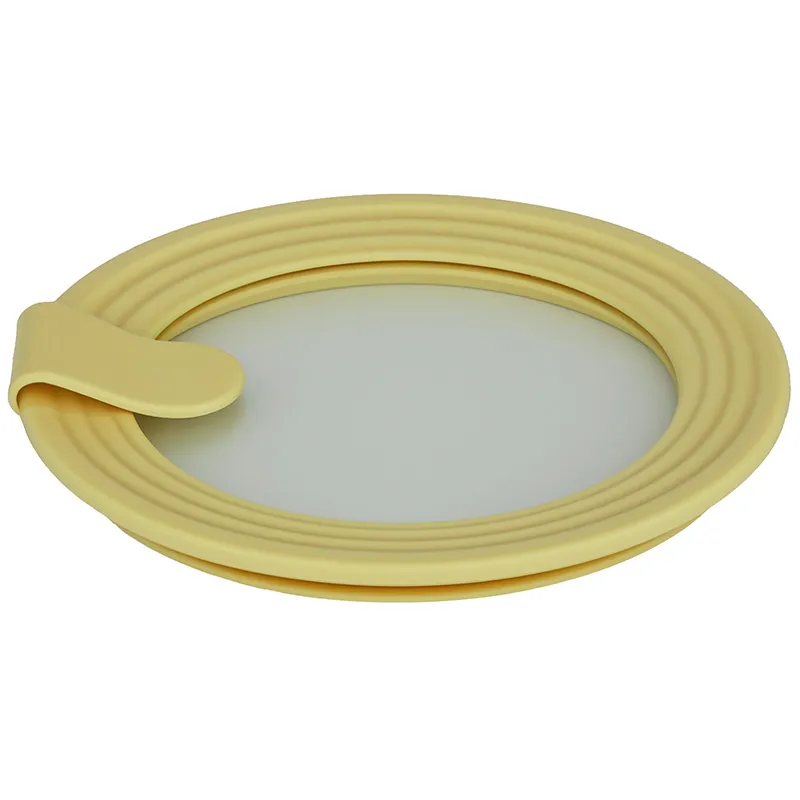
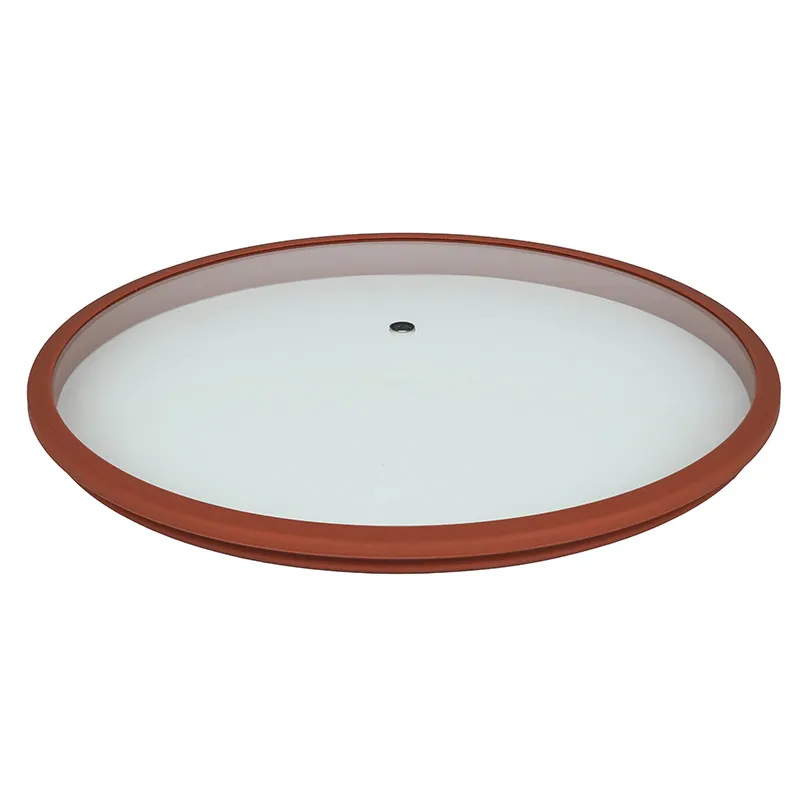
Failure case: We tried a universal lid with a silicone gasket around the edge to ensure a seal on any pan. It was a disaster. The silicone trapped heat against the pan's exterior wall and discolored it on some models. It also made the lid awkward to clean. The lesson was that trying to be too universal often compromises performance for the primary use case. Sometimes, a simple, well-made glass lid designed for a specific pan type is just better.
Beyond the Lid: The Ecosystem of a Pan
Thinking about a lid forces you to think about the entire non stick pan system. The handle alignment, the weight balance when the lid is on, even the sound it makes when it settles—a soft clink is good; a harsh clack might mean poor fit. A company that specializes in household glass products and kitchen accessories, as per the intro, is thinking about this ecosystem. They're not just selling a lid; they're selling a component that must integrate into someone's cooking ritual.
The export focus tells a story. Markets like Denmark and Brazil have different cooking habits. A lid that works for a Brazilian feijoada (long, slow simmering) might need different venting considerations than one for a Danish fish stew. The fact that a single supplier can cater to both suggests a flexible design philosophy or a broad catalog. You can infer they likely offer variants—with holes, without holes, different knob styles—to meet buyer specs.
In the end, the search for the right glass lid boils down to a few things: precise fit to protect the coating, thoughtful condensation design, robust handle assembly, and proper tempering. It's a deceptively simple product where the flaws only show up after months of use. The best ones, from experienced makers, just disappear into the routine—you use them without a second thought, which is the highest compliment for a piece of kitchen tooling. That's the real goal.
Related Products
Related Products