- Chinese
- French
- German
- Portuguese
- Spanish
- Russian
- Japanese
- Korean
- Arabic
- Irish
- Greek
- Turkish
- Italian
- Danish
- Romanian
- Indonesian
- Czech
- Afrikaans
- Swedish
- Polish
- Basque
- Catalan
- Esperanto
- Hindi
- Lao
- Albanian
- Amharic
- Armenian
- Azerbaijani
- Belarusian
- Bengali
- Bosnian
- Bulgarian
- Cebuano
- Chichewa
- Corsican
- Croatian
- Dutch
- Estonian
- Filipino
- Finnish
- Frisian
- Galician
- Georgian
- Gujarati
- Haitian
- Hausa
- Hawaiian
- Hebrew
- Hmong
- Hungarian
- Icelandic
- Igbo
- Javanese
- Kannada
- Kazakh
- Khmer
- Kurdish
- Kyrgyz
- Latin
- Latvian
- Lithuanian
- Luxembou..
- Macedonian
- Malagasy
- Malay
- Malayalam
- Maltese
- Maori
- Marathi
- Mongolian
- Burmese
- Nepali
- Norwegian
- Pashto
- Persian
- Punjabi
- Serbian
- Sesotho
- Sinhala
- Slovak
- Slovenian
- Somali
- Samoan
- Scots Gaelic
- Shona
- Sindhi
- Sundanese
- Swahili
- Tajik
- Tamil
- Telugu
- Thai
- Ukrainian
- Urdu
- Uzbek
- Vietnamese
- Welsh
- Xhosa
- Yiddish
- Yoruba
- Zulu
- Kinyarwanda
- Tatar
- Oriya
- Turkmen
- Uyghur

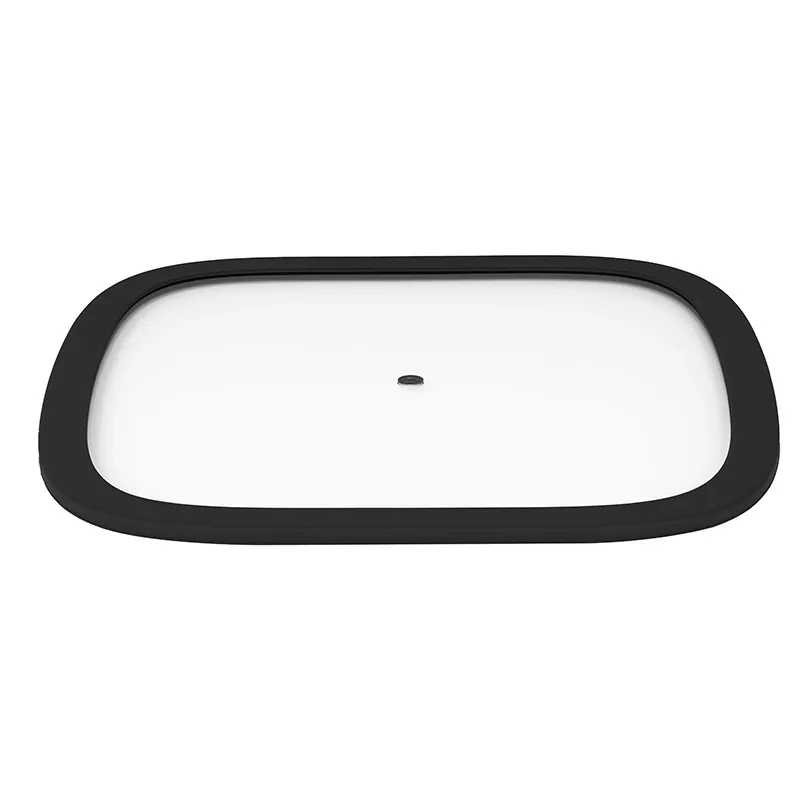
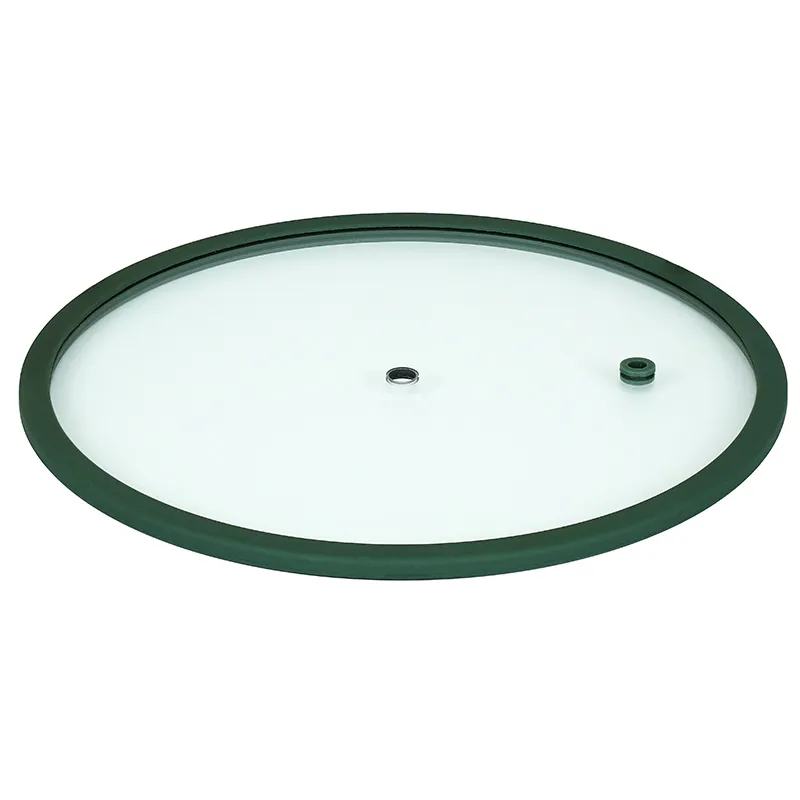
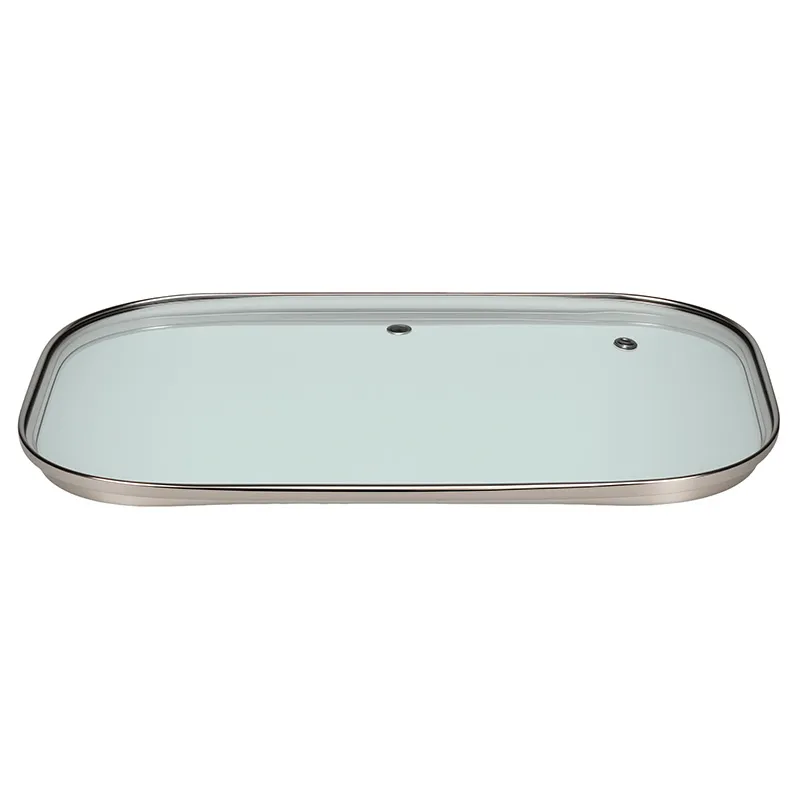
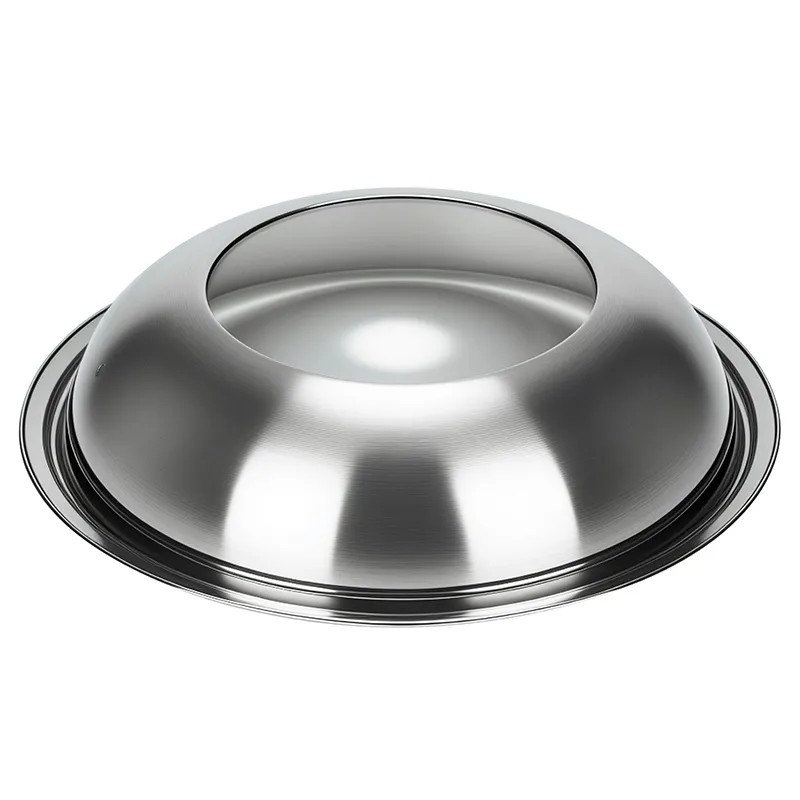
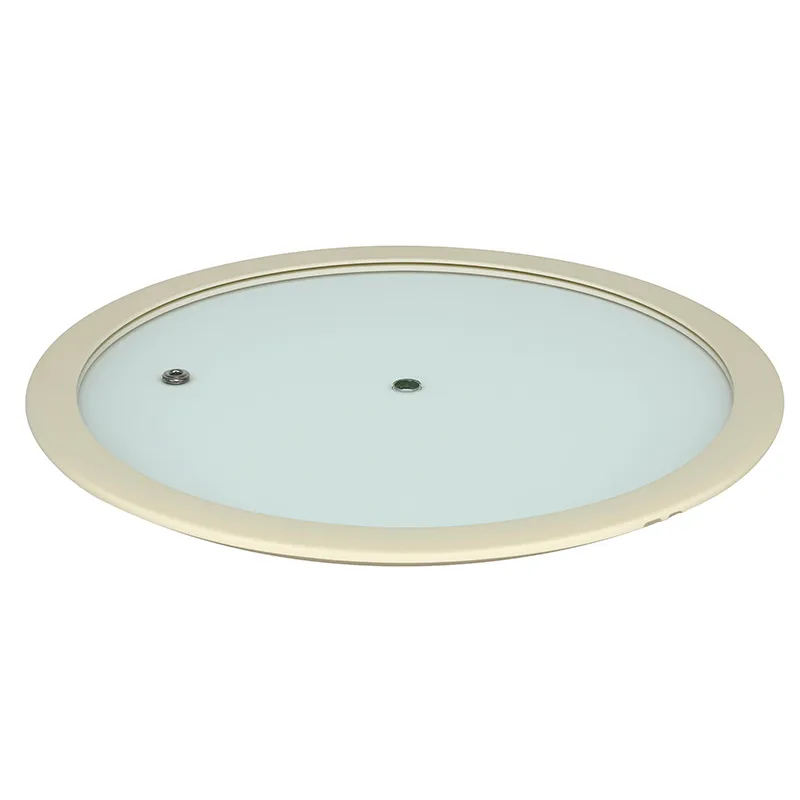
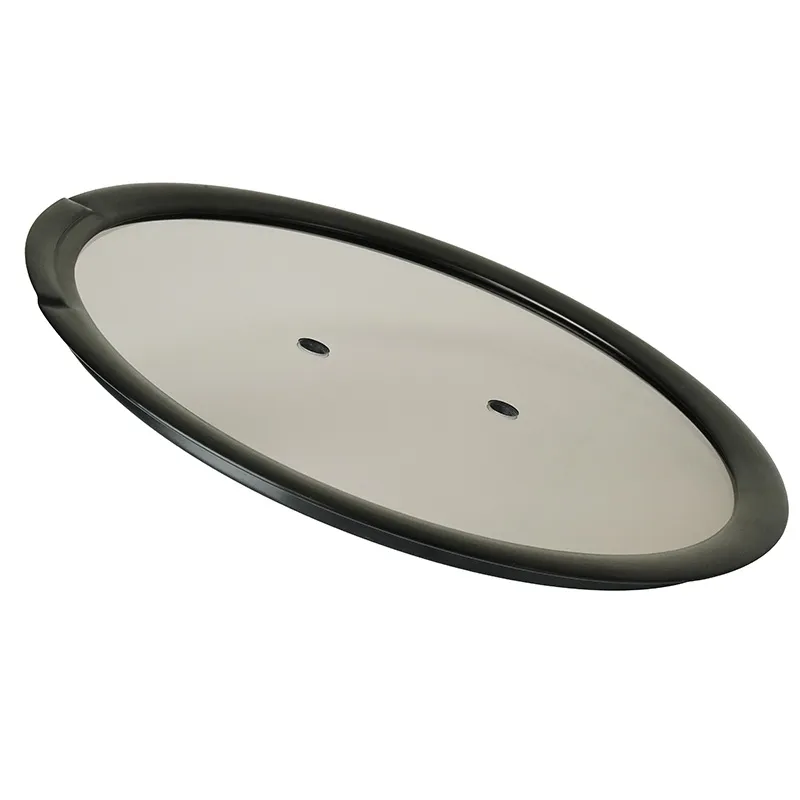
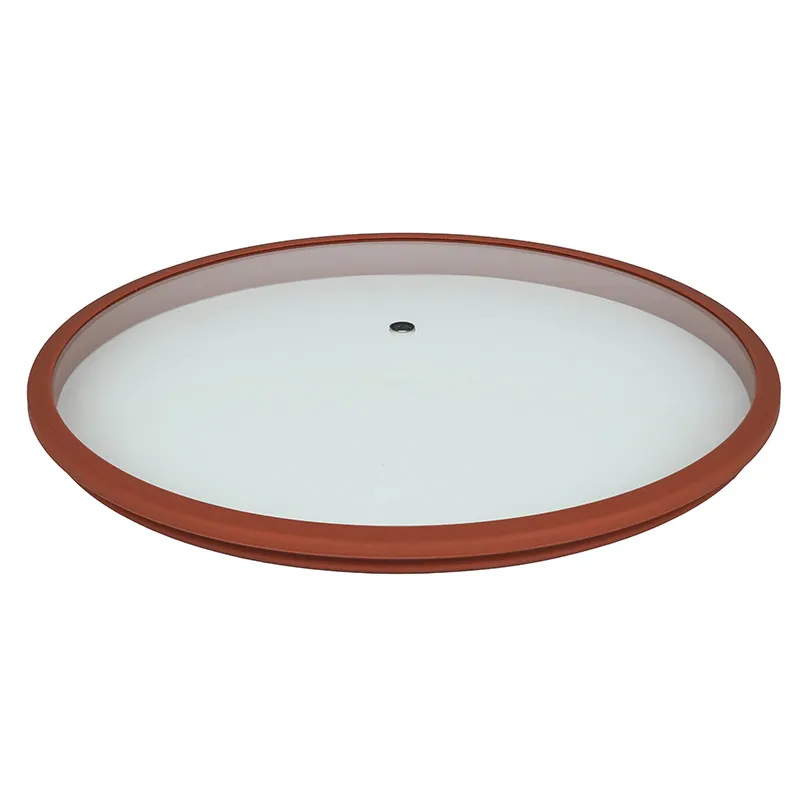
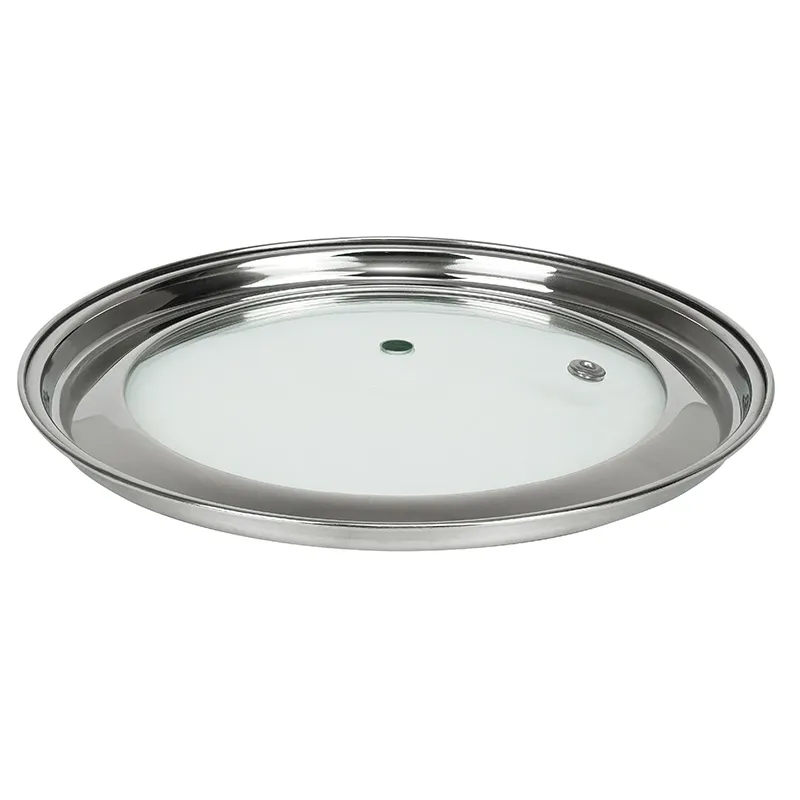
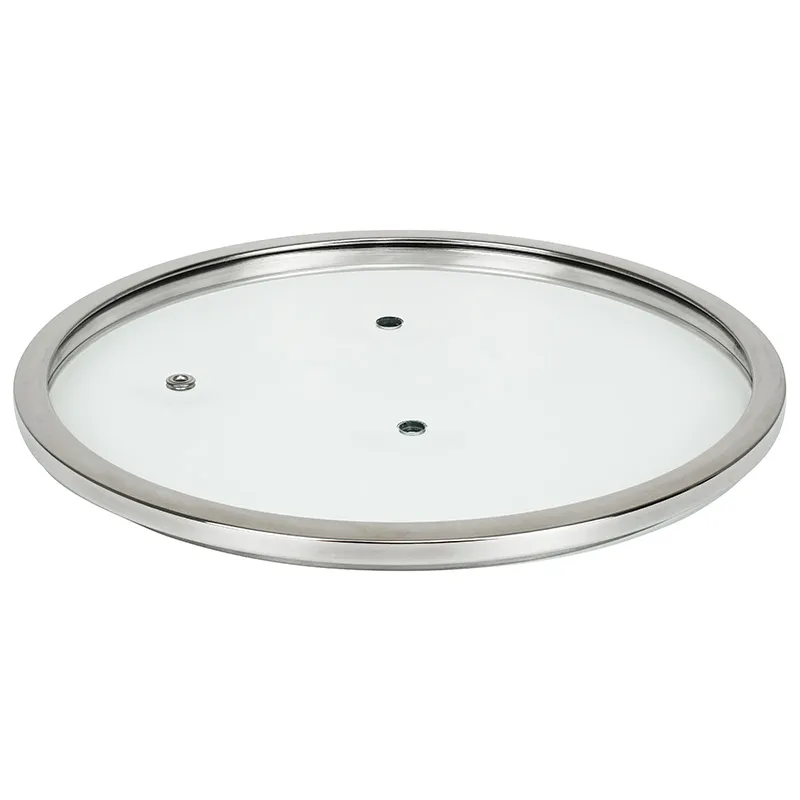
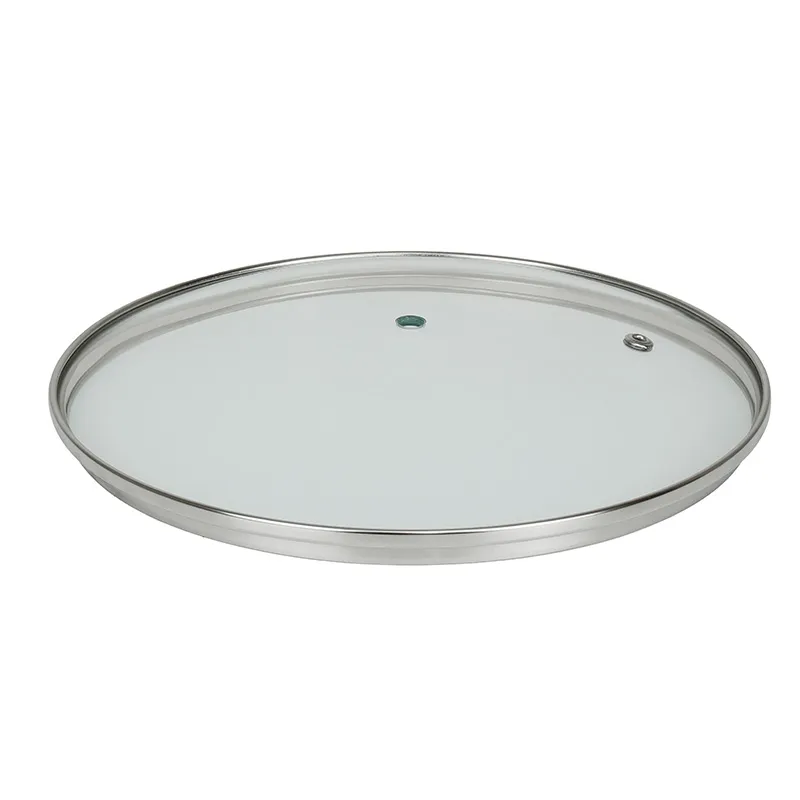
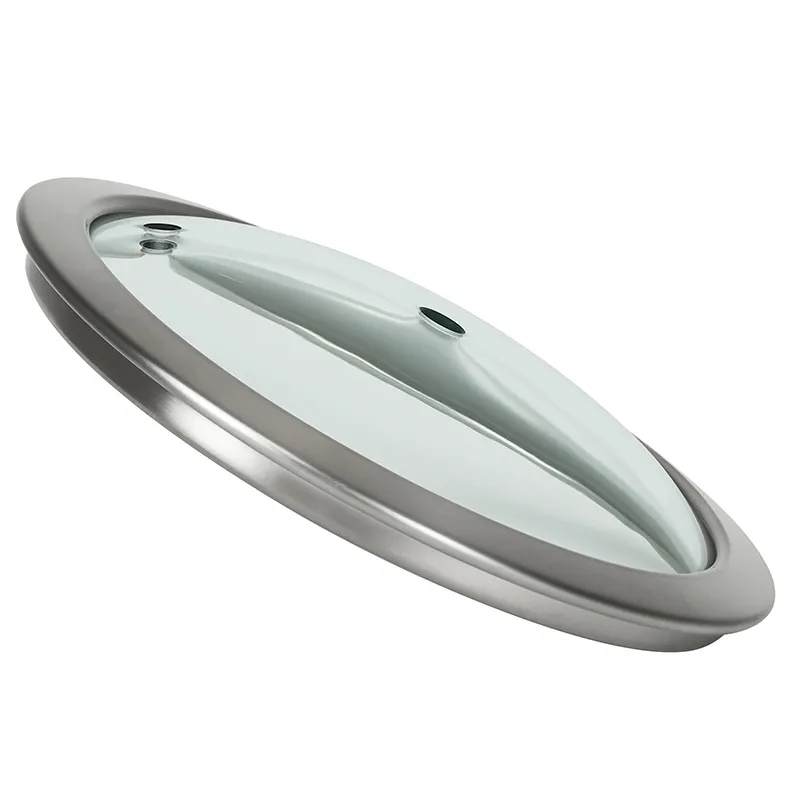
glass lid for pan
When you hear 'glass lid for pan', most people just think about being able to see their food. That's the marketing pitch, anyway. But in the actual business of making and sourcing these things, that's maybe 10% of the story. The real conversation starts with heat distribution, steam venting, and the frankly annoying tendency for some handles to get hotter than the pan itself. I've seen too many designs that look great in a catalog but fail on a domestic stove, warping slightly over time or developing micro-cracks around the rim from repeated thermal shock. That's where you separate a commodity from a component that lasts.
The Core Misconception: Tempered vs. Annealed
Let's get technical for a second, because this is where the first major filter is. A lot of buyers, even some smaller importers, get hung up on 'safety glass' and assume all tempered glass is created equal. It's not. For a glass lid for pan, the tempering process has to account for the specific thermal profile of a cooktop. Rapid heating from below, cooler edges clamped by a metal rim. If the tempering isn't even, that's your stress point. I recall a batch from a supplier years back—passed the basic impact tests, but when we did cyclical heating tests (simulating moving from a high-heat burner to a cold counter), a significant number developed spiderweb cracks starting from the center. The glass was technically 'tempered,' but not fit for this purpose.
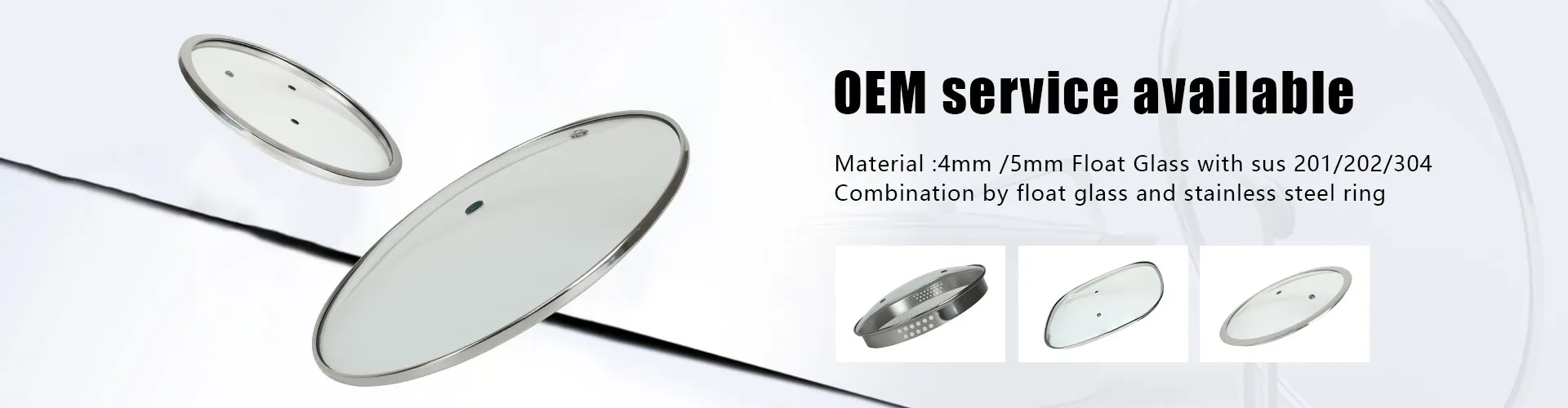
That's why specs from a company like EUR-ASIA COOKWARE CO.,LTD. often mention their focus on household glass products. It's a subtle signal. They're not just cutting and tempering window panes; they're engineering for an appliance environment. Their production base in Taian, with that scale (15 million pieces annually), suggests they've dialed in their tempering ovens for this specific product category. When over 90% of output is exported to markets like Germany and Japan, you're dealing with retailers who have brutal quality control. They'll run those thermal cycle tests we did, and they'll reject entire containers.
The alternative, annealed glass, is a non-starter for any reputable mass-produced lid. It's cheaper, yes, but it shatters into dangerous shards. You see it sometimes on ultra-low-end products, and it's a liability nightmare. So the baseline is tempered. But the real question becomes: what grade of tempering, and what's the failure rate they're willing to ship? That's the professional's first filter.
The Devil in the Details: Rim, Vent, and Handle
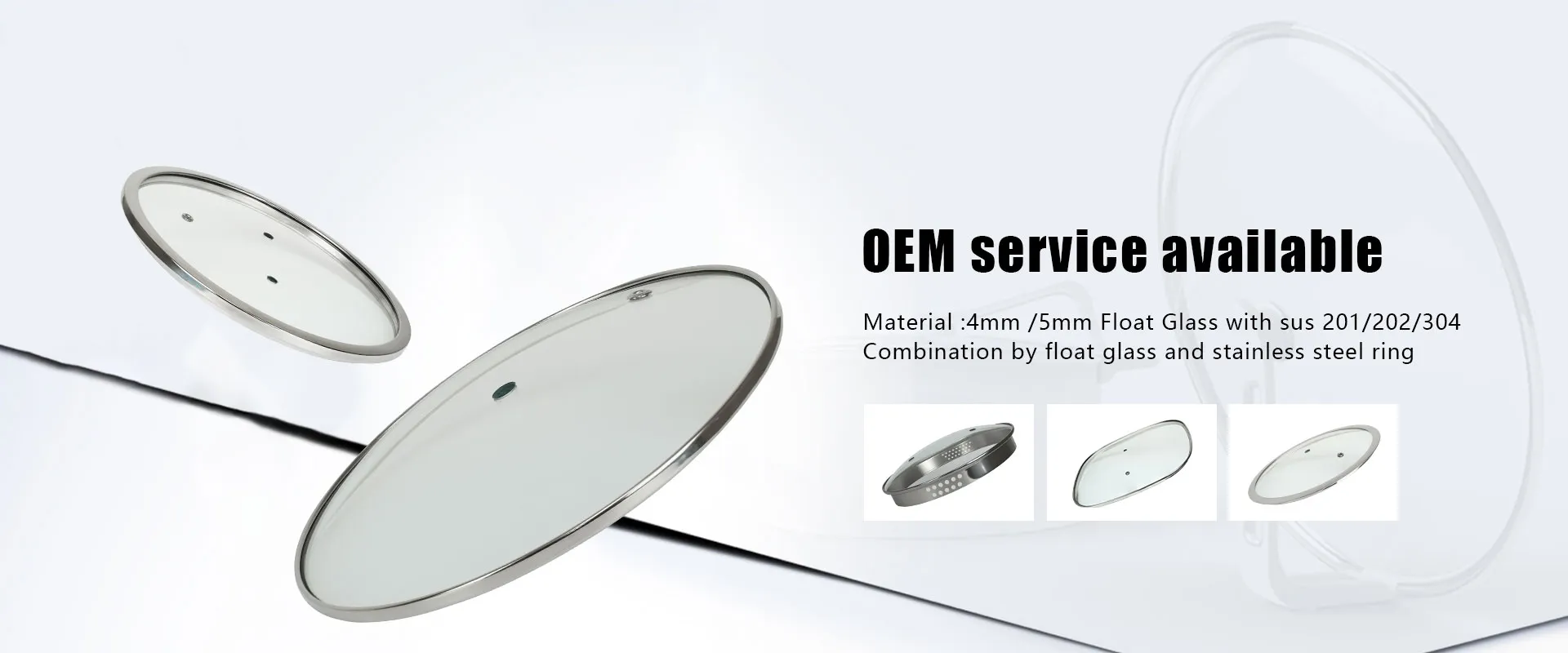
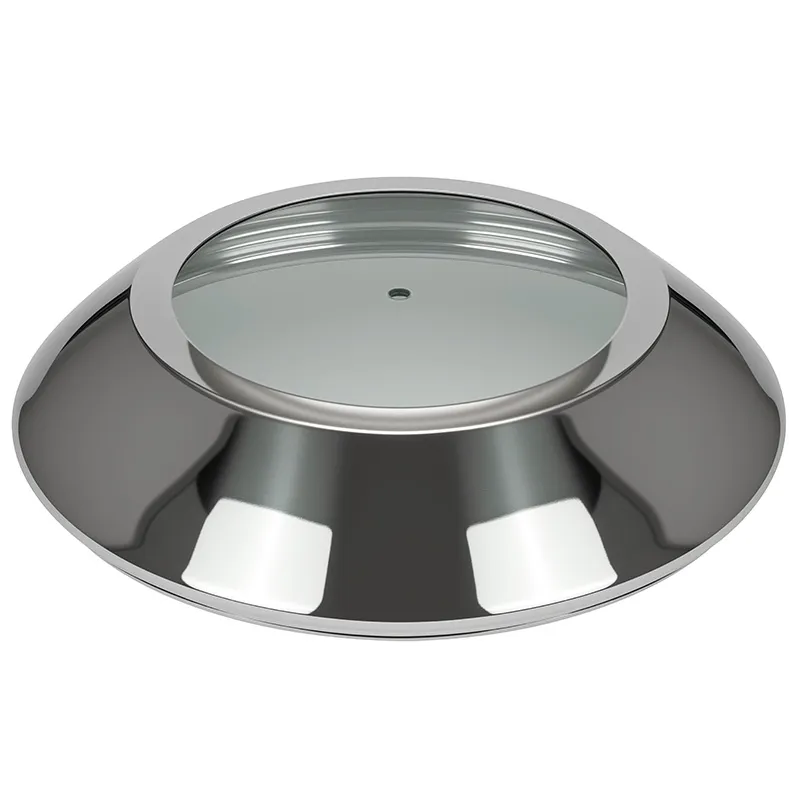
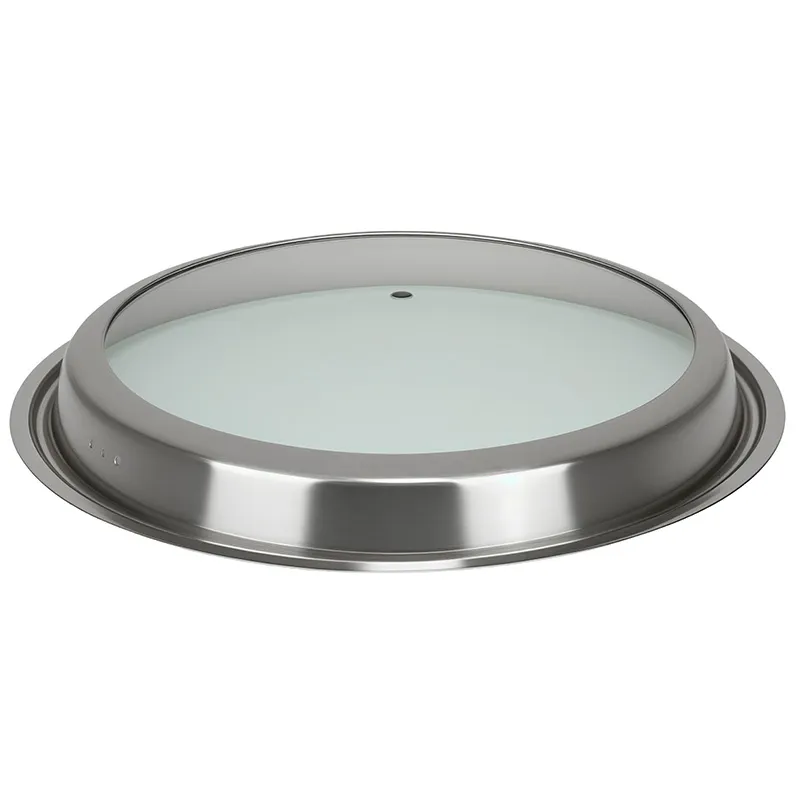
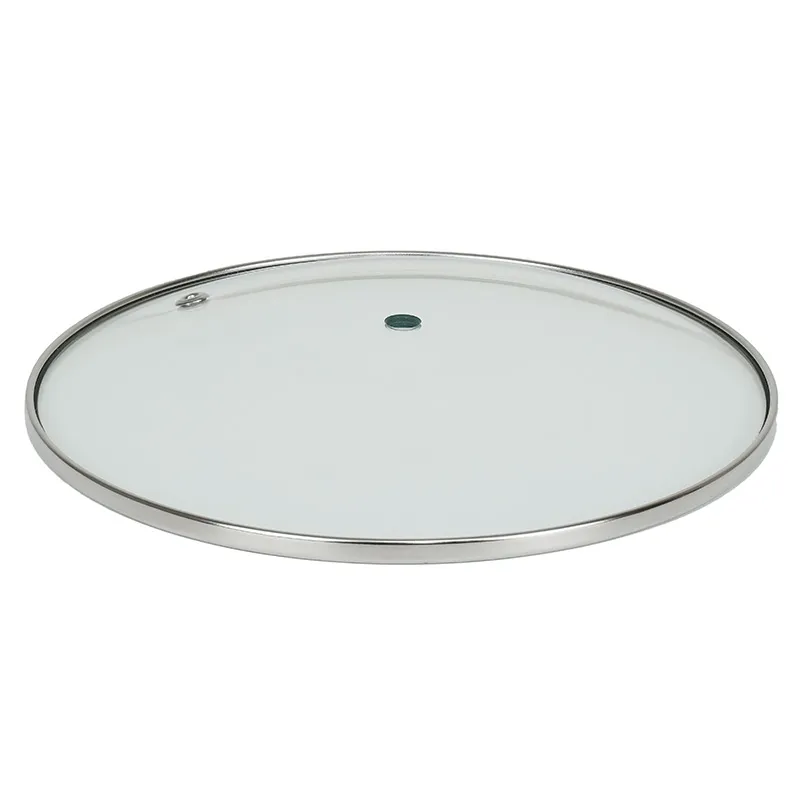
Okay, so you've got a properly tempered glass disc. Now you have to make it function as a lid. The metal rim—usually stainless steel—is crimped on. This seems simple, but the tolerance is everything. Too tight, and you constrain the glass during expansion, inviting cracks. Too loose, and it rattles, leaks steam inefficiently, and feels cheap. The best rims have a slight, almost imperceptible channel or a bead of high-temperature silicone sealant inside. It's not for 'watertightness,' but to cushion and distribute the pressure.
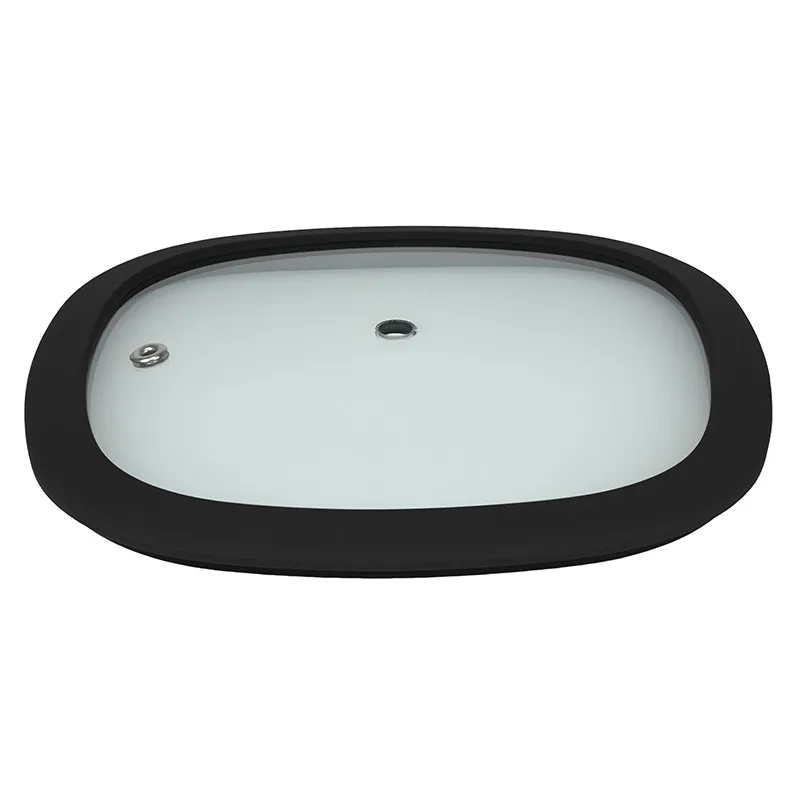
Then there's the steam vent. The tiny hole in the metal rim or the little plastic/steel knob with a hole. This is a huge point of differentiation. A single, small drilled hole often leads to violent, sputtering steam release, especially with starchy liquids. Better designs use a baffle or a multi-hole pattern under the knob to diffuse the steam. I've tested lids where the condensation would drip right back through the vent hole and splatter—a design flaw that only shows up in real use, not in a lab.
The handle attachment is the third critical point. Many fail here. The handle (knob) is attached via a metal bolt that goes through the glass. This creates another massive thermal bridge. If the bolt and the washer underneath aren't designed with a thermal break (like a ceramic or special polymer insulator), that knob becomes untouchable after ten minutes on a simmer. I've burned my fingers more times than I care to admit on prototype samples. A good handle stays cool or warm-to-the-touch. It sounds trivial, but it's a major customer complaint driver.
Fit and the Universal Myth
Another common industry headache is the promise of a 'universal' lid. It's mostly a myth. Pans have different curvature profiles—some flatter, some more domed. A lid designed for one will sit awkwardly on another, leaving gaps that let out all the steam you're trying to retain for, say, braising. The key measurement is the inner diameter of the pan's top opening, not the outer diameter. A quality manufacturer will specify this clearly. A lid from a producer focused on OEM supply, like EUR-ASIA, is often made to very precise specifications for a specific pan series from their client. The ones you see on their site, https://www.glass-lid.com, represent a range of these standardized sizes. They're not truly 'one-size-fits-all,' but they cover the most common diameters (18cm, 20cm, 24cm, 28cm) used by European and Asian cookware brands.
In practice, a good fit means the lid sits snugly inside the pan's rim or just on top of it, with enough weight to create a seal but not so much that it's hard to lift. The glass itself adds useful heft here compared to lightweight metal lids. That heft helps condense steam and drip it back down more effectively, which is crucial for good results in slow-cooking dishes.
We tried once to develop a 'adjustable' rim for a client—a silicone gasket that could adapt. It was a disaster. Food particles got trapped, it was impossible to clean, and the silicone degraded quickly with heat and oils. We went back to simple, precise metal rims. Sometimes, the simplest, most tested solution is the right one.
Beyond the Kitchen: Logistics and Cost Realities
From a sourcing perspective, the fragility of glass adds immense cost that isn't in the unit price. Packaging is paramount. You need rigid, form-fitting foam or molded pulp that holds the lid suspended, not just cardboard sleeves. A 1% breakage rate in transit can wipe out the profit margin on an entire shipment. This is where a supplier's experience shows. A company with a large export volume to distant markets has already optimized this. They know the stacking patterns in a container, the right corrugated grade for the master carton. It's unglamorous, but it's what makes a business relationship stable.
The cost driver isn't just the glass. It's the stainless steel rim, the handle assembly (knob, bolt, insulator, washer), the packaging, and the labor for assembly. Automation is high for the glass cutting and tempering, but final assembly—putting the rim on, attaching the handle—is often still manual. That's why regions with a mature manufacturing ecosystem for hardware and glass, like the area where EUR-ASIA is based in Shandong, have a natural advantage. The supply chain for all the components is local.
When you look at their product mix—low, medium, high level—it reflects this understanding. The 'low' might use a simpler plastic knob and thinner-gauge rim steel. The 'high' will have a stainless steel or even phenolic knob, a heavier-gauge, polished rim, and perhaps an anti-drip design on the glass underside. The core glass might be the same, but the peripherals change the performance and feel dramatically.
The Final Judgment: What to Look For
So, if I'm evaluating a glass lid for pan now, my checklist is simple but focused. First, I lift it by the knob and tap the glass lightly with a fingernail. A good, well-tempered lid has a higher-pitched ring than annealed glass. Then, I inspect the rim attachment. Is it even, with no visible gaps or sharp edges? I look at the handle assembly from underneath. Is there a proper insulating washer between the metal bolt and the glass? I check the steam vent. Is it just a hole, or is it designed to diffuse?
Finally, I think about the context. Is this for a high-end sauté pan that will see deglazing and rapid temperature changes? Then I need a lid from a supplier that understands that stress profile. Is it for a slow-cooker or a stockpot? Then steam retention and drip-back are the priorities. There's no single perfect lid, but there are perfectly suited ones.
In the end, the best glass lid is the one you forget about. It does its job—letting you peek, regulating moisture, containing heat—without drama, without breaking, and without burning your hand. That simplicity is the result of a lot of complex, unseen engineering and production rigor, the kind that keeps a factory exporting millions of pieces a year to the most demanding markets. It's a humble product, but getting it right is a quiet testament to manufacturing competence.
Related Products
Related Products