- Chinese
- French
- German
- Portuguese
- Spanish
- Russian
- Japanese
- Korean
- Arabic
- Irish
- Greek
- Turkish
- Italian
- Danish
- Romanian
- Indonesian
- Czech
- Afrikaans
- Swedish
- Polish
- Basque
- Catalan
- Esperanto
- Hindi
- Lao
- Albanian
- Amharic
- Armenian
- Azerbaijani
- Belarusian
- Bengali
- Bosnian
- Bulgarian
- Cebuano
- Chichewa
- Corsican
- Croatian
- Dutch
- Estonian
- Filipino
- Finnish
- Frisian
- Galician
- Georgian
- Gujarati
- Haitian
- Hausa
- Hawaiian
- Hebrew
- Hmong
- Hungarian
- Icelandic
- Igbo
- Javanese
- Kannada
- Kazakh
- Khmer
- Kurdish
- Kyrgyz
- Latin
- Latvian
- Lithuanian
- Luxembou..
- Macedonian
- Malagasy
- Malay
- Malayalam
- Maltese
- Maori
- Marathi
- Mongolian
- Burmese
- Nepali
- Norwegian
- Pashto
- Persian
- Punjabi
- Serbian
- Sesotho
- Sinhala
- Slovak
- Slovenian
- Somali
- Samoan
- Scots Gaelic
- Shona
- Sindhi
- Sundanese
- Swahili
- Tajik
- Tamil
- Telugu
- Thai
- Ukrainian
- Urdu
- Uzbek
- Vietnamese
- Welsh
- Xhosa
- Yiddish
- Yoruba
- Zulu
- Kinyarwanda
- Tatar
- Oriya
- Turkmen
- Uyghur


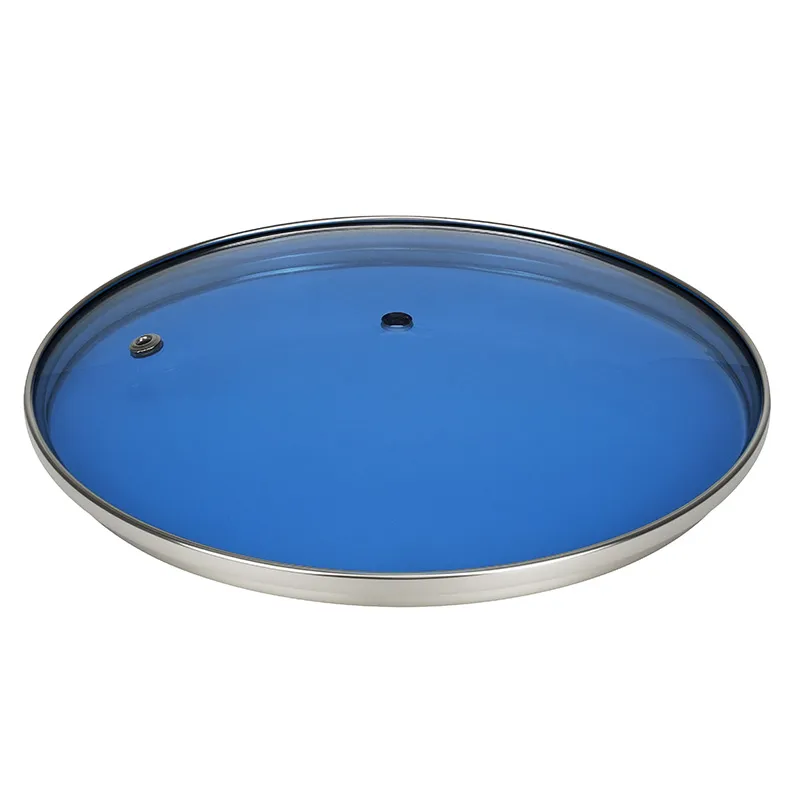
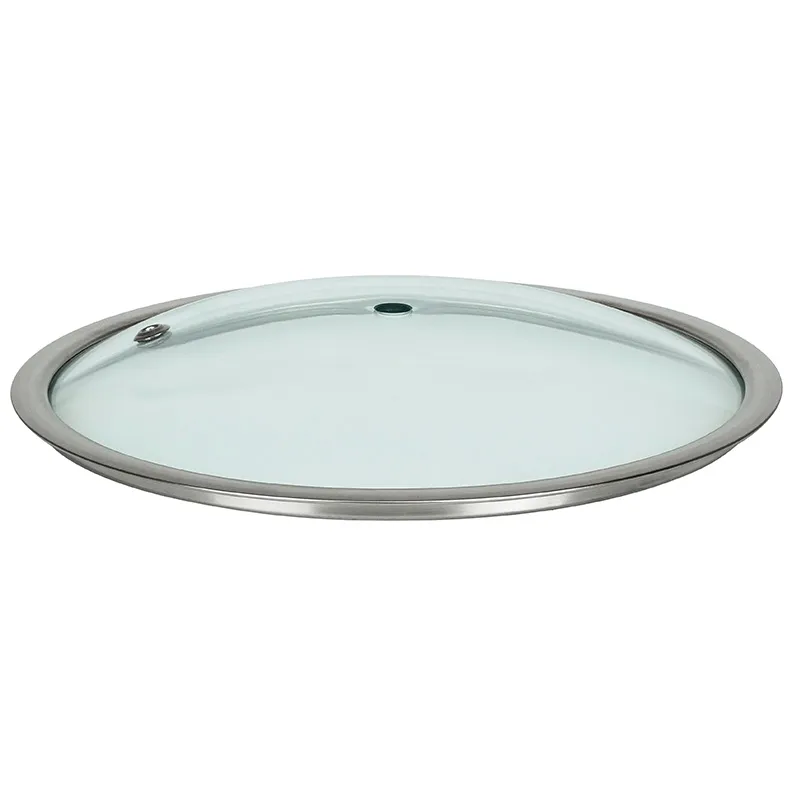
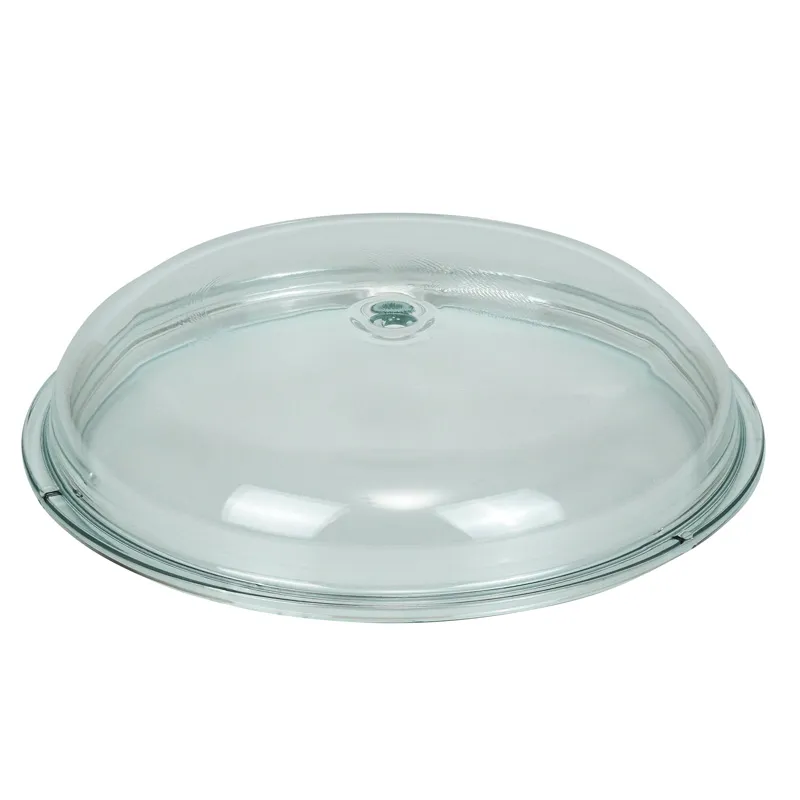
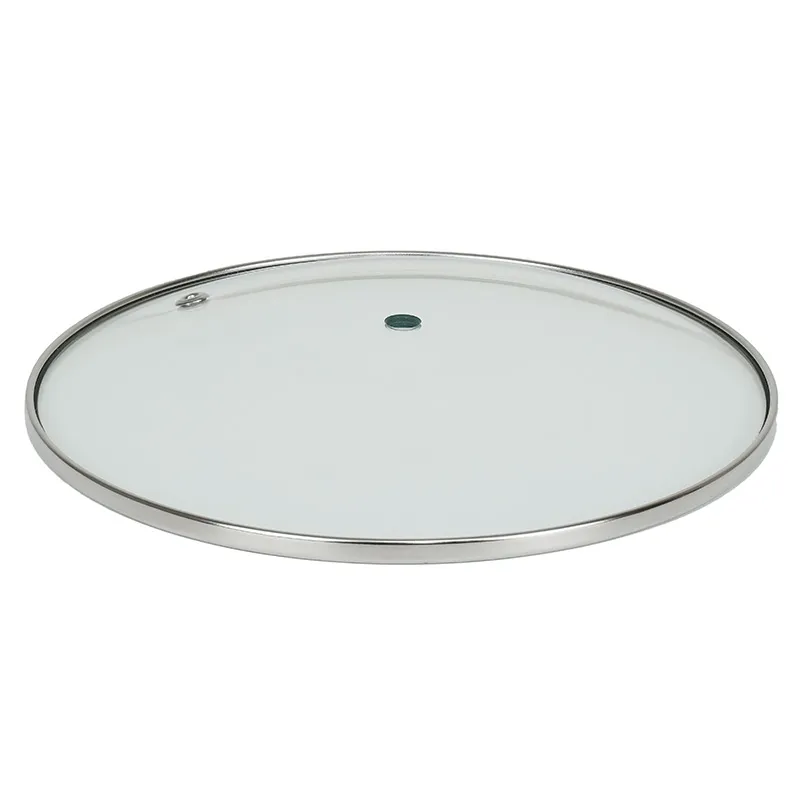
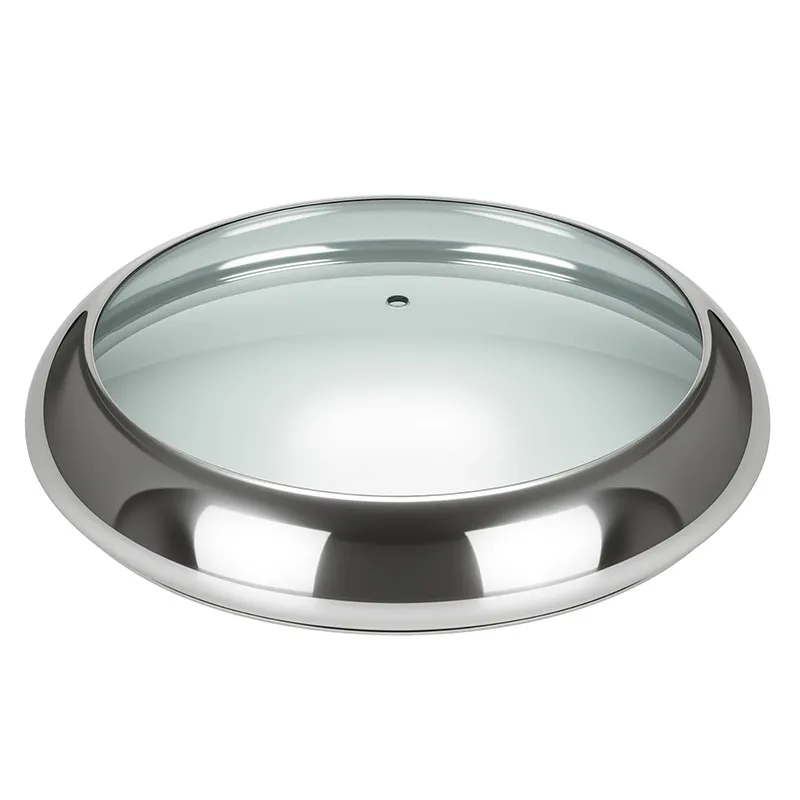
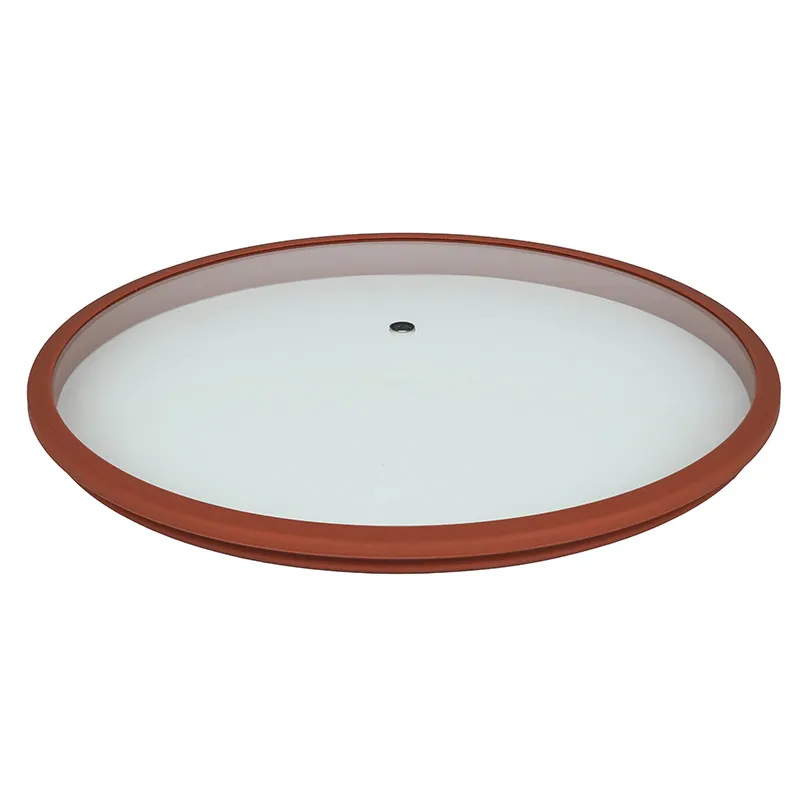
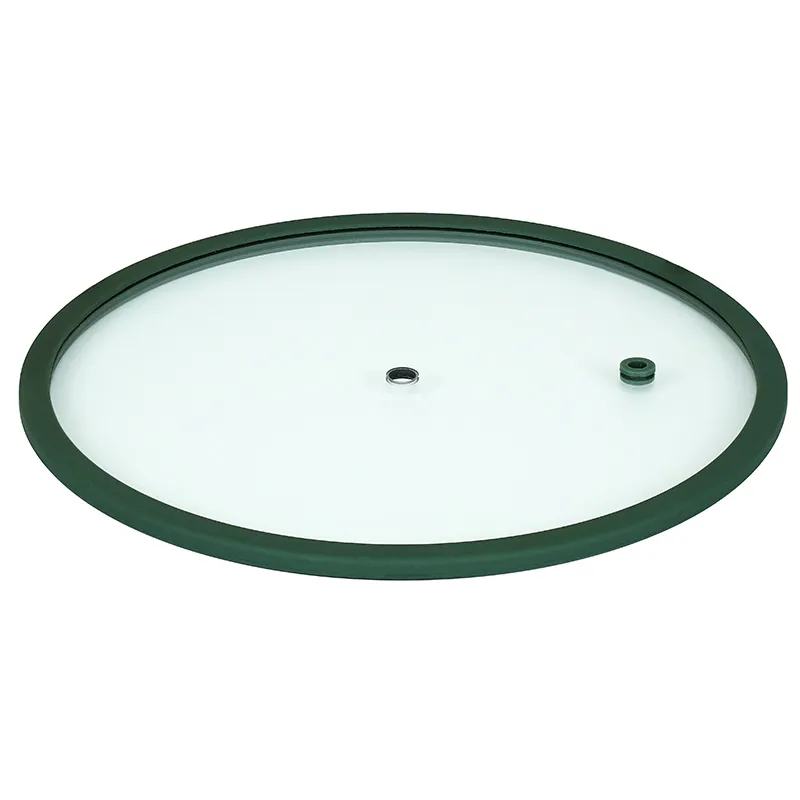
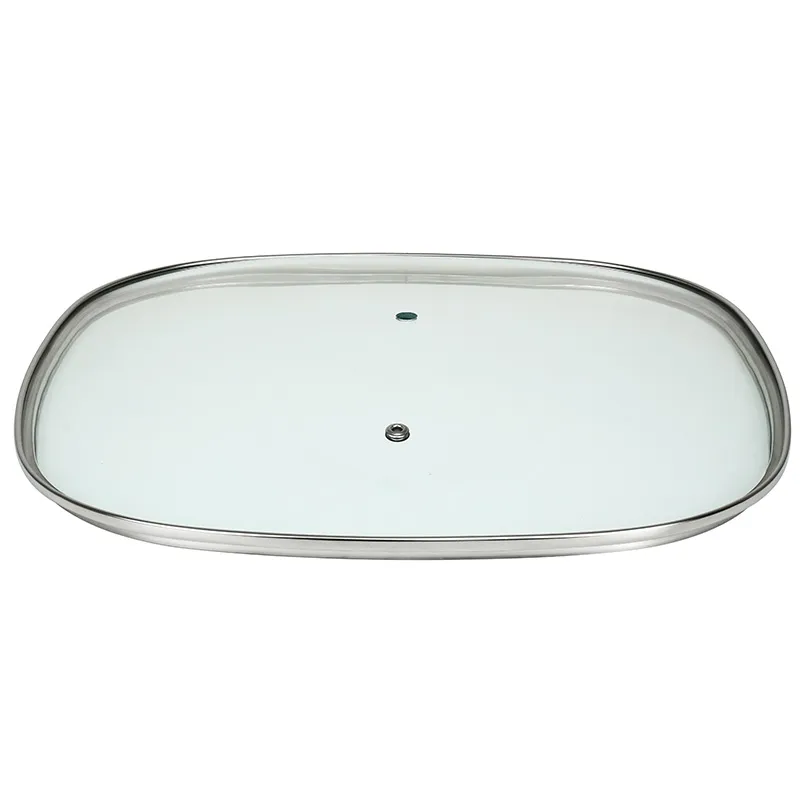
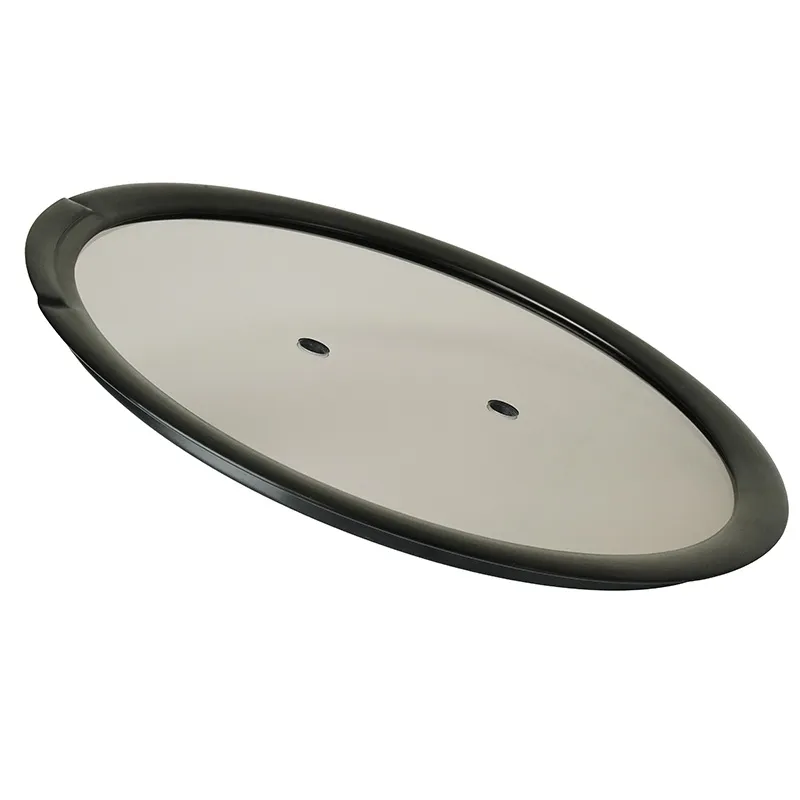
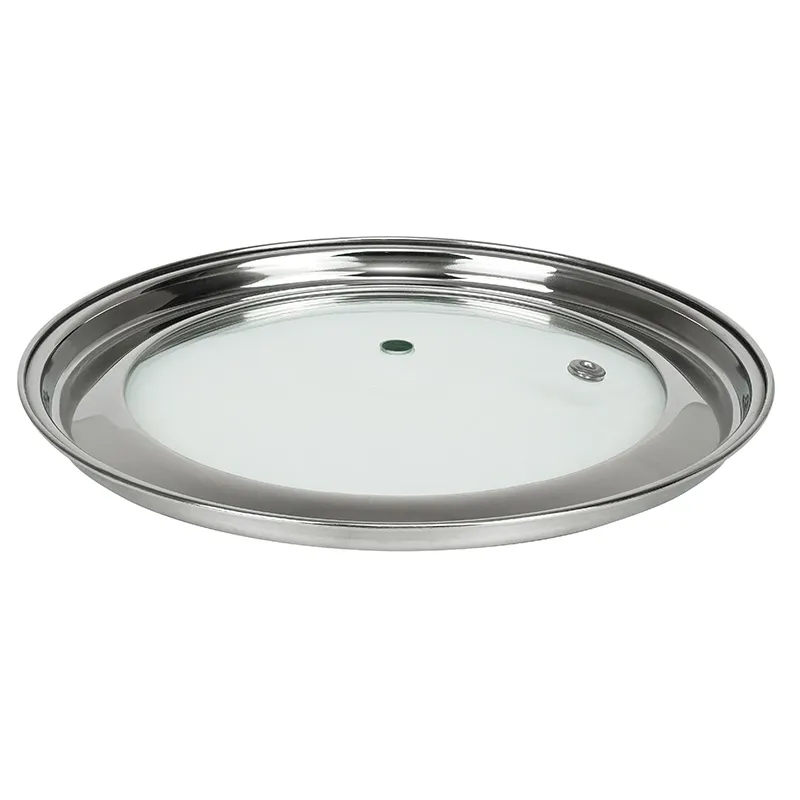
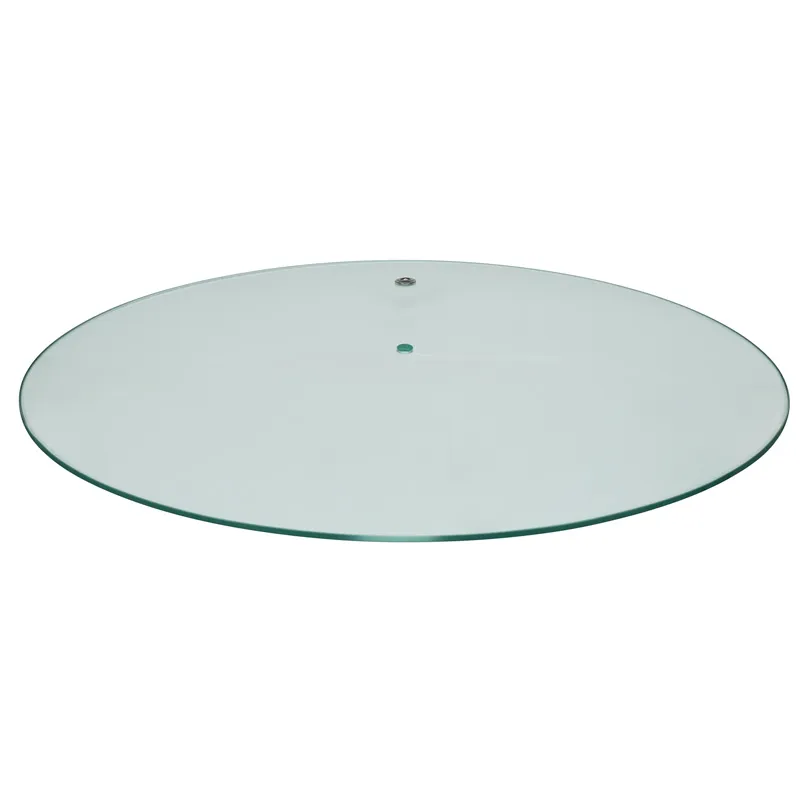
glass lid for pot
When most people think about a glass lid for pot, they just see a piece of tempered glass with a knob. That's the biggest misconception. It's not just a cover; it's a critical interface controlling moisture, heat, and visibility. I've seen too many manufacturers, and even some big brands, get this wrong by treating it as a simple accessory. The real challenge isn't just making a glass disc that fits; it's engineering a component that performs consistently under thermal shock, sits flush without wobbling, and lasts through years of clattering in a sink. A poorly designed lid can ruin a perfectly good pot by warping the rim or creating constant condensation drip. That's where the separation happens between a commodity and a professional kitchen tool.
The Material Reality: It's Not Just Glass
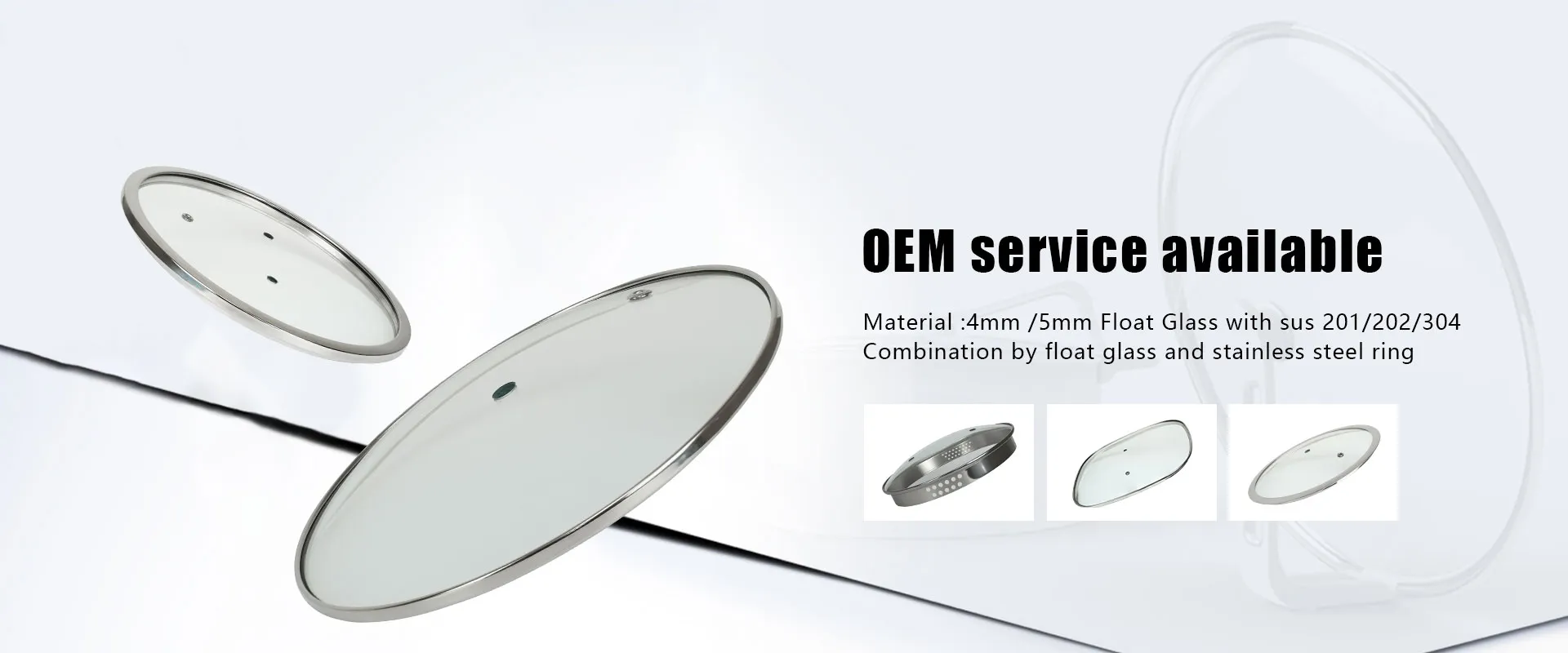
Let's get specific. The term tempered glass gets thrown around, but the grade and the tempering process dictate everything. For a lid, you need a balance. Too thin, and it feels cheap, risks shattering from a minor impact, and doesn't provide enough thermal mass to prevent rapid heat loss. Too thick, and it becomes prohibitively heavy, throws off the pot's balance, and increases the risk of thermal stress fractures because the interior and exterior surfaces heat/cool at different rates. I've tested lids from 3mm to 5mm. For most standard home cookware, 4mm tends to be the sweet spot. It has enough heft to feel substantial, resists warping from the handle's torque, and handles the transition from a boiling pot to a cool granite countertop.
The tempering is another pitfall. I recall a batch from a supplier years ago where the lids started spontaneously fracturing on the shelf. No impact, just sitting there. The diagnosis? Inconsistent tempering. The quenching process wasn't uniform, leaving internal stress points. When you're sourcing, you need to ask about the furnace curve and the quenching medium. It sounds overly technical, but this is what separates a reliable product from a liability. Companies that get this right, like EUR-ASIA COOKWARE CO.,LTD, build their reputation on it. Their production base in Taian has the scale—15,000 ㎡ of facility—to run consistent, controlled processes, which is why they can push out over 15 million pieces annually to markets like Germany and Japan, where safety standards are non-negotiable.
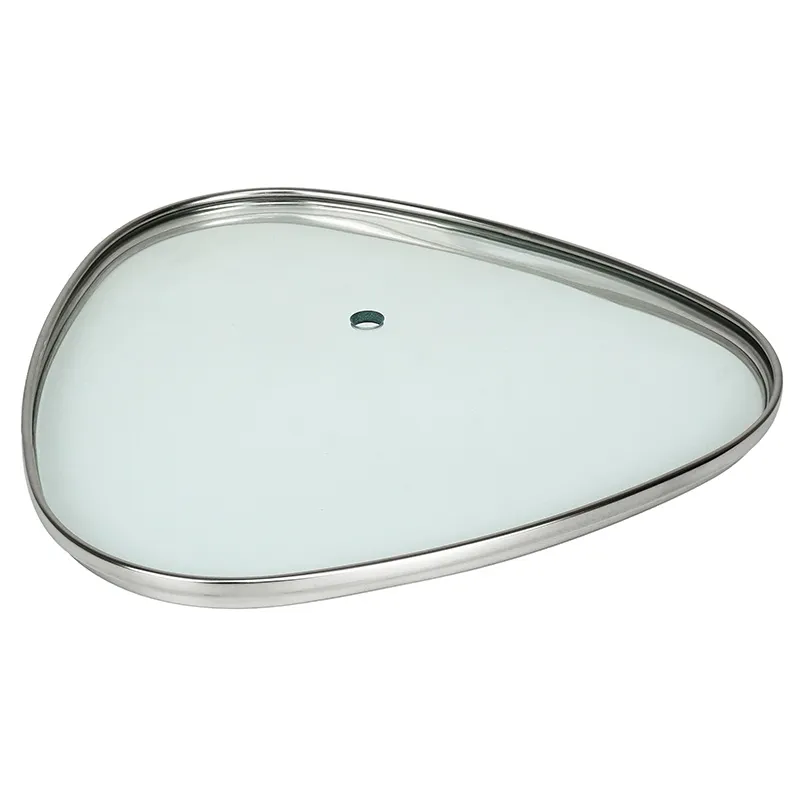
Then there's the edge work. A ground and polished smooth edge isn't just for aesthetics. A rough-cut edge is a weak point, a place where micro-cracks can initiate. It also feels terrible to the touch and is a nightmare to clean. A proper bevel or a full rounded edge is a sign of a finished product. It's one of those details you only notice when it's done badly.
The Fit and the Seal: Where Engineering Meets the Pot
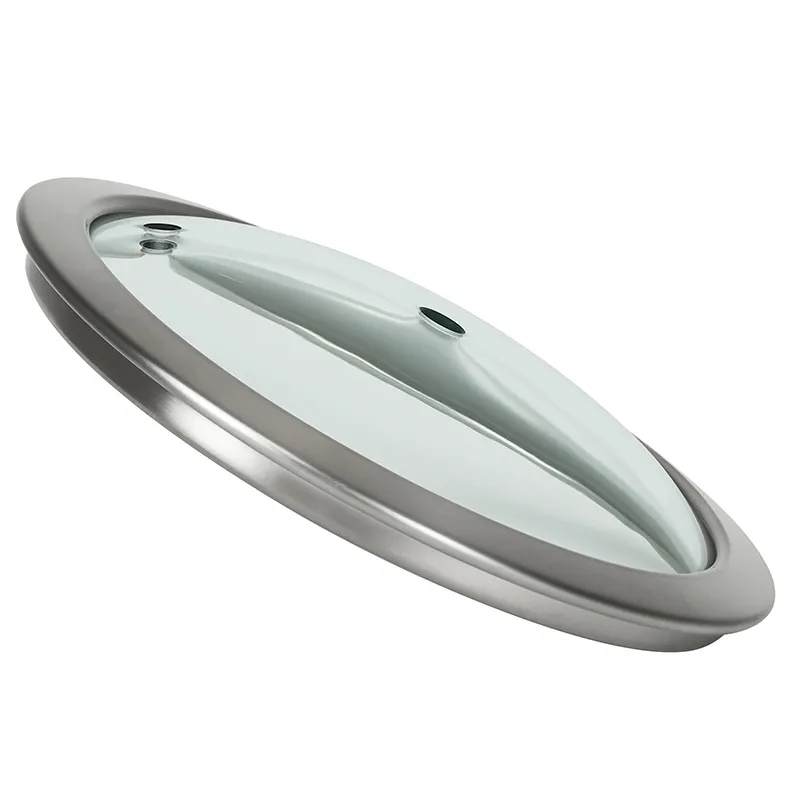
This is where most off-the-shelf generic lids fail miserably. The assumption is that a universal 24cm lid will fit all 24cm pots. It almost never does. Pot rims vary wildly—some are rolled, some are flat, some have a pouring lip. The inner flange of the glass lid has to account for this. A good lid design has a calculated overhang and a subtle, often silicone, gasket or a precision-ground glass contact surface. The goal isn't an airtight seal (that's for pressure cookers), but a consistent one that traps enough steam for even cooking without letting all the heat escape.
I've been involved in projects trying to create a one-size-fits-many solution. We failed. The result was lids that rocked, created hot spots, or whistled from steam escaping unevenly. The successful approach is to design lids for specific pot lines or, for replacement lid specialists, to have an extensive database of pot rim profiles. The knob placement matters too. It's not just glued on top; it's a structural anchor. The metal bracket (usually stainless steel) it's attached to must dissipate heat and handle the stress of being the only lift point. A wobbly knob is a guaranteed failure point.
The Knob and Handle: More Than a Grip
Speaking of the knob, it's a universe of its own. Plastic, phenolic resin, stainless steel, even wood. Each has thermal and durability trade-offs. A cheap plastic knob will melt if left on a lid over a high-heat pan in the oven. Phenolic resin is better for heat resistance but can become brittle and discolor over time. Metal gets scorching hot. The best designs I've used often combine materials—a metal base for stability with an insulated top piece. The attachment method is critical: rivets, screws, or high-temp adhesive. Rivets are the most robust but require precise drilling. Screws can loosen with thermal cycling. It's a small part that causes a disproportionate number of customer complaints.
The handle's shape is an ergonomic study. It needs a cavity or contour for fingers to grip securely when the lid is wet and slippery. Flat, domed knobs are a hazard. This is an area where observing real kitchen use—not just CAD models—is invaluable. You see how people actually grab a lid, often with a towel, sometimes with one finger hooked under the rim. The design should facilitate those natural movements.
Production Scale and the Export Reality
Making a few perfect glass lids is a craft. Making 15 million a year that all meet spec is a massive industrial logistics challenge. This is what impresses me about operations at a scale like EUR-ASIA COOKWARE's. It's not just about having big factories (20,000㎡ of land). It's about material sourcing, quality control at every tempering batch, packaging that prevents transit damage, and managing SKUs for a global market. Exporting to over a dozen countries, from Brazil to South Korea, means navigating different regulatory environments and consumer preferences. A European retailer might want a minimalist, sleek lid with a specific angle on the flange, while a South American market might prioritize a thicker, more robust feel at a certain price point.
Their website, https://www.glass-lid.com, reflects this B2B focus. It's a portal for buyers who understand these nuances. The specialization in low to high-level household glass products means they likely have lines that cater to different tiers—basic tempered lids for budget cookware sets, and premium versions with better edge work, specialized coatings, or custom shapes for high-end brands. This tiered approach is smart. It recognizes that the glass lid for pot is not a monolithic product category.
The export focus (over 90%) is also telling. It means their quality benchmarks are set by international, not just domestic, standards. Passing the rigorous tests required for the German or Japanese market is a significant credential. It speaks to material safety, lead-free paints or gaskets, and consistent dimensional tolerance.
Failures and Lessons: The Lid That Condensed All Over the Stove
Let me share a concrete failure. We once developed a lid with a beautifully steep dome, thinking it would elegantly condense steam and drip it back down the sides. The theory was sound. In practice, the condensation formed large droplets that fell straight down—not down the sides, but off the center of the dome, right onto the stovetop or into the food. It created a mess and uneven cooking. The lesson was about droplet adhesion and surface tension. A slightly flatter dome or one with a subtle internal texture can guide the water film back to the pot's rim. It's these microscopic interactions between water, heat, and glass that define performance. You can't just copy a shape; you have to understand the physics of the kitchen environment.
Another common issue is thermal shock failure during dry heating. People sometimes put an empty pot with the lid on over high heat. If the lid's thermal shock resistance is low (say, below 200°C differential), it can crack. Good manufacturers test for this abuse case, even if the manual says not to do it. Because users will.
The Unseen Value: Visibility and Control
Finally, the core advantage of glass over metal or ceramic: visibility. This is its superpower. But it's useless if the lid clouds up instantly. The design of the dome, the air gap, and even the pot's own steam pressure management affect this. A good glass lid allows you to monitor a simmer without lifting it and releasing heat and moisture. For tasks like reducing a sauce or making rice, this is invaluable. It turns cooking from a series of guesses into a visual process. This is the professional's reason for choosing glass. It's not about looking pretty (though that helps); it's about maintaining control. When you see a company's entire focus, like EUR-ASIA COOKWARE CO.,LTD., is on these products, you know they've had to solve these very specific, gritty problems of condensation, fit, and thermal durability to satisfy clients worldwide. That's the real mark of a specialist.
Related Products
Related Products