- Chinese
- French
- German
- Portuguese
- Spanish
- Russian
- Japanese
- Korean
- Arabic
- Irish
- Greek
- Turkish
- Italian
- Danish
- Romanian
- Indonesian
- Czech
- Afrikaans
- Swedish
- Polish
- Basque
- Catalan
- Esperanto
- Hindi
- Lao
- Albanian
- Amharic
- Armenian
- Azerbaijani
- Belarusian
- Bengali
- Bosnian
- Bulgarian
- Cebuano
- Chichewa
- Corsican
- Croatian
- Dutch
- Estonian
- Filipino
- Finnish
- Frisian
- Galician
- Georgian
- Gujarati
- Haitian
- Hausa
- Hawaiian
- Hebrew
- Hmong
- Hungarian
- Icelandic
- Igbo
- Javanese
- Kannada
- Kazakh
- Khmer
- Kurdish
- Kyrgyz
- Latin
- Latvian
- Lithuanian
- Luxembou..
- Macedonian
- Malagasy
- Malay
- Malayalam
- Maltese
- Maori
- Marathi
- Mongolian
- Burmese
- Nepali
- Norwegian
- Pashto
- Persian
- Punjabi
- Serbian
- Sesotho
- Sinhala
- Slovak
- Slovenian
- Somali
- Samoan
- Scots Gaelic
- Shona
- Sindhi
- Sundanese
- Swahili
- Tajik
- Tamil
- Telugu
- Thai
- Ukrainian
- Urdu
- Uzbek
- Vietnamese
- Welsh
- Xhosa
- Yiddish
- Yoruba
- Zulu
- Kinyarwanda
- Tatar
- Oriya
- Turkmen
- Uyghur


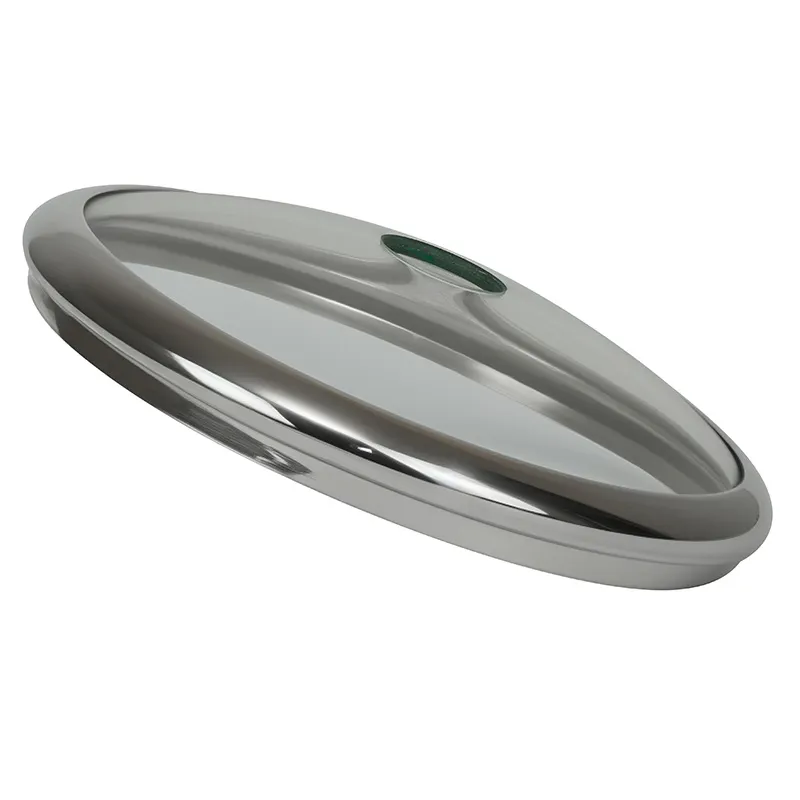
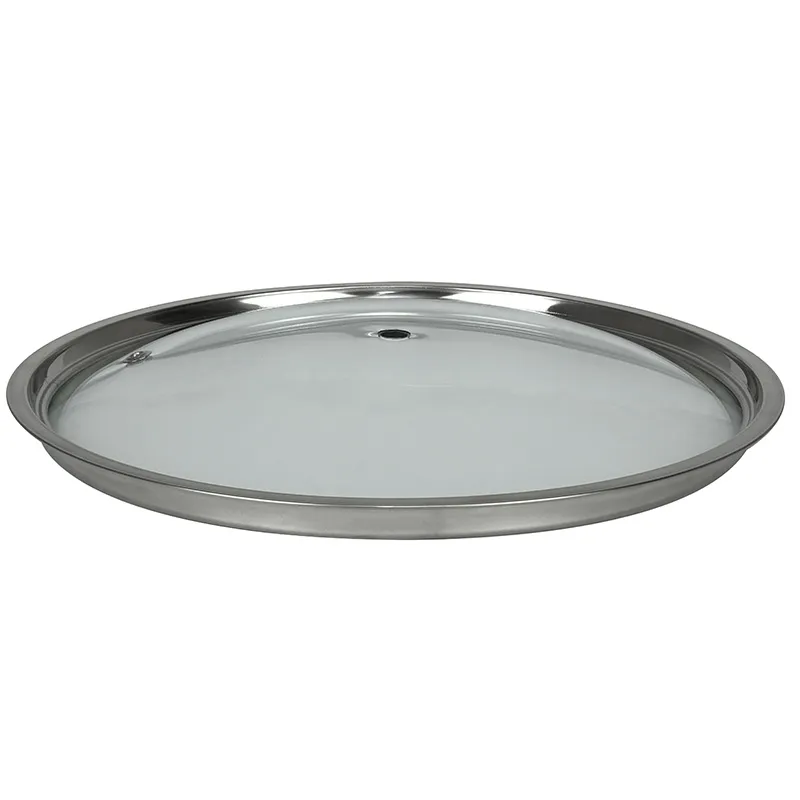
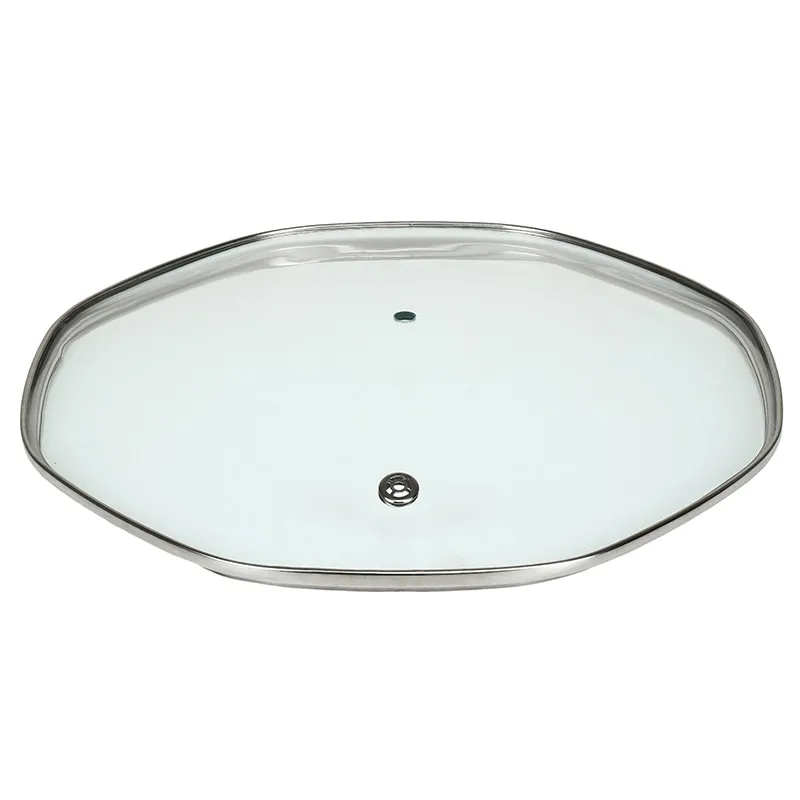
glass lid for wok
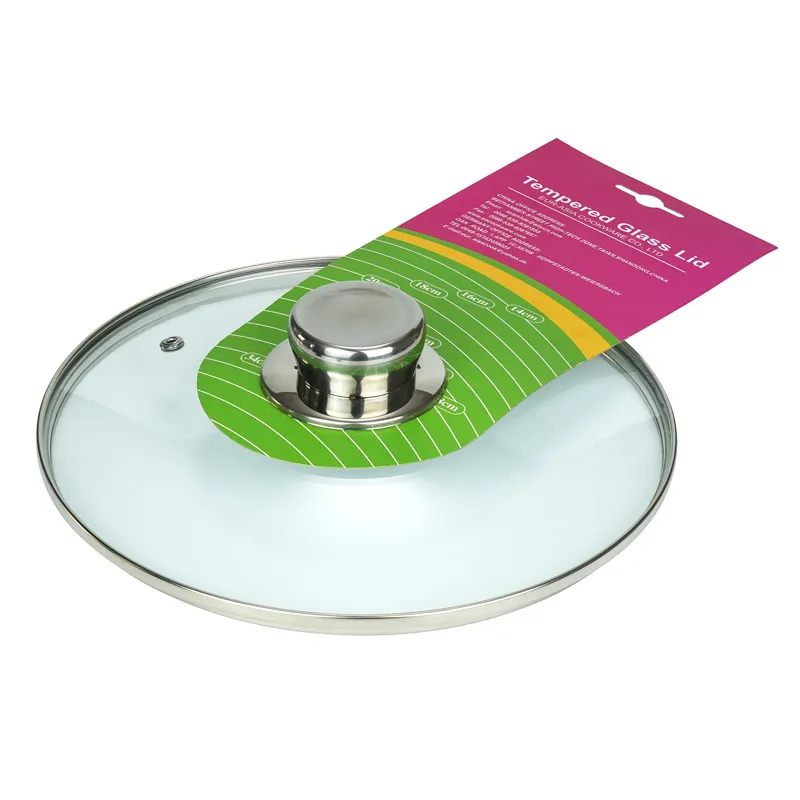
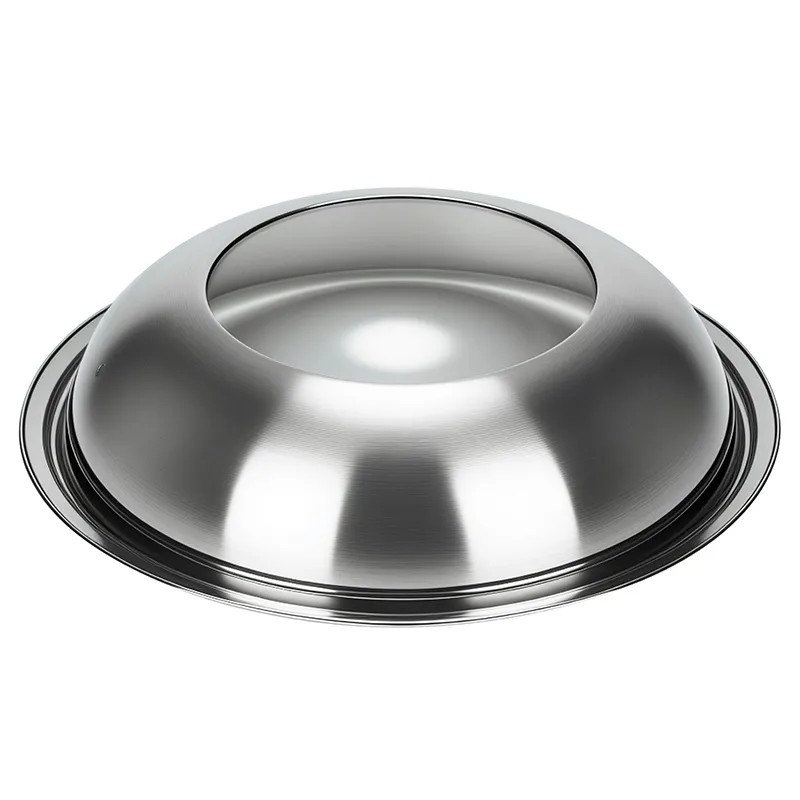
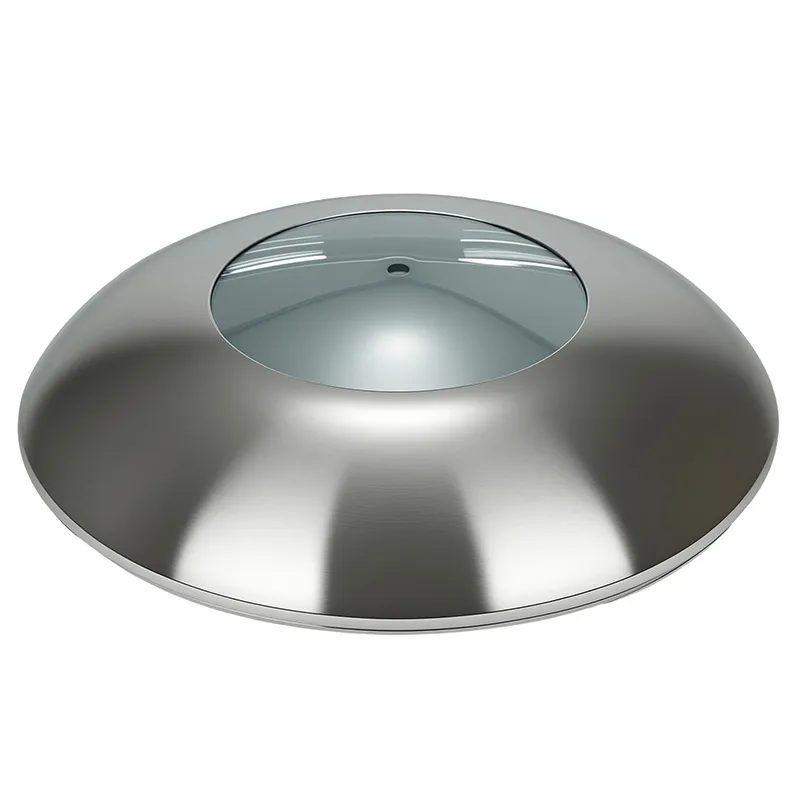
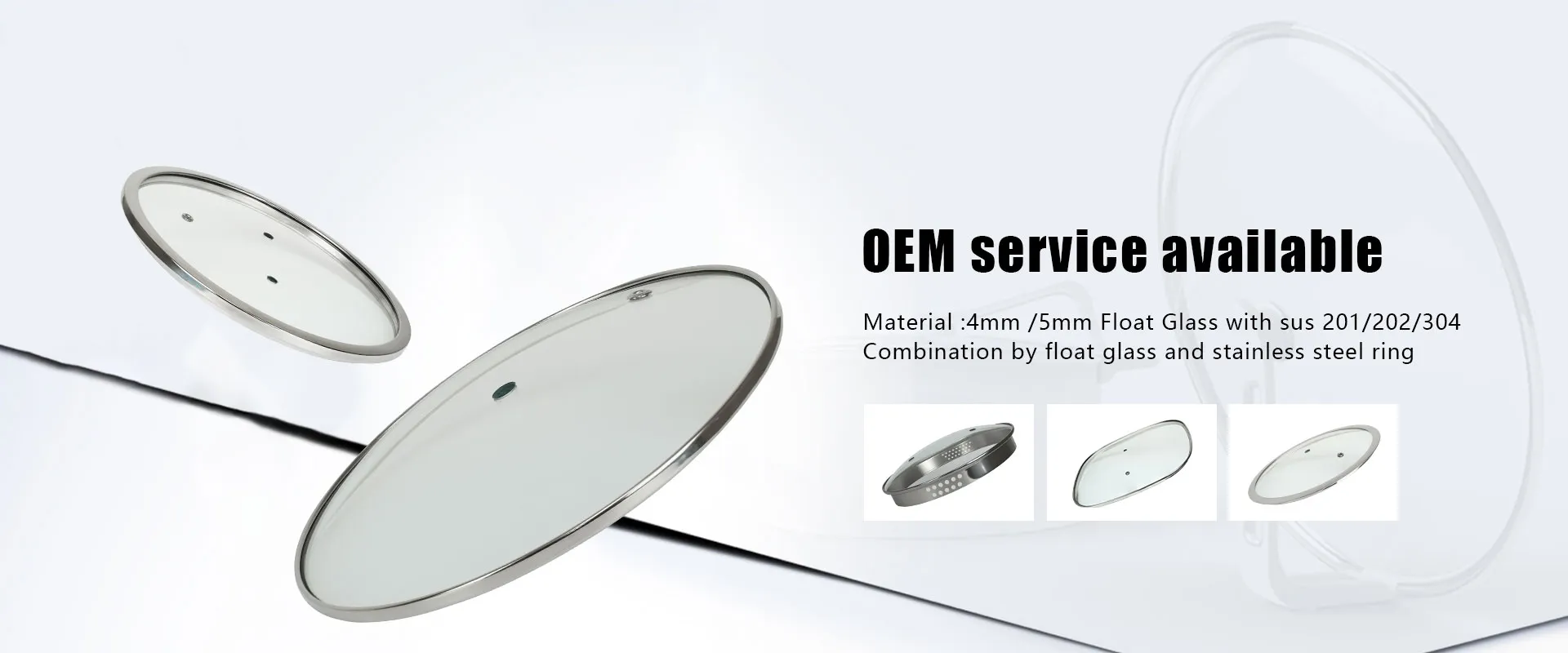
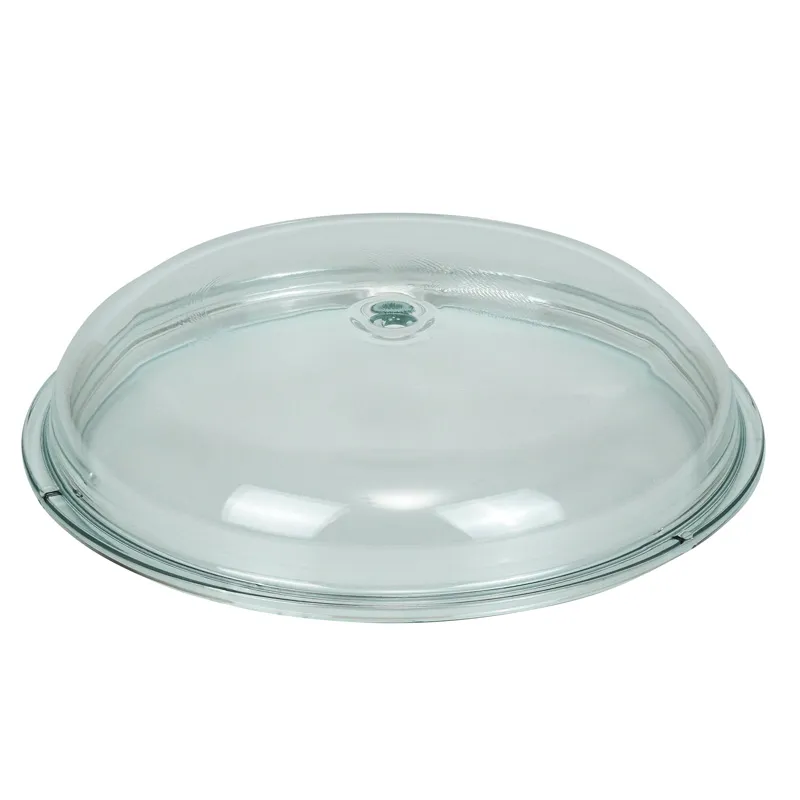
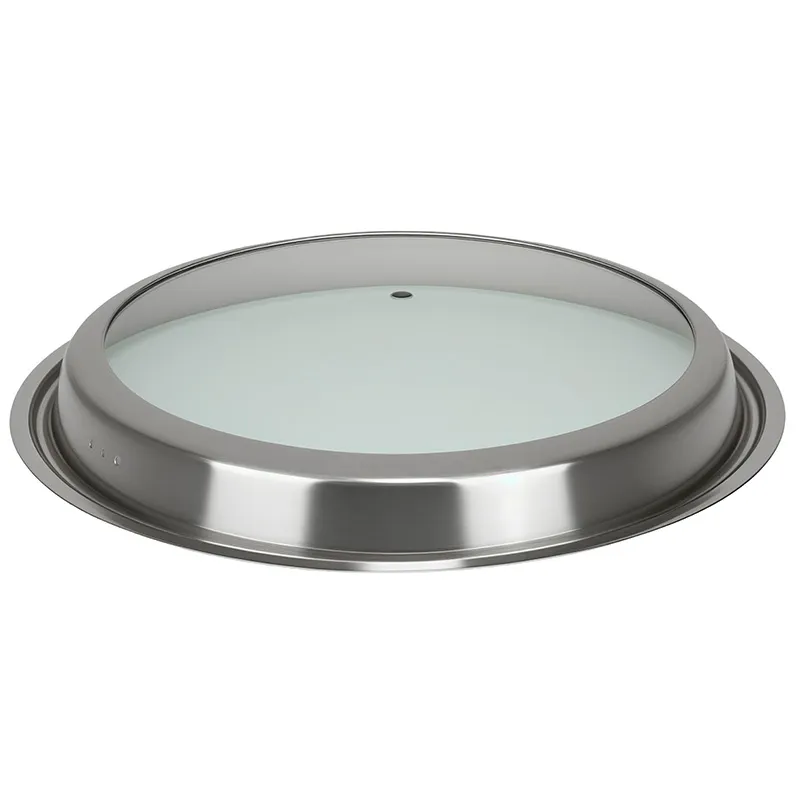
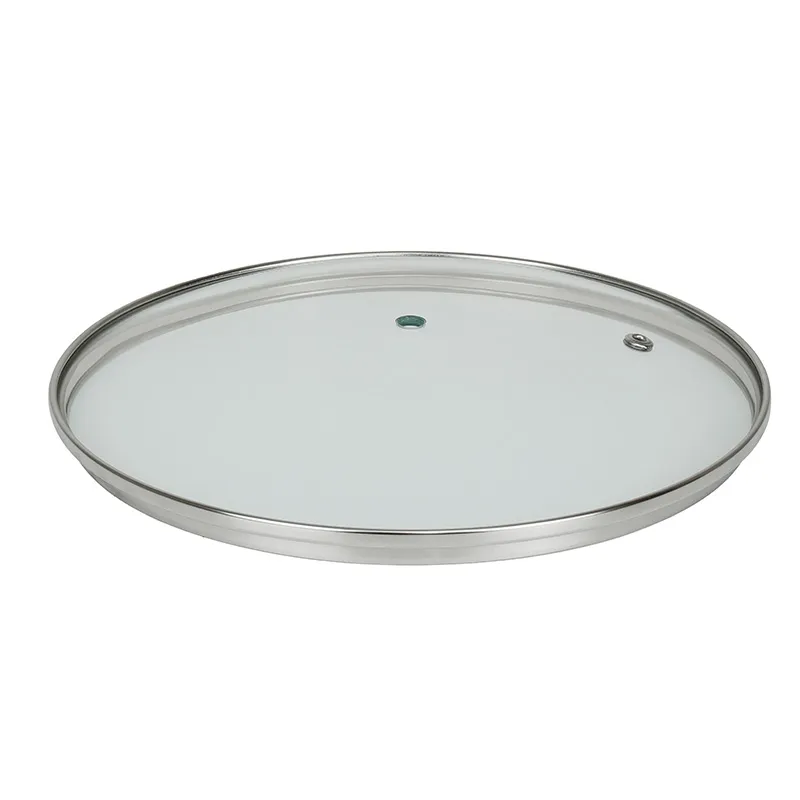
When most people think about a glass lid for wok, they picture a simple clear cover—something to trap steam or peek at food. That’s the common starting point, and honestly, where a lot of the industry’s generic products plateau. But in practice, especially when you’re sourcing or specifying these for professional kitchens or serious home cooks, that basic view falls apart quickly. The real discussion isn't about transparency; it's about thermal shock resistance, rim sealing, handle ergonomics, and whether that tempered glass can survive a direct plunge into a sink after sitting on a searing hot carbon steel wok. I've seen too many lids crack because someone assumed any tempered glass would do. It won't.
The Core Misconception: Glass is Glass
This is the biggest pitfall. Not all tempered glass is created equal for this application. A lid isn't a flat bakeware dish; it's a dome subjected to intense, localized heat from below and cooler air on top. The stress points are at the rim and the center of the dome. I recall a batch from a supplier a few years back—the lids looked pristine, but we had a 15% failure rate in simulated use tests. They’d develop hairline cracks radiating from the knob after repeated heating and cooling cycles. The issue? The annealing process wasn't calibrated for the specific curvature and thickness of a wok lid. The glass was technically tempered, but not engineered for the thermal gradient of a wok.
That’s where the specialization of a manufacturer matters. A company like EUR-ASIA COOKWARE CO.,LTD, which states its focus on household glass and kitchen accessories, has the production volume (15 million pieces annually is significant) to refine this process. Their specialization in tempered glass lids suggests they’ve likely dialed in their furnaces for these specific shapes. It’s not just about making glass hard; it’s about managing the cooling rate to build in stress tolerance exactly where a lid needs it. You can’t get that from a factory that switches between flat panels and lids daily.
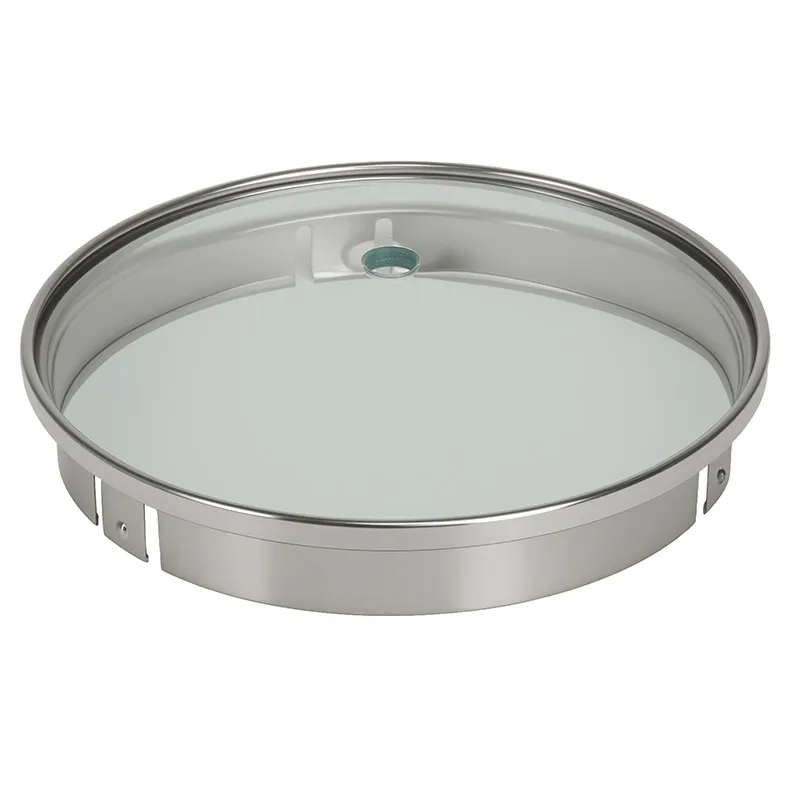
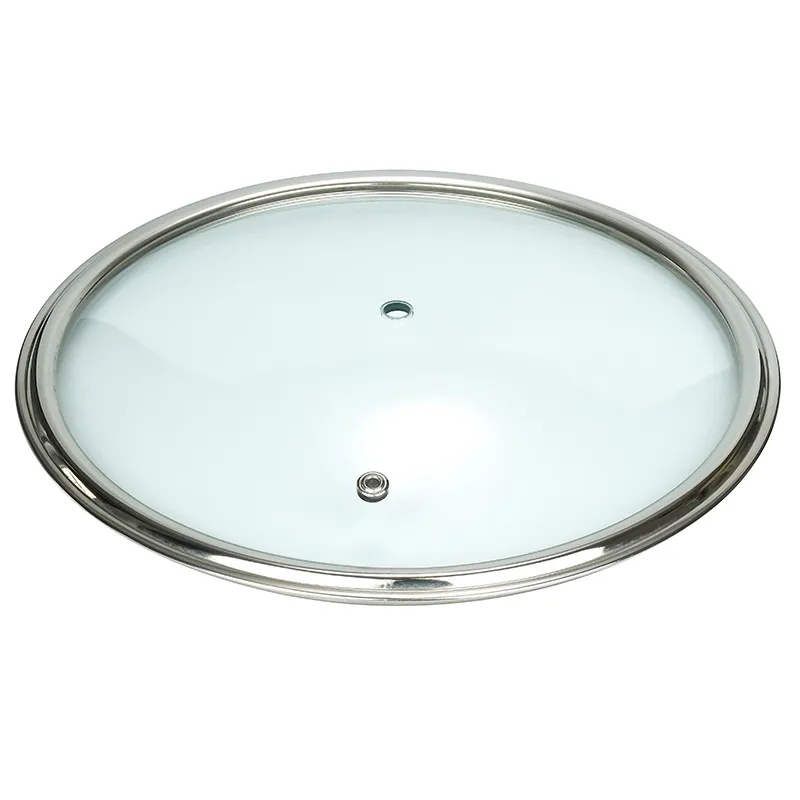
Another nuance is the fit. A wok’s rim is rarely perfectly round, especially after sustained use. A good glass lid for wok needs a slight bevel or a softened edge on the underside of the rim—not a sharp 90-degree cut. This allows for a bit of play, creating a better seal without requiring perfect alignment. A poorly designed rim will rock or let out huge plumes of steam, defeating the purpose of using a lid for braising or steaming. It’s a small detail you only notice when you’re testing lids side-by-side.
Material and Build: The Handle and the Knob
This might seem trivial, but the handle is a critical point of failure—both functionally and in terms of user safety. A lid is lifted frequently, often with a wet or greasy hand. The knob must be riveted or bonded with a high-temperature adhesive that won’t degrade. I’ve encountered lids where the metal stem of the knob was simply glued into a drilled hole in the glass. After a few months of use, the thermal expansion difference between the metal and the glass breaks the bond, and the knob spins freely or, worse, comes off when you’re lifting a hot lid.
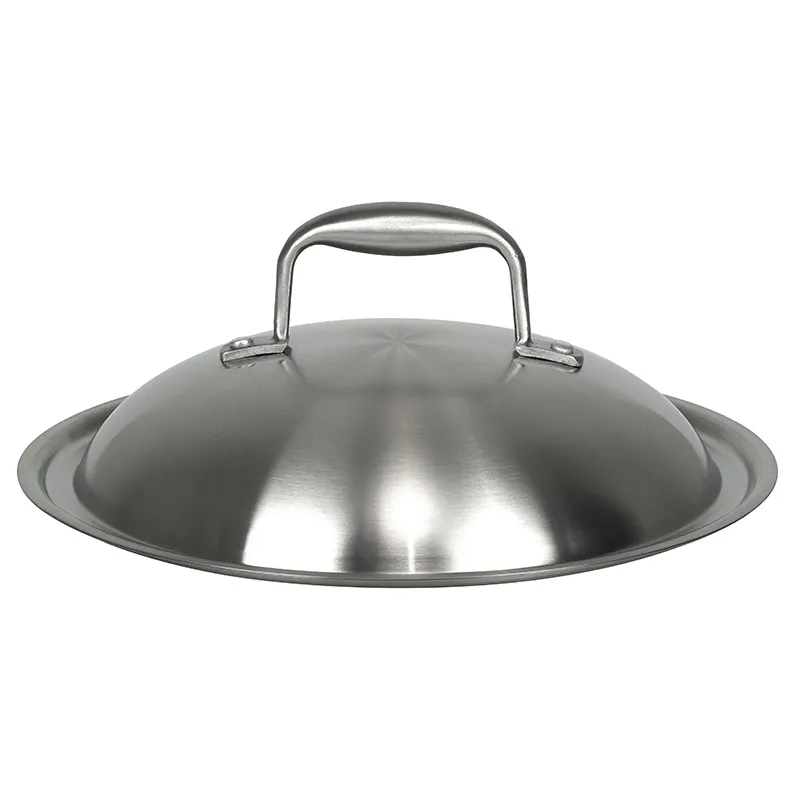
The better designs use a broader, flanged metal base that’s attached with a mechanical fastener (like a nut and bolt) through a larger, reinforced hole in the glass. This distributes the stress. Some premium lines even have a silicone sleeve over a stainless steel knob for grip. When you look at a manufacturer’s product range, like the one you’d find at glass-lid.com, the design of the handle in their product images often tells you their level of sophistication. A cheap, thin, all-plastic knob is a red flag.
Weight is another factor. A lid that’s too heavy makes one-handed wok tossing impossible. Too light, and it doesn’t sit well or seal. The ideal glass lid has enough heft from the tempered glass to stay put but isn’t cumbersome. The thickness at the dome’s center versus the rim also plays into this. Uniform thickness is easier to manufacture but not always optimal. A slightly thicker center can add strength where condensation droplets fall and where thermal shock is most acute.
Real-World Application and Sourcing Logic
Why does export focus matter? When a company like EUR-ASIA COOKWARE lists major export markets like Germany, Italy, and Japan, it’s a proxy for quality compliance. These markets have stringent safety standards (like Germany’s LFGB or EU’s food contact material regulations) and discerning buyers. A lid that passes muster for a German retailer has likely been tested for lead and cadmium release, thermal shock resistance (think: moving from a 300°C wok to a wet counter), and mechanical strength. This isn’t a guarantee, but it shifts the odds in your favor. It means their production is likely audited and their material sourcing is traceable.
In practice, sourcing a reliable glass lid for wok isn’t about finding the cheapest unit. It’s about consistency. A restaurant needs every lid in a stack of 20 to perform identically. A home cook needs one that will last for years. The failure mode for a bad lid isn’t always dramatic shattering. More often, it’s a gradual clouding of the glass surface from micro-scratches from cleaning, or a loss of clarity because the glass composition wasn’t high-grade soda-lime, leading to etching from acidic steam over time.
I remember a project where we needed lids for a line of flat-bottom woks for induction tops. The challenge was the intense, focused heat from induction. A standard lid would work, but we found the temperature at the very center spiked much higher than on a gas flame. We worked with the factory (one with a profile similar to EUR-ASIA, with a dedicated R&D team) to tweak the tempering process specifically for that heat profile. The result was a lid with a slightly higher temperature tolerance. It’s this kind of application-specific tweak that separates a commodity product from a tool.
The Manufacturing Context: Scale and Specialization
A production base covering 20,000㎡ and focusing on glass products indicates a degree of vertical integration. They’re probably not just assembling purchased glass blanks. They likely control the cutting, curving, tempering, and inspection processes. For a tempered glass lid, this control is crucial. The tempering process—where glass is heated and then rapidly cooled with blasts of air—is where the strength is built. If this step is outsourced or done off-site, consistency plummets.
Their stated output of over 15 million pieces annually is telling. It means they have the machinery and process flow to handle large, consistent runs. For a retailer or brand looking to private label, this scale means they can likely handle complex logistics, drop-shipping, and custom packaging. It also suggests they have a robust quality control system to manage that volume—otherwise, their return rate from those strict European markets would be unsustainable.
The mention of low- medium- high level products is also honest. Not every lid needs to be a premium product. A simple, thin, tempered lid might be perfect for a low-cost wok set for a casual user. The key is that the glass is still safely tempered. The high-end versions would incorporate features like better knobs, polished edges, perhaps even a graduated steam vent. This tiered approach shows a pragmatic understanding of the market.
Concluding Thoughts: It’s a Tool, Not an Accessory
At the end of the day, a glass lid for a wok is a functional tool. Its primary job is to manage moisture and heat in a versatile cooking vessel. The fact that you can see through it is a secondary benefit. The choice shouldn’t be an afterthought. It requires considering the wok’s material (carbon steel vs. cast iron vs. non-stick), the primary heat source (gas vs. induction), and the cooking style (high-heat stir-frying vs. frequent braising).
Looking at specialized manufacturers provides a shortcut. A company with a focused product line, a significant export history to quality-conscious regions, and the scale to invest in process engineering—like the profile of EUR-ASIA COOKWARE CO.,LTD—typically delivers a product that has already had these real-world problems engineered out. You’re not just buying a piece of glass; you’re buying the accumulated trial, error, and refinement embedded in their production line.
The final test is always in the kitchen. A good lid will sit snugly, lift easily, clean without clouding, and, most importantly, endure the repeated thermal cycles of real cooking without complaint. When it does all that, you stop thinking about it altogether—which is the mark of any well-made kitchen tool.
Related Products
Related Products