- Chinese
- French
- German
- Portuguese
- Spanish
- Russian
- Japanese
- Korean
- Arabic
- Irish
- Greek
- Turkish
- Italian
- Danish
- Romanian
- Indonesian
- Czech
- Afrikaans
- Swedish
- Polish
- Basque
- Catalan
- Esperanto
- Hindi
- Lao
- Albanian
- Amharic
- Armenian
- Azerbaijani
- Belarusian
- Bengali
- Bosnian
- Bulgarian
- Cebuano
- Chichewa
- Corsican
- Croatian
- Dutch
- Estonian
- Filipino
- Finnish
- Frisian
- Galician
- Georgian
- Gujarati
- Haitian
- Hausa
- Hawaiian
- Hebrew
- Hmong
- Hungarian
- Icelandic
- Igbo
- Javanese
- Kannada
- Kazakh
- Khmer
- Kurdish
- Kyrgyz
- Latin
- Latvian
- Lithuanian
- Luxembou..
- Macedonian
- Malagasy
- Malay
- Malayalam
- Maltese
- Maori
- Marathi
- Mongolian
- Burmese
- Nepali
- Norwegian
- Pashto
- Persian
- Punjabi
- Serbian
- Sesotho
- Sinhala
- Slovak
- Slovenian
- Somali
- Samoan
- Scots Gaelic
- Shona
- Sindhi
- Sundanese
- Swahili
- Tajik
- Tamil
- Telugu
- Thai
- Ukrainian
- Urdu
- Uzbek
- Vietnamese
- Welsh
- Xhosa
- Yiddish
- Yoruba
- Zulu
- Kinyarwanda
- Tatar
- Oriya
- Turkmen
- Uyghur

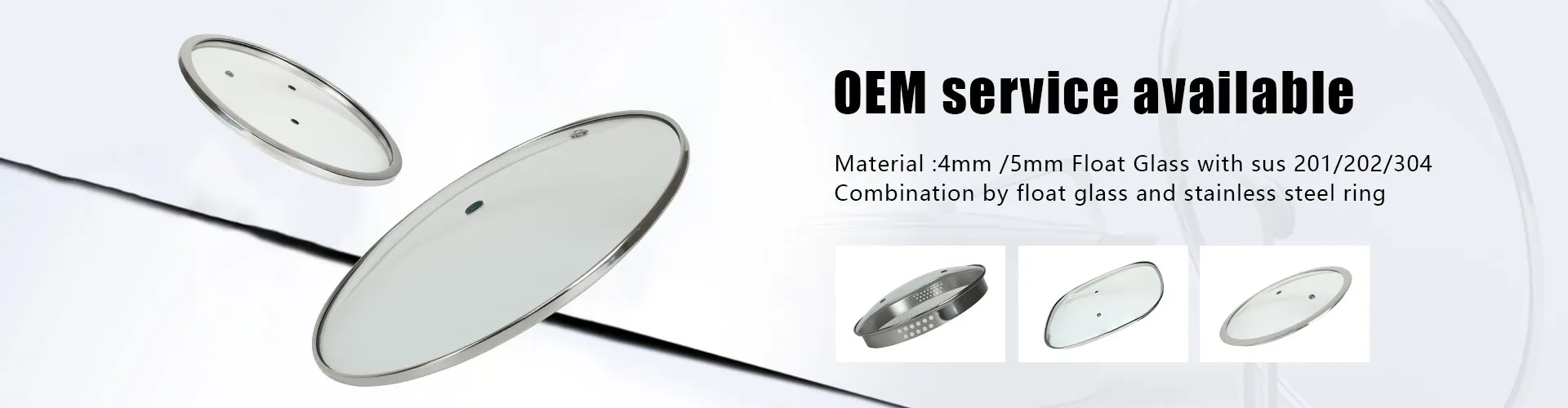
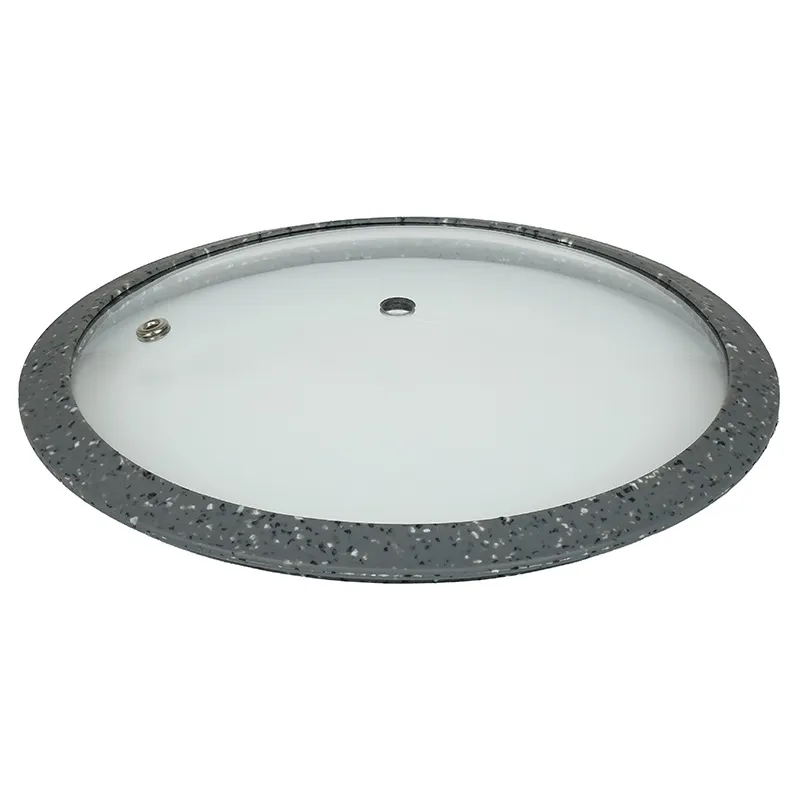
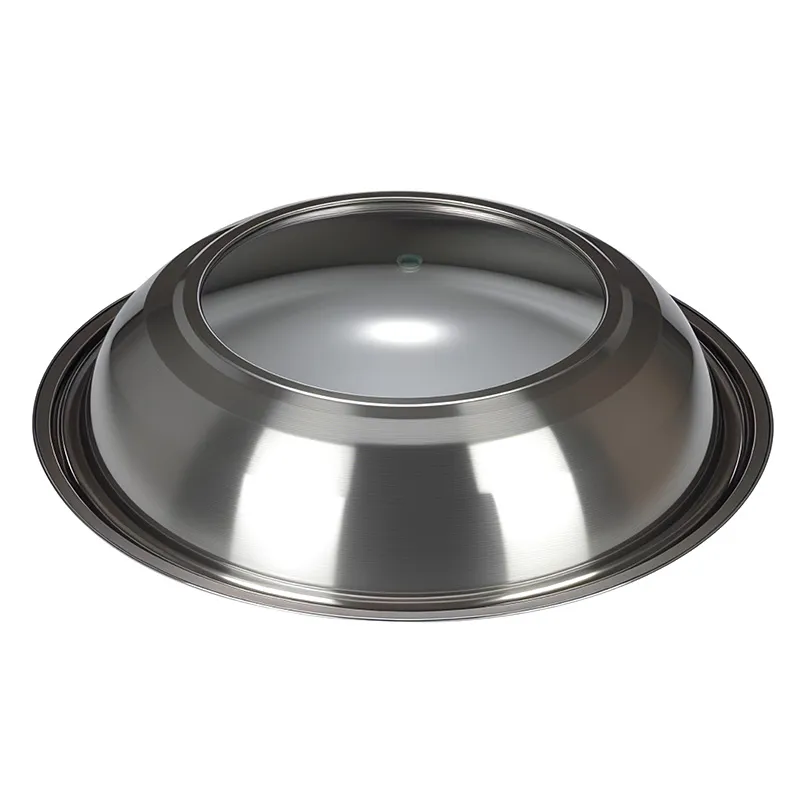
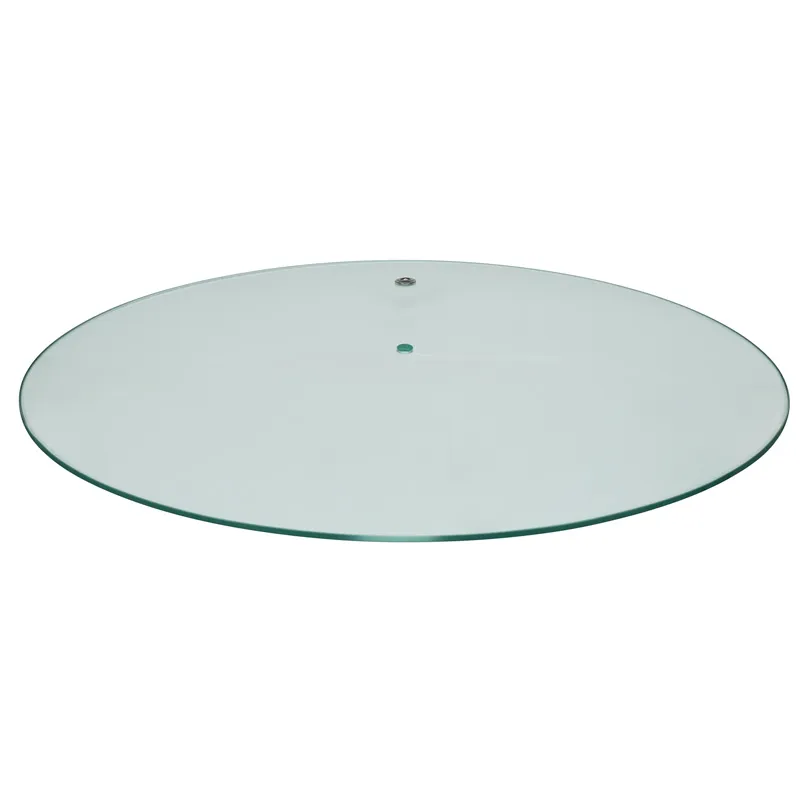
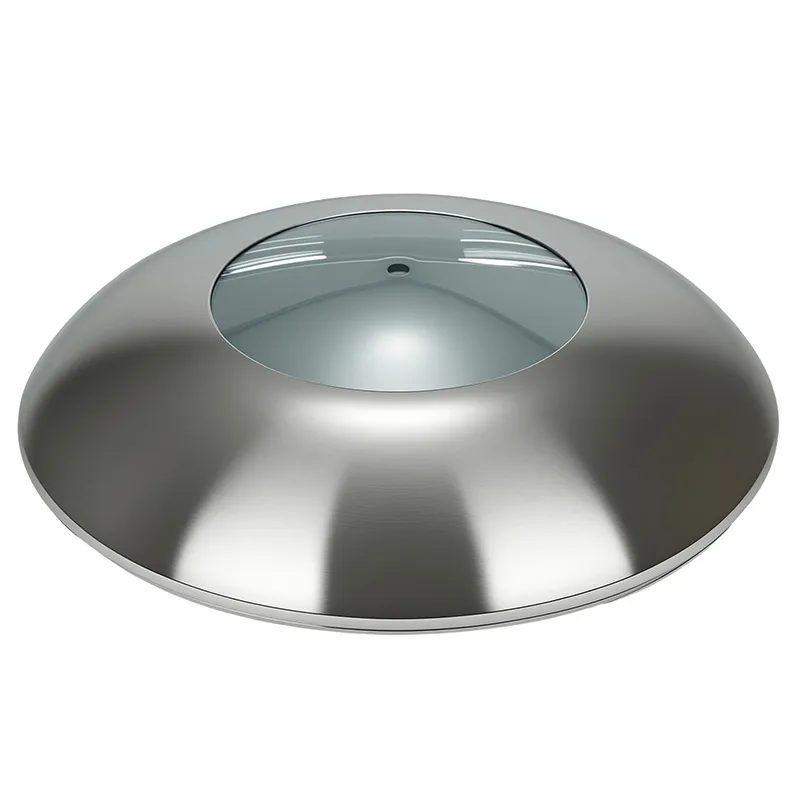
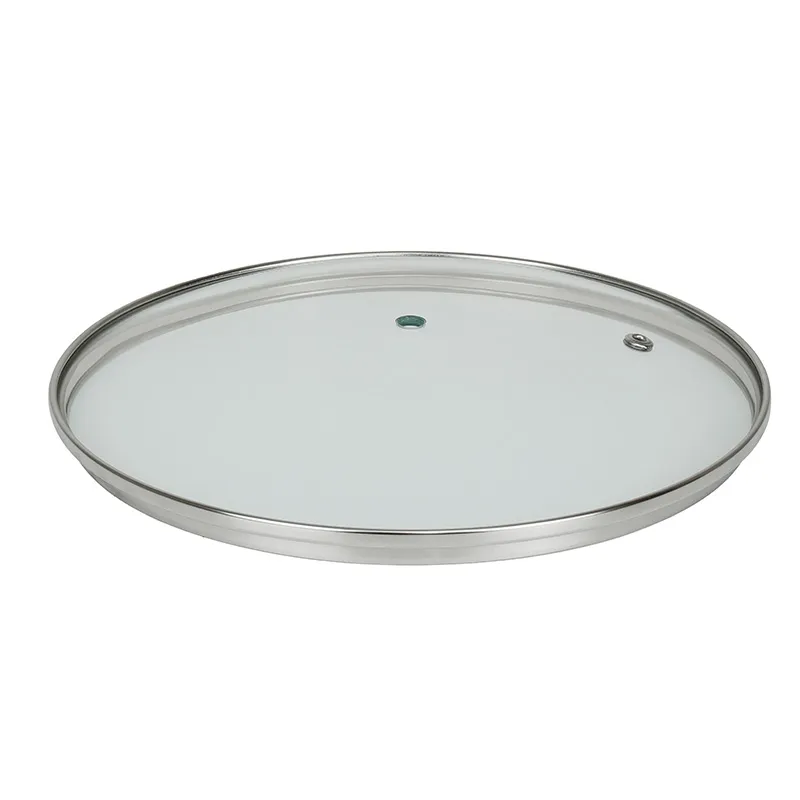
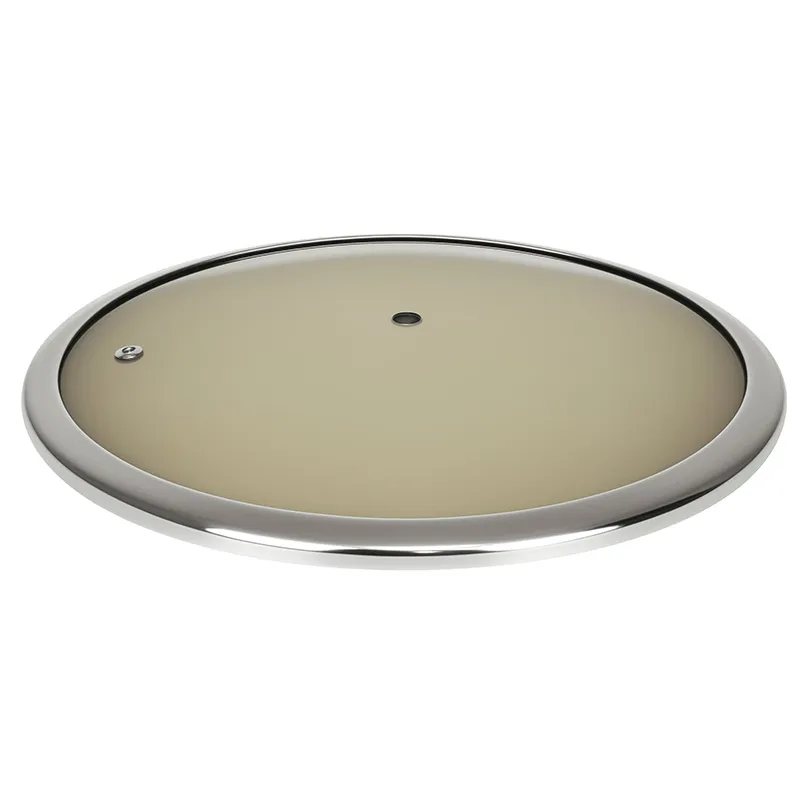
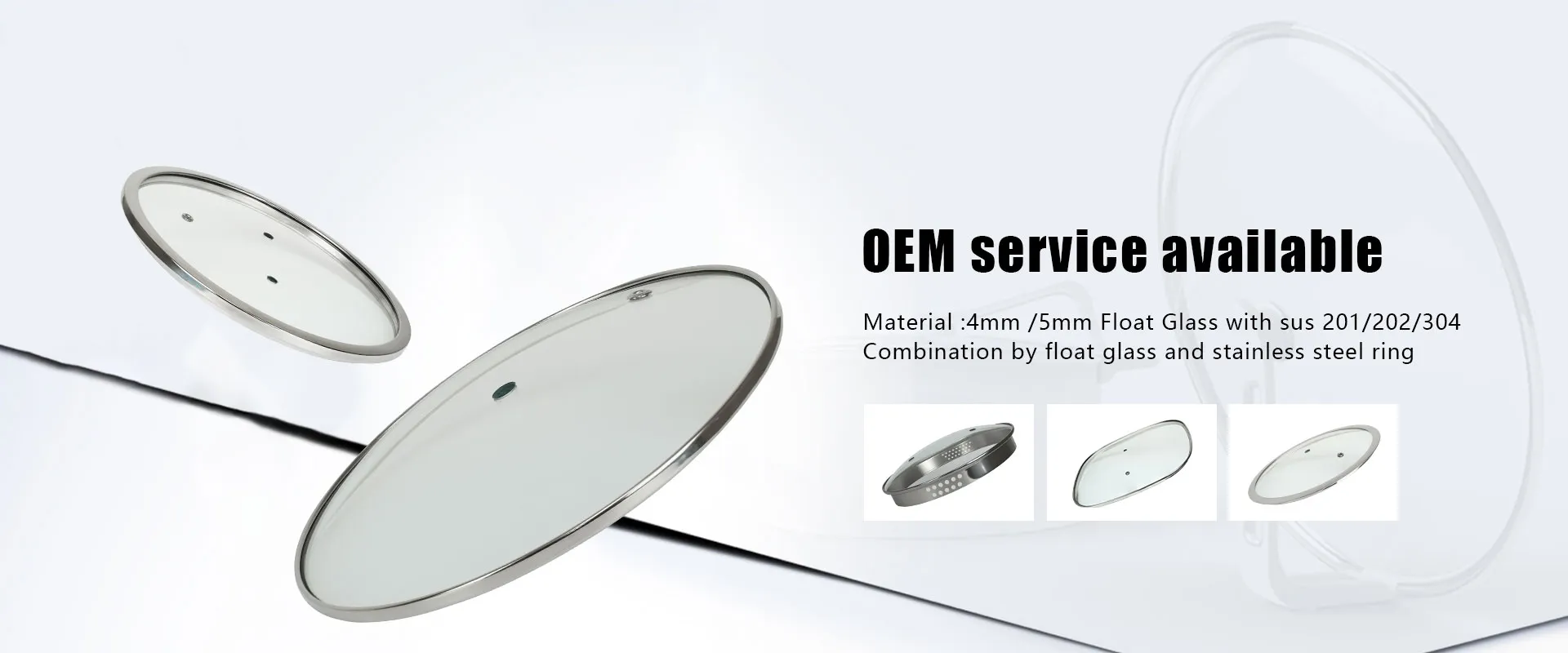
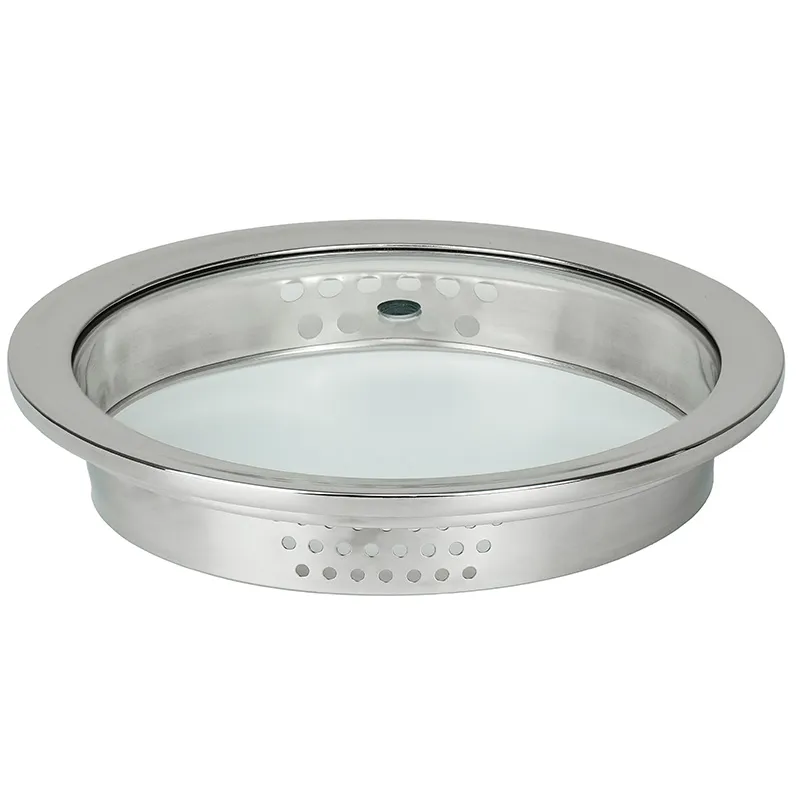
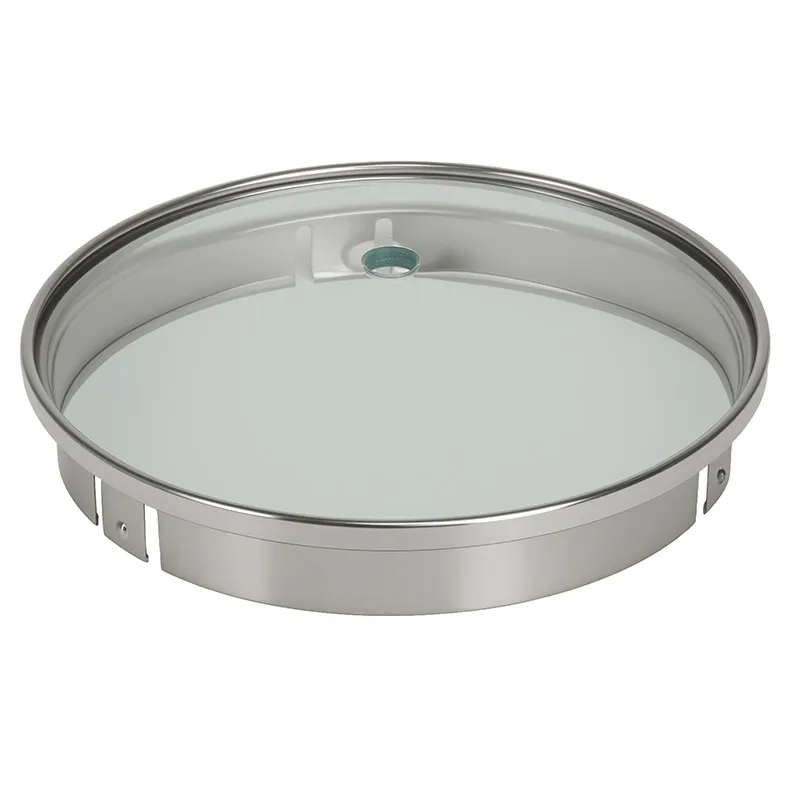
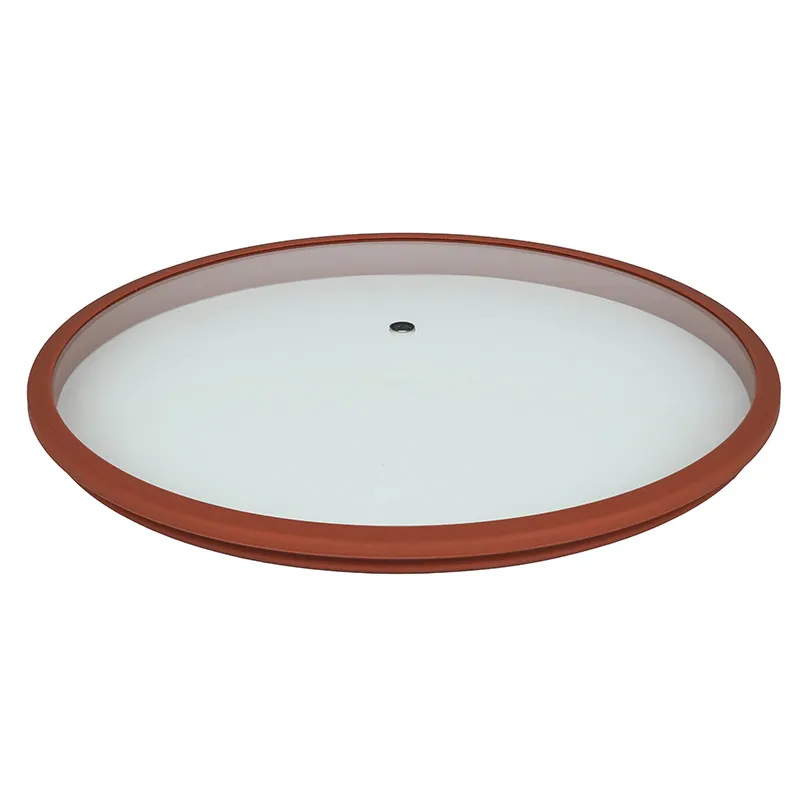
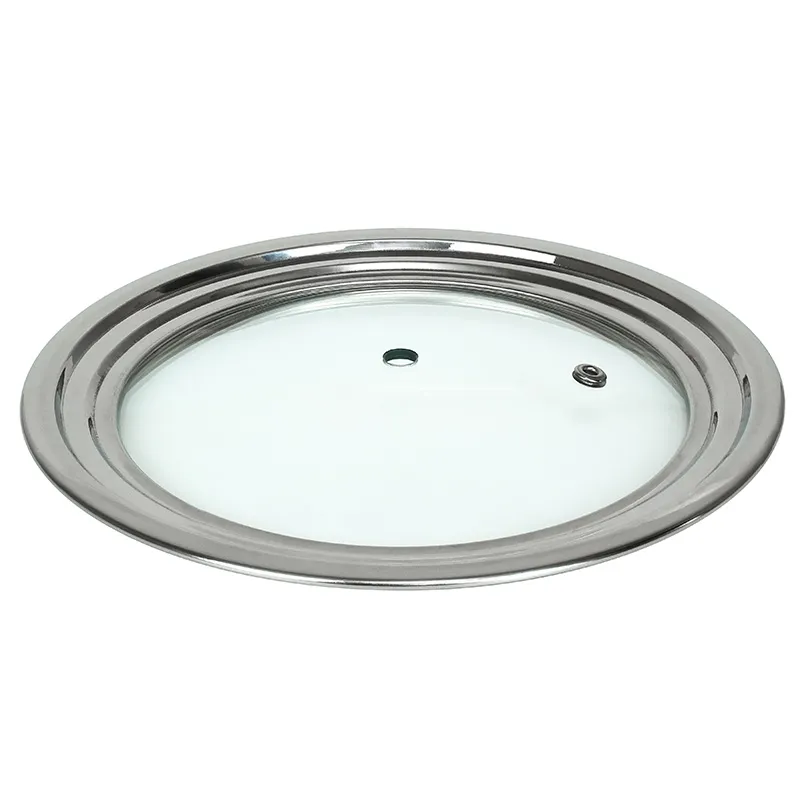
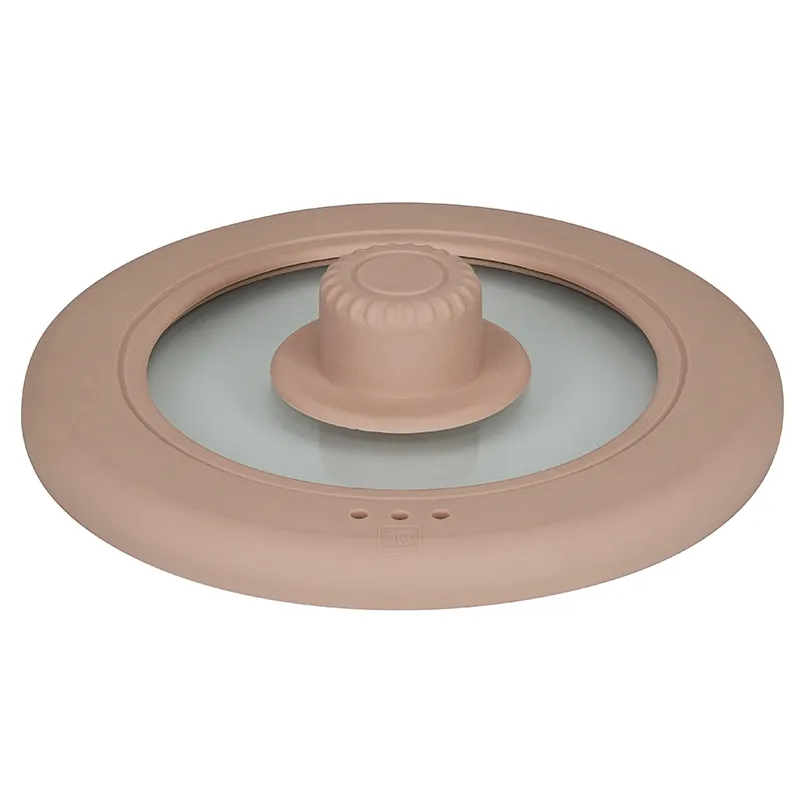
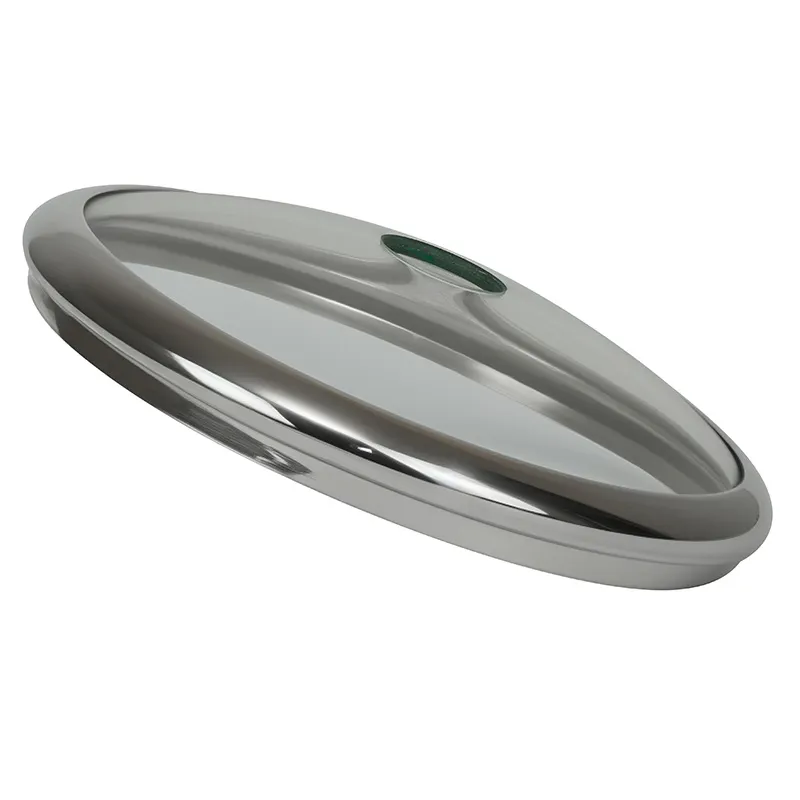
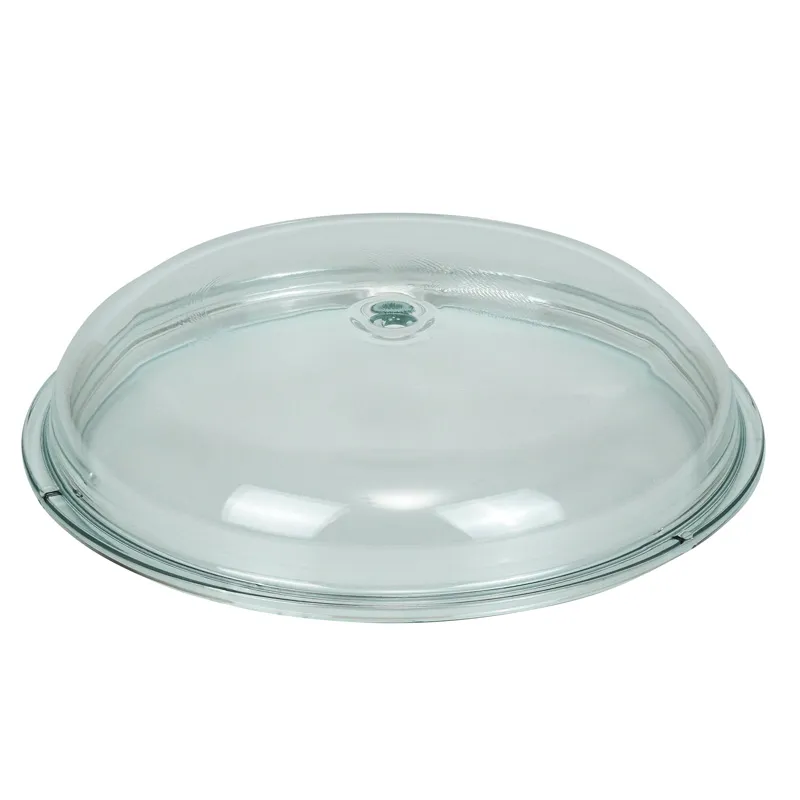
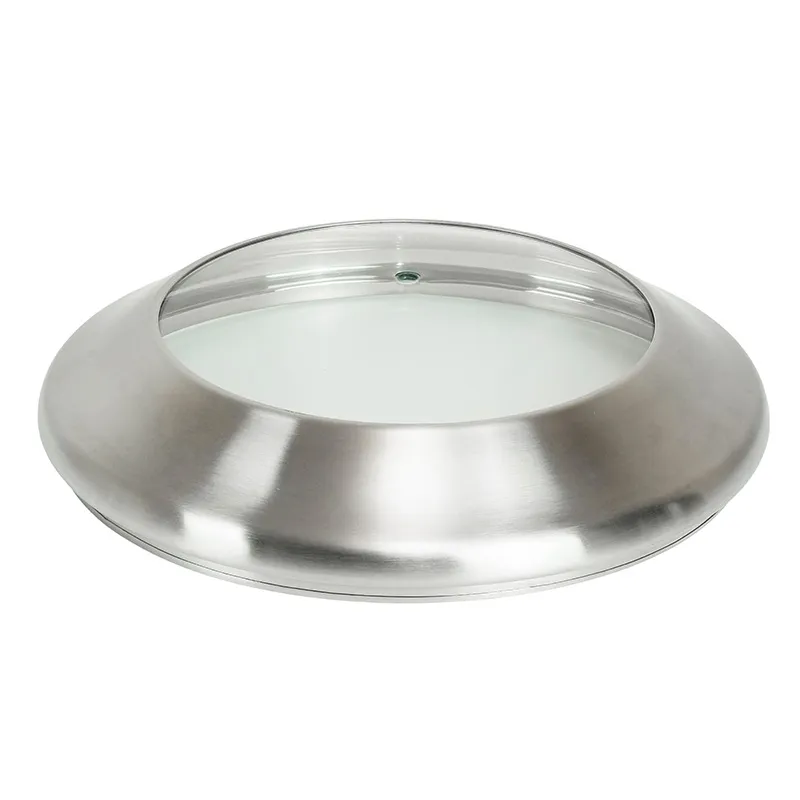
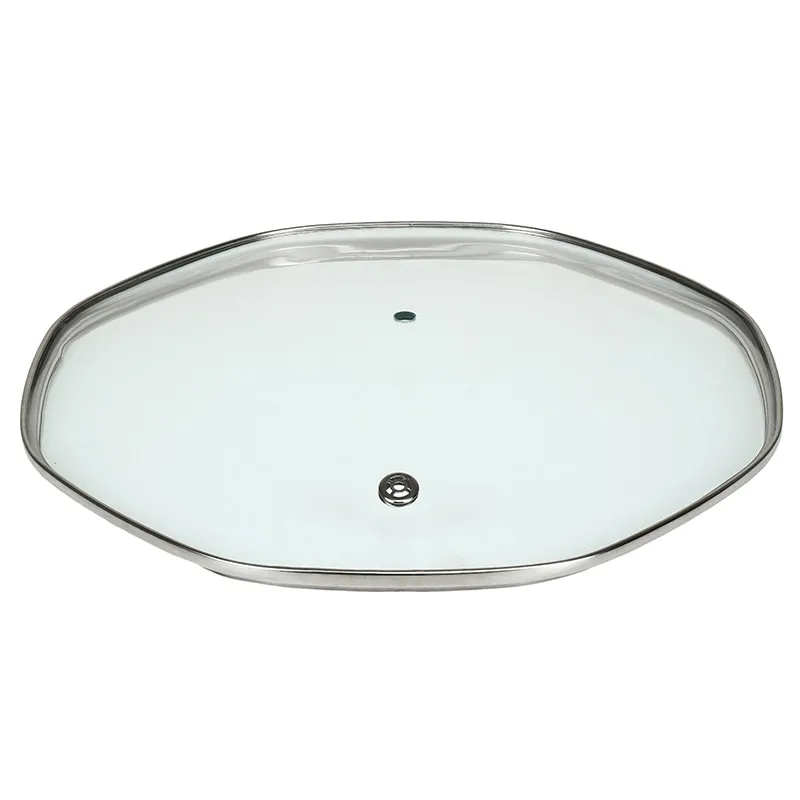
glass lid made in China
When you hear 'glass lid made in China', the immediate mental image for many buyers, especially those new to importing, is a monolithic, low-cost commodity. That's the first trap. The assumption that all Chinese glass is created equal, that it's just about finding the cheapest per-unit price on Alibaba. In reality, the sector is deeply stratified. You have backyard workshops casting simple circles of annealed glass that'll crack under thermal shock, and then you have facilities like EUR-ASIA COOKWARE CO.,LTD operating in Taian's High-tech Zone, running automated tempering lines specifically for cookware. The keyword isn't just about origin; it's a shorthand for a spectrum of quality, capability, and supply chain maturity that you need to decode.
Defining Quality in Tempered Glass Lids
Let's get specific. A quality glass lid made in China for the European or North American market isn't defined by it being clear and round. It's about the tempering process. The real test is thermal shock resistance – going from a fridge to a hot stove without shattering. I've seen samples from suppliers who claim fully tempered fail at a 120°C delta-T. The ones that pass? They usually come from plants that invest in horizontal tempering furnaces with precise air-quenching controls. The difference is in the stress pattern. A properly tempered lid will have a balanced internal tension, which you can sometimes check with a polariscope, but more reliably, it shows in the break pattern. It should crumble into small, blunt pieces, not large, sharp shards.
This is where company structure matters. A dedicated facility, like the one EUR-ASIA describes with its 15,000㎡ building and focus on household glass, is set up for this. They're not a general glass factory dabbling in lids. Their production volume—over 15 million pieces annually—suggests standardized processes. For a buyer, that means consistency. You're not getting batch one that's perfect and batch two that's out of spec. Their export focus to Germany, Japan, etc., is a proxy for compliance with stricter safety and material standards (like LFGB, FDA). They have to get it right.
But here's a nuance often missed: glass composition. Not all soda-lime silica is the same. Iron content affects clarity. High-iron glass has a greenish edge tint. For a premium look, you need low-iron glass, which is more expensive. Many mid-range suppliers will use standard clear glass and hope you don't notice the tint, especially on thicker rims. It's a cost-saving that impacts perceived quality. When reviewing a company's product range, seeing if they offer ultra-clear or low-iron as an option is a good indicator of their technical understanding and market positioning.
The Sourcing Pitfalls and On-Ground Verification
Early in my sourcing days, I made the classic mistake: prioritizing price over process control. We ordered a container of glass lid made in China based on beautiful samples. The production run? Disaster. The issue was edge grinding. The samples had smooth, polished edges. The bulk order had sharp, chipped seams. The supplier had subcontracted the grinding to a smaller shop to cut costs. Lesson learned: you must audit the entire process flow within one facility. Can they handle cutting, edging, tempering, printing, and packaging under one roof? EUR-ASIA's integrated base in Shandong suggests they can, which minimizes quality variables.
Another pitfall is packaging. Glass is fragile. I've received shipments where lids were packed in simple cardboard dividers without adequate edge protection. Breakage rates were over 8%. A professional supplier will use molded foam or PVC sleeves for each lid, and their carton design will have double walls. It seems trivial, but it's a huge cost sink. The fact that a company exports globally implies they've solved logistics packaging. Shipping to Brazil or Poland involves more handling than domestic delivery; their packaging has to survive that.
Verification isn't just about an audit report. It's about asking operational questions. What's your yield rate on 30cm tempered lids? A good factory manager will know this number off the top of his head (it should be above 92%). How do you handle rework on a lid with a minor printing smudge? If they say they just wipe it and repaint, that's a red flag for coating adhesion. The process should involve stripping the old print and re-firing. These are the gritty details that separate a brochure from a capable partner.
Design Flexibility and The Customization Ceiling
Buyers often come with ambitious designs: unusual shapes, complex handle holes, integrated stainless steel knobs. The reality of a glass lid made in China has constraints. Tempering requires uniformity. Sharp internal corners are stress concentrators and can cause spontaneous breakage during the tempering process. A good factory engineer will push back on such designs, suggesting radiused corners. This is a sign of professionalism, not inability.
Printing and color are other areas. Silk-screen printing for logos and graduations is standard. But the durability of the print depends on the ink and firing temperature. Ceramic-based inks fired at high temperatures (around 600-700°C) are far more resistant to dishwashing than lower-temperature paints. A supplier like EUR-ASIA, catering to high-level markets, would be using these premium inks. The cost is higher, but so is the longevity.
Then there's the issue of handles and knobs. Most Chinese lid factories specialize in the glass itself. Metal or phenolic handles are often sourced from separate sub-suppliers. The integration point—how the handle is attached (with a rivet, screw, or high-temp adhesive)—is critical. A loose handle is the number one customer complaint. The best practice is for the glass factory to manage this assembly in-house with rigorous torque testing. From their description as producing kitchen accessories, it's likely EUR-ASIA has this assembly capability, which adds significant value.
Logistics, MOQs, and the Real Cost Equation
The FOB price per lid is just the start. For a glass lid made in China, you must factor in volumetric weight. Glass is heavy and bulky. A 40-foot container can hold a surprising low number of boxes due to the void space needed for protection. This makes the landed cost per unit much higher than the item cost. Suppliers familiar with export will optimize carton dimensions to maximize container load. It's a detail, but it affects your bottom line.
Minimum Order Quantities (MOQs) are another filter. For a standard size and design, a serious factory might have an MOQ of 5,000-10,000 pieces per SKU. For full customization (new mold for a unique shape, new print screens), it can jump to 50,000 pieces. This is where a company's scale helps. A larger producer with multiple lines, like one with 90+ employees, can sometimes accommodate smaller trial orders on existing setups, allowing you to test the market.
The real cost equation includes risk mitigation. A cheaper lid from an unverified workshop might have a 15% breakage rate upon arrival and another 10% in returns from end-users. A lid from a certified, integrated producer might cost 20% more upfront but have a total failure rate below 1%. The math quickly favors the reliable supplier, especially when you factor in brand reputation damage from product failures.
Looking Ahead: Sustainability and Material Trends
The conversation is shifting. It's not just about a durable glass lid made in China anymore. European buyers, in particular, are asking about recycled content (cullet) in the glass batch and the environmental footprint of the factory. Can the supplier provide data on energy consumption per ton of glass tempered? Are their inks heavy-metal free? This is the next tier of qualification. A facility in a National High-tech Development Zone, as EUR-ASIA is, is more likely to be subject to and compliant with stricter environmental regulations than one in an unregulated industrial park.
Material innovation is slow in glass, but it's happening. We're seeing more interest in borosilicate glass lids for high-end cookware, though the cost is significantly higher and the forming is more difficult. For most household applications, well-tempered soda-lime glass is perfectly adequate. The trend is towards thinner, stronger lids with better clarity—aesthetics matter as much as function now.
Ultimately, sourcing is about partnership. It's finding a supplier whose operational reality matches your quality needs. It's not about finding a Chinese glass lid factory. It's about finding the right one for your segment. For someone needing reliable, volume supply for mid-to-high tier markets, a company with the profile of EUR-ASIA COOKWARE—export-focused, integrated, and scale—represents a viable, lower-risk point in that vast landscape. The key is to move past the generic keyword and into the specific conversations about tempering curves, edge work, and packing lines. That's where the real value is built, or lost.
Related Products
Related Products