- Chinese
- French
- German
- Portuguese
- Spanish
- Russian
- Japanese
- Korean
- Arabic
- Irish
- Greek
- Turkish
- Italian
- Danish
- Romanian
- Indonesian
- Czech
- Afrikaans
- Swedish
- Polish
- Basque
- Catalan
- Esperanto
- Hindi
- Lao
- Albanian
- Amharic
- Armenian
- Azerbaijani
- Belarusian
- Bengali
- Bosnian
- Bulgarian
- Cebuano
- Chichewa
- Corsican
- Croatian
- Dutch
- Estonian
- Filipino
- Finnish
- Frisian
- Galician
- Georgian
- Gujarati
- Haitian
- Hausa
- Hawaiian
- Hebrew
- Hmong
- Hungarian
- Icelandic
- Igbo
- Javanese
- Kannada
- Kazakh
- Khmer
- Kurdish
- Kyrgyz
- Latin
- Latvian
- Lithuanian
- Luxembou..
- Macedonian
- Malagasy
- Malay
- Malayalam
- Maltese
- Maori
- Marathi
- Mongolian
- Burmese
- Nepali
- Norwegian
- Pashto
- Persian
- Punjabi
- Serbian
- Sesotho
- Sinhala
- Slovak
- Slovenian
- Somali
- Samoan
- Scots Gaelic
- Shona
- Sindhi
- Sundanese
- Swahili
- Tajik
- Tamil
- Telugu
- Thai
- Ukrainian
- Urdu
- Uzbek
- Vietnamese
- Welsh
- Xhosa
- Yiddish
- Yoruba
- Zulu
- Kinyarwanda
- Tatar
- Oriya
- Turkmen
- Uyghur

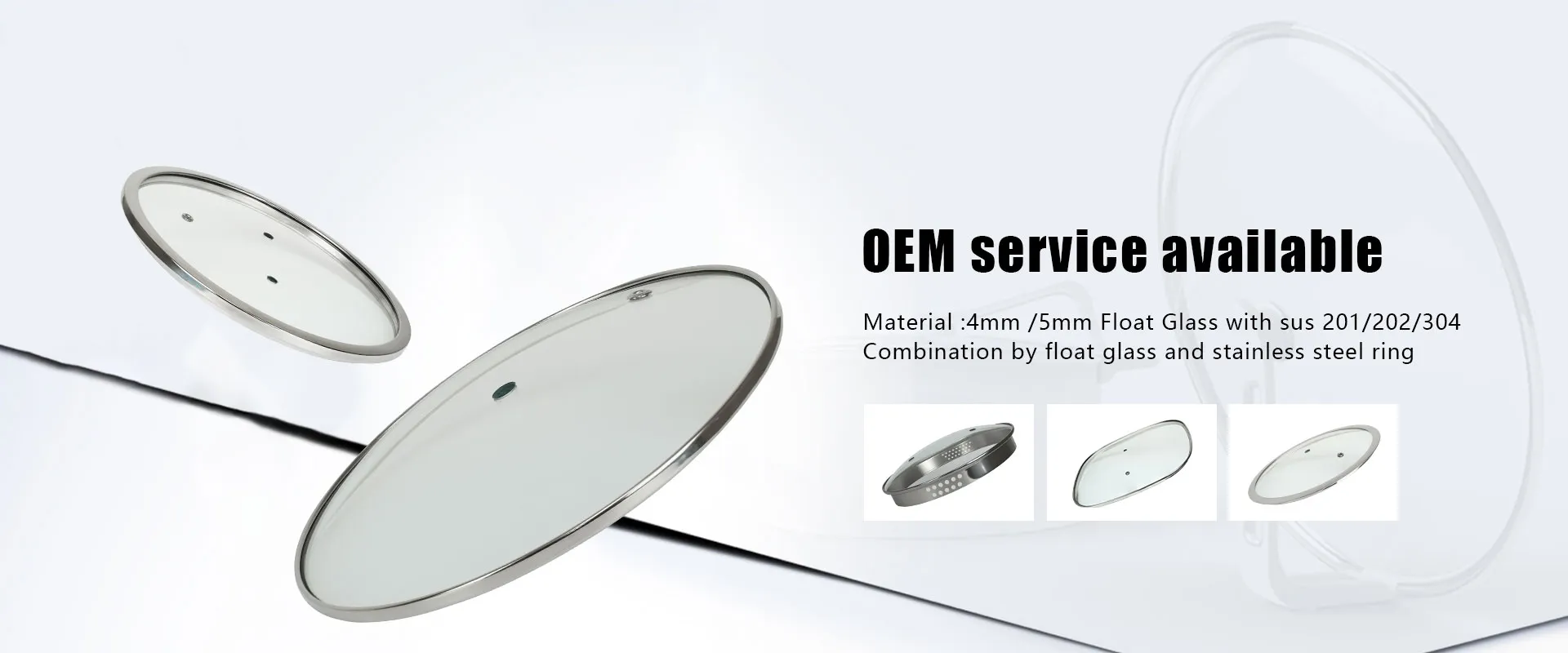
glass lid maker
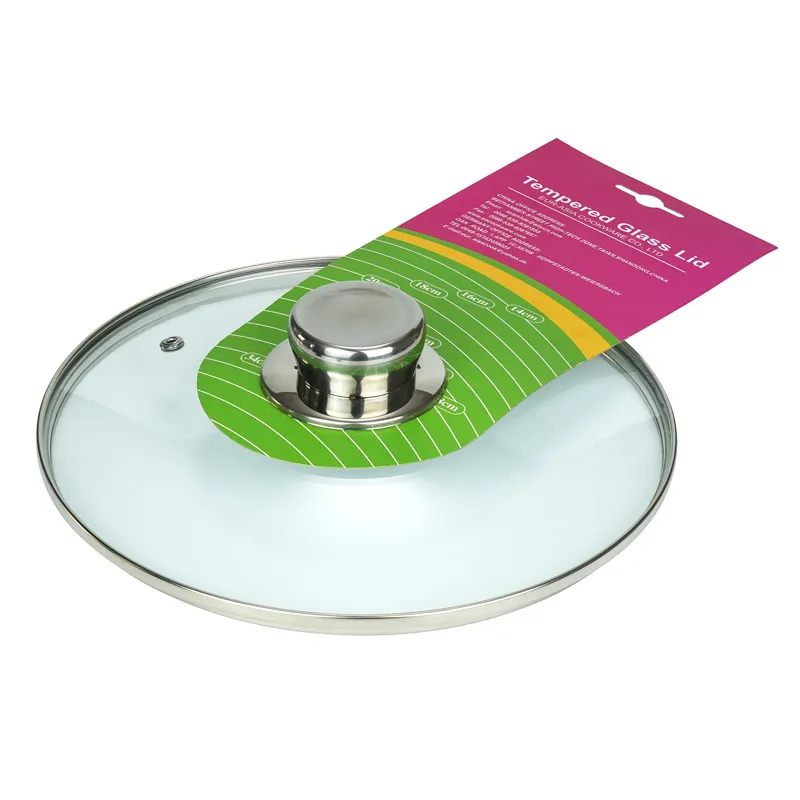
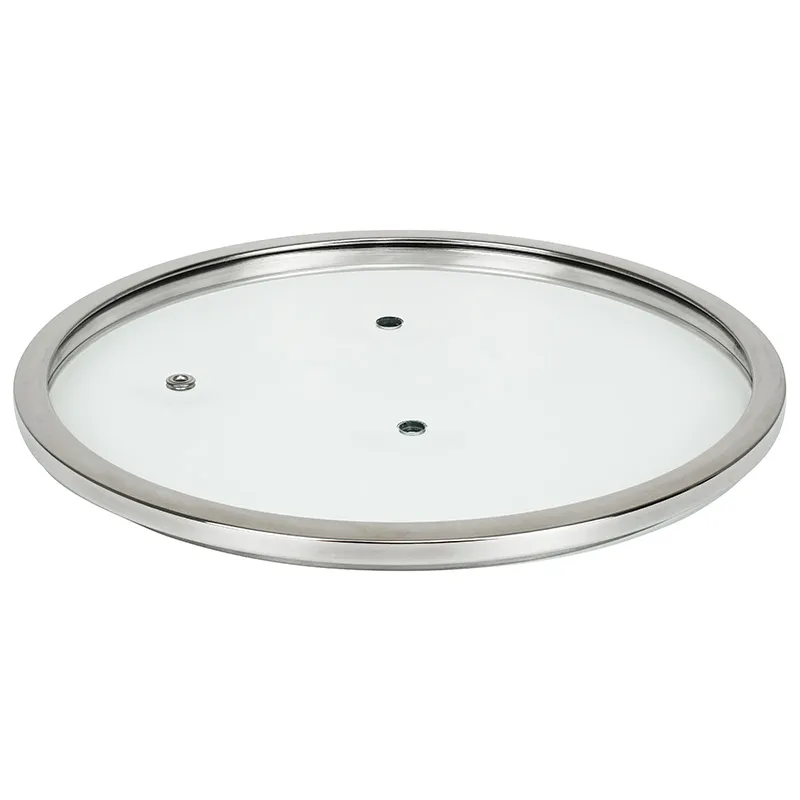
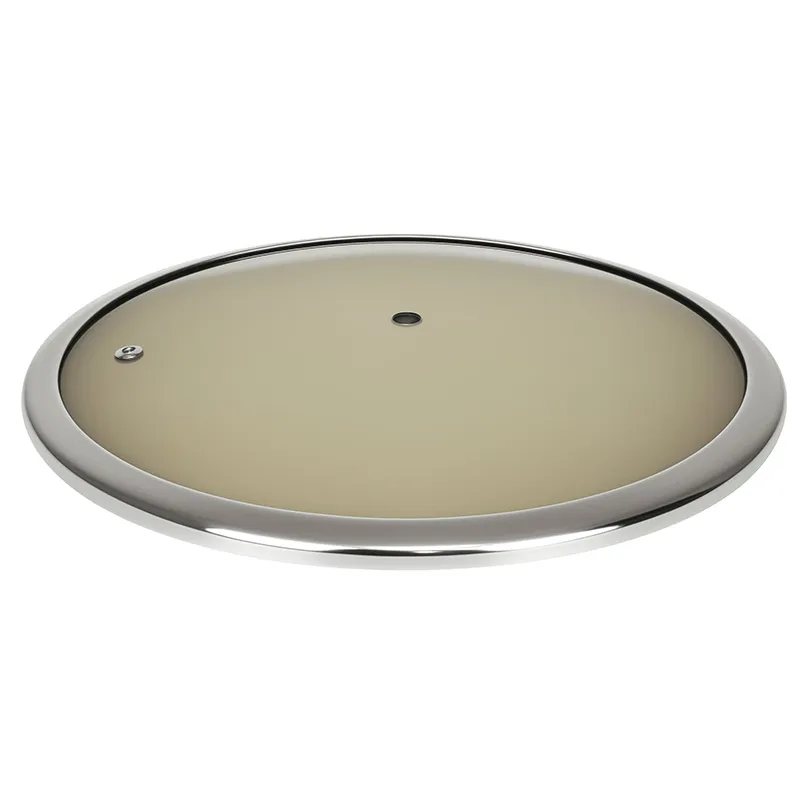
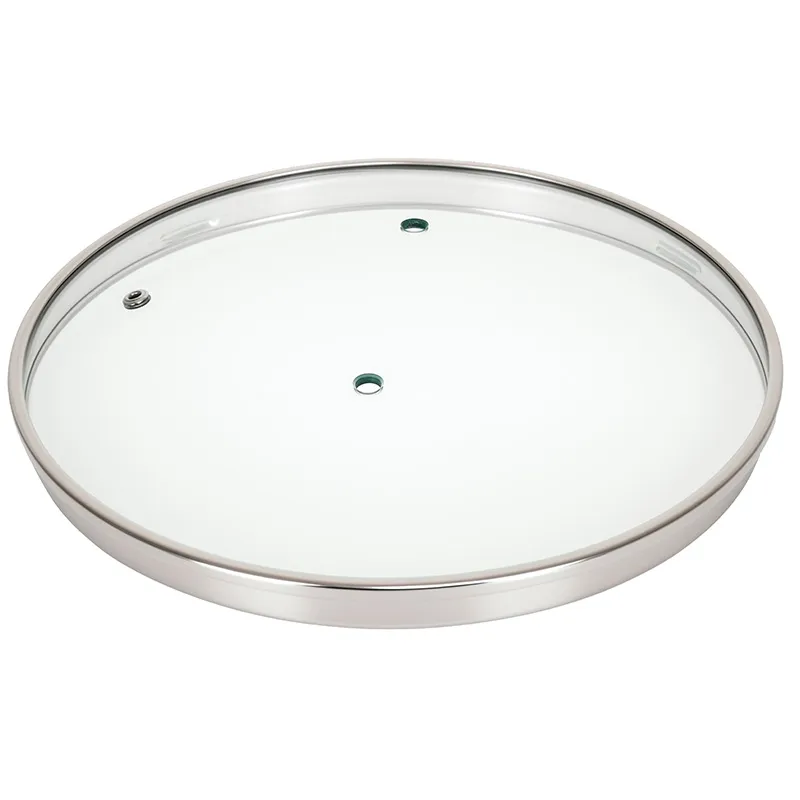
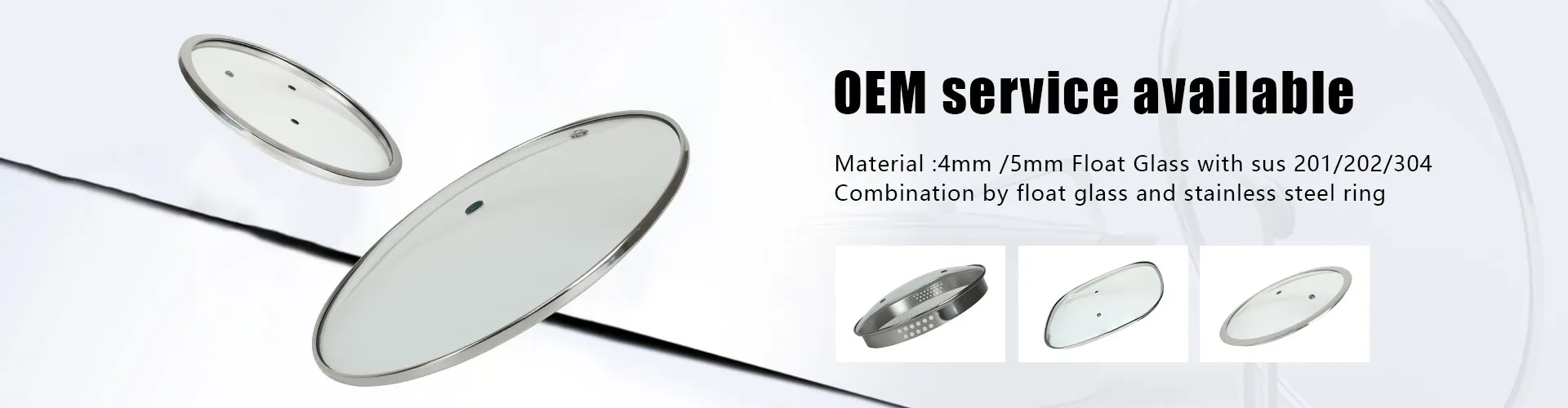
When you hear 'glass lid maker', most think it's just about cutting circles of glass. That's the first mistake. It's not just a component supplier; it's a precision partner for cookware brands, where a millimeter's error means a pot lid that won't seal or sits unevenly. The real expertise lies in managing thermal shock, edge finishing for safety, and achieving a clarity that doesn't cloud after the first dishwasher cycle. Many newcomers overlook the stress distribution in tempering, focusing only on thickness.
The Core: Tempering is Everything, and It's Never Perfect
The heart of being a reliable glass lid maker is the tempering furnace. It's not a 'set and forget' process. You're balancing temperature, air pressure, and conveyor speed. Even with modern lines, you get batches where the stress pattern isn't uniform. I've seen lids that passed initial inspection but developed micro-cracks after a few thermal cycles in real kitchen use. That's why at a place like EUR-ASIA COOKWARE CO.,LTD., they'd likely run their own brutal QC: rapid heating and quenching tests on samples from each furnace run, not just random checks. It's the only way to catch the latent defects.
Edge work is another silent differentiator. A ground and polished edge isn't just for feel; it's where stress concentrates. A rough edge is a fracture point waiting to happen. Some makers skip the full polish to save cost, opting for a basic seamed edge. It looks okay out of the box, but it chips easily. The good ones use a multi-stage grinding process. You can feel the difference—a smooth, cool, rounded edge versus a slightly gritty one.
Then there's the issue of 'bow'. The glass can warp slightly during tempering. For a large lid, say over 30cm, a slight bow means it rocks on a flat surface. Not acceptable. Compensating for that involves tweaking the heating zones in the furnace. It's more art than science sometimes, relying on the operator's experience to adjust parameters on the fly for different lid sizes and thicknesses.
Material Sourcing: Not All Glass is Made for Heat
You can't just use any float glass. It needs to be a clear, low-iron soda-lime silicate with consistent composition. Inconsistencies cause waves or streaks after tempering. We learned this the hard way years ago, switching to a cheaper batch from a new supplier. The lids came out of the furnace with a slight bluish tint and, worse, a higher rate of spontaneous breakage during cooling. Had to scrap the entire lot. Now, trusted raw material suppliers are key. A company with a volume like EUR-ASIA, producing over 15 million pieces annually, must have rigid raw material specs and incoming inspection protocols.
Thickness tolerance is another pitfall. The glass roll might be marketed as 4mm, but it can vary between 3.8mm and 4.2mm. That variation throws off the tempering process and the final fit with the metal rim or handle assembly. The good makers will sort by actual measured thickness before cutting, which adds a step but saves endless headaches downstream.
Handle and Knob Integration: The Weakest Link
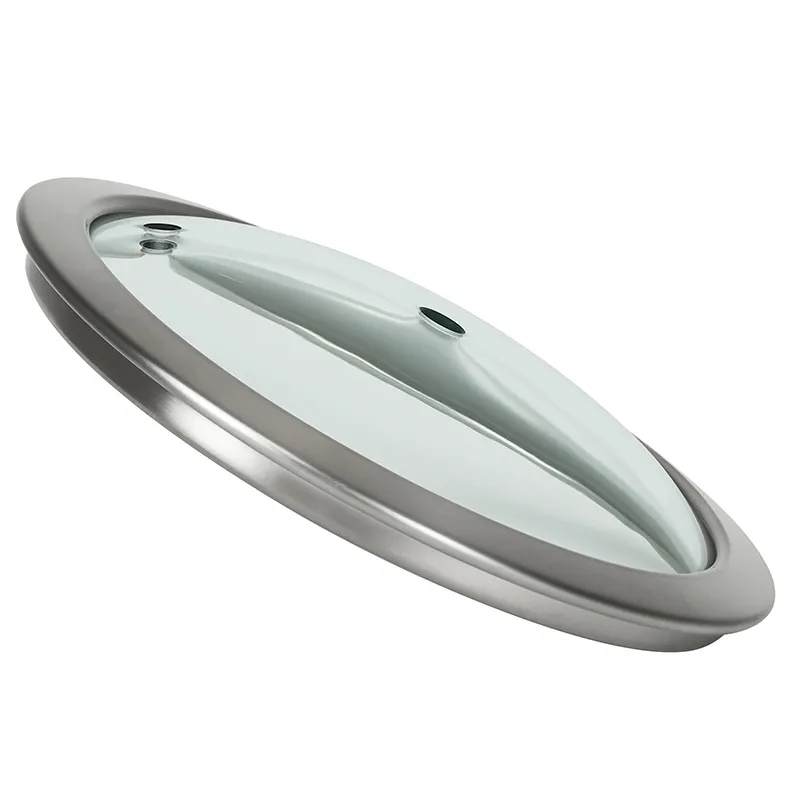
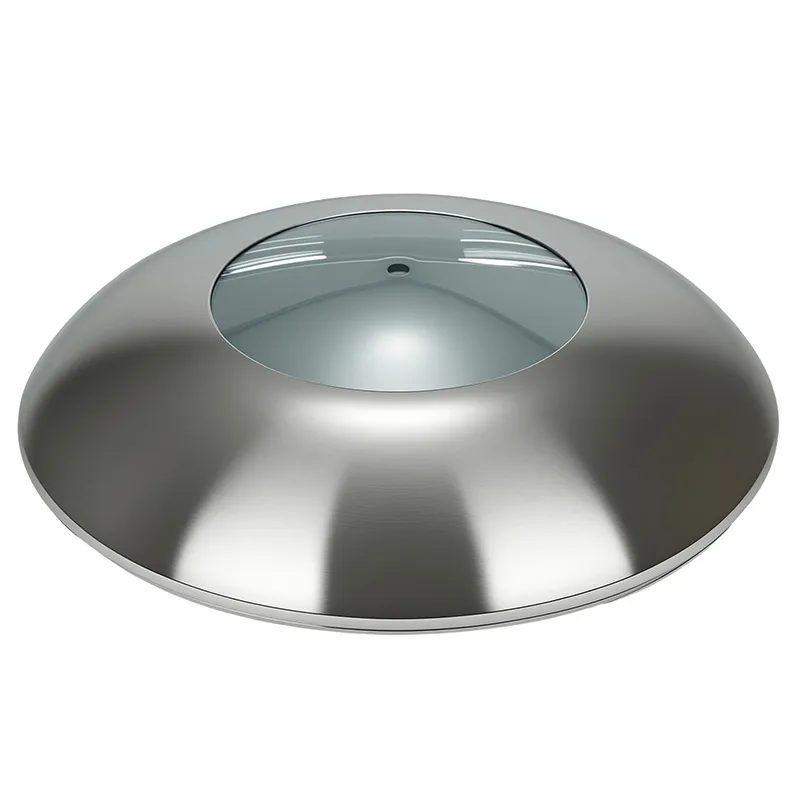
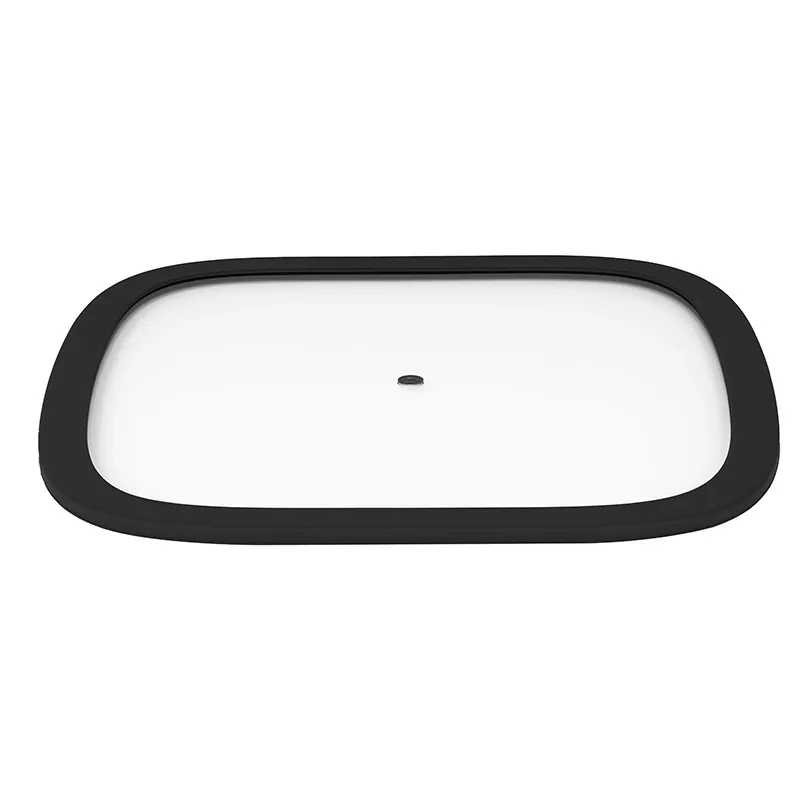
This is where failures most often occur. The attachment point. Whether it's a stainless steel knob screwed into a threaded insert, or a plastic handle bonded with silicone, it's a composite material challenge. The coefficient of thermal expansion between glass, metal, and adhesive is different. On their website, glass-lid.com shows various handle types, which tells me they've had to solve this repeatedly. The screw-in type needs a precisely molded borosilicate or metal insert fused into the glass during forming. If the fusion isn't perfect, it leaks or loosens with heat cycles.
We once had a project where the client wanted a minimalist all-glass knob, fused directly. Looked beautiful. But the thermal mass at the center was too high, creating a hotspot during tempering. The breakage rate was 40%. We had to revert to a metal knob design. It's a constant negotiation between aesthetics, cost, and physics.
The Export Game: Meeting Unwritten Standards
Supplying to markets like Germany, Japan, and South Korea—which EUR-ASIA's data mentions—is a different ball game. It's not just about passing ISO tests. German buyers, for instance, have their own rigorous standards for repeated dishwasher safety and lead/cadmium release from any printed decorations. Their inspectors might test for surface abrasion resistance with specific steel wool grades. You learn to build these tests into your own process long before the shipment audit.
Packaging is critical too. Export lids can't just be stacked. They need individual foam or paper pulp cradles to prevent edge-to-edge contact during long sea voyages. Vibration can cause micro-abrasions that turn into cracks under pressure. I've seen entire containers rejected because of poor interleaving, even though the lids themselves were fine at the factory.
The Real Scale: What 15 Million Pieces a Year Actually Means
An annual output of 15 million pieces, as stated by EUR-ASIA COOKWARE, isn't just a big number. It dictates their entire operation. It means automated cutting lines with optical alignment to minimize waste. It means multiple, large-capacity tempering furnaces running 24/7, with meticulous logging of each batch for traceability. It implies a massive inventory of handle components, gaskets, and packaging materials. The logistics of moving that volume from Shandong to ports, then to dozens of countries, is a core competency in itself.
At that scale, small efficiencies compound. Saving half a second on the edge polishing cycle, or reducing glass waste by 1% through better nesting of shapes on the cutting table, translates to massive annual savings. It also means they can afford specialized equipment, like laser engravers for permanent logo marking, which a smaller glass lid maker might outsource.
But scale brings vulnerability. A problem in the tempering line doesn't mean a few hundred defective lids; it can mean tens of thousands before it's caught. Their quality control system must be statistical, real-time, and unforgiving. The fact that they've maintained exports to stringent markets suggests they've built that system. It's less about being the cheapest and more about being predictably reliable, shipment after shipment.
Final Thought: It's a Component, But It Defines the Product
In the end, a cookware company can source a great pot body, but if the lid doesn't fit perfectly, feels cheap, or clouds up, the entire product is judged as inferior. The glass lid maker is invisible until something goes wrong. The best ones operate with that understanding. They're not just selling a piece of tempered glass; they're selling the assurance of silence—no complaints, no returns, just a lid that does its job for years. That's the real metric of success in this niche, far beyond the technical specs. Looking at a long-term exporter's portfolio, like the one at EUR-ASIA COOKWARE, you're seeing the result of that mindset, baked into every batch that leaves the factory floor.
Related Products
Related Products