- Chinese
- French
- German
- Portuguese
- Spanish
- Russian
- Japanese
- Korean
- Arabic
- Irish
- Greek
- Turkish
- Italian
- Danish
- Romanian
- Indonesian
- Czech
- Afrikaans
- Swedish
- Polish
- Basque
- Catalan
- Esperanto
- Hindi
- Lao
- Albanian
- Amharic
- Armenian
- Azerbaijani
- Belarusian
- Bengali
- Bosnian
- Bulgarian
- Cebuano
- Chichewa
- Corsican
- Croatian
- Dutch
- Estonian
- Filipino
- Finnish
- Frisian
- Galician
- Georgian
- Gujarati
- Haitian
- Hausa
- Hawaiian
- Hebrew
- Hmong
- Hungarian
- Icelandic
- Igbo
- Javanese
- Kannada
- Kazakh
- Khmer
- Kurdish
- Kyrgyz
- Latin
- Latvian
- Lithuanian
- Luxembou..
- Macedonian
- Malagasy
- Malay
- Malayalam
- Maltese
- Maori
- Marathi
- Mongolian
- Burmese
- Nepali
- Norwegian
- Pashto
- Persian
- Punjabi
- Serbian
- Sesotho
- Sinhala
- Slovak
- Slovenian
- Somali
- Samoan
- Scots Gaelic
- Shona
- Sindhi
- Sundanese
- Swahili
- Tajik
- Tamil
- Telugu
- Thai
- Ukrainian
- Urdu
- Uzbek
- Vietnamese
- Welsh
- Xhosa
- Yiddish
- Yoruba
- Zulu
- Kinyarwanda
- Tatar
- Oriya
- Turkmen
- Uyghur

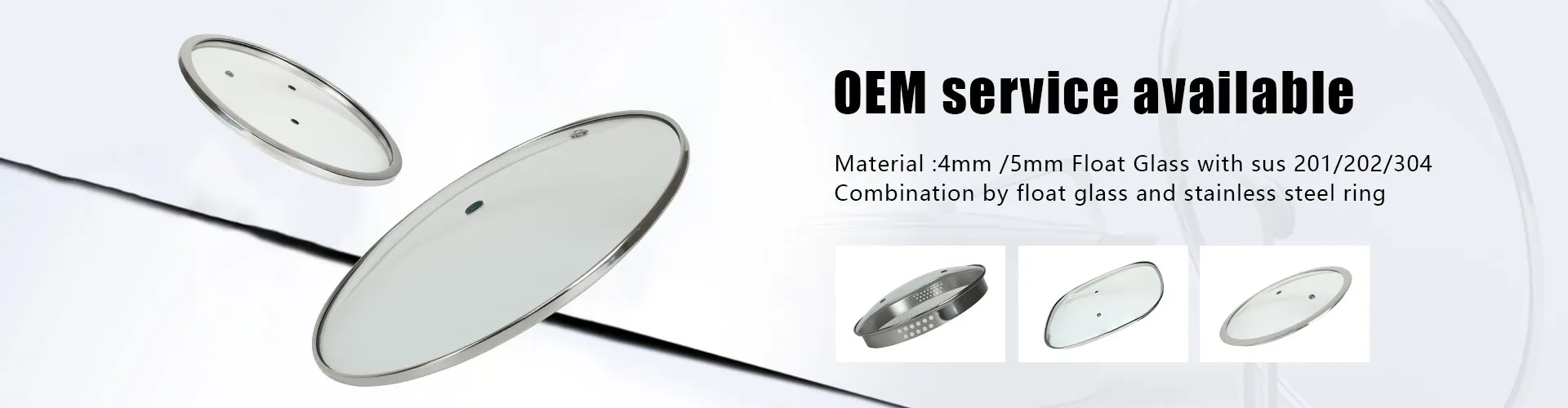
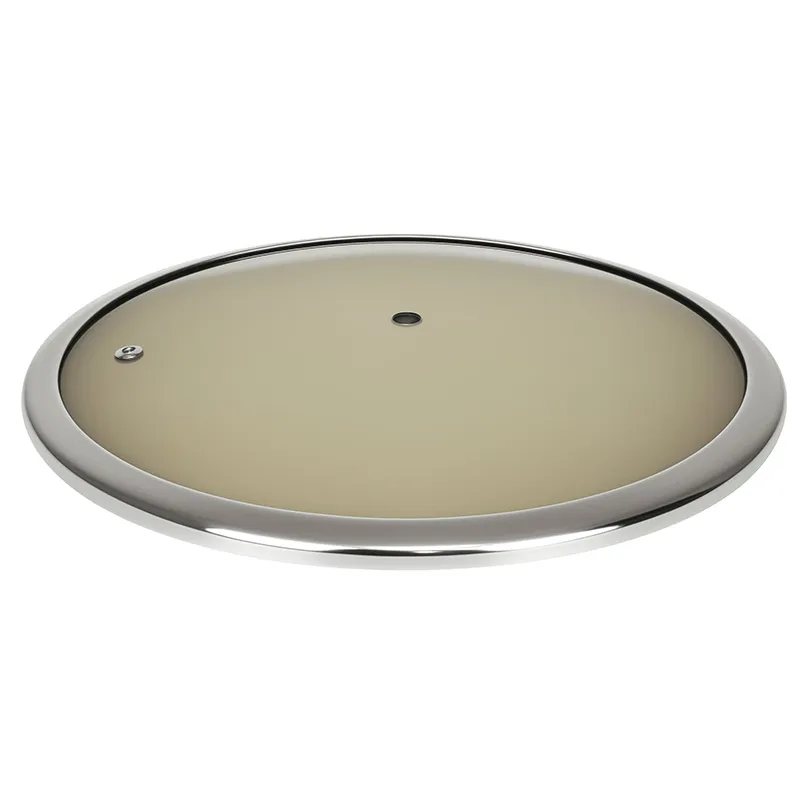
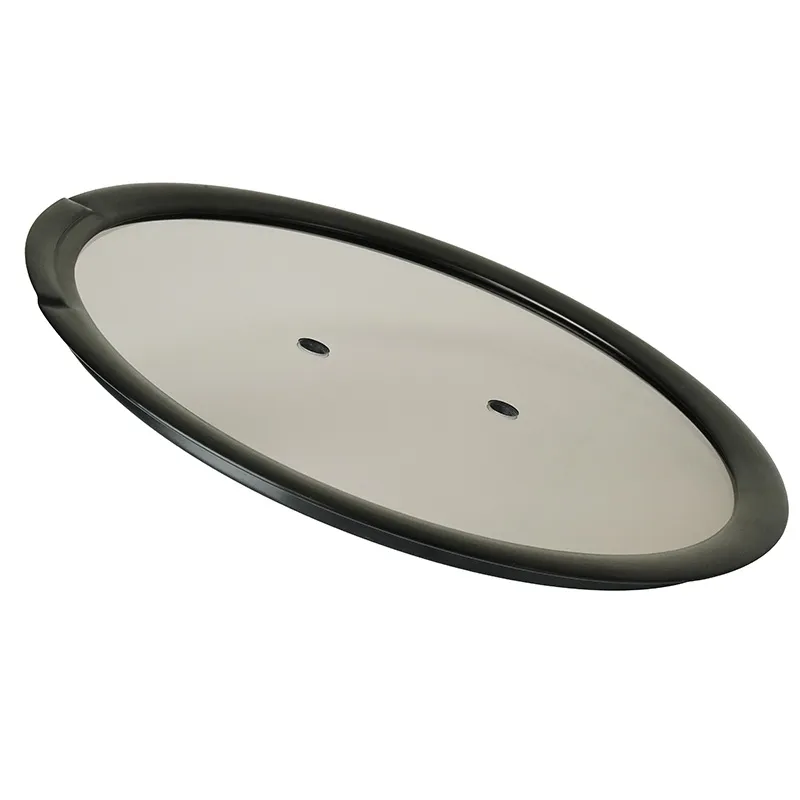
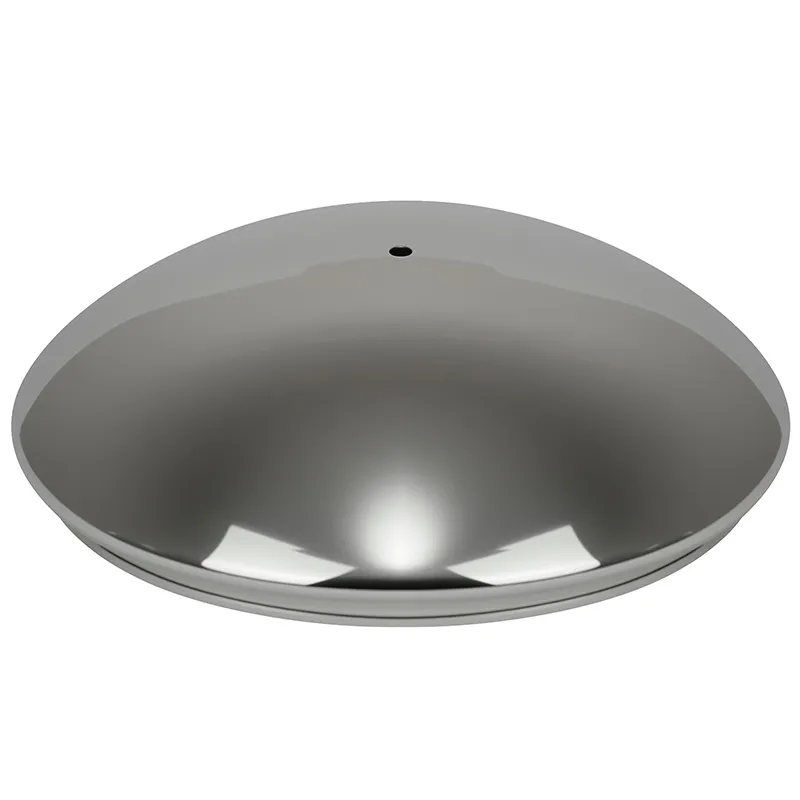
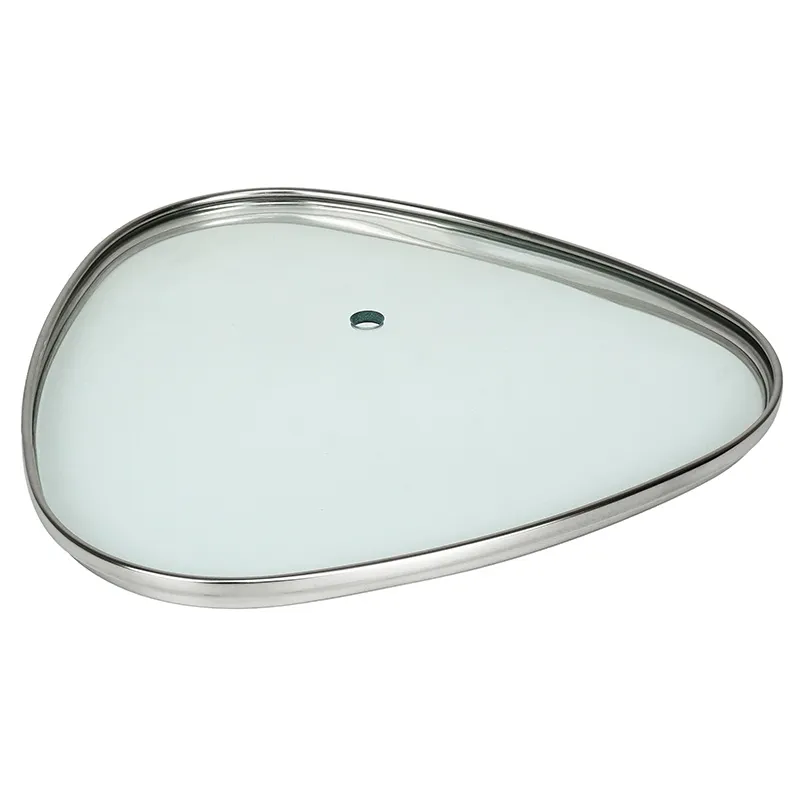
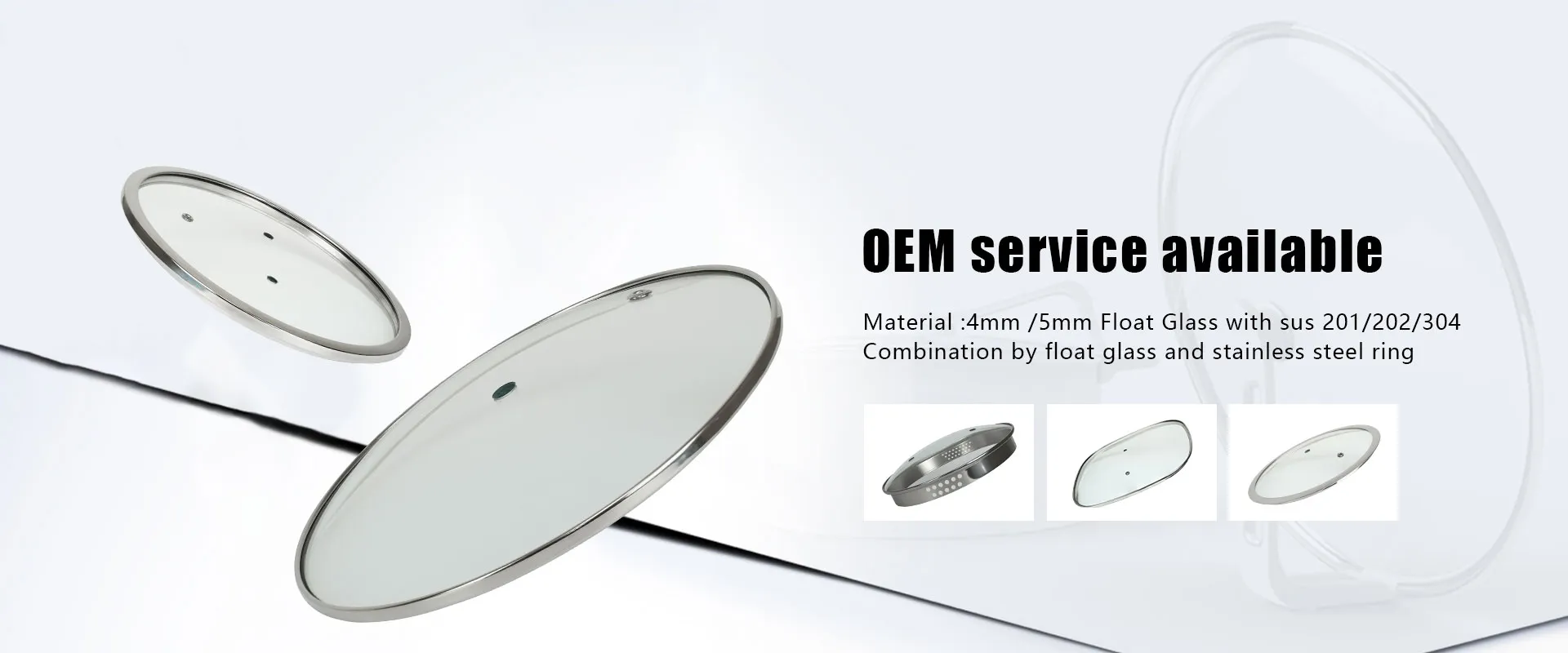
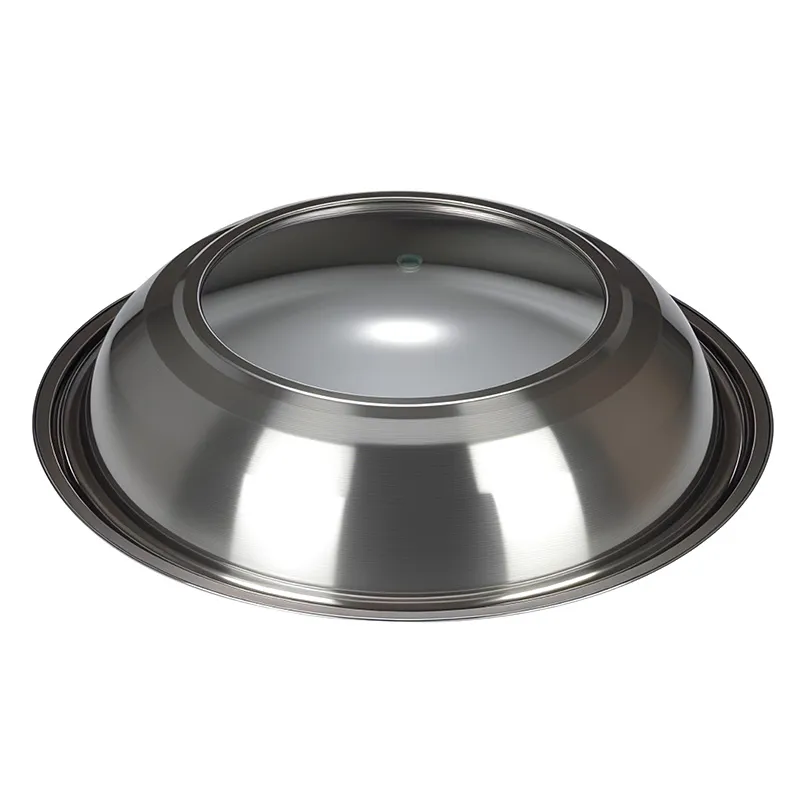
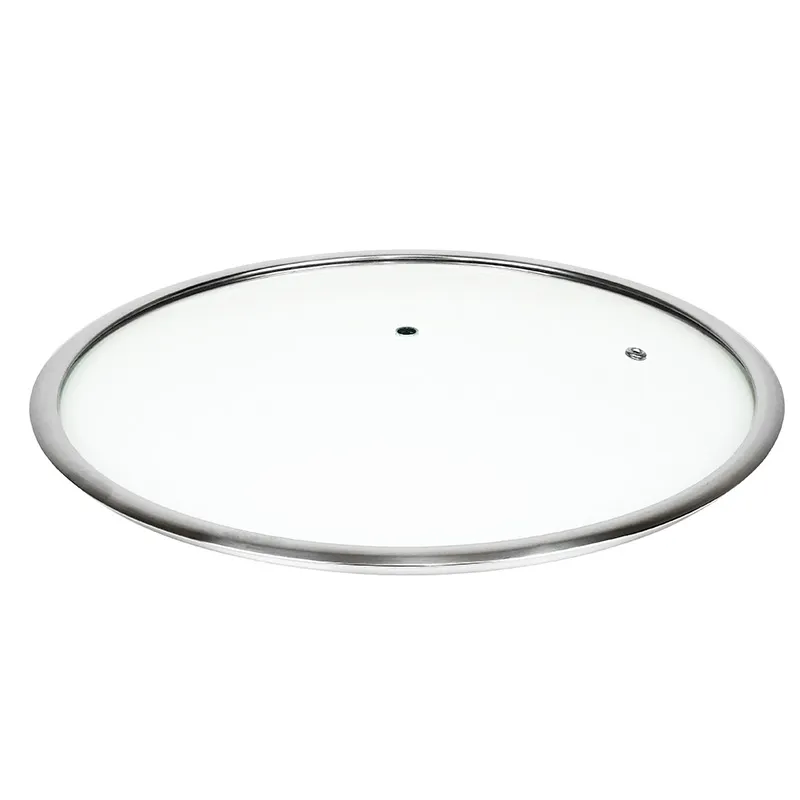
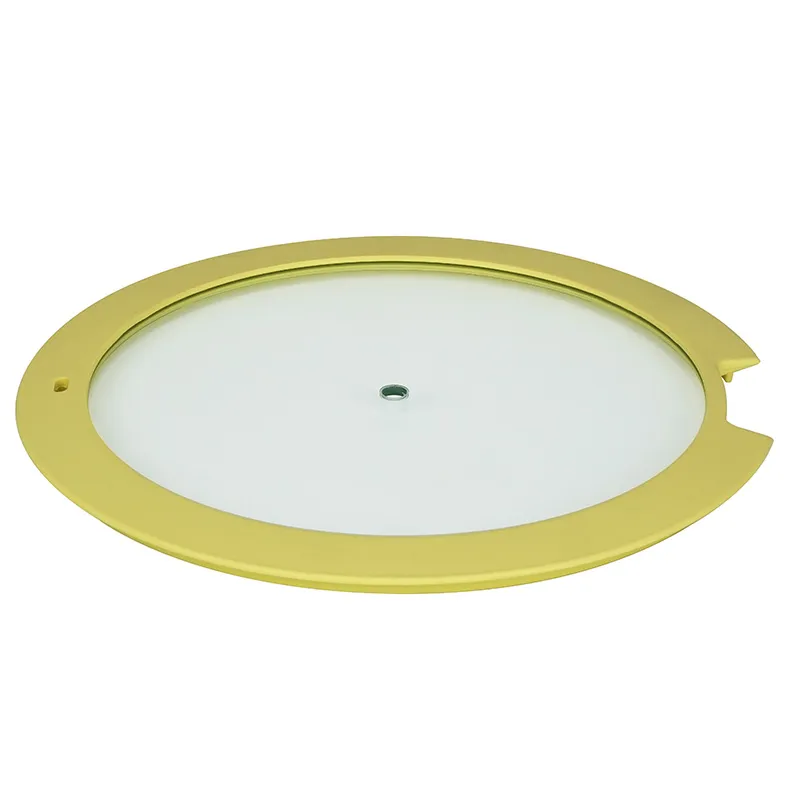
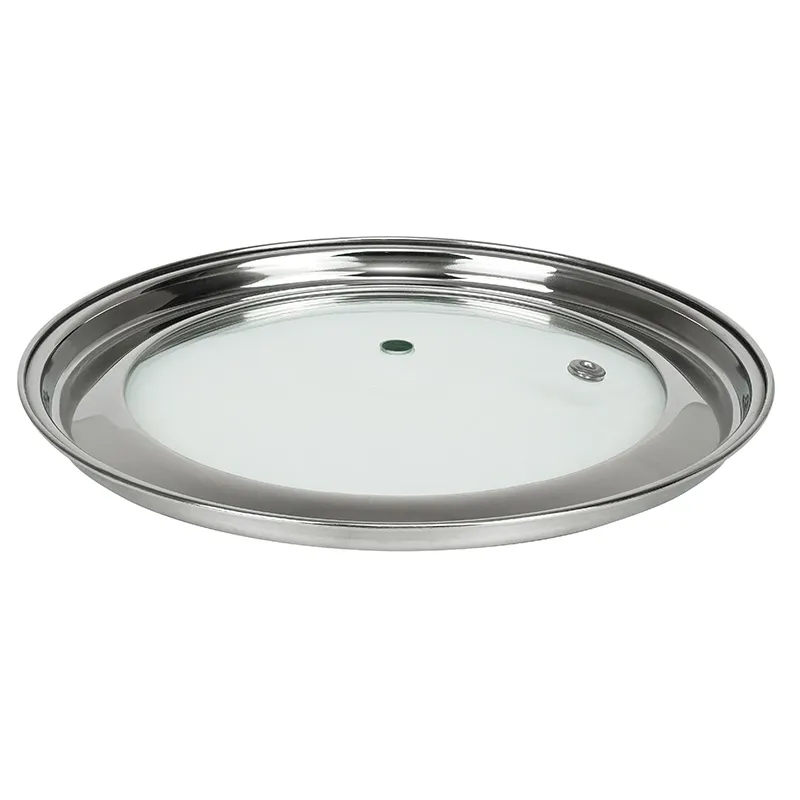
glass lid maker in China
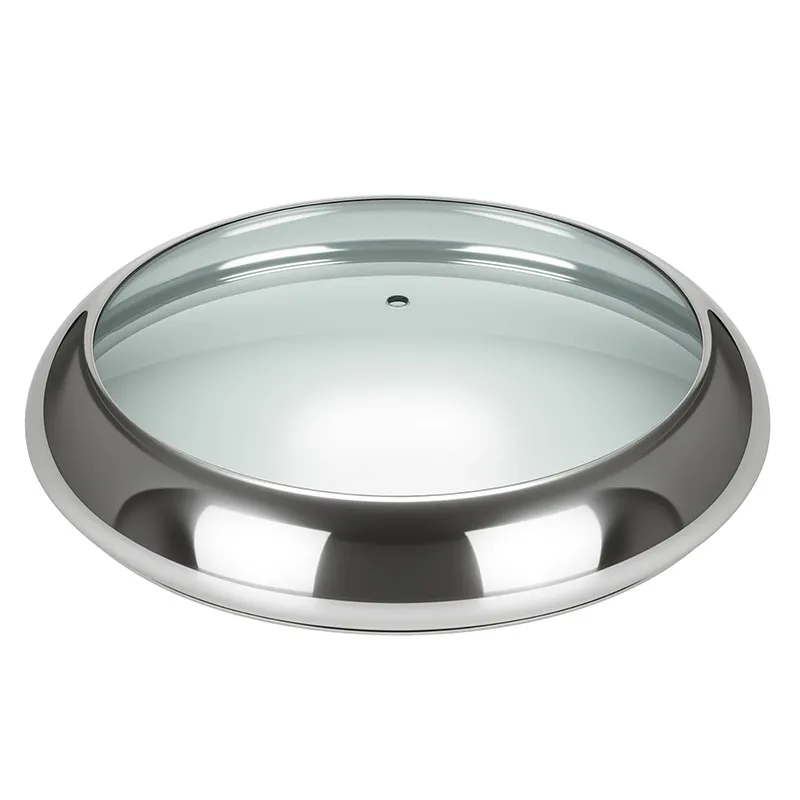
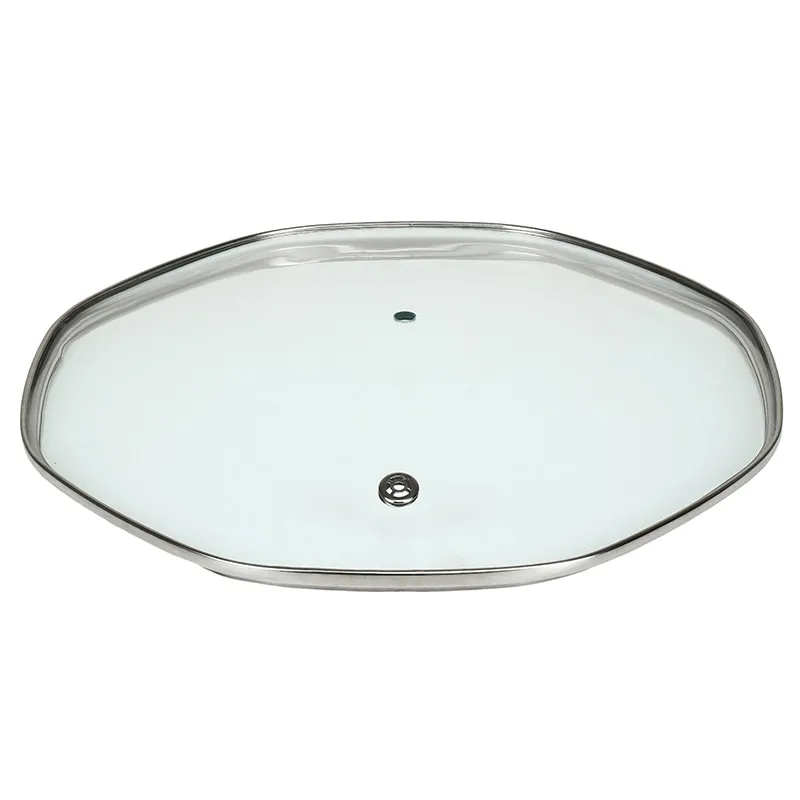
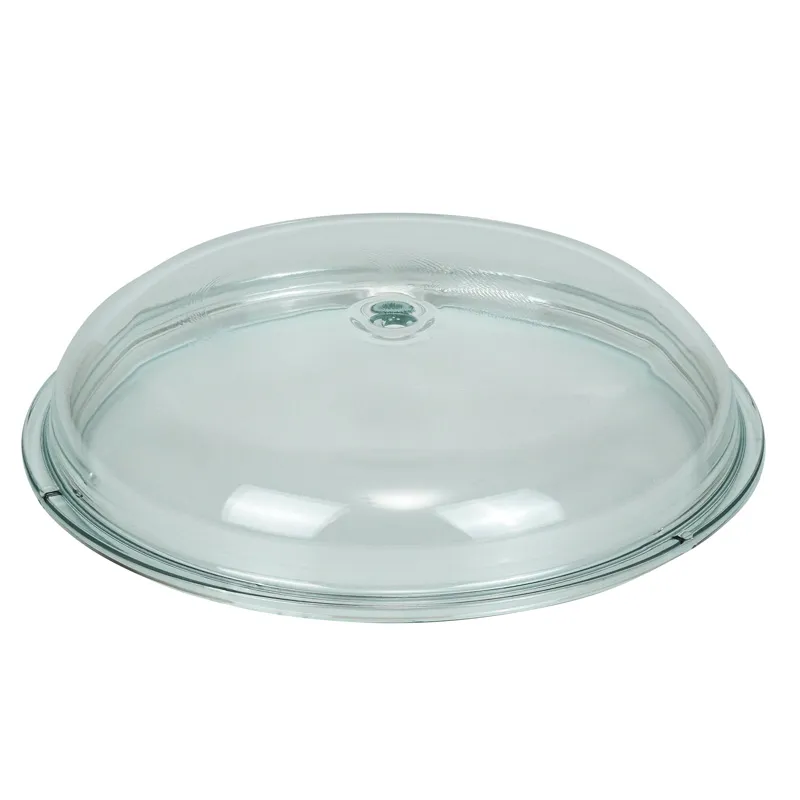
When you search for a 'glass lid maker in China', you're immediately flooded with pages listing factories, certifications, and MOQs. It feels transactional. But the real story, the one that determines if your project sinks or swims, isn't on those spec sheets. It's in the nuances of the glass itself, the unspoken challenges of tempering for specific cookware shapes, and the logistical dance of getting a fragile product to Hamburg or S?o Paulo in one piece. Most buyers fixate on price per piece, which is a starting point, but rarely the finish line. The pitfall is assuming all tempered glass is equal and that any factory with a furnace can deliver. That's where you get burned, sometimes literally.
The Core: It's Not Just Glass, It's Engineered Material
Let's get technical for a moment. A lid seems simple. But the glass formula matters immensely. For a glass lid maker, sourcing the right raw glass sheets is the first filter. Cheap, low-iron content glass? You'll get a greenish tint, which premium European buyers often reject outright. They want crystal clarity. Then there's the tempering. Evenness is everything. I've seen lids that passed a basic impact test but would shatter from thermal shock when placed on a hot pot—a classic failure of uneven heating in the tempering furnace. The difference between a lid that lasts years and one that fails prematurely often comes down to the furnace's calibration and the operator's experience in stacking the glass. It's an art masked as a science.
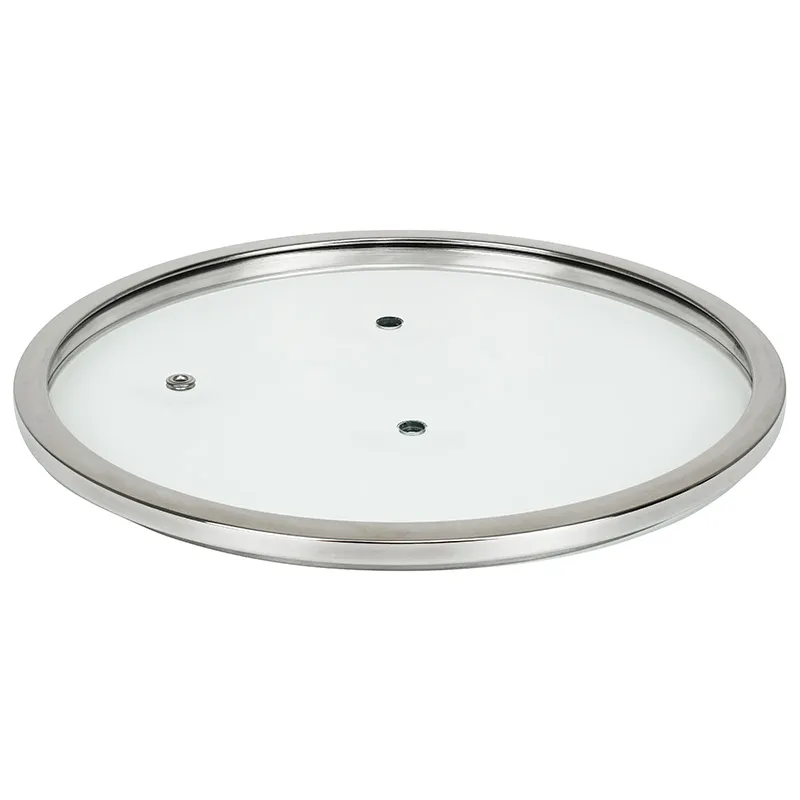
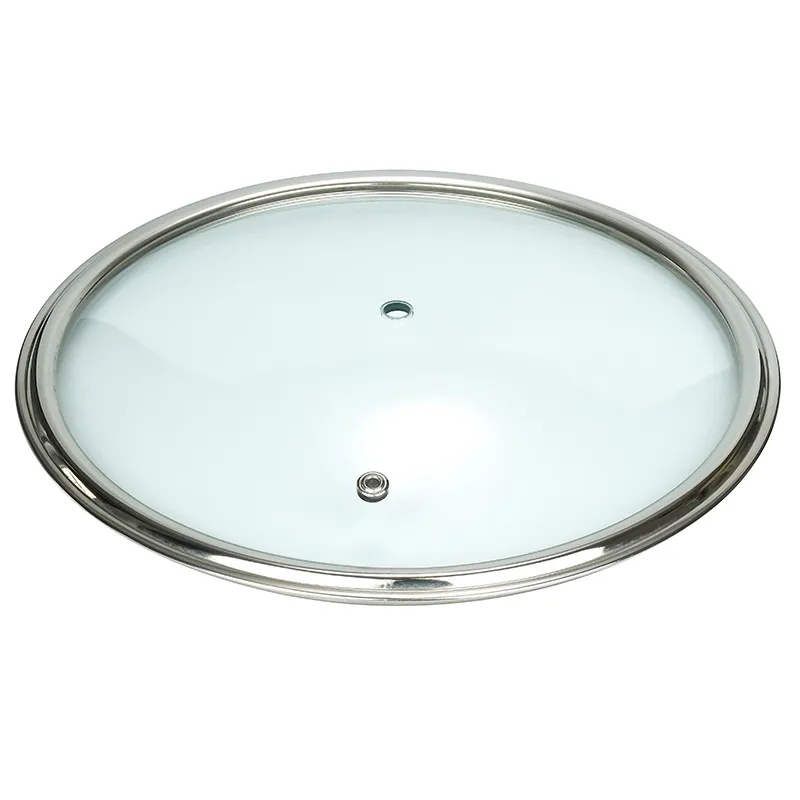
This is where you see a split in the Chinese supplier landscape. Many smaller workshops buy pre-cut glass and just temper it. The real integrated players, like EUR-ASIA COOKWARE CO.,LTD, control the process from cutting, edging, drilling holes for knobs or steam vents, to the final tempering. Visiting their facility in Taian, you see the flow. They have the space—20,000㎡—to store raw glass properly and handle finished goods without cramming, which reduces micro-fractures. That scale (15 million pieces annually) isn't for show; it allows dedicated lines for different lid diameters and complexities, which improves consistency.
A practical headache is the knob attachment. Epoxy bonding is standard, but the thermal cycling of a lid (room temp to 200°C+ repeatedly) stresses that bond. A good maker will have a rigorous shear test process, often simulating years of use in an oven. I recall a project for the Danish market where the failure point wasn't the glass, but the metal knob coming loose after 50 wash cycles. The fix involved a different adhesive and a slight redesign of the metal bracket. The glass lid maker that's worth its salt will flag these issues in prototyping, not after shipping a container.
The Export Reality: Compliance is a Moving Target
Exporting over 90% of your output, as EUR-ASIA does to markets like Germany, Italy, and Brazil, means navigating a maze of standards that aren't always harmonized. FDA compliance for food contact is baseline. But then you have EU's strict heavy metal migration limits, and different countries may have specific requirements for the safety of the tempered glass fragmentation pattern. The documentation trail is critical. A professional maker will have this down to a system, providing not just a generic certificate, but batch-specific test reports if needed.
Logistics for glass is its own special hell. Packaging design is a co-creation between the factory and the buyer. Those molded pulp inserts or EPE foam clamshells? Their cost is part of the landed price. A common mistake is to cheap out on packaging to save $0.10 per unit, only to have a 5% breakage rate on arrival. A seasoned maker will have recommended packaging solutions based on the destination port and typical handling conditions. I've learned to always ask for a drop-test video of the packed carton before approving the shipment.
The export focus also shapes the factory's mindset. Their website, https://www.glass-lid.com, is straightforward—it shows the product range and states their export orientation clearly. They're accustomed to dealing with the lead times, paperwork, and quality expectations of international buyers. This is different from a factory that primarily supplies the domestic market, where tolerances and communication styles can be vastly different.
Beyond the Lid: The Kitchen Ecosystem
Specialization is key, but so is understanding context. A glass lid maker doesn't operate in a vacuum. The lid must interface perfectly with the pot or pan body, often made by a different manufacturer. The precision of the outer diameter (OD) and the design of the rim (flanged, beaded, or simple ground edge) are critical for fit and function. Slight warping in the metal pot can cause a lid to sit unevenly. Good factories keep a library of rim profiles from major cookware brands to ensure compatibility.
This is why many makers, including EUR-ASIA, position themselves as kitchen accessory specialists. Their company intro mentions other kitchen accessories, which is telling. It means they likely handle glass for baking dishes, steam oven trays, or coffee pot lids. This breadth gives them exposure to different thermal and mechanical stresses, knowledge that trickles down to their standard glass lid production. They understand that a lid for a pressure cooker is a different beast from one for a slow cooker.
Innovation here is often incremental but vital. For instance, developing a lid with a built-in silicone sealing ring for better moisture retention, or creating a graduated measurement marking on the lid itself. These value-added features move a supplier from being a commodity vendor to a development partner. It's something to probe when evaluating a maker: Can you show me a custom design you developed for a client? Their answer reveals their engineering capability.
On the Ground: Assessing a Maker's True Capability
You can't judge a factory by its brochure. The employee count (90+ for EUR-ASIA) gives a clue about automation level. High-volume tempered glass production is semi-automated, but final inspection, packaging, and knob assembly are often manual. The skill and diligence of those line workers directly impact quality. When visiting, I don't just look at the shiny furnace; I watch the inspection station. How many lids are they rejecting per hour? What are the reasons? A high reject rate isn't necessarily bad—it can mean rigorous QC.
Location in Shandong's High-tech Development Zone in Taian is strategic. It's in a major glass raw material and industrial manufacturing belt, which simplifies supply chains. But it also means they're likely competing for skilled labor. How do they retain it? Low turnover usually correlates with better craftsmanship. It's a question I always ask indirectly, by seeing how long key technicians have been there.
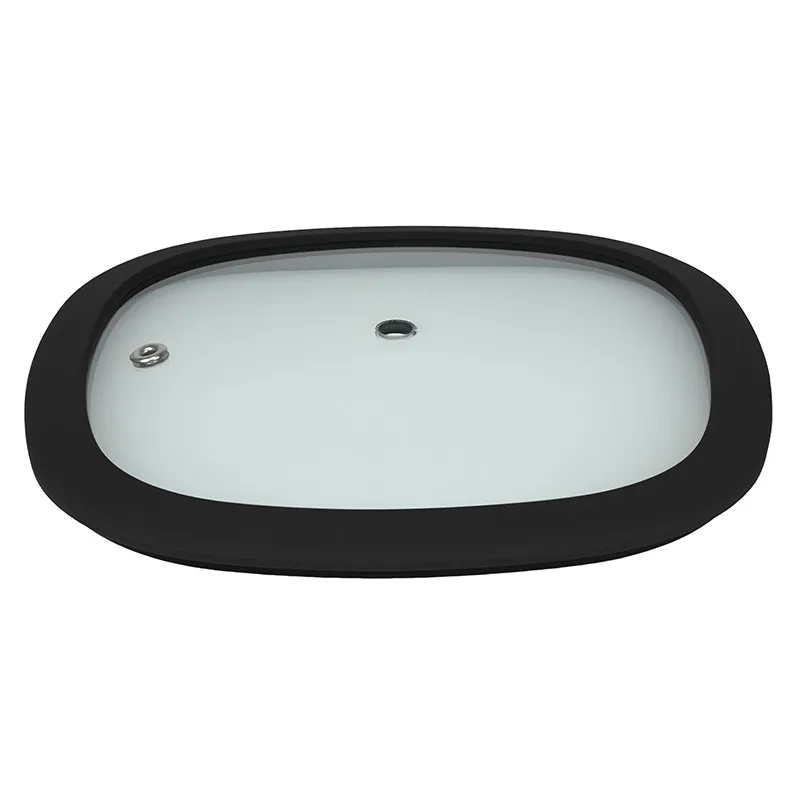
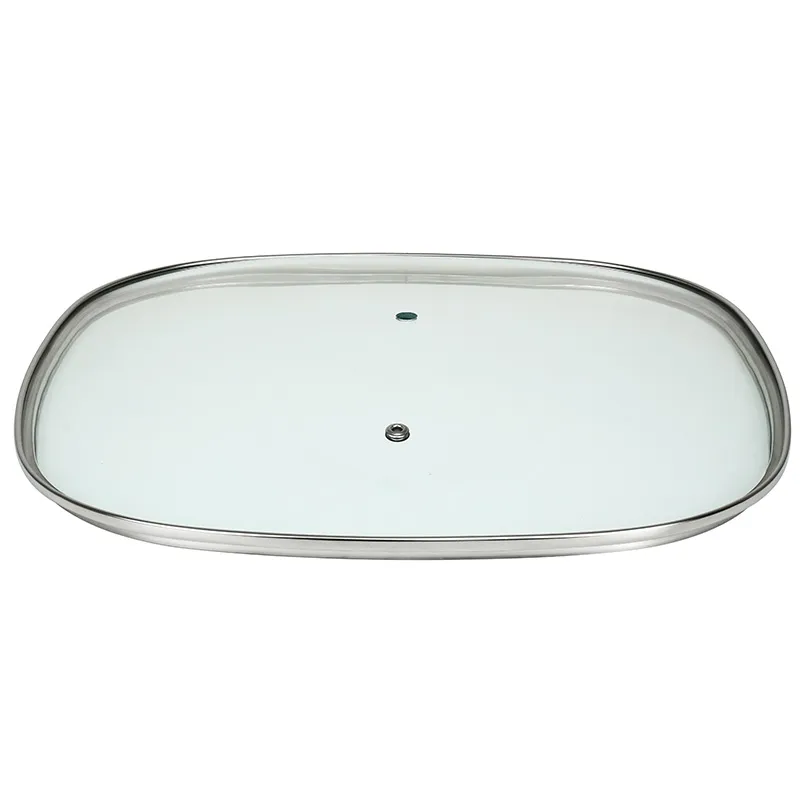
A practical test I've used: send them a drawing for a non-standard shape—an oval casserole lid, for example. Their response time and the questions they ask are revealing. Do they immediately query the radius of the corners (for tempering feasibility)? Do they ask about the intended pot material (for thermal expansion matching)? That technical dialogue is worth more than a price quote. The ones who just say yes, we can do without questions are the riskiest.
The Bottom Line: Value Over Price
So, circling back to the keyword: 'glass lid maker in China'. The search is for a manufacturing partner, not just a vendor. The annual output of 15 million pieces from a maker like EUR-ASIA signals capacity and stability, crucial for long-term orders. Their export footprint across Europe, Asia, and South America suggests they can handle diverse market demands.
The real cost isn't the FOB price. It's the total cost of ownership: reliability, consistency, communication clarity, and problem-solving agility when (not if) an issue arises. A maker that proactively manages the fragility of the product, the rigor of international compliance, and the fit-for-purpose engineering is the one that delivers value. The industry is moving from pure procurement to collaborative development, even for what seems like a simple lid.
In the end, your choice of a glass lid maker will be felt every time an end-user picks up that lid. It should feel substantial, fit perfectly, and withstand the daily drama of a kitchen. That outcome is forged long before the container is loaded, in the details of the factory floor that never make it to the homepage. That's what you're really searching for.
Related Products
Related Products