- Chinese
- French
- German
- Portuguese
- Spanish
- Russian
- Japanese
- Korean
- Arabic
- Irish
- Greek
- Turkish
- Italian
- Danish
- Romanian
- Indonesian
- Czech
- Afrikaans
- Swedish
- Polish
- Basque
- Catalan
- Esperanto
- Hindi
- Lao
- Albanian
- Amharic
- Armenian
- Azerbaijani
- Belarusian
- Bengali
- Bosnian
- Bulgarian
- Cebuano
- Chichewa
- Corsican
- Croatian
- Dutch
- Estonian
- Filipino
- Finnish
- Frisian
- Galician
- Georgian
- Gujarati
- Haitian
- Hausa
- Hawaiian
- Hebrew
- Hmong
- Hungarian
- Icelandic
- Igbo
- Javanese
- Kannada
- Kazakh
- Khmer
- Kurdish
- Kyrgyz
- Latin
- Latvian
- Lithuanian
- Luxembou..
- Macedonian
- Malagasy
- Malay
- Malayalam
- Maltese
- Maori
- Marathi
- Mongolian
- Burmese
- Nepali
- Norwegian
- Pashto
- Persian
- Punjabi
- Serbian
- Sesotho
- Sinhala
- Slovak
- Slovenian
- Somali
- Samoan
- Scots Gaelic
- Shona
- Sindhi
- Sundanese
- Swahili
- Tajik
- Tamil
- Telugu
- Thai
- Ukrainian
- Urdu
- Uzbek
- Vietnamese
- Welsh
- Xhosa
- Yiddish
- Yoruba
- Zulu
- Kinyarwanda
- Tatar
- Oriya
- Turkmen
- Uyghur


Glass lid manufacture
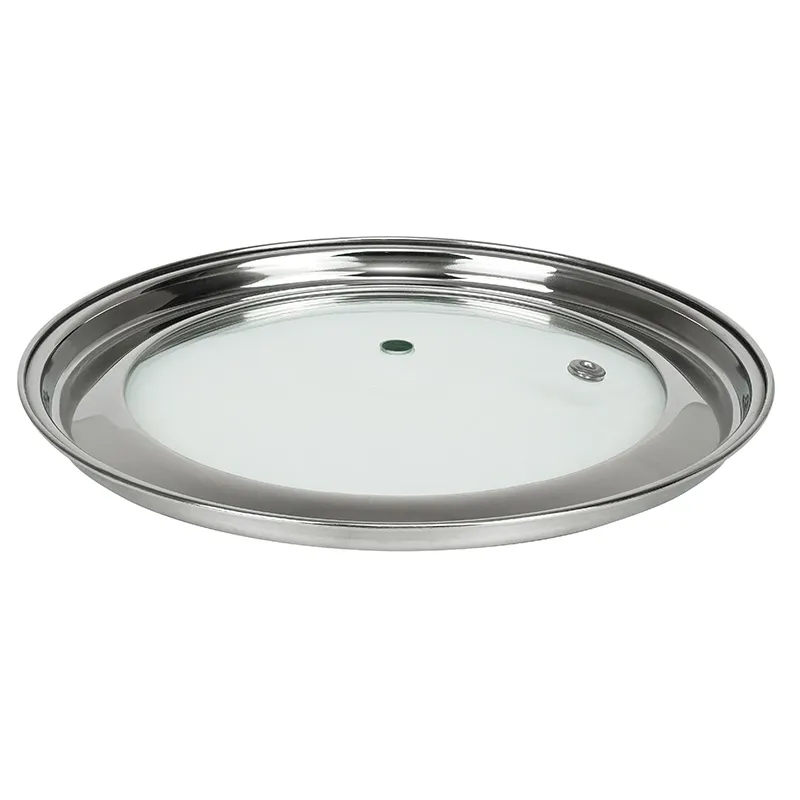
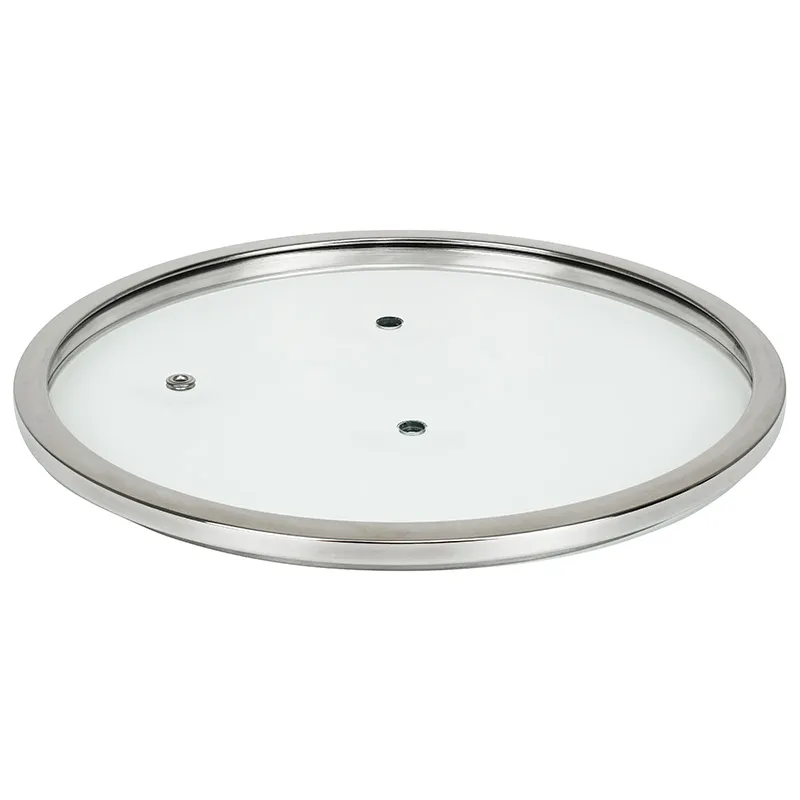
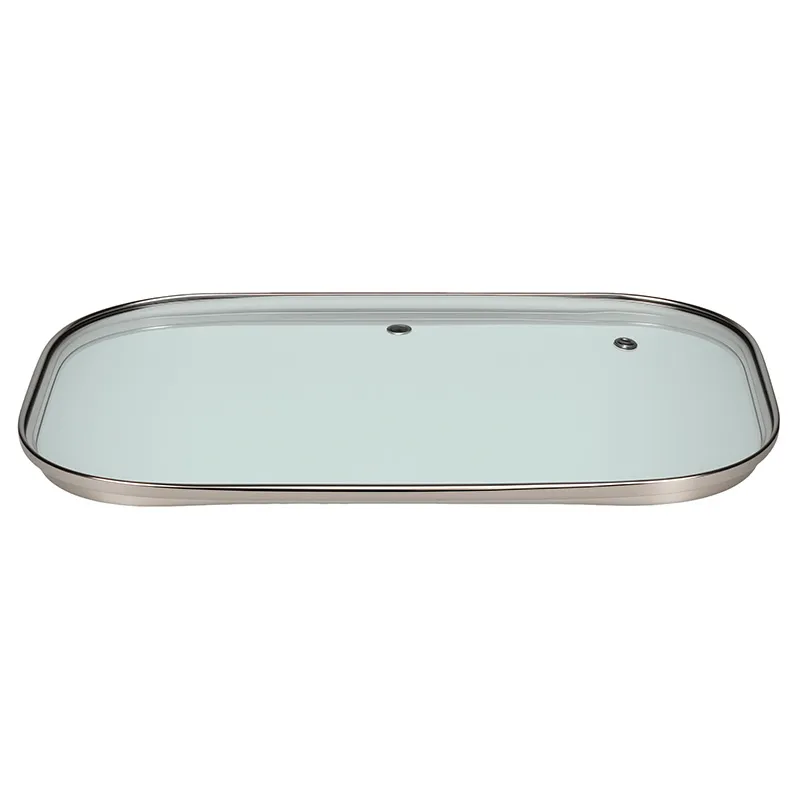
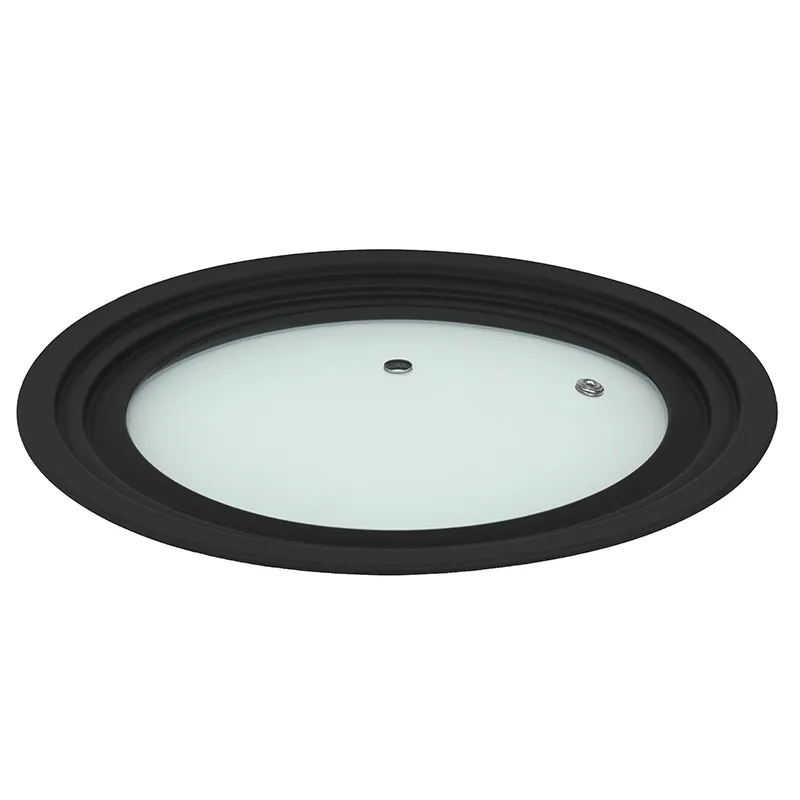
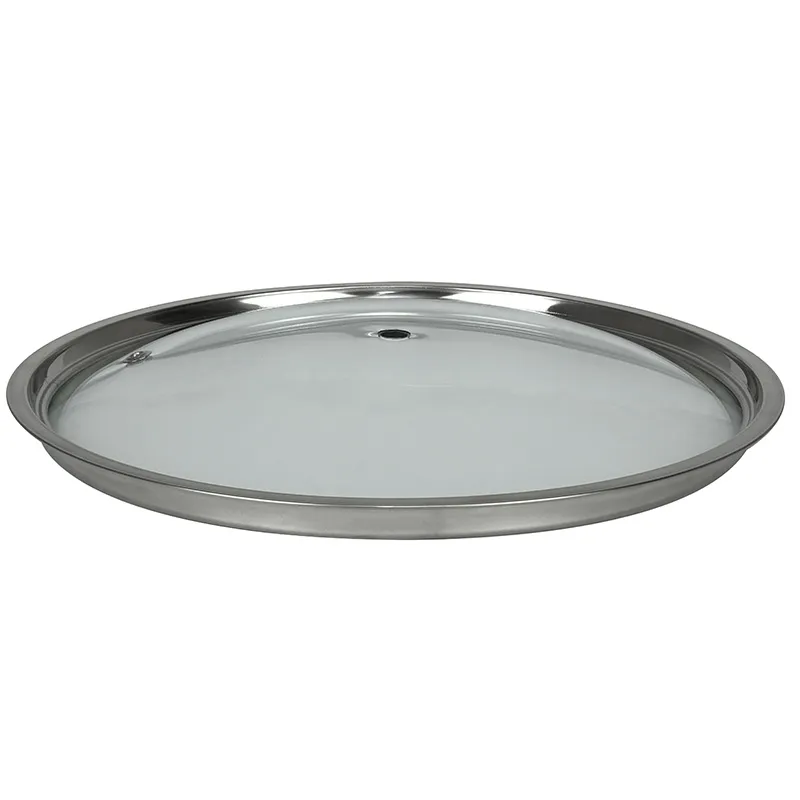
When most people think about glass lid manufacture, they picture a simple pane of glass being cut and fitted onto a pot. That's the first, and biggest, misconception. The reality is a nuanced dance between material science, thermal dynamics, and precision engineering, where a millimeter's error in the rim's bevel or a slight miscalculation in tempering can turn a lid from a kitchen staple into a liability. It's not just about transparency; it's about creating a component that must survive thousands of thermal shocks, resist impacts, and maintain a perfect seal, all while looking flawless. Many newcomers to sourcing, even some seasoned buyers, underestimate this complexity, focusing solely on price per unit and missing the critical details in the process that separate a good lid from a great one.
The Core: Material and Tempering
Let's start with the glass itself. Not all soda-lime silica is created equal. For lids, especially those for cookware, you need a specific grade with consistent composition to ensure even tempering. The raw glass sheets arrive, and the first critical step is cutting. CNC cutting is standard now, but the real art is in the edge grinding and polishing. A sharp edge is a stress concentrator—it's where cracks initiate during thermal shock or impact. We use a multi-stage diamond grinding process to create a smooth, rounded bevel. I've seen batches fail later in tempering simply because the edge prep was rushed; the microscopic flaws from a worn grinding wheel become the starting point for a spectacular, popcorn-like fragmentation during the quench.
Tempering is the heart of glass lid manufacture. The furnace temperature profile and the quenching air pressure are the secret sauces. The goal is to create a surface compression of at least 10,000 psi. Too fast a quench, and you risk distortion or even breakage in the furnace. Too slow, and the center tension won't develop properly, leading to weak impact resistance. We run constant drop-ball tests and thermal shock tests—plunging the lid from a 300°C oven into room temperature water—to validate every furnace batch. It's a balance. For a company like EUR-ASIA COOKWARE CO.,LTD., producing over 15 million pieces annually, maintaining this consistency across multiple furnace lines is the daily challenge. Their production base in Taian's High-tech Zone is built around this scale and precision requirement.
One nuance often overlooked is the handling post-temper. Once tempered, the glass cannot be cut or drilled. Any attempt will cause it to shatter. This means every hole for a knob or a steam vent, every contour, must be perfectly executed before the glass enters the furnace. We once had a large order for lids with an off-center steam vent. The CAD design was fine, but a slight misalignment in the CNC drill path for a whole production run meant the vent was too close to the edge after tempering, compromising the structural integrity. The entire batch, thousands of lids, was scrap. It was a painful but vital lesson in verifying tool paths and first-article inspection.
Fitting the Ecosystem: Knobs, Rims, and Seals
The lid doesn't exist in a vacuum. It's part of a system. The attachment of the knob is deceptively simple. Most use a stainless steel bolt bonded with a high-temperature silicone washer. The failure point is usually the bonding agent degrading after repeated dishwasher cycles or overheating. We moved to a mechanical locking design combined with a high-temp epoxy for critical applications. It adds cost, but eliminates returns.
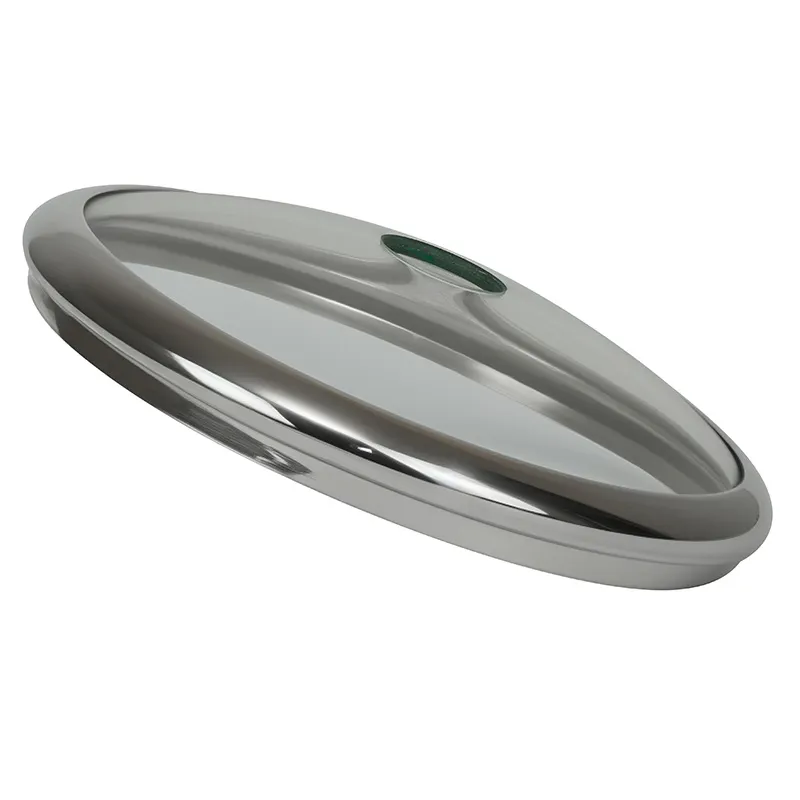
The rim design is another critical interface. Is it a straight drop? A flanged edge? A rolled rim? This dictates the seal and how it sits on the pot. For a tight-sealing lid, you often need a silicone gasket embedded in a channel on the underside. Molding that channel into the glass before tempering is tricky—the tolerances are tight. If the channel is too shallow, the gasket pops out during cleaning. Too deep, and it affects tempering uniformity. We spent months with a gasket supplier to get the durometer (hardness) and cross-section profile just right for a line of premium soup pots. The collaboration was essential; you can't solve this in isolation.
Speaking of exports, which is EUR-ASIA COOKWARE's main game (over 90% to Europe, Asia, Americas), regional preferences matter. The German market might demand lids with a more pronounced, ergonomic knob and a very specific steam vent design for precision cooking. The Brazilian market might prioritize larger diameters and brighter, polished edges for aesthetic appeal. The glass lid manufacture process has to be flexible enough to accommodate these variations without sacrificing the core safety and performance standards. This isn't just changing a mold; it's adjusting cutting patterns, tempering schedules, and even packaging.
Quality Control: The Unseen Cost Driver
Quality control in glass lid manufacture is relentless and non-negotiable. It starts with raw material inspection—checking for bubbles, stones, or cords in the raw glass. Then, inline inspection after cutting for dimensional accuracy. Post-tempering, every single lid goes through a polariscope. This machine uses polarized light to visualize the stress patterns. You're looking for an even, marbled pattern indicating good temper. Any anomalies—like dark spots or uneven bands—mean the lid is rejected. It's a fast but crucial check.
Then comes functional testing. We do spot checks on batch samples for thermal shock (the oven-to-water test), impact resistance (a 227g steel ball dropped from specified heights), and even dishwasher durability cycles. The standards—like ISO 8442 or various national safety codes—dictate these tests. But a good manufacturer goes beyond the standard. For instance, we test for creep or permanent deformation when a lid is left on a hot, empty pot for an extended period. It's a rare use case, but it happens in real kitchens.
The cost of quality is hidden in these steps. The rejection rate at the polariscope stage alone can be 3-5% on a bad day. That's not just material loss; it's energy, labor, and machine time. A facility like EUR-ASIA's, with 15,000㎡ of building area and 90+ employees, has to optimize this relentlessly to be competitive. Their ability to export successfully to demanding markets like Germany, Japan, and Switzerland is a direct testament to their QC regime being robust enough to pass importer audits and long-term reliability tests.
Logistics and The Fragile Reality
Finally, let's talk about getting it to the customer in one piece. Packaging for glass lids is a science of its own. You need rigid, form-fitting inserts—usually molded pulp or high-density foam—that suspend the lid and protect the edges and surface. The box must withstand stacking and dampen vibrations. We learned this the hard way early on with a shipment to Poland. The packaging was adequate for the lid itself, but we didn't account for the weight of other boxes stacked on top during a long sea voyage. The bottom boxes compressed, and the transmitted stress caused micro-fractures in the tempered glass, which later turned into full breaks when the end user first heated them. A total loss. Now, compression testing is part of our packaging validation.
For a global exporter, logistics is a core competency. From the factory in Shandong to ports, and then to distributors worldwide, the supply chain must be smooth. It's not just about price; it's about reliability and minimizing handling. A lid might survive the factory QC, but a rough forklift operator at a transshipment port can ruin a whole container load. Building relationships with reliable freight forwarders is as important as perfecting the tempering process.
So, when you look at a glass lid, you're not just looking at a piece of glass. You're looking at the endpoint of a complex manufacturing journey involving precise cutting, controlled thermal stress, meticulous assembly, and rigorous testing. Companies that thrive in this space, like EUR-ASIA COOKWARE CO.,LTD., do so by mastering these interconnected details—from the chemistry of the raw glass in Taian to the specific preferences of a kitchen in Munich or Seoul. It's a field where practical, hands-on problem-solving trumps theory every time, and where the margin for error is, quite literally, transparently thin.
Related Products
Related Products