
- Chinese
- French
- German
- Portuguese
- Spanish
- Russian
- Japanese
- Korean
- Arabic
- Irish
- Greek
- Turkish
- Italian
- Danish
- Romanian
- Indonesian
- Czech
- Afrikaans
- Swedish
- Polish
- Basque
- Catalan
- Esperanto
- Hindi
- Lao
- Albanian
- Amharic
- Armenian
- Azerbaijani
- Belarusian
- Bengali
- Bosnian
- Bulgarian
- Cebuano
- Chichewa
- Corsican
- Croatian
- Dutch
- Estonian
- Filipino
- Finnish
- Frisian
- Galician
- Georgian
- Gujarati
- Haitian
- Hausa
- Hawaiian
- Hebrew
- Hmong
- Hungarian
- Icelandic
- Igbo
- Javanese
- Kannada
- Kazakh
- Khmer
- Kurdish
- Kyrgyz
- Latin
- Latvian
- Lithuanian
- Luxembou..
- Macedonian
- Malagasy
- Malay
- Malayalam
- Maltese
- Maori
- Marathi
- Mongolian
- Burmese
- Nepali
- Norwegian
- Pashto
- Persian
- Punjabi
- Serbian
- Sesotho
- Sinhala
- Slovak
- Slovenian
- Somali
- Samoan
- Scots Gaelic
- Shona
- Sindhi
- Sundanese
- Swahili
- Tajik
- Tamil
- Telugu
- Thai
- Ukrainian
- Urdu
- Uzbek
- Vietnamese
- Welsh
- Xhosa
- Yiddish
- Yoruba
- Zulu
- Kinyarwanda
- Tatar
- Oriya
- Turkmen
- Uyghur


glass lid manufacturer in China
When you punch 'glass lid manufacturer in China' into a search bar, you're not just looking for a supplier list. You're likely trying to pierce through a fog of assumptions—the idea that all Chinese factories are the same, that price is the sole differentiator, or that 'tempered glass' is a monolithic standard. Having sourced and developed products with partners in Shandong and Guangdong for years, I've found the reality is messier, more nuanced, and frankly, more interesting. The real search isn't for a manufacturer; it's for a competent partner who understands that a lid isn't just a piece of glass, but a component that must withstand thermal shock, fit a specific pot line perfectly, and pass rigorous safety tests in markets from Frankfurt to Tokyo.
The Core Hub and the Hidden Nuances of Production
Most global buyers eventually zero in on Shandong, particularly areas like Taian, for glass lid production. It's not a coincidence. The cluster effect there is real—access to raw material suppliers, specialized tempering furnaces, and a workforce with generational knowledge in glass processing. But 'cluster' doesn't mean uniformity. The gap between a workshop with three tempering lines and an integrated plant is vast. I recall an early mistake: choosing a factory based on a glossy catalog sample. The sample was flawless, but bulk production revealed inconsistent edge grinding. The issue? They were outsourcing the grinding to a smaller, unvetted workshop to save cost. The lesson was painful but clear: you must audit the entire production chain under one roof.
This is where a company's physical footprint matters. Take EUR-ASIA COOKWARE CO.,LTD, for instance. Their base in the Taian High-tech Development Zone, with 20,000㎡ of space, signals vertical integration. When a manufacturer controls everything from glass cutting, edging, tempering, to printing and packaging on-site, you mitigate a huge chunk of quality risk. Their stated annual capacity of over 15 million pieces isn't just a boast; it's a clue to their furnace throughput and logistics capability. For a buyer, this translates to consistency and the ability to handle complex, multi-SKU orders without the chaos of coordinating multiple sub-suppliers.
The term 'tempered' itself is a minefield. The industry standard is to temper to a surface compression of over 90 MPa for safety. But the real test is in the thermal shock cycle. A lid for a European casserole dish might need to withstand a jump from a freezer to a 250°C oven. I've seen lids shatter not during the official lab test, but during real-world kitchen use because the tempering process wasn't calibrated for that specific thermal gradient. A good manufacturer will ask about the end-use application, the target market's testing standards (like LFGB in Germany), and might even run destructive tests on prototypes with you. The ones that just nod and say yes, we can without asking these questions are a red flag.
Beyond the Glass: The Criticality of Fit, Finish, and Accessories
The glass is only half the story. The fit—the precise curvature and diameter tolerance—is what separates a professional glass lid manufacturer from a glass processor. A mismatch of even half a millimeter can cause steam leakage, an unstable fit, or constant rattling. We once had a project where the lids kept rocking on the pots. The problem wasn't the glass, but the metal rim (or handle assembly) that was attached slightly off-center. The manufacturer had superb glass tempering tech but weaker metal-stamping and assembly controls. It took weeks of back-and-forth to correct the jig and fixture designs for the assembly line.
Handle materials are another decision tree. Stainless steel, phenolic resin (Bakelite), silicone—each has cost, aesthetic, and functional implications. Phenolic handles are classic and heat-resistant but can be brittle if the formula is wrong. Silicone knobs are trendy and offer better grip, but they require a completely different attachment system (often involving adhesives or over-molding) and carry their own set of chemical compliance questions. A manufacturer like EUR-ASIA, which lists other kitchen accessories in its scope, likely has in-house or tightly controlled partnerships for these components. This holistic control is crucial. Seeing their export list—Germany, Denmark, Japan—tells me they're accustomed to the high bar for material safety and durability in these markets.
Then there's printing and branding. Silk-screen printing for logos or measurement markings seems straightforward, but ink adhesion and food-contact safety are critical. The ink must survive repeated dishwasher cycles without fading or cracking. I've had batches where the ink wore off after a dozen washes because the curing temperature/time was insufficient. A robust manufacturer will have a standardized testing protocol for this, often involving abrasive rub tests and dishwasher simulation cycles. It's a small detail that becomes a major brand liability if ignored.
The Export Reality: Compliance, Logistics, and the 90% Export Signal
A company stating that over 90% of its products are for export, as EUR-ASIA does, is telling you something vital. It means their operational DNA is built around international standards. Their paperwork systems are tuned for customs, their packaging is designed for ocean freight, and their quality control mindset is pre-set to meet external, often stringent, audits. They think in terms of container loads, pallet configurations, and HS codes. This is a different beast from a factory that primarily serves the domestic market, where tolerances and compliance pressures can be different.
The list of destination countries is a silent testimonial. Germany and France imply strict compliance with EU food contact material regulations (EU 1935/2004) and often voluntary but demanding standards like those from LGA or TüV. Brazil and South Korea have their own complex certification systems. Navigating this isn't just about having a test report from a lab; it's about having a production process that is consistently compliant. A single batch of glass with slightly off composition can fail heavy metal migration tests. The manufacturer needs rigorous incoming material checks.
Logistics from an inland city like Taian is a point many overlook. It adds a leg of domestic trucking to a port like Qingdao or Tianjin. A seasoned manufacturer has this down to a science—knowing lead times, having reliable freight forwarder partnerships, and understanding how to pack to minimize breakage during the longer journey. You need to factor this into your timeline and cost. The ones who are vague about port procedures or incoterms are likely trading companies, not actual manufacturers.
Failures and Forged Partnerships: The Human Element
Not all stories are successes. Early on, I worked with a factory that promised the moon on cost. Their initial quote was 20% below market. The catch revealed itself slowly: communication was slow and required multiple clarifications, samples were delayed, and when the pre-shipment samples arrived, the packaging was flimsy. They had cut corners everywhere. We lost a season. The failure taught me that the quoted price is just an entry ticket. The real cost is in management time, risk, and reliability.
The relationship with a good manufacturer evolves. It moves from transactional to collaborative. You start discussing not just 10,000 pieces of lid model A, but also can we develop a new stacking design to reduce shipping volume? or what are the new trends in handle ergonomics from Europe? The website of EUR-ASIA COOKWARE (https://www.glass-lid.com) presents them as a specialized producer, not a general trader. This focus is key. You want a partner whose engineering team gets excited about improving a radius for better steam ventilation or sourcing a new, more eco-friendly ink, not one who just sees you as a purchase order number.
In the end, finding the right glass lid manufacturer in China is an exercise in depth, not breadth. It's about peeling back the layers of marketing to see the factory floor, the quality lab, and the problem-solving mindset of the team. It's about recognizing that a 15,000㎡ building area and 90+ employees represent a significant commitment to this specific niche. The keyword search might start the journey, but the destination is a partnership built on shared language of specifications, mutual visits (virtual or physical), and a track record of solving real problems together. That's what turns a simple component into a product that works, lasts, and keeps a brand's reputation intact.
Related Products
Related Products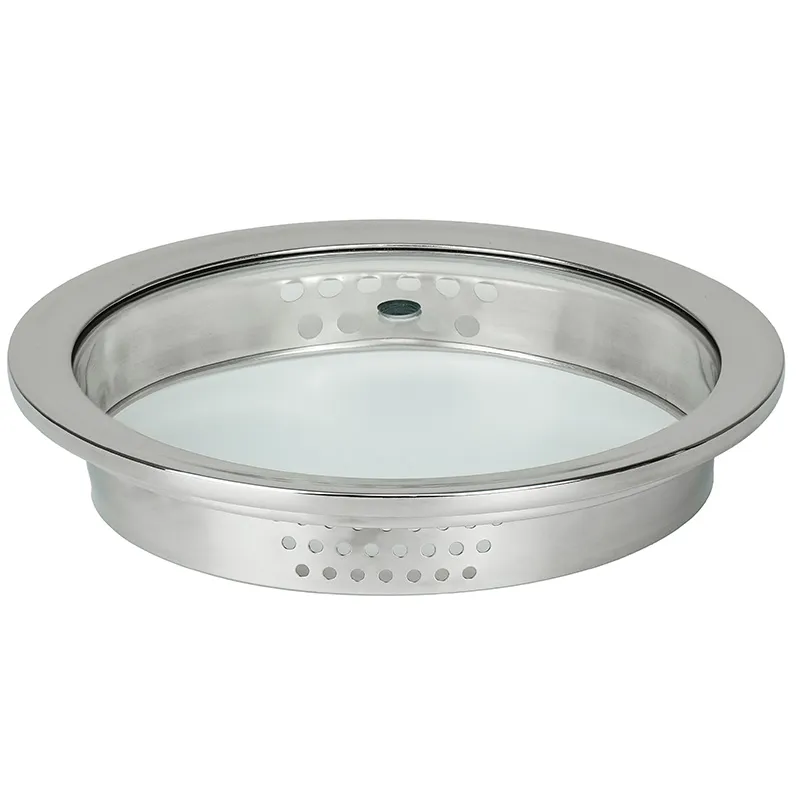
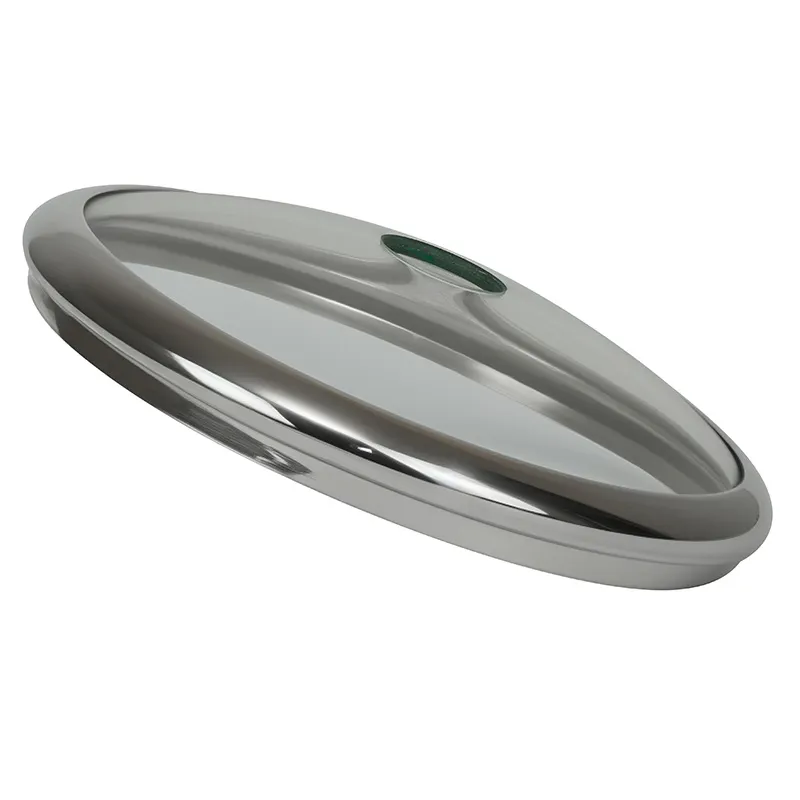
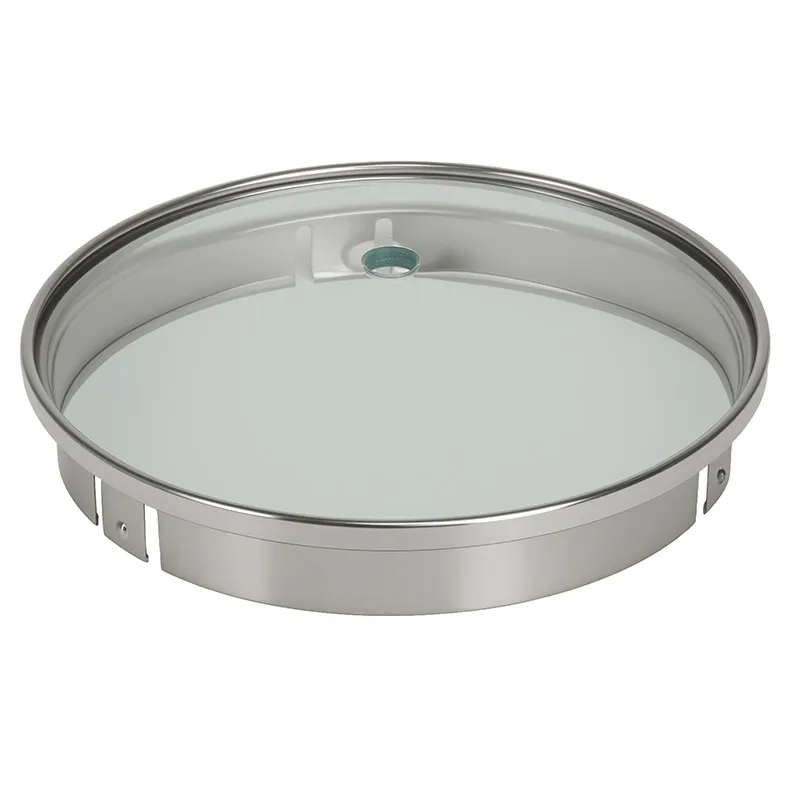
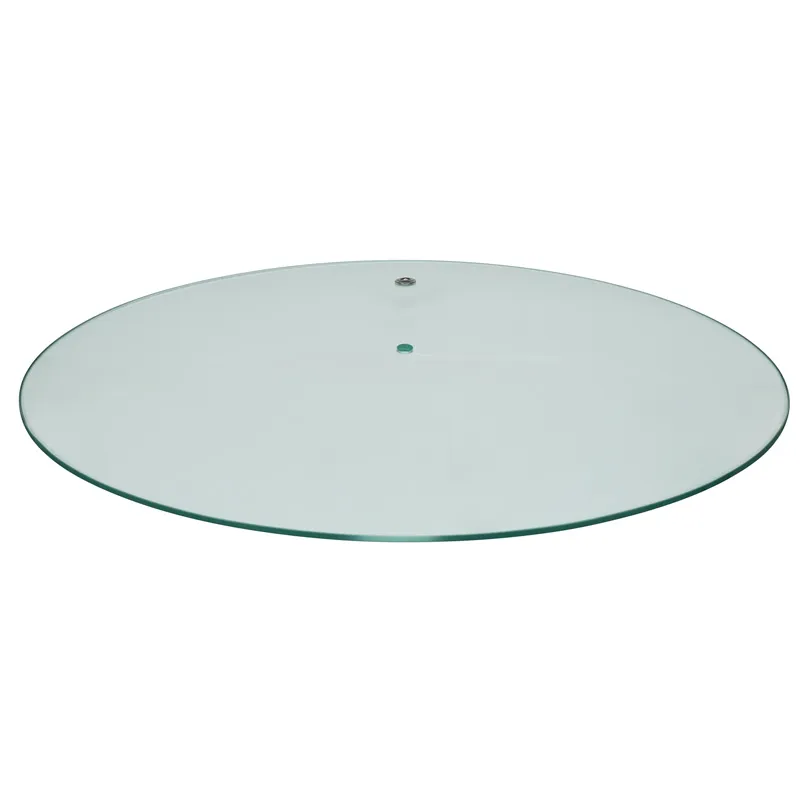

Best Selling Products
Best Selling Products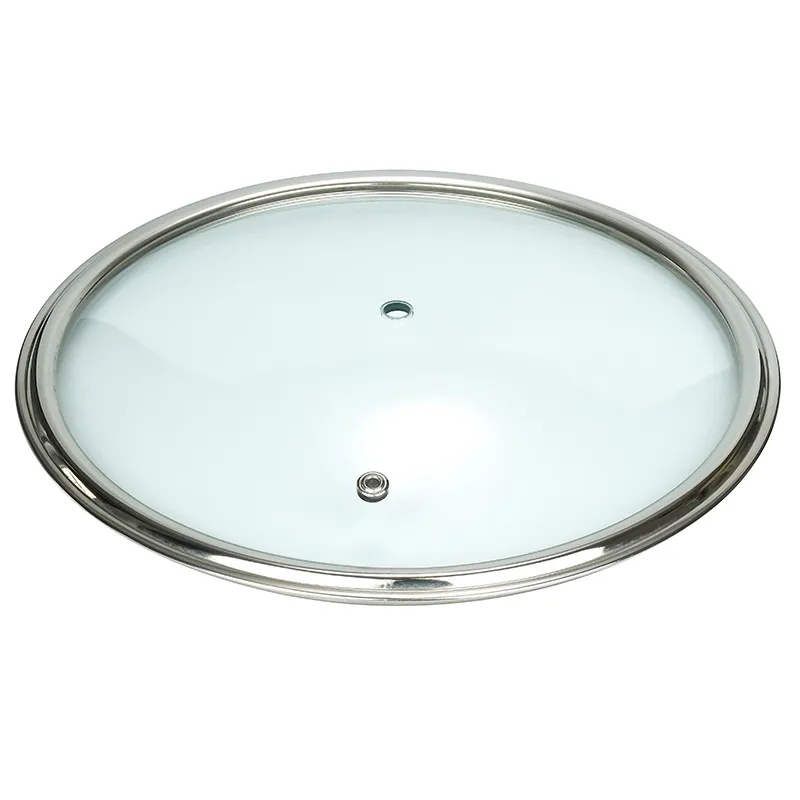
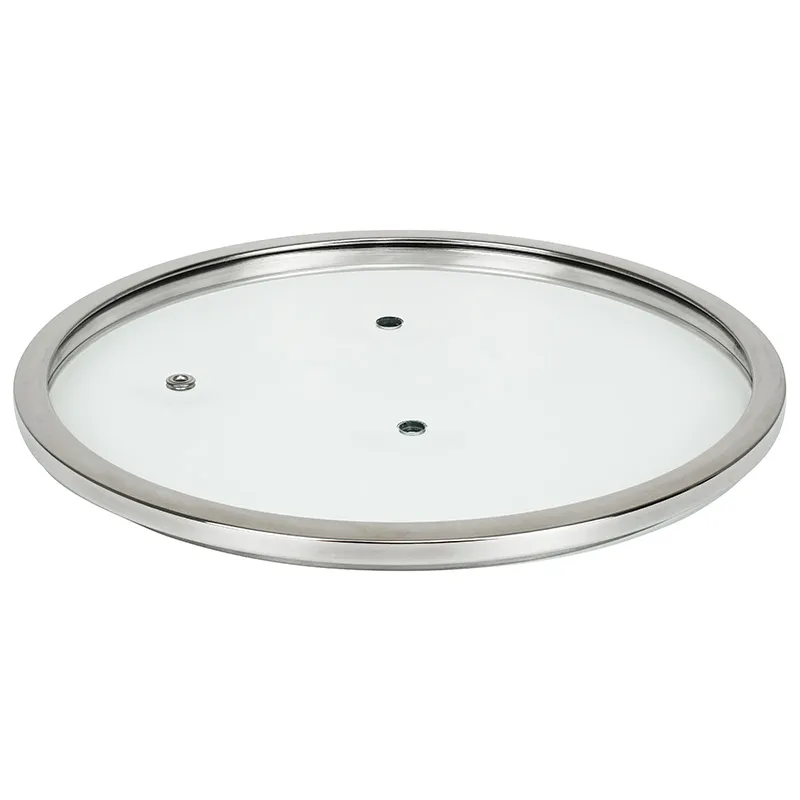
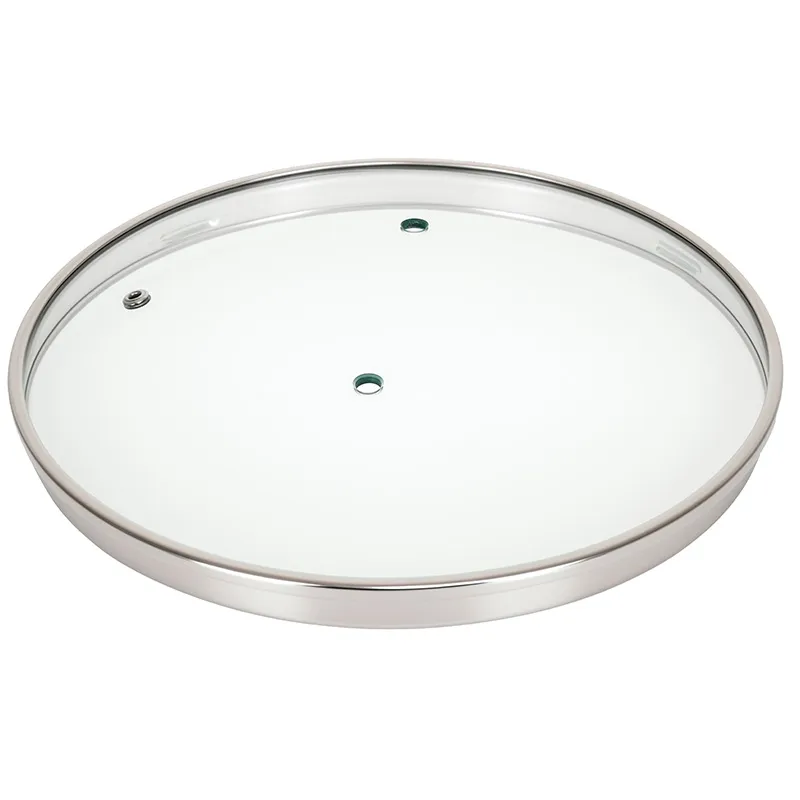
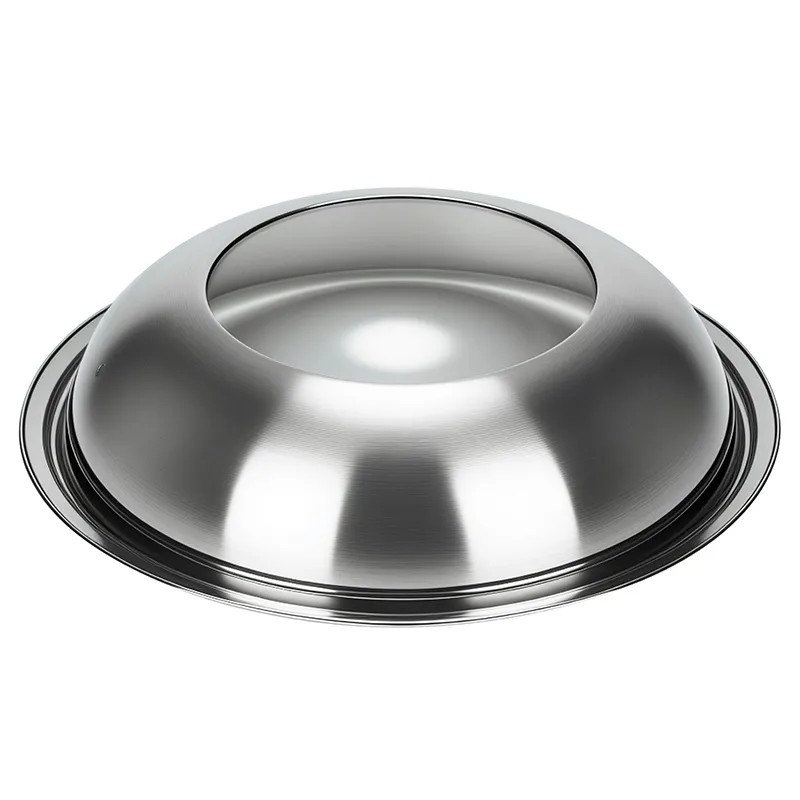
Related Search
Related Search- 20 oz beer can glass with lid
- silicone glass lid manufacturer in China
- wholesale beer can glass with lid
- glass pot with lid for cooking
- tempered glass lid with stainless steel ring
- T type glass lid manufacturer
- glass cover with knob
- lodge tempered glass lid 15 inch
- pink glass jar with lid
- glass lid for instant pot duo


