- Chinese
- French
- German
- Portuguese
- Spanish
- Russian
- Japanese
- Korean
- Arabic
- Irish
- Greek
- Turkish
- Italian
- Danish
- Romanian
- Indonesian
- Czech
- Afrikaans
- Swedish
- Polish
- Basque
- Catalan
- Esperanto
- Hindi
- Lao
- Albanian
- Amharic
- Armenian
- Azerbaijani
- Belarusian
- Bengali
- Bosnian
- Bulgarian
- Cebuano
- Chichewa
- Corsican
- Croatian
- Dutch
- Estonian
- Filipino
- Finnish
- Frisian
- Galician
- Georgian
- Gujarati
- Haitian
- Hausa
- Hawaiian
- Hebrew
- Hmong
- Hungarian
- Icelandic
- Igbo
- Javanese
- Kannada
- Kazakh
- Khmer
- Kurdish
- Kyrgyz
- Latin
- Latvian
- Lithuanian
- Luxembou..
- Macedonian
- Malagasy
- Malay
- Malayalam
- Maltese
- Maori
- Marathi
- Mongolian
- Burmese
- Nepali
- Norwegian
- Pashto
- Persian
- Punjabi
- Serbian
- Sesotho
- Sinhala
- Slovak
- Slovenian
- Somali
- Samoan
- Scots Gaelic
- Shona
- Sindhi
- Sundanese
- Swahili
- Tajik
- Tamil
- Telugu
- Thai
- Ukrainian
- Urdu
- Uzbek
- Vietnamese
- Welsh
- Xhosa
- Yiddish
- Yoruba
- Zulu
- Kinyarwanda
- Tatar
- Oriya
- Turkmen
- Uyghur

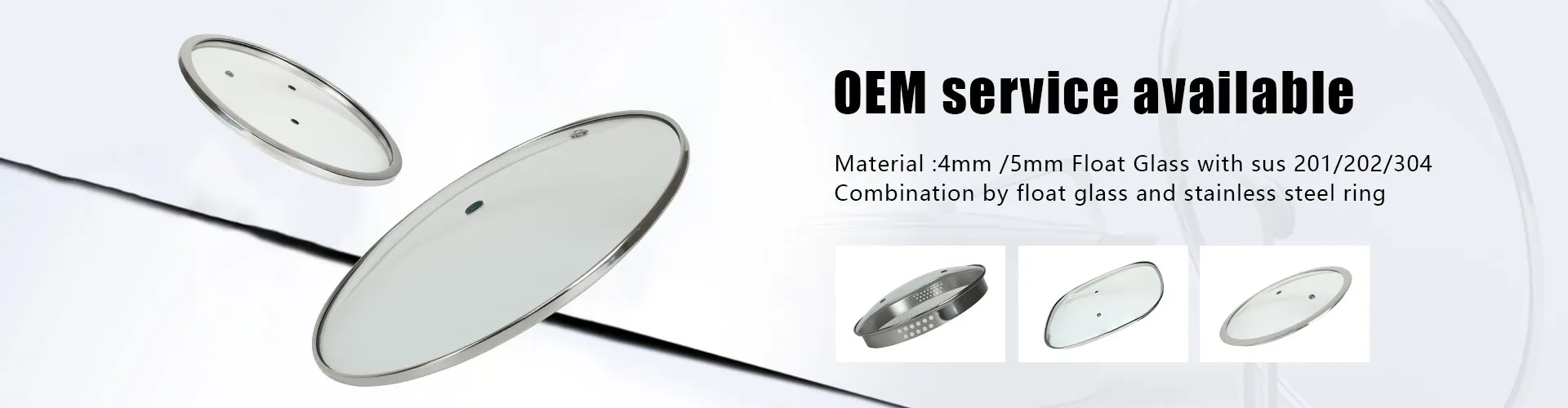
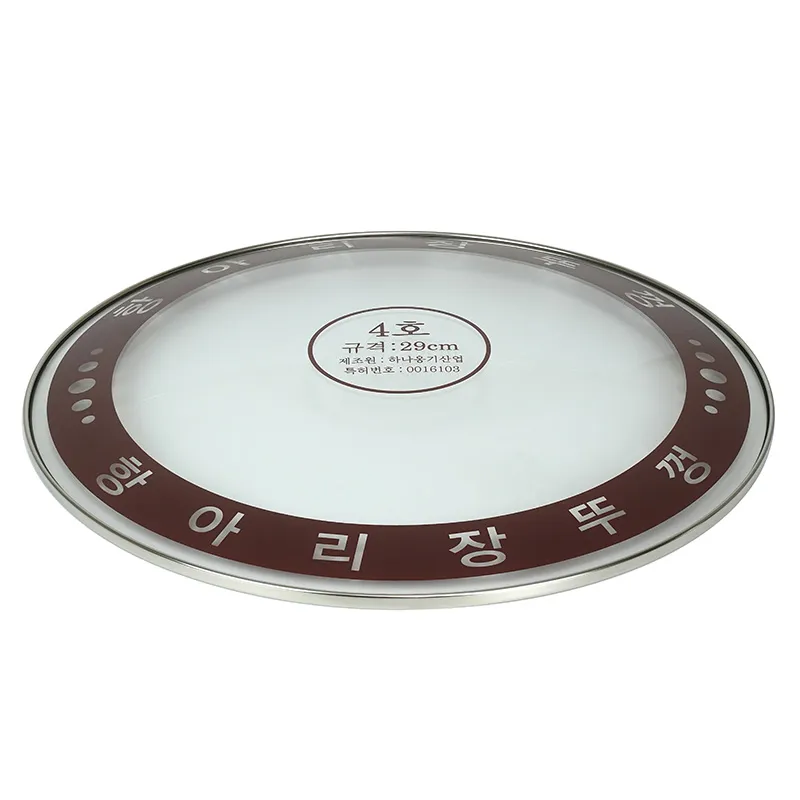
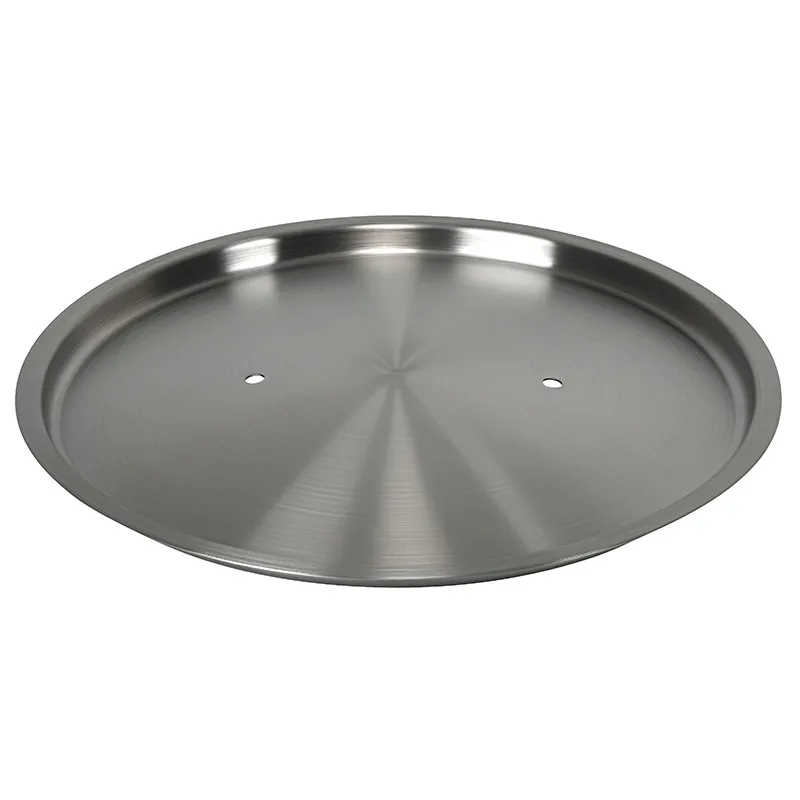
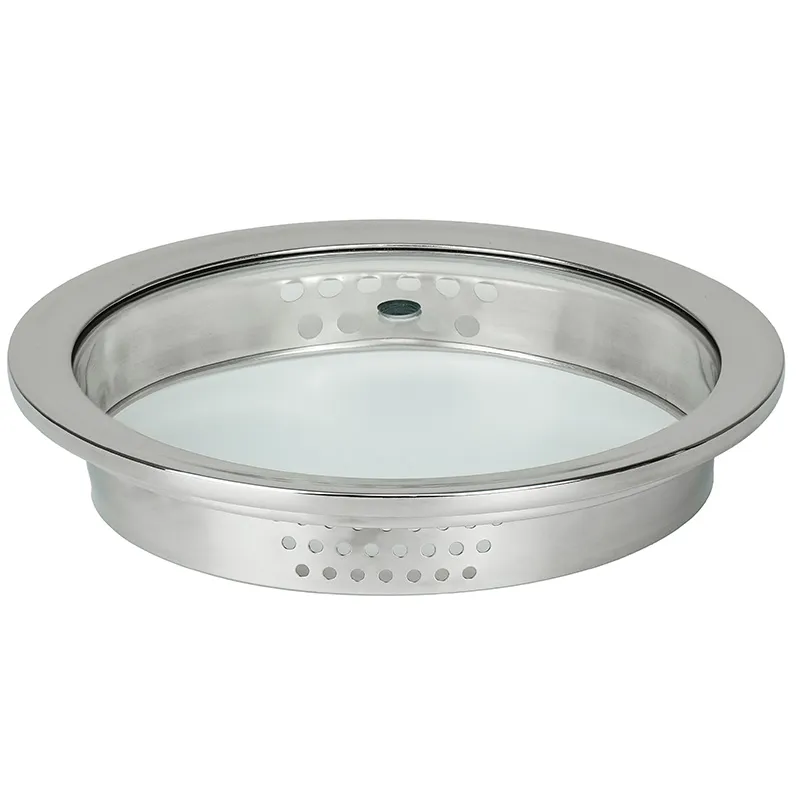
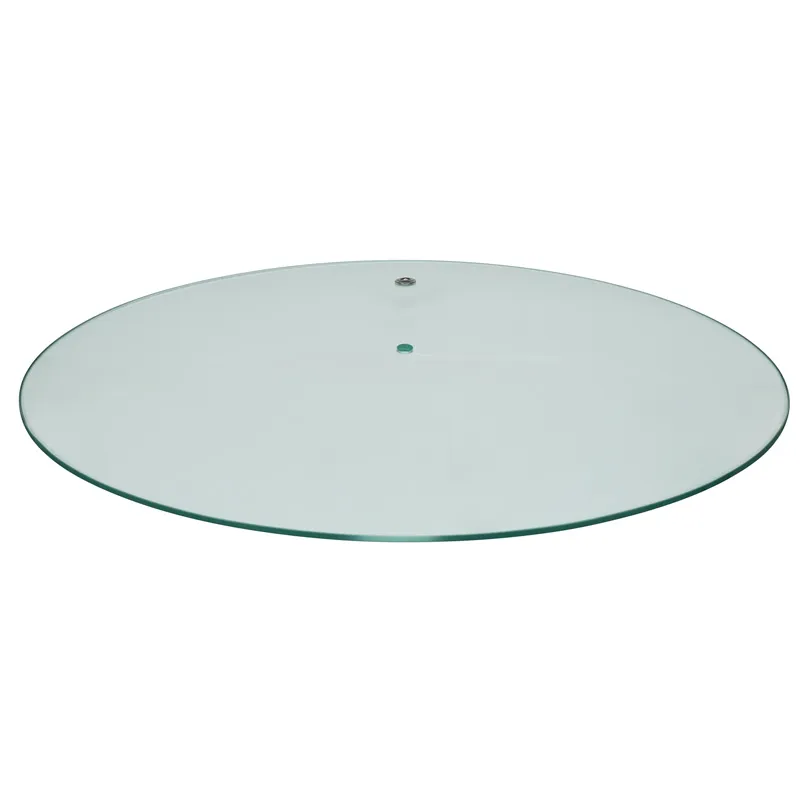
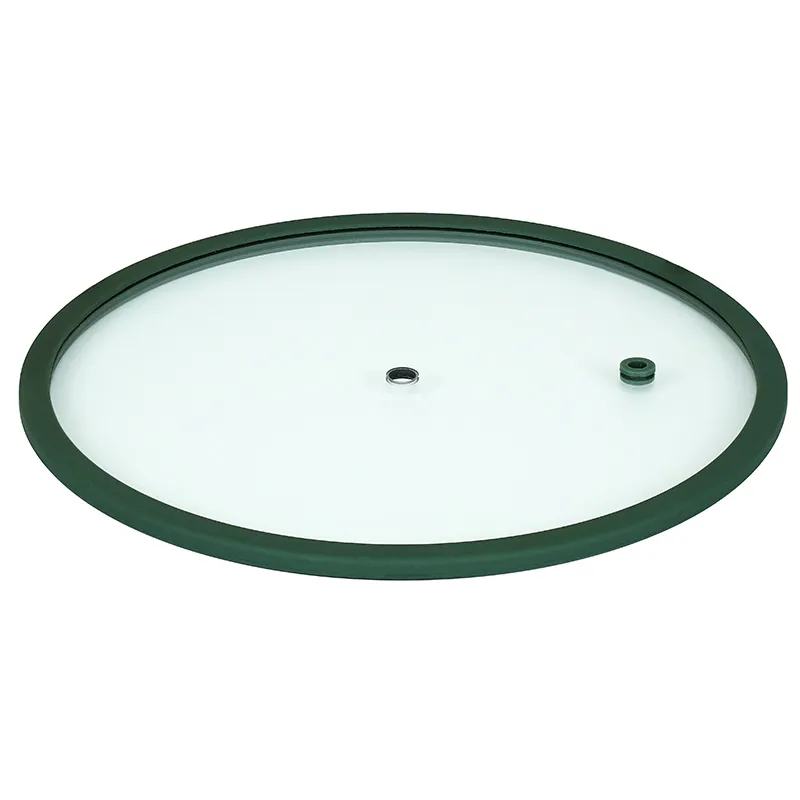
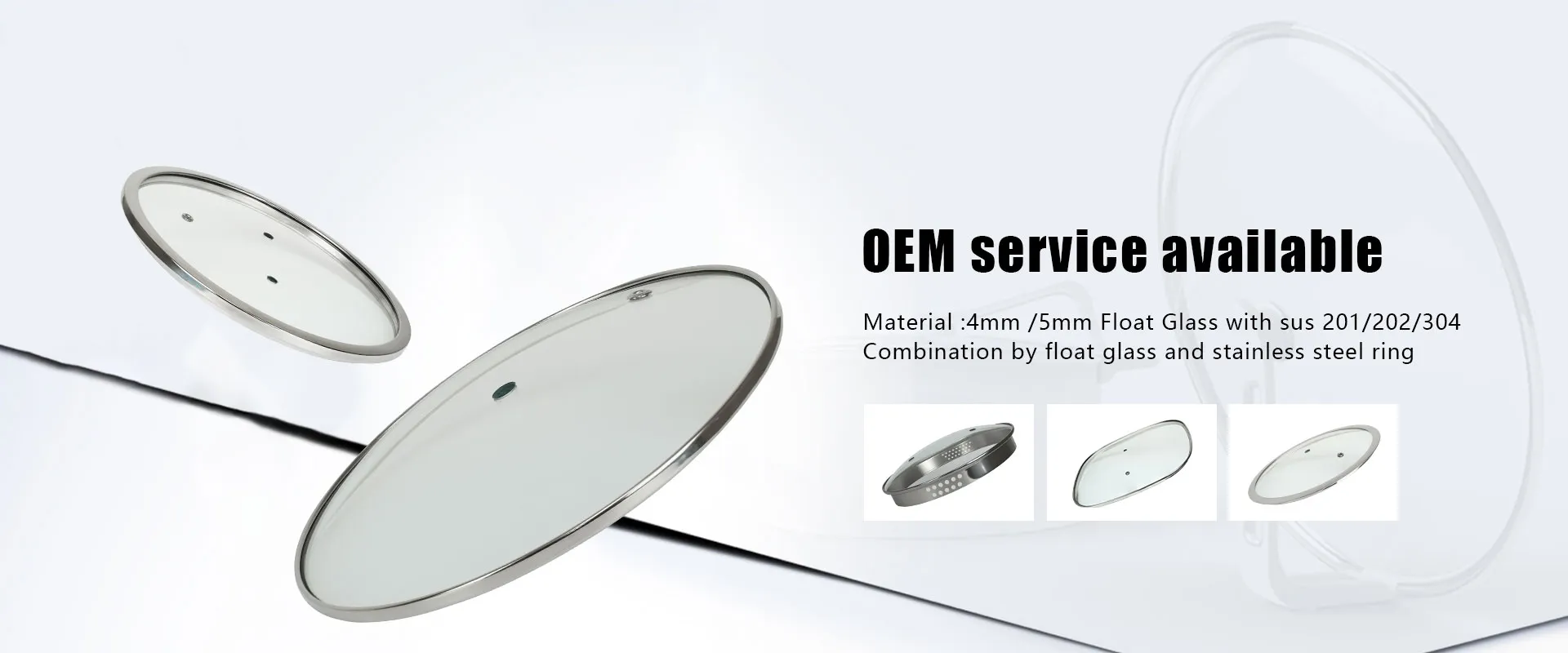
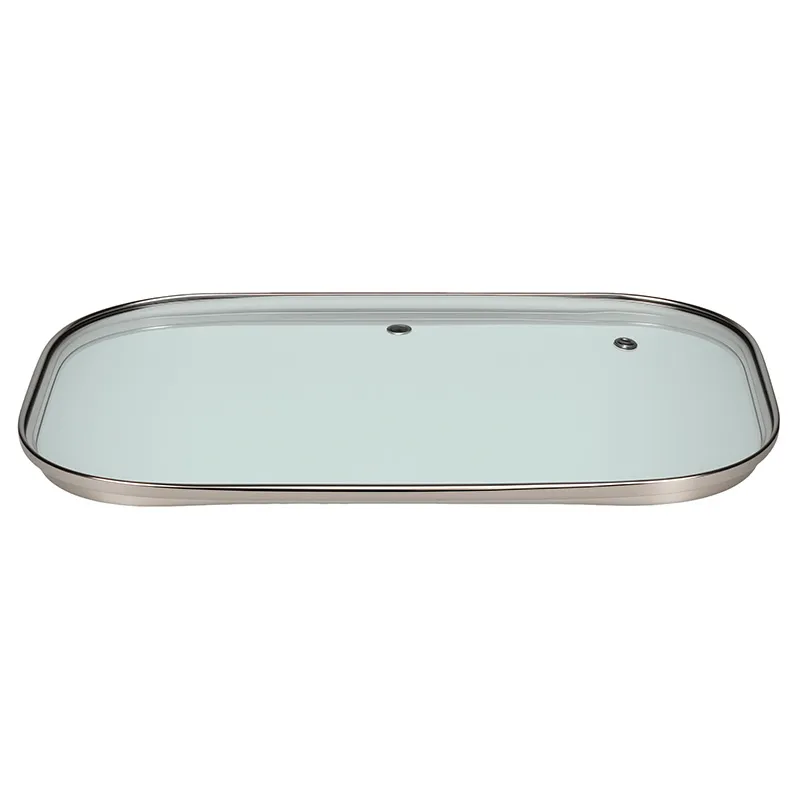
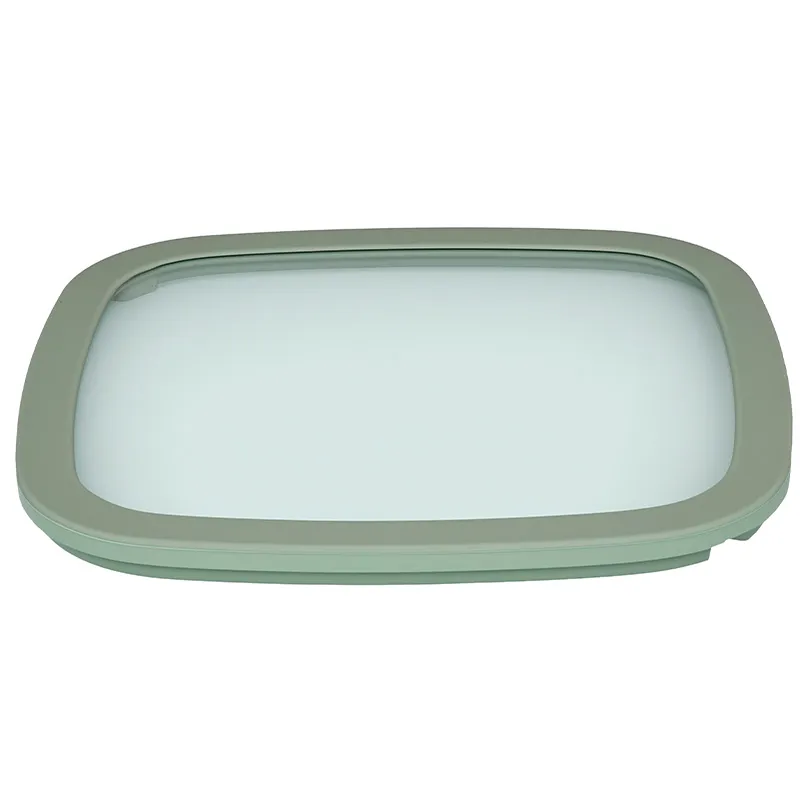
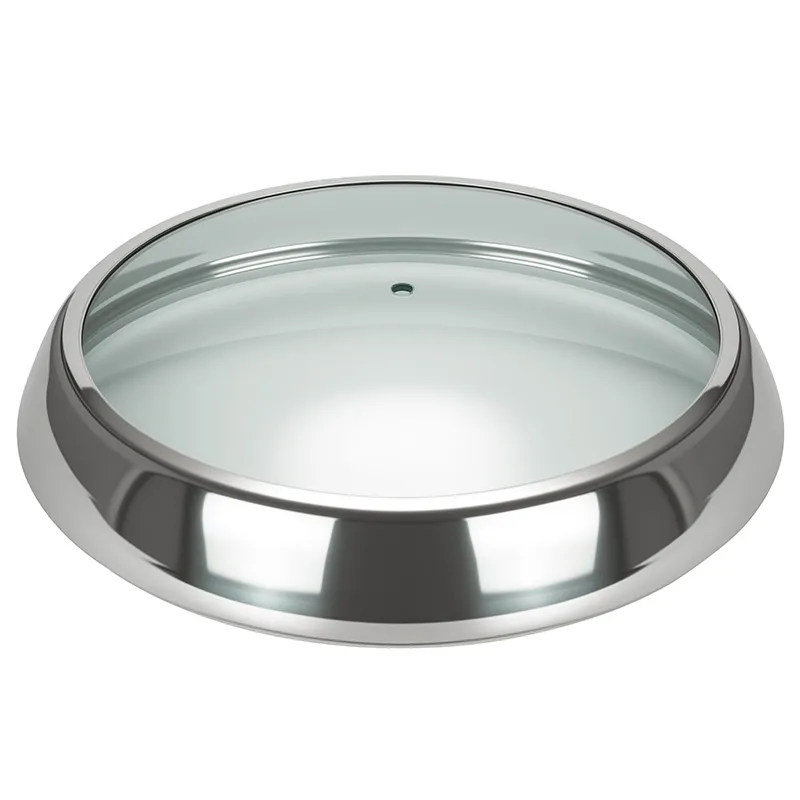
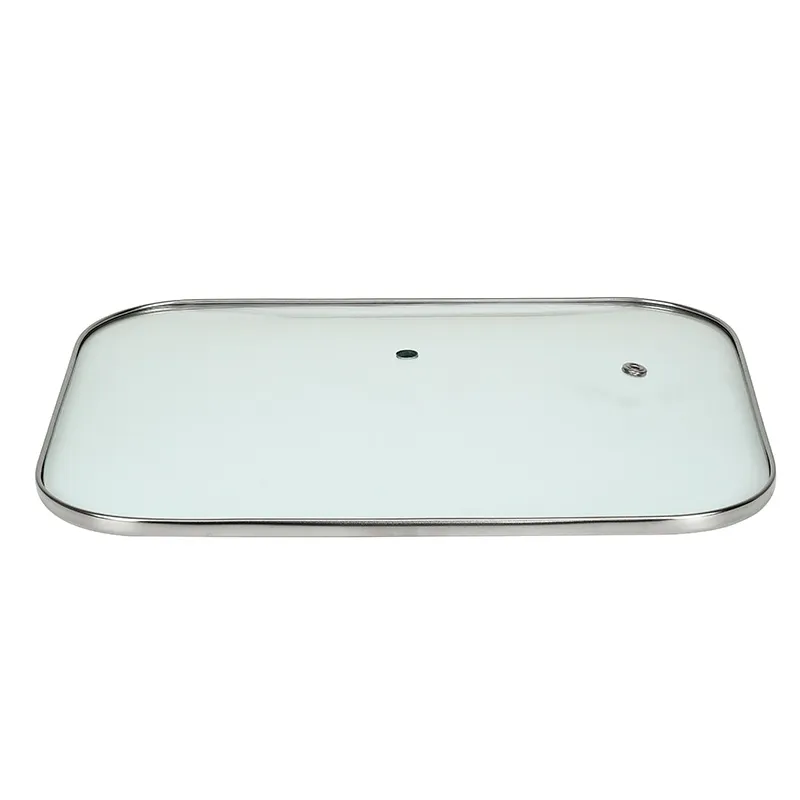
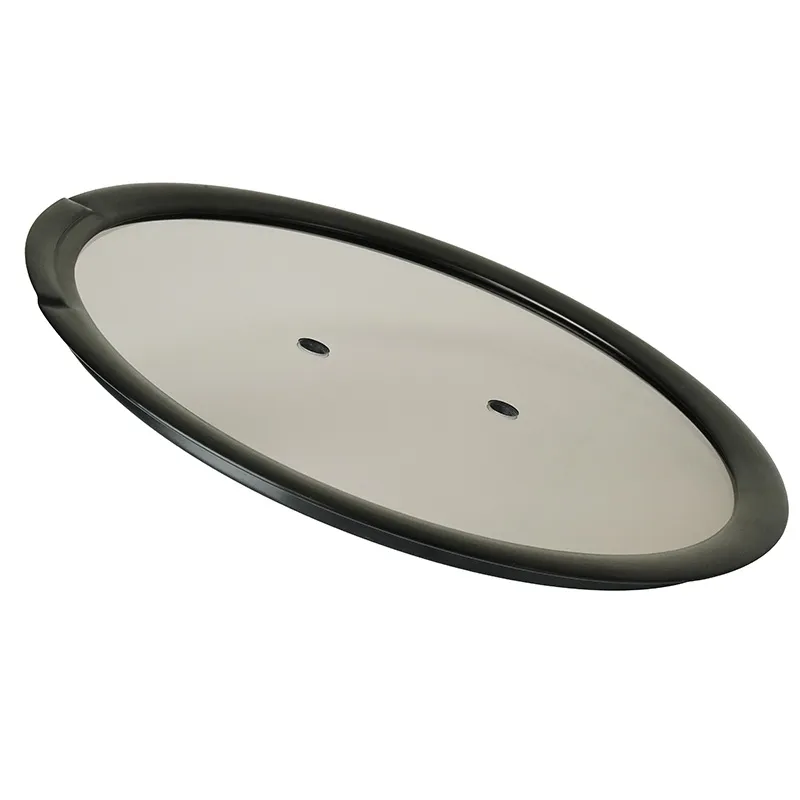
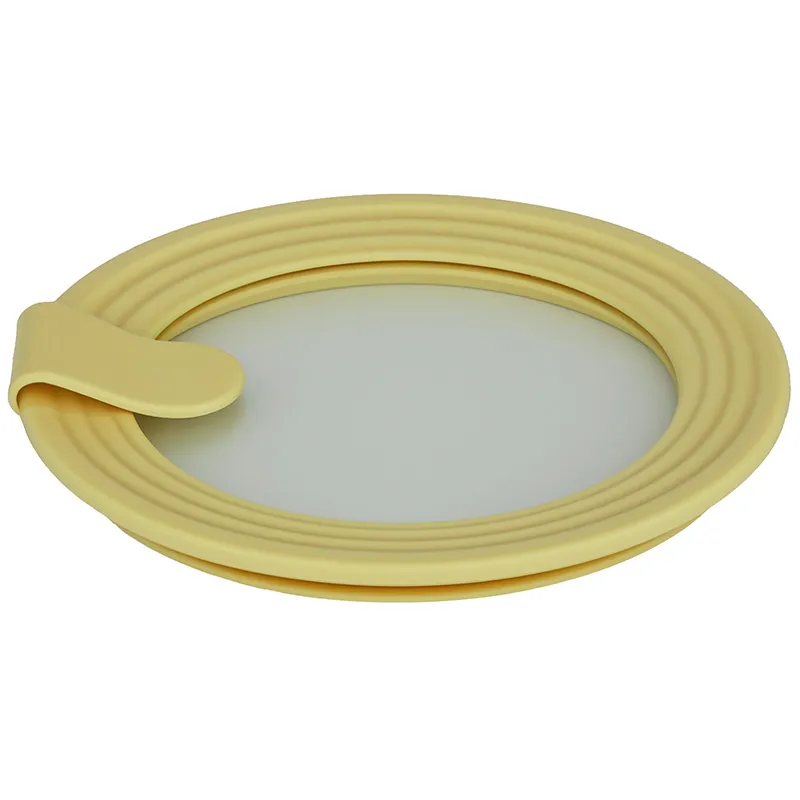
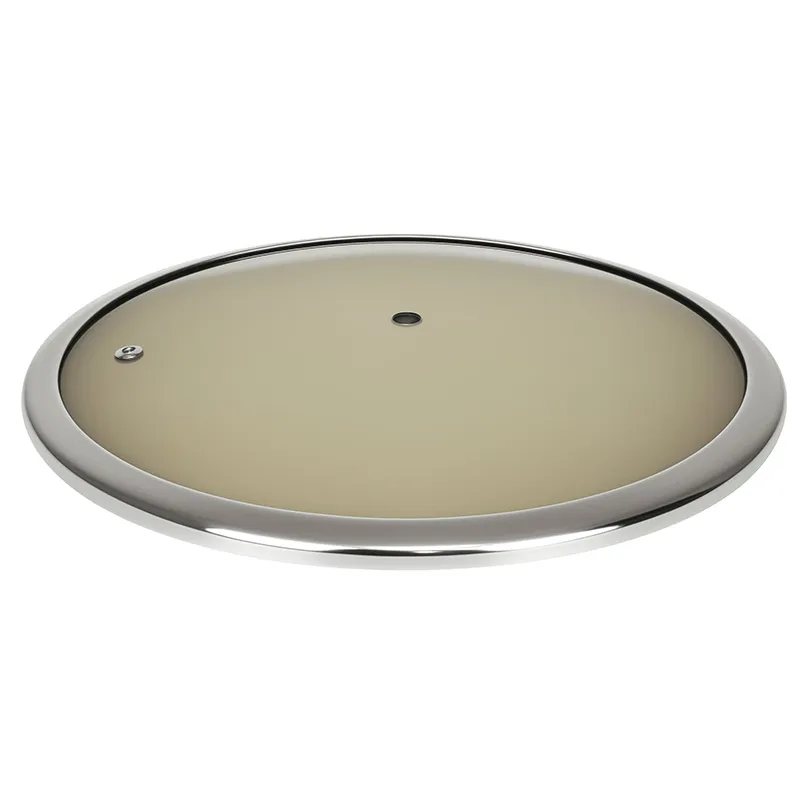
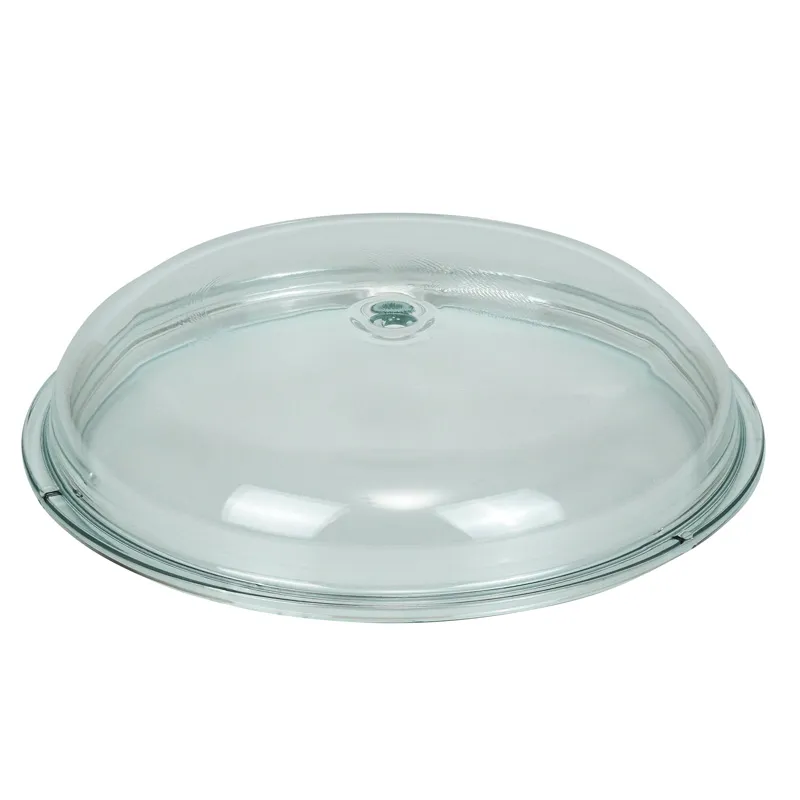
glass lid only
When you see a listing for 'glass lid only', it's easy to assume it's just a simple replacement part. In reality, that phrase often signals a specific, sometimes frustrating, segment of the cookware aftermarket. Many buyers, and frankly some distributors new to the game, underestimate the complexity. They think it's just about dimensions, but it's rarely that straightforward. The hinge mechanism type, the rim finish (rolled or ground edge?), the handle material compatibility, and the exact curvature for a perfect seal—these are the details that separate a functional lid from one that sits in a drawer. I've seen too many bulk orders returned because someone assumed a 24cm diameter lid was universal, not realizing the skillet's flange depth made it incompatible. This 'only' is deceptively limiting.
The Manufacturing Reality Behind a Standalone Lid
Producing a glass lid only as a standalone SKU is a different beast compared to making it as part of a complete pot set. For a set, the lid is engineered and tempered alongside its specific base. When you're producing lids for the open market, you're essentially reverse-engineering to fit a universe of existing cookware. A company like EUR-ASIA COOKWARE CO.,LTD, which I've sourced from before, has to maintain a massive library of molds and specifications. Their production base in Taian, with that 15,000㎡ facility, isn't just churning out one type; it's managing hundreds of subtle variants. The annual output of 15 million pieces they mention? That volume speaks to the fragmented, high-variety demand of this niche. It's not about mass-producing one design; it's about mass-customization at a scale most don't appreciate.
The term 'tempered' is crucial here, and it's where quality diverges. A properly tempered glass lid can withstand significant thermal shock. The process isn't just a checkbox; the heating and quenching cycles need precise control to ensure even stress distribution. I've had samples from workshops that cut corners—lids that developed micro-fissures after a few cycles from fridge to stovetop. The ones that pass rigorous testing, like those destined for EUR-ASIA's key markets in Germany and Japan, have a different heft and ring to them. You learn to tap them and listen. It sounds odd, but it's a quick field test.
This leads to a common pitfall: the assumption that all clear glass lids are borosilicate. In the mid-to-low tier market segment EUR-ASIA also serves, tempered soda-lime glass is far more common. It's durable enough for most uses if tempered well, but won't have the legendary thermal shock resistance of borosilicate. When a client insists on a Pyrex-type lid at a soda-lime price point, you have to manage expectations. The product page on glass-lid.com likely details this, but buyers often skip the specs. Clarity in material specification prevents a lot of headaches down the line.
Logistics and the Only Problem
Here's a practical headache: packaging and shipping a glass lid only. It's fragile, oddly shaped, and doesn't stack neatly like pots. The cost of the specialized pulp mold or rigid foam insert can sometimes rival the manufacturing cost of the lid itself. For a company exporting over 90% of its products, as EUR-ASIA does, mastering this logistics puzzle is a core competency. A 2% breakage rate might be acceptable for some goods; for glass lids, it's a disaster. It erodes margin and reputation instantly. They've likely optimized this to a science, using those high-volume shipments to Europe and South America to refine their pack designs. It's an invisible cost that gets overlooked in sourcing.
Inventory is another nightmare. You need to stock the top 20-30 most common sizes and styles, but demand has long tails. A client in Turkey might need a specific oval lid for a discontinued French-made cocotte. Do you keep one in stock for a year? The working capital tied up in slow-moving SKUs is significant. This is where a manufacturer's breadth, like having various types of tempered glass lid in their portfolio, becomes a strategic asset. They can likely run smaller batches of niche items without crippling setup costs.
Then there's the fulfillment error. Glass lid only means just that—no knob, no metal rim assembly, unless specified. I've been involved in a comedy of errors where a warehouse picker saw a lid with a detached knob (packed separately for safety) and shipped it as a complete item. The end-user received a bag of parts. The communication chain to resolve it—from retailer to importer to the factory—took weeks. It underlined the need for crystal-clear product descriptions and packing lists at every step.
Case in Point: The Handle Compatibility Quandary
Let's get into a specific detail that causes constant trouble: the handle. A glass lid only typically has a knob, but what about lids with a full stainless steel handle? The mounting points are not standardized. The spacing of the rivets or screws, the depth of the cavity in the glass—these are proprietary across cookware brands. We once tried to create a universal replacement handle for a range of lids. It failed commercially. The tooling for a dozen different adapter plates killed the margin, and the installation was too fiddly for the average consumer.
This is where manufacturers have to choose: do they produce lids pre-assembled with a specific handle, or ship them as separate components for the distributor to assemble regionally? EUR-ASIA's model, catering to global distributors, probably leans toward the latter. It reduces SKU complexity for them and lets the local distributor add the handle that suits their market. For instance, a plastic knob might be fine for the UK market, but a German distributor might insist on a phenolic resin knob for higher heat resistance. This modular approach is smart but requires more coordination.
I recall a project where we sourced a batch of beautiful glass lids from Shandong for a line of stainless steel pots. The lids were perfect, but the supplied metal handles had a slight sharp edge on the underside from the stamping process. It was a minor finish flaw, but enough to snag a cloth and feel cheap. We had to manually file down thousands of units. The lesson was to always, always approve not just the glass, but every attached component. The only in glass lid only often becomes a collaborative project involving multiple suppliers.
The Market Driver: Sustainability and Replacement Culture
The growing demand for glass lid only isn't just about breakage. It's being driven by a shift in consumer mindset. People are holding onto quality cookware bases longer and seeking replacements for lost or broken lids, rather than buying a whole new set. This is a sustainable practice that the industry is finally catering to. A site like glass-lid.com essentially enables the circularity of cookware. It's a practical expression of sustainability that resonates more than marketing slogans.
However, this clashes with the planned obsolescence built into some lower-end cookware lines. Some brands change their lid design slightly every few years, making exact replacements obsolete. This forces consumers into a new purchase. The aftermarket, served by companies like EUR-ASIA COOKWARE CO.,LTD, fights this by documenting and replicating these older patterns. Their ability to produce low- medium- high level products means they can service everything from a premium All-Clad pot to a mid-range supermarket brand. This archival role is unexpectedly vital.
From a business perspective, this replacement market is more stable than the cyclical cookware set market. It's less subject to fashion trends. The key is discoverability—making sure someone who breaks a lid for a ten-year-old pot can find the exact match. That's the real value of a specialized platform. It turns a moment of frustration (Where do I find just a lid?) into a solvable problem, building immense customer loyalty in the process.
Final Thoughts: The Professional's Lens
So, after all this, what's the takeaway on 'glass lid only'? It's a niche that looks simple but is dense with technical and logistical nuance. Success hinges on precision engineering, deep catalog knowledge, and robust supply chain management. A supplier's worth is measured not just by their price, but by their tolerance for complexity and their commitment to consistency. When I evaluate a partner, I look at their response to a non-standard request. Can they provide a CAD drawing of the rim profile? What's their lead time on a sample for a new handle design?
Companies that survive here, especially export-focused ones with the footprint of EUR-ASIA, have built systems to manage this complexity. Their 90+ employees aren't just line workers; many are likely dedicated to quality control, mold management, and client specification matching. That's the hidden infrastructure behind a seemingly simple product.
For anyone sourcing or selling these items, respect the details. The diameter is the starting point, not the finish line. Ask about the tempering standard, the edge treatment, the packaging, and the handle attachment method. That's what transforms the generic search for a glass lid only into a successful procurement. It's a small world, but it's one where expertise matters immensely, and where the difference between profit and loss is measured in millimeters and proper tempering curves.
Related Products
Related Products