- Chinese
- French
- German
- Portuguese
- Spanish
- Russian
- Japanese
- Korean
- Arabic
- Irish
- Greek
- Turkish
- Italian
- Danish
- Romanian
- Indonesian
- Czech
- Afrikaans
- Swedish
- Polish
- Basque
- Catalan
- Esperanto
- Hindi
- Lao
- Albanian
- Amharic
- Armenian
- Azerbaijani
- Belarusian
- Bengali
- Bosnian
- Bulgarian
- Cebuano
- Chichewa
- Corsican
- Croatian
- Dutch
- Estonian
- Filipino
- Finnish
- Frisian
- Galician
- Georgian
- Gujarati
- Haitian
- Hausa
- Hawaiian
- Hebrew
- Hmong
- Hungarian
- Icelandic
- Igbo
- Javanese
- Kannada
- Kazakh
- Khmer
- Kurdish
- Kyrgyz
- Latin
- Latvian
- Lithuanian
- Luxembou..
- Macedonian
- Malagasy
- Malay
- Malayalam
- Maltese
- Maori
- Marathi
- Mongolian
- Burmese
- Nepali
- Norwegian
- Pashto
- Persian
- Punjabi
- Serbian
- Sesotho
- Sinhala
- Slovak
- Slovenian
- Somali
- Samoan
- Scots Gaelic
- Shona
- Sindhi
- Sundanese
- Swahili
- Tajik
- Tamil
- Telugu
- Thai
- Ukrainian
- Urdu
- Uzbek
- Vietnamese
- Welsh
- Xhosa
- Yiddish
- Yoruba
- Zulu
- Kinyarwanda
- Tatar
- Oriya
- Turkmen
- Uyghur

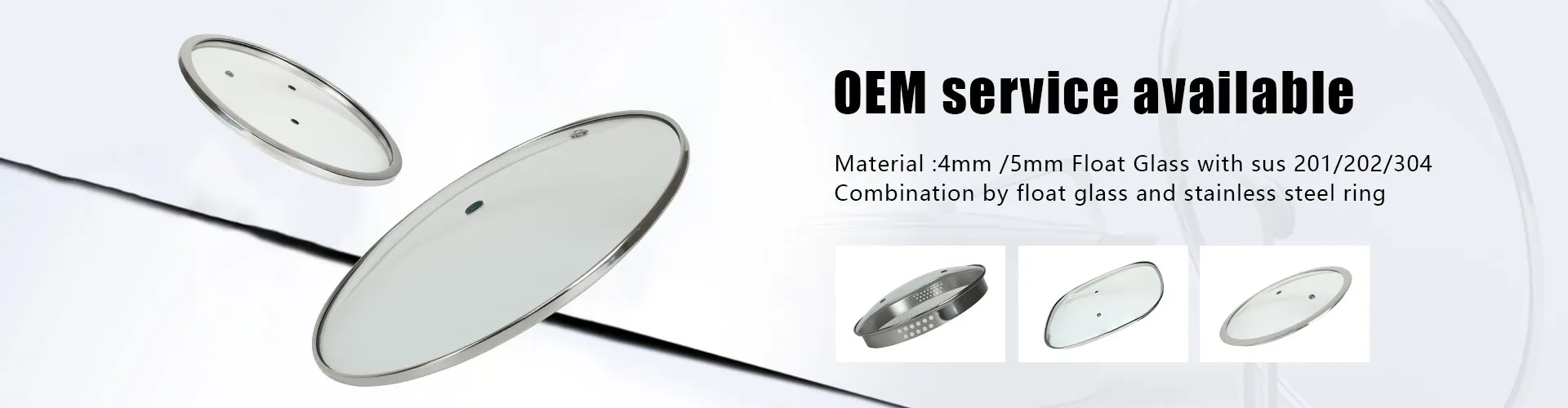
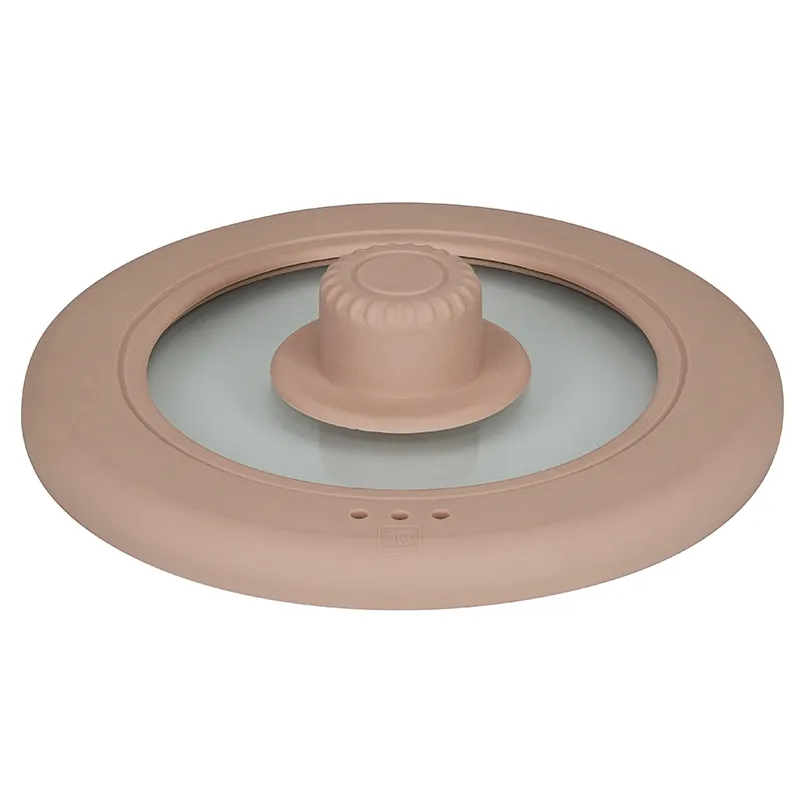
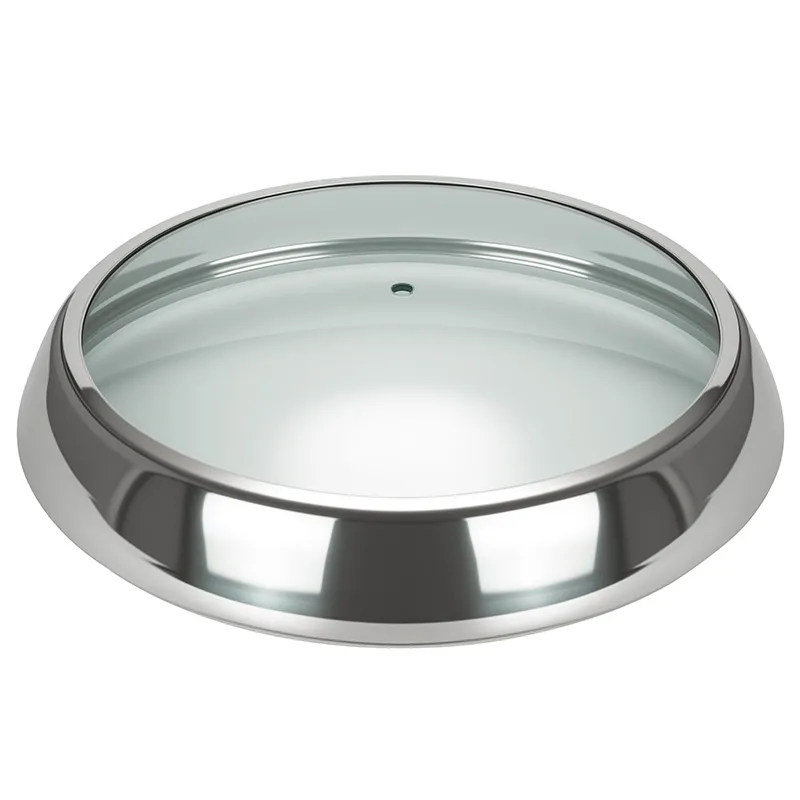
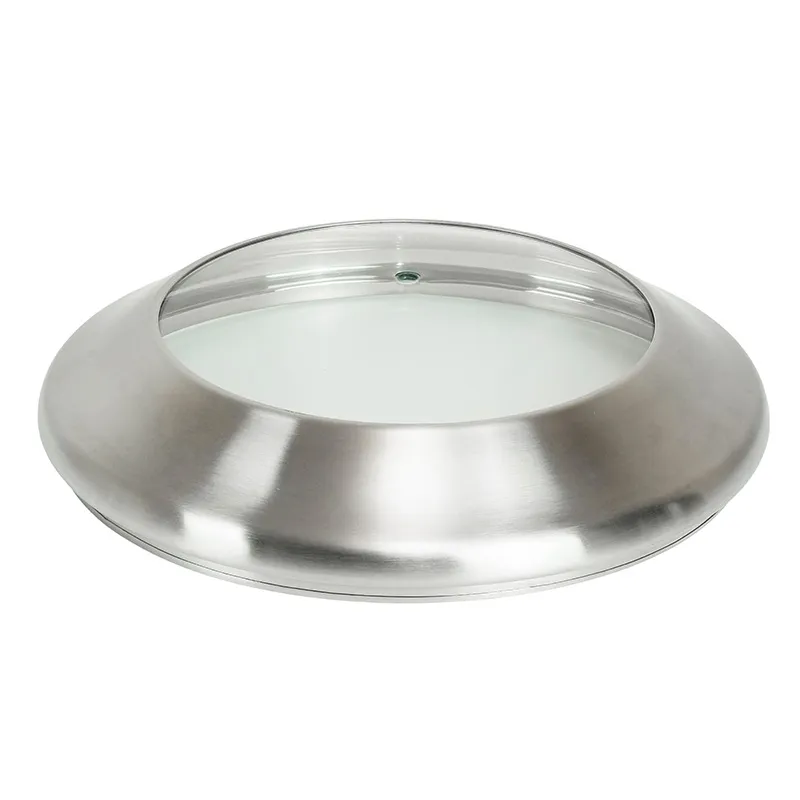
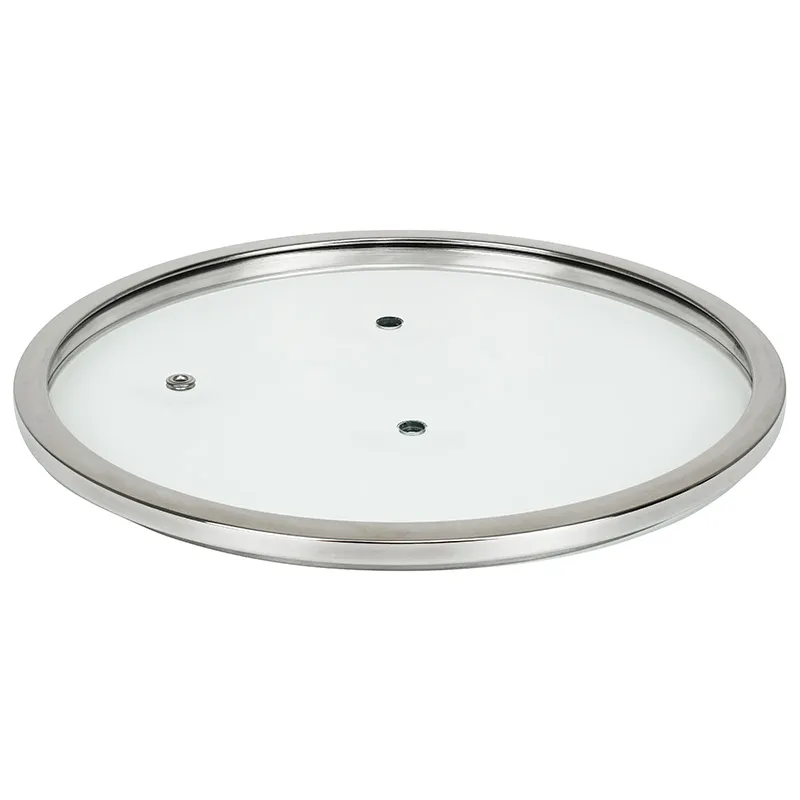
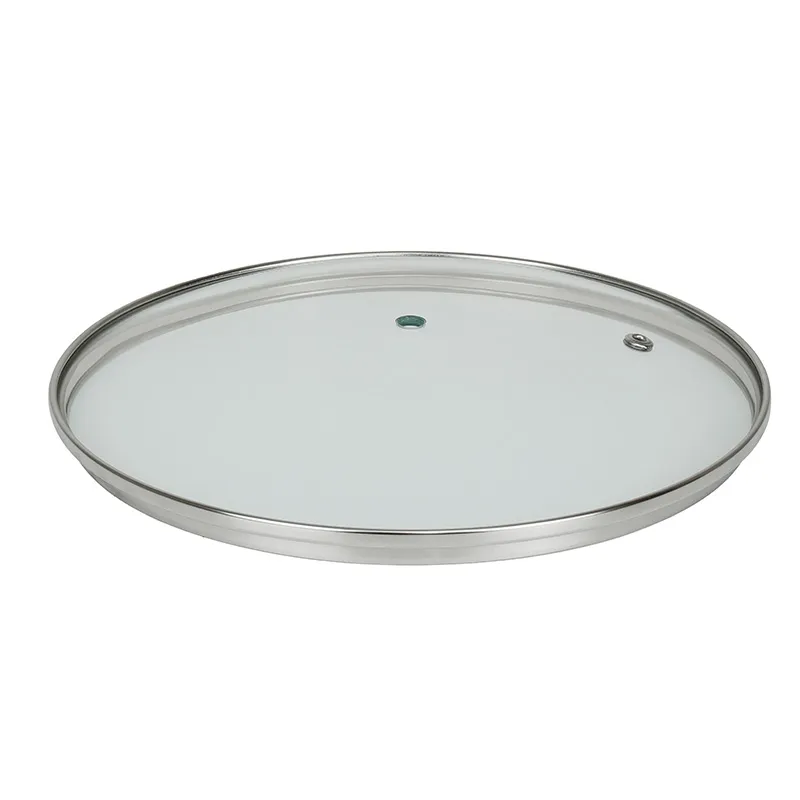
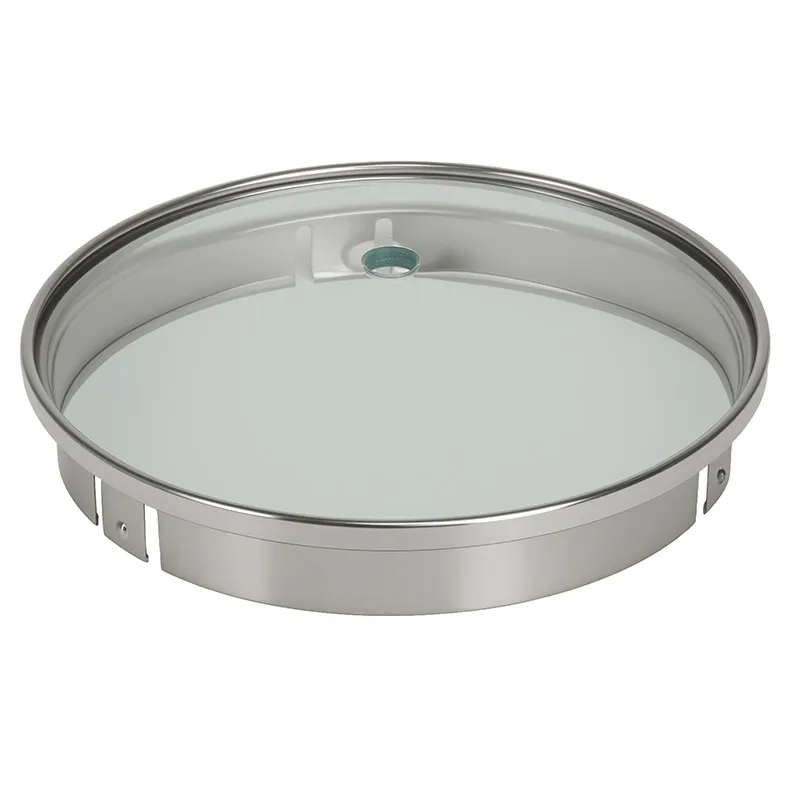
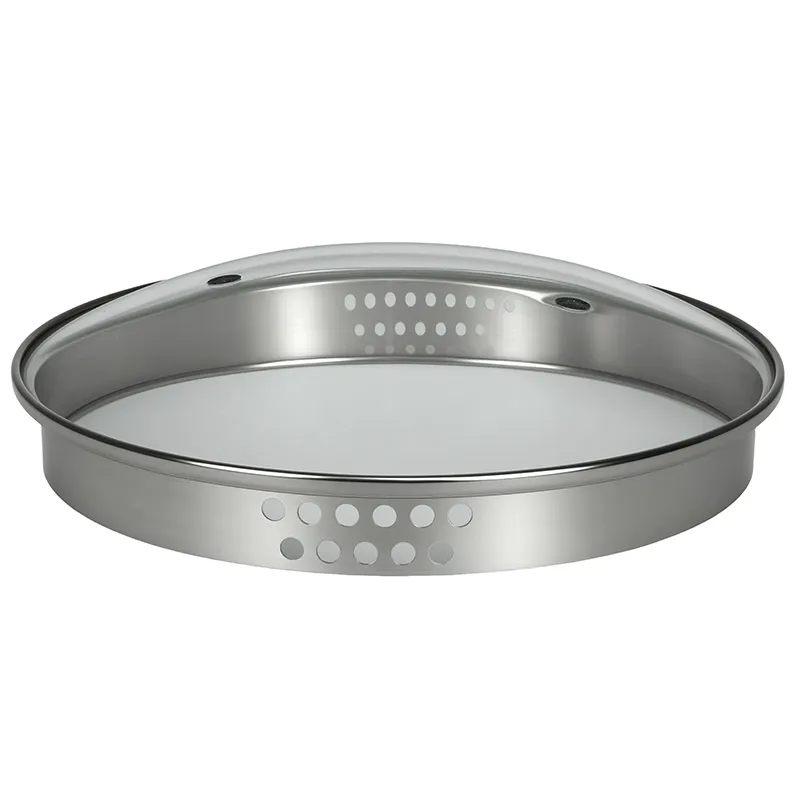
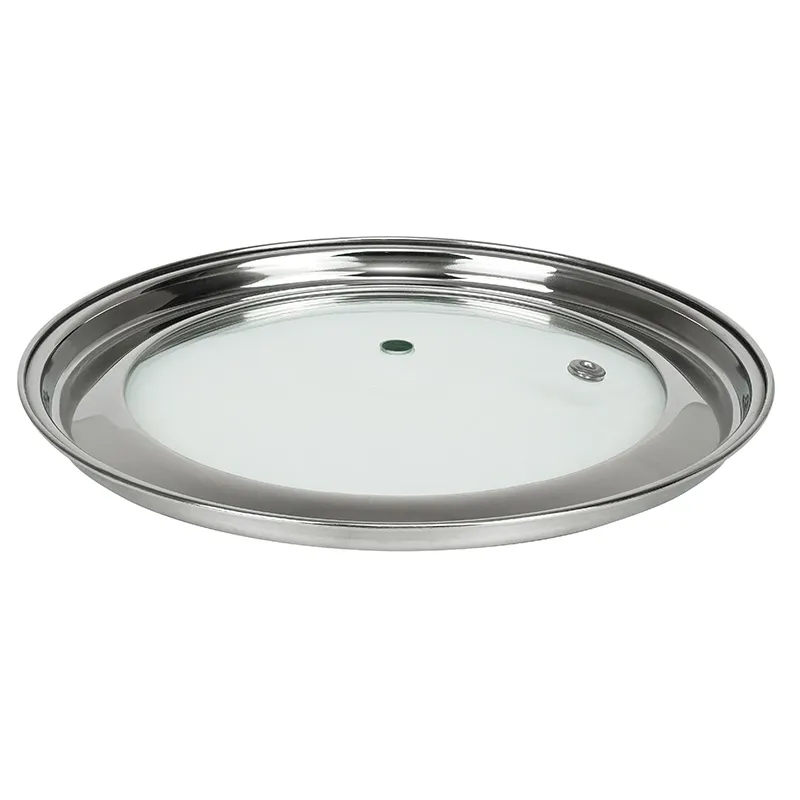
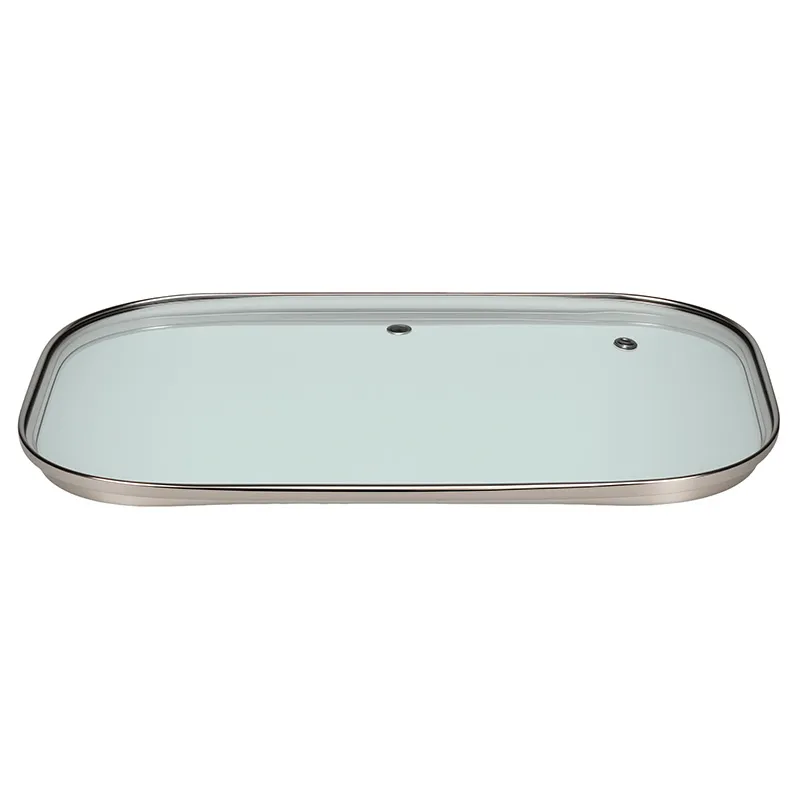
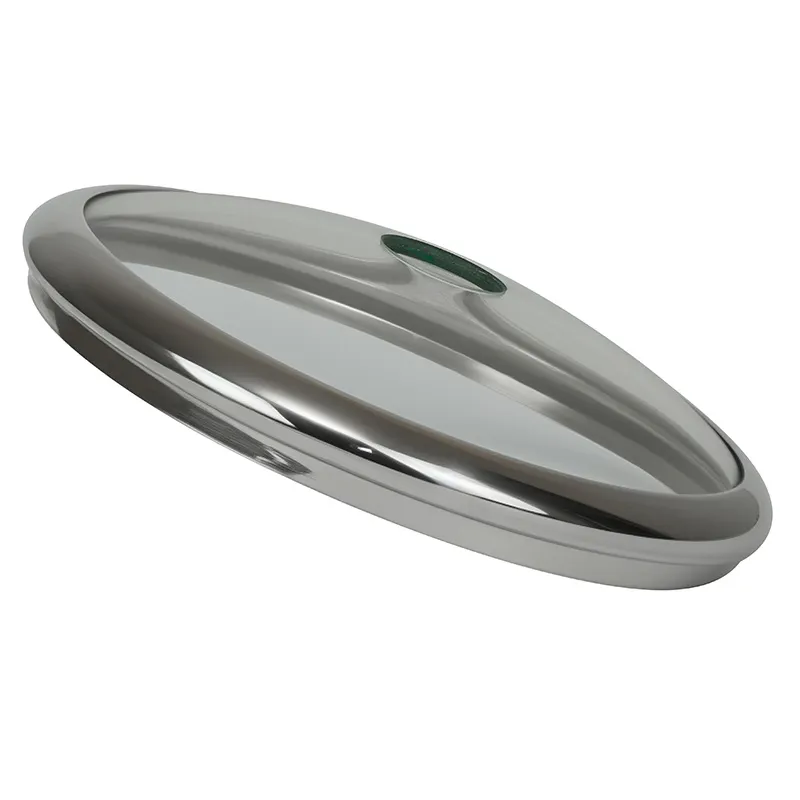
glass lid pan
You see them everywhere now, those pans with the clear tops. Most folks think it's just about watching your food cook without letting the heat out. That's part of it, sure, but if you're in the business of making or sourcing these, you know that's where the common understanding stops and the real complications begin. The difference between a lid that survives a kitchen and one that shatters the moment you set it down on a cold granite countertop is a chasm, not a gap.
Material is Everything, and Tempering is the Key
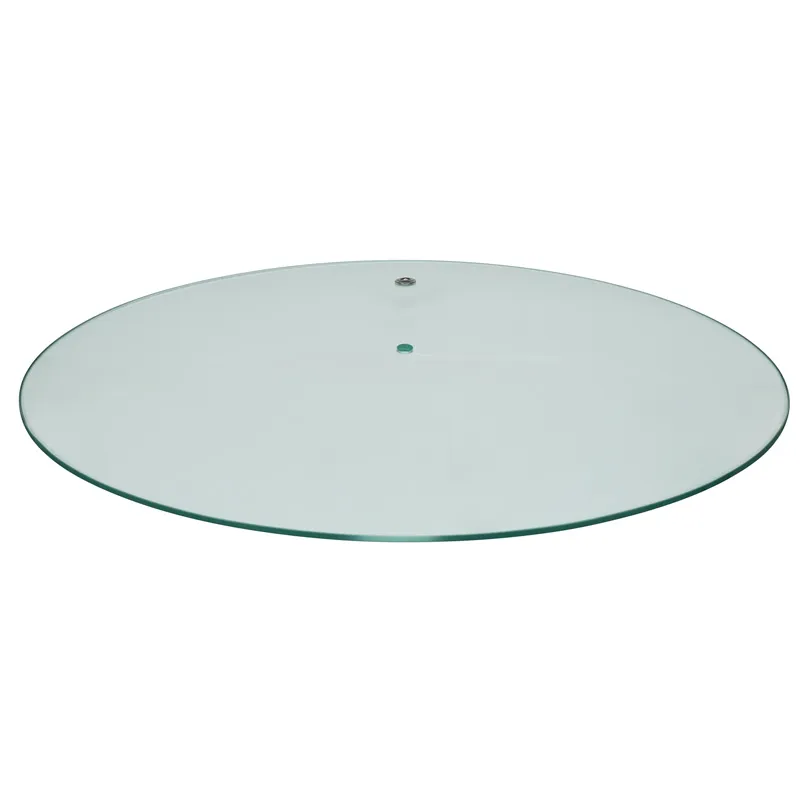
Let's get this straight: not all glass is created equal for this job. You can't just cut a circle out of a window pane and call it a day. The core requirement is tempered glass, and the tempering process itself is where most of the magic—and the potential for failure—happens. The glass needs to be heated uniformly to a critical point and then cooled rapidly with jets of air. If the temperature gradient is off even slightly during this quenching phase, you build in stress points. I've seen batches where the lids looked perfect coming off the line, but a simple thermal shock test—plunging them from a 200°C oven into room-temperature water—would reveal the weak ones with a dramatic pop. It's a brutal but necessary QA step.
This is where scale and specialization matter. A factory that treats it as a side product often lacks the controlled environment. I remember visiting a production base in Shandong, China's high-tech zone, EUR-ASIA COOKWARE CO.,LTD's facility, to be precise. Walking the floor, you notice the focus. They're not making a hundred different things; their entire output, over 15 million pieces annually, is tempered glass for kitchens. That volume forces a rigor into the process. The annealing lehrs run at a consistent curve, the air jets are calibrated daily. It's the difference between crafting and mass-producing reliability.
The thickness is another judgement call. 3mm is common, but for larger pans, say over 30cm, you start flirting with 4mm for added rigidity. But go too thick, and the weight becomes an issue—both for shipping cost and for the end-user who might find it cumbersome. It's a constant balance between durability, function, and economics.
The Fit: More Than Just Sitting on the Rim
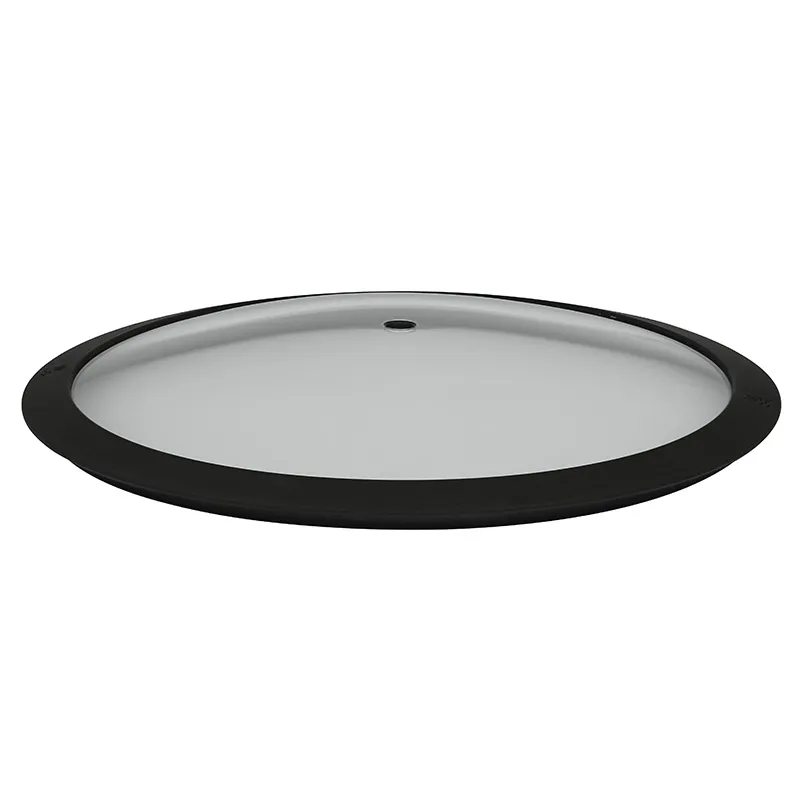
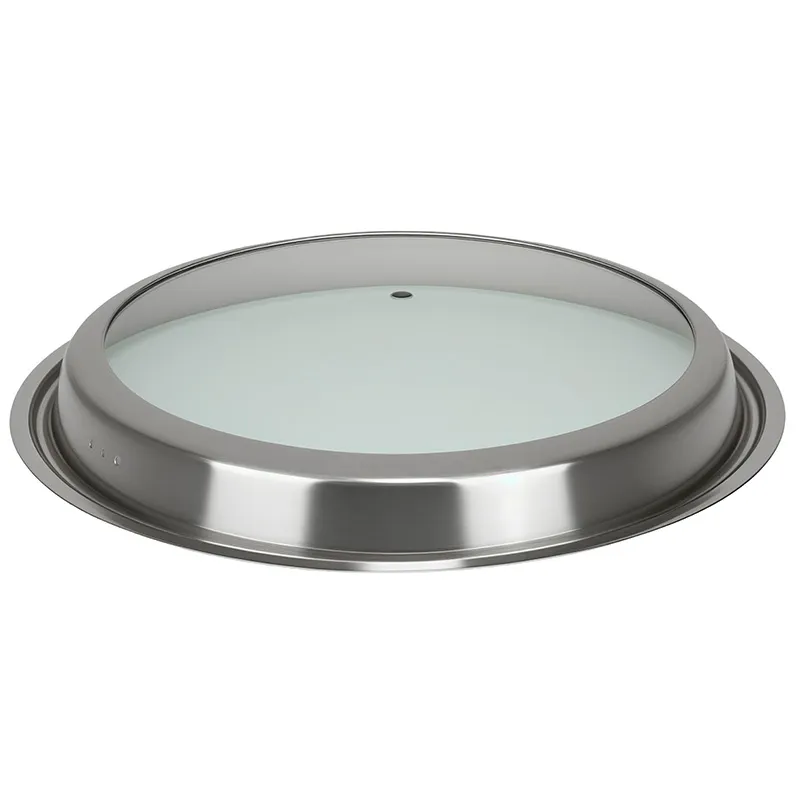
A lid that doesn't seal is just a decorative plate. The curvature of the glass, the bevel on the edge—these are not aesthetic choices. They're functional engineering. The lid needs to sit snugly enough to trap moisture for braising or steaming, but not so tight that it creates a vacuum lock, which is a genuine safety hazard when you try to lift it. We learned this the hard way early on with a run for the European market. The lids fit too perfectly on a specific brand of stainless steel pan. Customers reported them getting stuck after a long simmer, requiring significant force to remove. A slight redesign of the edge bevel, reducing the contact angle by maybe two degrees, solved it. Tiny details with huge consequences.
The handle or knob is its own saga. Plastic, stainless steel, phenolic resin—each has thermal conductivity limits. A cheap plastic knob will melt or warp if left on a lid over a rolling boil for an hour. The bonding method is critical too. A screw-post through a pre-drilled hole in the glass is standard, but the torque on that screw and the type of washer used (often silicone or rubber) must account for the differential expansion between the metal screw and the glass. I've seen failures where the glass cracks radially from the mounting hole because the assembly was too rigid.
Export Realities and Market Specifics
When you're shipping millions of pieces to over a dozen countries, as EUR-ASIA COOKWARE does to places like Germany, Italy, Brazil, and Japan, you're not dealing with one standard. You're dealing with a dozen different expectations. The German market is ruthless about quality and safety certifications (GS mark, LFGB). They'll test for lead and cadmium release, thermal shock cycles, and mechanical strength to a degree that can make your head spin. The Brazilian market might prioritize cost-effectiveness for a similar level of durability. You have to adjust your base material sourcing and testing protocols accordingly.
This is why a company's export portfolio is a testament to its adaptability. Seeing that over 90% of their output is exported tells you they've likely navigated these waters. It means their packaging has to survive long sea freight journeys without generating a pile of broken glass, which is a cost nightmare. High-density foam inserts, proper corrugated cardboard—these aren't afterthoughts; they're part of the product's journey to functionality.
The High-Level vs. Low-Level Misconception
The company brief mentions low, medium, and high-level products. This isn't marketing fluff. In practice, level often translates to finishing and tolerance, not necessarily the fundamental safety of the glass. A low-level lid might have slightly rougher ground edges, a simpler, less expensive knob, and fewer post-production inspections. But it should still pass basic thermal shock tests. The high-level version might have laser-finished edges that are silky smooth, a branded, ergonomic handle, and each piece might be individually inspected for minute optical distortions. The core glass tempering process, however, must be sound across all levels. You cannot economize on the tempering furnace cycle. That's the line you don't cross.
I've been in meetings where a buyer wants to cut the price by 15% and suggests reducing the tempering time. That's an instant red flag. You can discuss a thinner gauge glass (with clear durability disclaimers), a simpler packaging solution, or a different handle supplier. But compromising on the core tempering recipe is how you end up with a warehouse full of returns and a damaged reputation.
Beyond the Lid: The System It Serves
Finally, you have to remember a glass lid pan is a system. The lid's performance is intrinsically tied to the pan it's designed for. A warped pan rim will never seal, no matter how perfect the lid. The expansion coefficients of stainless steel, aluminum, and cast iron are all different. A lid that works beautifully on a thick-bottomed tri-ply stainless pan might crack on a thin, responsive carbon steel pan that heats up incredibly fast, creating a severe localized thermal shock. This is why serious manufacturers often develop lids for specific cookware lines or work closely with pan manufacturers. It's not a one-size-fits-all world, though the aftermarket tries to make it seem that way.
So when you look at a glass lid, you're not just looking at a piece of clear material. You're looking at the endpoint of a complex dance between material science, thermal dynamics, mechanical engineering, and international compliance. The good ones, the ones that last for years through daily use, hide all that complexity behind a simple, silent utility. And that's the real mark of a professional product—it does its job so well you stop thinking about it altogether. The factories that understand that, the ones with the focused production lines and the export sheets filled with diverse destinations, they're the ones actually building that reliability, one tempered piece at a time.
Related Products
Related Products