- Chinese
- French
- German
- Portuguese
- Spanish
- Russian
- Japanese
- Korean
- Arabic
- Irish
- Greek
- Turkish
- Italian
- Danish
- Romanian
- Indonesian
- Czech
- Afrikaans
- Swedish
- Polish
- Basque
- Catalan
- Esperanto
- Hindi
- Lao
- Albanian
- Amharic
- Armenian
- Azerbaijani
- Belarusian
- Bengali
- Bosnian
- Bulgarian
- Cebuano
- Chichewa
- Corsican
- Croatian
- Dutch
- Estonian
- Filipino
- Finnish
- Frisian
- Galician
- Georgian
- Gujarati
- Haitian
- Hausa
- Hawaiian
- Hebrew
- Hmong
- Hungarian
- Icelandic
- Igbo
- Javanese
- Kannada
- Kazakh
- Khmer
- Kurdish
- Kyrgyz
- Latin
- Latvian
- Lithuanian
- Luxembou..
- Macedonian
- Malagasy
- Malay
- Malayalam
- Maltese
- Maori
- Marathi
- Mongolian
- Burmese
- Nepali
- Norwegian
- Pashto
- Persian
- Punjabi
- Serbian
- Sesotho
- Sinhala
- Slovak
- Slovenian
- Somali
- Samoan
- Scots Gaelic
- Shona
- Sindhi
- Sundanese
- Swahili
- Tajik
- Tamil
- Telugu
- Thai
- Ukrainian
- Urdu
- Uzbek
- Vietnamese
- Welsh
- Xhosa
- Yiddish
- Yoruba
- Zulu
- Kinyarwanda
- Tatar
- Oriya
- Turkmen
- Uyghur

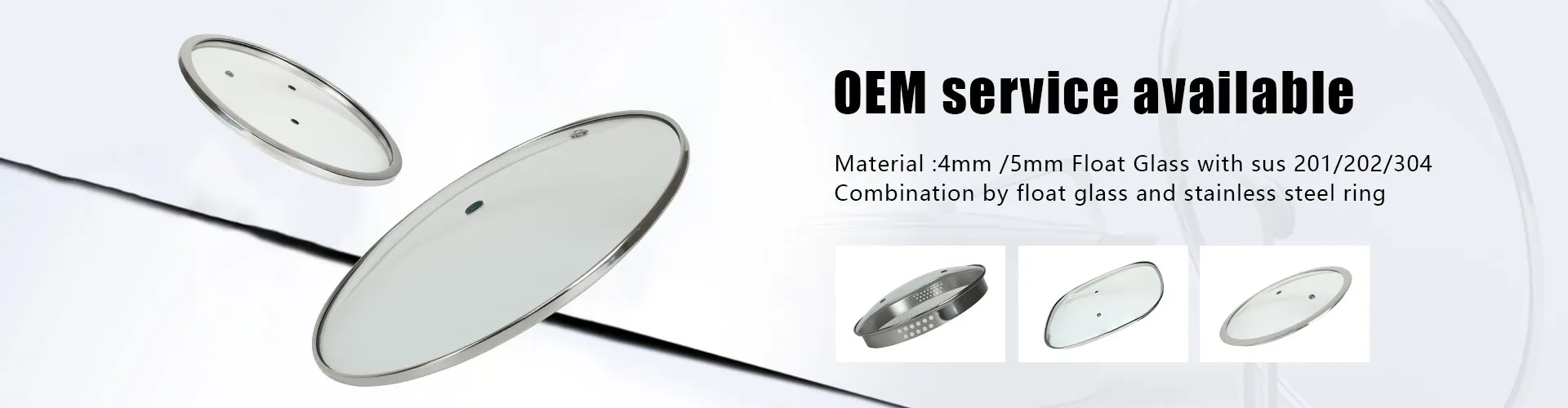
glass lid professional manufacturer
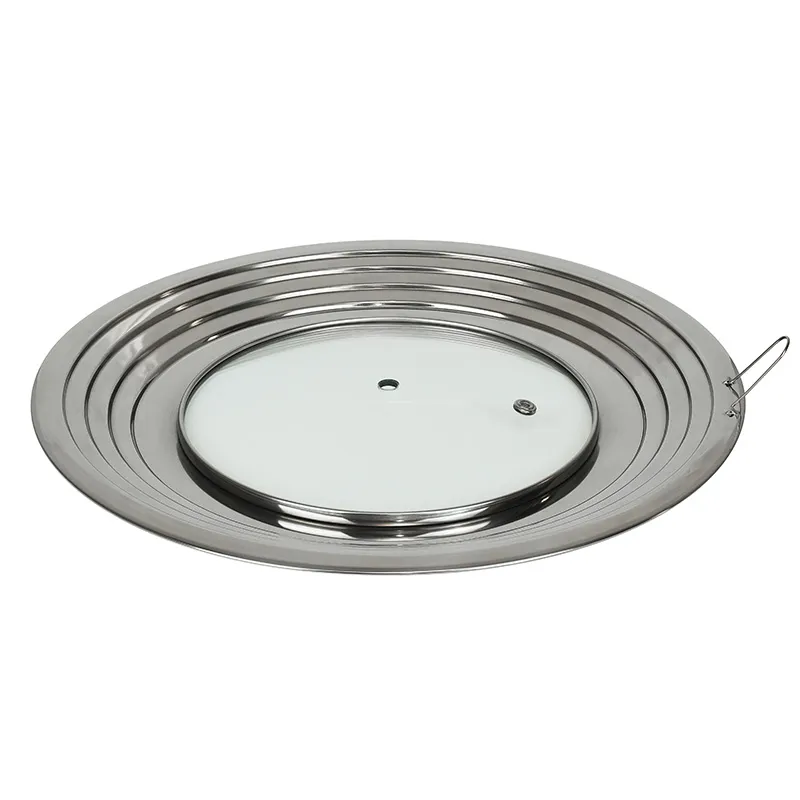
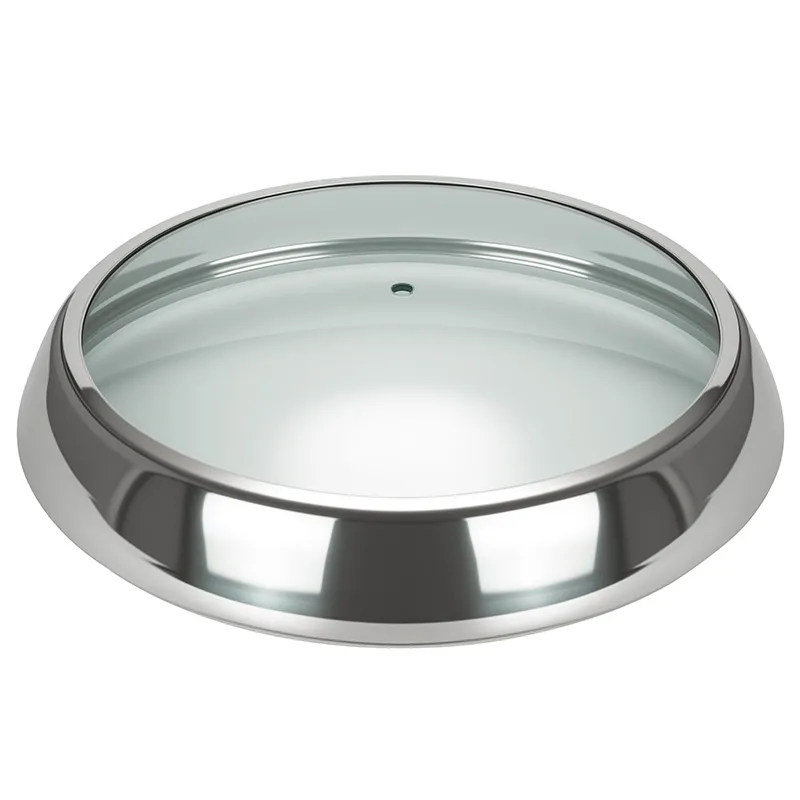
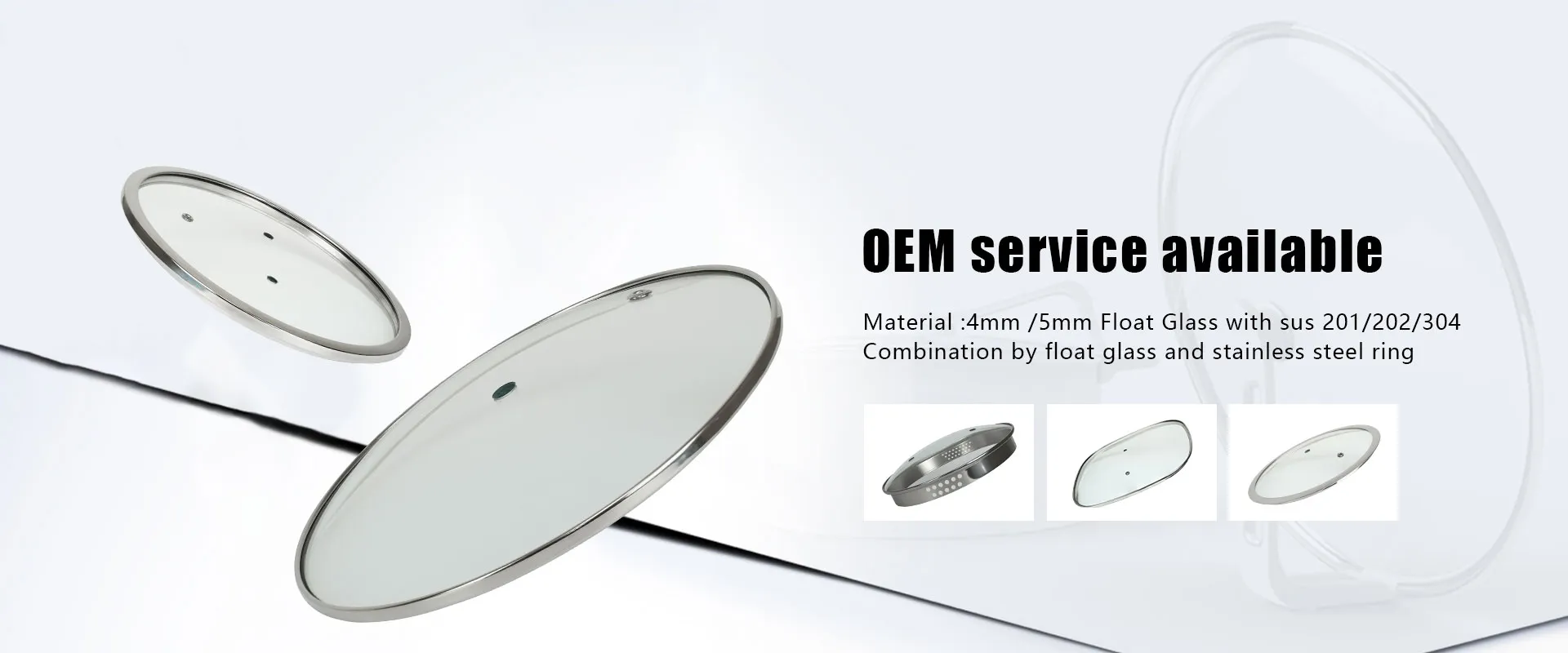
When you hear 'glass lid professional manufacturer', it's easy to picture a flawless, automated facility churning out perfect products. The reality, especially in this niche, is far more textured. Many buyers, even seasoned ones, conflate a large factory with professional capability. True professionalism here isn't just about scale; it's about the depth of understanding around thermal shock resistance, edge finishing tolerances, and the unglamorous logistics of packaging a fragile item for a six-week sea voyage to Europe without a 3% breakage rate. That's the gap between a supplier and a true manufacturer.
The Core of Professional Manufacturing: It's in the Annealing
Anyone can cut and temper glass. The mark of a glass lid professional manufacturer is control over the annealing lehr. I've seen lids from factories that look pristine off the line but develop micro-stresses after a few dishwasher cycles, leading to spontaneous fractures—a nightmare for any brand. The process isn't sexy. It's about precise temperature curves and soak times. At a facility like EUR-ASIA COOKWARE CO.,LTD., which I've visited, their focus on running a dedicated annealing line for lids, separate from their other glass products, speaks volumes. It’s a specific investment many general glassworks won't make.
This specialization translates directly to what they list on their site https://www.glass-lid.com: an annual output of over 15 million tempered glass lid pieces. That number isn't just for show. It implies a certain rhythm and consistency in the annealing and tempering processes that only comes from doing one thing repeatedly, at high volume. You can't fake that throughput with inconsistent quality; the returns would sink you.
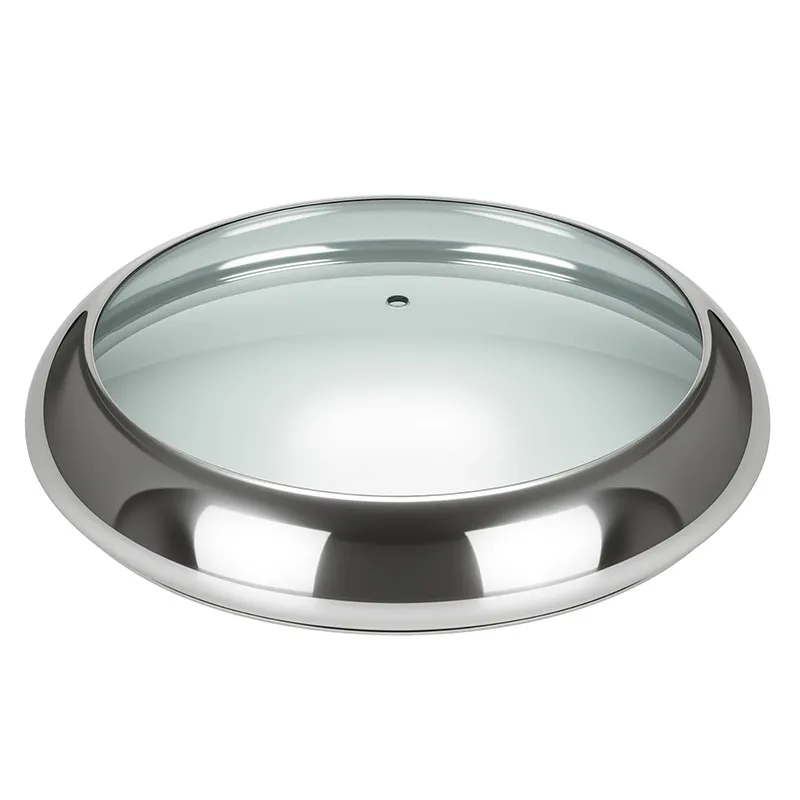
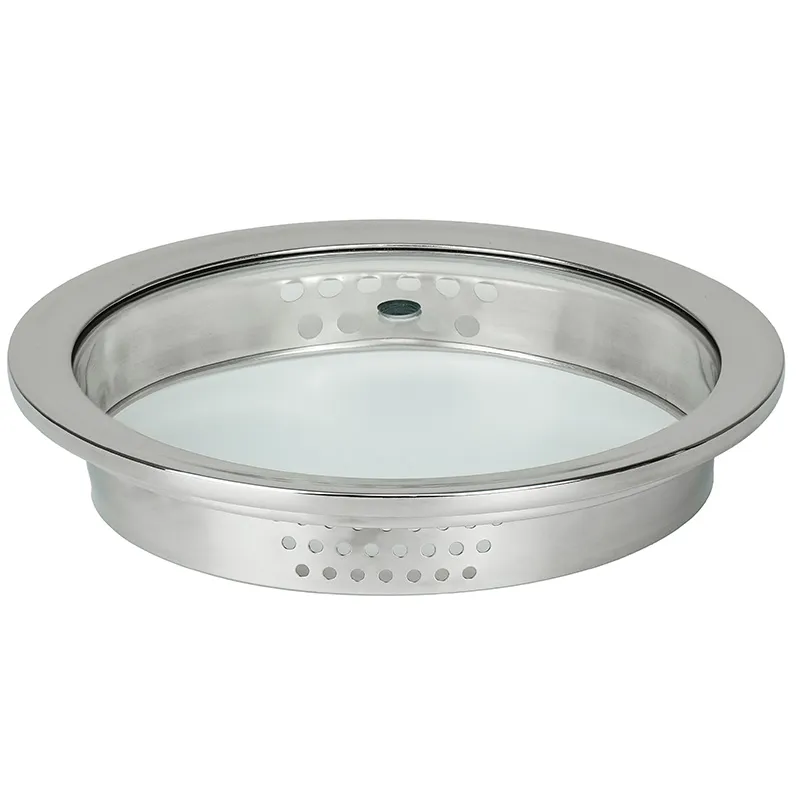
Where you often see the first crack in a manufacturer's 'professional' claim is in handling mixed materials. A lid isn't just glass. It's the knob, the seal, the cladding. Sourcing stainless steel rims that don't corrode and bonding them permanently without creating stress points is a separate discipline. I recall a batch where the silicone gasket adhesive failed under steam, causing lids to stick and shatter when forced open. The root cause? The glass was fine, but the accessory supply chain wasn't integrated. A professional operation audits that entire assembly process.
Export Reality: The 90% Test
The company brief mentions over 90% of products go to markets like Germany, Italy, and Brazil. This is a critical data point. European retailers, especially in Germany, have brutal quality protocols. They will conduct random tests on a pallet, checking for lead & cadmium release from painted markings, uniformity of tint, and dimensional stability across a sample of 500 lids. Passing this consistently is a better badge of a professional manufacturer than any certificate on a wall.
This export focus shapes everything. Packaging isn't an afterthought; it's a core engineering challenge. You need a pulp mold or EPS insert that cradles the lid, then a box that survives stacking in a humid container. I've been in warehouses where poorly packed lids had settled and crushed the bottom layers. The loss wasn't just product; it was the relationship. EUR-ASIA's footprint—20,000㎡ with 15,000㎡ of building space—suggests they have the room to stage and pack properly, a logistical detail that's often overlooked until it's a crisis.
It also means their production must be incredibly flexible. A run for the Japanese market might require lighter, thinner lids with specific handle designs, while a order for Brazil needs thicker glass and different tolerance for color variation. Juggling these specs without contaminating production lines or causing quality drift is the daily grind of a professional shop. It's less about the machine and more about the production scheduling and floor management.
The Misconception of High-Level Products
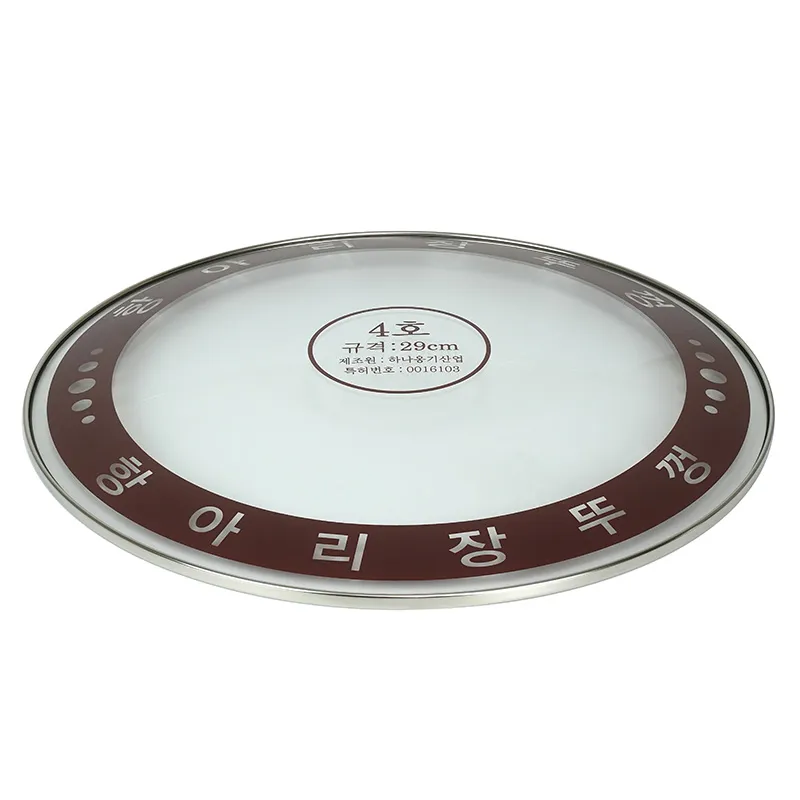
Their intro says low- medium- high level household glass products. This is honest, but in our industry, high-level is often misunderstood. For a glass lid, high-level doesn't mean diamond-cut edges or gold plating. It means consistency in optical clarity (no waves or bubbles), a perfectly uniform sandblasted logo that doesn't wear off, and a rim that sits flush on any pot from a specific series. It's precision, not decoration.
I learned this through a failure. We once sourced what was billed as a high-end lid from a new supplier. Visually, they were stunning. But when we did a heat cycle test—simulating moving from a freezer to a hot oven—the failure rate was 1 in 20. The problem was traceable to minor impurities in the raw glass batch, causing weak points. A true professional manufacturer controls its raw material intake and has the testing regimen to catch this before production, not after. It's a cost center that separates the serious players from the rest.
This is where the employee count (90+ at EUR-ASIA) matters. You need dedicated QC eyes at various stages: after cutting, after tempering, after assembly. Automation handles the bulk, but human inspection catches the subtle defects—a barely visible chip on the underside of the rim, a slight asymmetry in the knob alignment. These are the things that trigger customer complaints.
On-the-Ground Details: The Taian Base
The location in Taian City, Shandong, is significant. Shandong is a glass industry cluster. This means access to a mature ecosystem of raw material suppliers, machinery maintenance technicians, and skilled labor familiar with glass processes. It's not just about cheap labor; it's about specialized labor. A worker who knows how to adjust the rollers on a tempering furnace for a 28cm lid versus a 24cm one is invaluable. This regional expertise is a tangible asset for a professional manufacturer.
Being in a National High-tech Development Zone often comes with infrastructure benefits—stable power supply, better logistics links—which are non-negotiable for maintaining furnace temperatures and meeting shipping deadlines. A power flicker can ruin a whole lehr load. You don't think about these things until you've had to explain to a client why their shipment is delayed because of a provincial grid issue.
The scale of the facility allows for vertical integration. They likely handle the process from raw glass sheet to final packed carton. This control is key. I've worked with manufacturers who were essentially assemblers, outsourcing the tempered glass itself. Any problem became a three-way blame game. In-house control over the core material is the bedrock of professionalism.
Final Take: Professionalism as a Process, Not a Title
So, what makes a glass lid professional manufacturer? It's the unsexy stuff. It's the SOP for checking sandblasting pressure daily. It's the investment in an on-site impact tester. It's the willingness to run a small, uneconomical batch for a key client to test a new design. It's the transparency to state they serve low, medium, and high levels, because each has its own standard and discipline.
Companies like EUR-ASIA COOKWARE CO.,LTD. represent a segment that has evolved through export pressure. Their https://www.glass-lid.com website is a portal, but the proof is in the consistency of the 15 million pieces they ship yearly to demanding markets. That volume, sustained over time, is the result of professional systems, not just professional marketing.
In the end, the label is earned on the factory floor, in the QC lab, and in the packing station. It's seen in how they handle a customer's complaint about a cosmetic defect on a rim—do they argue it's within tolerance, or do they understand that for a retail product, perception is tolerance? That final judgment call is perhaps the most professional act of all.
Related Products
Related Products