- Chinese
- French
- German
- Portuguese
- Spanish
- Russian
- Japanese
- Korean
- Arabic
- Irish
- Greek
- Turkish
- Italian
- Danish
- Romanian
- Indonesian
- Czech
- Afrikaans
- Swedish
- Polish
- Basque
- Catalan
- Esperanto
- Hindi
- Lao
- Albanian
- Amharic
- Armenian
- Azerbaijani
- Belarusian
- Bengali
- Bosnian
- Bulgarian
- Cebuano
- Chichewa
- Corsican
- Croatian
- Dutch
- Estonian
- Filipino
- Finnish
- Frisian
- Galician
- Georgian
- Gujarati
- Haitian
- Hausa
- Hawaiian
- Hebrew
- Hmong
- Hungarian
- Icelandic
- Igbo
- Javanese
- Kannada
- Kazakh
- Khmer
- Kurdish
- Kyrgyz
- Latin
- Latvian
- Lithuanian
- Luxembou..
- Macedonian
- Malagasy
- Malay
- Malayalam
- Maltese
- Maori
- Marathi
- Mongolian
- Burmese
- Nepali
- Norwegian
- Pashto
- Persian
- Punjabi
- Serbian
- Sesotho
- Sinhala
- Slovak
- Slovenian
- Somali
- Samoan
- Scots Gaelic
- Shona
- Sindhi
- Sundanese
- Swahili
- Tajik
- Tamil
- Telugu
- Thai
- Ukrainian
- Urdu
- Uzbek
- Vietnamese
- Welsh
- Xhosa
- Yiddish
- Yoruba
- Zulu
- Kinyarwanda
- Tatar
- Oriya
- Turkmen
- Uyghur


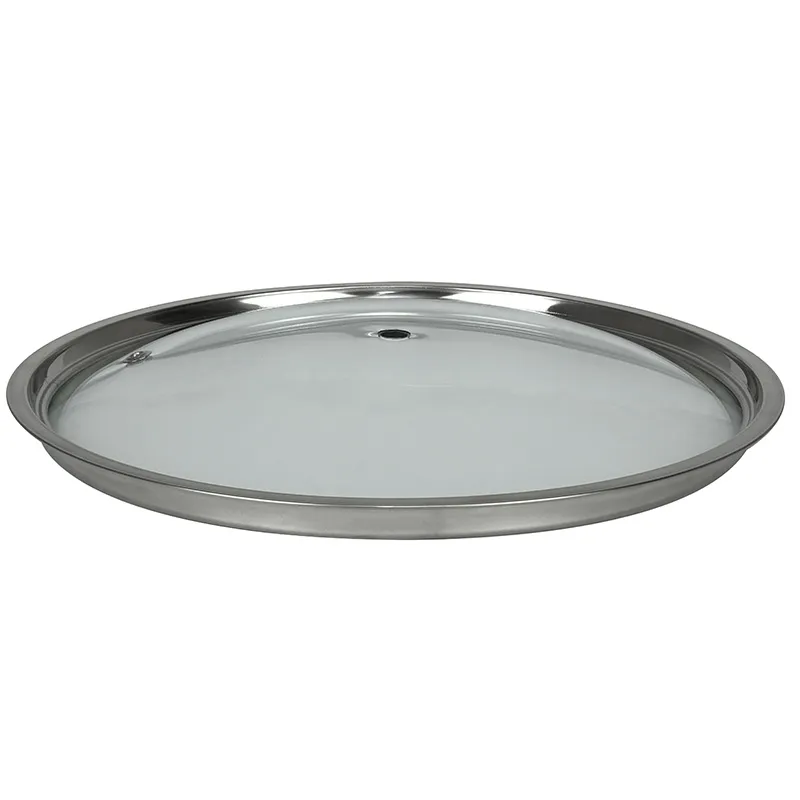
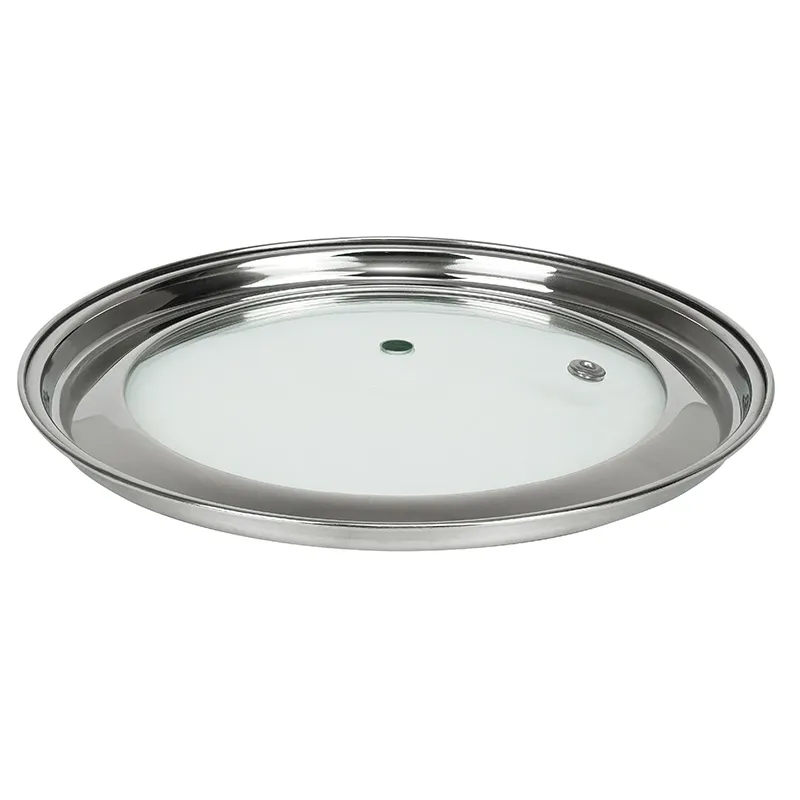
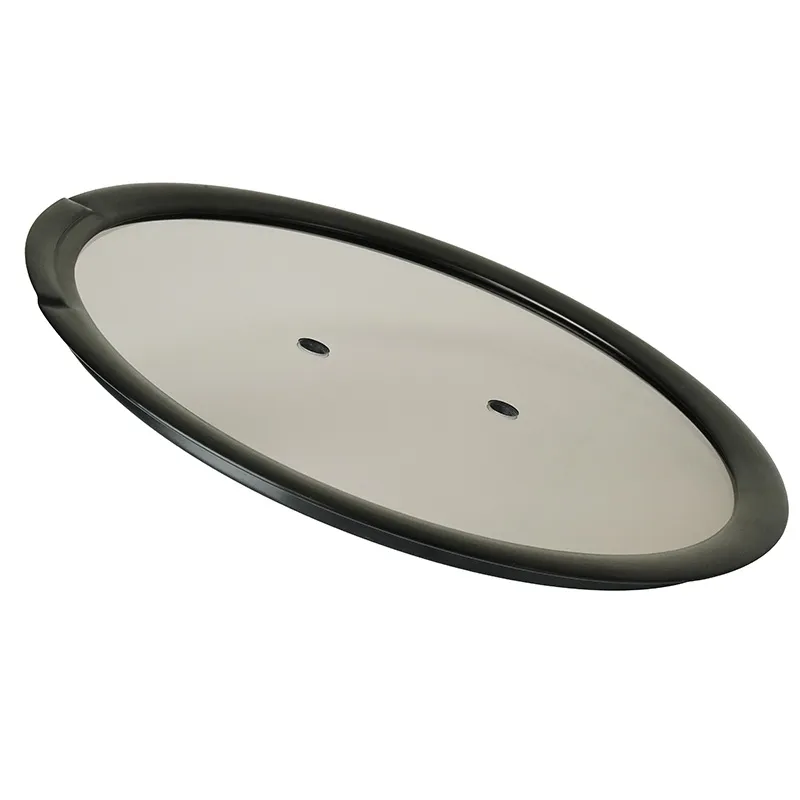
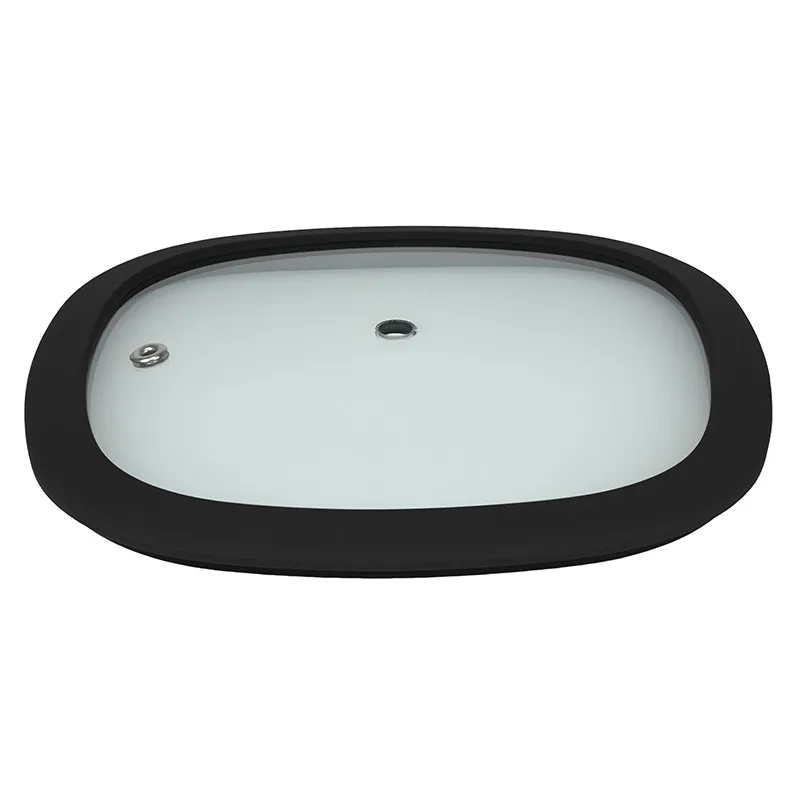
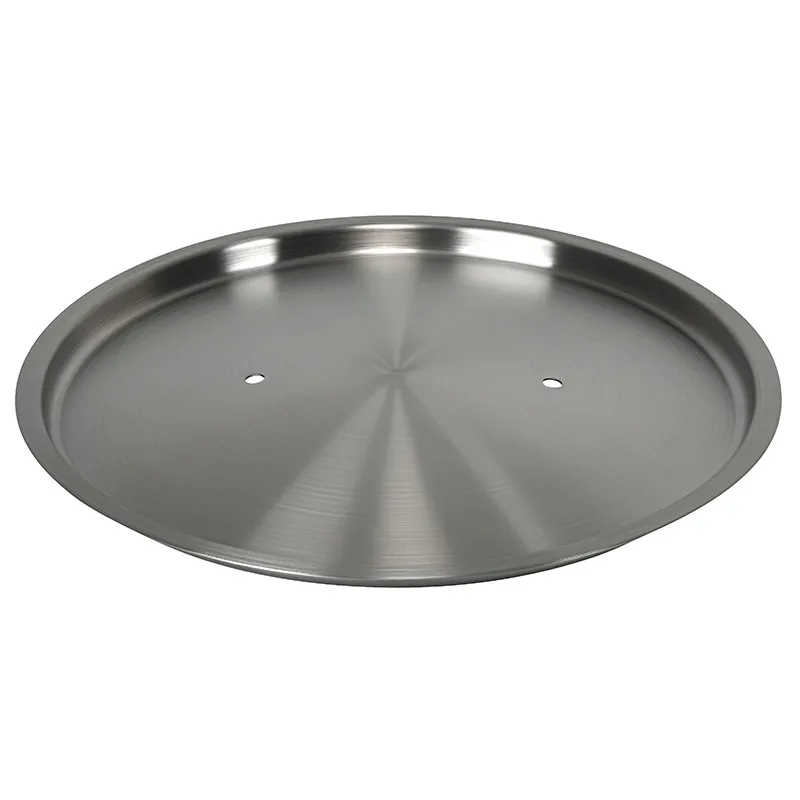
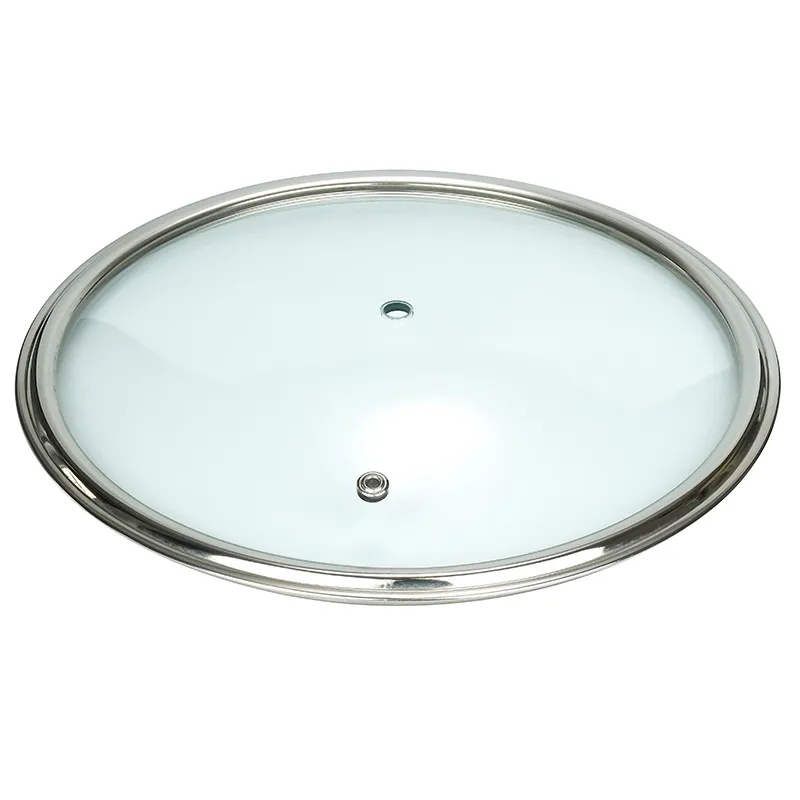
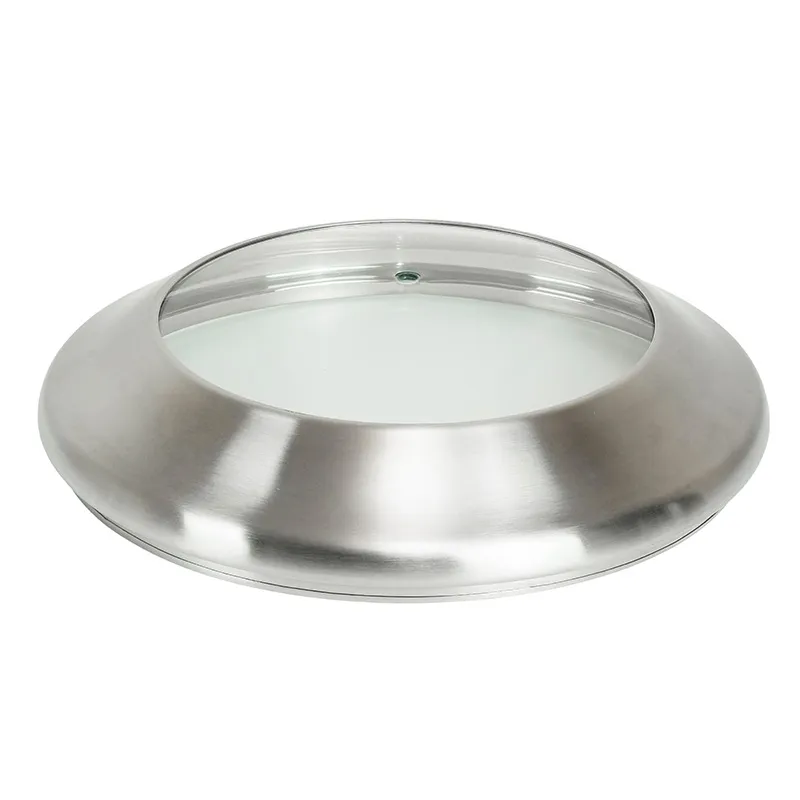
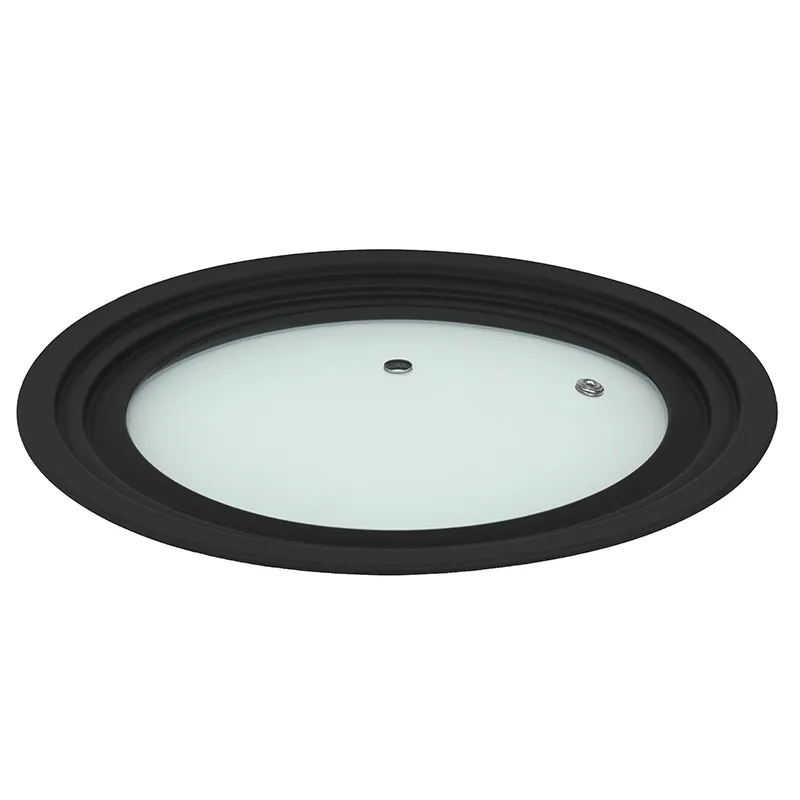
glass lid replacement
If you think ordering a glass lid replacement is just about matching diameters, you're already on the wrong track. The real headache starts when you realize the handle mounting system, the rim curvature, and even the tempering level are what actually make or break the fit. I've seen too many clients, even some small-scale kitchenware retailers, waste money on batches of lids that sit uselessly in a warehouse because they only measured across the top.
The Devil's in the Details: Measurements Beyond Diameter
Let's get specific. You have a 24cm saucepan from a German brand. You go to a general supplier and ask for a 24cm glass lid replacement. Chances are, it won't sit flush. Why? Because you need the inner diameter of the pot's rim, not the outer. More critically, you need the radius of the curvature where the glass meets the metal. A lid designed for a straight-walled pot will rock on a curved one, creating a dangerous gap. I learned this the hard way early on, sourcing what looked like perfect lids for a client's line, only to have them all returned due to unstable seating. The failure wasn't in the glass quality; it was in assuming all 24cm pots are created equal.
Then there's the handle. Is it a single rivet, a two-screw clamp, or a bonded metal bracket? The mounting point's stress distribution dictates the type of reinforcement needed under the glass. A heavy cast-iron handle on a thin, poorly supported lid is a fracture waiting to happen. I always advise clients to send not just dimensions, but a photo of the pot's cross-section and a close-up of the handle base. It saves everyone time and cost.
This granular focus is why some manufacturers stand out. For instance, when reviewing potential partners, I came across EUR-ASIA COOKWARE CO.,LTD. Their specialization isn't just glass lids; it's specifically tempered glass lids for cookware, with a production volume hinting at deep OEM/ODM experience. A company that produces over 15 million pieces annually for markets like Germany and Japan has likely encountered and solved every curvature and handle compatibility issue in the book. Their website, https://www.glass-lid.com, clearly positions them in the low to high-level household glass segment, which suggests they have the engineering bandwidth to handle both simple and complex glass lid replacement specifications, not just sell generic stock.
Tempering: The Invisible Line Between Safe and Hazardous
Tempered glass has become a marketing buzzword, but the actual thermal and mechanical shock resistance varies wildly. For a glass lid replacement, the tempering process must account for rapid temperature shifts from a cold counter to a hot pot, and the inevitable accidental bumps against a faucet. A poorly tempered lid might not shatter immediately, but develop a network of micro-cracks that lead to a sudden, messy failure later.
I recall a batch from a supplier years ago that passed initial drop tests. However, in real-world use, several lids spontaneously fractured after being placed on a pot straight from the dishwasher onto a high-heat burner. The issue? Inconsistent tempering that created stress points. The glass didn't just break; it exploded into tiny granules. That's the standard you're aiming for—dicing into small, relatively blunt pieces, not creating sharp shards.
This is where a manufacturer's process control is key. The scale of a facility, like the 15,000㎡ building area mentioned by EUR-ASIA COOKWARE, often correlates with more automated, consistent tempering lines. Their export focus to stringent European markets also implies adherence to higher safety standards, which is a non-negotiable baseline for any glass lid replacement project. You can't cut corners on tempering.
The Handle and Mounting: The Weakest Link
Even with perfect glass, the assembly fails at the handle. The bond between the metal bracket (usually stainless steel or phenolic resin) and the glass surface is critical. Epoxy alone often fails under repeated heat cycles. The best designs use a combination of mechanical clamping and high-temperature adhesive, with the bracket often shaped to distribute pressure.
A common pitfall is overlooking the thermal expansion coefficients. The metal bracket and the glass expand at different rates. If the adhesive or mechanical fit isn't designed for this, you get creaking, bonding failure, and eventually, a detached handle. I've tested lids by cycling them from an ice bath to a 200°C oven repeatedly; that's what separates a decent product from a reliable one.
When evaluating a manufacturer, ask about their handle attachment protocol. Do they sandblast the mounting area on the glass for better adhesion? What's the specific high-temp adhesive grade? How is clamp pressure controlled? Companies that supply to brands in Germany or Switzerland, as EUR-ASIA's export list suggests, would have rigorous answers to these questions, as those markets have low tolerance for such failures.
Logistics and the Reality of Custom
Here's a practical reality: a truly one-off, custom glass lid replacement for a single vintage pot is rarely cost-effective. The cost is in the mold, the jig for handle mounting, and the setup of the tempering line. Economies of scale are everything. The sweet spot is usually in small batch production for a specific product line—replacing lids for a discontinued series of cookware, for instance.
This is where partnering with a flexible manufacturer matters. You need a partner who can work with your existing tooling or create new molds efficiently. Their minimum order quantity (MOQ) dictates feasibility. A large plant might have a high MOQ for a completely new design, but might be perfect for a run of 10,000 pieces to support a retail chain's replacement program. The fact that EUR-ASIA COOKWARE has a broad product range and significant export volume suggests they are equipped for sizable batch orders, which is ideal for brands or large retailers looking to offer a glass lid replacement program, not just individual consumers.
Packaging is another hidden cost. Glass lids need individual compartmentalized boxing with ample cushioning. A lid that survives manufacturing can still crack in transit if packed poorly. Any professional supplier should have this down to a science.
Sourcing Strategy: Finding the Right Partner
So, how do you actually source these? If you're a business, you don't just search for glass lid manufacturer. You look for companies embedded in the cookware ecosystem. A manufacturer whose entire focus is glass lid production for kitchenware, like the one mentioned, is inherently a better bet than a general glass goods factory. Their product page will show a variety of rim styles, handle types, and sizes—a portfolio that demonstrates experience.
When initiating contact, don't just ask for a price list. Send your most complex lid spec—the one with an odd curvature or a unique handle. Their response time and the technical questions they ask back will tell you more than any brochure. Can they identify potential stress points? Do they suggest a slight design modification for durability? That's the expertise you pay for.
Ultimately, a successful glass lid replacement project is about aligning with a manufacturer that understands it's a component of a cooking system. It's not a standalone decorative piece. It needs to seal, to withstand thermal shock, to be safe, and to last. The details in a company's description—like specific export destinations and annual output of tempered lids—are proxies for this systems-level understanding. It turns a simple replacement part into a reliable, integrated component.
Related Products
Related Products