- Chinese
- French
- German
- Portuguese
- Spanish
- Russian
- Japanese
- Korean
- Arabic
- Irish
- Greek
- Turkish
- Italian
- Danish
- Romanian
- Indonesian
- Czech
- Afrikaans
- Swedish
- Polish
- Basque
- Catalan
- Esperanto
- Hindi
- Lao
- Albanian
- Amharic
- Armenian
- Azerbaijani
- Belarusian
- Bengali
- Bosnian
- Bulgarian
- Cebuano
- Chichewa
- Corsican
- Croatian
- Dutch
- Estonian
- Filipino
- Finnish
- Frisian
- Galician
- Georgian
- Gujarati
- Haitian
- Hausa
- Hawaiian
- Hebrew
- Hmong
- Hungarian
- Icelandic
- Igbo
- Javanese
- Kannada
- Kazakh
- Khmer
- Kurdish
- Kyrgyz
- Latin
- Latvian
- Lithuanian
- Luxembou..
- Macedonian
- Malagasy
- Malay
- Malayalam
- Maltese
- Maori
- Marathi
- Mongolian
- Burmese
- Nepali
- Norwegian
- Pashto
- Persian
- Punjabi
- Serbian
- Sesotho
- Sinhala
- Slovak
- Slovenian
- Somali
- Samoan
- Scots Gaelic
- Shona
- Sindhi
- Sundanese
- Swahili
- Tajik
- Tamil
- Telugu
- Thai
- Ukrainian
- Urdu
- Uzbek
- Vietnamese
- Welsh
- Xhosa
- Yiddish
- Yoruba
- Zulu
- Kinyarwanda
- Tatar
- Oriya
- Turkmen
- Uyghur


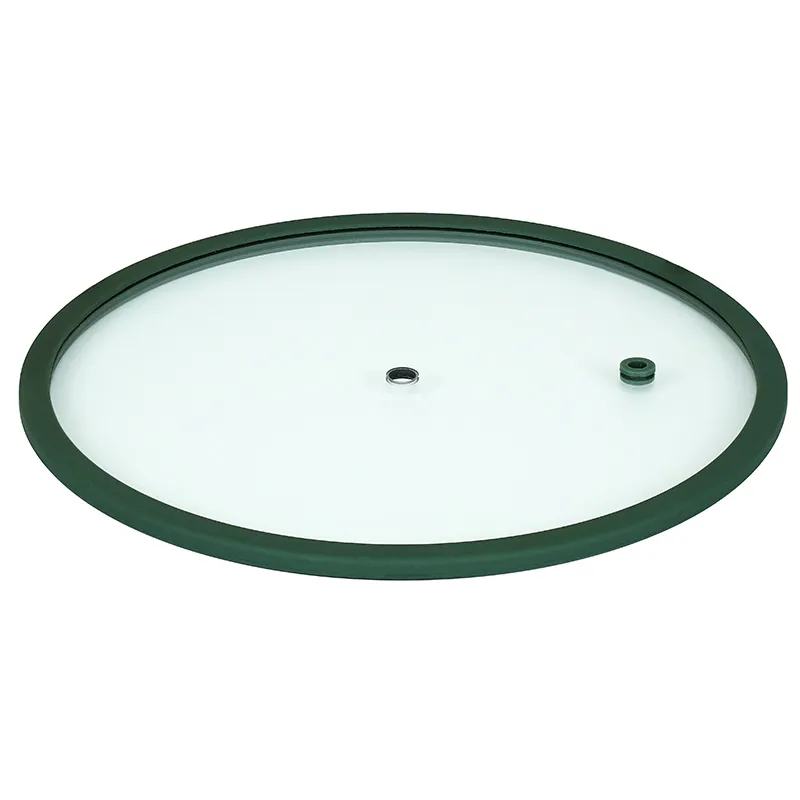
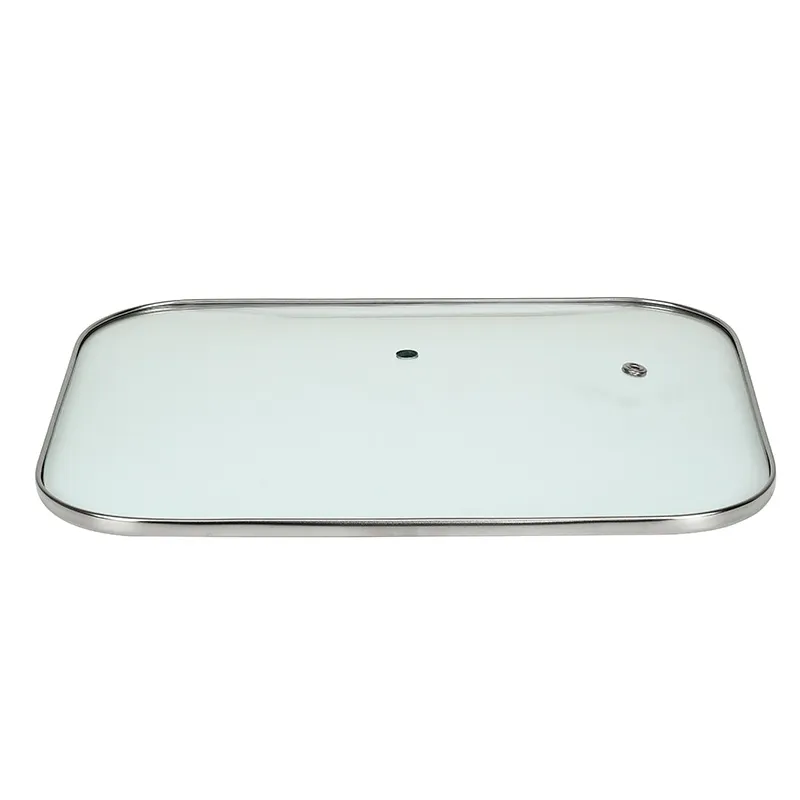
glass lid supplier in China
When you start digging into sourcing a glass lid supplier in China, the initial search results can be misleading. Many assume it's just about finding a factory that makes glass. But the reality is more nuanced—it's about finding a partner who understands the specific stresses of a cookware lid, the thermal shock resistance, the sealing requirements, and the consistency needed for high-volume exports. I've seen buyers get fixated on price per piece from Alibaba listings, only to receive samples that fail basic durability tests. The keyword here isn't just 'supplier'; it's 'specialized manufacturer'.
The Core Hub: Shandong and the Specialization Factor
If you're serious about glass lids, your search inevitably narrows down to Shandong province, particularly areas like Taian. There's a concentration of glass processing industries there, built up over decades. But within that cluster, capabilities vary wildly. Some smaller workshops might handle simple cutting and edging, but for tempered glass lids that go into ovens or onto simmering pots, you need a facility with proper tempering furnaces and quality control protocols for food-contact materials.
This is where a company like EUR-ASIA COOKWARE CO.,LTD fits into the picture. Their production base is in the Taian High-tech Development Zone, which isn't just an address—it often indicates better infrastructure and adherence to regulatory standards. A 20,000㎡ facility isn't a garage operation; it suggests a commitment to scale. When I first visited their operation a few years back for a client, what stood out wasn't the size, but the segregation of lines. They had dedicated areas for handling different lid diameters and edge processing, which reduces contamination and mix-ups. For a buyer, that logistical clarity is as important as the product spec sheet.
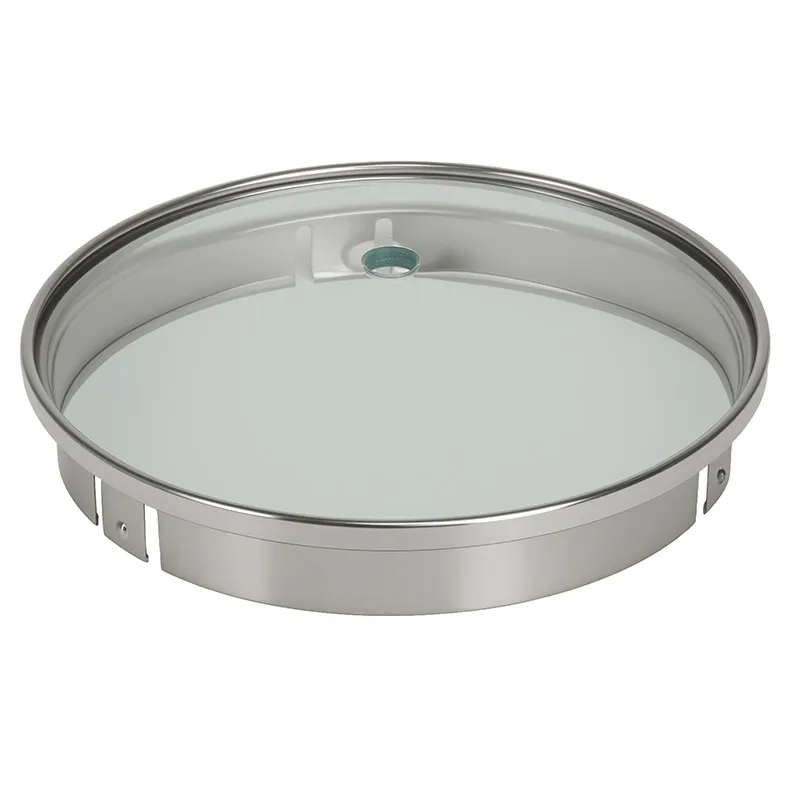
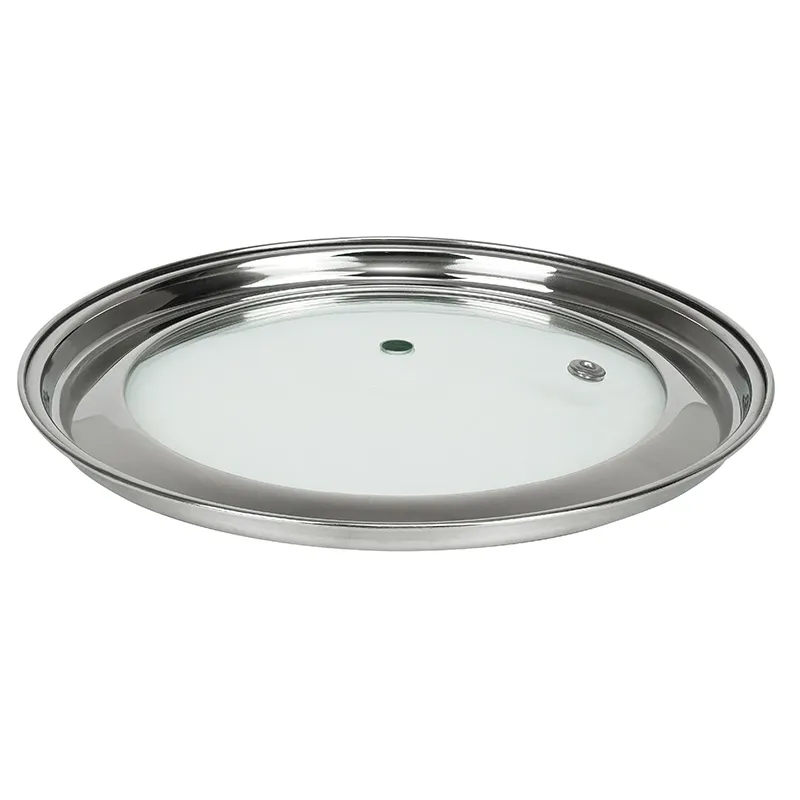
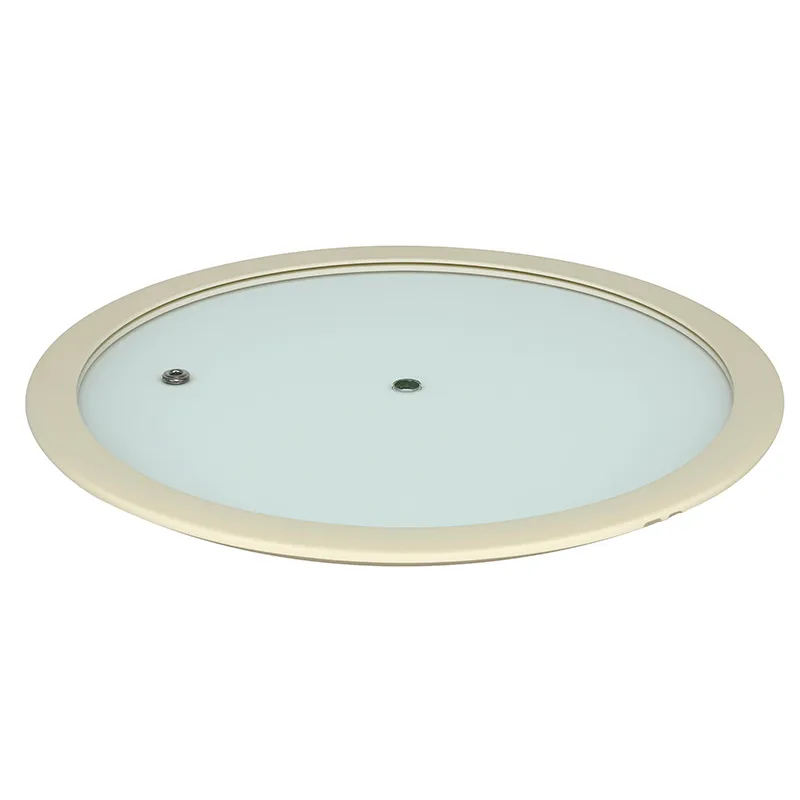
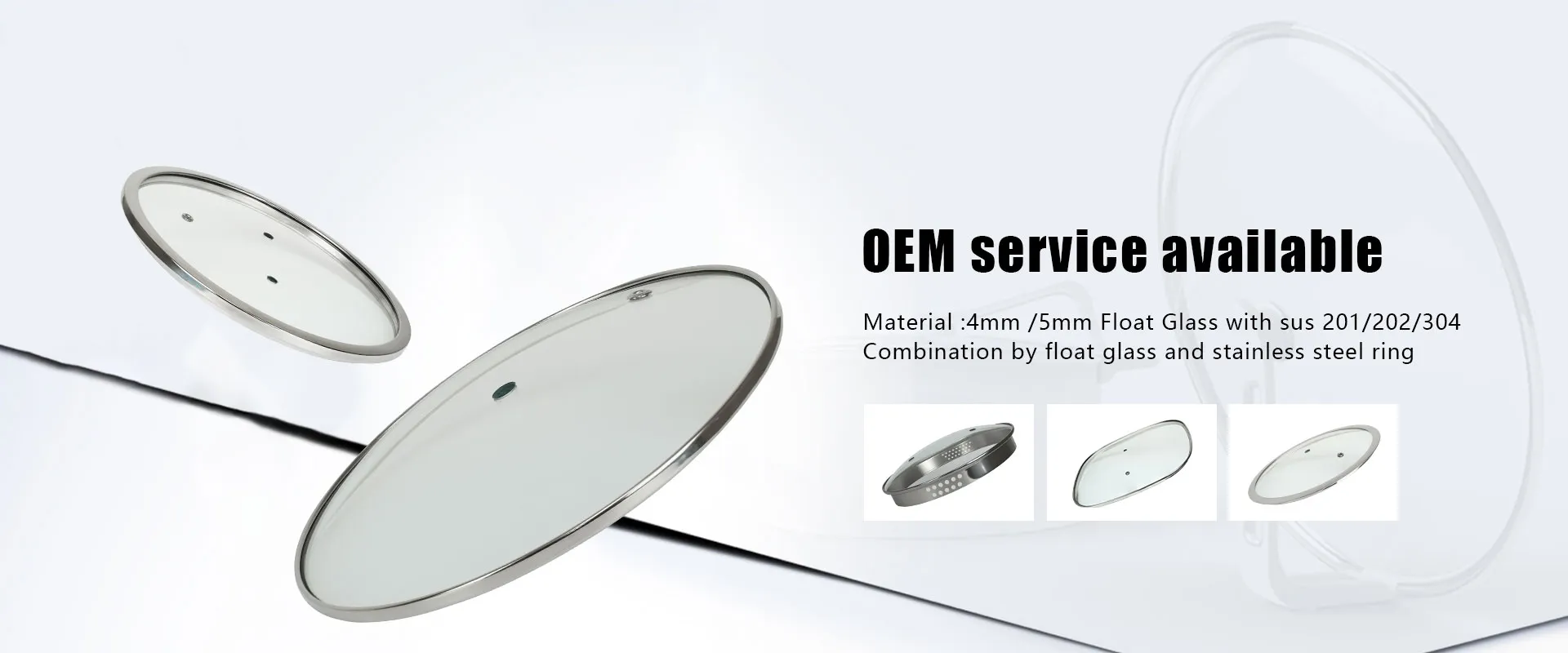
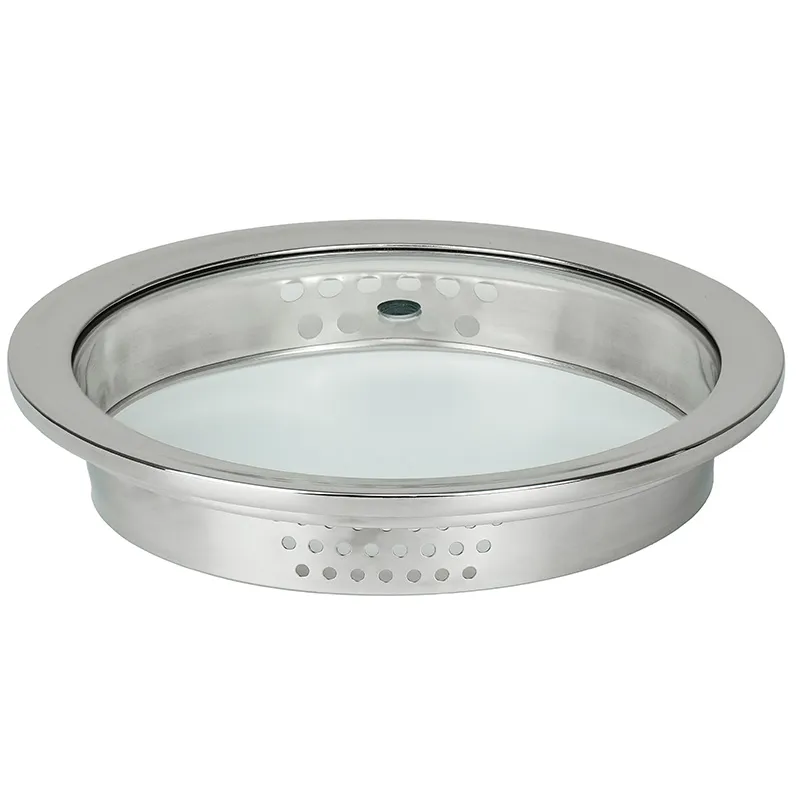
The specialization in household glass products and other kitchen accessories is key. A general glass supplier might view a lid as a simple glass disc. A cookware-focused supplier understands it's a component that must integrate with a metal or plastic rim, withstand repeated thermal cycles, and maintain clarity over time. Their product list showing an annual output of over 15 million pieces of tempered glass lids tells you they're set up for volume, but the real test is in the export percentage. Claiming over 90% export to markets like Germany, Italy, and Japan isn't a marketing fluff point—it's a direct indicator that their products are passing the stringent quality and safety checks demanded by European and Asian retailers. That's a filter I always apply: if a supplier's primary market is domestic, their tolerance for defects might be different.
Beyond the Quotation: What Specs Really Matter
Getting a quote is easy. Understanding what's behind the price is the real work. When evaluating a glass lid supplier in China, the material origin is the first checkpoint. Are they using soda-lime glass from a reputable raw material supplier? The clarity and the absence of microscopic bubbles depend on this. Then comes the tempering process. True thermal tempering for lids is non-negotiable for safety. I've had the unfortunate experience of working with a supplier who used chemical tempering for a batch—it was cheaper and faster, but the lids developed a hazy film after a few dishwasher cycles. A total loss.
Thickness tolerance is another silent killer. A spec of 4mm might mean 3.8mm to 4.2mm in a lax factory, which causes fitting issues with standardized clamps or rims from your assembly line. EUR-ASIA's focus on low, medium, and high-level products is a practical way of segmenting quality. Sometimes your product line needs a cost-effective lid for a mid-range skillet, and a premium, optically perfect one for a high-end Dutch oven. A supplier that can articulate this tiering usually has better process control.
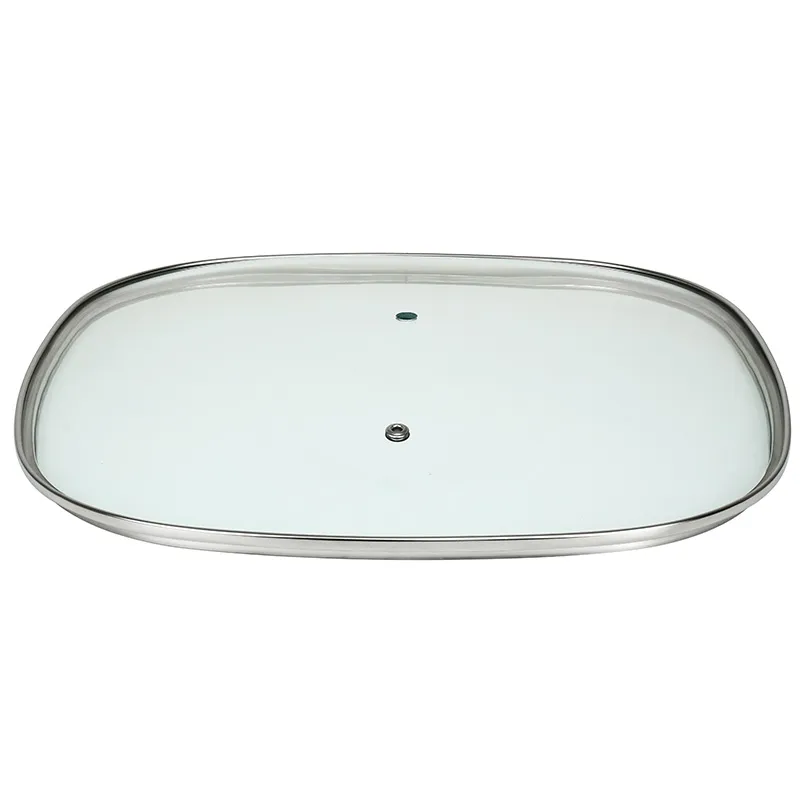
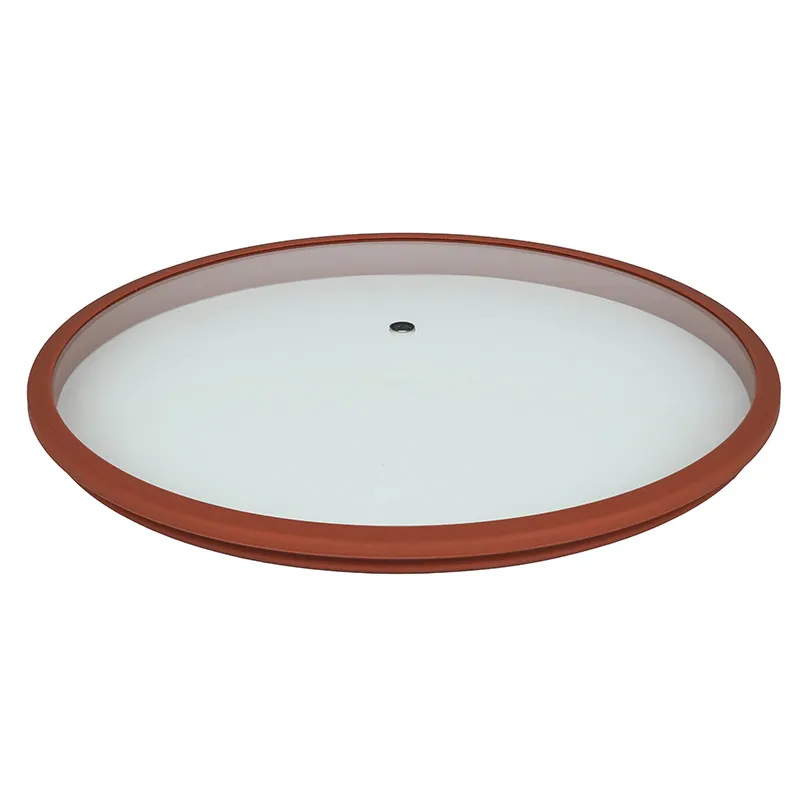
Then there's the edgework. The finish on the perimeter isn't just about aesthetics; it's about safety (chipping) and sealing. A perfectly smoothed and polished edge, often called a seamed or pencil edge, prevents cracks from starting. From their website portfolio, you can infer they handle various edge profiles, which is necessary because a European handle assembly might require a different edge geometry than a Korean one. This is the kind of detail you only learn by having a batch fail a pre-shipment inspection.
The Logistics and Communication Tangles
Manufacturing is one thing; getting the goods to your door is another. A supplier's export experience is paramount. The fact that EUR-ASIA lists specific countries like Poland, Denmark, Brazil, and Turkey suggests they're familiar with a wide range of customs documentation, labeling requirements, and shipping protocols. This is a huge, often overlooked, time-saver. I recall a project where a brilliant lid supplier in Zhejiang fell apart completely when it came to preparing the CE documentation and packaging markings for the EU. We lost six weeks untangling that.
Communication style is also part of the supplier package. The professional but straightforward presentation on their site, https://www.glass-lid.com, is a good sign. It's focused on facts—factory size, output, key markets. In my experience, suppliers with overly flashy websites full of stock photos are sometimes compensating. The useful ones give you the data you need to start a technical conversation. When you contact them, the first questions they ask you are telling. Do they jump straight to price? Or do they ask about application (stovetop, oven, microwave?), diameter, thickness, tempering standard, and rim attachment method? The latter shows a professional mindset.
Lead time is another critical filter. An output of 15 million pieces a year means they have capacity, but it also means their production is scheduled tightly. For a standard item, they might have a 30-day lead time. But if you need a custom diameter or a unique silicone gasket channel, that's when you need to discuss mold development time. A good supplier will be upfront about this and may even discourage overly complex customizations if they know it will lead to production headaches down the line. That honesty is valuable.
Auditing and the Sample Phase: Trust but Verify
Never, ever skip the sample phase. And I mean a production-run sample, not a hand-made prototype. When assessing a new glass lid supplier in China, the sample order should mirror your actual production requirements. For a lid, this means testing for thermal shock (moving from a freezer to a hot oven), mechanical impact (a steel ball drop test is common), and dishwasher durability. I once received beautiful samples that passed all tests, but the first production batch had inconsistent curvature, causing a rocking motion on flat pots. The issue? A slight variance in the tempering furnace temperature profile during a full run. The supplier had to recalibrate.
If possible, an audit is gold. Visiting the facility in Taian lets you see their raw material storage (is it clean and organized?), their in-process quality checks (are they measuring thickness at each stage?), and their final inspection area. Do they have a light table for checking inclusions? A template gauge for diameter? For a company with 90+ employees, the division of labor should be clear. The fact that EUR-ASIA explicitly mentions their building area and employee count is a signal they are open to such scrutiny, which is a point in their favor.
The sample is also your test of their responsiveness and problem-solving. When you provide feedback—the edge finish here is rough, or the clarity isn't uniform—how do they react? A professional supplier will ask for photos, review their process, and send a corrected sample with an explanation. A defensive or evasive response is a major red flag. This phase is where you're not just buying a product; you're evaluating a partnership for the next 5,000 or 50,000 units.
Final Thoughts: Building a Sustainable Supply Chain
Finding the right supplier isn't a one-time transaction. It's about building a channel that remains reliable amidst raw material cost fluctuations, labor changes, and shifting export regulations. A supplier with a solid base, clear specialization, and a proven export track record, like the one outlined by EUR-ASIA COOKWARE, provides a foundation for that. Their focus on the kitchenware niche means they are likely investing in the right equipment and expertise that directly benefits your product.
In the end, the goal is to move beyond the constant firefighting of quality issues. When your glass lid supplier in China understands your market's standards because they serve it daily, communication becomes more efficient. You spend less time explaining basic requirements and more time refining details. You start discussing innovations, like anti-fog coatings or improved ergonomic handles, rather than arguing about defect rates.
So, when you next type that search term into your browser, look past the glossy catalogs. Look for the concrete details: the location, the output, the export markets, the specific product focus. Dig into the technical capabilities behind the numbers. That's how you transition from a buyer taking a risk to a partner managing a robust, predictable supply chain. It's less about finding the cheapest option and more about identifying the most competent one for the long haul.
Related Products
Related Products