- Chinese
- French
- German
- Portuguese
- Spanish
- Russian
- Japanese
- Korean
- Arabic
- Irish
- Greek
- Turkish
- Italian
- Danish
- Romanian
- Indonesian
- Czech
- Afrikaans
- Swedish
- Polish
- Basque
- Catalan
- Esperanto
- Hindi
- Lao
- Albanian
- Amharic
- Armenian
- Azerbaijani
- Belarusian
- Bengali
- Bosnian
- Bulgarian
- Cebuano
- Chichewa
- Corsican
- Croatian
- Dutch
- Estonian
- Filipino
- Finnish
- Frisian
- Galician
- Georgian
- Gujarati
- Haitian
- Hausa
- Hawaiian
- Hebrew
- Hmong
- Hungarian
- Icelandic
- Igbo
- Javanese
- Kannada
- Kazakh
- Khmer
- Kurdish
- Kyrgyz
- Latin
- Latvian
- Lithuanian
- Luxembou..
- Macedonian
- Malagasy
- Malay
- Malayalam
- Maltese
- Maori
- Marathi
- Mongolian
- Burmese
- Nepali
- Norwegian
- Pashto
- Persian
- Punjabi
- Serbian
- Sesotho
- Sinhala
- Slovak
- Slovenian
- Somali
- Samoan
- Scots Gaelic
- Shona
- Sindhi
- Sundanese
- Swahili
- Tajik
- Tamil
- Telugu
- Thai
- Ukrainian
- Urdu
- Uzbek
- Vietnamese
- Welsh
- Xhosa
- Yiddish
- Yoruba
- Zulu
- Kinyarwanda
- Tatar
- Oriya
- Turkmen
- Uyghur


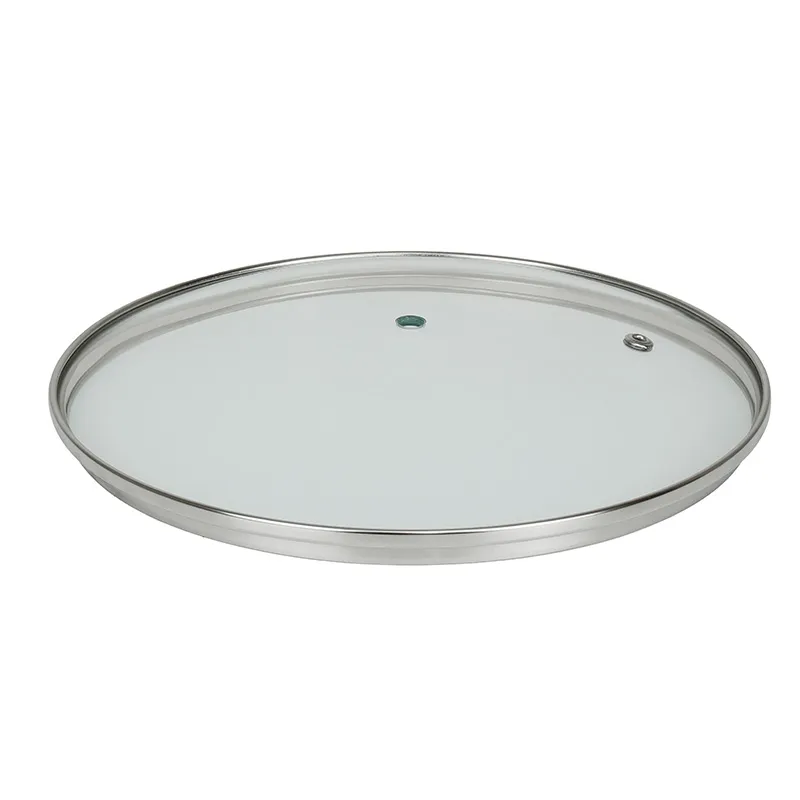
glass lid supplier of China
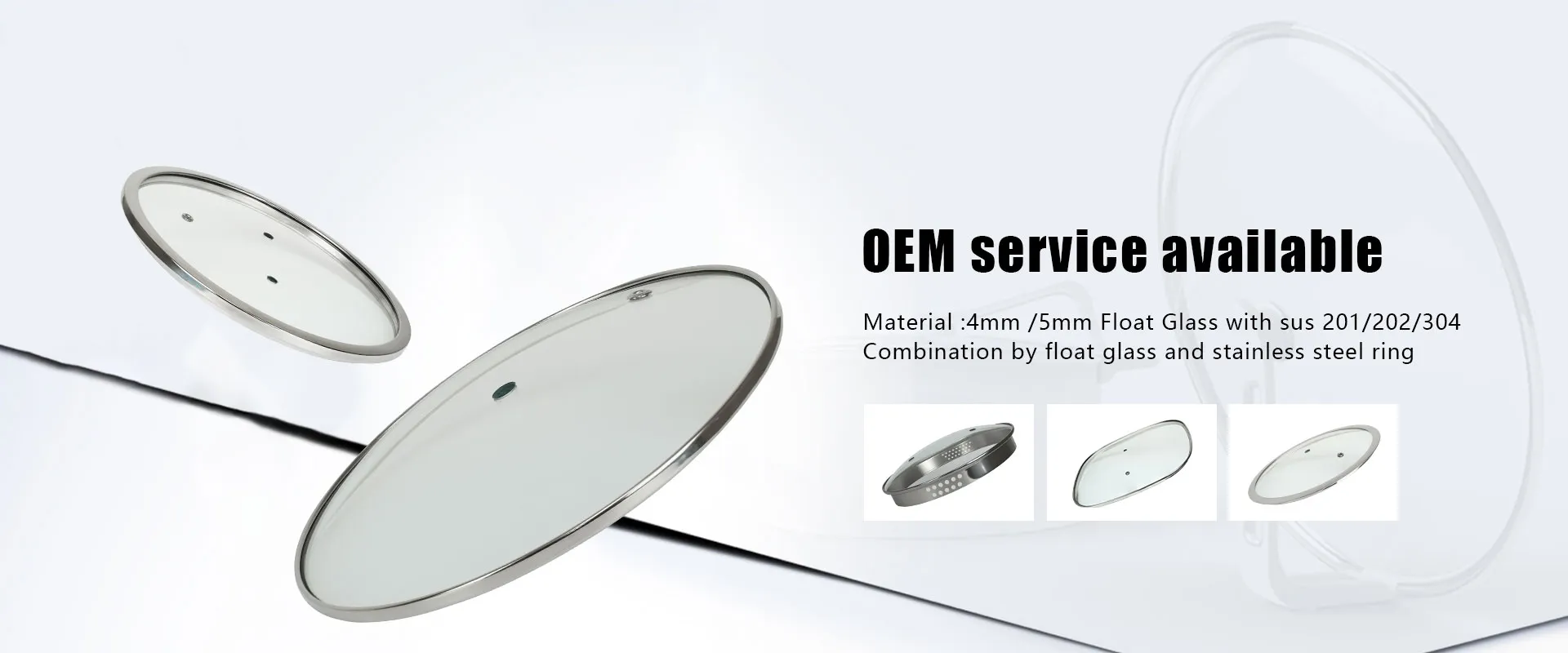
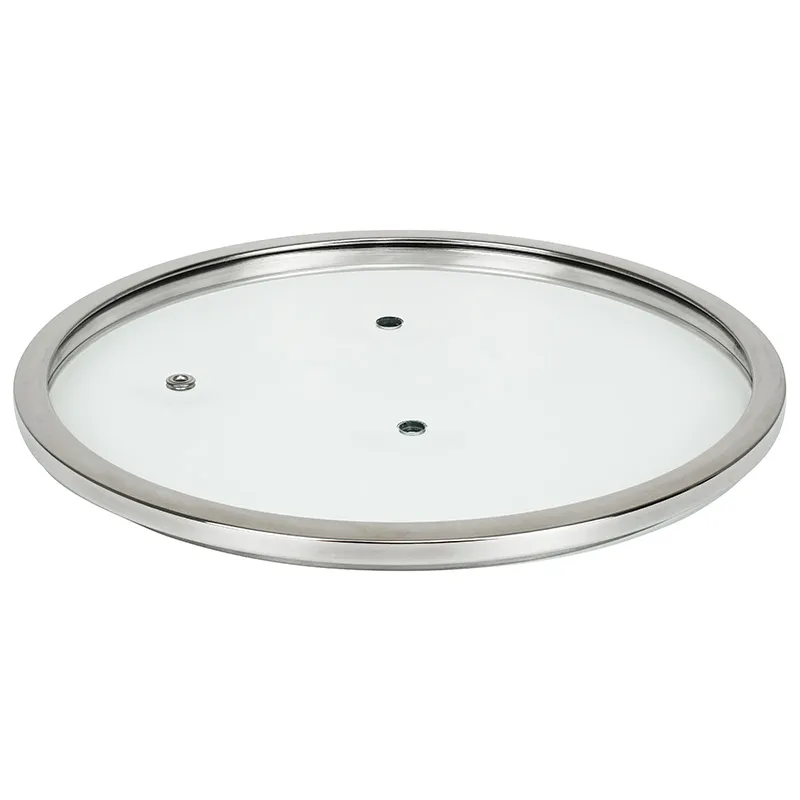
When you type 'glass lid supplier of China' into a search bar, you're likely met with a wall of nearly identical Alibaba profiles and glossy catalogues. The immediate assumption many make is that it's a commodity market—find the cheapest, and you're done. Having spent years sourcing and developing products here, I can tell you that's the fastest route to a warehouse full of scrap. The real challenge isn't finding a supplier; it's identifying one whose definition of 'tempered glass' matches the safety standards your market demands, and whose 'high level' isn't just a line on a brochure. It's about peeling back the layers of marketing to see the factory floor.
The Factory Floor Reality vs. The Online Catalogue
Let's talk about EUR-ASIA COOKWARE CO.,LTD. I came across them a while back, not through a frantic Google search, but through a strained referral from a contact in Poland who was fed up with lid warping. Their site, glass-lid.com, is straightforward—no flashy animations, just product grids and a clear statement: they're in Taian, Shandong, in a National High-tech Development Zone. That location detail is the first real clue. Shandong is a hub for glass, but being in a designated high-tech zone often (not always, but often) suggests a certain level of operational compliance and infrastructure investment you might not find in a back-alley workshop.
Their stated capacity—15 million pieces annually from a 20,000㎡ facility—sounds substantial. But in China, scale can be a double-edged sword. A massive output can mean efficient, automated lines for standard items, but it can also mean rigidity. The key question for a glass lid supplier of China isn't just Can you make this? but Can you adjust your process for a 23.5cm diameter instead of 24cm without treating it as a custom project that triples the cost and timeline? I've seen suppliers with half their capacity be ten times more flexible.
Where EUR-ASIA's data gets interesting is the export breakdown: over 90% to Europe and other developed markets. This isn't trivial. Shipping to Germany, Denmark, Switzerland? That's a proxy for quality control. Those markets have retailers with brutal QC protocols. If a supplier consistently lands there, it tells you they've likely navigated the minefield of thermal shock testing, edge grinding standards, and packaging that actually prevents transit breakage. It suggests a baseline competence that a supplier only serving domestic or less stringent markets might not need to develop.
The Tempering Process: Where Specs Meet Practice
Every supplier talks about tempered safety glass. The reality is a spectrum. The core of a reliable glass lid supplier is their tempering line. Is it a modern, computer-controlled furnace with consistent heating zones, or an older, less predictable setup? The difference shows up in stress pattern consistency and ultimately, the lid's resistance to sudden temperature changes—like going from a cold counter to a hot pot. A lid that fails this isn't just a return; it's a liability.
I recall a project where we needed lids for a high-end cookware line. The spec called for a specific surface compression. The first samples from a different, cheaper vendor looked perfect but failed our drop test spectacularly. The issue traced back to uneven quenching in their older tempering oven. We had to pivot. A supplier with a focus on export, like the one mentioned, typically invests in better equipment because their clients test for this. It's baked into their cost structure, which is why their FOB price might be 15% higher, but their defect rate could be 80% lower.
Another practical detail is edge work. A polished, smooth edge isn't just about feel; it's about chipping and micro-cracks. Automated grinding and polishing lines are a must for consistency. Manual finishing, still common in smaller shops, leads to variations that cause fit issues with pots and are a weak point for breakage. When you see a company listing a wide range of diameters and shapes for export, it's a fair bet they've automated this process to a degree that ensures repeatability.
Material Sourcing and the Hidden Variable
Glass isn't just glass. The clarity, the iron content (which affects greenish tint), the flatness of the raw float glass—all these start with the material supplier. A professional glass lid supplier of China will have established relationships with reputable float glass producers, perhaps like CSG or Taiwan Glass. They don't just buy the cheapest sheet stock from a random trader.
This became painfully clear on a past order. We were chasing cost savings and pushed a supplier to use a lower-grade base glass. The result was a slight wave distortion when you looked across the lid surface. Not a functional flaw, but a premium brand's QC rejected the entire shipment for optical quality. The loss far outweighed the saving. Suppliers entrenched in the European supply chain, by necessity, have to manage this. Their raw material specs are part of their production DNA, often non-negotiable because their end clients have audit trails.
It's also about traceability. Can the supplier tell you the batch code of the glass used for your order? In case of a material-related failure, this is critical. It's a level of documentation more common in export-oriented factories with integrated ERP systems, which you'd expect in a facility of the scale described in EUR-ASIA's introduction.
Logistics and the Breakage Battle
Producing a perfect lid is only half the job. Getting it to Hamburg or S?o Paulo intact is the other half. Packaging design is a specialized skill. It's not just a cardboard box. It's about die-cut foam inserts, corner protectors, and palletizing patterns that minimize load shift. A 2% breakage rate in transit can erase your profit margin.
I learned this through a costly mistake. We assumed the supplier's standard packaging was adequate. It wasn't. A container to Italy arrived with 8% breakage due to poor inter-packing within the master carton. The supplier, to their credit, shared the blame but the financial hit was ours. Now, I always ask for packaging test reports or at least evidence of their standard packaging for key export routes. A company exporting globally, as indicated by EUR-ASIA's market list, has likely been forced to iterate and optimize their packaging solutions across different shipping corridors and climates.
Their location in Taian also factors in. It's inland, so logistics involve trucking to a port like Qingdao or Tianjin. This adds a leg to the journey and another handling point. A competent supplier will have this inland transport and container loading process locked down—using specific truck types, secure strapping, and experienced loaders. It's a behind-the-scenes detail that separates a smooth shipment from a headache.
The Human Element and Communication
Finally, beyond machinery and metrics, it's about people. The 90+ employees noted aren't just a number. It speaks to a structured operation with dedicated QC teams, sales staff who (hopefully) understand technical drawings, and production planners. The fluency and precision of communication during sampling are telling. Can they understand a nuanced amendment to a handle design? Or do they just reply yes, we can to everything?
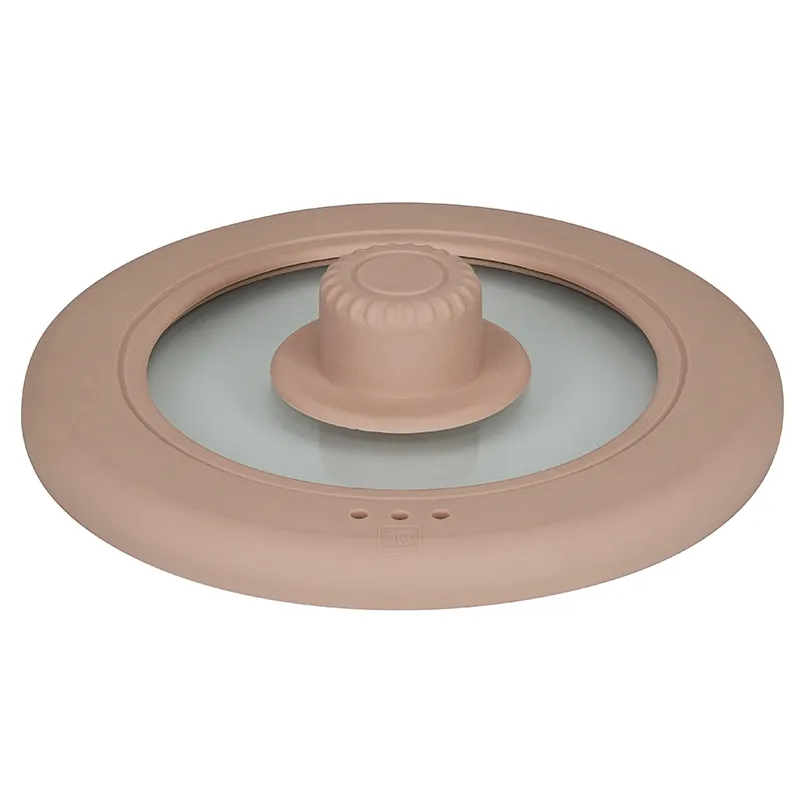
Working with a glass lid supplier requires a dialogue. For instance, you might want a unique silicone knob color. They need to advise if that silicone will bond properly post-tempering (tempering happens before assembly, the heat can affect materials). A supplier with deep export experience has encountered these requests before and can guide the design for manufacturability, saving weeks of back-and-forth.
In the end, searching for a 'glass lid supplier of China' is less about finding the lowest price and more about de-risking your supply chain. It's about identifying partners like EUR-ASIA COOKWARE, who have built their model on meeting the exacting standards of international markets. Their profile suggests they've made the capital investments and process commitments necessary to play in that league. The real work for a buyer is to verify that the reality matches the outline, to drill down from their stated export percentage to the specific testing reports, material certificates, and packaging specs that make that percentage possible. That's where you find reliability, not in a keyword search.
Related Products
Related Products