- Chinese
- French
- German
- Portuguese
- Spanish
- Russian
- Japanese
- Korean
- Arabic
- Irish
- Greek
- Turkish
- Italian
- Danish
- Romanian
- Indonesian
- Czech
- Afrikaans
- Swedish
- Polish
- Basque
- Catalan
- Esperanto
- Hindi
- Lao
- Albanian
- Amharic
- Armenian
- Azerbaijani
- Belarusian
- Bengali
- Bosnian
- Bulgarian
- Cebuano
- Chichewa
- Corsican
- Croatian
- Dutch
- Estonian
- Filipino
- Finnish
- Frisian
- Galician
- Georgian
- Gujarati
- Haitian
- Hausa
- Hawaiian
- Hebrew
- Hmong
- Hungarian
- Icelandic
- Igbo
- Javanese
- Kannada
- Kazakh
- Khmer
- Kurdish
- Kyrgyz
- Latin
- Latvian
- Lithuanian
- Luxembou..
- Macedonian
- Malagasy
- Malay
- Malayalam
- Maltese
- Maori
- Marathi
- Mongolian
- Burmese
- Nepali
- Norwegian
- Pashto
- Persian
- Punjabi
- Serbian
- Sesotho
- Sinhala
- Slovak
- Slovenian
- Somali
- Samoan
- Scots Gaelic
- Shona
- Sindhi
- Sundanese
- Swahili
- Tajik
- Tamil
- Telugu
- Thai
- Ukrainian
- Urdu
- Uzbek
- Vietnamese
- Welsh
- Xhosa
- Yiddish
- Yoruba
- Zulu
- Kinyarwanda
- Tatar
- Oriya
- Turkmen
- Uyghur

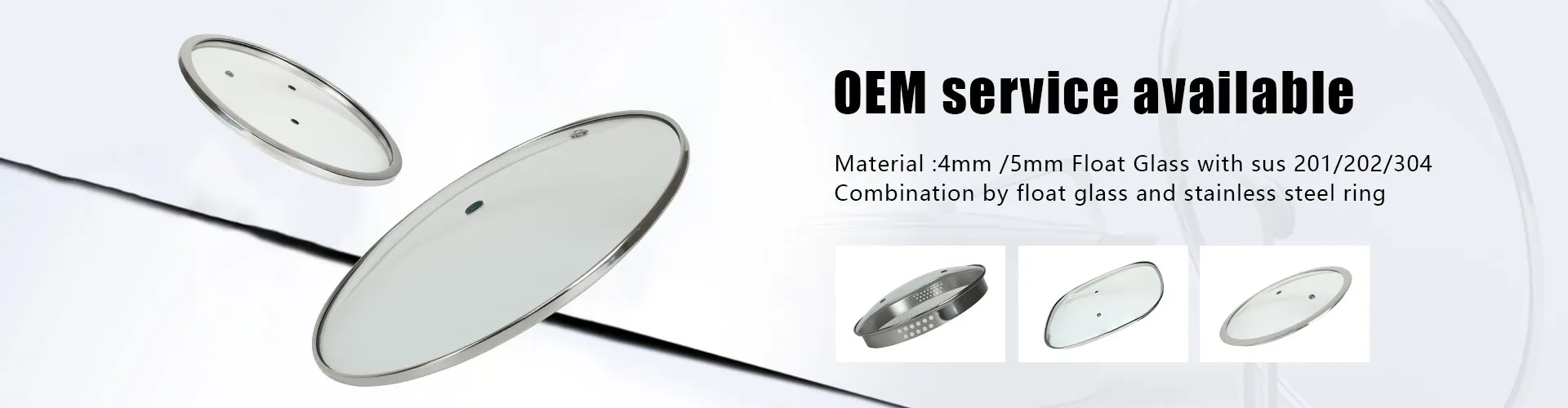
glass lid wholesale
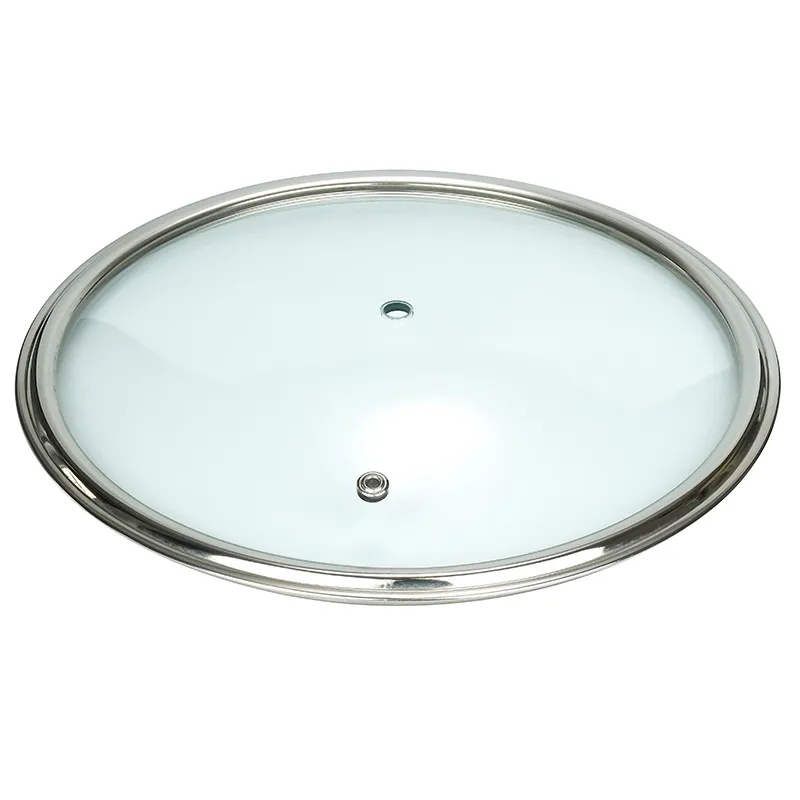
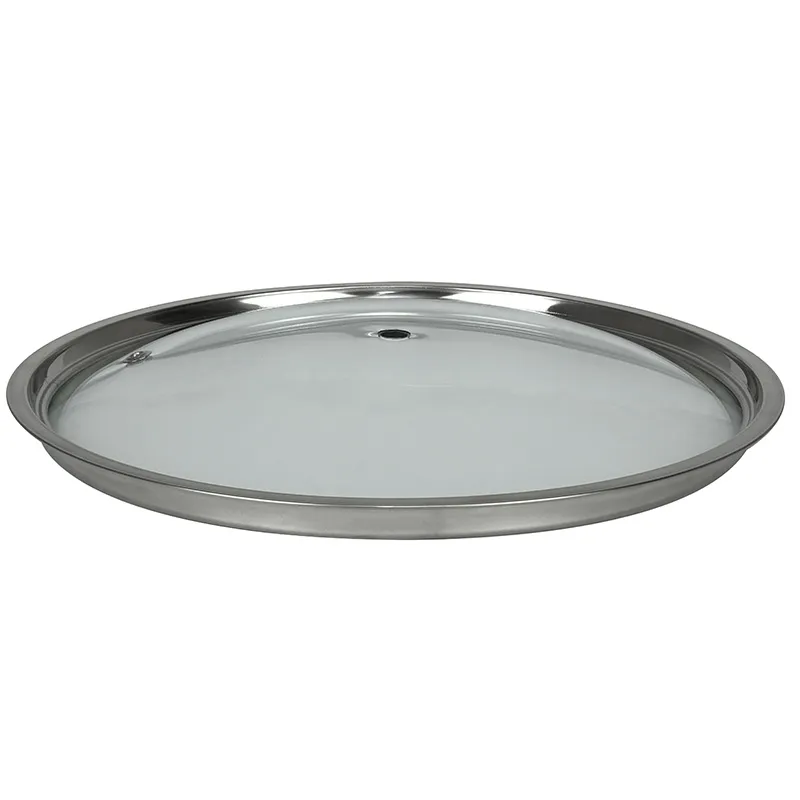
When you type 'glass lid wholesale' into a search bar, you're probably picturing a simple transaction: find a supplier, get a quote, place an order. The reality, especially when sourcing from major production hubs, is a labyrinth of material specs, tempering inconsistencies, and logistical puzzles that the term itself completely glosses over. Many first-time buyers, even seasoned importers, get tripped up assuming all tempered glass is created equal, or that a low FOB price is the finish line. It's not. The real work begins after you've found a dozen websites all claiming to be the top manufacturer.
The Core Misconception: Price Per Piece vs. Total Landed Cost
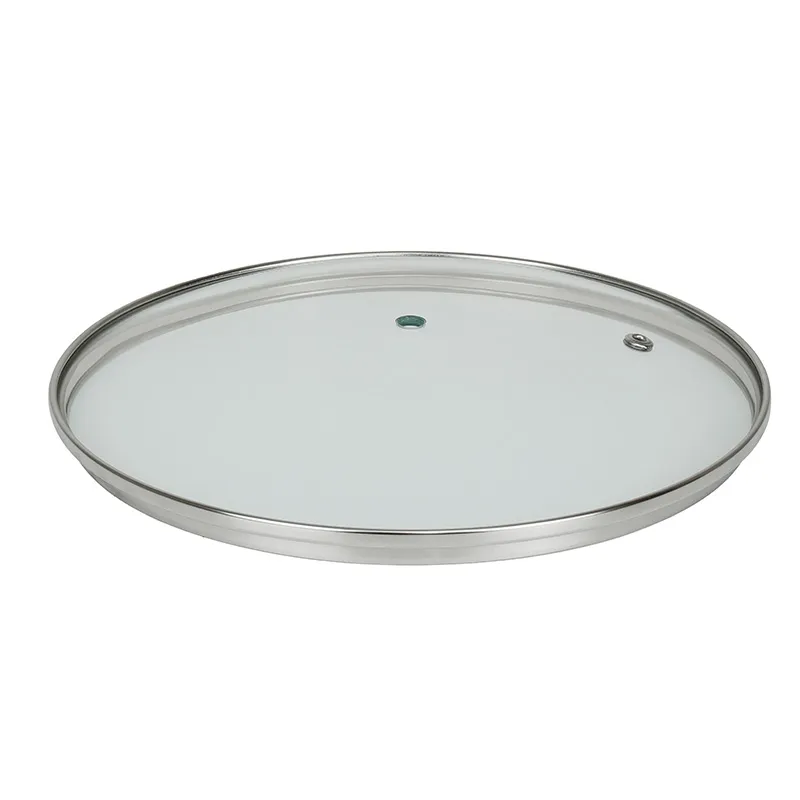
Let's cut to the chase. The biggest mistake I see is an obsessive focus on the unit price. You get a quote for, say, a 24cm round tempered glass lid at $1.20 per piece from a factory. Great. But is that for a 3mm or 4mm thickness? Is the edge grinding polished or simply seamed? What's the tolerance on the knob hole diameter? A difference of 0.5mm there can stall an entire assembly line when the knobs from your other supplier don't fit. That great price often excludes the cost of the custom packaging that prevents a 5% breakage rate in transit, which can wipe out your margin.
I learned this the hard way years ago. We sourced a container of lids from a new supplier, lured by a 15% lower price. The lids arrived, and visually, they were fine. But when we did a batch test for thermal shock—moving from a freezer to a hot oven—our failure rate shot up to 8%. The supplier had used a lower grade of raw soda-lime glass and had cut the tempering cycle short to save on energy costs. The savings were illusory; we ate the cost of replacements and freight. Now, our first question is always about the raw material source and request a certified test report for EN 12150 or an equivalent standard.
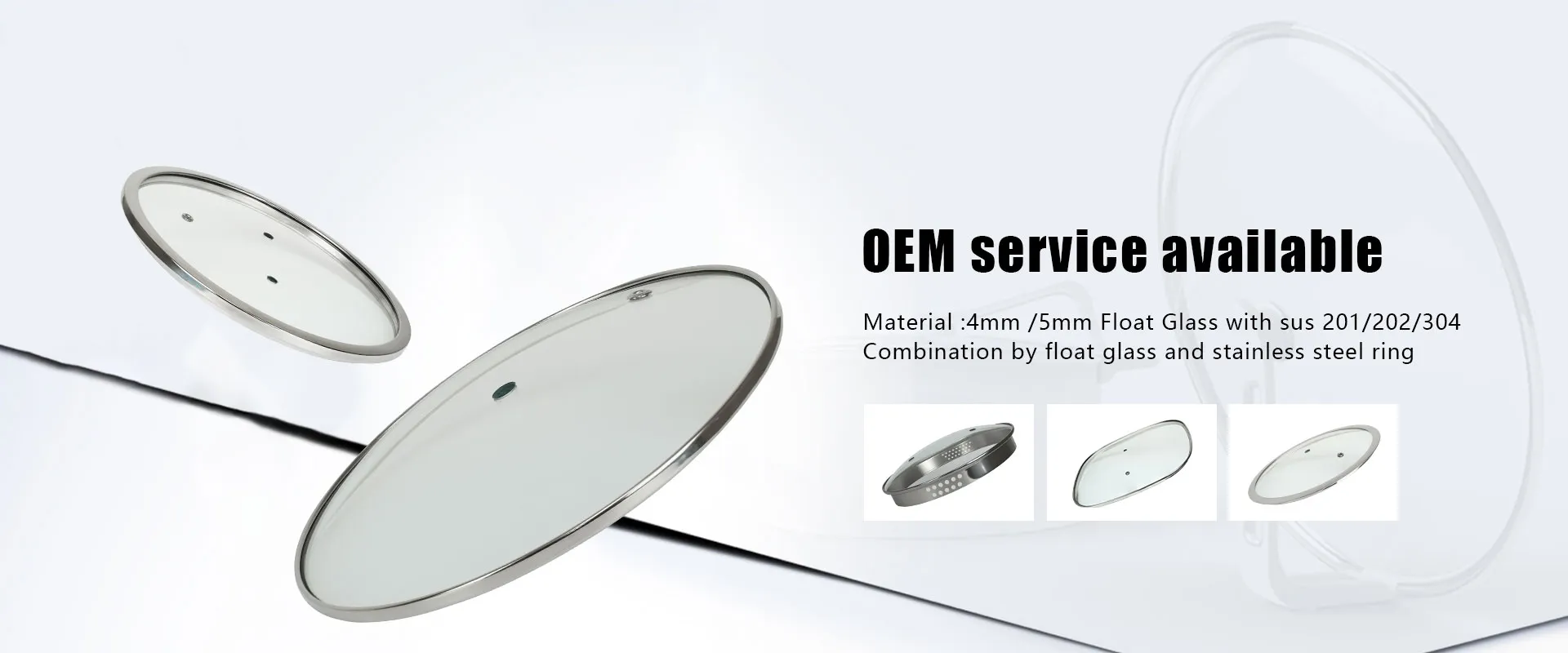
This is where a supplier's scale and export focus becomes critical. A company like EUR-ASIA COOKWARE CO.,LTD, for instance, with an annual output north of 15 million pieces and over 90% for export, is structurally set up to handle these specs. Their production is geared for the German or Japanese market, which means their baseline quality and testing protocols are inherently stricter. You're not just buying a lid; you're buying their compliance infrastructure. You can find their specific capabilities at https://www.glass-lid.com, which details their focus on household glass products. For wholesale, this background is more valuable than the price list on page one.
Logistics & Packaging: The Silent Cost Centers
Nobody gets excited about packaging, but in glass lid wholesale, it's where battles are won or lost. Standard corrugated cartons with some bubble wrap? That's a recipe for disaster for deep-sea shipments. The pressure and humidity changes in a container can cause micro-shifts that lead to edge-chipping if each lid isn't properly isolated. We've moved almost exclusively to molded pulp trays or rigid PVC clamshells for inter-stacking. It adds $0.08 to the cost, but reduces breakage from a typical 2-3% to under 0.5%.
Then there's container loading. Glass is heavy, and you hit maximum weight before you fill the cube of a 40HQ container. Optimizing the palletization pattern to maximize piece count without exceeding weight limits is a specialized skill. Some suppliers just throw them in, leading to wasted space. A professional operation will provide a detailed loading plan, showing exactly how many cartons per pallet, how many pallets per container, and the gross/net weights. This transparency saves weeks of back-and-forth.
I recall a shipment from Shandong where the supplier used a new, thinner carton to save cost. By the time the container reached Hamburg, the bottom boxes on several pallets had collapsed, creating a cascade of broken glass. The loss wasn't just the product; it was the labor to unload and sort the mess, and the delay. Now, we specify the bursting strength of the carton (in kPa) in the purchase contract. It seems excessive, but it eliminates ambiguity.
The Devil in the Details: Knobs, Handles, and Finishing
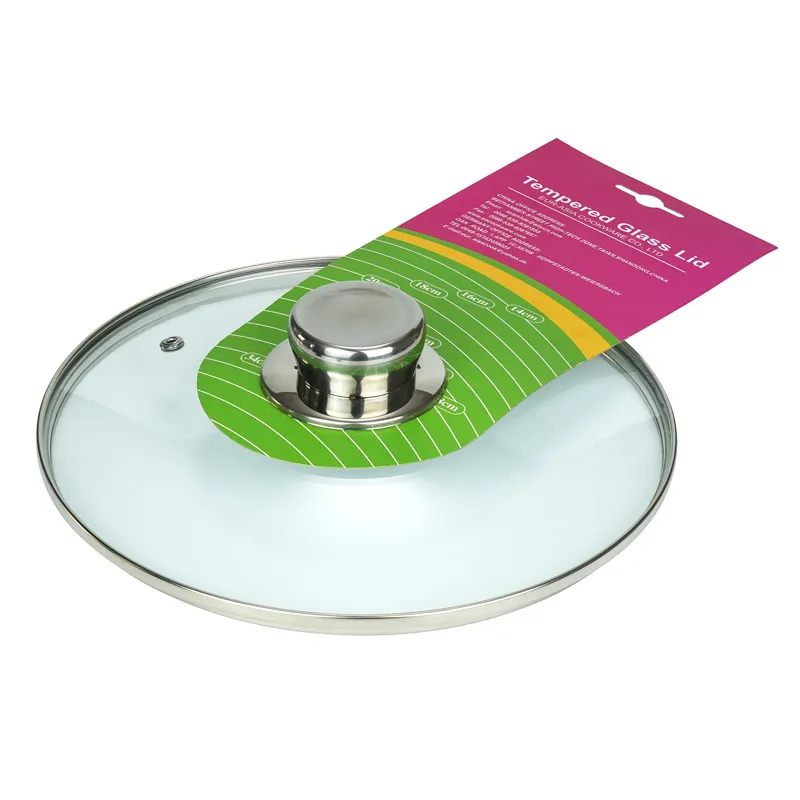
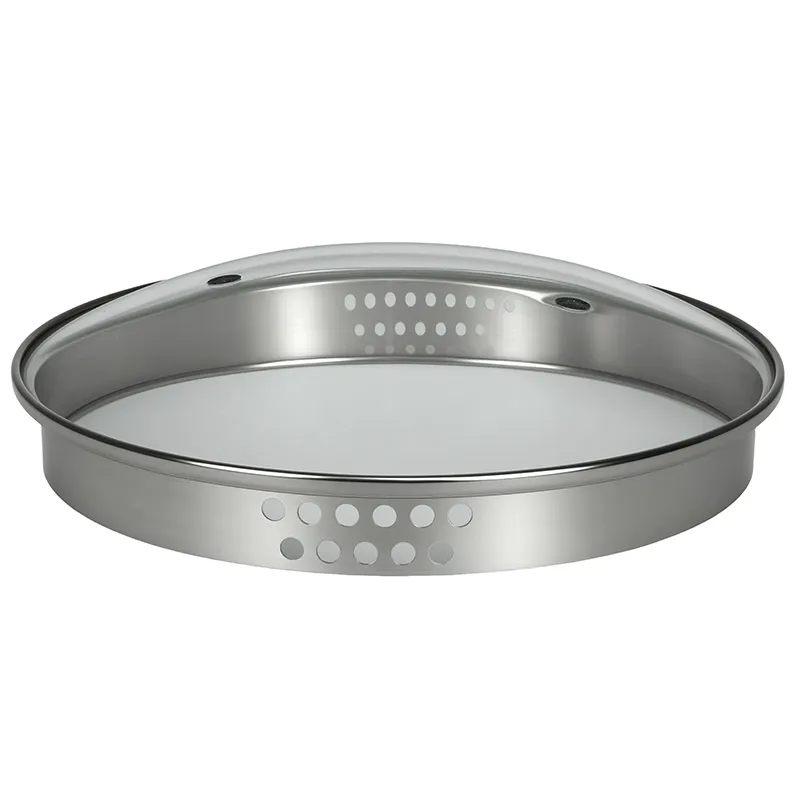
The lid itself is only half the product. The attachment method for the knob or handle is a critical failure point. There are three main types: glued, bolted, or the knob being molded as part of the glass (less common for tempered). Each has trade-offs. Epoxy-glued knobs are cheap but can fail under repeated dishwasher cycles or high heat. Mechanically bolted knobs with a metal stem, nut, and washer are far more durable, but require a precise hole and often a metal or phenolic spacer to prevent stress concentration on the glass.
We once had a batch where the glue used wasn't rated for dishwasher-safe temperatures. After a few cycles, knobs started popping off in transit to retailers. Nightmare. Since then, for any lid destined for Western markets, we insist on the bolted method. It requires more labor from the factory, which they'll push back on, but it's non-negotiable. A supplier's willingness to accommodate this detail is a good litmus test for their seriousness about quality.
Finishing touches matter too. The edge work—whether it's a flat polish, a pencil edge, or a more rounded ovarall edge—affects both safety and perceived quality. A poorly finished edge feels cheap and can be sharp. High-end suppliers will often offer diamond-wheel polishing, which gives a smooth, consistent bevel. It's one of those things you don't notice until it's done badly.
Sourcing Strategy: Building a Relationship, Not Just a Contact
Treating glass lid wholesale as a series of one-off transactions is a path to inconsistency and stress. The goal is to develop a partnership with one or two reliable factories. This doesn't mean you never get quotes from others, but you have a primary source that understands your standards. For a product as fragile and specification-driven as glass lids, having a factory that keeps your tooling (for custom shapes/sizes) on file and knows your packaging requirements is invaluable.
This is why visiting the factory, if possible, is crucial. You need to see their process flow: from glass cutting, to edge grinding, to washing (critical for good tempering), to the tempering furnace itself, to inspection. Do they have automatic optical inspection for checking for inclusions or bubbles? Or is it just a couple of workers glancing at each piece under a light? The difference in defect escape rate is massive.
A company with a sizable production base, like EUR-ASIA COOKWARE with its 20,000㎡ facility, typically has more integrated control over these stages. They're not just assembling purchased components. They're likely producing from raw glass sheets, which gives them better control over yield and quality traceability. When they say they specialize in low-medium-high level products, it means they have the lines and processes to cater to different market segments reliably, not just claim they can.
Market Shifts and Future-Proofing Your Supply
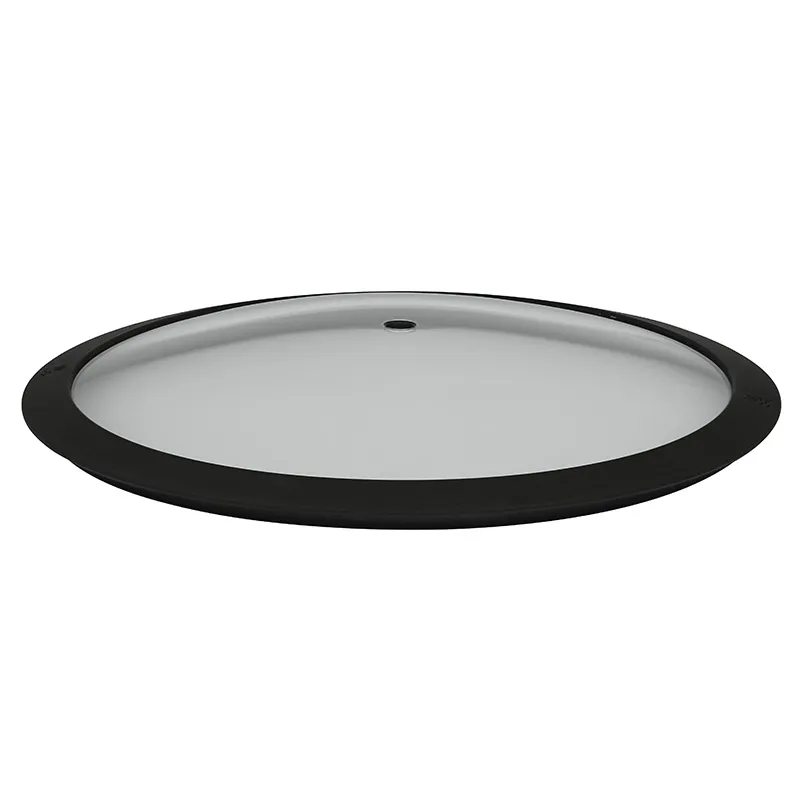
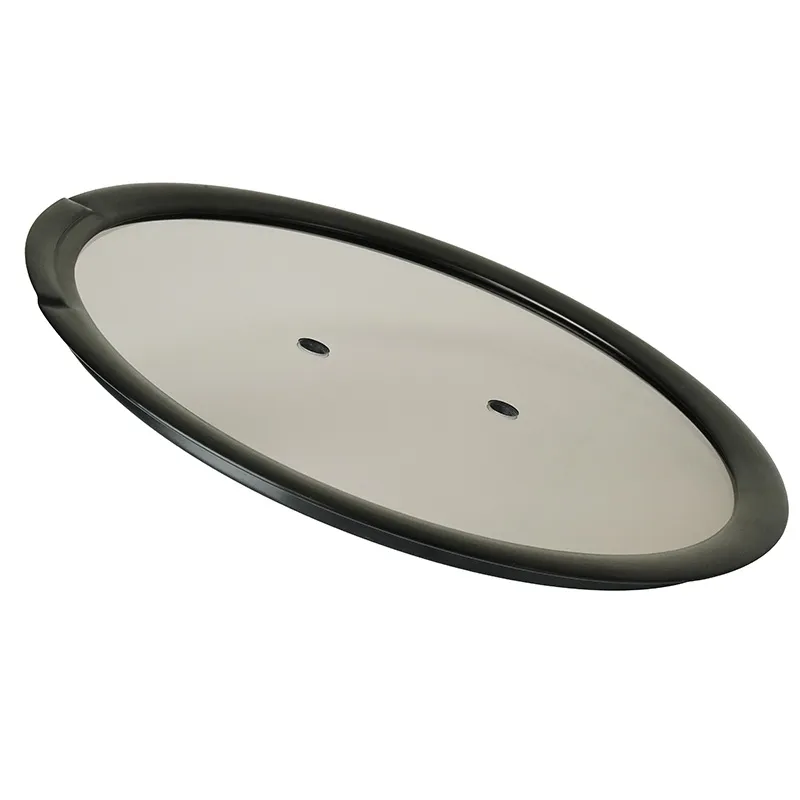
The market isn't static. A few years ago, the demand was mostly for clear, round lids. Now, we're seeing more requests for oval shapes, smoked grey or black tinted glass (which requires different tempering parameters), and even lids with printed measurement markings or silicone gaskets for a better seal. Your wholesale supplier needs to have the R&D and flexibility to adapt.
Another shift is towards more sustainable packaging. Retailers in Europe are starting to penalize excessive plastic use. Can your supplier offer recyclable paper pulp trays instead of PVC? Do they use soy-based inks on their cartons? These are becoming real commercial questions, not just CSR checkboxes.
Finally, always have a contingency. Even with the best partner, things happen—a furnace goes down, a raw material shortage hits. We maintain a smaller-volume relationship with a secondary supplier, often a slightly more expensive one, but one whose tooling and samples are approved. It's an insurance policy. In this business, your supply chain's resilience is just as important as the quality of the glass lid itself. The wholesale game is won by those who look past the per-piece price and manage the hundred hidden variables that turn a fragile piece of glass into a reliable, profitable product on a shelf halfway across the world.
Related Products
Related Products