- Chinese
- French
- German
- Portuguese
- Spanish
- Russian
- Japanese
- Korean
- Arabic
- Irish
- Greek
- Turkish
- Italian
- Danish
- Romanian
- Indonesian
- Czech
- Afrikaans
- Swedish
- Polish
- Basque
- Catalan
- Esperanto
- Hindi
- Lao
- Albanian
- Amharic
- Armenian
- Azerbaijani
- Belarusian
- Bengali
- Bosnian
- Bulgarian
- Cebuano
- Chichewa
- Corsican
- Croatian
- Dutch
- Estonian
- Filipino
- Finnish
- Frisian
- Galician
- Georgian
- Gujarati
- Haitian
- Hausa
- Hawaiian
- Hebrew
- Hmong
- Hungarian
- Icelandic
- Igbo
- Javanese
- Kannada
- Kazakh
- Khmer
- Kurdish
- Kyrgyz
- Latin
- Latvian
- Lithuanian
- Luxembou..
- Macedonian
- Malagasy
- Malay
- Malayalam
- Maltese
- Maori
- Marathi
- Mongolian
- Burmese
- Nepali
- Norwegian
- Pashto
- Persian
- Punjabi
- Serbian
- Sesotho
- Sinhala
- Slovak
- Slovenian
- Somali
- Samoan
- Scots Gaelic
- Shona
- Sindhi
- Sundanese
- Swahili
- Tajik
- Tamil
- Telugu
- Thai
- Ukrainian
- Urdu
- Uzbek
- Vietnamese
- Welsh
- Xhosa
- Yiddish
- Yoruba
- Zulu
- Kinyarwanda
- Tatar
- Oriya
- Turkmen
- Uyghur


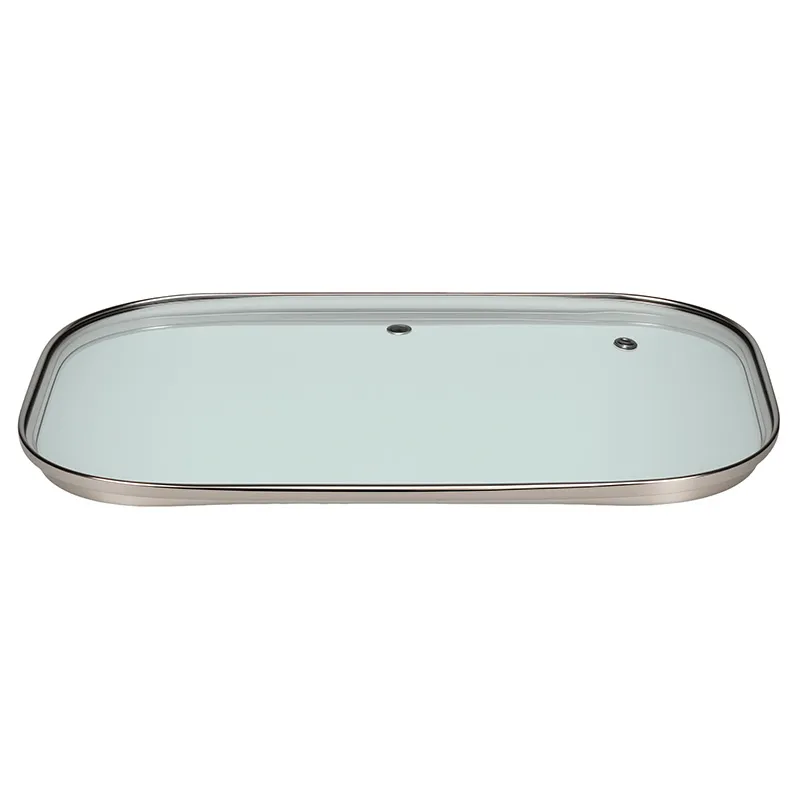
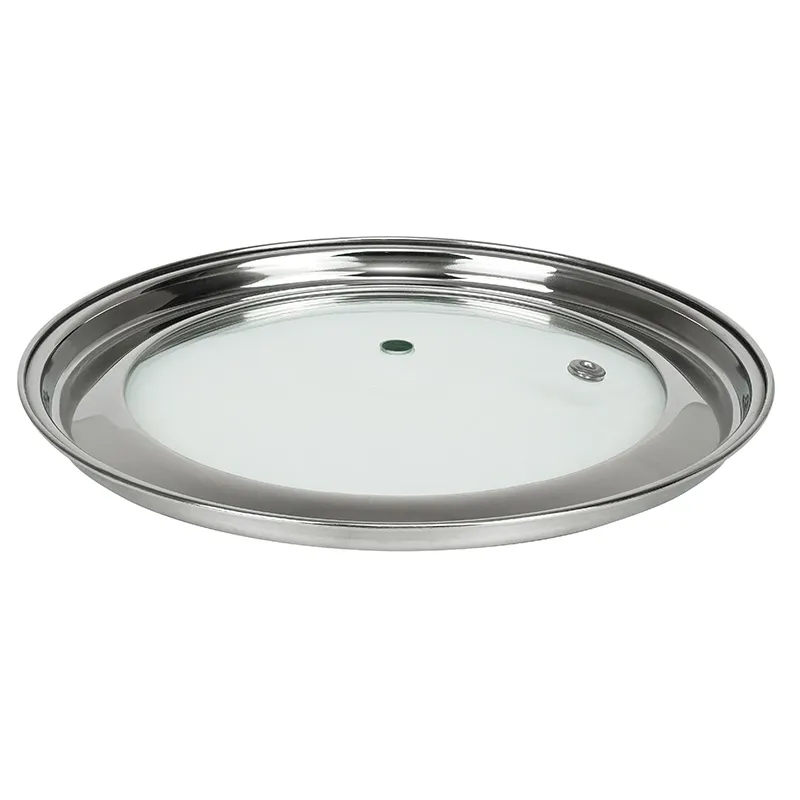
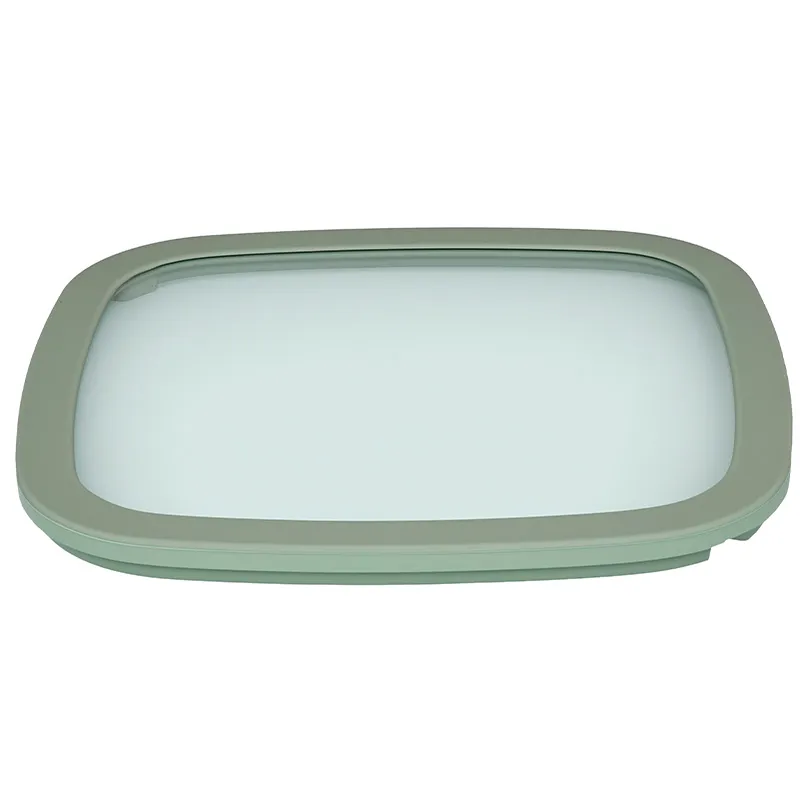
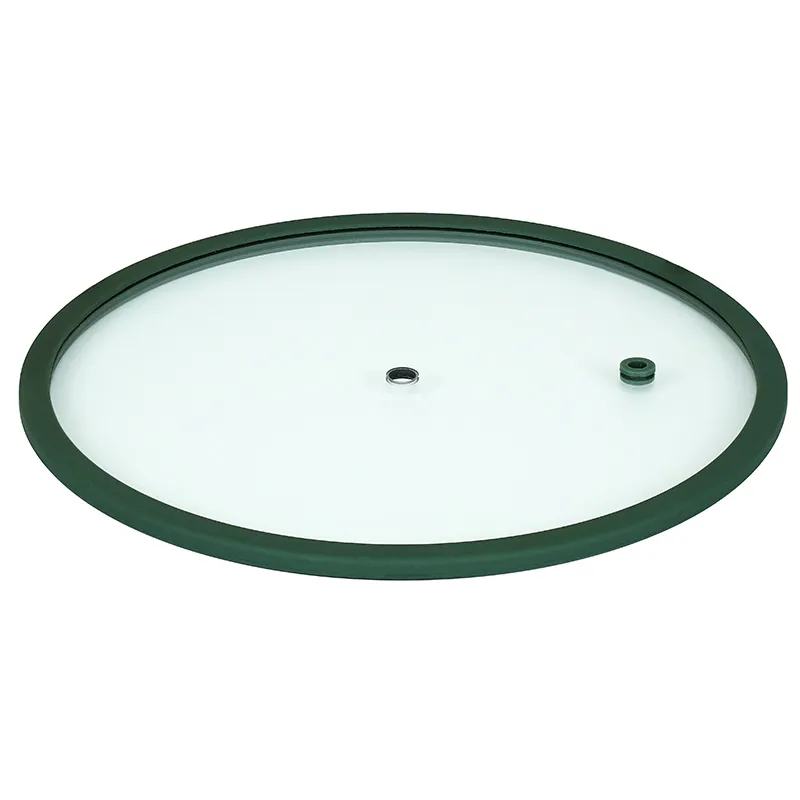
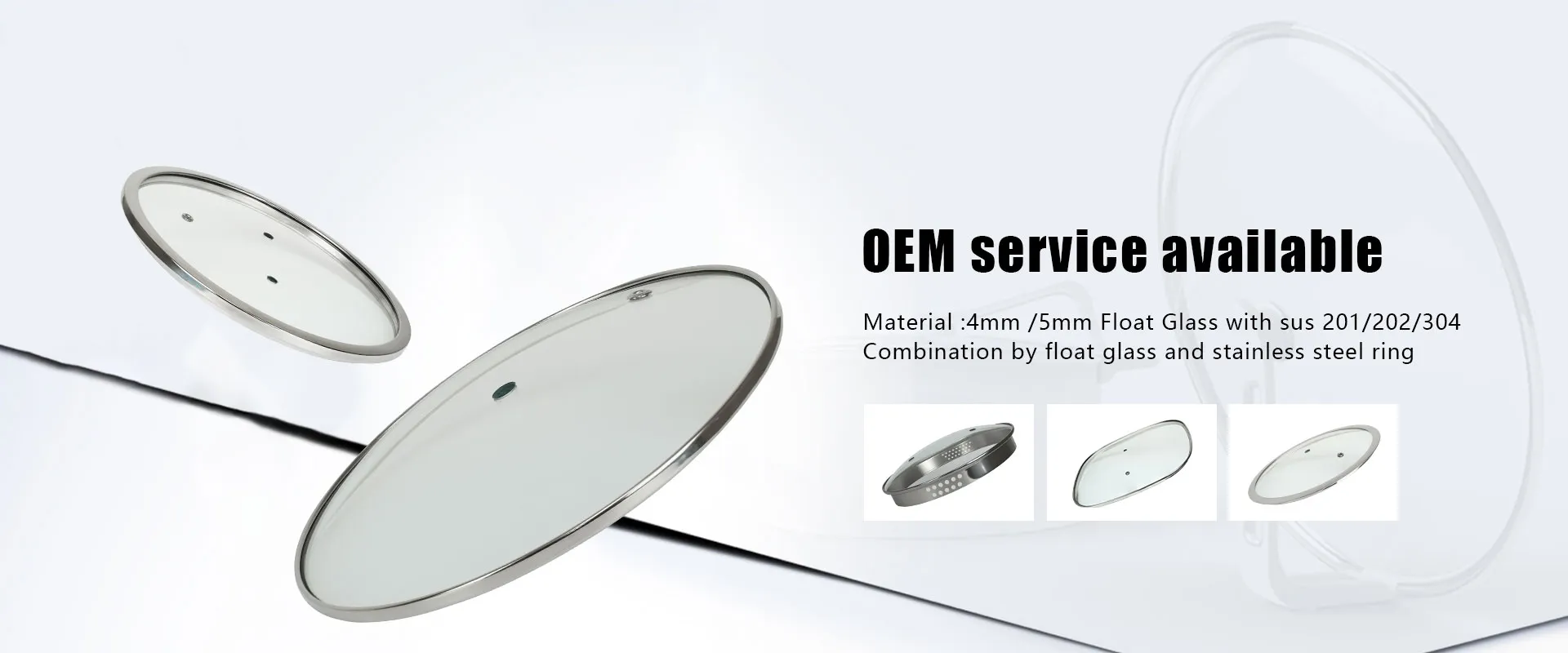
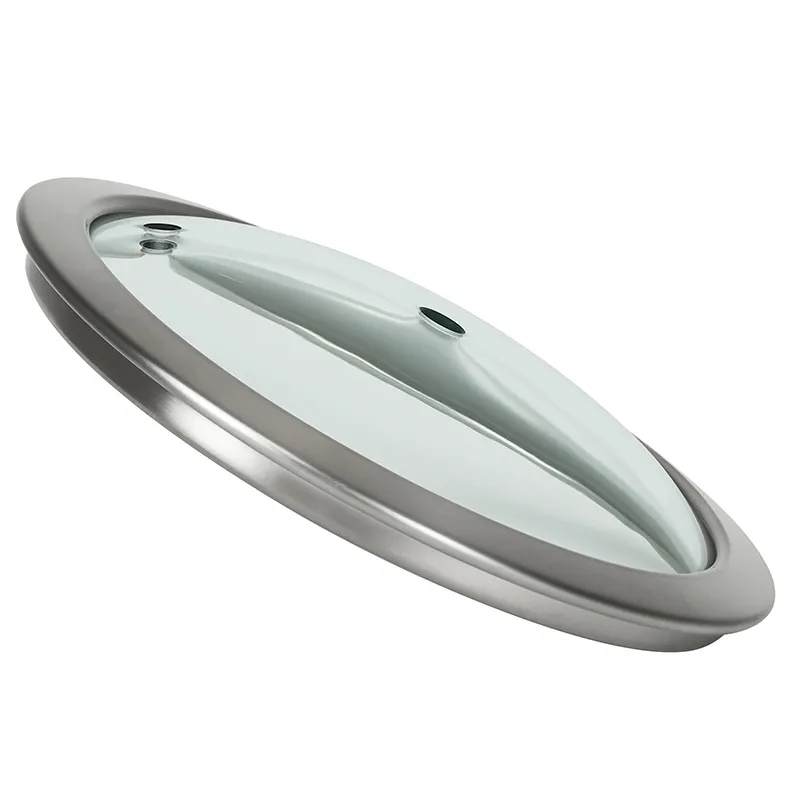
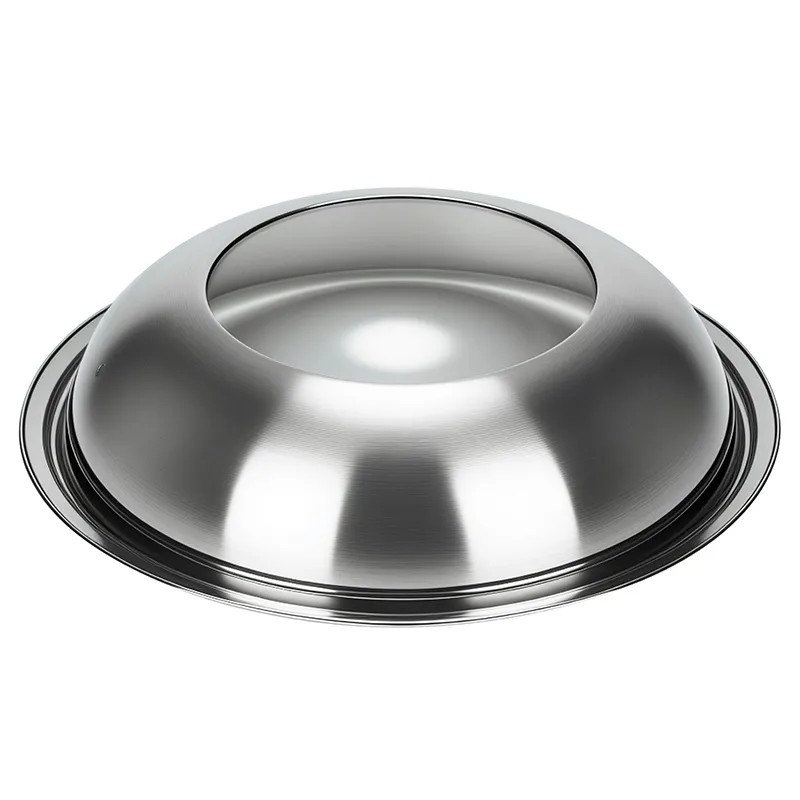
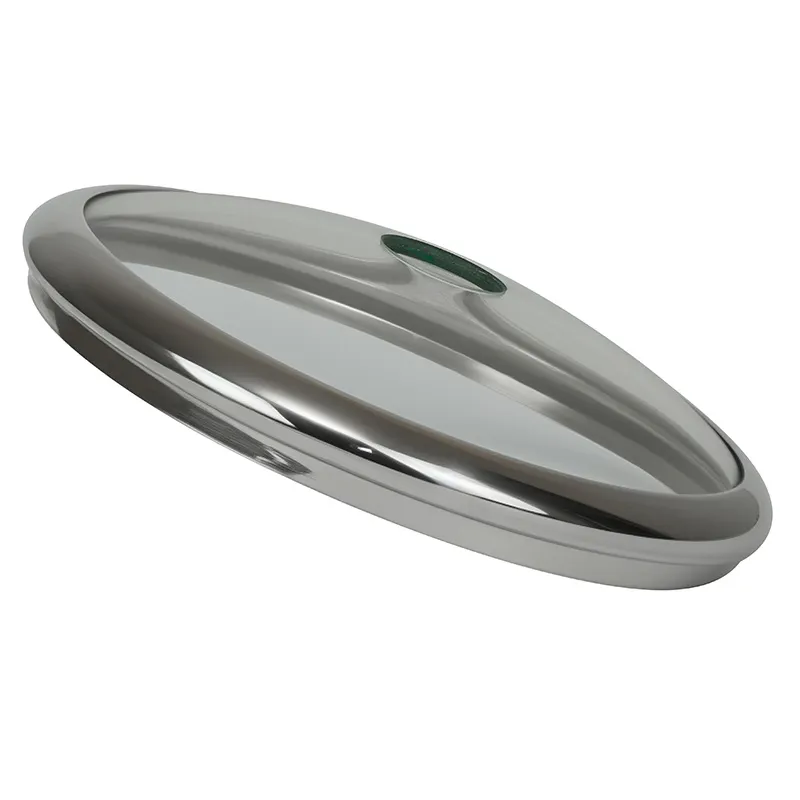
glass lid wholesaler
When you hear 'glass lid wholesaler', most people picture a simple transaction: you order, they ship. The reality is far messier. A lot of importers, especially those new to kitchenware, underestimate the nuance between a generic supplier and a specialist producer. They chase the lowest price per unit without considering the total cost of ownership—things like breakage rates, consistency in tempering, and the logistical headache of mixed containers. I've seen buyers burn relationships by treating all glass as equal. It's not. The difference often lies in the production base and what they're optimized for.
The Foundation: Why a Dedicated Production Base Matters
You can't just set up a glass lid line in any factory. Tempering requires specific, often separate, furnace lines to avoid contamination and ensure even heat distribution. I learned this the hard way early on, partnering with a general glass goods factory. The lids came out with waves and weak points, failing basic thermal shock tests. The issue wasn't the workers, but the environment. The line was also producing tabletops, leading to inconsistent calibration.
This is why a company's physical footprint is the first thing I look at now. Take EUR-ASIA COOKWARE CO.,LTD as an example. Their entire operation, based in Taian's High-tech Development Zone, is dedicated to household glass. A 20,000㎡ site with 15,000㎡ of building space isn't just for show; it allows for a logical production flow—raw glass cutting in one area, edge grinding in another, tempering in a dedicated section, and final inspection and packaging downstream. This vertical integration within one compound reduces handling and internal damage. For a glass lid wholesaler, this translates to fewer claims. You're not just buying a product; you're buying the efficiency and control of that process.
The employee count—over 90—also tells a story. It suggests a focus on skilled labor for processes like manual inspection, which machines still can't fully replicate for optical clarity and minor edge defects. An automated line with 20 people might output more, but the defect rate on clear glass products can be a silent killer for your margins.
Volume and Specialization: The Output Tells the Truth
An annual output of over 15 million tempered glass lids is a serious number. It immediately signals two things: scale and focus. This isn't a factory dabbling in lids among a hundred other products. That volume means their furnaces and grinding wheels are tuned specifically for the curvature and thickness profiles common in cookware lids. This specialization results in a more consistent product batch after batch.
I recall a time we had to switch suppliers mid-season due to a factory fire. Our backup supplier had a much smaller lid output. The first shipment had fit issues—the lids were technically the right diameter, but the curvature was slightly off, causing them to rock on pots. The problem? Their machinery was mostly set up for flat glass panels, and the lid production was a side operation. The high-volume specialist, like EUR-ASIA, avoids this because their tooling and jigs are worn in for this specific product category. Their website, https://www.glass-lid.com, reflects this focus, which is a good initial filter.
This scale also impacts your MOQs and flexibility. A 15-million-piece factory can handle a 50,000-piece order for a specific diameter and knob style without it disrupting their entire line. For a glass lid wholesaler building a diverse catalog, this ability to accommodate smaller custom runs within a large-scale operation is invaluable.
The Export Reality: Compliance and Implicit Validation
The claim of exporting over 90% of products to markets like Germany, France, Japan, and Brazil is more than a sales pitch. It's a de facto quality and compliance audit. The German LFGB and French DGCCRF standards for glass in contact with food are stringent. The fact that a significant volume goes there suggests the factory has robust material traceability and testing protocols in place. You don't just stumble into the German retail market.
This was a lesson from a failed attempt to source cheaper for the South American market. We assumed compliance would be simpler. However, even Brazil has its own set of INMETRO regulations. The factory we chose had no export experience there, and we got stuck with a container at port, paying for testing and retroactive certification. Now, a factory's export portfolio is a shortcut for me. If they're consistently serving regulated markets, as EUR-ASIA's profile indicates with its list of destination countries, it dramatically de-risks the sourcing process for a glass lid wholesaler targeting similar regions.
It also speaks to logistical experience. Shipping glass to Switzerland (landlocked, strict handling) versus Brazil (high humidity, longer sea transit) requires different packaging and documentation know-how. A factory that does both regularly has already ironed out those kinks.
Beyond the Lid: The Value of a Holistic Kitchen Focus
EUR-ASIA's description mentions other kitchen accessories and other glass products. This is interesting. A pure-play glass lid wholesaler might see this as dilution. I see it as an opportunity for bundling. Often, retailers and brands want to source complementary items—like glass measuring cups, baking dishes, or butter domes—to create a cohesive kitchen line. Sourcing these from multiple specialized factories increases complexity and shipping costs.
Having a supplier that can provide a range of tempered glass kitchenware, even if you start with lids, builds efficiency. The quality profile, packaging style, and compliance will be consistent. It simplifies your supply chain. I've moved from being a lid-only buyer to discussing bundled shipments of lids and glass bowls with such factories. The negotiation leverage and logistical simplicity are far greater.
However, the caution here is to verify their core competence. Is the lid their flagship, with other items as secondary? The production volume suggests lids are the core, which is good. You want the ancillary products to be made on adjacent lines with the same material and tempering standards, not outsourced and rebranded.
Practical Sourcing: Moving Past the Website
A professional website like glass-lid.com is a good sign, but it's just the entry point. The real work begins after. For a serious glass lid wholesaler, the next steps are non-negotiable. First, request a detailed catalog with technical drawings—not just photos. You need exact dimensions, thickness, tolerance levels for diameter, and a list of standard knob options. The knob is a failure point many ignore; you need to know if they mold their own or source them, and the heat resistance of the material.
Second, insist on receiving physical samples from their standard range, not hand-picked perfect ones. Pay for them, and put them through your own tests. Thermal shock (from fridge to oven), dishwasher cycle tests, and simple fit checks on various pot brands you carry. We once approved a sample that was perfect, but the production run had a different, cheaper silicone gasket that discolored after five washes. The spec sheet didn't specify gasket material.
Finally, discuss packaging in granular detail. How are they packed inner/outer? What's the carton compression strength? For a factory exporting globally, they should have a standard, proven pack that minimizes breakage. Ask for their typical breakage rate upon destination port arrival. A reputable one will have this data. This phase separates marketing from operational reality, turning a potential supplier like EUR-ASIA from a profile into a verified partner.
Related Products
Related Products