- Chinese
- French
- German
- Portuguese
- Spanish
- Russian
- Japanese
- Korean
- Arabic
- Irish
- Greek
- Turkish
- Italian
- Danish
- Romanian
- Indonesian
- Czech
- Afrikaans
- Swedish
- Polish
- Basque
- Catalan
- Esperanto
- Hindi
- Lao
- Albanian
- Amharic
- Armenian
- Azerbaijani
- Belarusian
- Bengali
- Bosnian
- Bulgarian
- Cebuano
- Chichewa
- Corsican
- Croatian
- Dutch
- Estonian
- Filipino
- Finnish
- Frisian
- Galician
- Georgian
- Gujarati
- Haitian
- Hausa
- Hawaiian
- Hebrew
- Hmong
- Hungarian
- Icelandic
- Igbo
- Javanese
- Kannada
- Kazakh
- Khmer
- Kurdish
- Kyrgyz
- Latin
- Latvian
- Lithuanian
- Luxembou..
- Macedonian
- Malagasy
- Malay
- Malayalam
- Maltese
- Maori
- Marathi
- Mongolian
- Burmese
- Nepali
- Norwegian
- Pashto
- Persian
- Punjabi
- Serbian
- Sesotho
- Sinhala
- Slovak
- Slovenian
- Somali
- Samoan
- Scots Gaelic
- Shona
- Sindhi
- Sundanese
- Swahili
- Tajik
- Tamil
- Telugu
- Thai
- Ukrainian
- Urdu
- Uzbek
- Vietnamese
- Welsh
- Xhosa
- Yiddish
- Yoruba
- Zulu
- Kinyarwanda
- Tatar
- Oriya
- Turkmen
- Uyghur


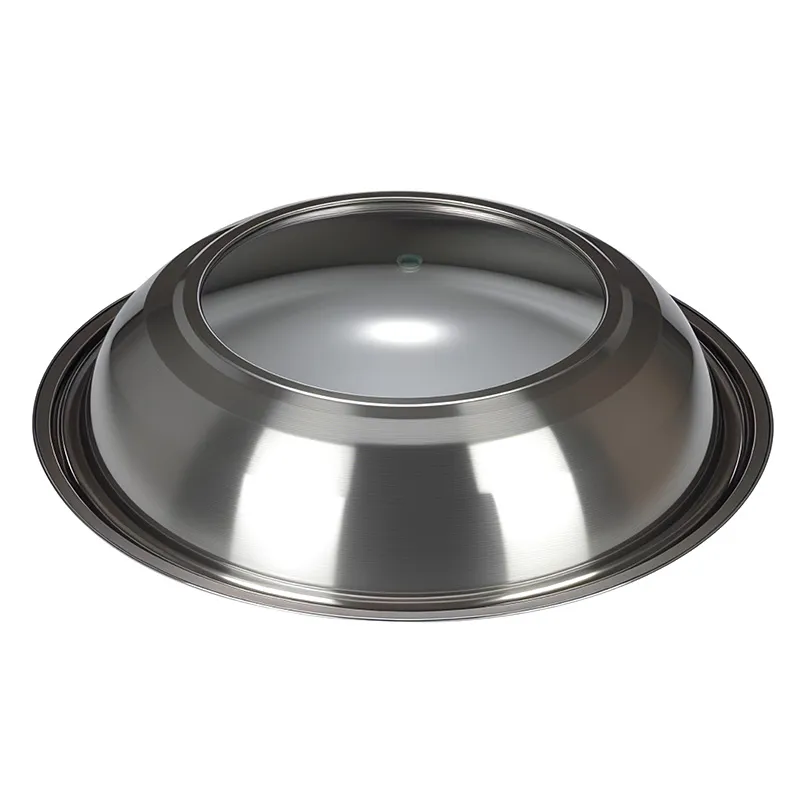
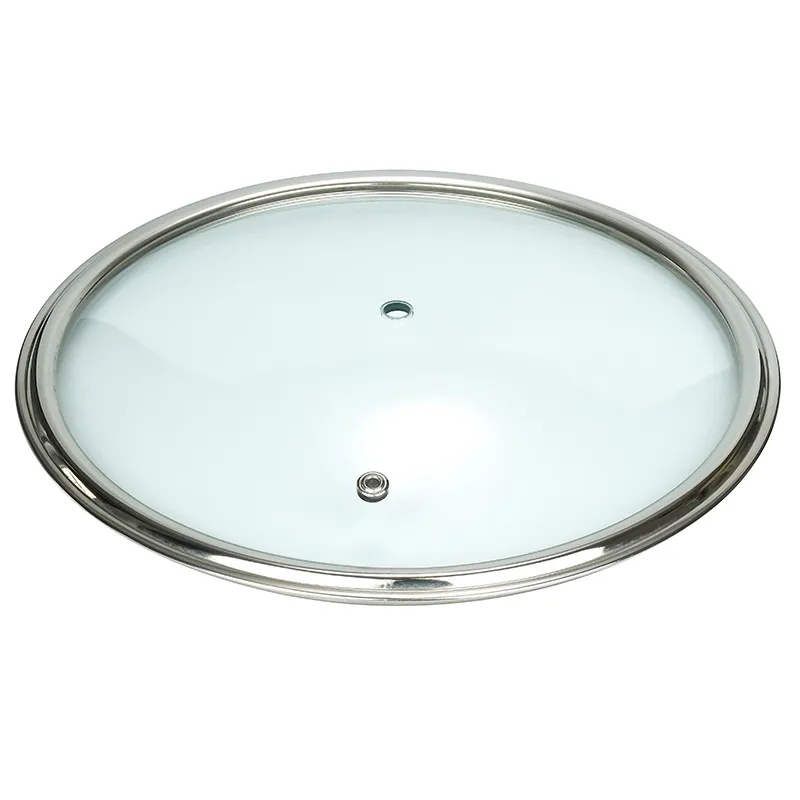
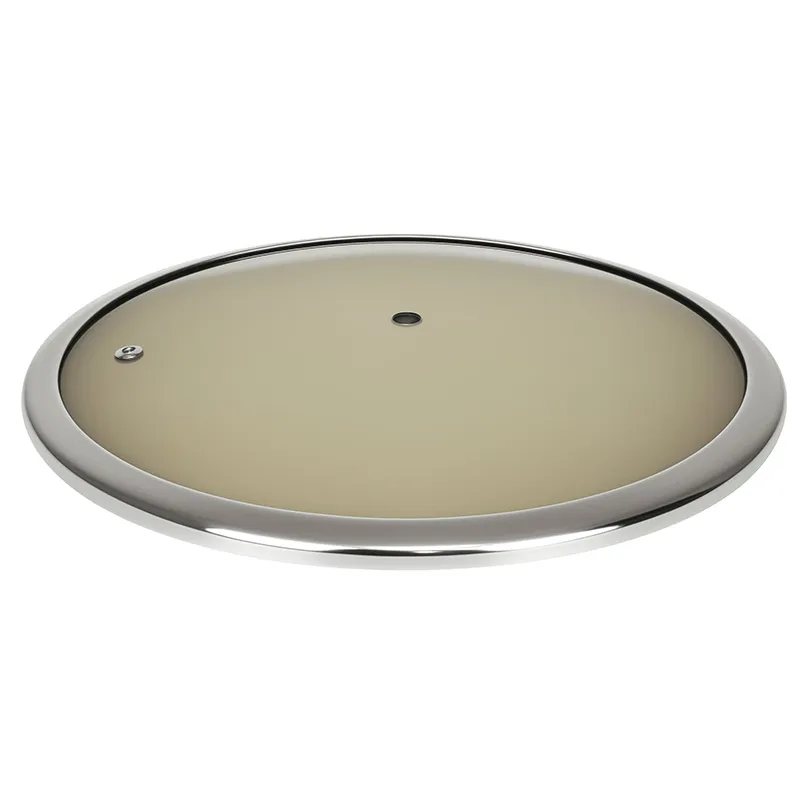
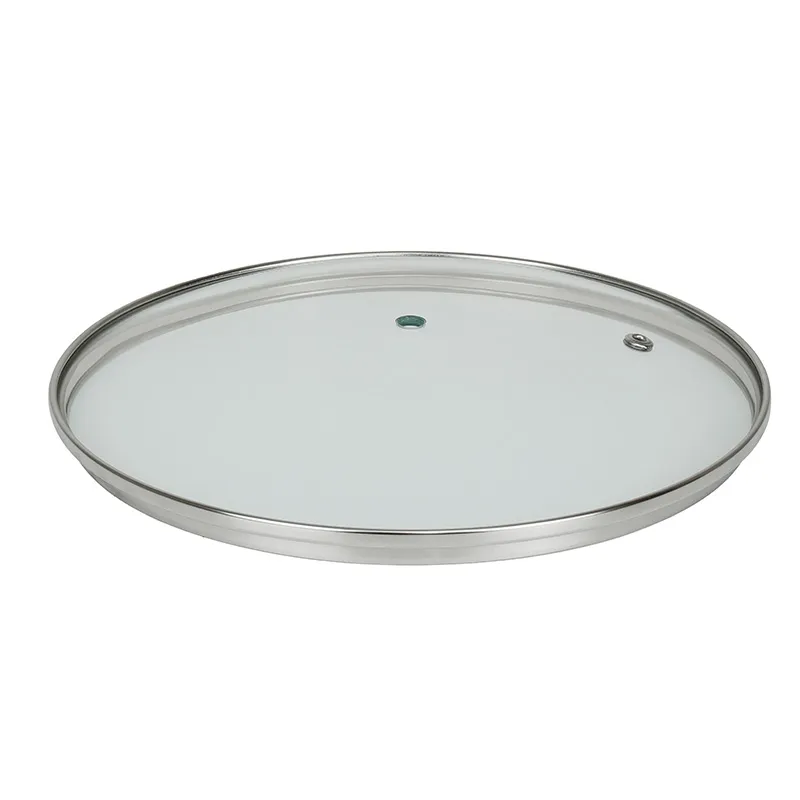
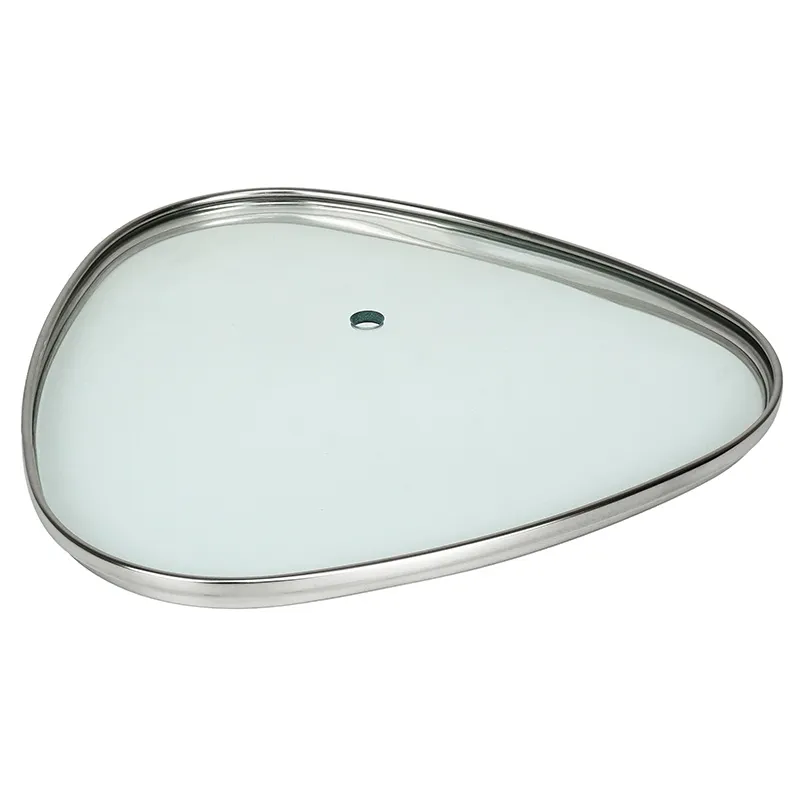
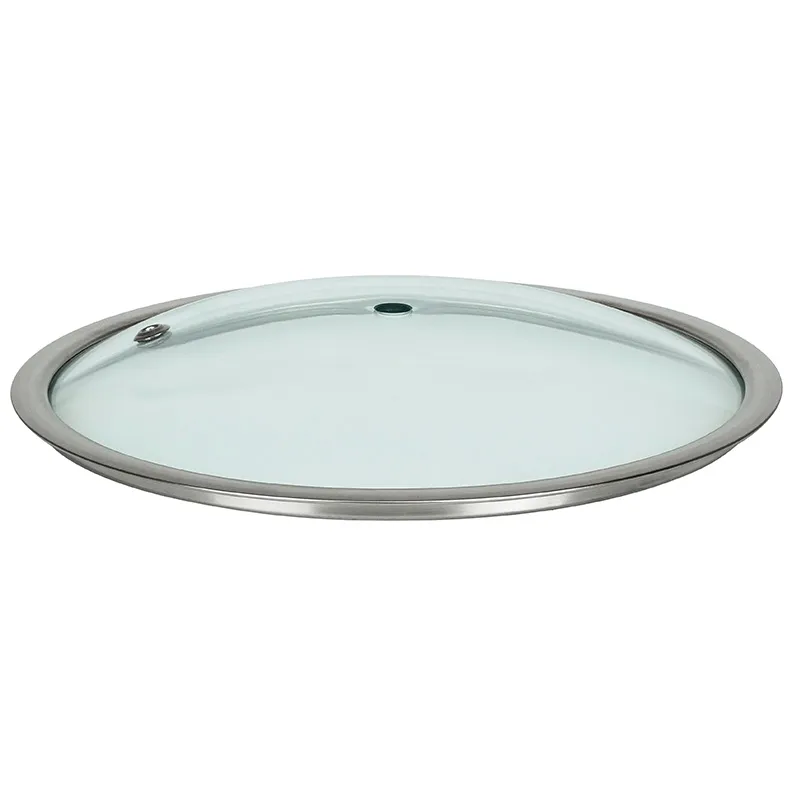
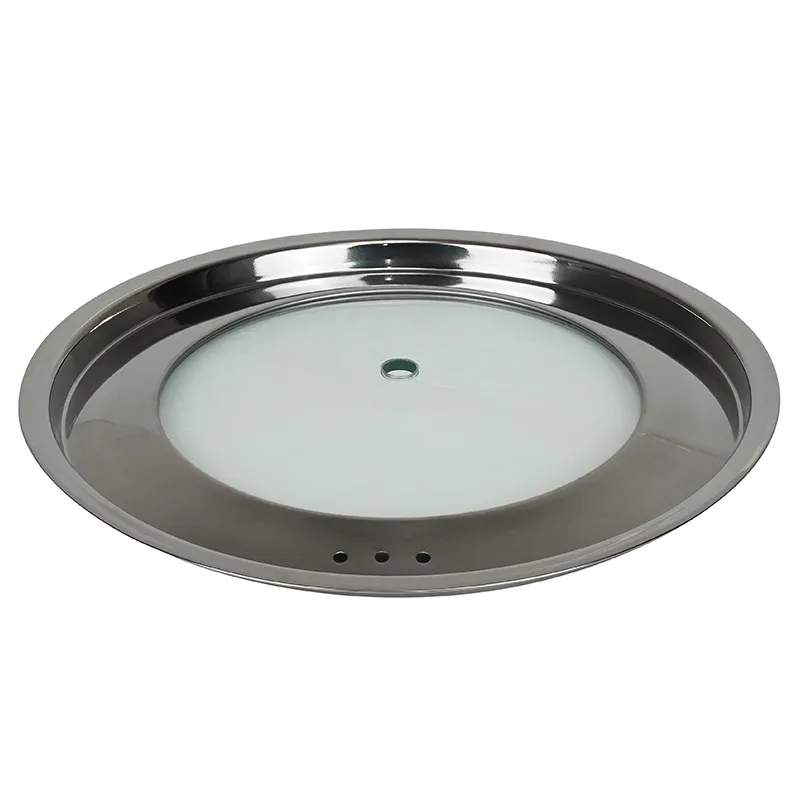
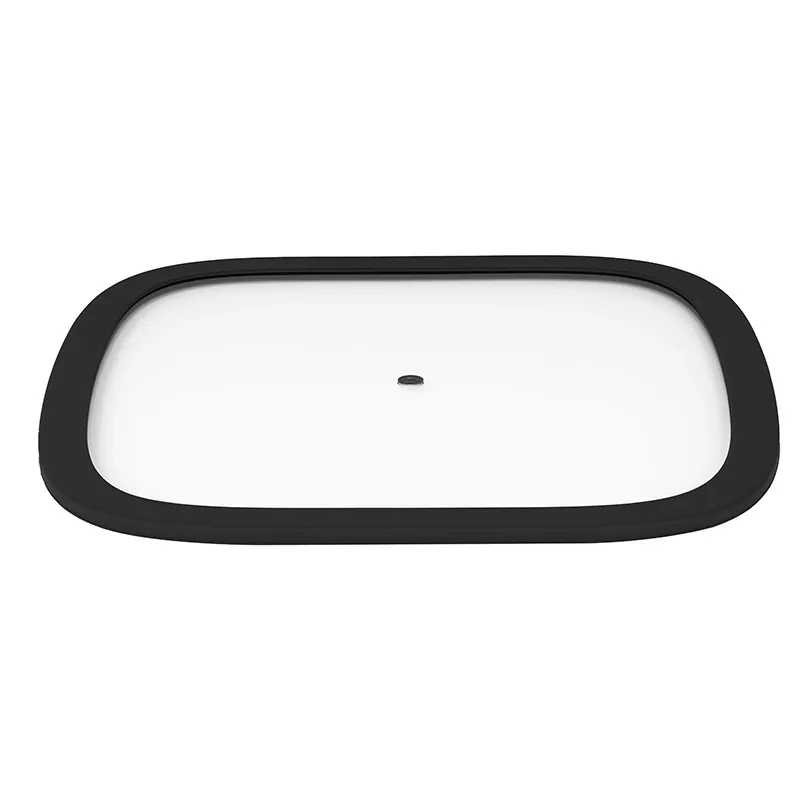
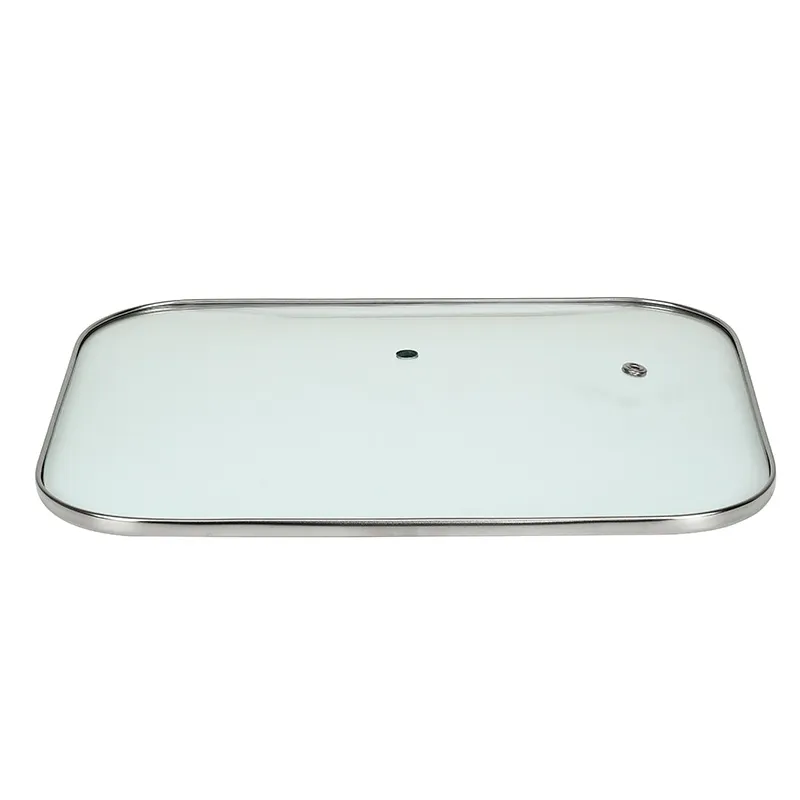
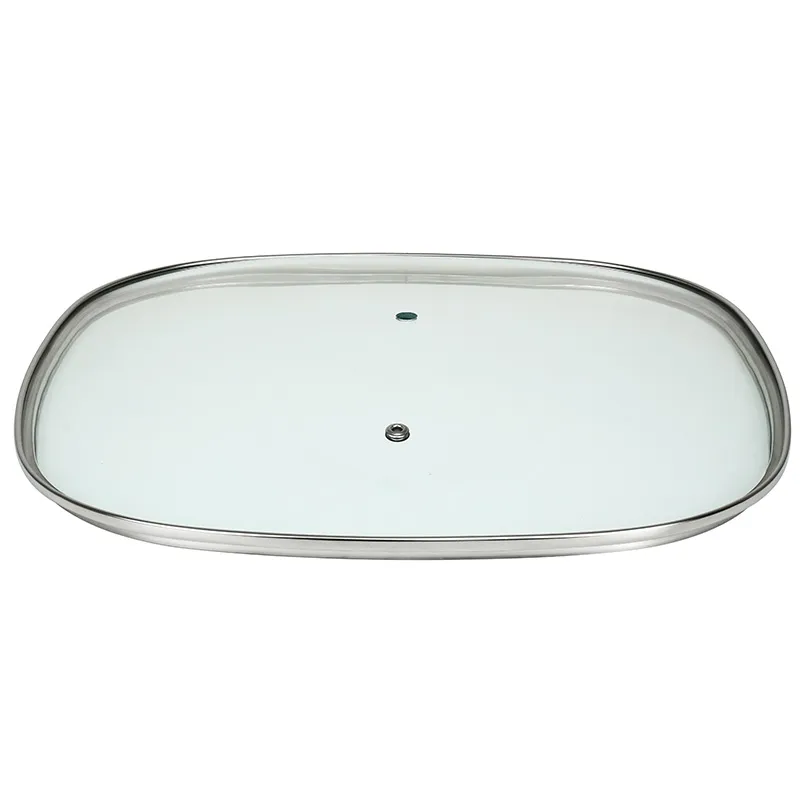
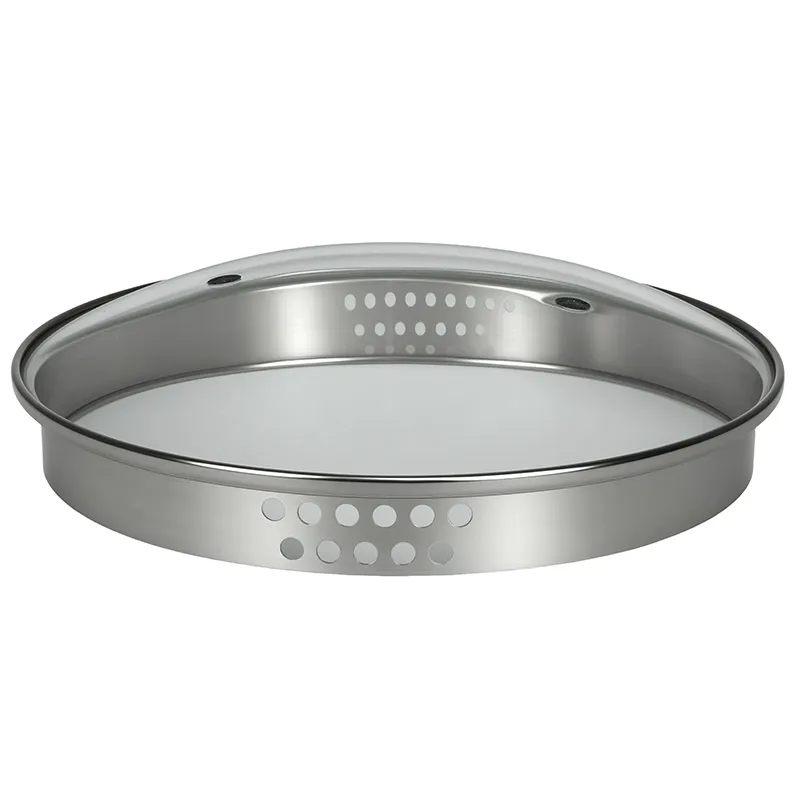
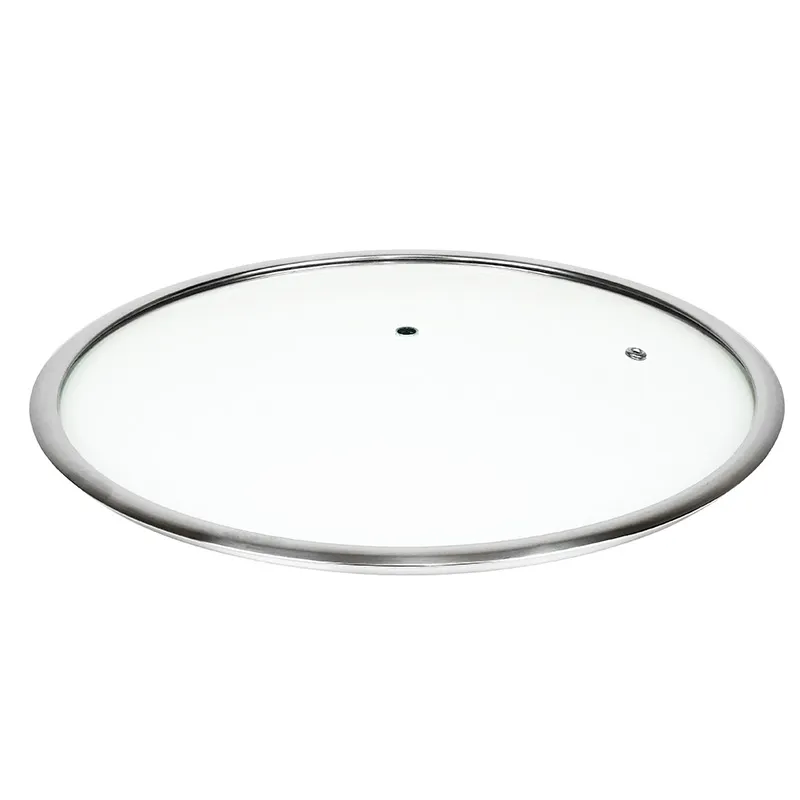
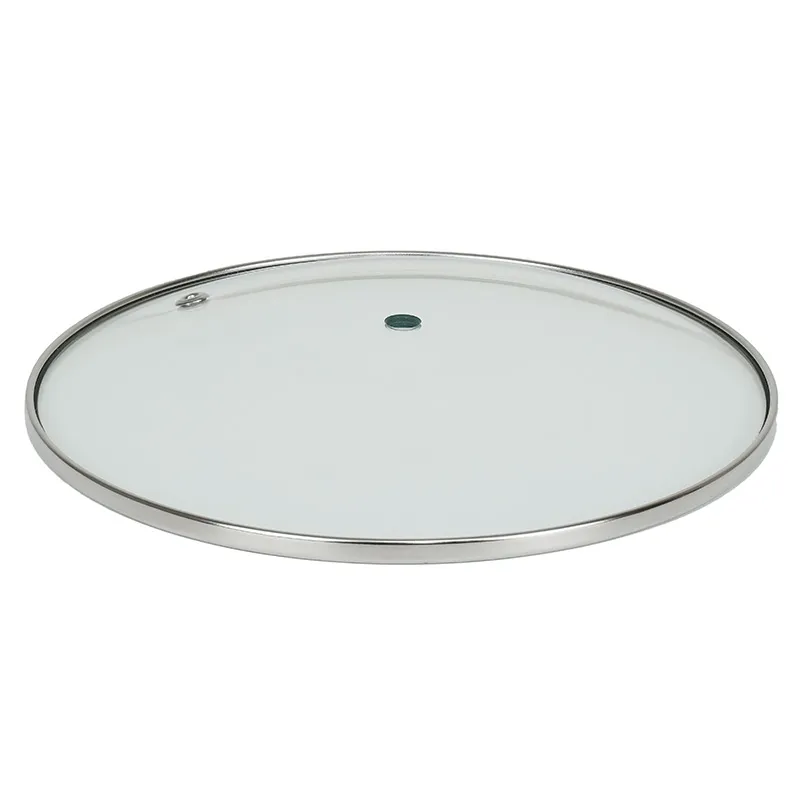
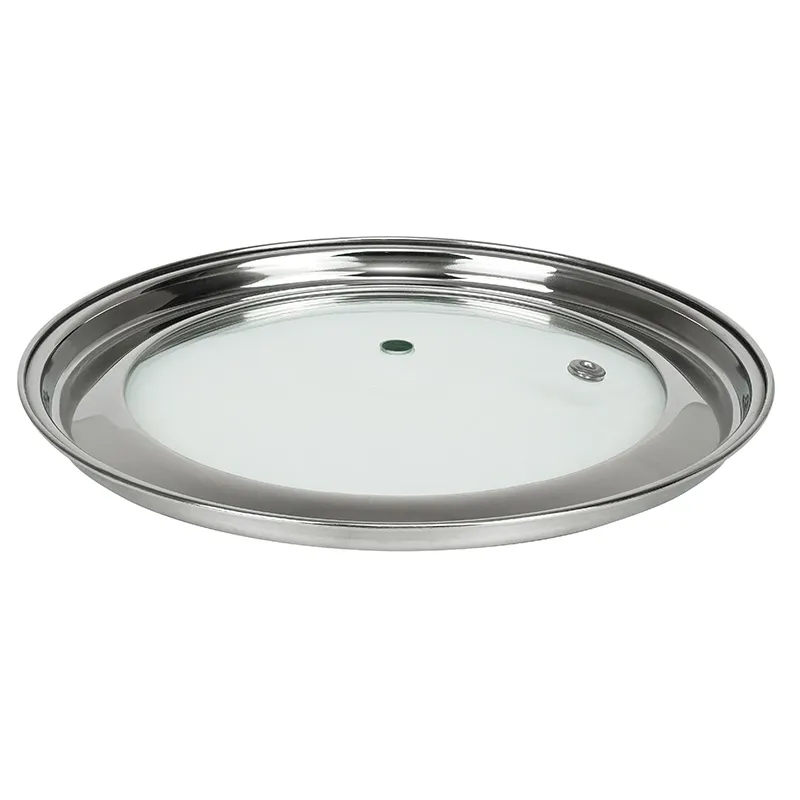
glass lid with knob
When most people think about a glass lid with knob, they picture a simple, functional piece—something to contain steam or allow a peek at the simmering stew. That's the common misconception, really. In the cookware trade, especially when you're dealing with high-volume export for European markets, it's one of the most deceptively complex components to get right. The knob isn't just a handle; it's the primary user interface, the point of failure, and often the detail that decides whether a batch passes QC or gets sent back from a distributor in Germany. I've seen containers held up over knobs that were a millimeter too tall or used a silicone gasket that off-gassed at high temperatures. It's never just glass and a bit of plastic.
Material Science Isn't Optional
Let's start with the glass itself. Tempered, obviously. But the grade and the tempering process dictate everything. A cheap lid might use thinner glass or a rushed quenching process, leading to spontaneous breakage under thermal shock—imagine a lid shattering because someone moved a hot pot to a cold granite countertop. For a company like EUR-ASIA COOKWARE CO.,LTD., whose production base in Shandong pumps out over 15 million pieces a year, the consistency of that raw glass supply is critical. They're not sourcing from a dozen small factories; they need a reliable flow of specific, high-borate glass that can handle the rapid temperature swings of modern induction cooktops.
The knob attachment is a separate headache. You can't just glue it on. The industry standard is a stainless steel or high-temperature nylon bolt that passes through a pre-drilled hole in the glass, secured with a nut and a high-temp silicone or EPDM rubber washer on the underside. The trick is the thermal expansion coefficients. The glass, the metal bolt, and the plastic or phenolic knob itself all expand at different rates. If you don't account for that, you get stress fractures around the hole, or the knob becomes loose after a few dishwasher cycles. I recall a shipment to Poland where the client complained of wobbly knobs after the first use. The issue? The washer material wasn't rated for the aggressive detergents used there, it degraded, and the bolt lost tension.
This is where the medium- to high-level specification in EUR-ASIA's portfolio matters. A low-level lid might use a simple, press-fit plastic knob that's prone to melting or cracking. Their focus on export markets like Germany and Switzerland forces a higher standard. Those buyers will specify the exact type of phenolic resin for the knob (Bakelite derivatives are common for their heat resistance) and require full material certifications. It's not just about looks; it's about documented safety.
The Knob as a Design and Ergonomic Element
Beyond pure function, the knob defines the lid's character and usability. A poorly designed knob is a burn hazard—too small, too close to the hot surface, or made of metal that conducts heat directly. The best ones have a broad, slightly concave top for a secure grip with a wet or oven-mitted hand, and they use an air gap or a thermal break layer between the metal fixing bolt and the outer grip surface.
We experimented with all sorts of shapes in the past: classic dome, fluted, wing-shaped. The market feedback was clear. Southern European markets like Italy and Spain often prefer larger, more pronounced knobs that feel substantial. Nordic markets, think Denmark, lean toward minimalist, low-profile designs in neutral colors. The glass lid with knob for a Brazilian casserole dish might be brightly colored, while the one destined for Japan is likely sleek, small, and designed to stack neatly in compact kitchens.
This is a subtle point, but the sound and feel matter too. A high-quality knob should have a slight, damped flex when you twist it (indicating a good rubber washer) and should not produce a sharp click or squeak against the glass. If it does, it signals poor tolerances or inadequate lubrication on the bolt thread. It's these tactile details that buyers from France or South Korea will notice immediately during a factory audit or sample review.
Logistics and the Reality of High-Volume Production
With an annual output in the tens of millions, the challenges shift from prototyping to relentless consistency. On a visit to a factory with a scale similar to EUR-ASIA's operation, the logistics are staggering. The knobs themselves are often sourced from a dedicated molding partner. A single production run for a popular lid model might require 500,000 identical knobs. If the color batch from the pigment supplier is even slightly off, you end up with a mismatch across a production week, leading to massive sorting headaches or rejected lots.
Packaging is another unsung hero. A glass lid with knob is an awkward shape to ship safely. They can't be stacked flat without risking pressure on the knobs. The typical solution is individual cardboard cradles, then stacked vertically in master cartons. The cost of that packaging, and its dimensional footprint in a shipping container, eats directly into margin. I've seen projects fail because the beautiful, sturdy lid design resulted in a 40% increase in shipping volume, making the product uncompetitive. Companies that survive in this space, like EUR-ASIA which exports over 90% of its products, have optimized this dance between protection, cost, and density down to a science.
Failure analysis is a constant process. A broken lid returned from Turkey isn't just a loss; it's a data point. Was the break radial, from a central impact (like being dropped on the knob)? Or was it a concentric crack, indicating thermal shock? The former might suggest a need to reinforce the knob assembly's shock absorption, the latter a flaw in the glass tempering oven's temperature curve. This feedback loop directly informs the production specs on their 15,000㎡ factory floor.
Where the Market is Heading
The trend isn't toward simpler lids; it's toward more integrated functionality. We're seeing more lids designed with built-in steam vents that can be opened or closed via a twist of the knob itself—a clever bit of engineering that adds value but multiplies complexity. The knob becomes a dual-component assembly with a moving part.
Another shift is the demand for oven-safe ratings. It's not enough for the glass to be tempered; the entire assembly, especially the knob, must withstand sustained temperatures of 220°C or higher. This eliminates many common plastics and pushes manufacturers toward more expensive engineered thermosets or metals with insulated sleeves. For a supplier serving brands in Germany and Italy, this is now table stakes. The product pages on a site like glass-lid.com have to communicate these specs clearly to professional buyers who know exactly what to look for.
Finally, sustainability pressure is creeping in. Can the knob be made from recycled material? Is the lid-and-knob assembly easily separable for recycling at end-of-life? These aren't major concerns for all markets yet, but forward-looking producers are already running trials. It's no longer just about making a part that doesn't fail; it's about anticipating the next set of requirements from a global, and increasingly discerning, supply chain.
The Unseen Test: Daily Use and Longevity
All the factory specs mean nothing if the lid doesn't survive a home kitchen. The real test is the dishwasher. The combination of aggressive detergent, high-pressure spray, and the thermal cycle of drying is brutal. It tests the chemical resistance of the knob's plastic, the integrity of the seal between the knob base and the glass, and the corrosion resistance of the stainless steel bolt. A common failure mode is clouding around the knob base where micro-leaks allow detergent to seep in and etch the glass.
Then there's the stove-top reality. On a gas flame, the lid doesn't heat evenly. The center, right above the flame where the knob is, can get significantly hotter than the edges. This uneven thermal load is what causes delamination if the knob's adhesive was used (a bad method), or stress if the through-bolt assembly is too rigid. A well-designed lid accounts for this by having a knob assembly that allows for a small amount of independent movement.
Looking at the portfolio of a specialized manufacturer, you can infer their expertise from these details. The fact that EUR-ASIA COOKWARE CO.,LTD. lists exports to Switzerland, Japan, and Brazil—markets with wildly different culinary habits and safety standards—tells you they've likely solved these universal problems. Their product isn't just a commodity; it's a component engineered to pass a silent, grueling test of daily abuse across continents. The glass lid with knob that ends up in a Berlin apartment or a Seoul kitchen is, in its quiet way, a piece of highly refined industrial design. And most users will never give it a second thought—which, in this business, is the ultimate sign of success.
Related Products
Related Products