- Chinese
- French
- German
- Portuguese
- Spanish
- Russian
- Japanese
- Korean
- Arabic
- Irish
- Greek
- Turkish
- Italian
- Danish
- Romanian
- Indonesian
- Czech
- Afrikaans
- Swedish
- Polish
- Basque
- Catalan
- Esperanto
- Hindi
- Lao
- Albanian
- Amharic
- Armenian
- Azerbaijani
- Belarusian
- Bengali
- Bosnian
- Bulgarian
- Cebuano
- Chichewa
- Corsican
- Croatian
- Dutch
- Estonian
- Filipino
- Finnish
- Frisian
- Galician
- Georgian
- Gujarati
- Haitian
- Hausa
- Hawaiian
- Hebrew
- Hmong
- Hungarian
- Icelandic
- Igbo
- Javanese
- Kannada
- Kazakh
- Khmer
- Kurdish
- Kyrgyz
- Latin
- Latvian
- Lithuanian
- Luxembou..
- Macedonian
- Malagasy
- Malay
- Malayalam
- Maltese
- Maori
- Marathi
- Mongolian
- Burmese
- Nepali
- Norwegian
- Pashto
- Persian
- Punjabi
- Serbian
- Sesotho
- Sinhala
- Slovak
- Slovenian
- Somali
- Samoan
- Scots Gaelic
- Shona
- Sindhi
- Sundanese
- Swahili
- Tajik
- Tamil
- Telugu
- Thai
- Ukrainian
- Urdu
- Uzbek
- Vietnamese
- Welsh
- Xhosa
- Yiddish
- Yoruba
- Zulu
- Kinyarwanda
- Tatar
- Oriya
- Turkmen
- Uyghur

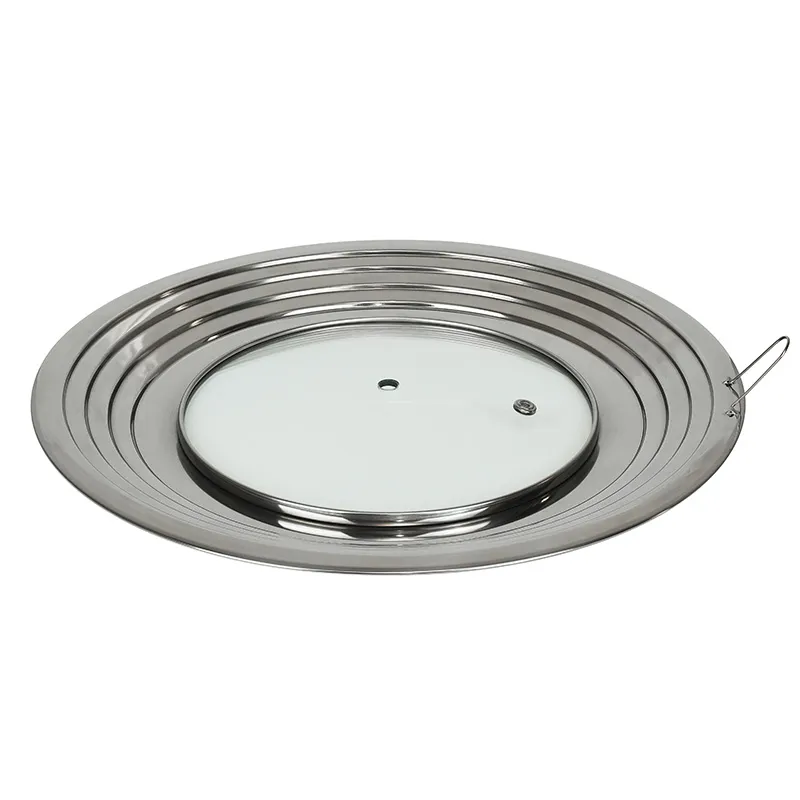
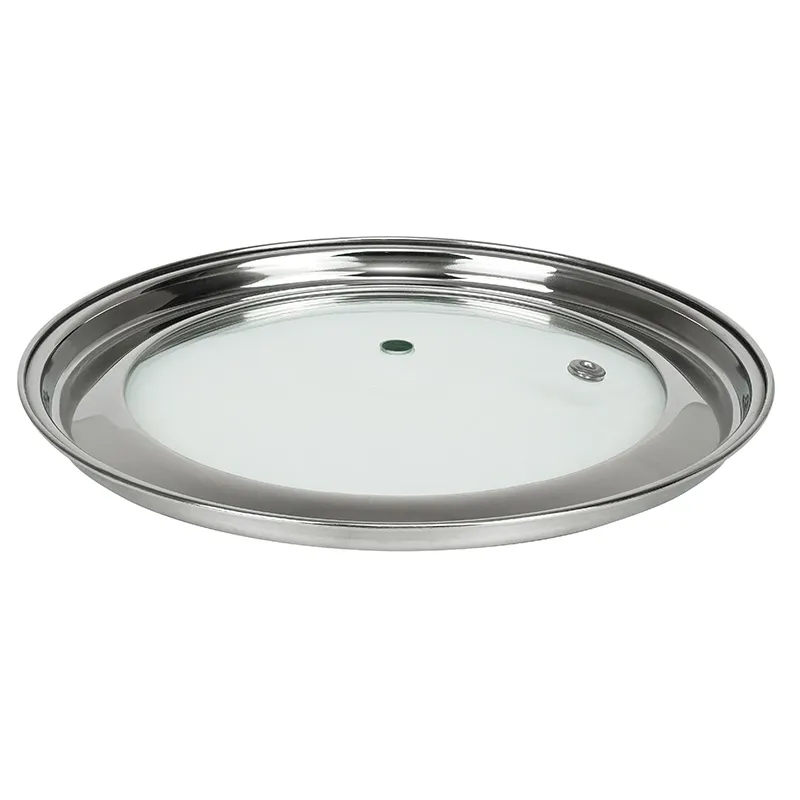
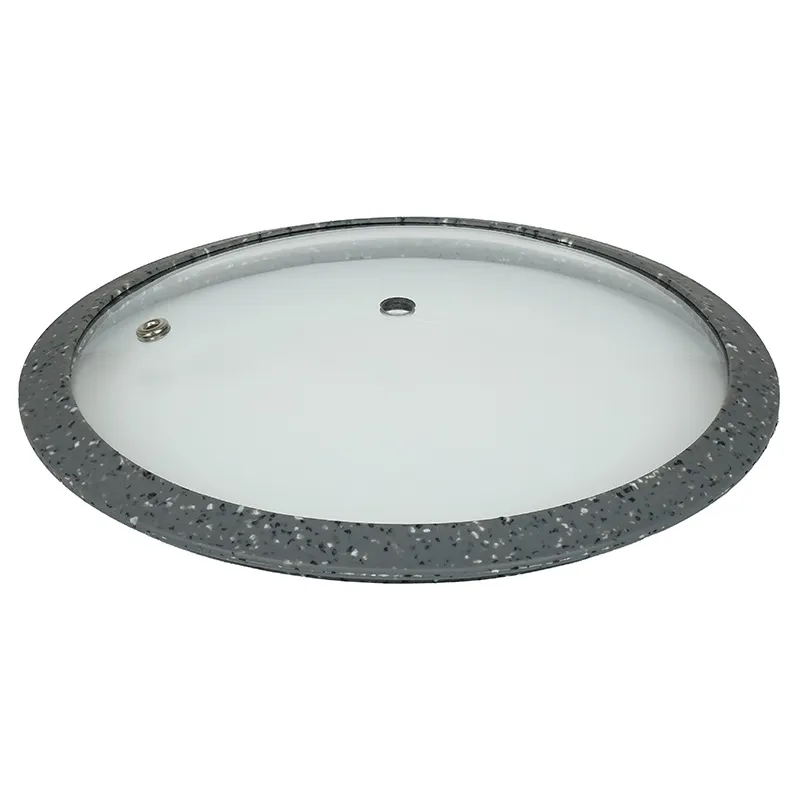
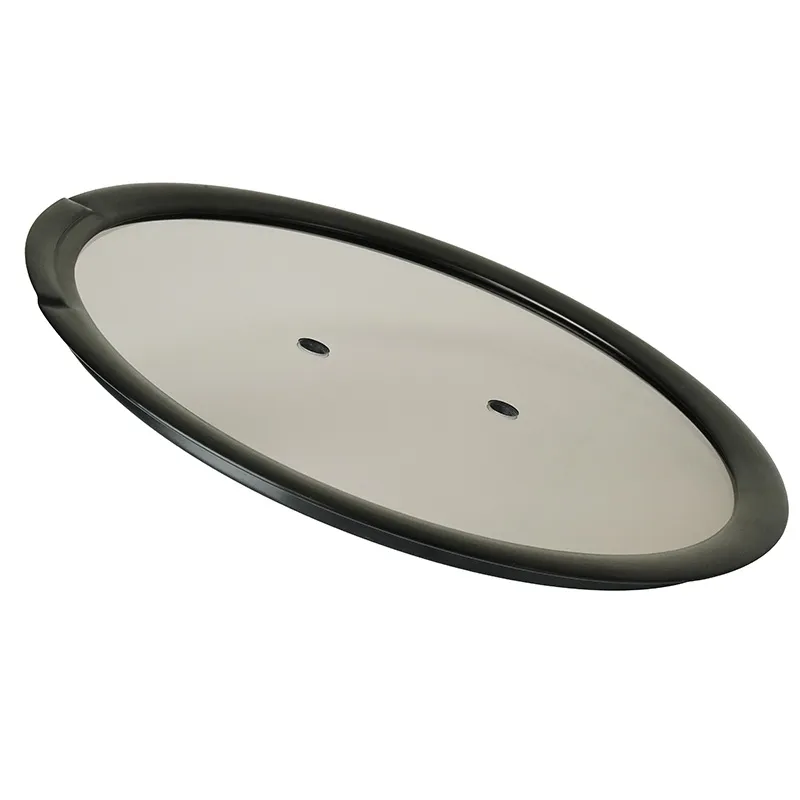
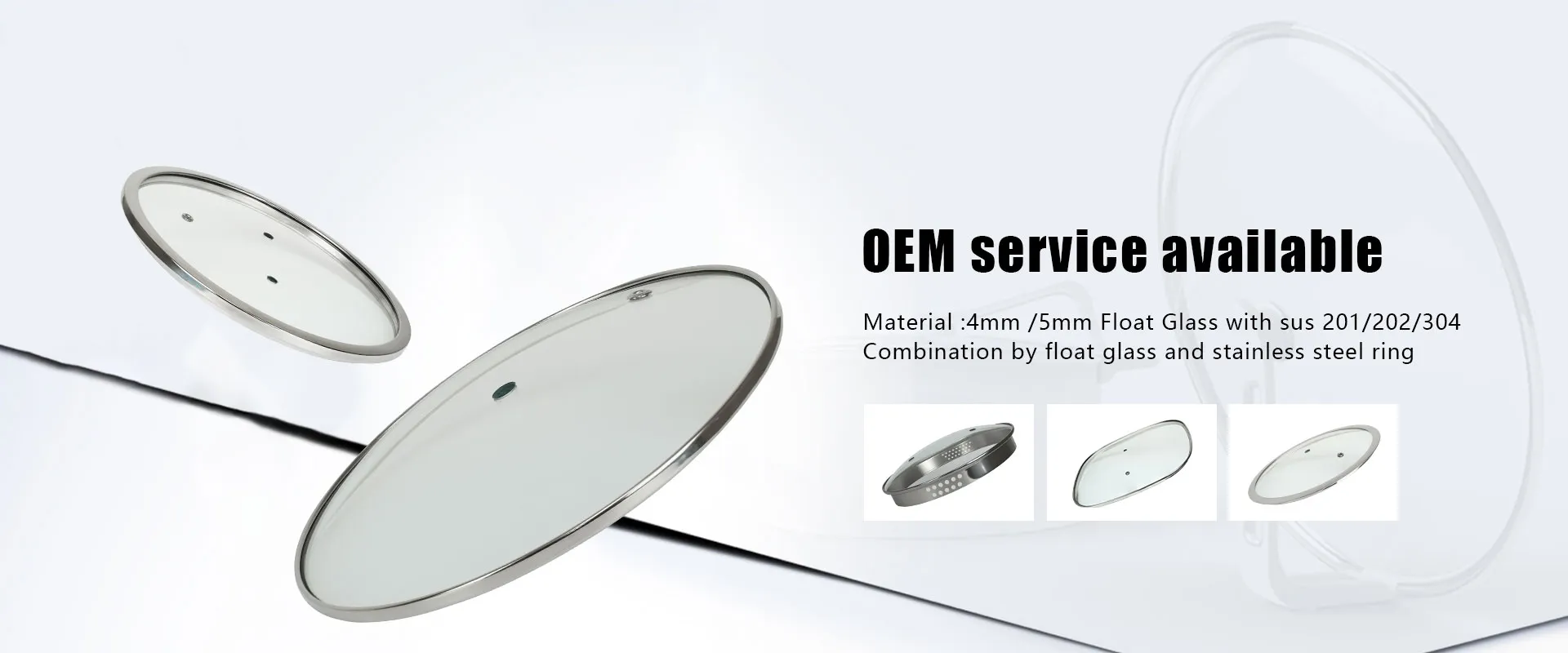
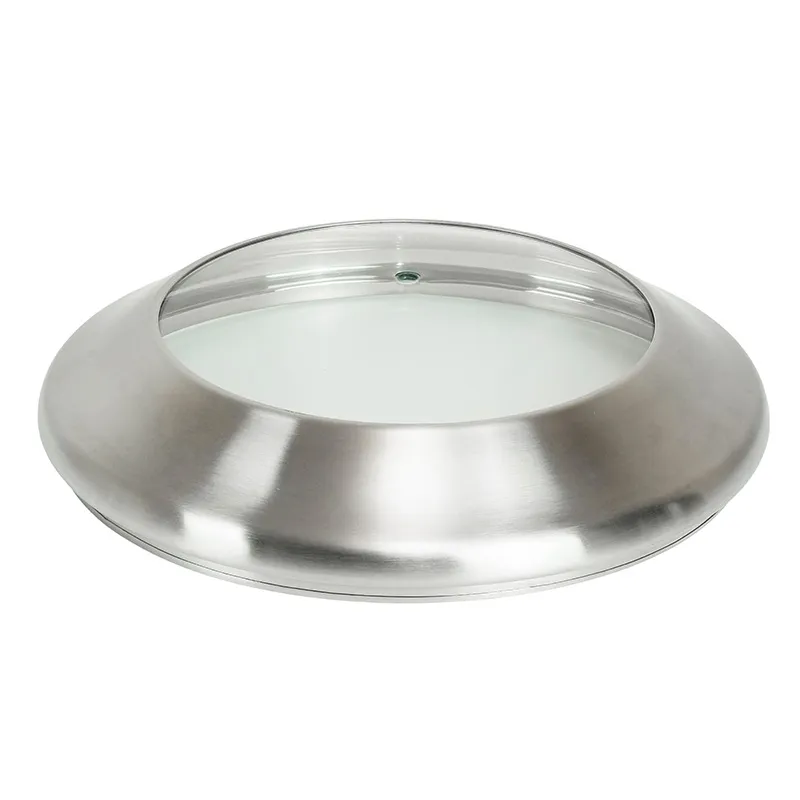
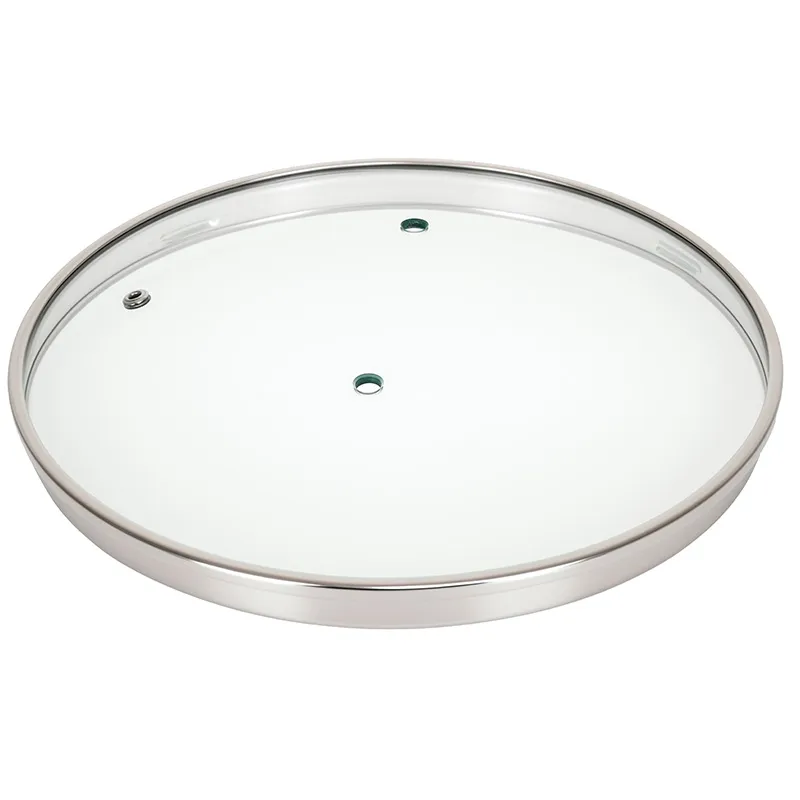
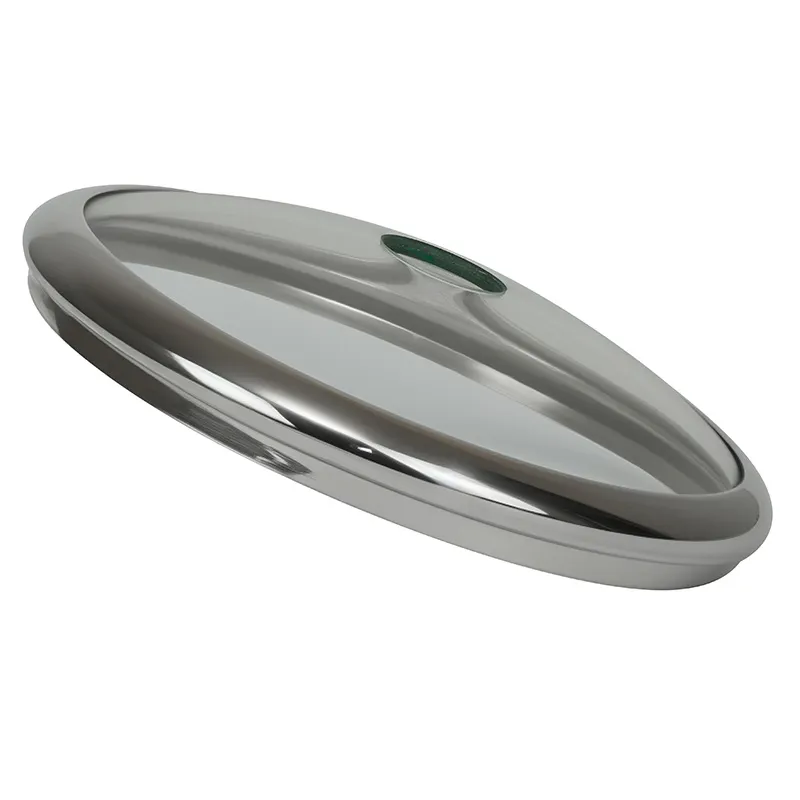
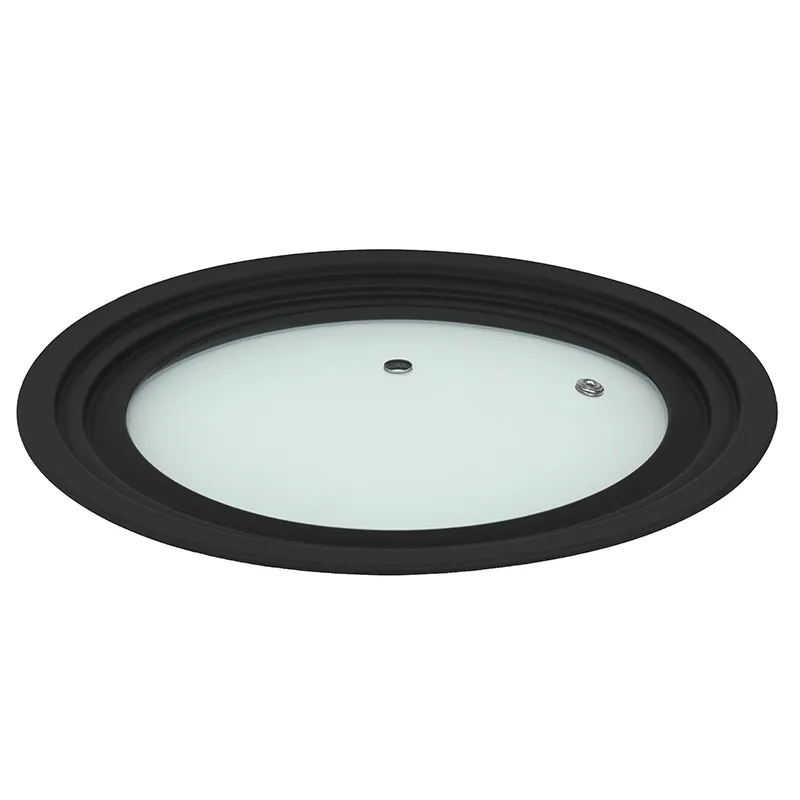
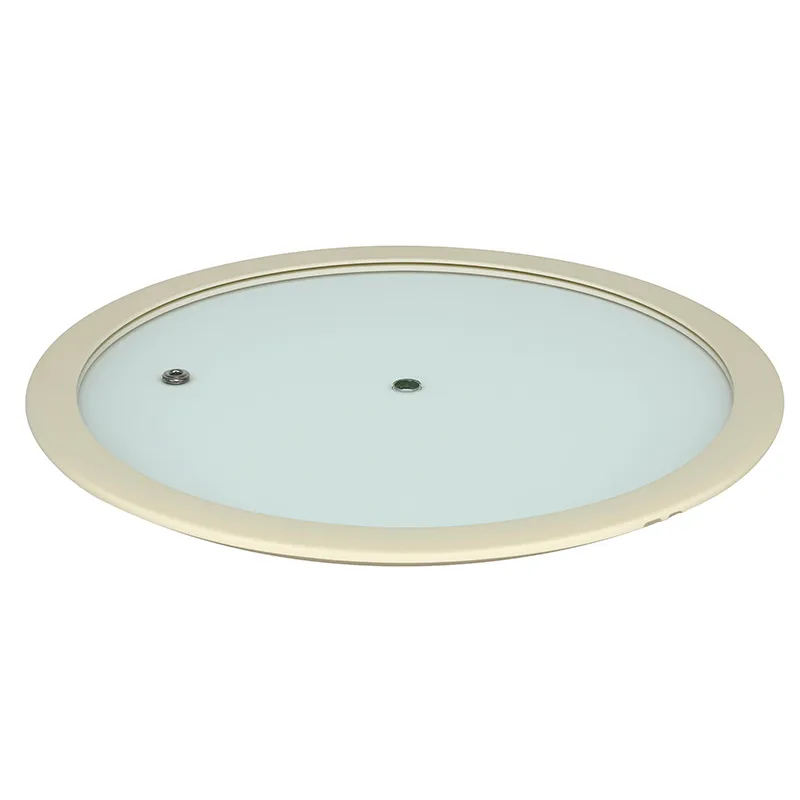
glass lid with silicone rim
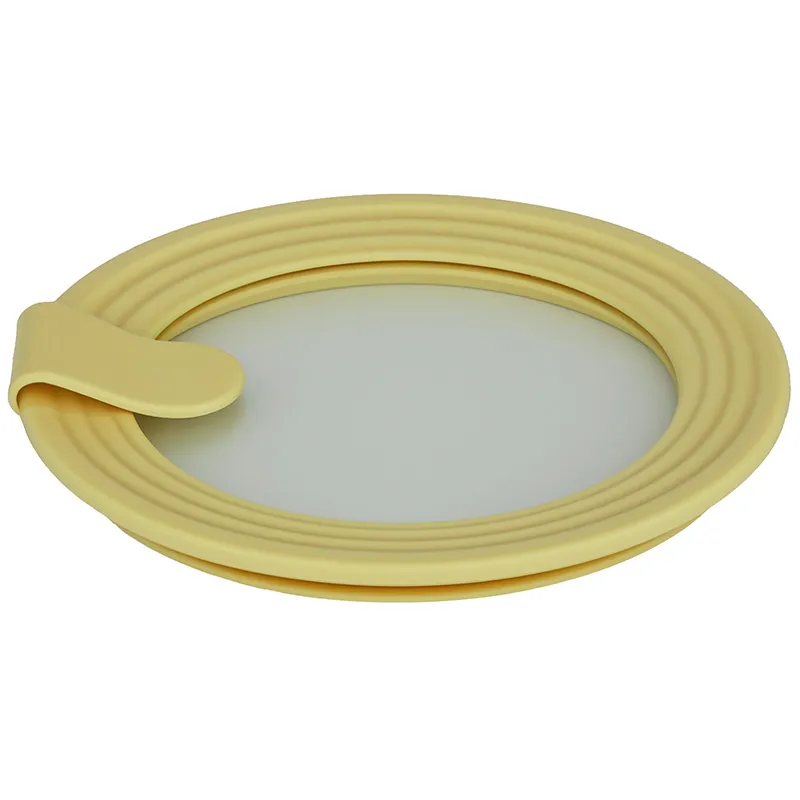
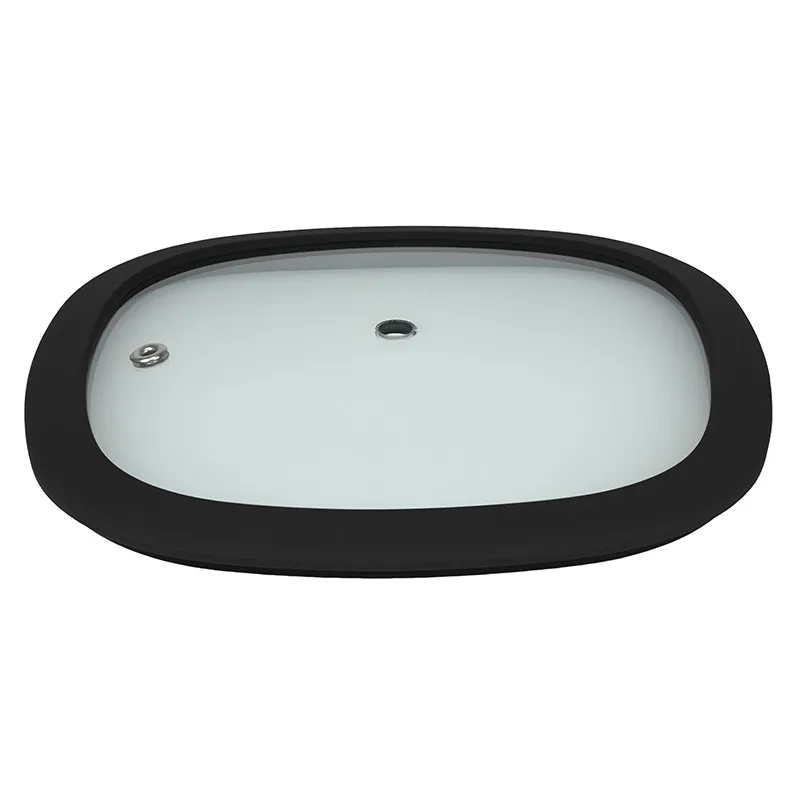
If you think a glass lid with a silicone rim is just a piece of tempered glass with a rubber band glued on, you're in for a surprise. That's the common misconception I see all the time, even from some buyers. The reality is, this simple-sealing component is a nexus of material science, thermal dynamics, and frankly, a lot of trial and error on the factory floor. Getting it right means understanding that the glass and the silicone aren't just two separate parts; they have to work as a single, resilient system under repeated heat cycles and mechanical stress. I've seen too many projects stumble by treating the rim as an afterthought.
Material Marriage: More Than Just Glue
The core challenge is the bond. You have two materials with wildly different coefficients of thermal expansion. The glass expands minimally when heated, while the silicone rim expands significantly. If the adhesive isn't precisely formulated for this specific application, you'll get delamination. It doesn't always happen in the first test; sometimes it's after 50 cycles in the oven, or when someone drops the lid into an ice-water sink after searing. The failure is a slow peel, starting at the corner, not a dramatic crack.
We learned this the hard way early on. We sourced a high-temperature silicone and a food-grade adhesive separately, assuming compatibility. The initial batches passed basic sealing tests. But after a few months in the field, returns started trickling in from a distributor in Northern Europe—lids where the rim was just loose. The adhesive had become brittle from the constant dry-heat cycling in ovens. That's when we realized the adhesive isn't just a glue; it's a flexible, high-temp intermediary layer that must remain elastic.
Now, we work with compounders to develop a co-curable system. The silicone rim is often partially cured, then bonded to the glass under specific heat and pressure to finish the cure together. This creates a molecular-level bond that moves with the stress. Companies that specialize, like EUR-ASIA COOKWARE CO.,LTD, have this process down to a science in their Taian production base. It's not something you can cheaply replicate in a small workshop.
The Rim Profile: A Geometry of Sealing
Another nuance is the cross-section of the silicone rim. A simple round bead is cheap to extrude but often ineffective. For a universal lid meant to fit multiple pot diameters, you need a specific profile. We often use a dual-lip or a hollow tubular design. The hollow core acts as a spring, compressing to create a seal even if the pot's flange isn't perfectly flat. The geometry directly impacts the grip and the force required to lift the lid.
I recall a project for a high-end cookware line where the client wanted an almost suction-like seal for slow cooking. We prototyped a rim with a pronounced, downward-facing lip that would create a larger contact area with the pot's inner wall. It sealed phenomenally—too well. Customers complained they couldn't pry the lid off without a tool. We had to dial it back, finding a balance between a secure seal and user-friendly removal. The final design had a slightly softer durometer (shore hardness) and a modified angle.
This is where production scale matters. Extruding a complex, consistent profile at high speed requires precision tooling and process control. A visit to a facility like the one at glass-lid.com shows you the extruders running alongside the tempering furnaces, which allows for integrated production and immediate quality checks on the rim dimensions.
Tempering First, Always
This is non-negotiable. The glass must be fully tempered before the silicone rim is applied. I've heard of attempts to apply the rim to cut glass and then temper the whole assembly, hoping to save a step. It's a disaster. The tempering process heats the glass to over 600°C, far beyond the combustion point of any silicone or adhesive. The rim would simply turn to ash and compromise the tempering quench.
The sequence is critical: cut, drill (for knobs or vents), sear/grind the edges, temper, then apply the rim. The tempering process also sets the final, immutable shape of the glass. Any warpage from the furnace is permanent, so the rim application jig must account for minute variations in the glass's curvature. Our quality control includes a simple but effective test: placing each glass lid with silicone rim on a perfectly flat granite surface and checking for rock. Any significant wobble means the tempered glass is out of spec, and the rim won't seal correctly on a flat pot either.
This focus on the base material is why exporters like EUR-ASIA COOKWARE maintain high output—they control the tempering process in-house. With an annual output in the millions, consistency at this stage is everything.
The Knob and Vent Conundrum
The attachment point for the knob is a major stress concentrator. You're putting a metal or phenolic bolt through a hole in tempered glass. The standard practice is to use a wide, low-profile metal or plastic washer and a silicone gasket underneath to distribute the clamping force. But the thermal expansion issue reappears here. If the knob assembly is too rigid, it can stress the glass during heating.
We moved towards using knobs with integrated, compression-molded silicone bases. The silicone flows slightly under the bolt, creating a custom cushion. For vent holes, the finishing is crucial. A poorly finished hole edge can create a micro-crack over time, which tempered glass, under its inherent tension, can turn into a full break. The holes must be drilled pre-temper and then have their edges meticulously seared and polished smooth.
Inspection of these details separates a quality lid. You can feel it. Run your finger around the inside of the vent hole on a cheap lid—it's often sharp. On a well-made one, it's smooth as the rim itself.
Real-World Failure: The Dishwasher Test
Lab tests are one thing, but real kitchens are brutal. The ultimate torture test isn't the oven; it's the dishwasher. The combination of aggressive detergents, high-pressure jets, and the thermal shock of the drying cycle is what kills most inferior lids. The detergent attacks the adhesive layer, and the jets can find any weak point in the rim's bond, forcing water underneath.
We had a batch that passed all our oven cycling and seal tests with flying colors. Then we ran them through 100 simulated dishwasher cycles. About 15% showed edge lifting. The culprit? A slight inconsistency in the adhesive application thickness at the rim's inner corner, a spot hard to inspect visually. The dishwasher jets pried at it relentlessly. The fix was a process adjustment to ensure complete adhesive coverage in that crevice, verified by a sampling destructive tear-down.
This is why the export specs for markets like Germany or Japan are so stringent. They will put your product through this, and failure means the whole shipment gets rejected. A producer's experience in these markets, as seen with EUR-ASIA COOKWARE's export portfolio to over a dozen countries, is a direct proxy for their process rigor.
Back to the Essence
So, after all this talk about adhesives, profiles, and dishwashers, what are you really looking for in a good glass lid with silicone rim? It's the harmony of the system. The glass must be perfectly tempered, with no hidden stress points. The silicone must be food-safe, heat-stable, and of a durometer that balances seal and usability. The bond must be molecular, not just mechanical. And every detail, from the knob to the vent, must be considered part of the whole stress landscape.
It's a deceptively simple product. When you pick one up from a reputable maker, it just feels right—the weight distribution, the smoothness of the rim against your hand, the confident thunk it makes when it seats on a pot. That's not an accident. It's the result of solving a hundred small problems you never see, problems you only learn from getting batches wrong and having to figure out why. That's the real craft of it.
Related Products
Related Products