- Chinese
- French
- German
- Portuguese
- Spanish
- Russian
- Japanese
- Korean
- Arabic
- Irish
- Greek
- Turkish
- Italian
- Danish
- Romanian
- Indonesian
- Czech
- Afrikaans
- Swedish
- Polish
- Basque
- Catalan
- Esperanto
- Hindi
- Lao
- Albanian
- Amharic
- Armenian
- Azerbaijani
- Belarusian
- Bengali
- Bosnian
- Bulgarian
- Cebuano
- Chichewa
- Corsican
- Croatian
- Dutch
- Estonian
- Filipino
- Finnish
- Frisian
- Galician
- Georgian
- Gujarati
- Haitian
- Hausa
- Hawaiian
- Hebrew
- Hmong
- Hungarian
- Icelandic
- Igbo
- Javanese
- Kannada
- Kazakh
- Khmer
- Kurdish
- Kyrgyz
- Latin
- Latvian
- Lithuanian
- Luxembou..
- Macedonian
- Malagasy
- Malay
- Malayalam
- Maltese
- Maori
- Marathi
- Mongolian
- Burmese
- Nepali
- Norwegian
- Pashto
- Persian
- Punjabi
- Serbian
- Sesotho
- Sinhala
- Slovak
- Slovenian
- Somali
- Samoan
- Scots Gaelic
- Shona
- Sindhi
- Sundanese
- Swahili
- Tajik
- Tamil
- Telugu
- Thai
- Ukrainian
- Urdu
- Uzbek
- Vietnamese
- Welsh
- Xhosa
- Yiddish
- Yoruba
- Zulu
- Kinyarwanda
- Tatar
- Oriya
- Turkmen
- Uyghur


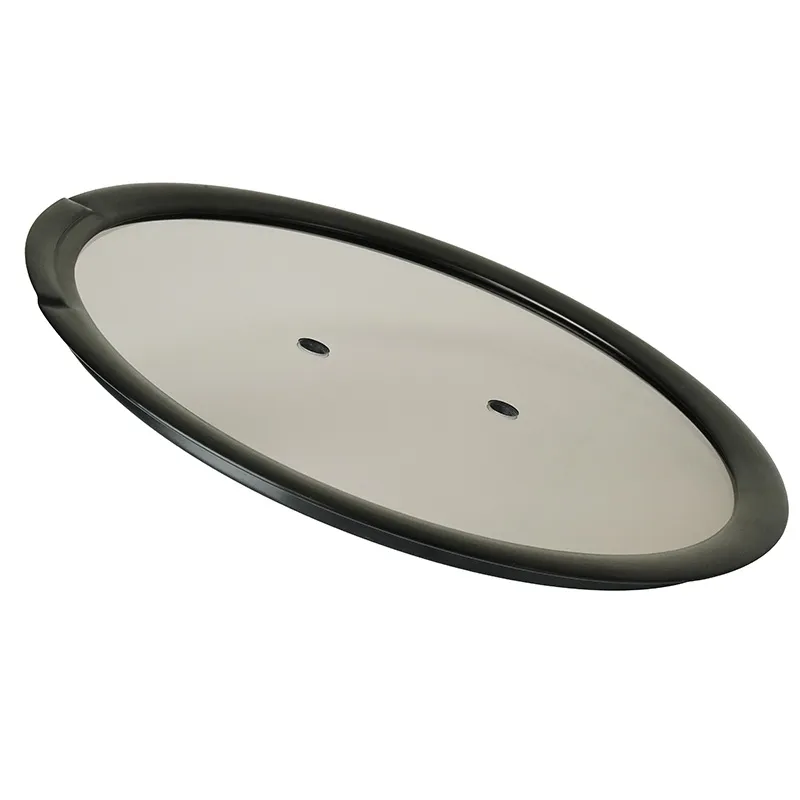
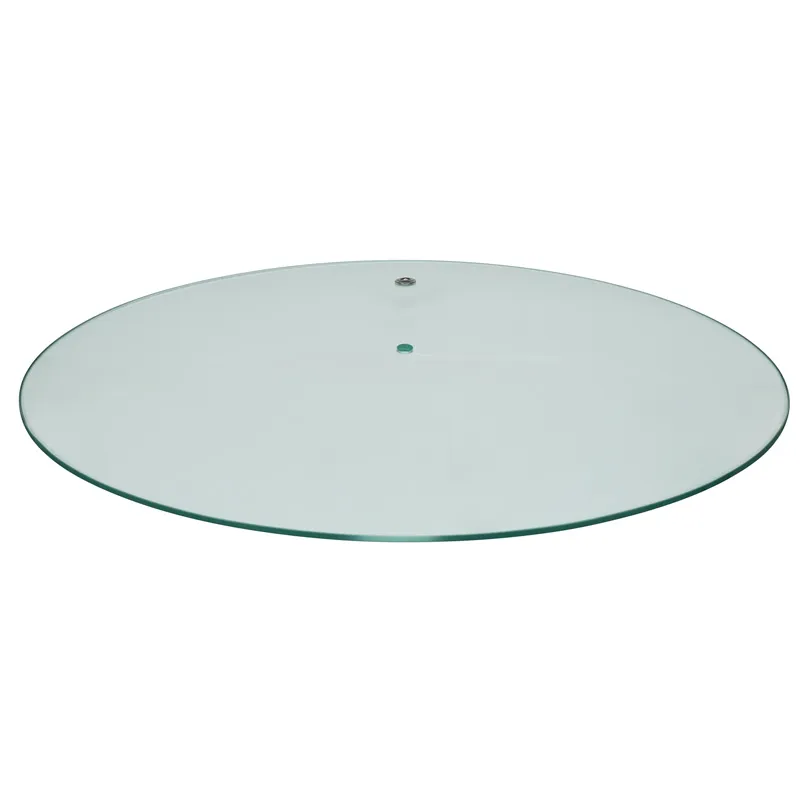
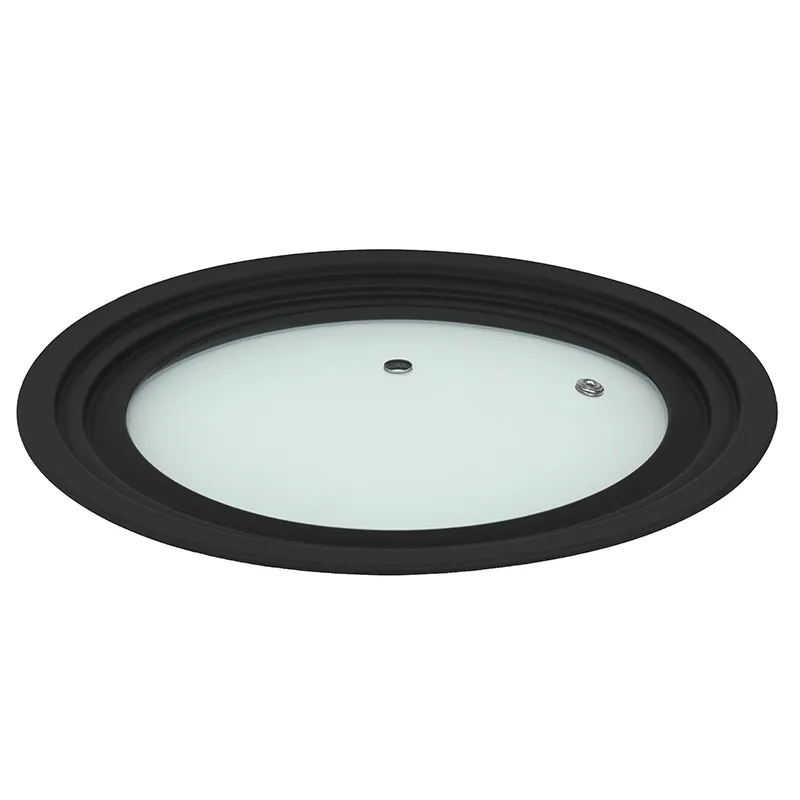
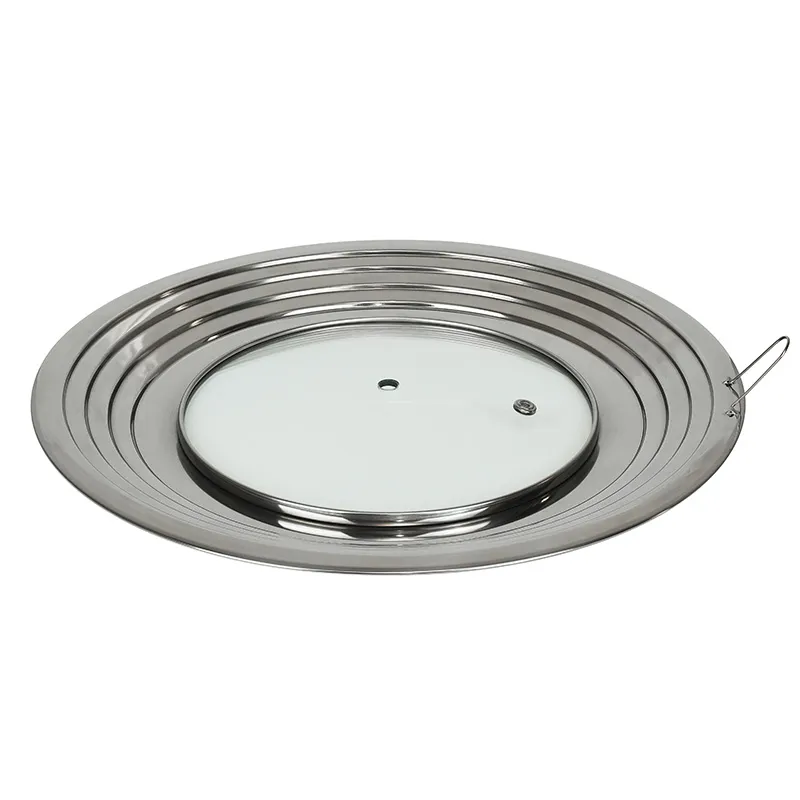
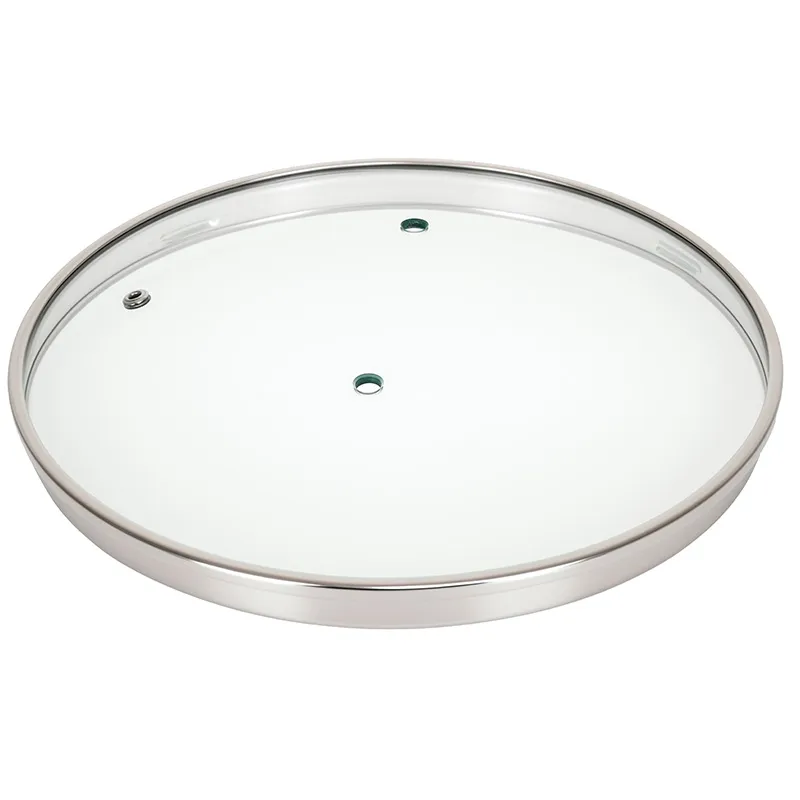
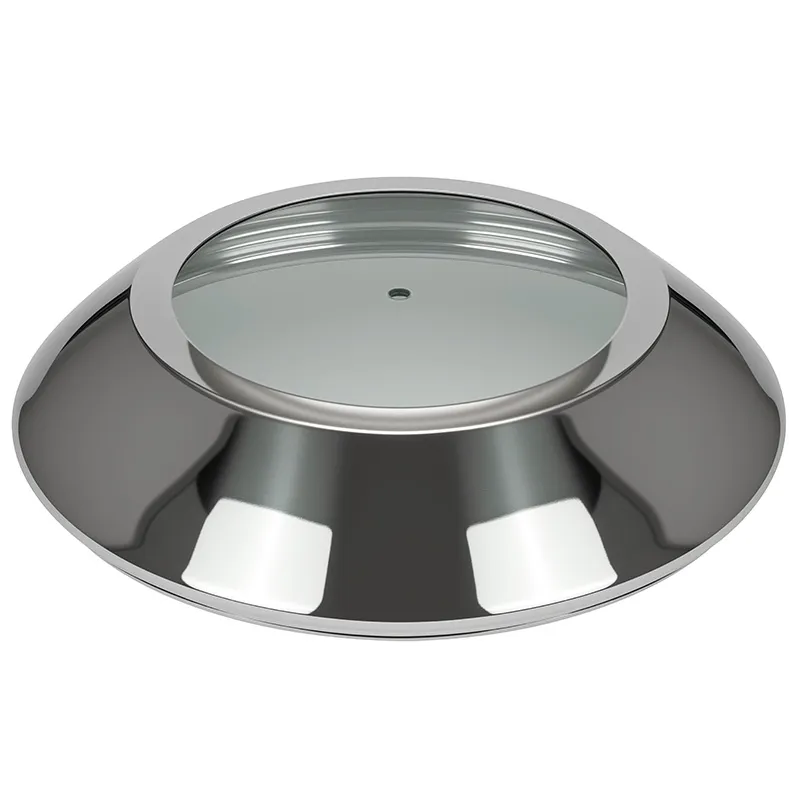
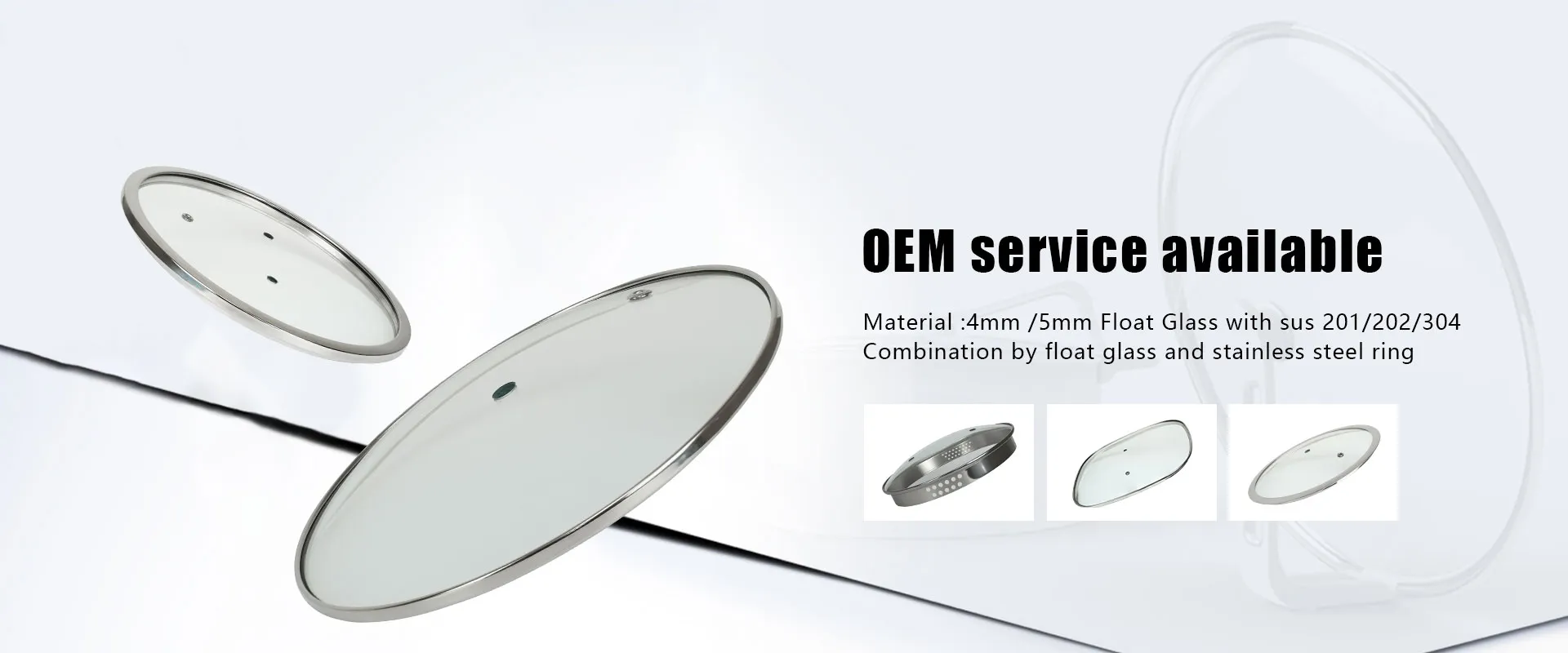
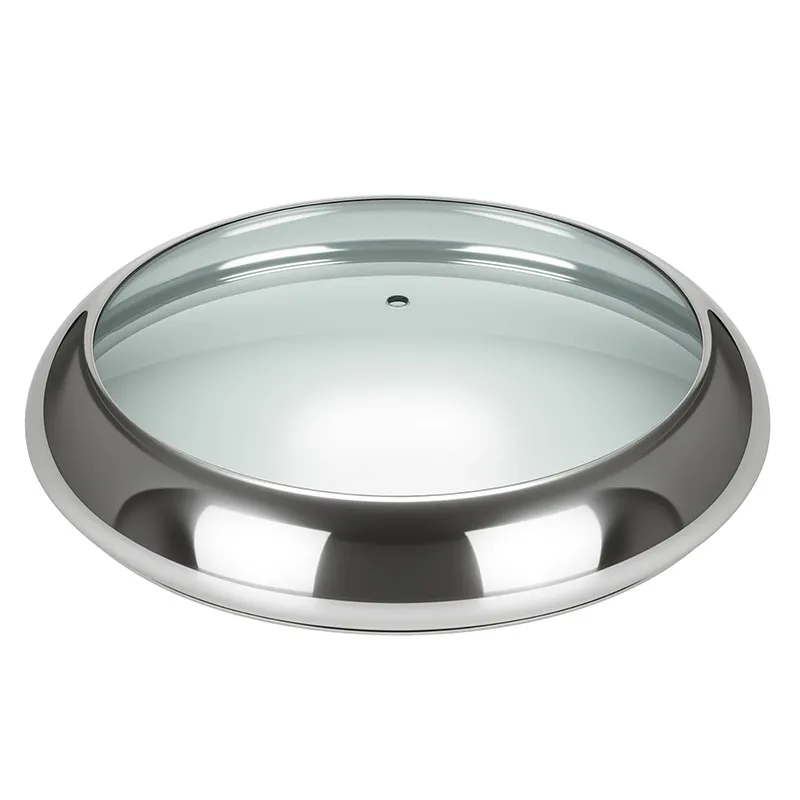
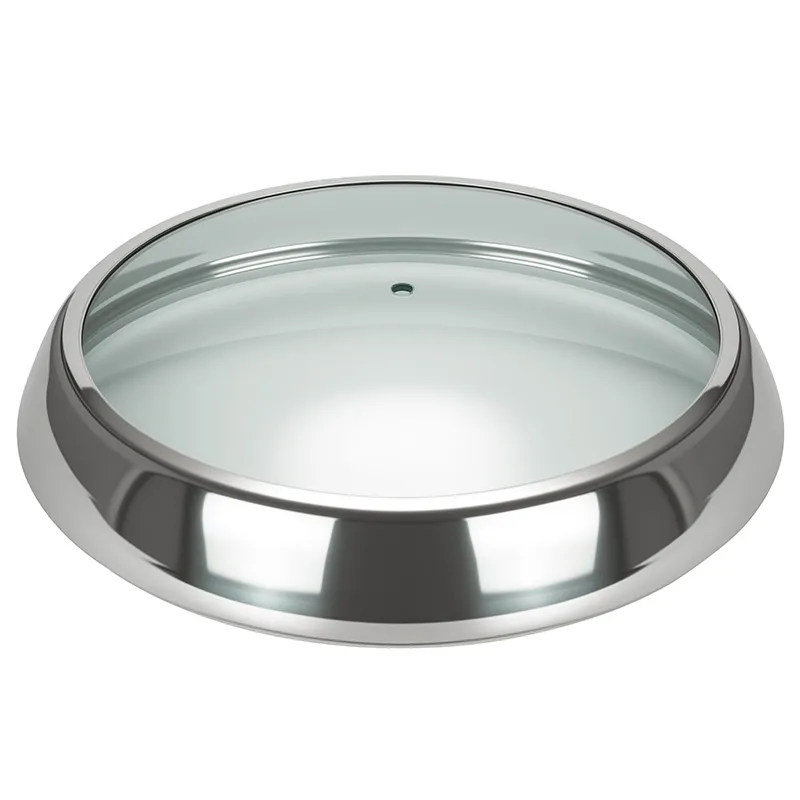
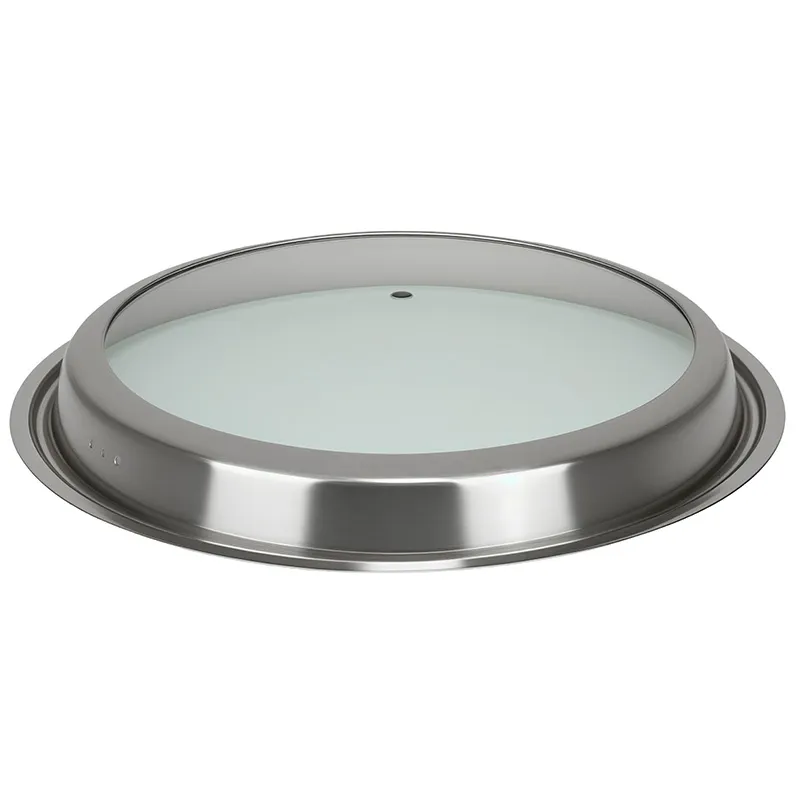
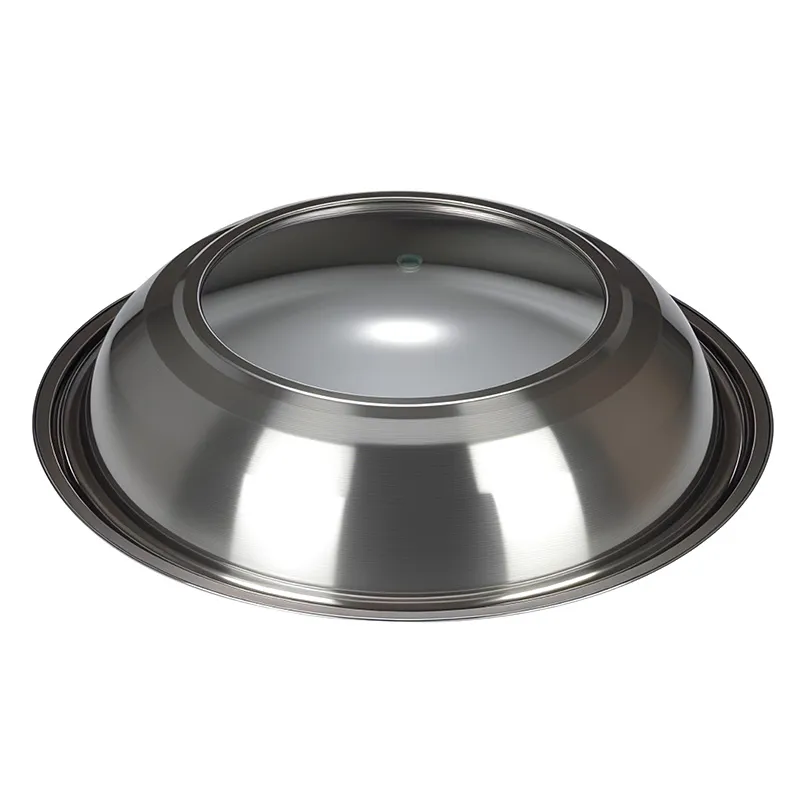
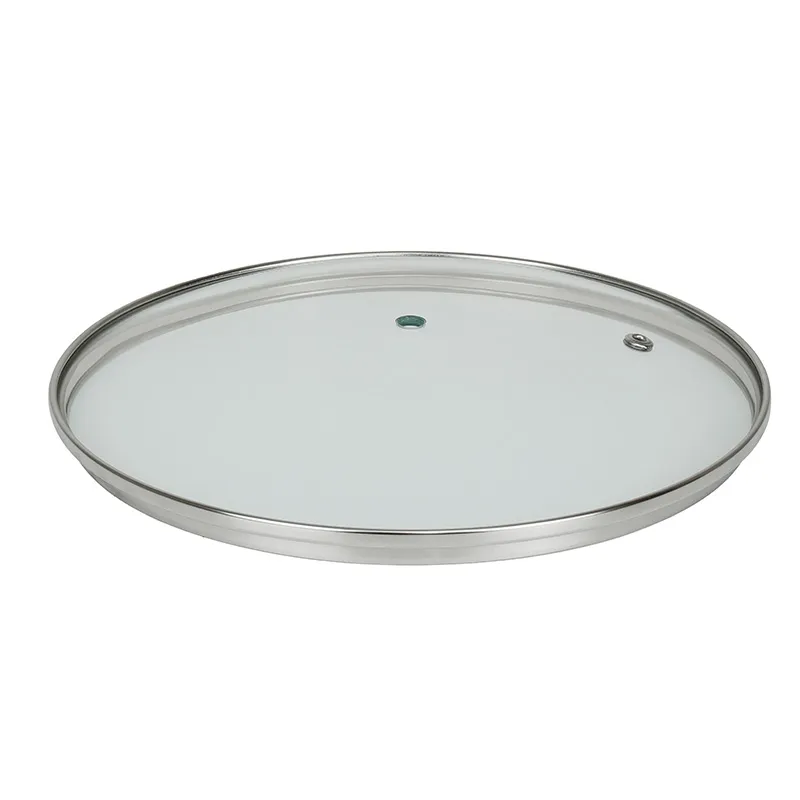
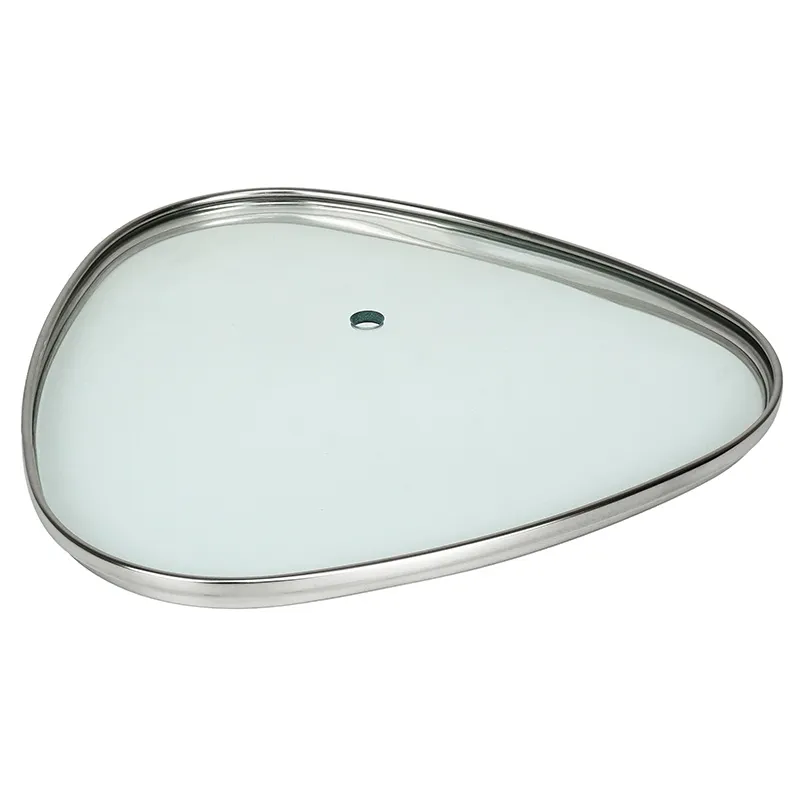
glass lid with stainless steel
When you hear 'glass lid with stainless steel', most people picture a nice, shiny pot cover. But in this business, that phrase is where the real headaches—and the real craft—begin. It's not just about putting two materials together; it's a constant negotiation between thermal expansion, user safety, and a finish that won't make a European buyer wince. I've seen too many designs fail because someone treated the stainless steel rim as just a trim piece, not the structural keystone it actually is.
The Core Challenge: Making Two Materials Behave as One
The fundamental issue is simple physics. Borosilicate or tempered soda-lime glass and 304 stainless steel expand at different rates when heated. If your bonding method—usually a high-temperature silicone sealant or a mechanical crimp—can't absorb that differential stress, you get failure. It might be a subtle hairline crack at the edge after 50 dishwasher cycles, or a complete sealant failure that lets the rim detach. I recall a batch for a German client where we used a sealant with a slightly lower temperature rating. It passed initial inspection, but after simulated long-term use in their lab, the bond weakened. That wasn't a material failure; it was a specification oversight. We had to switch to a more expensive, food-grade adhesive with a wider thermal tolerance, which ate into the margin but saved the contract.
This is where companies with real production muscle, like EUR-ASIA COOKWARE CO.,LTD, have an edge. Having a dedicated production base means you can control this process. It's not just about buying glass and steel and outsourcing assembly. Their setup in Taian allows for in-house tempering and metalworking, which is crucial for consistency. You can tweak the tempering curve to better match the steel's behavior, something nearly impossible if you're just assembling purchased components.
The rim profile itself is a detail most overlook. A simple rolled edge is cheap but can warp under high, uneven heat. A heavier-gauge, milled stainless steel band with a precise interlock channel for the glass is more complex and costly to produce, but it distributes stress. It's the difference between a lid that survives a drop onto a ceramic tile and one that shatters. You can feel this quality just by picking it up—the weight distribution is solid, not top-heavy.
Beyond the Bond: The Finish and Feel That Sells
Assuming the structural integrity is solved, the next battle is aesthetics and user experience. A glass lid with stainless steel must look seamless. Any visible sealant bead, any mismatch in the polish between the steel rim and the handle, and the product gets downgraded from a premium to a mid-tier item instantly. The polishing line for the stainless steel component is critical. It needs a mirror finish that resists fingerprints and doesn't cloud after repeated exposure to steam and cleaning agents.
We learned this the hard way with an early order for the Italian market. The lids looked flawless out of the box. But after the client performed their standard 'kitchen lifecycle' test—essentially, running them through a commercial dishwasher 200 times—the steel developed a faint, milky patina. The issue? The final electrolytic polishing step wasn't robust enough for the specific mineral content in their test water. It wasn't a defect by most standards, but it failed theirs. Now, we specify and test for finish durability under various water hardness conditions.
The handle attachment is another subtle point. Is it welded, screwed, or riveted? Welding can discolor the steel if not done perfectly under argon gas. Screws can loosen or corrode. A well-designed blind rivet is often the most reliable, but it requires precise hole alignment in both the glass and the steel band during assembly. A visit to a facility like the one at glass-lid.com shows this process: it's not fully automated artisanal craft, but a hybrid of precision machinery and skilled manual fitting, especially for high-volume orders exceeding millions of pieces annually.
Export Realities: Meeting Unwritten Standards
Producing for a domestic market is one thing; exporting over 90% of your output, as EUR-ASIA does to markets like Germany, Japan, and Brazil, is another ball game. Each region has its quirks. German retailers might demand specific packaging that allows for laser scanning at checkout without removing the lid. Japanese buyers are obsessed with the tactile sound of the lid seating perfectly on a pot—it must be a soft 'thud', not a 'clang'.
These aren't whims; they're reflections of deeply ingrained consumer expectations. A glass lid with stainless steel for the European market often needs a steeper dome to accommodate taller pots used for braising. For East Asian markets, a flatter profile might be preferred for stackability in smaller kitchens. You can't just make one lid and ship it globally. The specialization mentioned in EUR-ASIA's profile—producing low, medium, and high-level products—isn't just about price points; it's about tailoring these nuanced physical specs for different distribution channels and brand partners.
Failure to adapt is a fast track to returns. I remember a shipment to Poland where the lids were technically perfect, but the stainless steel rim had a slightly sharper edge on the underside than usual. It didn't cut anyone, but it didn't have the 'smooth to the fingertip' feel their QC team expected. The entire container was held at port for a manual inspection and rework, costing weeks and burning the freight forwarder's goodwill. The lesson? Tolerances are not just numerical; they're sensory.
The Volume Game and Material Sourcing
Output of 15 million pieces a year changes how you source everything. You're not buying glass by the sheet; you're contracting entire float glass production runs. The consistency of the raw glass sheet—its thickness variation, its internal stress before tempering—becomes paramount. A variation invisible to the naked eye can cause a 1% higher breakage rate during the tempering or crimping process. At that volume, 1% is 150,000 lids.
The same goes for the stainless steel. 304-grade is standard, but the finish quality of the coil or sheet matters immensely. A cheaper coil with minor surface imperfections might save cost per ton, but it will increase polishing time and consumable costs, and potentially lead to more rejects. For a high-volume exporter, establishing long-term, stable relationships with raw material suppliers is as important as the production technology itself. It's about predictable quality, not just the lowest price. The scale of operation at their 20,000㎡ facility suggests they've had to solve these supply chain puzzles to maintain that output reliably.
This volume also allows for specialization within the product line. You can dedicate a production line to a specific client's custom handle design or a unique rim curvature. The setup time for a run of 50,000 specialized lids is amortized over the larger business. This is likely how they serve such a diverse client list—from basic OEM lids for budget chains to highly engineered products for premium European cookware brands.
Looking Ahead: Not Just a Lid
Where does this product category go from here? It's not a high-tech revolution. The innovation is incremental and often invisible. It's in developing a new sealant compound that remains flexible at -20°C (for freezer-to-oven claims) and stable at 300°C. It's in refining the edge grinding on the glass so it's absolutely smooth before the steel band is applied, eliminating any potential chip points.
There's also the growing demand for the lid to be more than a cover. We're seeing interest in integrated features: a stainless steel rim designed to hold a silicone gasket for pressure-cooker compatibility, or a graduated measurement marking baked into the glass that won't wear off. These require even tighter collaboration between the glass tempering, metal forming, and assembly stages.
Ultimately, a well-made glass lid with stainless steel is a testament to controlled, precise manufacturing. It’s a deceptively simple product that, when done right, disappears into the user's kitchen, performing reliably for years. When done poorly, it's a constant source of annoyance. The difference lies in all the gritty, unglamorous details discussed here—the physics, the finish, the feel, and the factory processes that have been refined through trial, error, and listening to picky customers from around the world. The real expertise isn't in making one perfect lid; it's in making 15 million of them, year after year, to a standard that keeps them coming back.
Related Products
Related Products