
- Chinese
- French
- German
- Portuguese
- Spanish
- Russian
- Japanese
- Korean
- Arabic
- Irish
- Greek
- Turkish
- Italian
- Danish
- Romanian
- Indonesian
- Czech
- Afrikaans
- Swedish
- Polish
- Basque
- Catalan
- Esperanto
- Hindi
- Lao
- Albanian
- Amharic
- Armenian
- Azerbaijani
- Belarusian
- Bengali
- Bosnian
- Bulgarian
- Cebuano
- Chichewa
- Corsican
- Croatian
- Dutch
- Estonian
- Filipino
- Finnish
- Frisian
- Galician
- Georgian
- Gujarati
- Haitian
- Hausa
- Hawaiian
- Hebrew
- Hmong
- Hungarian
- Icelandic
- Igbo
- Javanese
- Kannada
- Kazakh
- Khmer
- Kurdish
- Kyrgyz
- Latin
- Latvian
- Lithuanian
- Luxembou..
- Macedonian
- Malagasy
- Malay
- Malayalam
- Maltese
- Maori
- Marathi
- Mongolian
- Burmese
- Nepali
- Norwegian
- Pashto
- Persian
- Punjabi
- Serbian
- Sesotho
- Sinhala
- Slovak
- Slovenian
- Somali
- Samoan
- Scots Gaelic
- Shona
- Sindhi
- Sundanese
- Swahili
- Tajik
- Tamil
- Telugu
- Thai
- Ukrainian
- Urdu
- Uzbek
- Vietnamese
- Welsh
- Xhosa
- Yiddish
- Yoruba
- Zulu
- Kinyarwanda
- Tatar
- Oriya
- Turkmen
- Uyghur


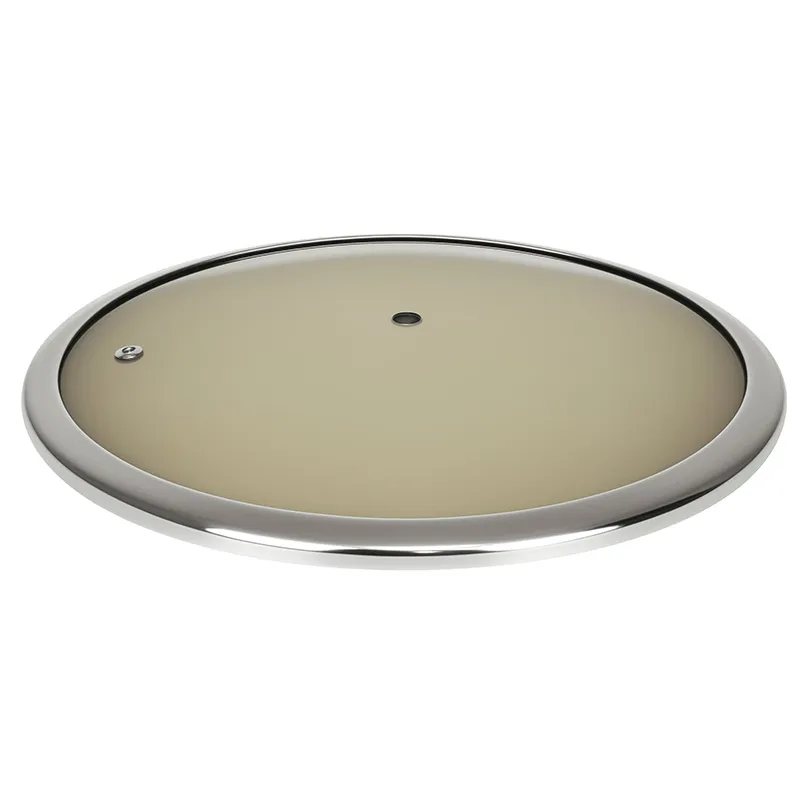
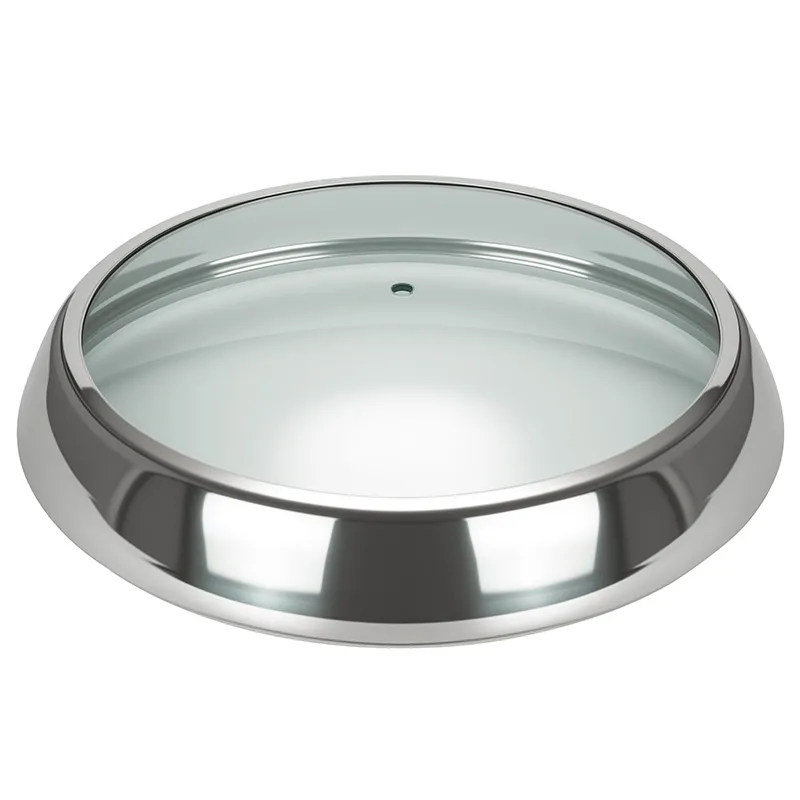
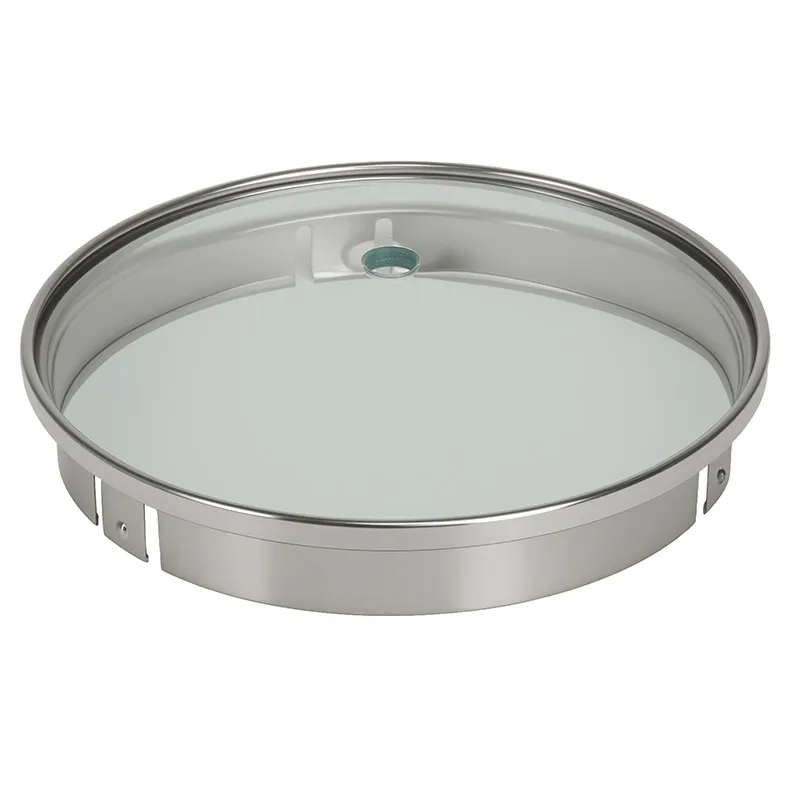
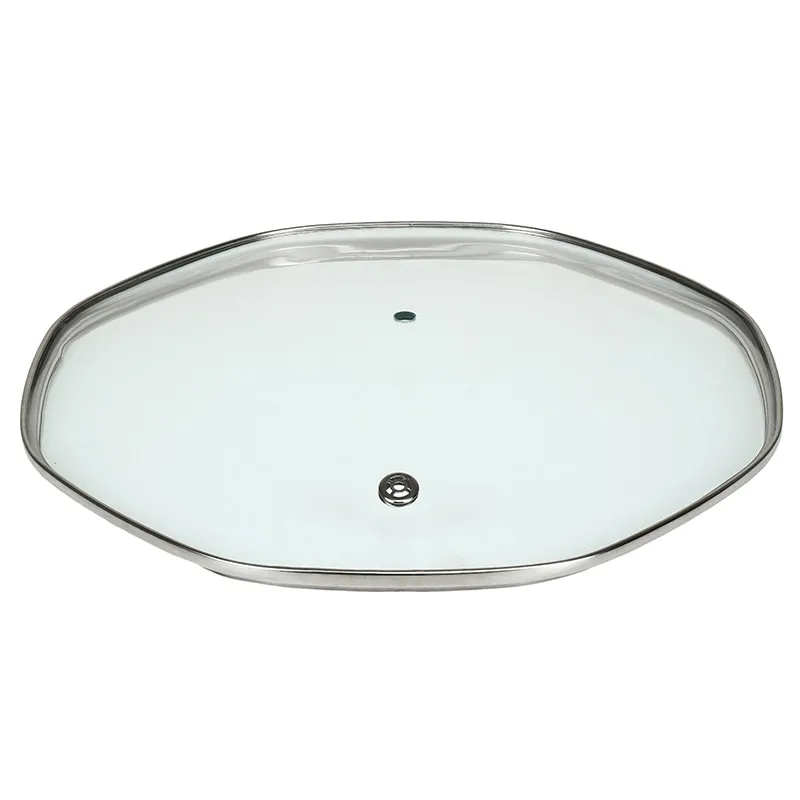
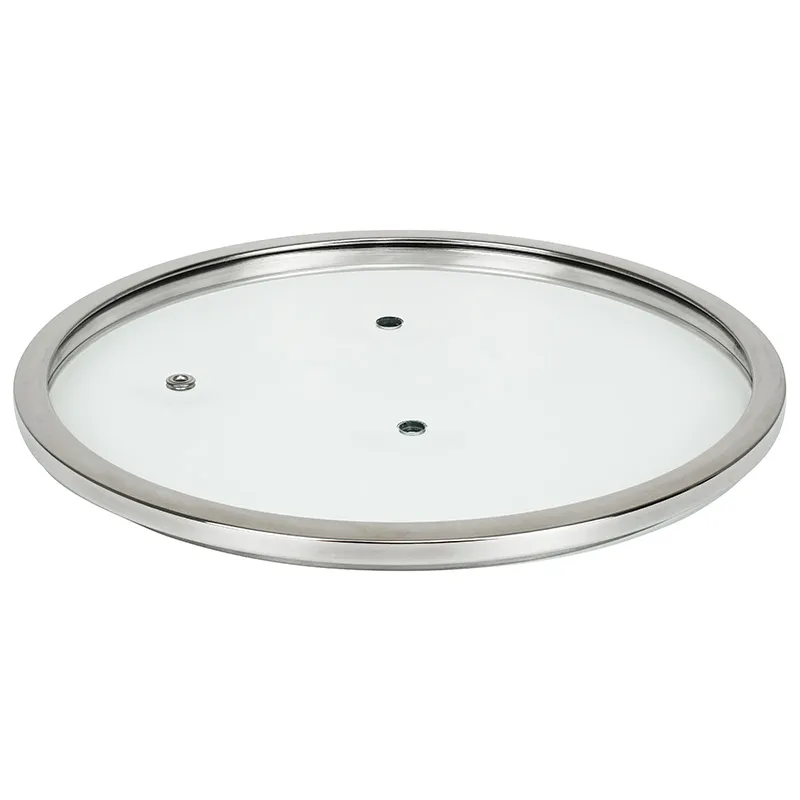
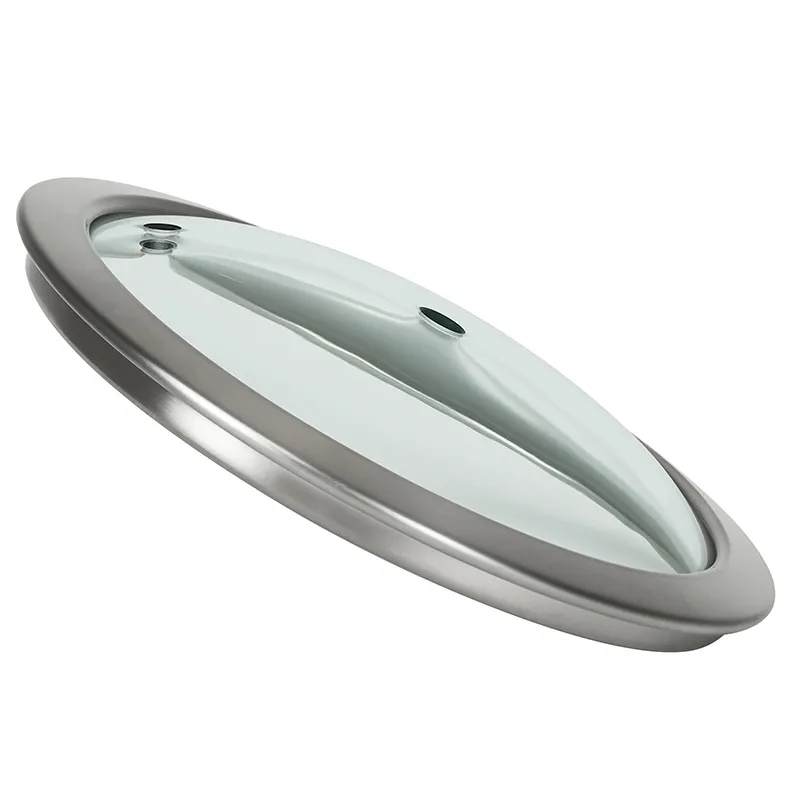
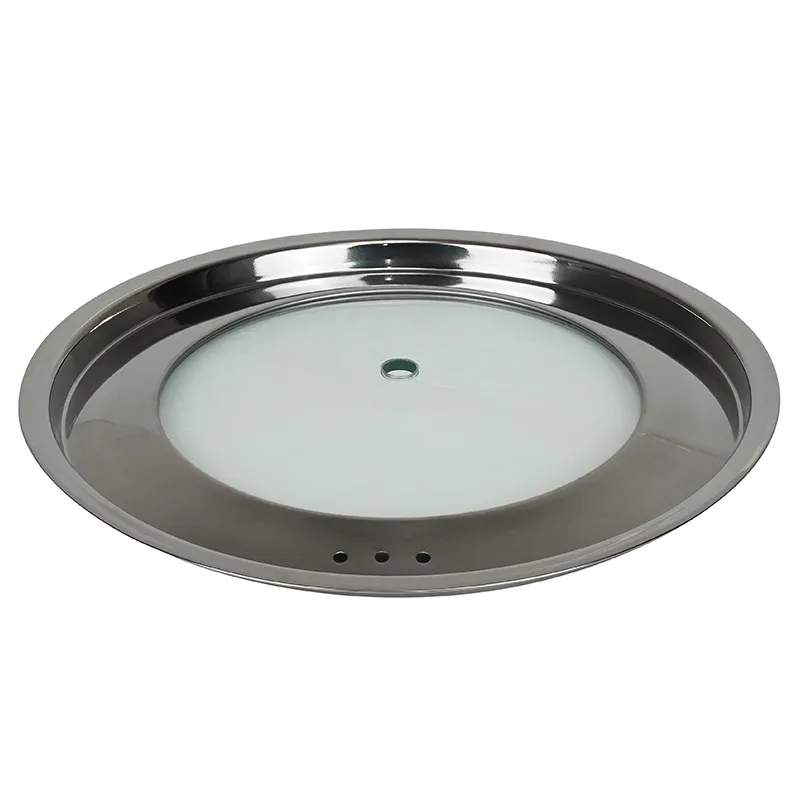
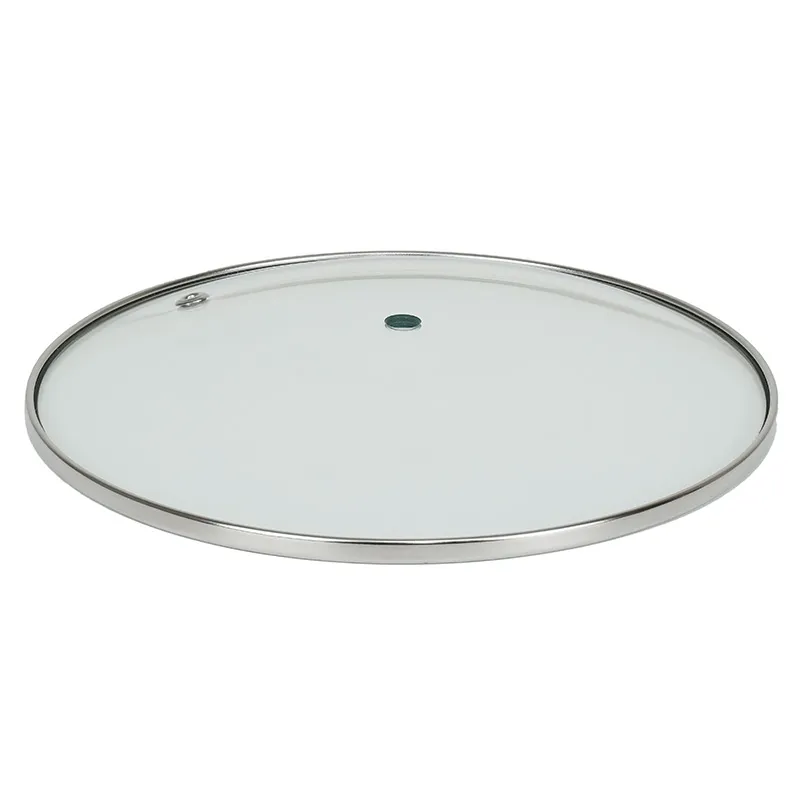
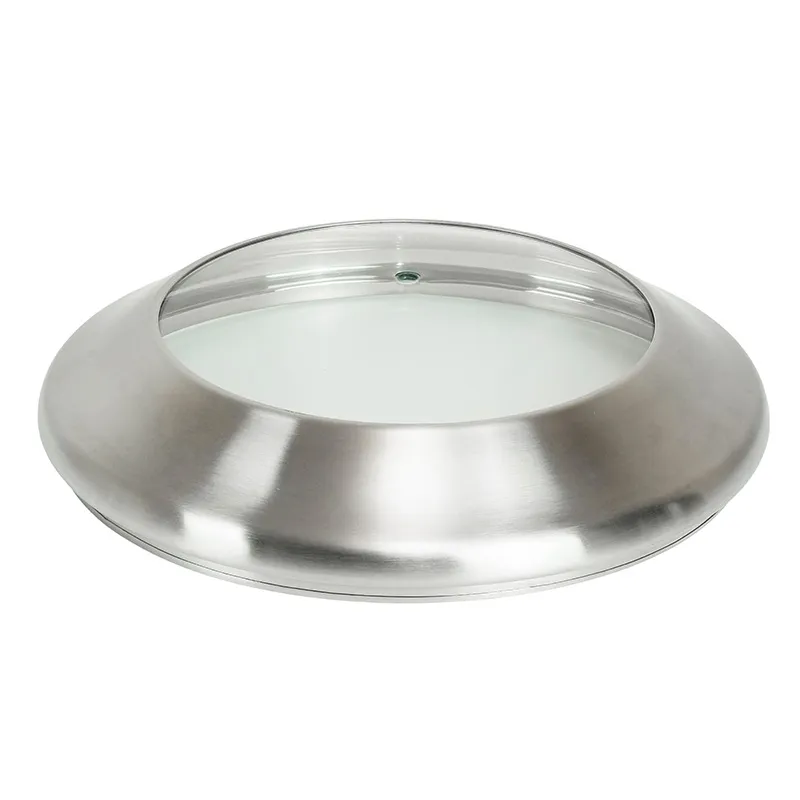
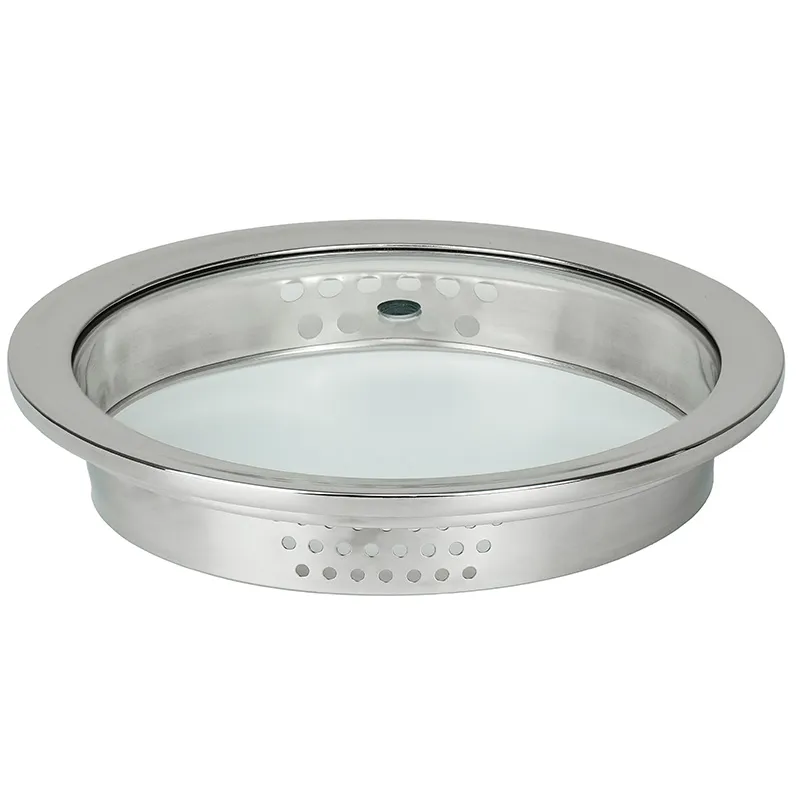
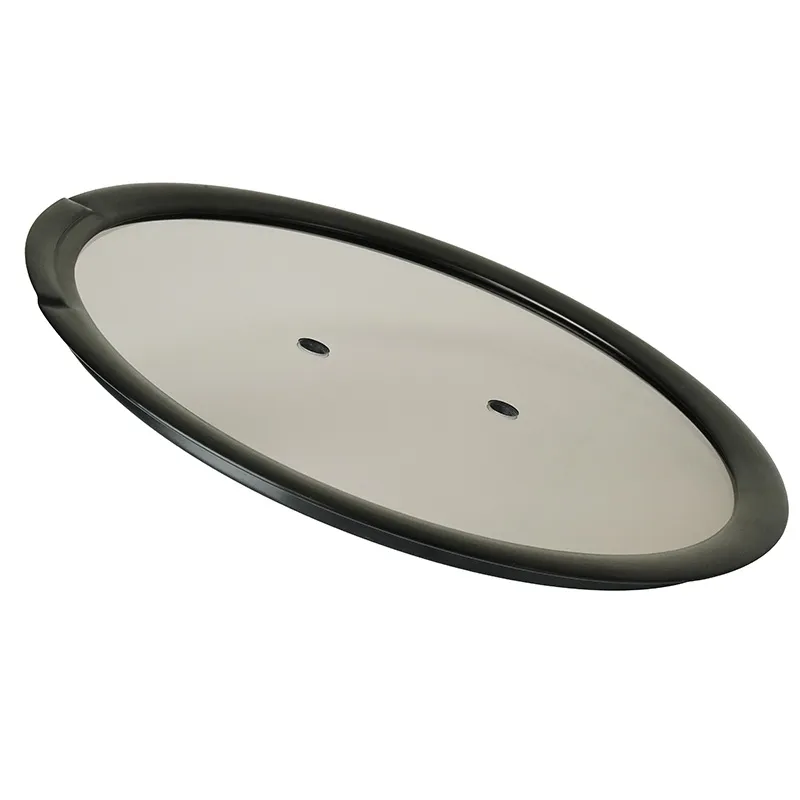
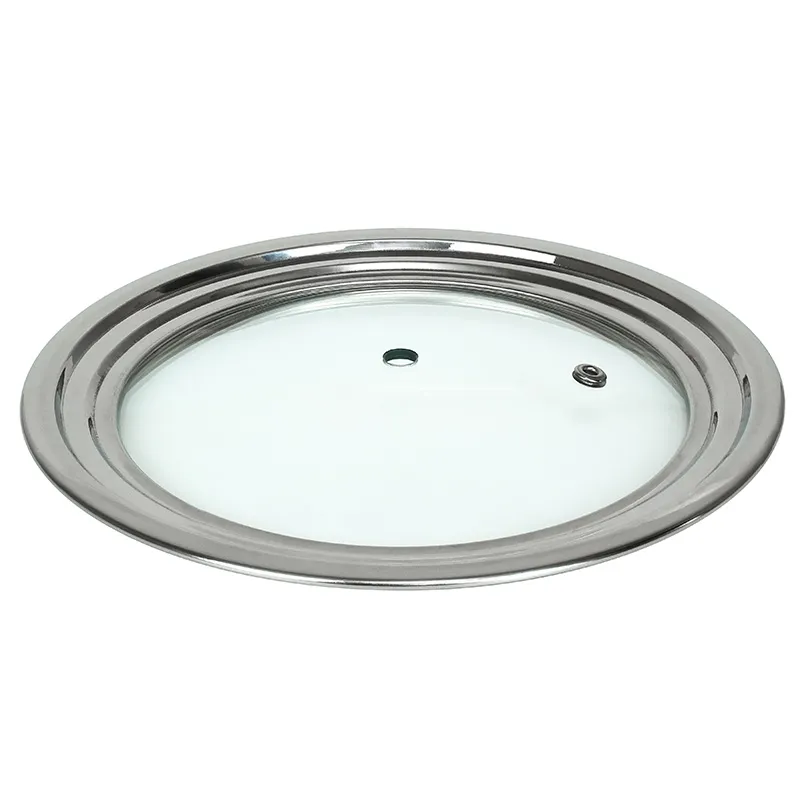
glass lid with stainless steel ring
You see the term 'glass lid with stainless steel ring' tossed around a lot in specs, but most people, even some buyers, don't really get what they're looking at. They think it's just a piece of glass held by a metal band. The reality is, that ring is the entire structural integrity of the piece. A poorly designed or stamped ring means a lid that warps under heat, doesn't seal, or worse, the glass just pops out. I've seen it happen with cheaper imports where the ring is too thin or the clinching process is rushed. The glass might be fine, but if the ring fails, the whole product is junk.
The Anatomy of a Proper Ring
It starts with the steel grade. 201 isn't terrible for cost-effective lines, but for anything meant to handle frequent thermal shock and dishwasher cycles, you need at least 304. I remember a batch from a supplier years ago where they substituted a lower nickel content alloy to cut costs. The rings started showing faint rust spots after a few months in a humid coastal market. That's a recall situation. The ring isn't just a hoop; it's a precision-engineered component. The cross-section matters – a wider, slightly domed profile distributes stress far better than a simple flat band.
The finishing on the cut edge is a dead giveaway of quality. A raw, sharp edge is a hazard and screams low priority. A properly rolled or polished edge adds cost, maybe $0.02 per unit, but it's non-negotiable for any brand with a reputation. The hinge point attachment is another critical zone. Is it a rivet or a welded stud? Rivets can loosen; a good weld is cleaner and more durable, but it requires better tooling. You can feel the difference in the hand – a solid, one-piece motion versus a clunky, grating pivot.
Then there's the fit. The glass isn't just dropped in; it's seated under tension. The tolerance between the glass edge and the inner groove of the stainless steel ring is measured in fractions of a millimeter. Too tight, and you risk stressing the glass during assembly, creating microfractures. Too loose, and you get that annoying rattle, and thermal expansion can cause movement. Getting this right is an art form in mass production. I've spent hours on factory floors with calipers, checking samples from different production runs because a die had worn down by 0.1mm and nobody noticed until the lids started failing drop tests.
Glass: It's Not All the Same
Everyone focuses on tempered glass, but tempering is a process, not a guarantee. The base glass composition, the heating curve, and the quenching air pressure all define its final strength. A lid needs to withstand direct contact with boiling vapors and then a cold granite countertop. The classic failure mode is spontaneous shattering from a nickel sulfide inclusion – a rare but real defect. Reputable producers like EUR-ASIA COOKWARE CO.,LTD. typically implement a hot soak test in their quality control to stress-test a sample of lids and force any unstable ones to break in the oven, not in a customer's kitchen. It's a costly step that many skip.
The shape of the glass also dictates the ring design. A perfectly flat lid is easy. But a domed lid, which is better for accommodating food, introduces complex curvature. The stainless steel ring has to be formed to match that exact curvature. If there's a mismatch, the clamping force is uneven. I recall a project for a European client where the 3D scans of the glass mold and the ring-forming die showed a slight deviation. We had to reject the first 5,000 pieces because the seal was inconsistent. The fix was in the tooling, not the assembly line.
And let's talk about the handle. It's almost always attached to the ring, not the glass. That plastic or phenolic knob takes the direct force of lifting. The attachment base must be robust. I've seen designs where the handle base is too small, creating a high point-load on the ring, which over time can deform it. A broader base spreads the load. It seems obvious, but you'd be surprised how many designs get this wrong in pursuit of a minimalist look.
Real-World Failure and the Fix
The most instructive lessons come from failures. We had a shipment to a distributor in Brazil – a humid, salty-air environment. The lids developed a white, crusty residue around the rim after a few months. Diagnosis: electrolytic corrosion. The stainless steel ring was 304, but the glass, under constant condensation, was leaching minute alkaline ions. The combination, with salt as an electrolyte, created a galvanic cell. The fix wasn't just better steel; it was adjusting the glass formula slightly to reduce its reactivity and ensuring the rim sealing silicone was fully cured to act as a barrier. This is the kind of niche problem you only learn by being in the trenches.
Another issue is warping in commercial dishwashers. The high-heat wash and even hotter dry cycles can thermally fatigue the metal if it's too thin. A restaurant-grade lid needs a heavier-gauge ring. We benchmarked against several high-end European brands and found their ring gauge was consistently 10-15% thicker than the budget market standard. That's not an accident; it's a specification born from field returns.
This is where a manufacturer's scale and focus matter. A company like EUR-ASIA COOKWARE CO.,LTD., with an annual output in the tens of millions, has likely seen every one of these failure modes across their global exports to Germany, Japan, Brazil, and others. Their production base in Taian isn't just a factory; it's a repository of accumulated fixes. When they tool up for a new ring profile, that data is baked into the die design. You can find their product range and specs at https://www.glass-lid.com, which shows a focus on the full spectrum from low to high-tier products, meaning they have to understand the engineering differences for each market segment.
The Assembly Line Tells the Truth
You can learn more in ten minutes on an assembly line than in a hundred product datasheets. Watch how the glass is placed into the ring. Is it a gentle, automated press? Or is a worker hammering it in with a mallet? The latter will cause stress fractures. The clinching process – where the metal lip is folded over the glass edge – is critical. The pressure must be uniform. An inconsistent clinch means an uneven bond. We audited a supplier once where the clinching machine had worn rollers. Every tenth lid had a slight give when you twisted it. That's a 10% potential failure rate walking out the door.
The final inspection is another tell. Are they just checking for cracks? Or are they checking the flatness on a granite slab, testing the hinge tension with a gauge, and doing a seal test on a pot? The difference in process accounts for the price difference between a $2 lid and a $15 lid. The core components – the glass and the stainless steel ring – might have a BOM cost difference of 50 cents, but the precision manufacturing and QC around their marriage add the real value.
It's easy to see the lid as a simple accessory. But when you break it down – the metallurgy, the glass science, the tolerance engineering, the assembly physics – you realize it's a deceptively complex product. A well-made one is a masterpiece of pragmatic design. It sits silently on a pot, doing its job, until one day a subpar version fails, and you understand why the details of that metal ring matter so much.
Beyond the Basics: The Unspoken Specs
Finally, there are specs nobody asks for but everyone should. The coefficient of thermal expansion of the glass should be reasonably matched to the steel. They'll never be perfect, but a huge mismatch guarantees early failure. The surface finish of the ring's interior groove – a smoother finish reduces friction during glass insertion and stress concentration. Even the packaging matters. I've seen beautifully made lids arrive with cracks because they were packed too tightly in a box, with no room for shock absorption during shipping. The product isn't finished until it's safely in the customer's hands.
So next time you evaluate a glass lid with stainless steel ring, don't just look at it. Pick it up. Feel the weight of the ring. Flex it slightly (gently!). Look at the edge finish. Check the smoothness of the hinge. That tactile inspection will tell you more than any catalog copy. It's the difference between a commodity and a tool built to last. For producers navigating these details at scale, like the team behind glass-lid.com, the challenge is institutionalizing this attention to detail across millions of units, which is perhaps the most impressive engineering feat of all.
In the end, it's a component that demands respect. It bridges the visible world of cooking and the invisible world of material stress. Getting it right is quiet excellence. Getting it wrong is a very loud, and very expensive, problem.
Related Products
Related Products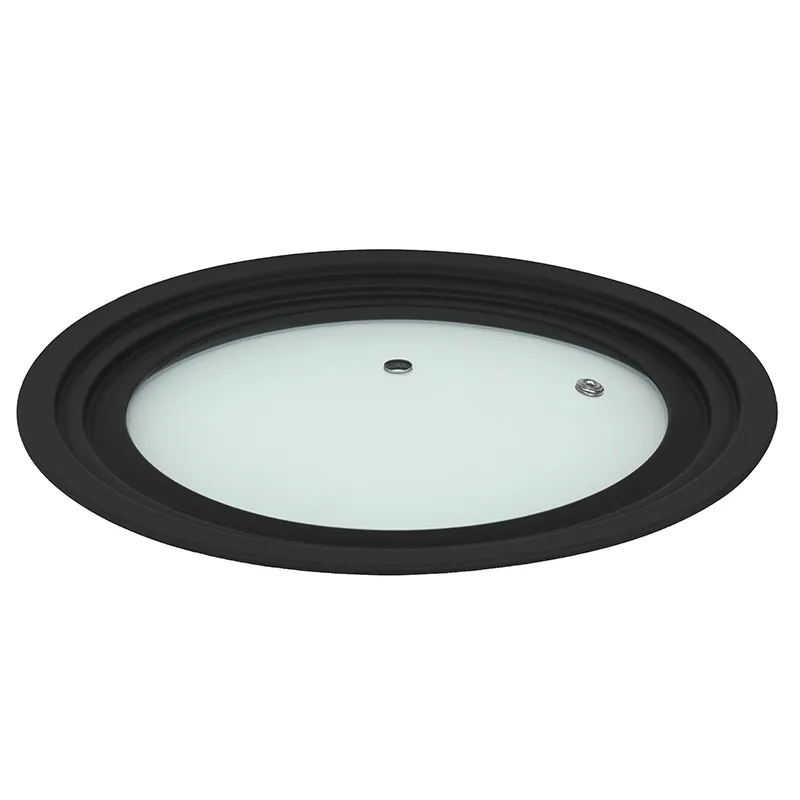

Best Selling Products
Best Selling Products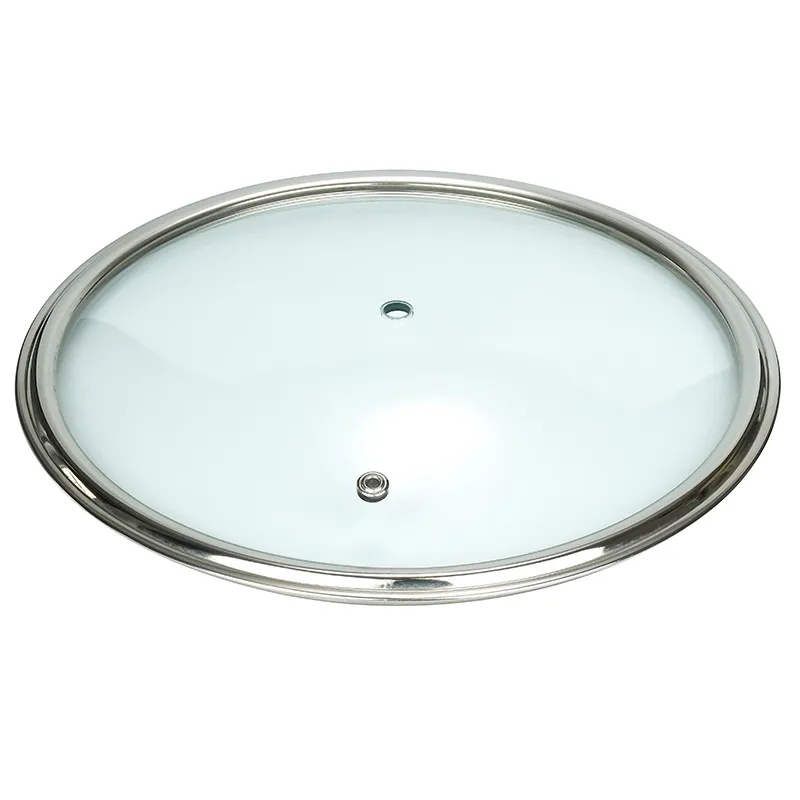
Related Search
Related Search- round tempered glass lid for cookware
- glass sheet
- glass lid for kettle
- anchor hocking 1 gallon glass cracker jar with lid
- glass jar with lid near me
- tempered glass lid professional manufacturer
- glass jar with copper lid
- tempered glass cover manufacturer
- glass lid supplier in China
- glass cookie jar with sealed lid


