- Chinese
- French
- German
- Portuguese
- Spanish
- Russian
- Japanese
- Korean
- Arabic
- Irish
- Greek
- Turkish
- Italian
- Danish
- Romanian
- Indonesian
- Czech
- Afrikaans
- Swedish
- Polish
- Basque
- Catalan
- Esperanto
- Hindi
- Lao
- Albanian
- Amharic
- Armenian
- Azerbaijani
- Belarusian
- Bengali
- Bosnian
- Bulgarian
- Cebuano
- Chichewa
- Corsican
- Croatian
- Dutch
- Estonian
- Filipino
- Finnish
- Frisian
- Galician
- Georgian
- Gujarati
- Haitian
- Hausa
- Hawaiian
- Hebrew
- Hmong
- Hungarian
- Icelandic
- Igbo
- Javanese
- Kannada
- Kazakh
- Khmer
- Kurdish
- Kyrgyz
- Latin
- Latvian
- Lithuanian
- Luxembou..
- Macedonian
- Malagasy
- Malay
- Malayalam
- Maltese
- Maori
- Marathi
- Mongolian
- Burmese
- Nepali
- Norwegian
- Pashto
- Persian
- Punjabi
- Serbian
- Sesotho
- Sinhala
- Slovak
- Slovenian
- Somali
- Samoan
- Scots Gaelic
- Shona
- Sindhi
- Sundanese
- Swahili
- Tajik
- Tamil
- Telugu
- Thai
- Ukrainian
- Urdu
- Uzbek
- Vietnamese
- Welsh
- Xhosa
- Yiddish
- Yoruba
- Zulu
- Kinyarwanda
- Tatar
- Oriya
- Turkmen
- Uyghur

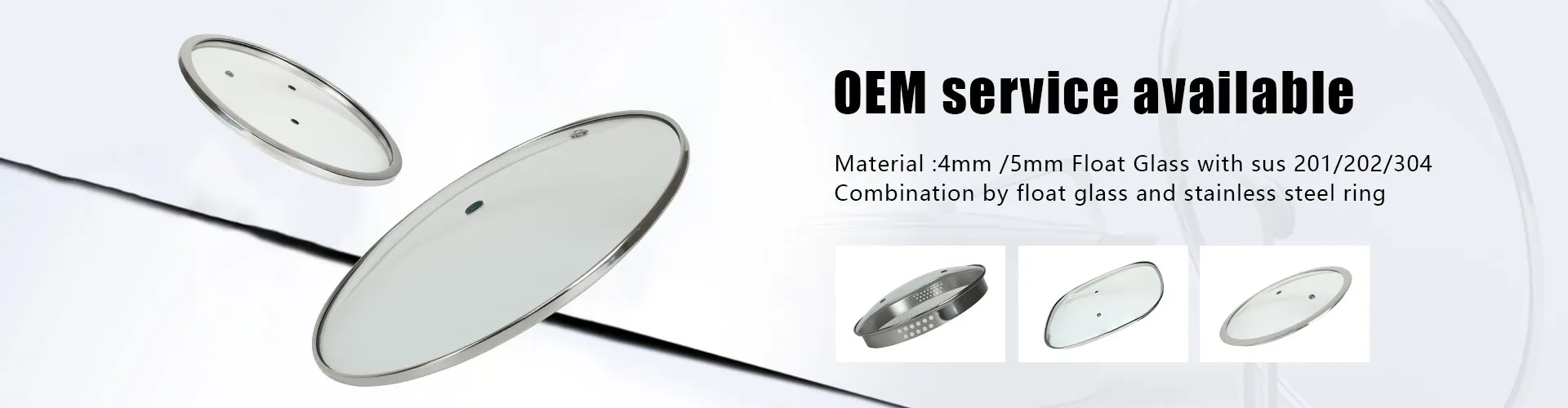
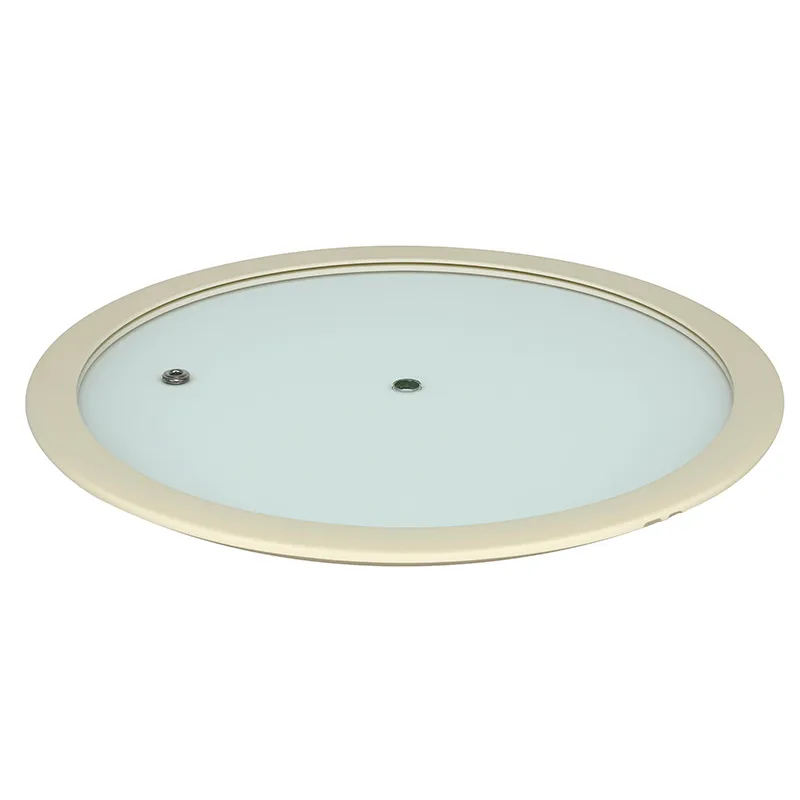
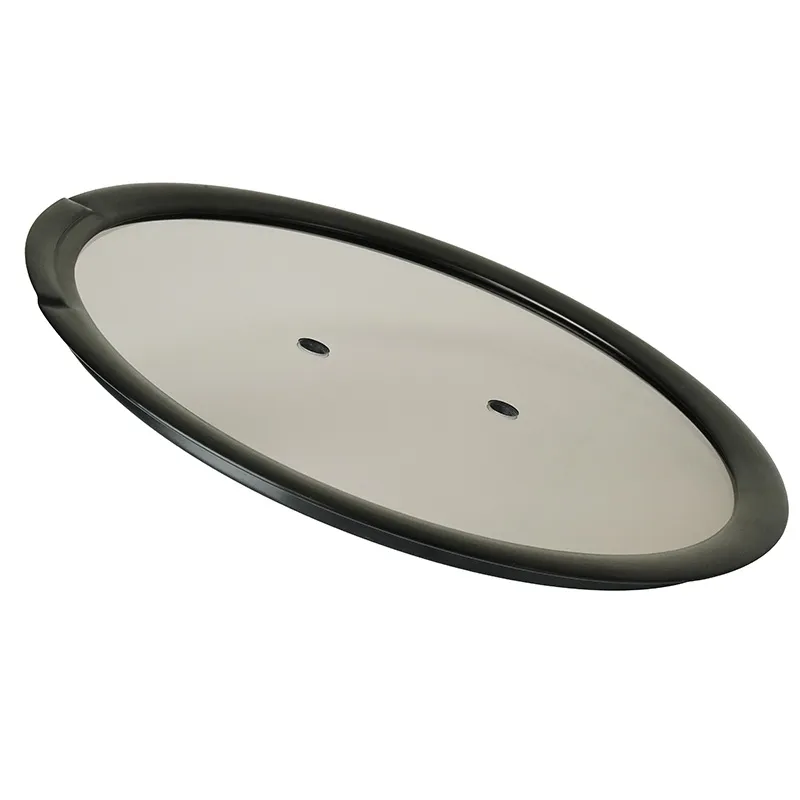
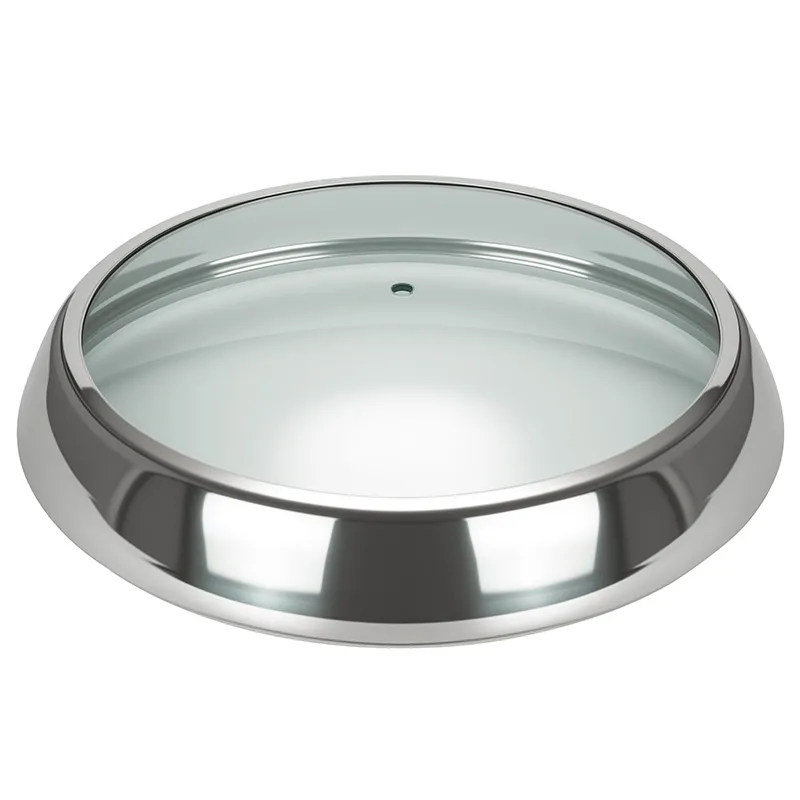
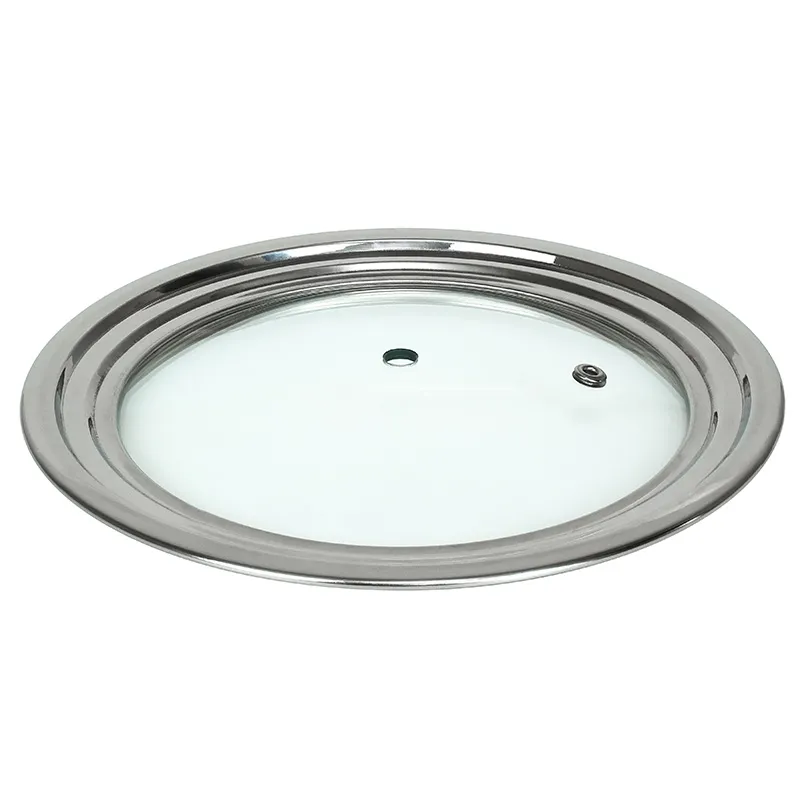
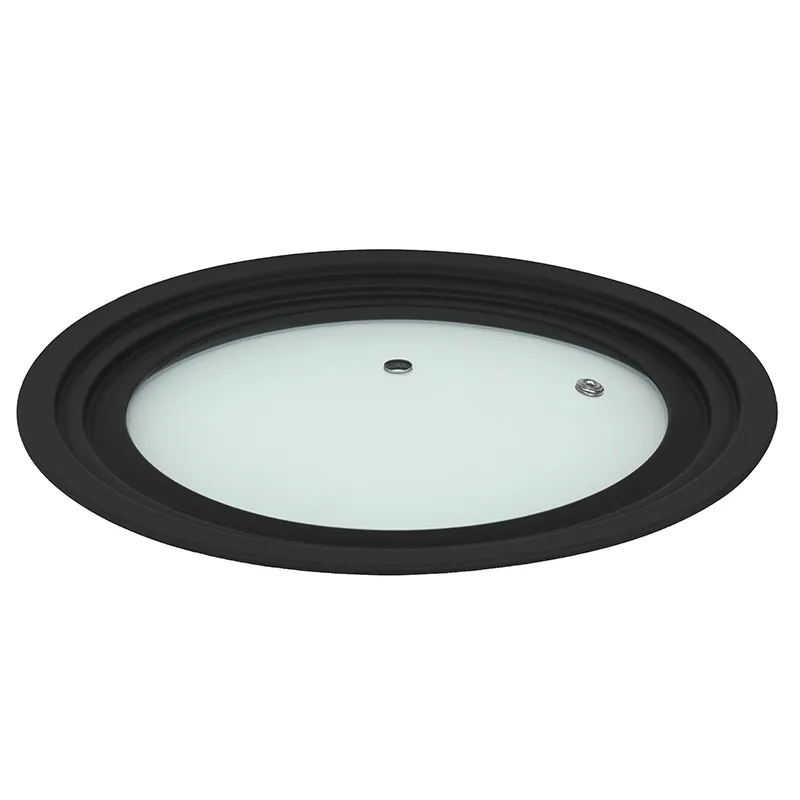
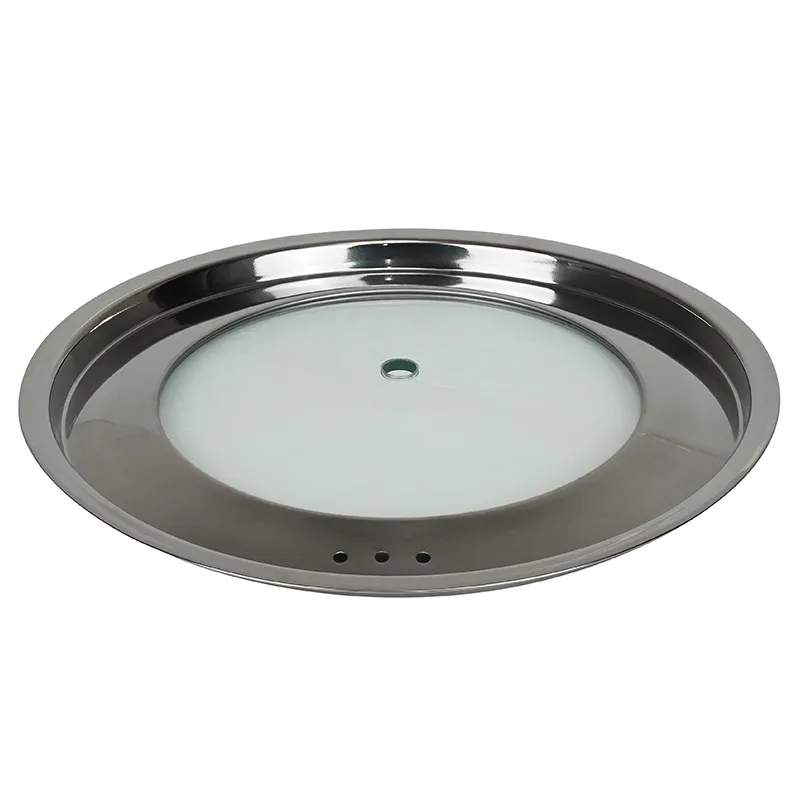
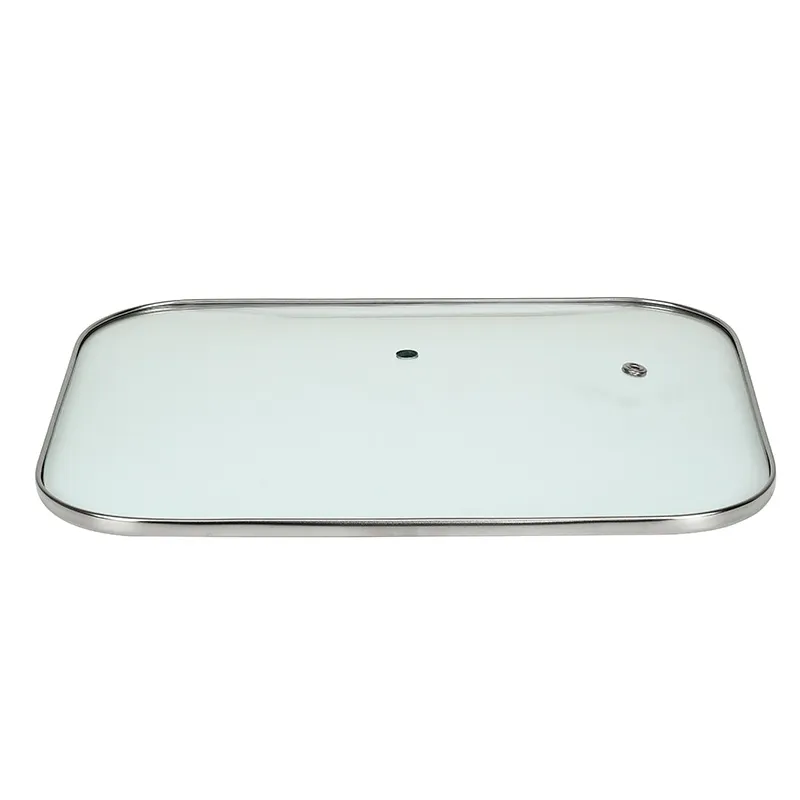
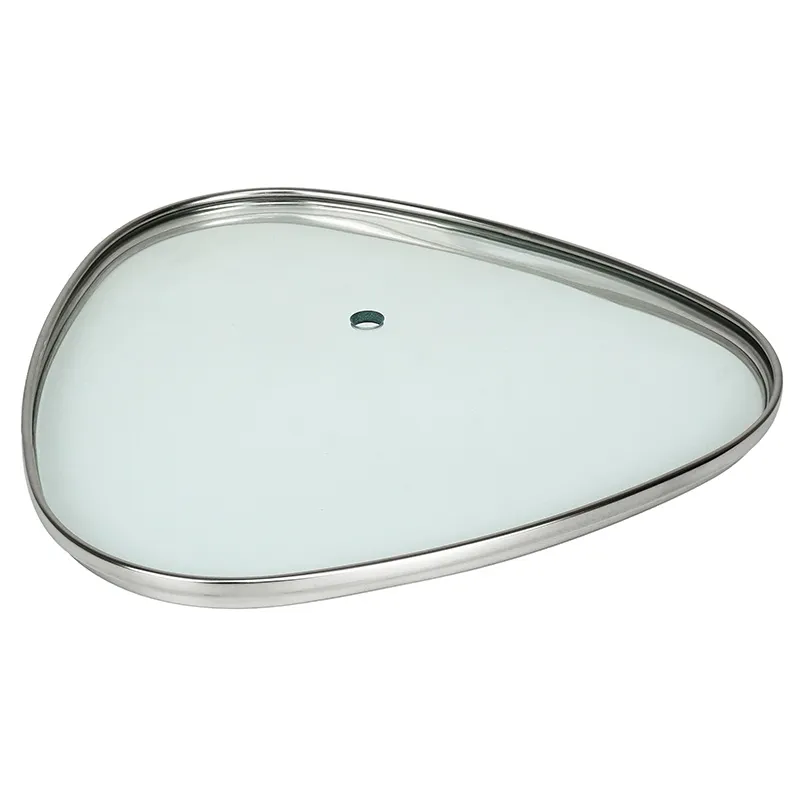
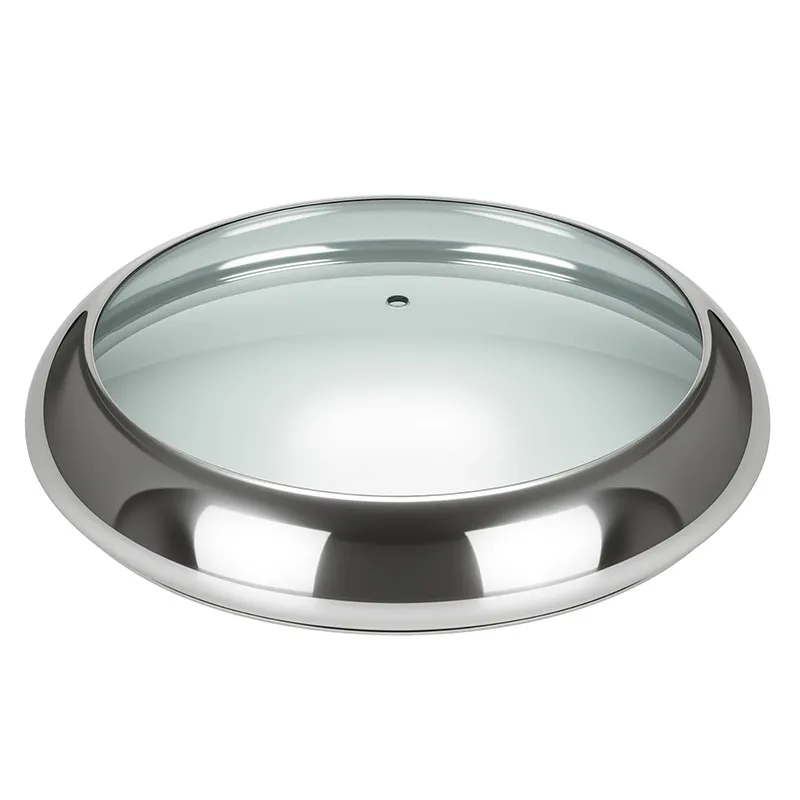
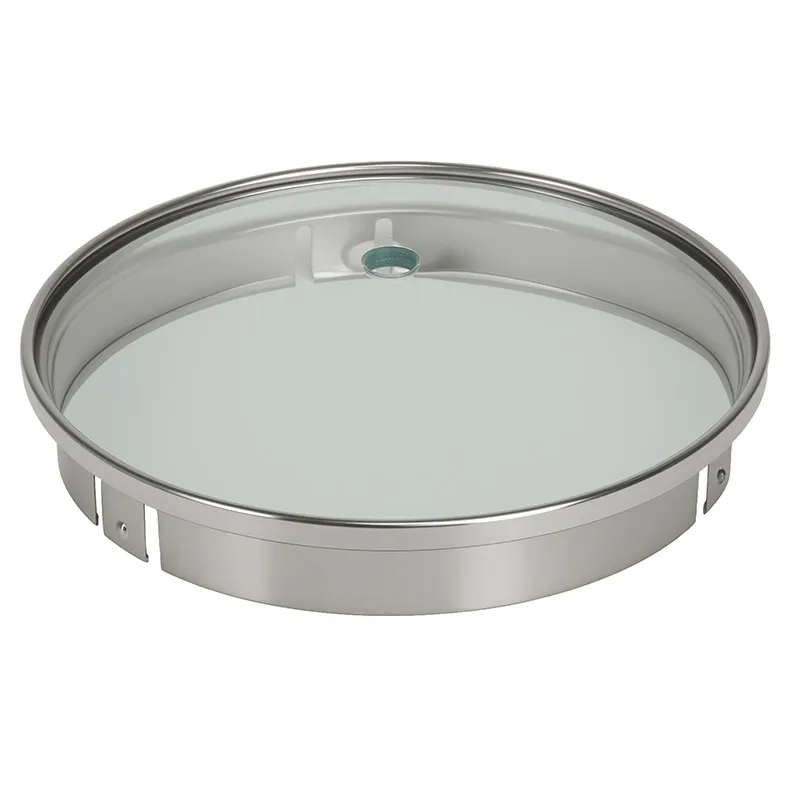
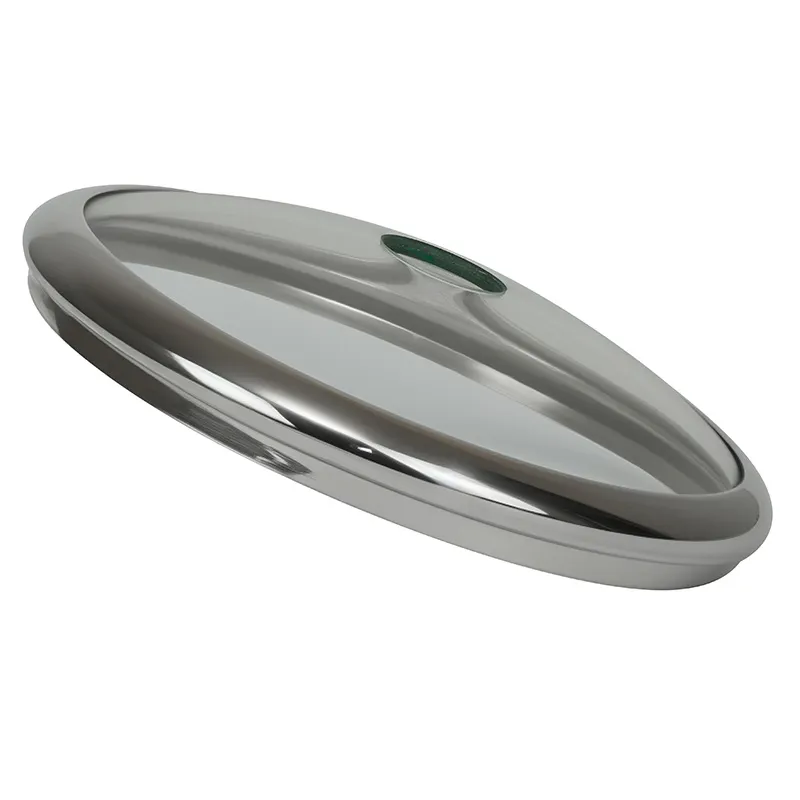
glass lids
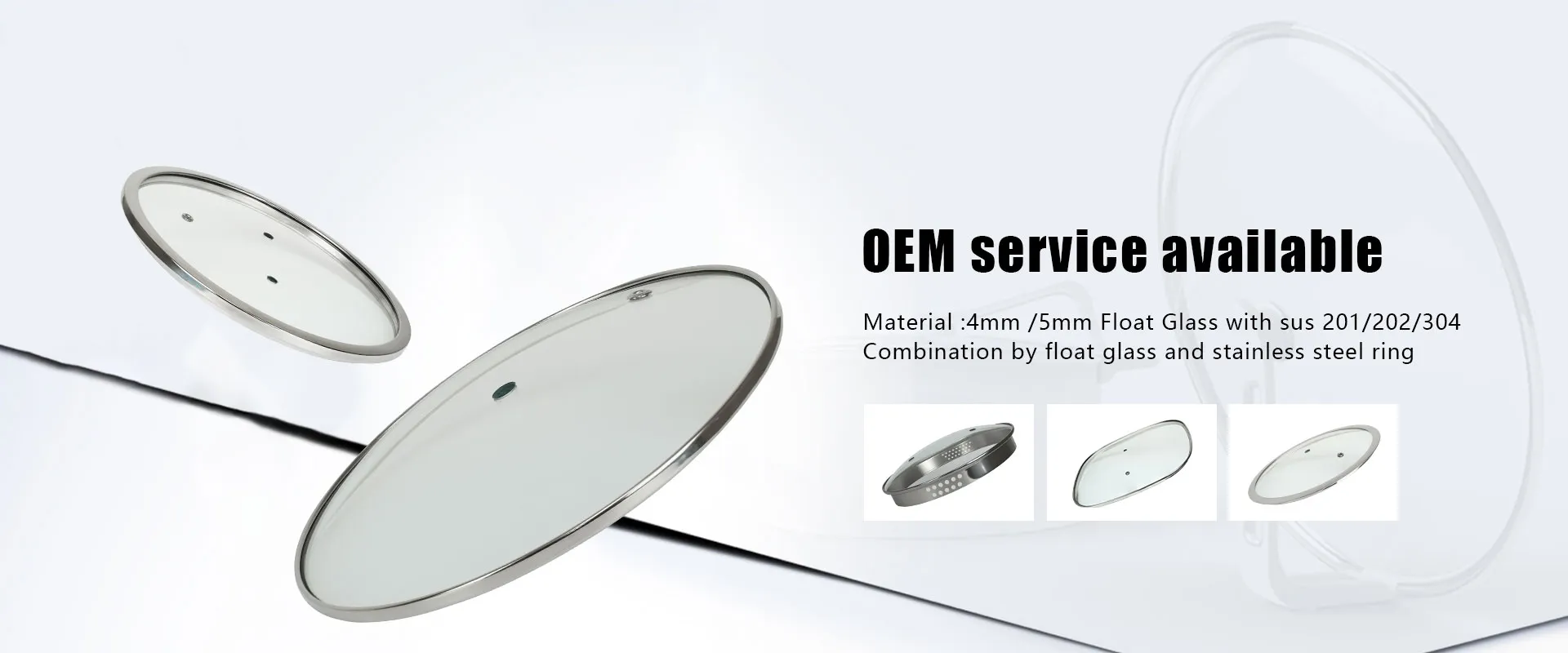
You see them everywhere, but most people don't think twice. A glass lid is just a lid, right? That's the first mistake. In this business, the difference between a product that sells and one that gets returned is often in the details most never consider—the rim finish, the handle's thermal properties, the specific type of tempered glass. It's not about being transparent; it's about performing under heat and stress without failing. I've seen too many brands, even big ones, get this wrong, focusing on aesthetics over engineering. Let's talk about what actually matters.
The Core Misconception: Tempering Isn't a Magic Bullet
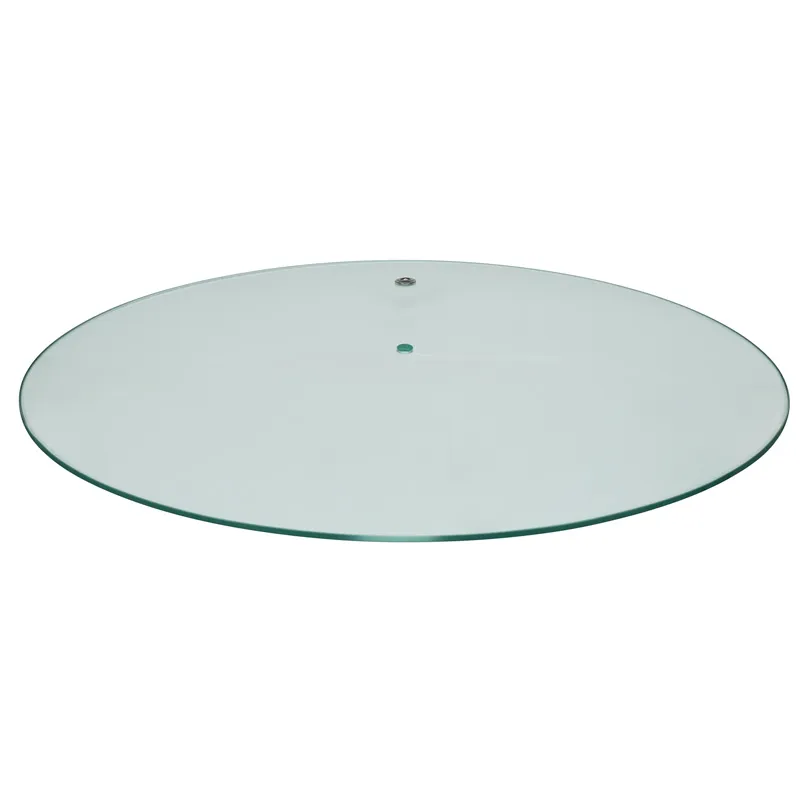
Everyone specifies tempered glass for safety, and that's correct. But assuming all tempered glass is created equal is where projects stumble. The tempering process for a glass lid isn't the same as for a car window. The curvature, thickness, and especially the drilling of the handle hole introduce stress points. If the cooling phase isn't calibrated precisely for a lid's geometry, you get weak zones. I've had batches where lids passed the basic impact test but would crack from thermal shock when placed on a cold granite counter right after use. The failure wasn't in the material, but in the process tailored for a different product shape.
This is where working with a specialized manufacturer makes a tangible difference. A company like EUR-ASIA COOKWARE CO.,LTD, which states its annual output is over 15 million pieces of tempered glass lids, has likely dialed in their ovens for this specific product category. Their focus isn't just glass, it's glass lids and kitchen accessories. That volume suggests they've encountered and solved the thermal shock problem across countless batches for markets with strict standards, like Germany and Japan mentioned in their profile. It's a different level of operational know-how.
The proof is often in the edgework. A cheap lid will have a ground edge that feels sharp, almost gritty. A properly finished one undergoes a secondary polishing after tempering. This isn't just for feel; it removes micro-fractures along the edge that can become nucleation points for cracks. It's a step that adds cost, and many cut it. You can literally run your finger along the rim and tell which factory understood the assignment.
The Handle: The Critical Interface
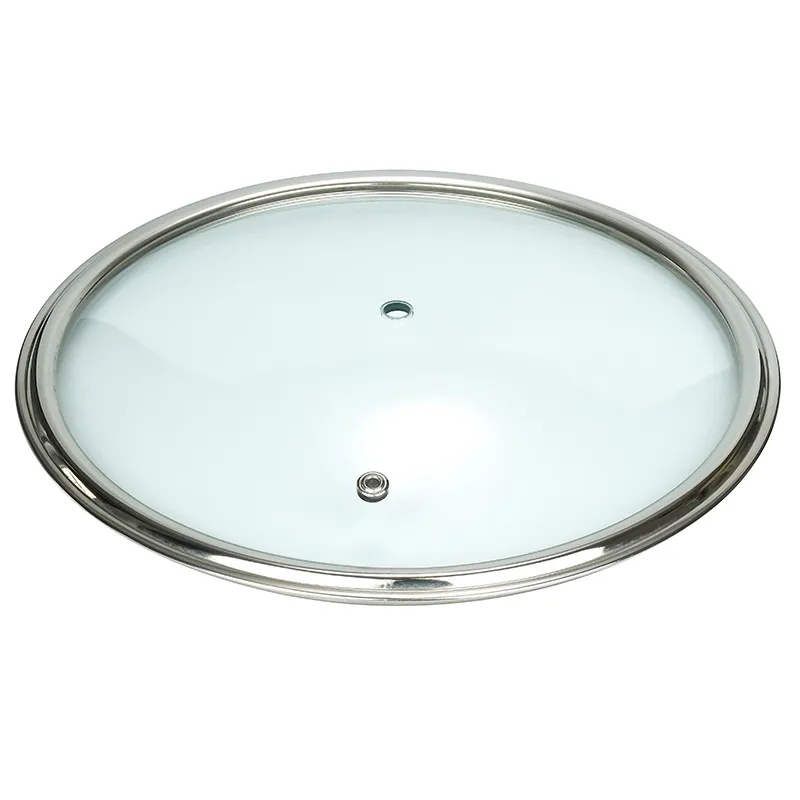
If the glass is the body, the handle is the joint. It's the most common point of failure, both mechanically and in user experience. The debate is always: metal, phenolic resin, or silicone? Each has trade-offs. A stainless steel knob looks premium and is durable, but its thermal conductivity is a problem. For a glass lid on a boiling pot, that handle gets dangerously hot. Phenolic resin is the classic choice for heat resistance, but its bonding to the metal stem that goes into the glass is crucial. I've seen handles spin freely because the adhesive failed under repeated steam exposure.
The mounting itself is a science. The hole in the tempered glass must be drilled before the tempering process. The stress patterns around that hole are critical. A poorly executed drill leads to a lid that shatters spontaneously—not from impact, but from internal stress. I recall a supplier early in my sourcing days whose lids would develop a hairline crack radiating from the handle hole after a few months of use. The root cause was a drill bit speed that generated too much local heat, altering the glass structure before it even hit the tempering oven.
Some high-end solutions use a silicone wrap over a phenolic core, or even a wooden knob (though that has its own maintenance issues). The goal is to achieve a cool-touch performance. It's not a marketing gimmick; it's a functional requirement for safety and usability. When you look at a manufacturer's portfolio, don't just look at the lid. Zoom in on the handle assembly. It tells you more about their quality philosophy than any spec sheet.
Fit and Function: The Warping Paradox
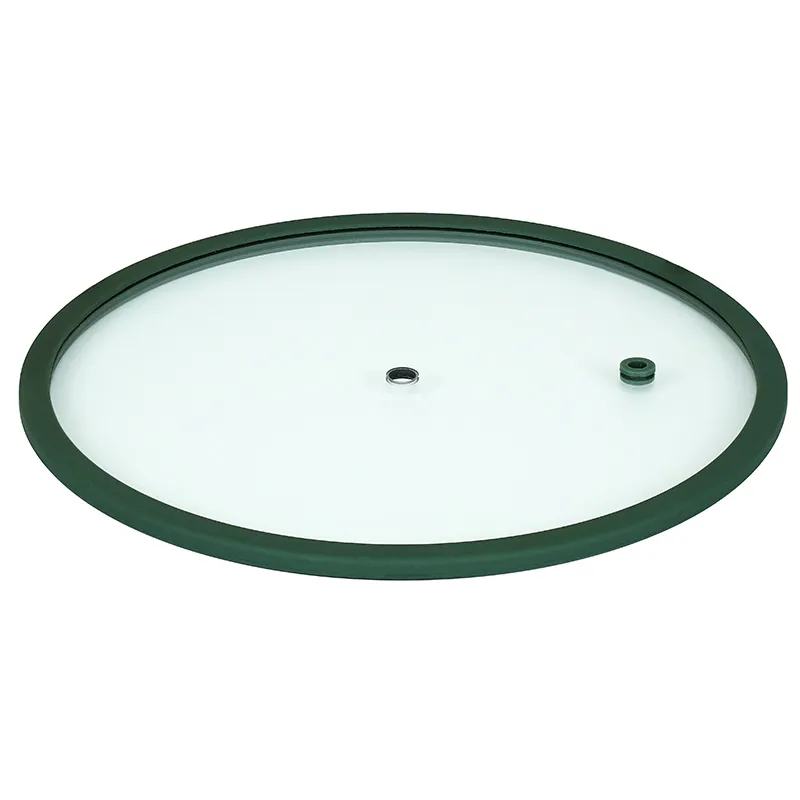
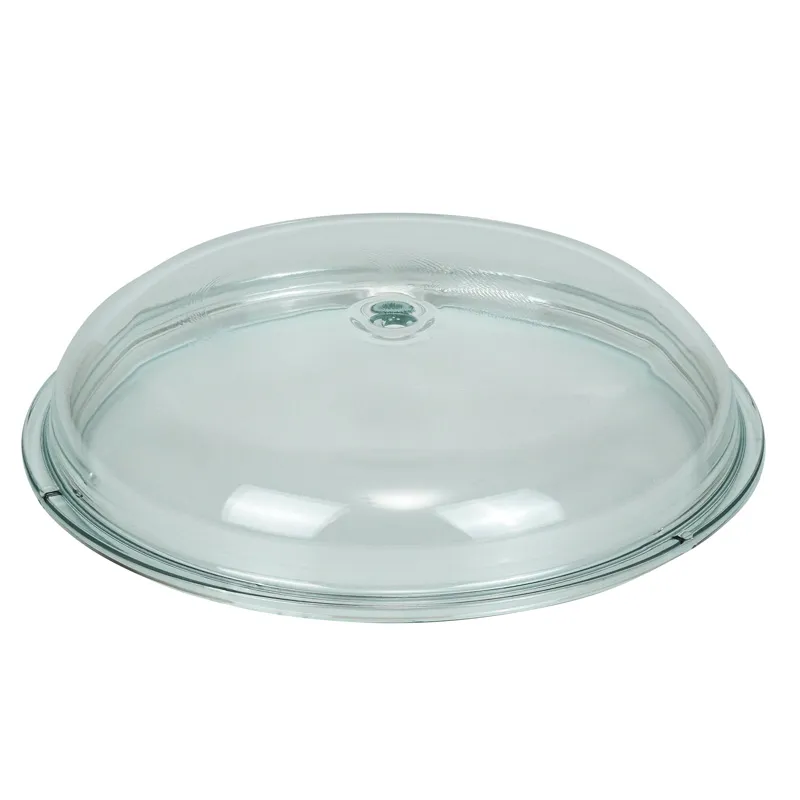
A perfectly flat glass lid on a workbench doesn't guarantee a perfect fit on a pot. Pots warp with heat, especially less expensive cookware. A rigid lid will rock, steam will escape, and the user gets frustrated. There's a subtle design consideration here: the curvature of the lid. It's never truly flat; it's a very shallow dome. This isn't just for aesthetics or dripping condensation. That slight dome allows for minor thermal expansion and accommodates pot lip warpage without breaking the seal.
Getting the radius of that dome wrong is a common error. Too much curvature, and the lid sits on a narrow ring, becoming unstable. Too flat, and it vacuums onto the pot or cracks if the pot lip expands upwards. I learned this through a painful rejections. We ordered a batch for a line of stock pots, and the lids fit the samples perfectly. In mass production, a significant percentage created a whistling sound from a tiny gap. The issue? Our pot supplier had a tolerance in lip flatness, and our lid's dome radius was too tight to compensate. The manufacturer, to their credit, worked with us to adjust the mold for a slightly broader curve, solving the issue. This kind of problem-solving is what you find with partners who have deep production experience, like a firm operating from a dedicated 15,000㎡ facility focusing on these products.
The rim design also matters. A simple ground edge is cheap. A beveled or rolled edge, sometimes with a subtle silicone gasket channel (though less common on universal lids), improves the seal. It's these nuanced design choices that separate a commodity item from a reliable kitchen tool.
Logistics and the Fragility Factor
Producing a good lid is half the battle. Getting it to the customer intact is the other half. Packaging for glass lids is deceptively complex. They need to be immobilized within the box to prevent vibration damage during shipping. Standard foam can abrade the surface or transfer static, attracting dust. Corrugated cardboard inserts must be precisely die-cut. We once used a recycled pulp mold that seemed perfect, but in humid climates, it retained moisture and left water marks on the glass surface.
This is a hidden strength of large-scale, export-oriented producers. A company exporting over 90% of its products to diverse climates from Brazil to Switzerland, as EUR-ASIA COOKWARE CO.,LTD does, has had to engineer packaging that survives long sea freight journeys, temperature swings, and rough handling. They've likely iterated their packaging design based on real-world damage claims. It's a form of tacit knowledge that's invaluable. You can find their approach detailed on their site at https://www.glass-lid.com, which often reflects this accumulated practical wisdom.
In-warehouse storage is another point. Stacking lids directly on each other is a recipe for scratches. Interleaving with paper or foam sheets is essential. It sounds basic, but in a high-volume operation producing millions of pieces, the storage and retrieval system must account for this fragility without killing efficiency. It's a balance.
The Market Shift: From Utility to Statement
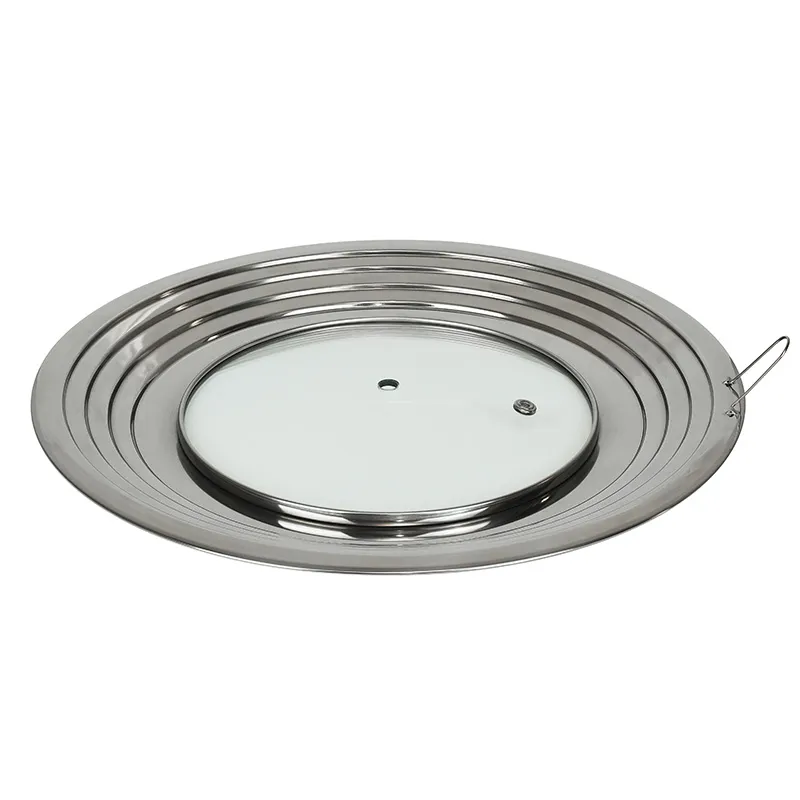
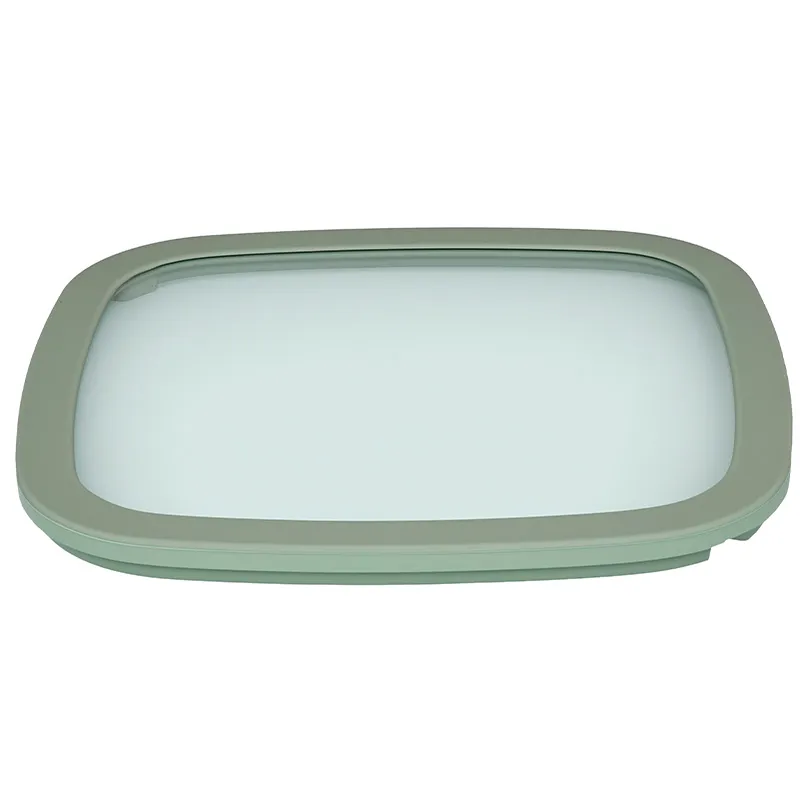
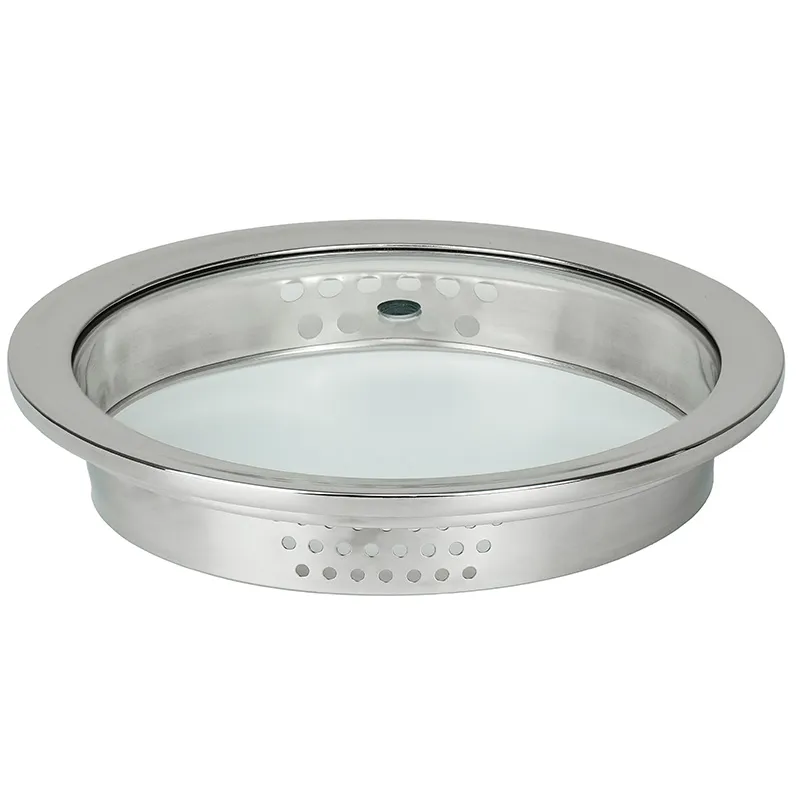
The trend now isn't just about a lid that works. It's about a lid that looks good on a modern stove and in social media photos. Colored glass lids, lids with measurement markings, or lids with integrated steam vents and strainer features are gaining traction. This pushes the manufacturing process further. Adding a ceramic paint or screen-printed markings requires another firing cycle, which must be compatible with the already-tempered glass without causing stress or delamination.
It's a tricky value-add. The markings must be food-safe and durable against scrubbing. We experimented with lids that had a min-max water level line for rice cookers. The ink faded after a dozen dishwasher cycles because the firing temperature was slightly off. The supplier had expertise in glass, but not in durable ceramic inks. It highlights the need for a manufacturer with a broad material science capability within the glass domain.
Ultimately, a glass lid is a synergy of material science, mechanical design, and practical ergonomics. It's a humble product that, when done right, disappears into the daily ritual of cooking. When done wrong, it's a constant annoyance. The difference lies in the million tiny details learned on the factory floor and through solving real problems for real users across the globe. That's the kind of depth you look for behind a product that seems simple on the shelf.
Related Products
Related Products