- Chinese
- French
- German
- Portuguese
- Spanish
- Russian
- Japanese
- Korean
- Arabic
- Irish
- Greek
- Turkish
- Italian
- Danish
- Romanian
- Indonesian
- Czech
- Afrikaans
- Swedish
- Polish
- Basque
- Catalan
- Esperanto
- Hindi
- Lao
- Albanian
- Amharic
- Armenian
- Azerbaijani
- Belarusian
- Bengali
- Bosnian
- Bulgarian
- Cebuano
- Chichewa
- Corsican
- Croatian
- Dutch
- Estonian
- Filipino
- Finnish
- Frisian
- Galician
- Georgian
- Gujarati
- Haitian
- Hausa
- Hawaiian
- Hebrew
- Hmong
- Hungarian
- Icelandic
- Igbo
- Javanese
- Kannada
- Kazakh
- Khmer
- Kurdish
- Kyrgyz
- Latin
- Latvian
- Lithuanian
- Luxembou..
- Macedonian
- Malagasy
- Malay
- Malayalam
- Maltese
- Maori
- Marathi
- Mongolian
- Burmese
- Nepali
- Norwegian
- Pashto
- Persian
- Punjabi
- Serbian
- Sesotho
- Sinhala
- Slovak
- Slovenian
- Somali
- Samoan
- Scots Gaelic
- Shona
- Sindhi
- Sundanese
- Swahili
- Tajik
- Tamil
- Telugu
- Thai
- Ukrainian
- Urdu
- Uzbek
- Vietnamese
- Welsh
- Xhosa
- Yiddish
- Yoruba
- Zulu
- Kinyarwanda
- Tatar
- Oriya
- Turkmen
- Uyghur


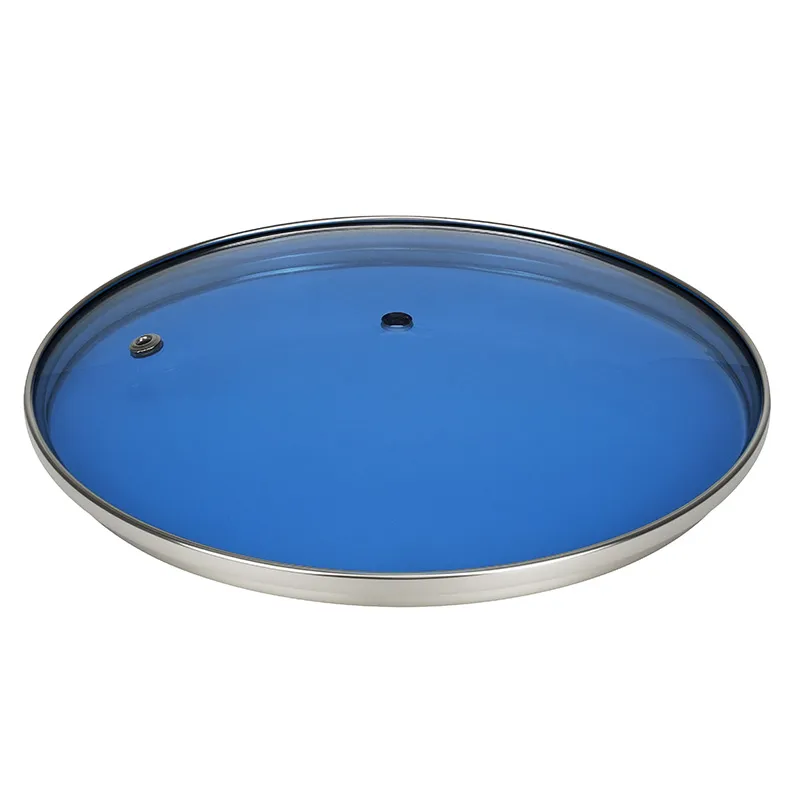
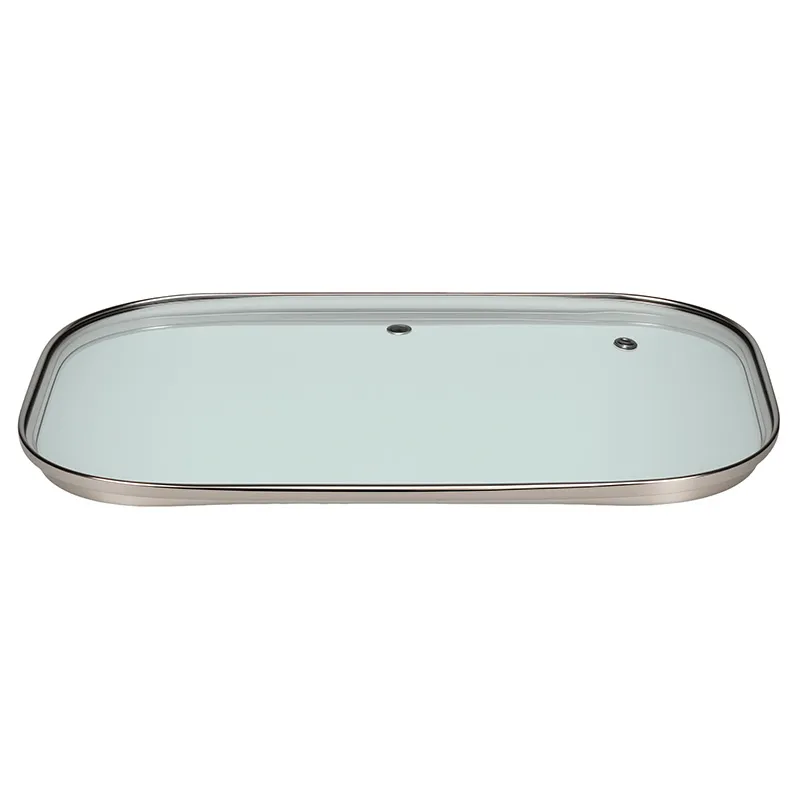
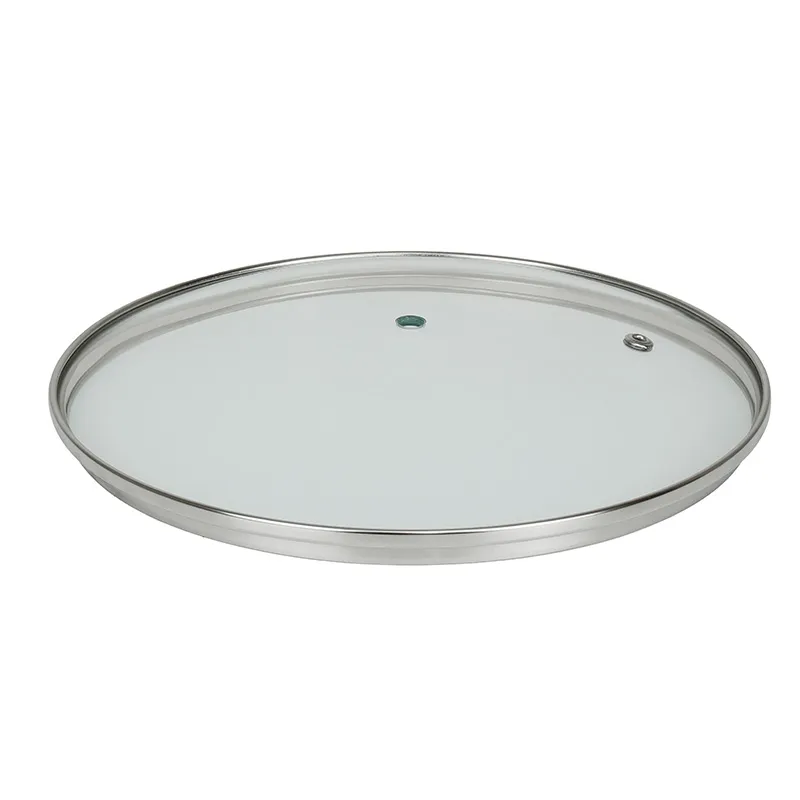
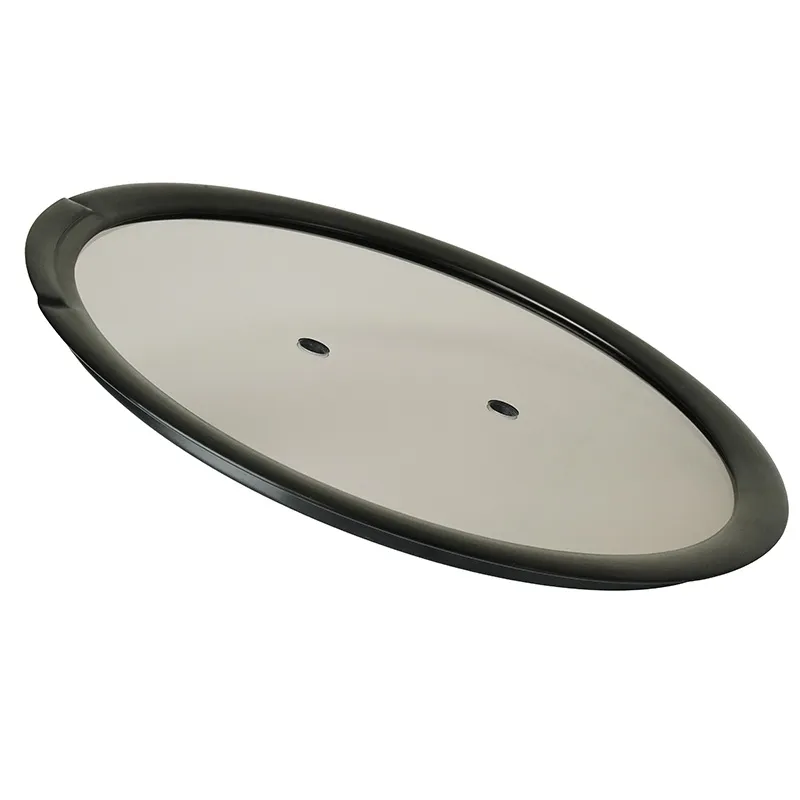
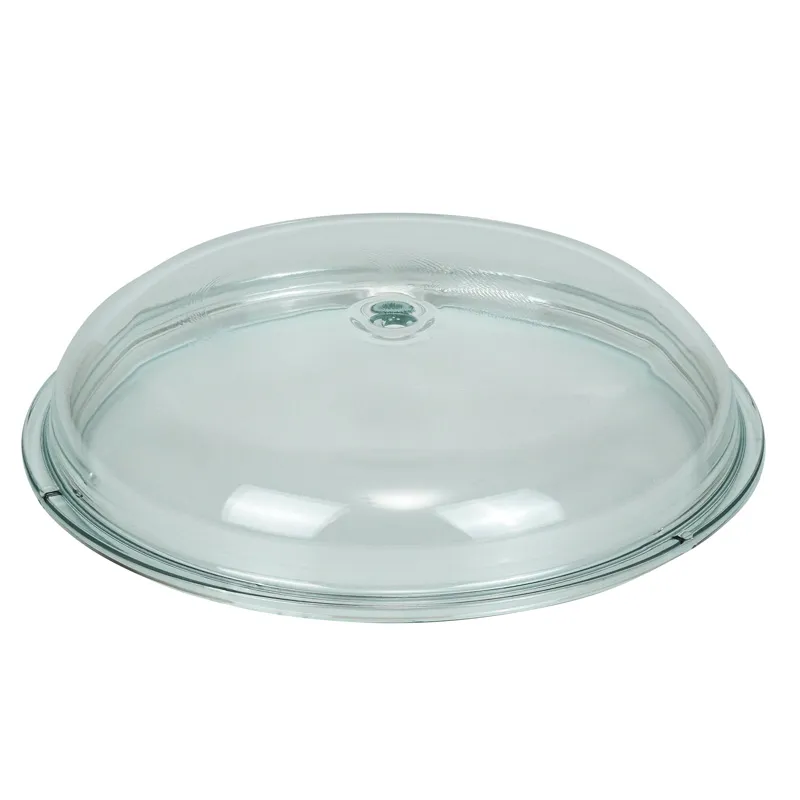
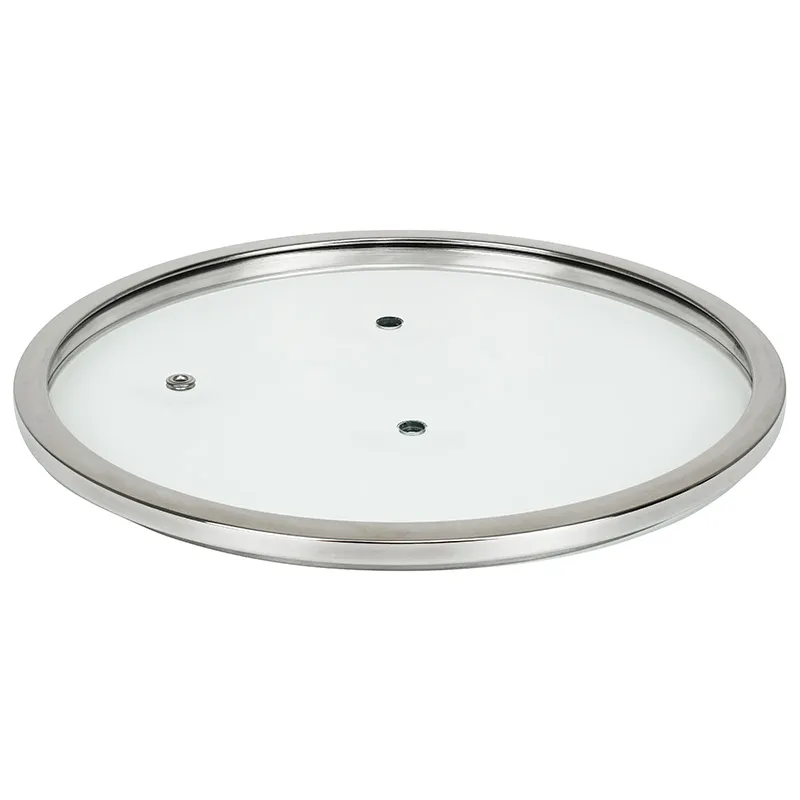
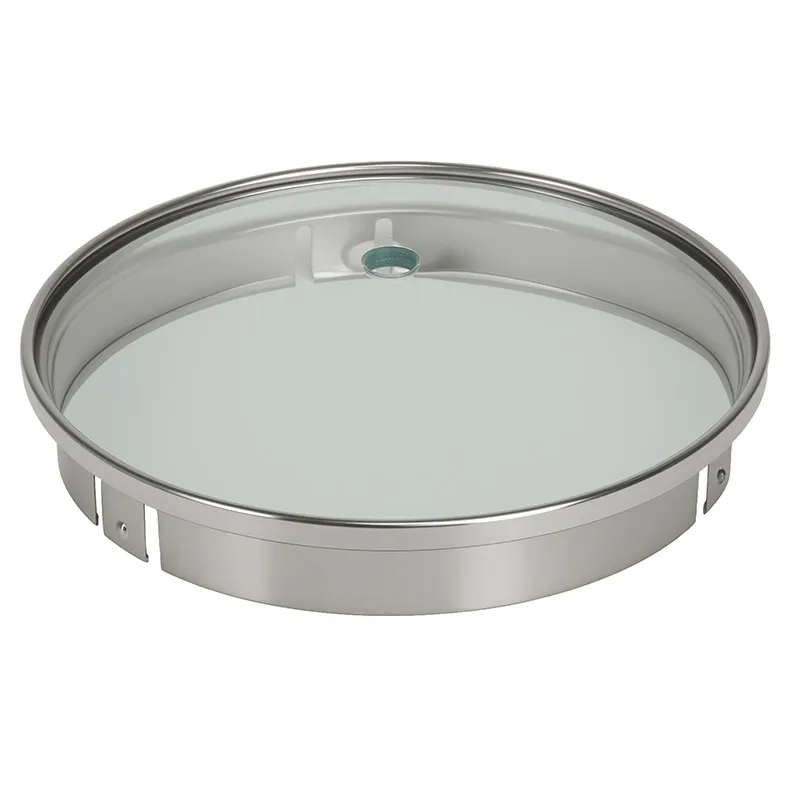
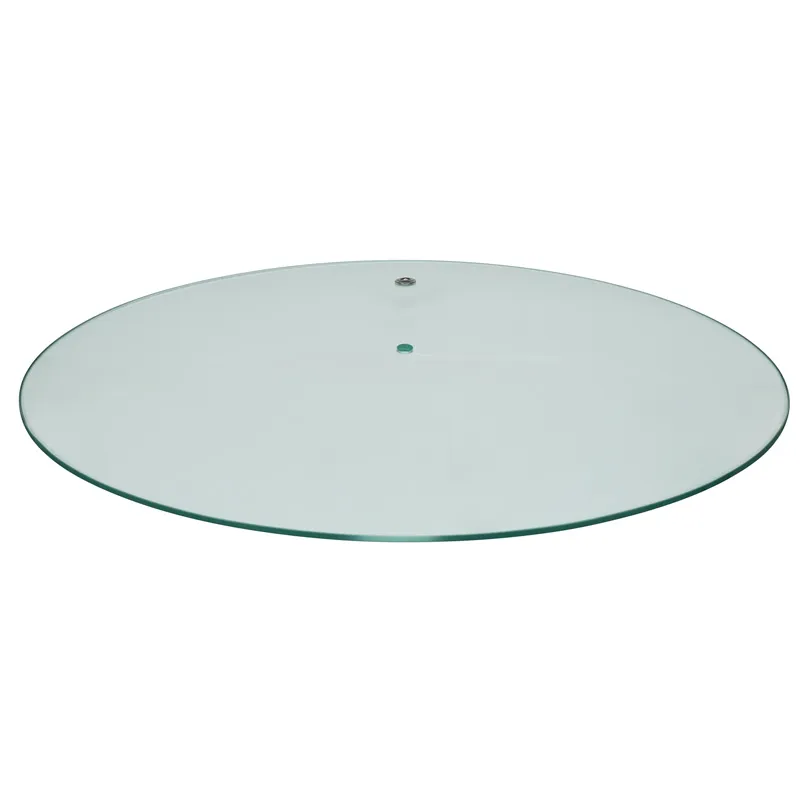
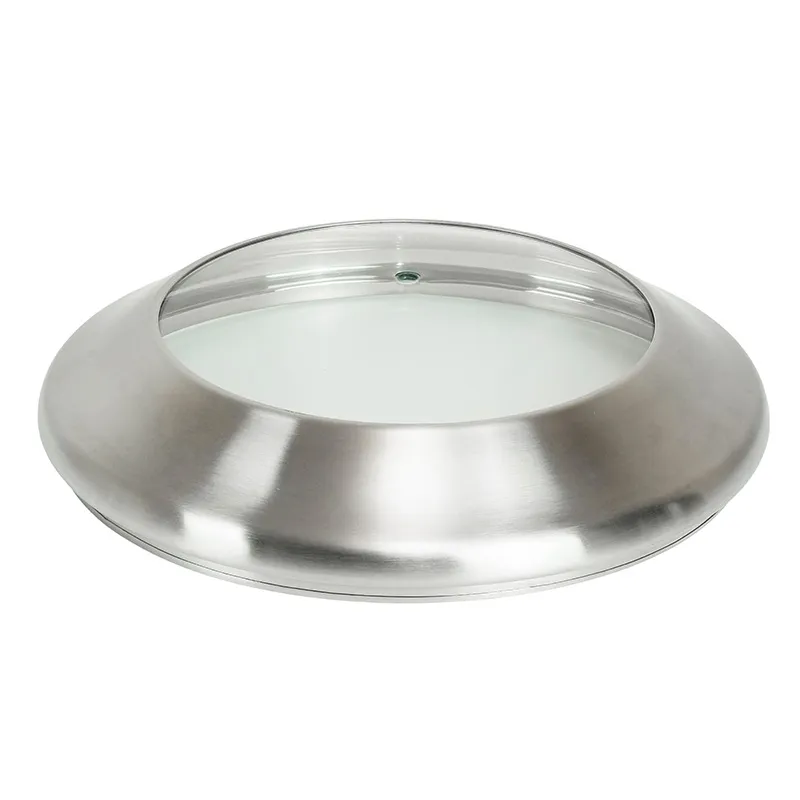
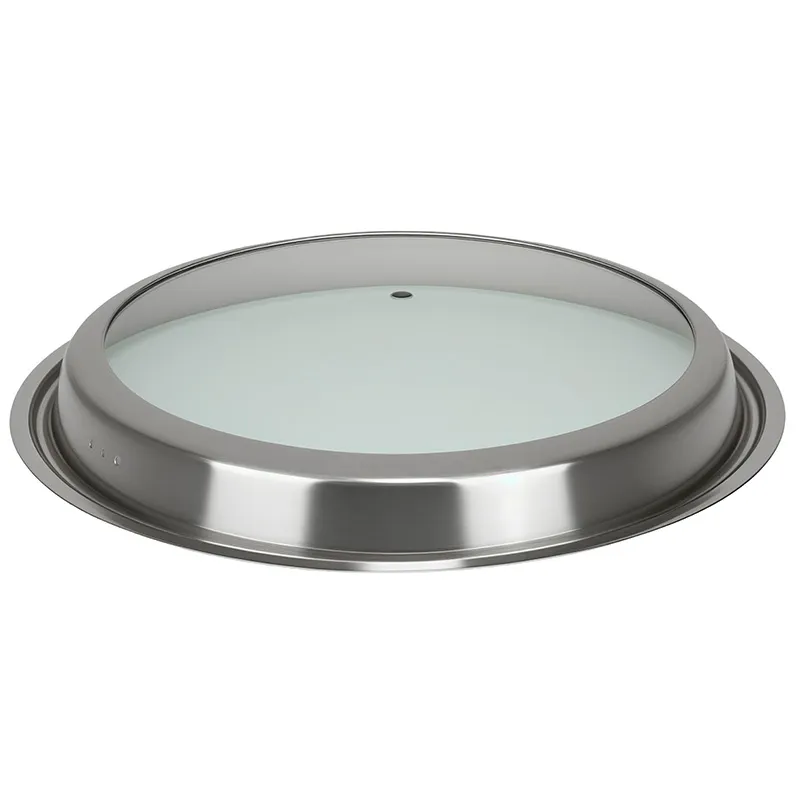
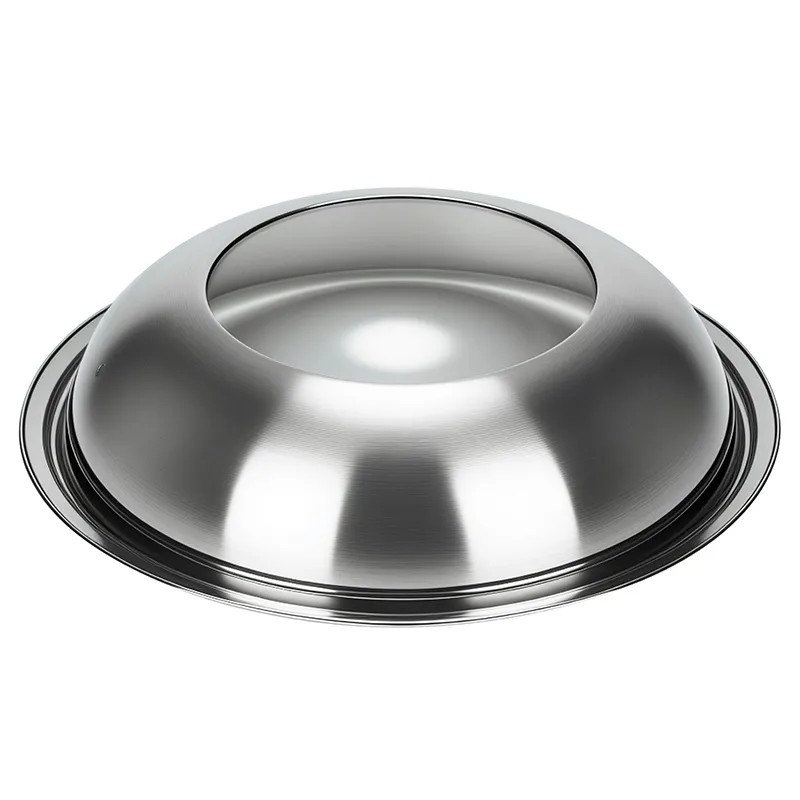
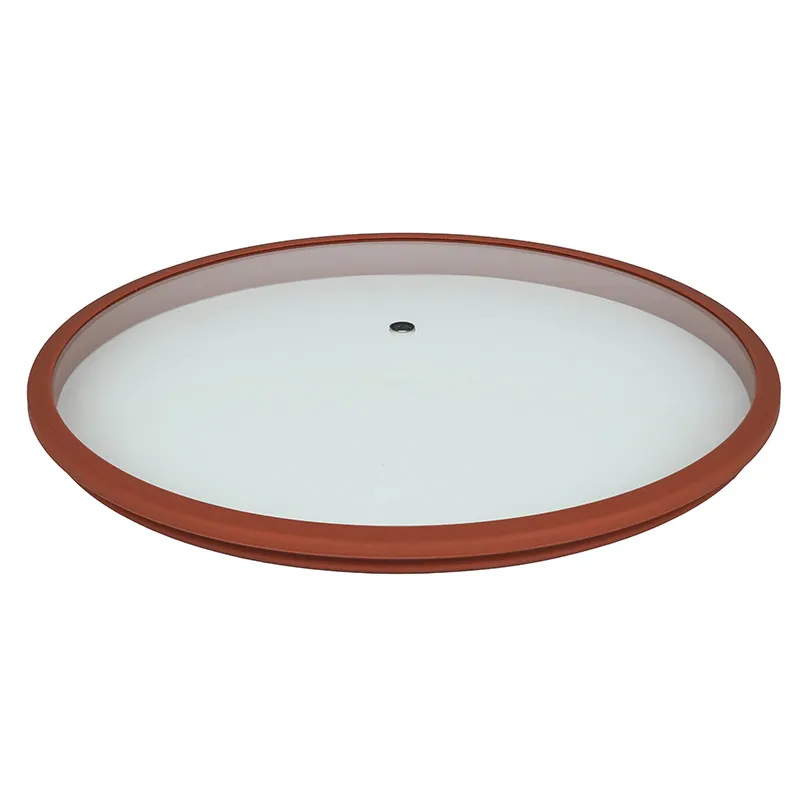
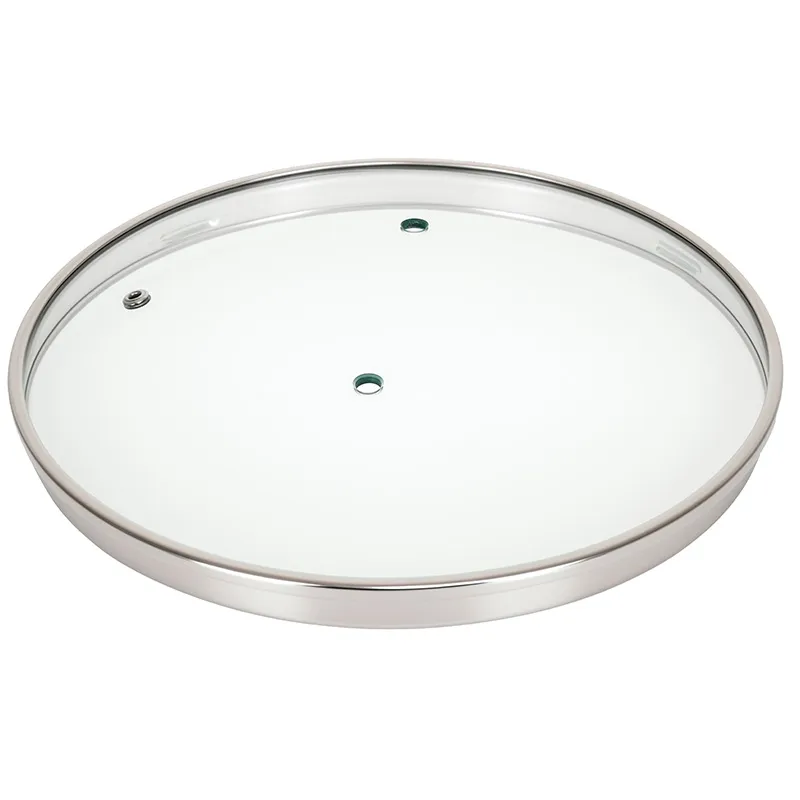
glass loaf pan with lid
When most people hear 'glass loaf pan with lid', they picture a simple, clear container for storing yesterday's banana bread. That's the common pitfall—viewing it purely as storage. In practice, especially in small-batch artisan baking or consistent meal prep, the lid transforms the pan from a mere vessel into a controlled micro-environment. It's not just about covering; it's about managing moisture, crust development, and even cooling rates. Many off-the-shelf sets get this wrong, with ill-fitting lids that warp or glass that can't handle the thermal shock of going from a 350°F oven directly to a cooler, damp surface. That's where the real conversation begins.
The Lid Isn't an Afterthought
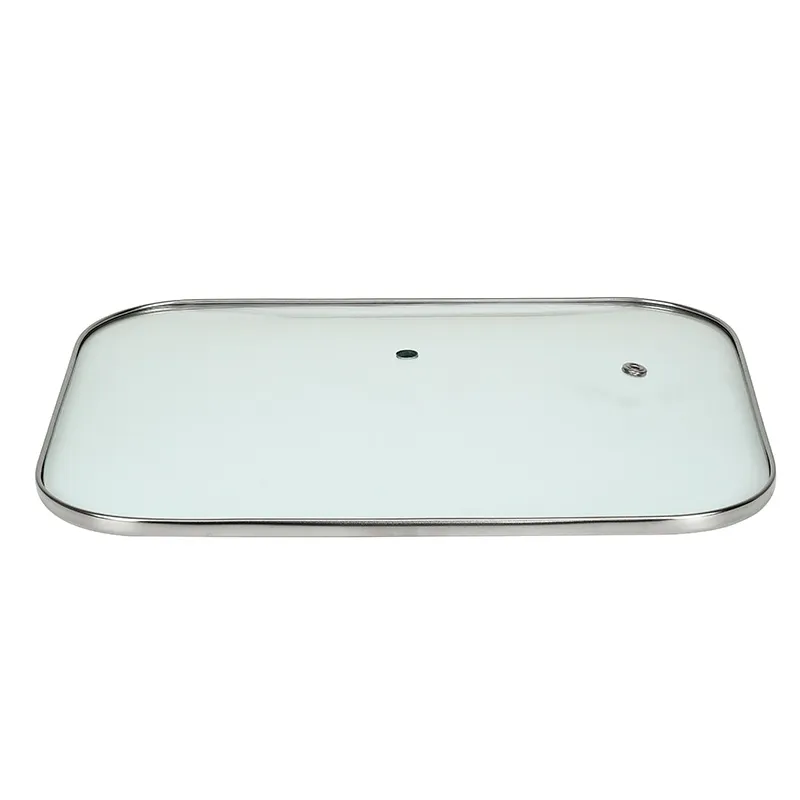
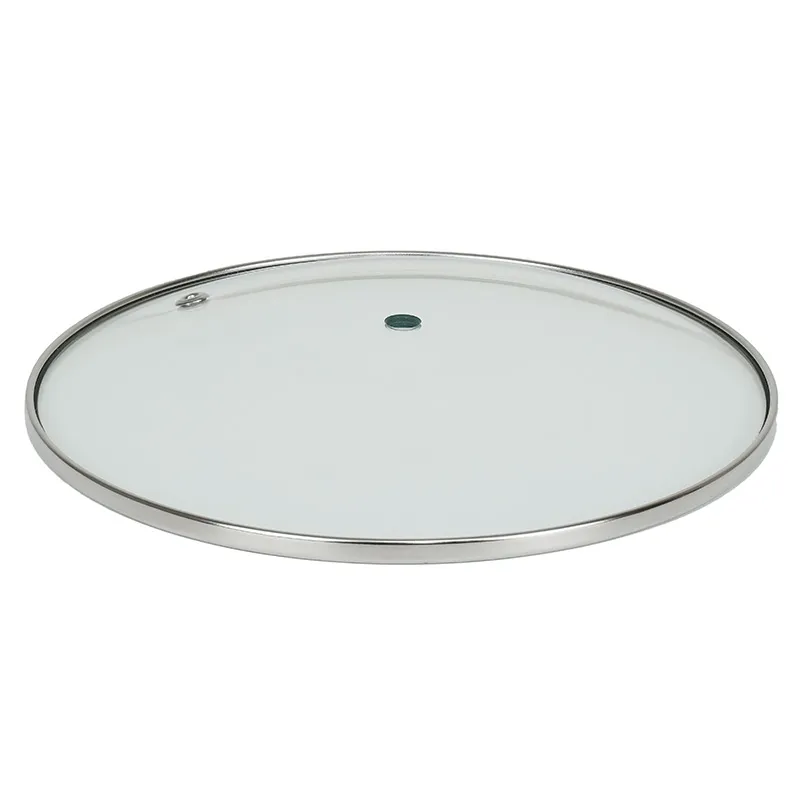
I've seen too many bakers, even professional ones, treat the lid as a separate accessory. They'll invest in a good, borosilicate or properly tempered glass pan but pair it with a generic plastic or flimsy glass cover. The failure point is almost always the seal, or lack thereof. A proper glass loaf pan with lid is engineered as a single system. The lid should sit flush, with enough weight or a slight clamping mechanism to prevent steam from escaping too rapidly during the critical post-bake phase. For example, when making dense rye or pumpernickel, that trapped steam is essential for a tender crumb. A bad lid ruins the texture.
This is where sourcing from specialized manufacturers makes a tangible difference. Take a company like EUR-ASIA COOKWARE CO.,LTD. (their site is a resource at glass-lid.com). Their entire operation is built around glass lids and related products. When a producer focuses that intensely on one component—over 15 million tempered glass lids annually—you get nuances others miss. Their expertise likely informs how they design or source the corresponding pans to ensure compatibility, a detail bulk importers often overlook.
The material thickness is another silent spec. A lid for a loaf pan needs to be thick enough to retain heat and resist warping but not so heavy it's cumbersome. In my trials, lids around 4mm thick, made from soda-lime glass that's been uniformly tempered, strike the best balance. They can handle the thermal differential when placed on a hot pan without cracking, a common failure with cheaper, thinner versions. You can learn more about their manufacturing scale and export focus, which hints at adherence to varied international durability standards, from their company intro: EUR-ASIA COOKWARE CO.,LTD. specializes in household glass products, with a production base in China's Shandong province, exporting over 90% of its output to markets like Germany, Japan, and Brazil—regions with stringent quality expectations.
Thermal Management: The Real Test
Here's a scenario where theory meets a messy countertop. You pull a perfect meatloaf or a nut bread out of the oven. The instinct is to cover it immediately to keep it moist. But if you slap a cold glass lid onto a scorching hot glass loaf pan, you're inviting thermal stress. The best practice I've landed on is to let the pan sit on a rack for 10-15 minutes, letting the initial furious heat dissipate, then cover. This prevents condensation from immediately forming and dripping back onto the food's surface, which can make the top unpleasantly soggy.
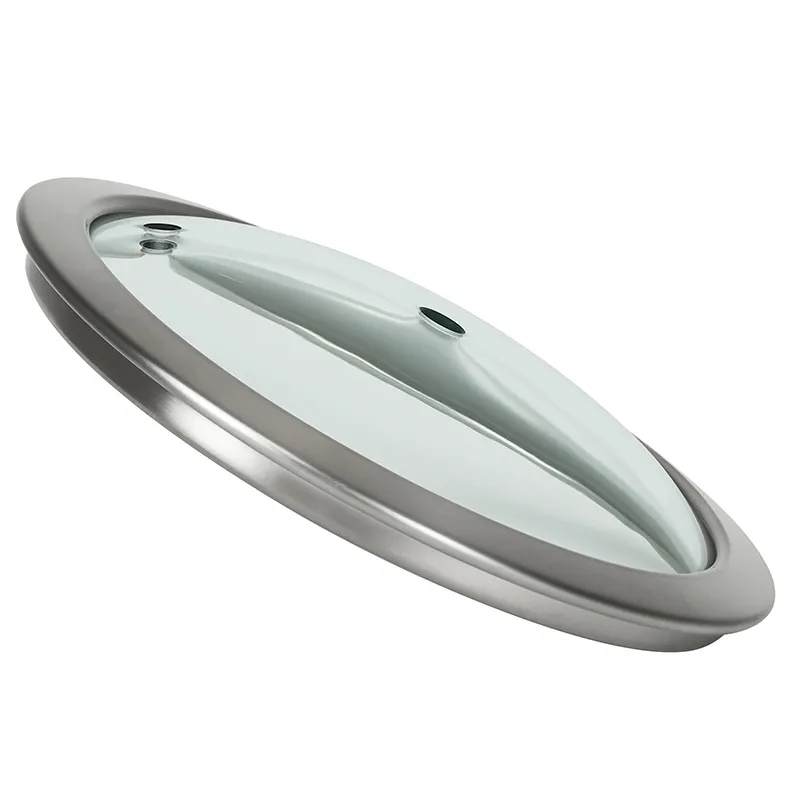
Some high-end pans try to solve this with vented lids. A small steam hole or a notched edge. It's a clever idea, but it changes the function. Now you're not creating a sealed environment, but a slowed-down cooling chamber. This is fantastic for yeast-raised items like sandwich bread where you want to prevent a leathery crust but don't need the steam of a dense cake. It's a detail that turns a simple pan into a tool for specific outcomes.
I recall a test with a pulled-apart cinnamon swirl bread. Baked in a standard pan, covered immediately with a solid lid—the swirls on top became mushy within an hour. Same recipe, baked in a pan with a subtly vented lid from a professional line, the swirls retained definition and a slight bite. The difference was minimal but decisive for presentation. This level of detail is what you find in the product development of specialized glassware suppliers, whose entire business hinges on these performance nuances.
The Illusion of Universality
Marketing loves the one-pan-does-it-all claim. For a glass loaf pan with lid, that's mostly fiction. The dimensions that make it perfect for a standard 1.5lb meatloaf are terrible for a delicate tea bread that needs more surface area for a proper rise. The classic 9x5 inch is a workhorse, but I always keep an 8.5x4.5 on hand for smaller, taller bakes. The lid must match exactly; a millimeter of gap is a highway for moisture loss.
Then there's the clear vs. frosted glass debate for the lid. Clear is superior, full stop. It allows you to monitor browning, condensation levels, and food state without lifting the lid and releasing heat. Frosted or patterned lids might look quaint, but they obscure the very thing you need to see. It's a practical choice over an aesthetic one, and it's a choice serious manufacturers prioritize for their core functional products.
This focus on exact specifications and clarity is evident in the operations of large-scale producers. For instance, a manufacturer like EUR-ASIA COOKWARE, with its significant production footprint and focus on tempered glass, is structured to produce consistent, precise components. Their export to design-conscious markets like Italy and Denmark suggests their products meet demands for both precision engineering and clean aesthetics, which directly translates to reliable performance in a professional or serious home kitchen.
From Oven to Fridge: The Transition Zone
This is where most home cooks encounter failure, and it's rarely their fault. You bake, cool, cover, and refrigerate. Next day, the bread or cake is dried out or the lid is stuck. Why? Not all glass is created equal for this cycle. True thermal shock resistance is key. A good pan-and-lid set should handle going from oven (up to 450°F for some recipes) to a room-temperature counter, then into a 40°F fridge. Cheap soda-lime glass without proper tempering will micro-crack over time, leading to eventual failure or increased staining.
The lid's behavior in the fridge is another checkpoint. Does it seal well enough to prevent odor transfer? A truly flush fit is crucial here. I've had better luck with lidded sets where the lid has a very slight downward taper, creating a basic mechanical seal as the glass contracts in the cold. It's a small design feature that has a huge impact on food preservation.
When evaluating any glass loaf pan, I now check the rim. It should be smooth, fire-polished, and perfectly even. Any roughness or warp means the lid will never seal correctly. This level of finish is a hallmark of quality control in manufacturing. It's the kind of detail a company with a dedicated production base, advanced facilities, and a focus on export compliance—as described in EUR-ASIA COOKWARE's profile—would be compelled to master to satisfy global clients.
Practical Verdict and Unspoken Uses
So, is a dedicated lidded glass loaf pan necessary? For daily casual use, maybe not. For anyone pursuing consistency in baking, or using it for layered cold dishes, terrines, or even proofing dough in a drafty kitchen, it's indispensable. The lid creates a controllable climate. It's a simple tool that, when well-made, removes a variable.
Beyond baking, I use mine for no-knead bread proofing (the lid holds humidity perfectly), for setting layered gelatin dishes, and even for storing fragile shortbreads—the rigid sides and lid prevent crushing. The transparency is the killer feature, allowing inventory checks without opening the container.
In the end, the value lies in the integration of the pan and lid as a single, purpose-built system. It's not a pan plus a lid; it's a glass loaf pan with lid. Seeking out manufacturers who understand that distinction, who produce the lid with the same seriousness as the pan itself, is the shortest path to getting a tool that actually works as intended. The market is full of disjointed sets, but the performance gap between those and a coherent system is vast, and it's written in every slice of bread that's either perfectly moist or disappointingly stale.
Related Products
Related Products