
- Chinese
- French
- German
- Portuguese
- Spanish
- Russian
- Japanese
- Korean
- Arabic
- Irish
- Greek
- Turkish
- Italian
- Danish
- Romanian
- Indonesian
- Czech
- Afrikaans
- Swedish
- Polish
- Basque
- Catalan
- Esperanto
- Hindi
- Lao
- Albanian
- Amharic
- Armenian
- Azerbaijani
- Belarusian
- Bengali
- Bosnian
- Bulgarian
- Cebuano
- Chichewa
- Corsican
- Croatian
- Dutch
- Estonian
- Filipino
- Finnish
- Frisian
- Galician
- Georgian
- Gujarati
- Haitian
- Hausa
- Hawaiian
- Hebrew
- Hmong
- Hungarian
- Icelandic
- Igbo
- Javanese
- Kannada
- Kazakh
- Khmer
- Kurdish
- Kyrgyz
- Latin
- Latvian
- Lithuanian
- Luxembou..
- Macedonian
- Malagasy
- Malay
- Malayalam
- Maltese
- Maori
- Marathi
- Mongolian
- Burmese
- Nepali
- Norwegian
- Pashto
- Persian
- Punjabi
- Serbian
- Sesotho
- Sinhala
- Slovak
- Slovenian
- Somali
- Samoan
- Scots Gaelic
- Shona
- Sindhi
- Sundanese
- Swahili
- Tajik
- Tamil
- Telugu
- Thai
- Ukrainian
- Urdu
- Uzbek
- Vietnamese
- Welsh
- Xhosa
- Yiddish
- Yoruba
- Zulu
- Kinyarwanda
- Tatar
- Oriya
- Turkmen
- Uyghur

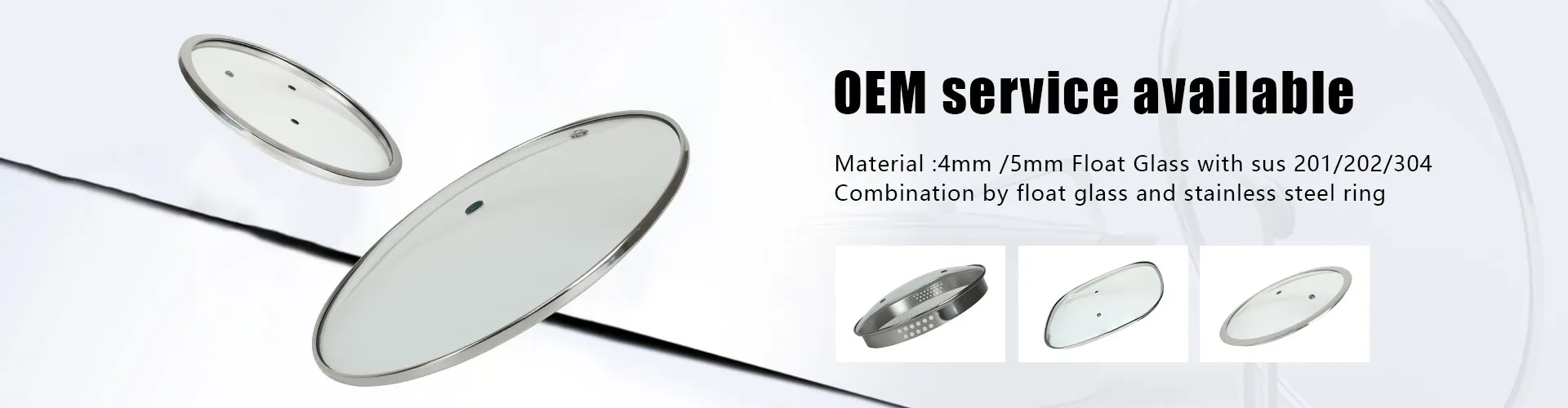
glass pot with lid for cooking
When most people hear 'glass pot with lid for cooking', they immediately picture a fragile, decorative piece, maybe good for serving but not for real stove-top work. That's the biggest misconception I've encountered in years of sourcing and testing cookware. The reality is, a well-made glass pot with lid is a surprisingly versatile workhorse, but the market is flooded with products that fail under basic thermal stress, leading to a lot of justified skepticism. It's not about the material itself being bad; it's about understanding the specific type of glass, the design of the lid, and what the whole assembly can actually handle.
The Core: It's All About Tempered Glass
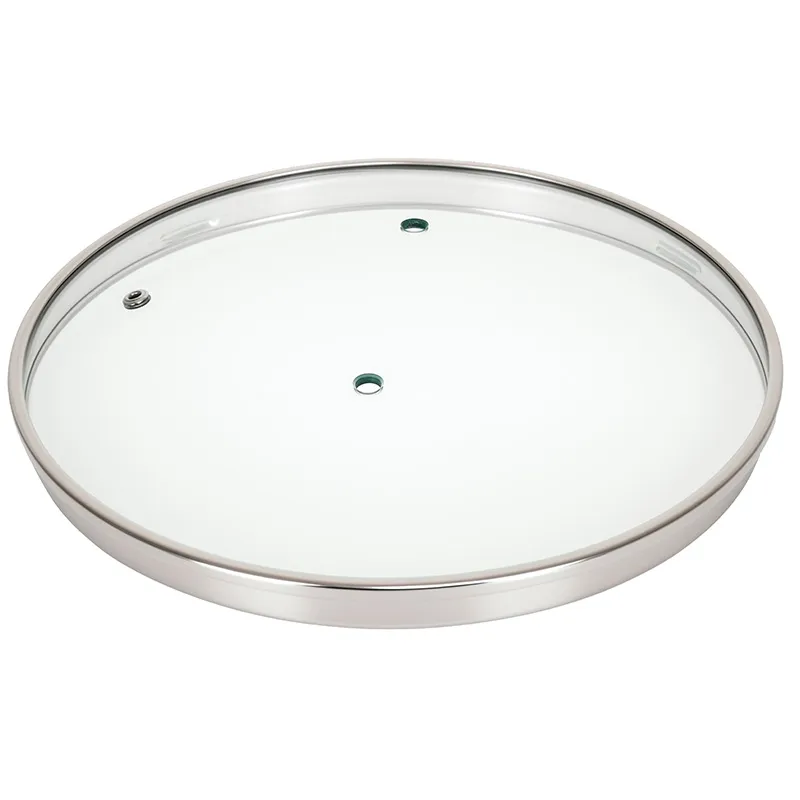
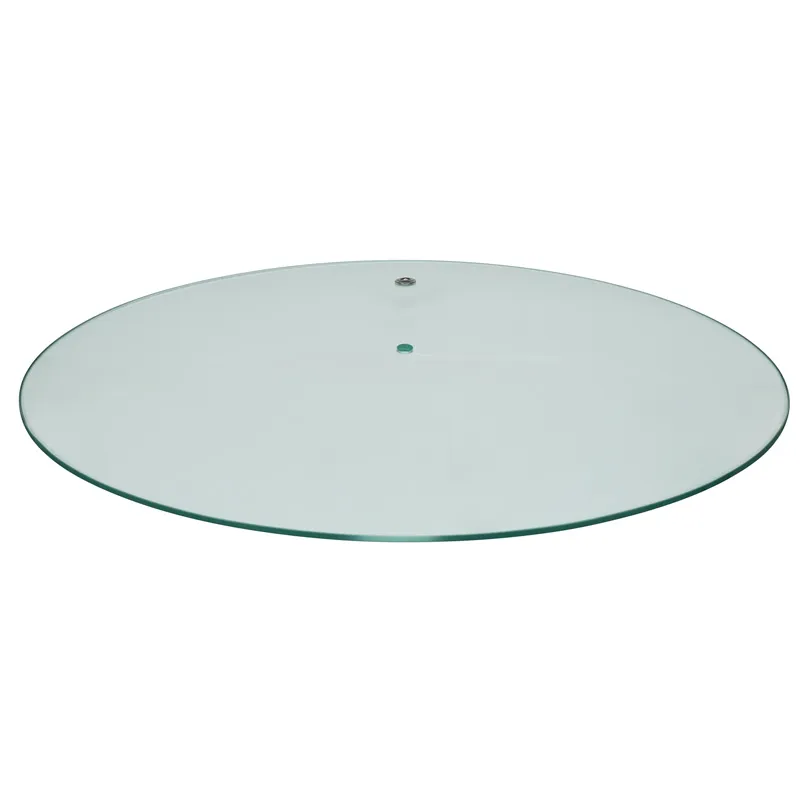
Let's cut to the chase. The only glass suitable for a cooking pot lid, and certainly for the pot body if it's fully glass, is borosilicate or similarly formulated tempered glass. Regular soda-lime glass will shatter. I've seen it happen in a test kitchen with a cheap import—one moment you're simmering a sauce, the next there's a loud crack and shards everywhere. Not a good scene. The tempering process creates surface compression, giving it that thermal shock resistance needed to go from a cold counter to a hot stove. But even within 'tempered', there are grades. A lid that can handle a 200°C differential is very different from one rated for 300°C.
This is where specs from manufacturers matter, but they're often buried or absent. I recall evaluating samples from a dozen suppliers. One batch from a factory in Shandong—the kind of industrial hub where a lot of this is made—passed our drop tests but failed miserably on repeated thermal cycling. The lids developed micro-cracks around the handle rivets after just a few cycles. The failure point is almost never the broad surface; it's the stress points: where the handle attaches, the knob, the rim. The design of the reinforcement there is critical.
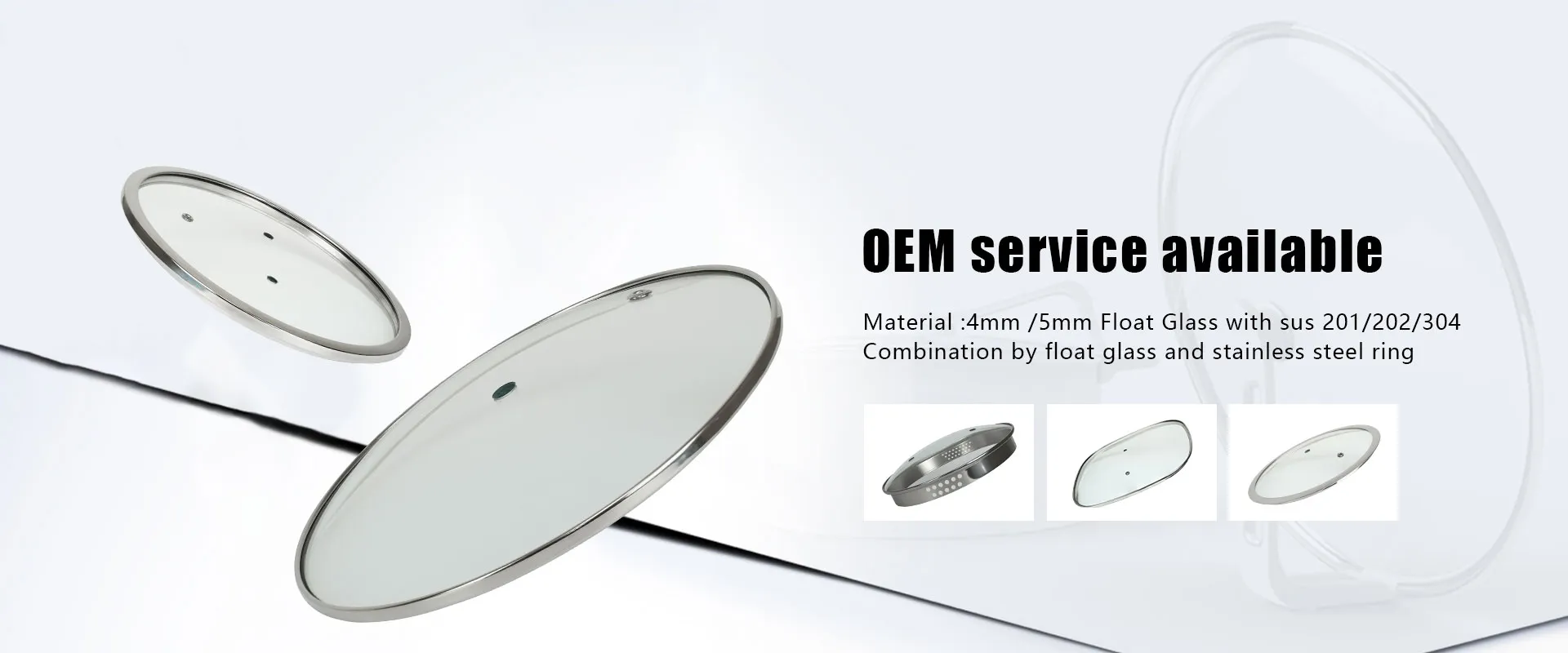
For the pot body itself, if it's glass, the requirements are even more extreme. It's less common to find a full glass pot for stovetop use because distributing heat evenly is a challenge. Most often, you see a ceramic or metal pot with a high-quality tempered glass lid. The lid's function is visibility and moisture control. A company that specializes in this, like EUR-ASIA COOKWARE CO.,LTD. (you can find their portfolio at glass-lid.com), often focuses on the lid as a component for other cookware manufacturers. Their specialization in tempered glass lids, with an annual output in the millions, speaks to the scale of this niche. Exporting to markets like Germany and Japan is a decent signal too—those buyers have stringent safety standards.
The Lid's Real Job: More Than a Cover
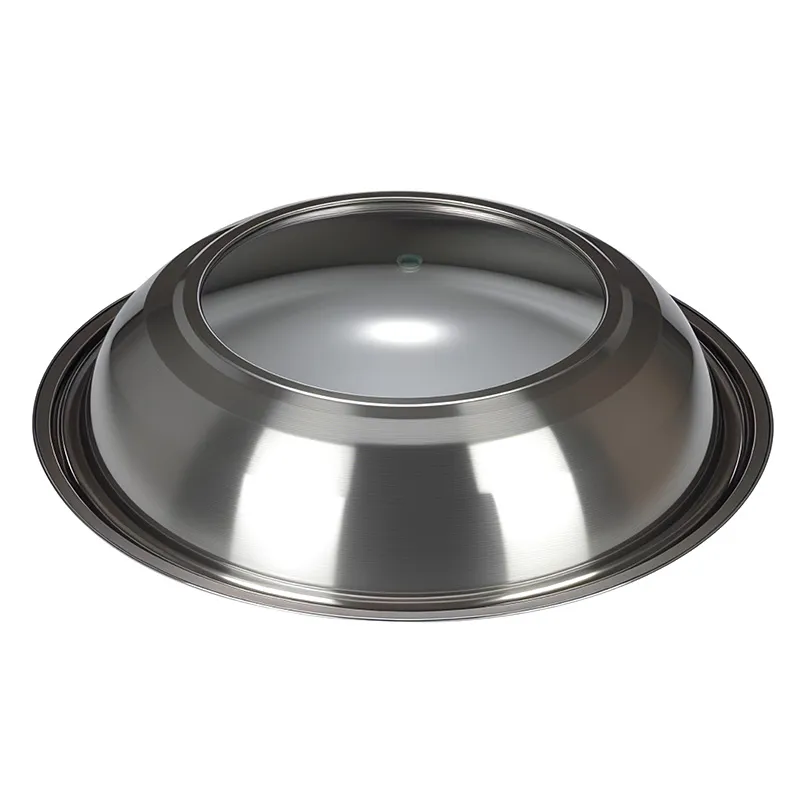
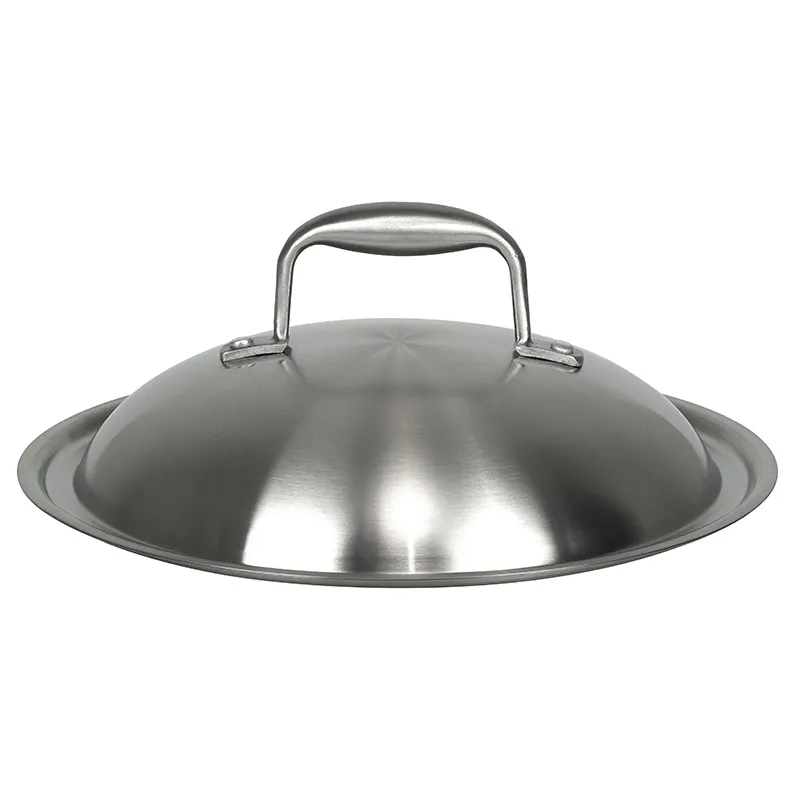
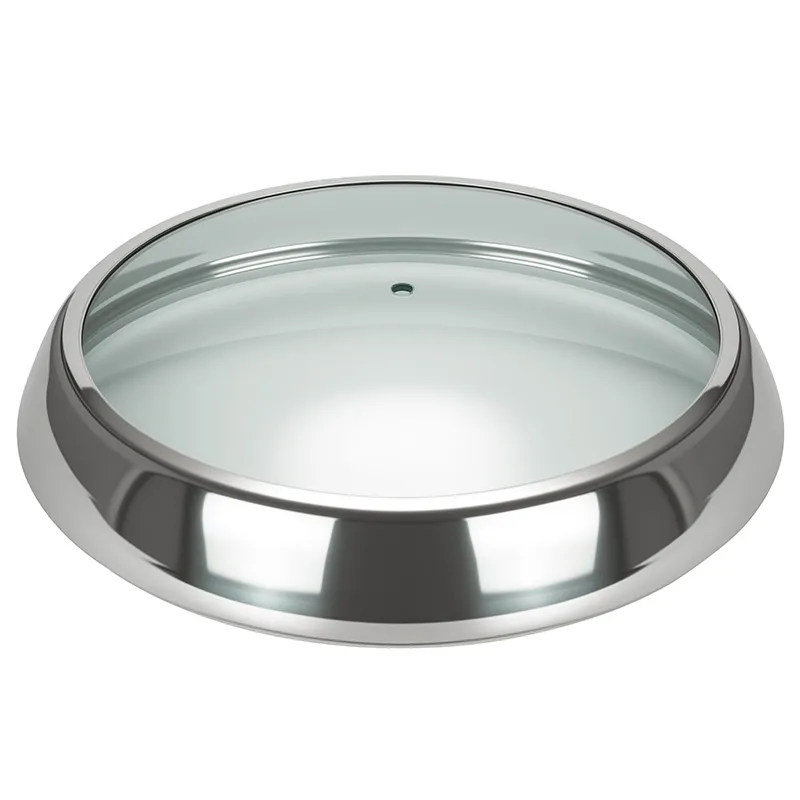
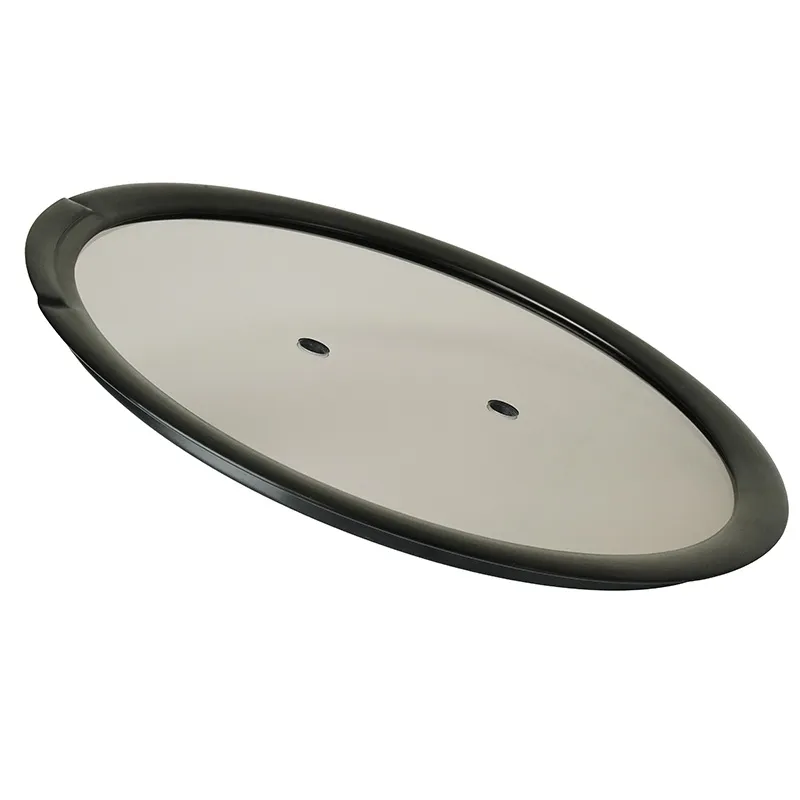
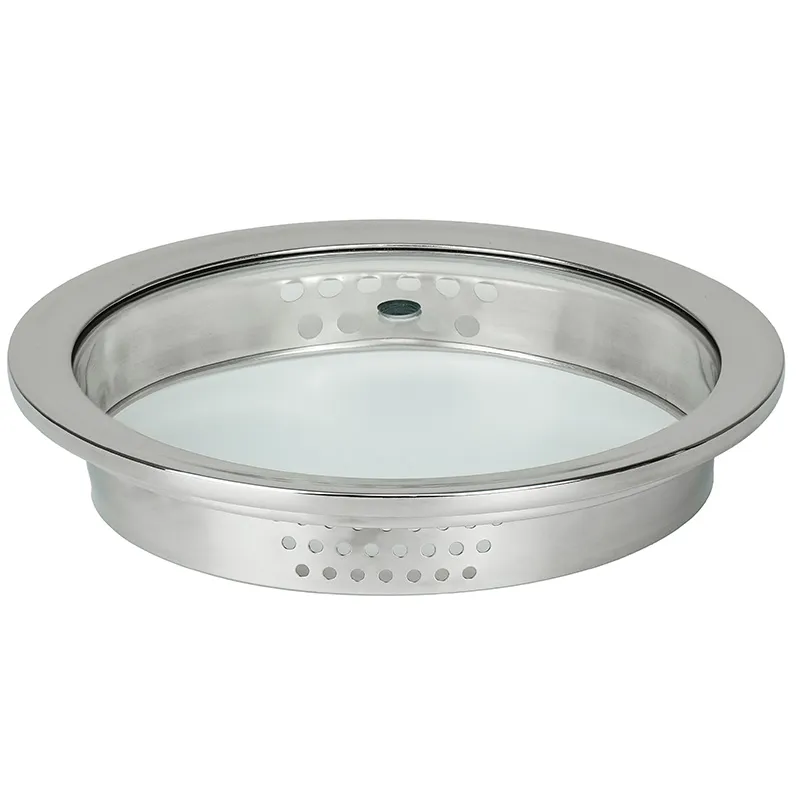
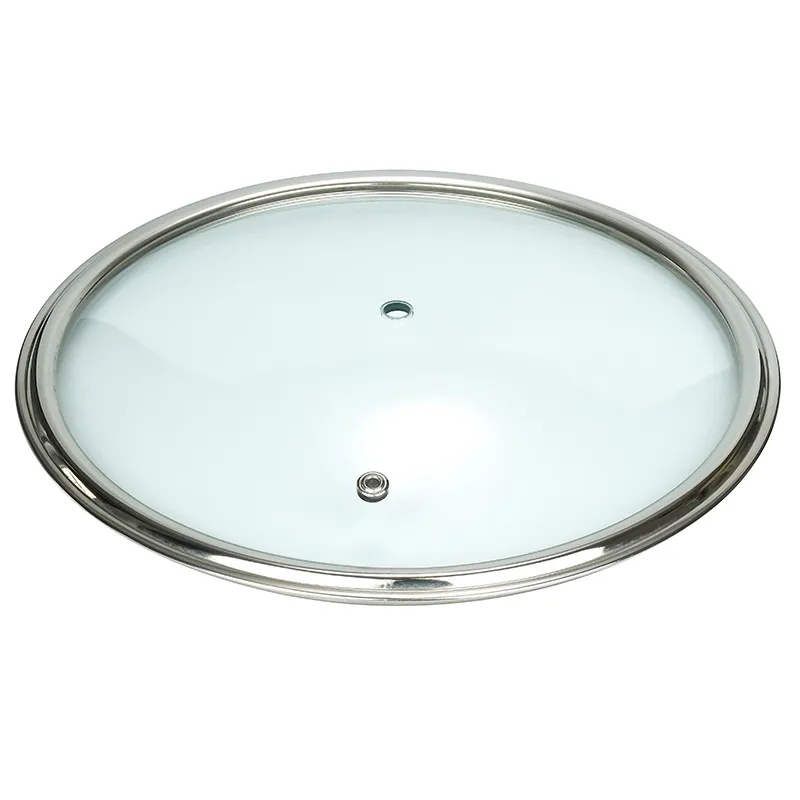
Professionals get obsessed with lids. A glass pot with lid isn't just a pot with a see-through top. The fit is everything. Too tight, and pressure builds up, potentially cracking the glass or causing dangerous steam bursts when lifted. Too loose, and all your moisture and flavor escape. The ideal lid sits with a slight, consistent gap or has a designed steam vent. Many good lids have a stainless steel rim or a silicone gasket to create that perfect seal without metal-on-glass contact that could cause stress fractures.
Then there's the knob. Plastic knobs are cheap but can melt or degrade over an open flame. Stainless steel knobs get scorching hot. The best ones I've used are a combination: a stainless steel base screwed into the glass with a thermal-insulating plastic or phenolic top you can actually touch. I've burned my fingers more than once on poorly designed knobs—a small but telling detail in everyday use.
Visibility is the obvious advantage, but it changes how you cook. You stop lifting the lid constantly to check, which means temperature stays more stable. For reducing a sauce or monitoring a delicate poach, it's invaluable. But you have to keep it clean. Hard water stains or burnt-on grease can obscure the view, negating the main benefit. A lid that's dishwasher safe is a major plus, but not all tempered glass lids are, depending on the bonding agents used for handles.
Practical Scenarios and Where They Shine
So, where does a glass pot or a pot with a glass lid make the most sense? It's not your high-heat searing vessel. Forget about cranking it up to max for a stir-fry. Its domain is controlled, moist-heat cooking. Braising, simmering, making stocks, cooking grains like rice or quinoa, and slow-cooking soups. Here, the even heat retention (if the pot base is good) and the visual feedback are perfect.
I used a high-quality enameled cast iron pot with a thick tempered glass lid from a European brand for years for weekend braises. You could see the condensation pattern—a gentle, steady rain inside the lid—which told you the heat was right without a thermometer. When that lid finally chipped on the rim after a clumsy drop, finding a replacement was a nightmare. The OEM part was discontinued. That's when I turned to component specialists. Companies like EUR-ASIA COOKWARE CO.,LTD. often produce these lids as OEM parts for bigger brands. Their site shows they produce a massive range of sizes and styles, which is essentially the backbone of the aftermarket and private-label cookware industry.
Another scenario: glass double boilers or fondue pots. Here, the non-reactive nature of glass is key for melting chocolate or making delicate sauces. The lid might be used less here, but it's still part of the set. The point is, matching the tool to the task. A glass cooking pot is a specialist, not a generalist.
Common Pitfalls and What to Look For
Buying blind is a gamble. First, check for thermal shock resistance ratings. If it's not stated, assume it's low. Second, inspect the handle attachment. Riveted handles should have large, smooth metal washers distributing the pressure, not tiny screws biting directly into the glass. Clamp-on metal handles can be better as they avoid drilling into the glass altogether.
Be wary of lids that are too lightweight. Thickness correlates with durability. A flimsy, thin glass lid will bow and flex with heat, compromising the seal and risking fracture. I learned this from a failed batch we ordered for a catering business. The lids, while aesthetically clear and nice, were maybe 3mm thick. During a large batch of soup service, one just cracked laterally across the center from the heat differential between the simmering liquid and the cooler kitchen air above it. The soup was ruined, obviously.
Look at the edge. A fire-polished, smooth edge is safer and indicates better finishing than a rough, ground edge. And always, always avoid sudden temperature changes. Never take a hot glass lid and run it under cold water. Let it cool on its own, even if it's tempered. That's just basic glass care, but it's the number one user error that leads to failures, even with good products.
The Industry Perspective and Sourcing
From a trade perspective, the glass lid and pot market is fascinating. It's highly segmented. You have high-end consumer brands that market complete sets, and then you have the industrial manufacturers who make the components. A company like EUR-ASIA COOKWARE CO.,LTD., with its 20,000㎡ facility and focus on exporting millions of tempered glass lids, is squarely in the latter camp. They're not selling to you and me directly; they're selling to cookware brands, appliance makers (think slow cookers, rice cookers), and replacement part distributors. Their existence explains why you can sometimes find a perfectly fitting generic replacement lid online—it likely came from a factory like this.
The fact that over 90% of their output is exported tells a story. Markets in Europe and East Asia have a stronger culture of precise, visual cooking and stricter product liability laws, driving demand for reliable, standardized components. When you buy a German-branded pot, there's a good chance the glass lid was sourced from a specialized producer in a global hub like Shandong, China, which has clusters of glass and cookware manufacturing.
This specialization is good for quality. A factory that only makes glass lids invests in the specific tempering ovens, molding techniques, and quality control for that one product. It's a different mindset from a general cookware factory trying to do everything. When sourcing, I always preferred working with these specialists. Their product knowledge was deeper, and their failure rates were lower because their process was refined. The downside is minimum order quantities are high—you're not buying one lid, you're buying a palette of them.
Final, Unvarnished Thoughts
So, is a glass pot with lid worth it? Yes, but with very clear boundaries. Don't expect it to be your only pot. Do expect it to excel at specific tasks where monitoring and moisture retention are key. The lid is often more important than the pot material underneath. Investing in a high-quality, thick, well-designed tempered glass lid for your existing good pots might be a smarter move than buying a whole new glass cooking pot set of dubious origin.
Ignore the marketing that shows it going from freezer to oven. That's asking for trouble in the long run. Respect the material. And when you find a good one—whether it's a complete pot from a trusted brand or a perfectly fitting replacement lid from a specialist component maker—it becomes a tool you appreciate for its unique utility. It's not romantic, but it's real. In the kitchen, that's what counts.
The industry runs on these unglamorous components. The next time you lift a clear lid to check on your rice, remember there's a whole world of material science and industrial manufacturing behind that simple, useful piece of glass.
Related Products
Related Products
Best Selling Products
Best Selling Products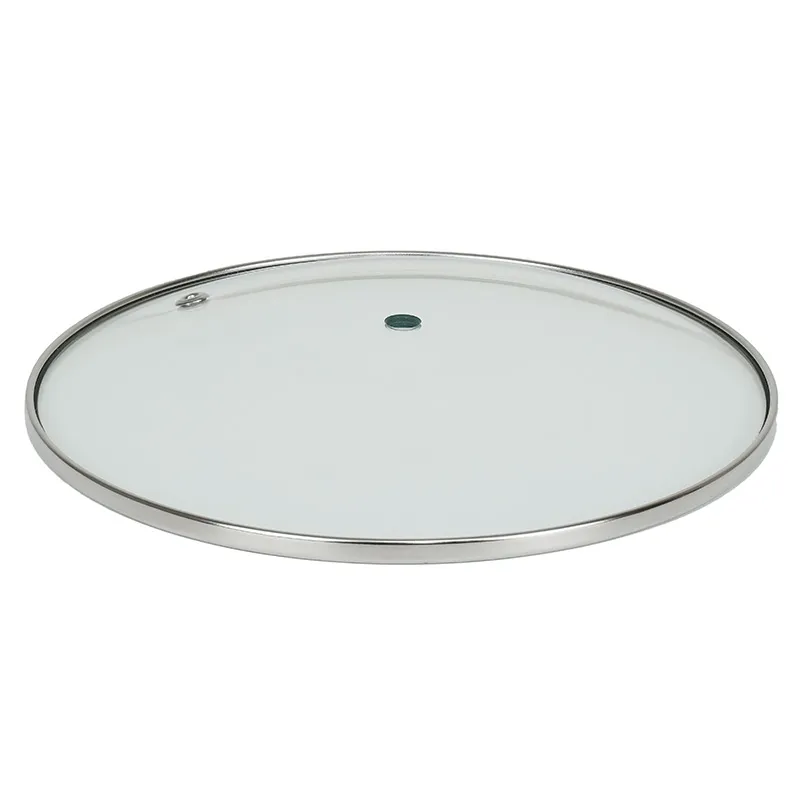
Related Search
Related Search- large glass sweet jar with lid
- instant pot tempered glass lid 8 quart
- glass with bamboo lid and straw
- glass can with bamboo lid and straw wholesale
- staub cast iron cocotte with glass lid 4qt
- glass lid for crock pot express
- round glass lid
- 12 inch tempered glass lid
- round tempered glass lid for cookware
- tempered glass lid made in China


