- Chinese
- French
- German
- Portuguese
- Spanish
- Russian
- Japanese
- Korean
- Arabic
- Irish
- Greek
- Turkish
- Italian
- Danish
- Romanian
- Indonesian
- Czech
- Afrikaans
- Swedish
- Polish
- Basque
- Catalan
- Esperanto
- Hindi
- Lao
- Albanian
- Amharic
- Armenian
- Azerbaijani
- Belarusian
- Bengali
- Bosnian
- Bulgarian
- Cebuano
- Chichewa
- Corsican
- Croatian
- Dutch
- Estonian
- Filipino
- Finnish
- Frisian
- Galician
- Georgian
- Gujarati
- Haitian
- Hausa
- Hawaiian
- Hebrew
- Hmong
- Hungarian
- Icelandic
- Igbo
- Javanese
- Kannada
- Kazakh
- Khmer
- Kurdish
- Kyrgyz
- Latin
- Latvian
- Lithuanian
- Luxembou..
- Macedonian
- Malagasy
- Malay
- Malayalam
- Maltese
- Maori
- Marathi
- Mongolian
- Burmese
- Nepali
- Norwegian
- Pashto
- Persian
- Punjabi
- Serbian
- Sesotho
- Sinhala
- Slovak
- Slovenian
- Somali
- Samoan
- Scots Gaelic
- Shona
- Sindhi
- Sundanese
- Swahili
- Tajik
- Tamil
- Telugu
- Thai
- Ukrainian
- Urdu
- Uzbek
- Vietnamese
- Welsh
- Xhosa
- Yiddish
- Yoruba
- Zulu
- Kinyarwanda
- Tatar
- Oriya
- Turkmen
- Uyghur


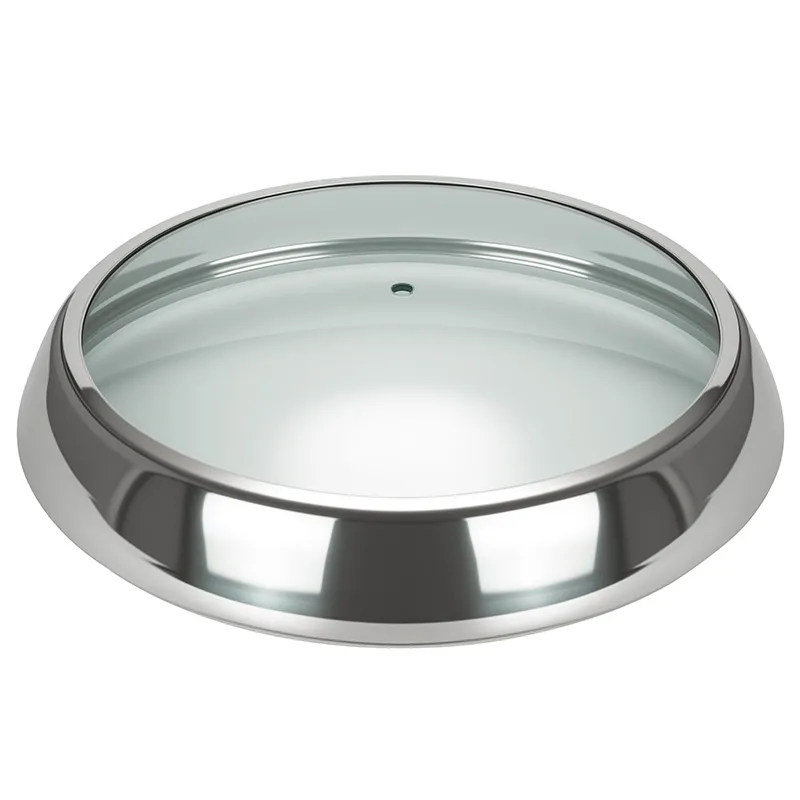
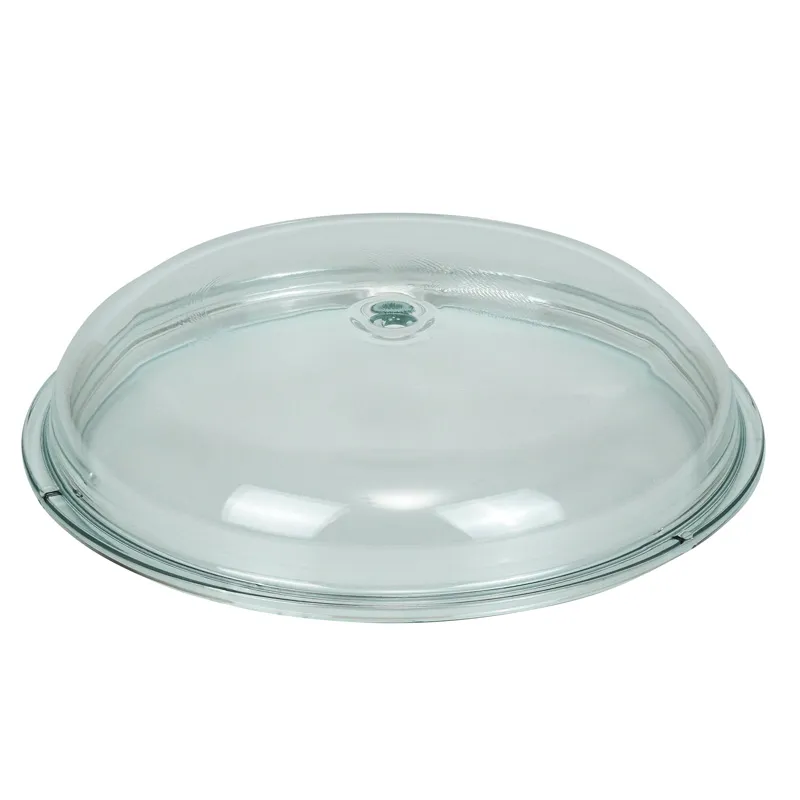
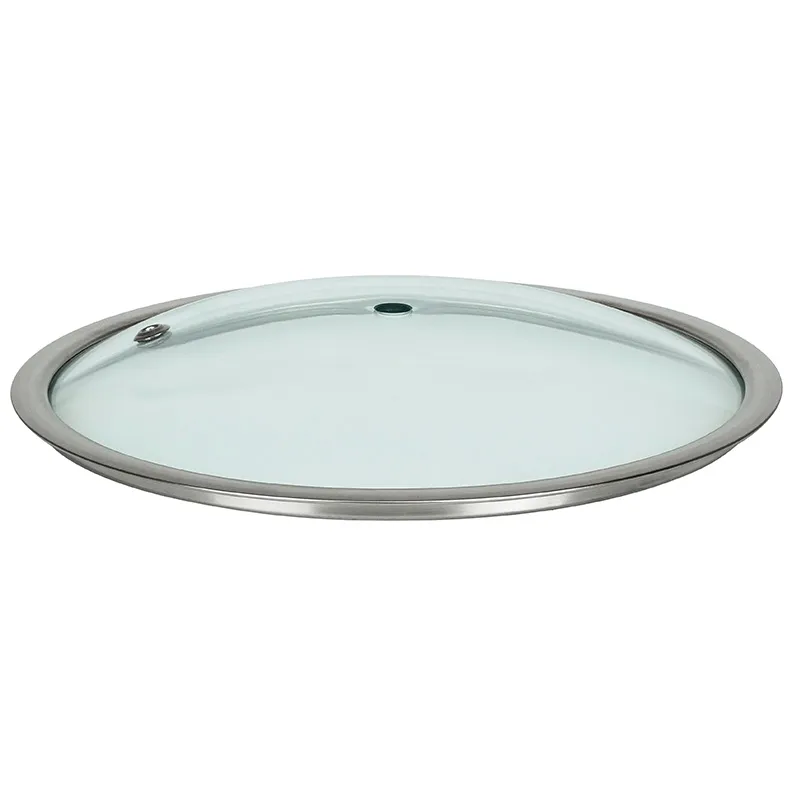
glass soda can with lid
When you hear 'glass soda can with lid', most people picture a simple, probably decorative, container. The industry, however, knows it's a packaging puzzle where material science, user behavior, and manufacturing tolerances collide. It's not just a jar; it's a pressurized experience waiting to happen, and getting it wrong means sticky floors and lost customers. I've seen too many designs fail because they treated the glass as an afterthought to the lid, or vice versa. The real challenge is making them a single, reliable system.
The Core Misconception: Strength vs. Integrity
The biggest mistake is focusing solely on the glass soda can wall thickness. Yes, tempered glass is strong, but for carbonated drinks, the weakest point is almost never the sidewall—it's the seal and the lid interface. You can have a tank of a vessel, but if the lid's sealing geometry or the glass's finish at the rim is off by a fraction of a millimeter, you'll have a flat drink in 24 hours. The integrity is systemic.
We learned this the hard way on an early project. We sourced beautiful, heavy-walled borosilicate bodies, paired them with what we thought were premium stainless steel lids. The leak test passed initially. But after a week on the shelf, simulating transport vibration, the carbonation dropped by 30%. The issue? The glass rim, while smooth to the touch, had microscopic inconsistencies from the fire-polishing process. The silicone gasket in the lid couldn't compensate. The fix wasn't a thicker gasket, but a tighter specification on the glass rim's radius and a switch to a dual-durometer seal. The glass soda can with lid is a dance between two very different materials.
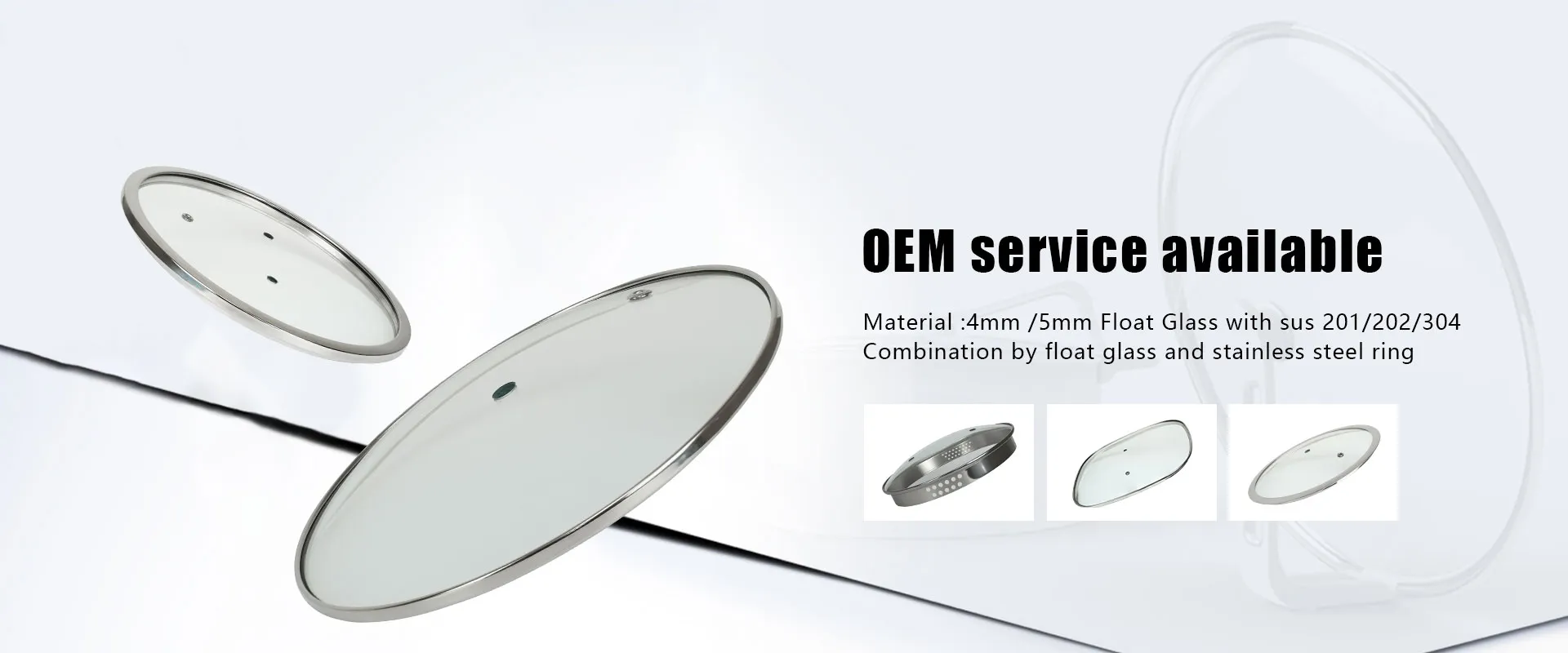
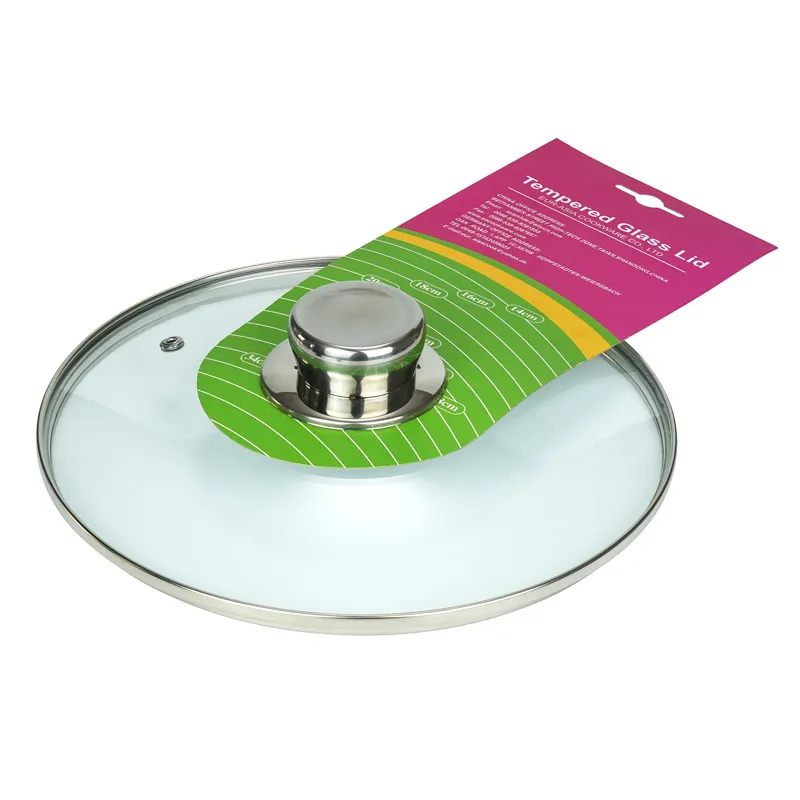
This is where a manufacturer's philosophy matters. A company like EUR-ASIA COOKWARE CO.,LTD, which specializes in glass lids and kitchen glass, understands this interplay instinctively. Their production of over 15 million tempered glass lids annually means they've likely solved countless sealing challenges across various applications. That depth of experience in precision glass forming is directly transferable to developing a reliable seal for a pressurized glass soda can system. Their export focus to markets like Germany and Japan, known for stringent quality demands, further underscores a capability for high-tolerance manufacturing.
Lid Mechanics: The Unsung Hero
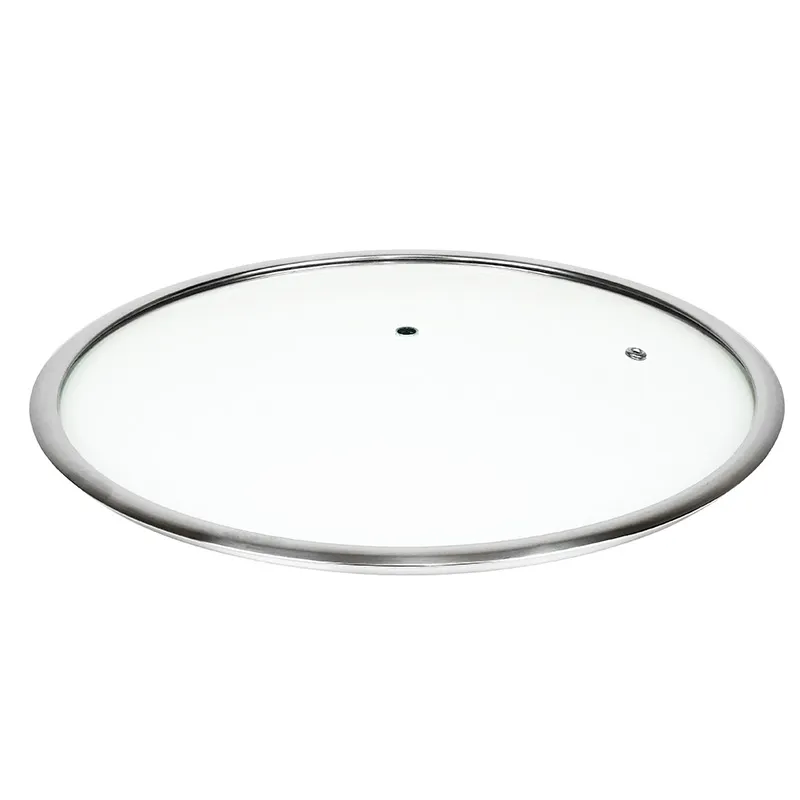
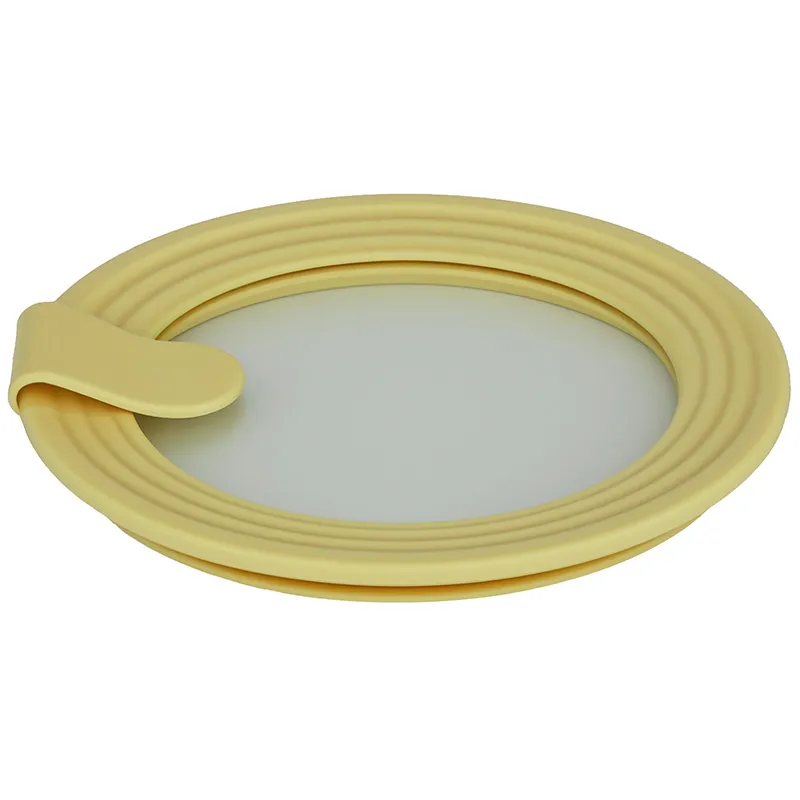
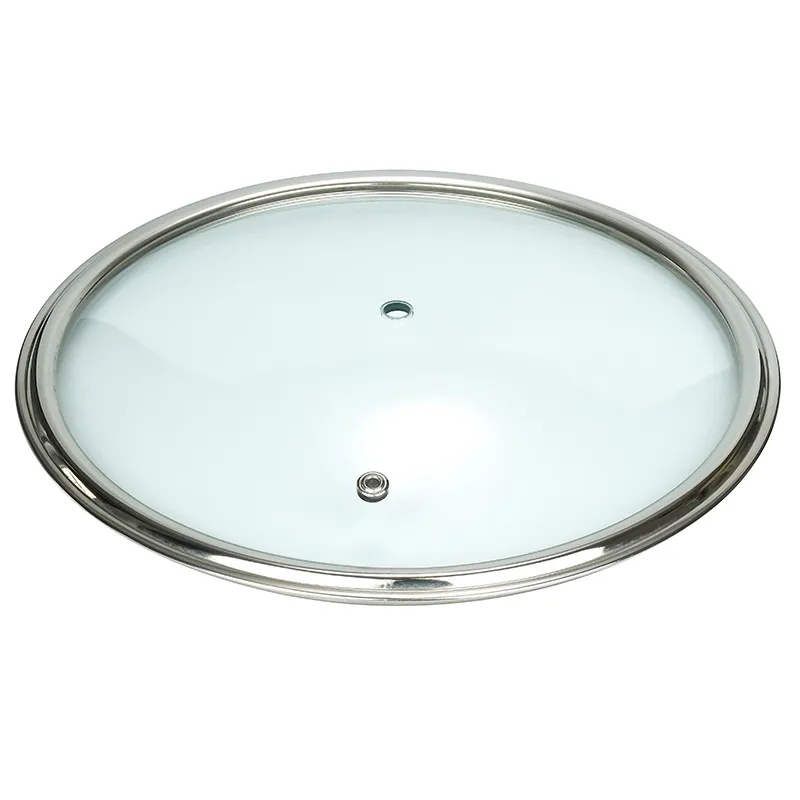
Let's talk about the lid itself. It's not a cap; it's a pressure management device. The common swing-top bail closure is popular for its retro appeal, but the metal wire mechanism exerts uneven force. For consistent sealing, an internal thread glass lid with a wide sealing surface is superior. It distributes the clamping force evenly around the entire rim.
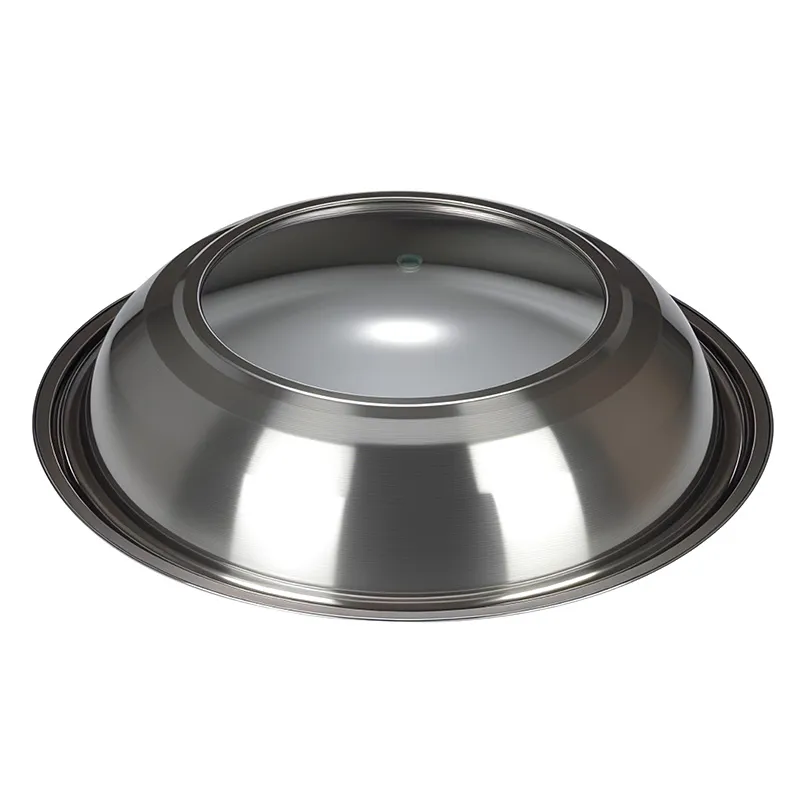
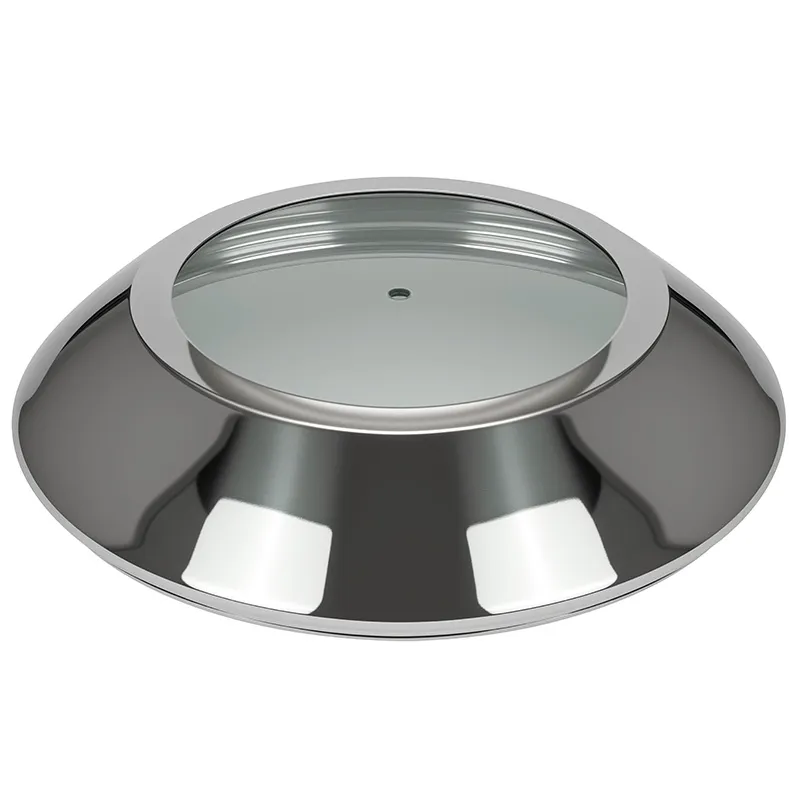
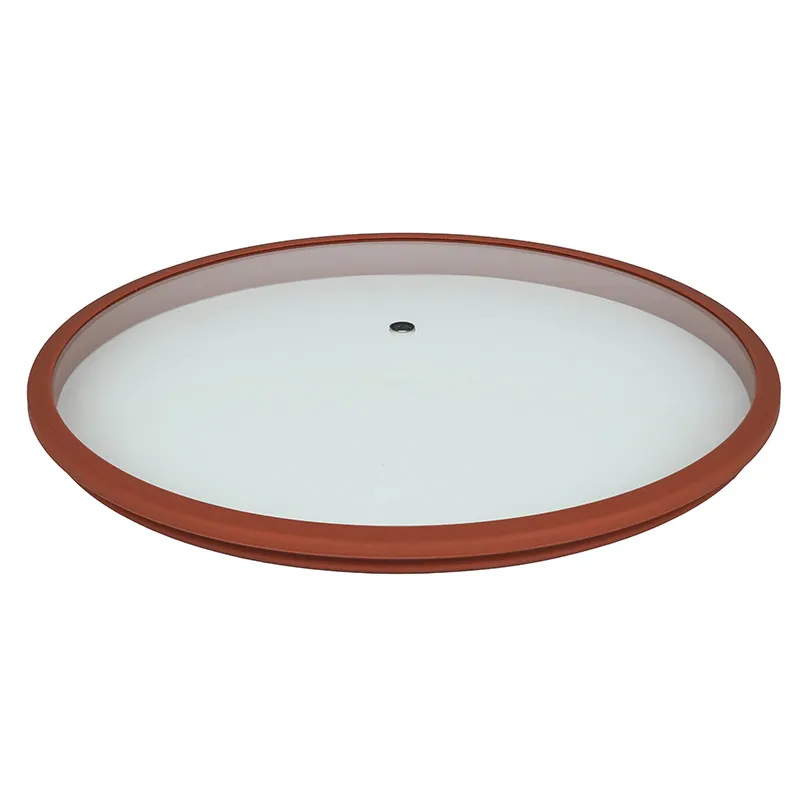
But materials matter. A plain stainless steel lid contacting glass directly is a recipe for corrosion from acidic sodas and eventual seal failure. You need a food-grade polymer coating on the underside of the lid, or better yet, a design where only the inert silicone gasket contacts the beverage. The lid's venting function is also critical—not for releasing pressure, but for equalizing it during opening to prevent a geyser. A slight 'hiss' is good; a fountain is a design flaw.
Observing products from specialized glassware exporters, you see these nuances. A visit to a site like glass-lid.com reveals an emphasis on precision engineering for glass-to-lid interfaces. For a soda can application, leveraging such expertise in creating a robust, threaded or specially-clamped glass soda can with lid assembly would be a logical step. Their experience in producing for the European household market suggests an understanding of consumer expectations for durability and perfect function.
The Filling Line Reality Check
Any design must survive the bottling line. This is where prototypes die. A glass soda can with an overly wide base or an unstable taper will wobble on a high-speed conveyor, leading to breakage. The lid must be easy for automated cappers to grip and torque consistently. We once designed a gorgeous tapered can, but its center of gravity was too high. At 300 cans per minute, they'd tip over like dominoes. Back to the drawing board for a bottom-heavy redesign.
Furthermore, thermal shock is a silent killer. The product goes from a warm pasteurization tunnel to a cooling spray. If the glass isn't properly tempered or the thickness gradient is wrong, you hear the 'ping' of spontaneous breakage. A manufacturer with a full-chain production base, like EUR-ASIA's facility in Shandong covering 20,000㎡, has the advantage of controlling this entire process—from glass melting and tempering to lid fabrication—ensuring compatibility and reducing such risks.
The label also needs a thought. A sleek, all-glass look is great until condensation from a cold drink makes it slippery and obscures the branding. A textured grip zone or a carefully applied ceramic label (fired onto the glass) solves this. It's these operational details, born from real production headaches, that separate a market-ready product from a concept.
Case in Point: The Sparkler Project
I recall a mid-scale craft soda brand that wanted a signature glass soda can with lid. They insisted on a flip-top lid for premium feel. We warned about the seal consistency but proceeded. Initial sales were strong due to the novelty. Within months, complaint rates for flat soda and leaking lids hit 8%. The issue was user-dependent closing force and gasket fatigue.
The salvage operation involved designing a custom tool—a simple plastic jig—that would guide consumers to close the lid with the correct, even pressure. It was bundled with refills. It worked, lowering defects to under 1%, but it was a band-aid. The next batch moved to a threaded lid with a visual seal-tight indicator line. The lesson? Never let aesthetics completely overrule engineering, especially for a product holding pressurized liquid. The brand's pivot succeeded because they sourced from a partner capable of rapid iterative tooling for the new lid system, a flexibility often found in integrated manufacturers focused on OEM exports.
This aligns with the operational model of a firm like EUR-ASIA COOKWARE. Their business in producing and exporting millions of glass lids and accessories suggests they are equipped for such custom, iterative development. For a soda brand, partnering with a specialist who understands the glass soda can with lid as a critical system, not just two separate components, is half the battle won.
Looking Beyond the Beverage
The utility of this format extends beyond soda. Think cold-brew coffee, ready-to-drink cocktails, or premium iced teas. Each has different acidity, pressure (some are nitrogenated), and shelf-life requirements. A lid's gasket material must be compatible—EPDM for high-acid, silicone for broader use. The glass color might need to shift to UV protection for light-sensitive drinks.
The reusability angle is also key. A well-made glass soda can with lid is a durable good. The lid must withstand hundreds of wash cycles without the seal degrading or the mechanism corroding. This demands higher-grade springs in a flip-top or more robust threading. It's a different cost calculation than single-use, but it builds brand loyalty. The product becomes a kitchen staple.
Ultimately, nailing the glass soda can with lid is about respecting the complexity of a simple-seeming object. It's a lesson in humility, material science, and user psychology. Success comes from treating the container and its seal as an inseparable unit, from the drawing board to the filling line to the consumer's fridge. And that requires not just a supplier, but a manufacturing partner with deep, practical roots in precision glass and closure systems—the kind of partner that turns a packaging challenge into a definitive brand asset.
Related Products
Related Products