
- Chinese
- French
- German
- Portuguese
- Spanish
- Russian
- Japanese
- Korean
- Arabic
- Irish
- Greek
- Turkish
- Italian
- Danish
- Romanian
- Indonesian
- Czech
- Afrikaans
- Swedish
- Polish
- Basque
- Catalan
- Esperanto
- Hindi
- Lao
- Albanian
- Amharic
- Armenian
- Azerbaijani
- Belarusian
- Bengali
- Bosnian
- Bulgarian
- Cebuano
- Chichewa
- Corsican
- Croatian
- Dutch
- Estonian
- Filipino
- Finnish
- Frisian
- Galician
- Georgian
- Gujarati
- Haitian
- Hausa
- Hawaiian
- Hebrew
- Hmong
- Hungarian
- Icelandic
- Igbo
- Javanese
- Kannada
- Kazakh
- Khmer
- Kurdish
- Kyrgyz
- Latin
- Latvian
- Lithuanian
- Luxembou..
- Macedonian
- Malagasy
- Malay
- Malayalam
- Maltese
- Maori
- Marathi
- Mongolian
- Burmese
- Nepali
- Norwegian
- Pashto
- Persian
- Punjabi
- Serbian
- Sesotho
- Sinhala
- Slovak
- Slovenian
- Somali
- Samoan
- Scots Gaelic
- Shona
- Sindhi
- Sundanese
- Swahili
- Tajik
- Tamil
- Telugu
- Thai
- Ukrainian
- Urdu
- Uzbek
- Vietnamese
- Welsh
- Xhosa
- Yiddish
- Yoruba
- Zulu
- Kinyarwanda
- Tatar
- Oriya
- Turkmen
- Uyghur

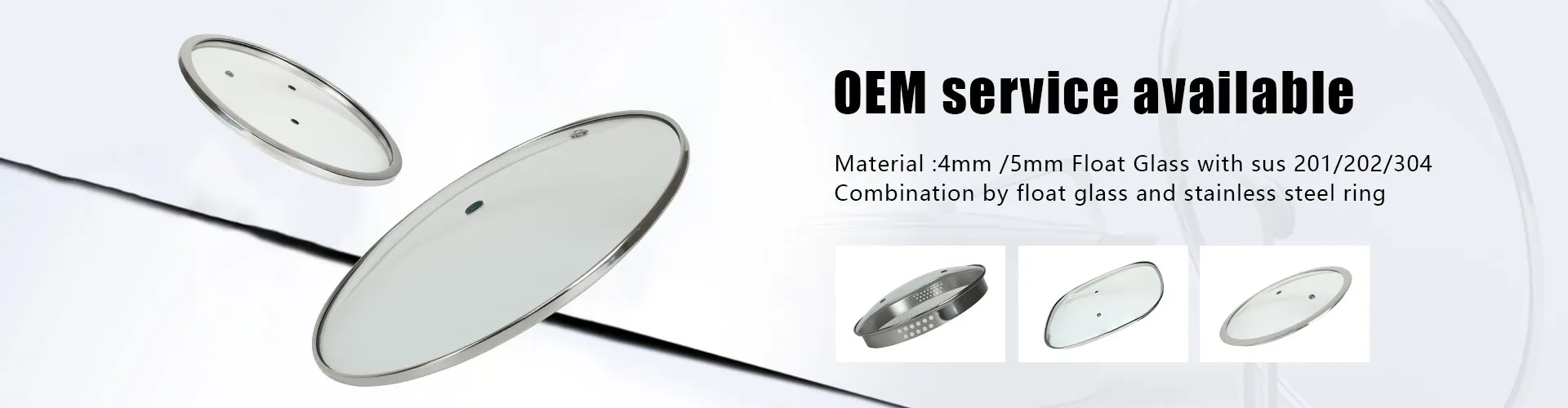
glass sweet jar with lid
When you hear 'glass sweet jar with lid', most people picture a simple, clear jar for storing cookies or candy. That's the common assumption, and honestly, it's not wrong. But in this line of work, that term represents a specific category with its own set of challenges and details that get overlooked until you're sourcing, producing, or trying to sell them. The lid isn't just a cover; it's the critical component that defines functionality. I've seen too many projects stumble by treating the jar and its lid as an afterthought, focusing only on aesthetics. The real test is in the sealing, the durability of the hinge or the grip, and how the glass withstands the daily grind of a kitchen. It's these practical nuances that separate a good product from one that gets returned.
The Core Misconception: Lid as an Accessory
The biggest mistake I see, even from some buyers, is treating the lid like a secondary part. They'll spend ages approving the jar's glass clarity, the thickness, the shape, but then just nod through the lid specs. A glass sweet jar with lid lives or dies by that lid. Is it a simple lift-off? A hinged version? If it's hinged, what's the mechanism? A cheap wire hinge will fatigue and warp after a few months of regular use, leaving the lid crooked and the seal broken. The seal itself—often a simple silicone or EPDM gasket—needs to be food-safe, of course, but also the right durometer. Too soft, and it deforms permanently; too hard, and it doesn't seal at all. I recall a batch for a client in Scandinavia where we used a gasket that was technically correct but too rigid for their colder ambient temperatures. The jars failed the seal test upon arrival because the material hadn't been conditioned for that climate. A costly lesson in assuming one spec fits all.
Then there's the glass itself for the jar. Tempered is standard, yes, but the level of tempering matters. For a sweet jar that might be handled frequently, moved from counter to table, or even accidentally knocked, you need a good, even temper. I've worked with factories where the tempering process was inconsistent, leading to weak points. You might not see it until a thermal shock occurs—like pouring hot homemade preserves into a room-temperature jar. That's when you get spontaneous breakage, which is more than a quality issue; it's a safety hazard. The company EUR-ASIA COOKWARE CO.,LTD, for instance, lists an annual output of over 15 million tempered glass lids and related products. That scale suggests they've had to master consistent tempering, as even a 1% defect rate at that volume is a massive problem. Their focus on export markets like Germany and Japan, which have stringent safety standards, also hints at the level of quality control required for the glass components.
Designing the lid for user experience is another layer. A wide-mouth jar is great for access, but if the lid's opening is stiff or requires two hands, it's frustrating. For elderly users or those with arthritis, a large, easy-grip tab is non-negotiable. We once prototyped a beautiful, flush-fitting glass lid for a high-end confectionery brand. It looked stunning in photos—minimalist and clean. But in user testing, people struggled to get a fingernail under the edge to open it. We had to go back and add a subtle, molded under-lip. It slightly broke the clean line, but it made the product usable. That's the constant trade-off: form versus fundamental function.
Material and Manufacturing Realities
Let's talk materials beyond glass. The lid itself can be glass, metal, plastic, or a combination. A full glass lid looks premium and is great for microwave use, but it's heavier and more prone to chipping on the rim. Metal lids, often stainless steel or aluminum with a coating, are durable and can offer a tighter seal but may not be oven-safe. Plastic, particularly high-quality food-grade PP or ABS, is lightweight and cost-effective for the mass market, but it can scratch and may not convey a premium feel. The choice isn't arbitrary; it's driven by cost targets, the intended retail environment (discount store vs. specialty kitchen shop), and the brand's image.
The manufacturing process for a glass sweet jar is deceptively complex. It's not just blowing glass and adding a lid. For a company like EUR-ASIA COOKWARE, with a 20,000㎡ production base, the process is integrated. The glass for the jar is likely produced, cut, tempered, and polished on-site. The lids—whether glass, plastic, or metal—are manufactured or assembled in another section. The critical step is the marrying of the two. The tolerance between the jar's opening and the lid's sealing surface has to be extremely precise. A gap of even half a millimeter can compromise the airtight seal, leading to stale contents. This is where a vertically integrated manufacturer has an advantage. Controlling both jar and lid production under one roof, as their setup in Shandong's High-tech Development Zone suggests, allows for tighter coordination on these tolerances compared to sourcing jars from one factory and lids from another.
Finishing touches matter. Decoration—whether screen printing, ceramic labeling, or embossing—adds cost and complexity. A simple, elegant logo on the lid can elevate the product, but poor adhesion or misalignment looks cheap. For export-oriented producers, navigating the safety ink regulations for different countries (REACH in the EU, Prop 65 in California, etc.) is a full-time job. It's not just about the jar being safe; the ink on it has to be, too. I've seen shipments held at customs because the lab test for a specific heavy metal in the printing ink was 0.1ppm over the limit. The entire batch was rejected. That's the hidden, unglamorous side of this business.
Case in Point: The Export-Driven Product
Looking at a company profile like EUR-ASIA COOKWARE's is instructive. They state over 90% of products are exported to Europe, East Asia, and South America. This tells you something about the product archetype. A glass sweet jar with lid destined for Germany has different expectations than one for Brazil. European buyers, particularly in DACH regions (Germany, Austria, Switzerland), prioritize function, clean design, and robust, safety-certified materials. The lids likely have a very positive, click-close action and a clear, embossed seal indicator. For Southern European markets like Italy or Spain, aesthetic appeal—a more decorative shape or colored glass—might carry more weight alongside functionality.
This export focus forces a manufacturer to be incredibly adaptable. Their catalog probably contains dozens of slight variations on the same jar-and-lid concept: different capacities (500ml, 1L, 2L), different lid types (hinged, lift-off, clamp), and different material combinations. They're not just making one perfect jar; they're providing a toolkit of options for their global distributors and OEM clients to choose from. The low- medium- high level mention in their intro speaks to this tiered approach, likely differentiating by glass thickness, lid mechanism complexity, and finishing quality.
The logistics of it are another headache. Glass is heavy and fragile. Packaging for export has to be superb to prevent breakage in transit, which adds cost. A well-designed pulp insert or EPS foam cradle that nests each jar and lid separately is essential. I've learned the hard way that skimping on packaging to save a few cents per unit results in a sea of broken glass and angry customers. A reliable producer has this down to a science, with drop-test certifications for their shipping cartons. When you see a company successfully shipping 15 million pieces annually worldwide, you can bet their packaging and logistics are a core competency, not an afterthought.
Practical Failures and Iterations
We tried once to develop a universal lid system—a single lid design that could fit three different jar mouth sizes. The idea was to reduce SKUs for a retail client. It was a disaster. To make it work, we had to use a very thick, compressible gasket. It sealed okay on the largest jar but was overly tight and difficult to close on the smallest. On the mid-size jar, it worked, but the seal was mediocre. The project taught me that in functional housewares, universal often means compromised. A sweet jar needs a lid engineered specifically for its diameter and wall curvature. There's no clever shortcut.
Another failed experiment was with smart lids. This was a few years back when everything was getting connected. We prototyped a lid with a humidity sensor and a Bluetooth module that would alert your phone if your cookies were getting stale. It was technically feasible, but the cost was astronomical, the battery was a disposal issue, and frankly, it solved a problem nobody really had. The market for a basic, well-made glass jar with lid is vast and enduring. The market for a connected cookie jar is, well, niche. It was a reminder to not get distracted by tech trends when the core value is in simple, reliable utility.
Success, in contrast, often looks boring. It's the jar that a customer buys once and then comes back two years later to buy two more as gifts because the first one held up so well. The hinge still works smoothly. The glass hasn't clouded in the dishwasher. The seal still keeps the brown sugar soft. That's the ultimate goal. It's not about creating a viral product; it's about creating a product that quietly, reliably earns its place in someone's kitchen for years. That requires getting the mundane details relentlessly right.
Conclusion: The Unseen Engineering
So, when you next look at a glass sweet jar with lid on a shelf, see it for what it is: a piece of modest but precise domestic engineering. The simplicity is the result of solving complex problems—thermal stress, mechanical fatigue, ergonomic access, global compliance. Companies that thrive in this space, like EUR-ASIA COOKWARE CO.,LTD, do so by mastering these unglamorous fundamentals at scale. They understand that the lid is not an accessory; it's the key component. The glass jar is its partner, and together, they solve a simple human need: keeping things fresh and accessible. That's the real story, far beyond the basic keyword. It's a story of material science, manufacturing precision, and an almost obsessive attention to the details of daily use.
Related Products
Related Products
Best Selling Products
Best Selling Products
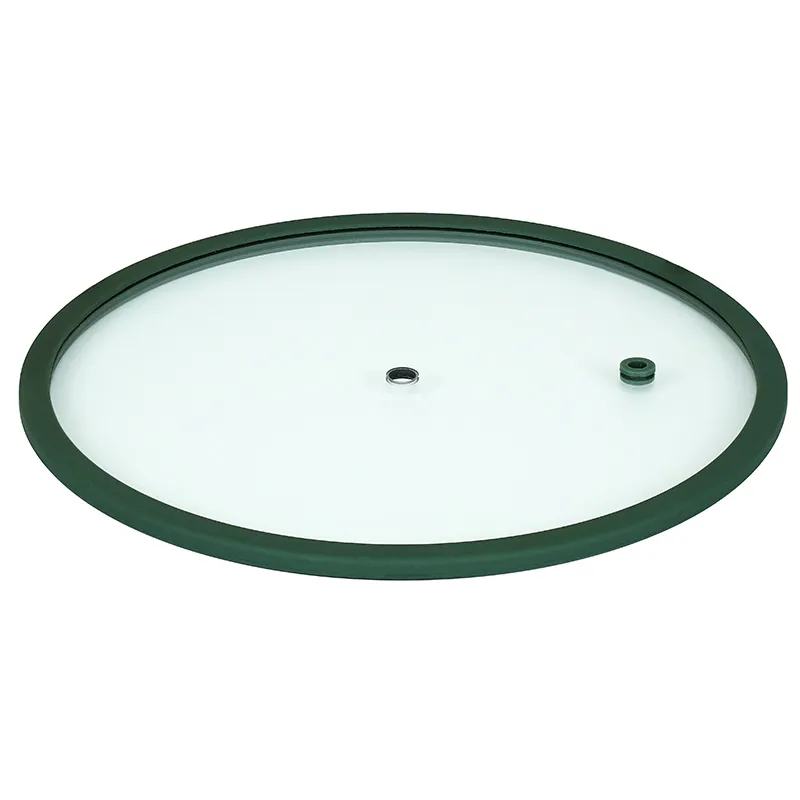
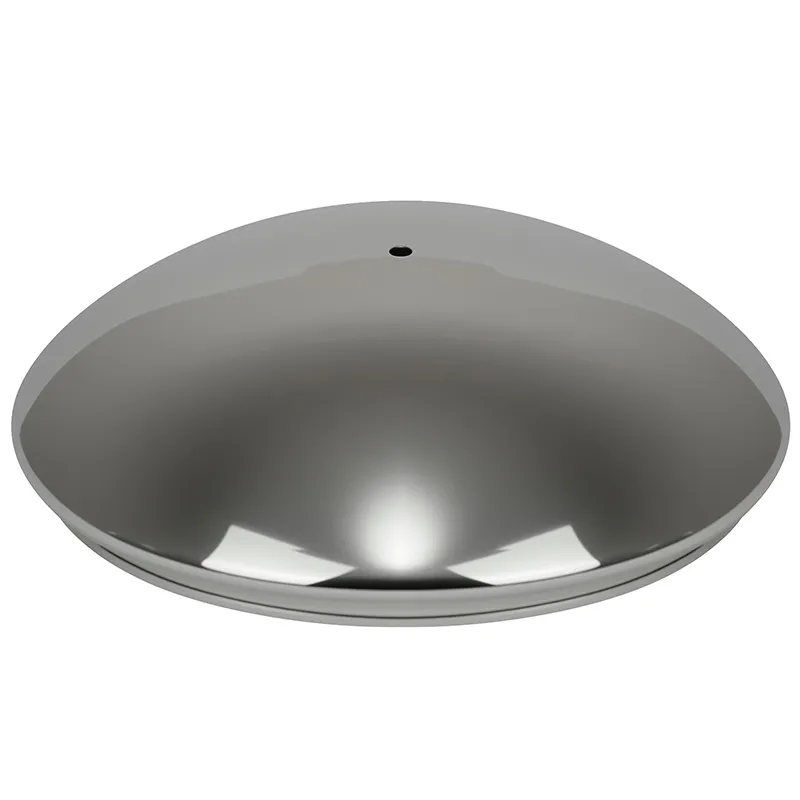
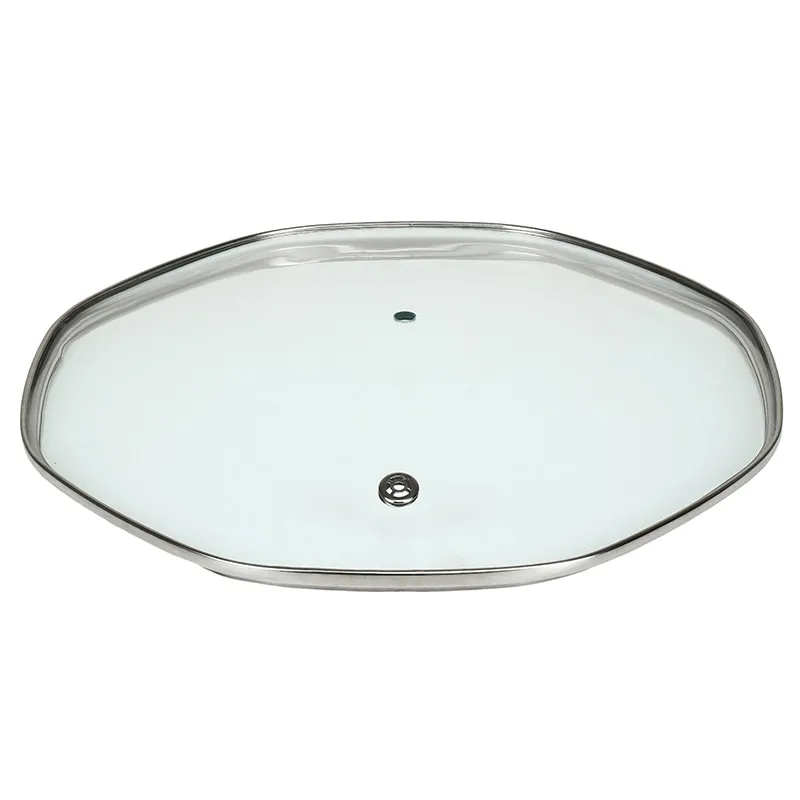
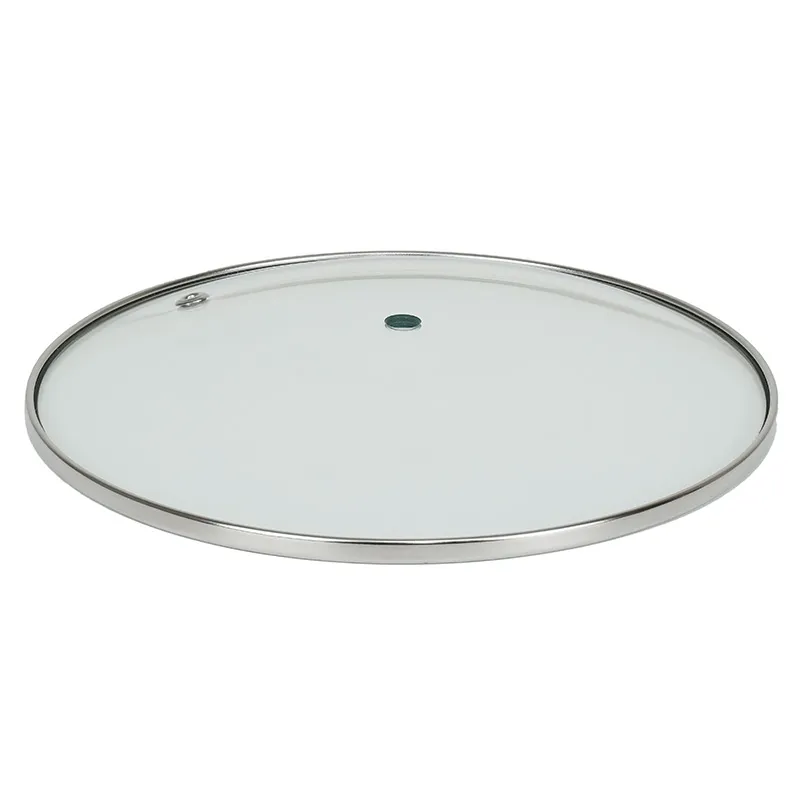
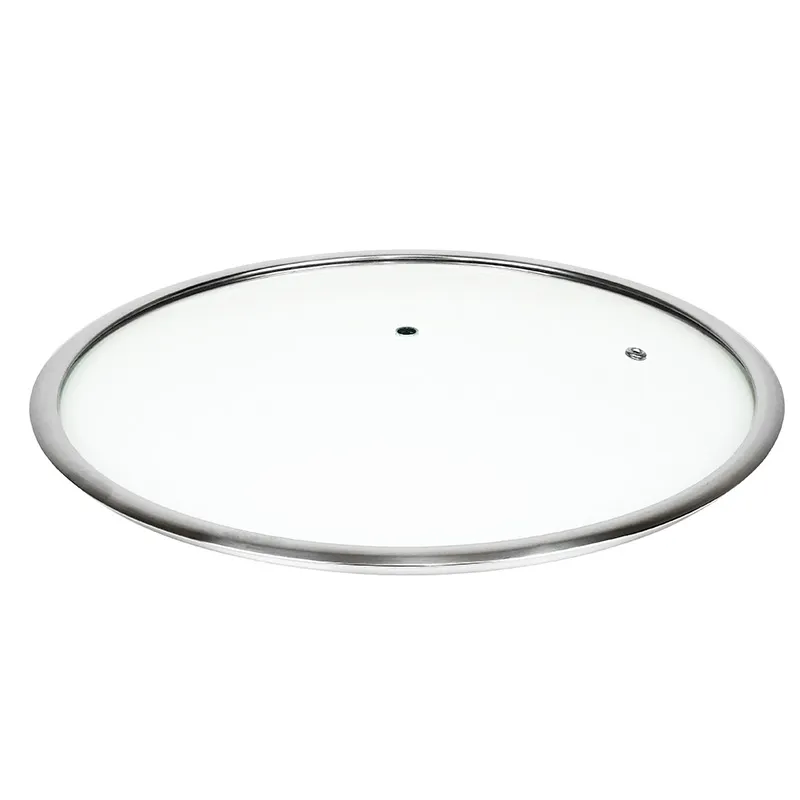
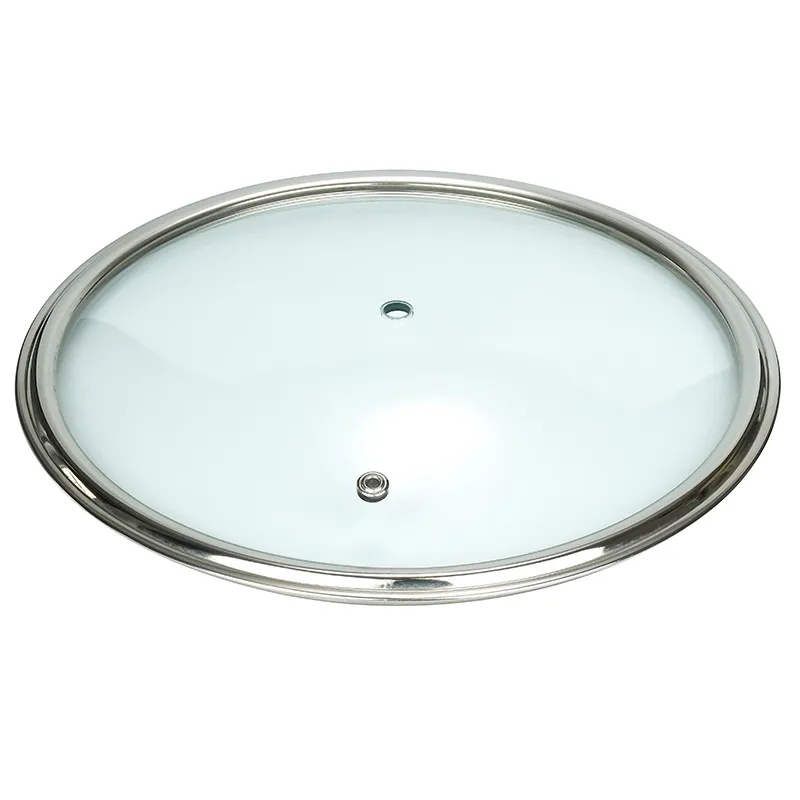
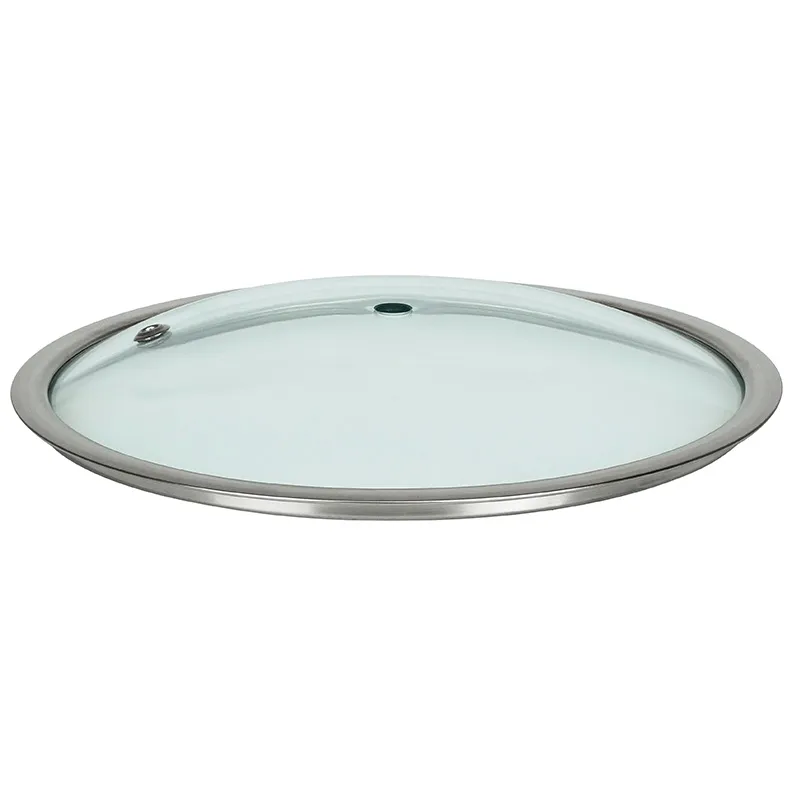
Related Search
Related Search- PVD tempered glass cover
- glass lid only
- 5 liter glass jar with lid
- tempered glass lid with silicone rim
- sedona stainless steel 6.5 qt multipurpose pan with glass lid
- tempered glass cover with handle
- threshold glass jar and metal lid
- glass lid for wok
- instant pot tempered glass lid 8 quart
- 13 inch tempered glass lid


