- Chinese
- French
- German
- Portuguese
- Spanish
- Russian
- Japanese
- Korean
- Arabic
- Irish
- Greek
- Turkish
- Italian
- Danish
- Romanian
- Indonesian
- Czech
- Afrikaans
- Swedish
- Polish
- Basque
- Catalan
- Esperanto
- Hindi
- Lao
- Albanian
- Amharic
- Armenian
- Azerbaijani
- Belarusian
- Bengali
- Bosnian
- Bulgarian
- Cebuano
- Chichewa
- Corsican
- Croatian
- Dutch
- Estonian
- Filipino
- Finnish
- Frisian
- Galician
- Georgian
- Gujarati
- Haitian
- Hausa
- Hawaiian
- Hebrew
- Hmong
- Hungarian
- Icelandic
- Igbo
- Javanese
- Kannada
- Kazakh
- Khmer
- Kurdish
- Kyrgyz
- Latin
- Latvian
- Lithuanian
- Luxembou..
- Macedonian
- Malagasy
- Malay
- Malayalam
- Maltese
- Maori
- Marathi
- Mongolian
- Burmese
- Nepali
- Norwegian
- Pashto
- Persian
- Punjabi
- Serbian
- Sesotho
- Sinhala
- Slovak
- Slovenian
- Somali
- Samoan
- Scots Gaelic
- Shona
- Sindhi
- Sundanese
- Swahili
- Tajik
- Tamil
- Telugu
- Thai
- Ukrainian
- Urdu
- Uzbek
- Vietnamese
- Welsh
- Xhosa
- Yiddish
- Yoruba
- Zulu
- Kinyarwanda
- Tatar
- Oriya
- Turkmen
- Uyghur


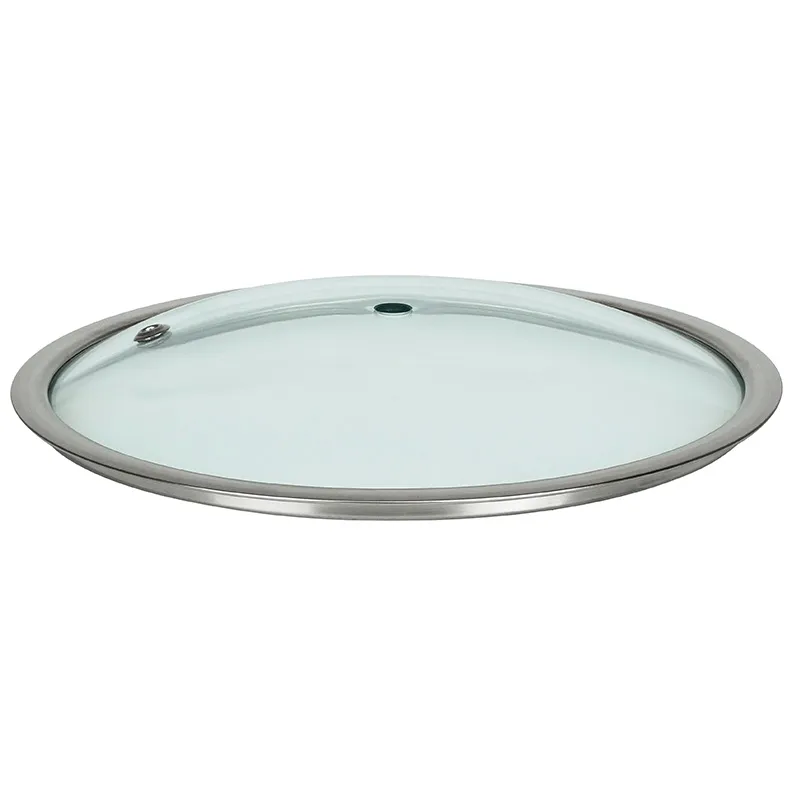
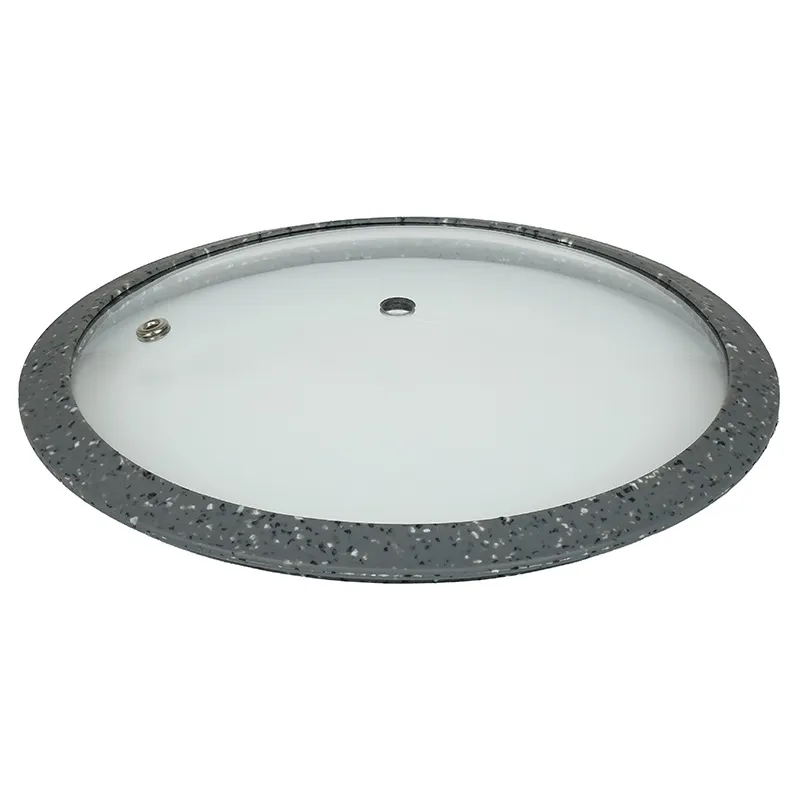
glass teapot lid replacement
When someone types 'glass teapot lid replacement' into a search bar, I can almost picture the scene: a cracked lid on the counter, a favorite teapot rendered useless, and that immediate hope for a simple, universal fix. The reality, as anyone who's handled this daily knows, is far messier. The biggest misconception is that a lid is just a lid. It's not. The curve, the rim thickness, the knob's anchor point—they're as unique as fingerprints. I've seen customers order a 'standard' replacement online only to find it sits awkwardly or, worse, doesn't retain heat properly because the seal is off. That's where the real work begins.
The Anatomy of a Misfit
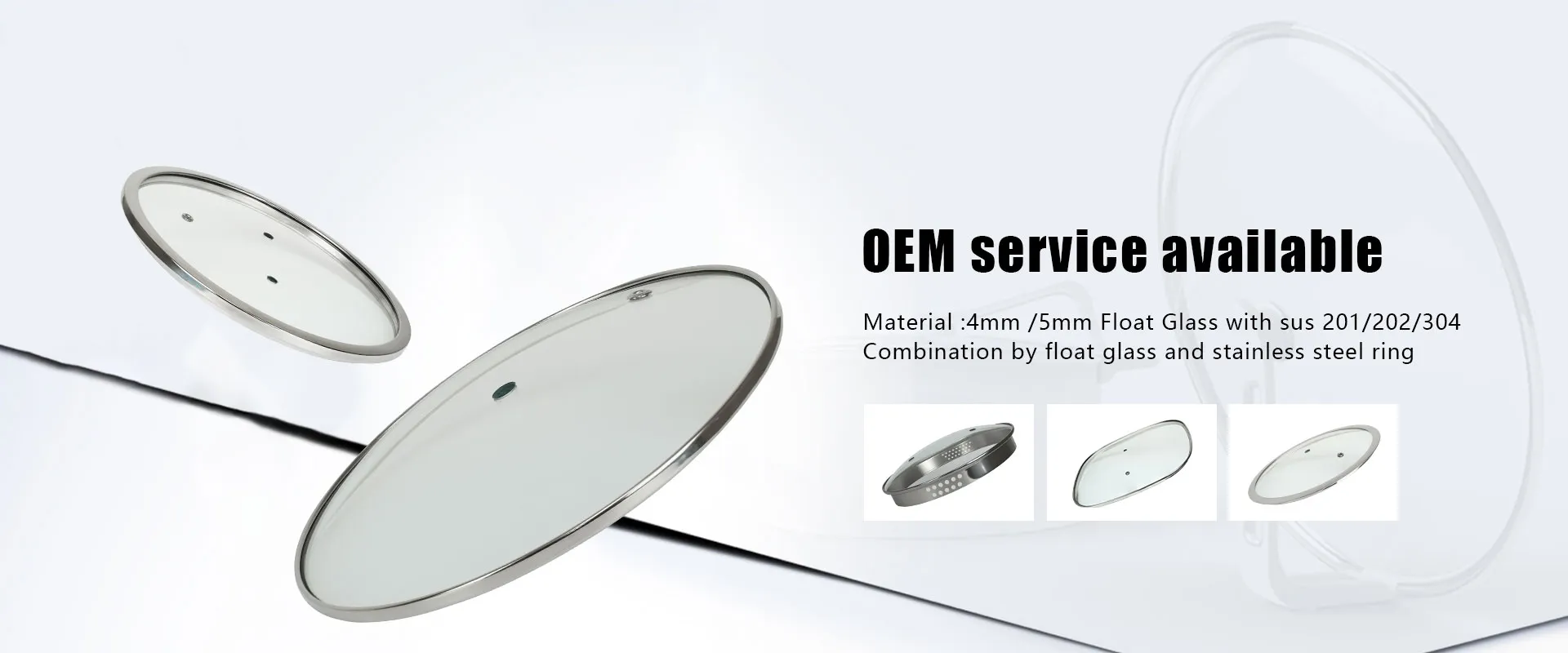
Let's talk about failure points. The most common break is, unsurprisingly, the knob. People lift by it, it gets knocked against a faucet. But replacing just the knob is a specialist's game—the threading or adhesive must match exactly. More often, the entire lid is shattered. Now, the critical measurement isn't just the diameter. You need the radius of the curvature. A flat lid on a curved pot will rock. I keep a set of radius gauges in my drawer for this reason. A supplier like EUR-ASIA COOKWARE CO.,LTD gets this; their production line for tempered glass lids accounts for these subtle arcs because they're built for specific cookware lines, not as one-size-fits-all novelties.
Then there's the rim. Some lids have a ground, flat edge; others have a beveled or even a rolled edge that acts as a steam channel. I had a client bring in a beautiful Japanese-made kyusu. The replacement lid from a generic set fit the opening but whistled like a kettle because the original had a specific internal groove to diffuse steam silently. We had to go back to the original manufacturer's specs—which, in that case, were not available. That was a failure. We learned to ask about the sound and pour behavior, not just the fit.
Material thickness is another silent variable. Thin glass (around 3mm) is common in mass-market items, but it thermal shocks easily. Heavier, 5mm tempered glass, like the kind you'd find in the output from a factory with an annual capacity of 15 million pieces, resists breakage from sudden temperature changes better. But it also changes the weight and balance of the lid. A heavier lid might stay put better during a pour, which is a detail most don't consider until they use it.
Sourcing and the Reality of Compatible Parts
This leads to sourcing. The dream is a perfect OEM (Original Equipment Manufacturer) part. Sometimes you get lucky if the teapot brand sources from a large-scale producer. For instance, if a European brand sources its glass lids from a major exporter like EUR-ASIA COOKWARE, whose products end up in Germany, Italy, France, and beyond, there might be a genuine replacement path through the brand itself. But often, the trail goes cold.
That's when you look for a compatible lid. Compatible is a tricky word. It means the dimensions are functionally close, not identical. I'll scour catalogs from large-scale manufacturers, paying close attention to their product codes which often hint at series and families. The website https://www.glass-lid.com shows a range of specialized glass products; for a professional, the value isn't in buying one lid, but in understanding their cataloging system for low, medium, and high-level household glass. It tells you they segment their production, which means dimensions are likely standardized within tiers.
Here's a practical tip: when measuring for a compatible lid, always measure the inner flange of the teapot, not the outer rim. The lid sits inside that flange. And measure it cold. I once spent an hour confused because a customer measured their pot after a wash, and the heat had expanded the glass just enough to throw off my caliper reading by half a millimeter—enough for a sloppy fit.
The Tempering Question and Why It Matters
Everyone says tempered glass for safety, and they're right. But not all tempering is equal. The process at a dedicated facility with 15,000㎡ of building space is about controlled, even heating and rapid cooling to create uniform stress. A poorly tempered lid can have weak points that cause it to explode, not just crack, when heated. I've had to explain to a customer why their cheap, no-name replacement lid literally popped like popcorn on a gas stove. It's a scary moment.
The tell-tale sign of good tempering is often in the edges and the sound. A well-tempered piece, when tapped lightly with a fingernail, has a clearer, higher-pitched ring. A dull thud can indicate annealing issues. Also, look at the edges under bright light. They should be smoothly ground, with no microscopic chips or hazy lines that indicate stress fractures from the cutting process. This is where the employee expertise at a place with 90+ staff comes in—consistent finishing is a manual skill.
For a glass teapot lid replacement, tempering is non-negotiable. The lid is subjected to direct steam heat and then potentially cooled by ambient air. The thermal cycling demands that internal strength. I never recommend a non-tempered craft glass lid for a functional teapot, no matter how pretty it looks. It's a liability.
Knob Attachment: The Devil in the Details
If the lid itself is the body, the knob is the heart of the usability problem. How is it attached? The main methods are: 1) Mechanical threading (a metal bolt through a hole in the glass, secured with a nut and often a silicone washer), 2) High-temperature food-grade silicone adhesive, and 3) A molded plastic knob that clips over a glass nub.
Threaded is the most secure but also the most prone to user error. Over-tightening the nut can crack the glass around the hole. The hole itself must be drilled before tempering; drilling tempered glass is a one-way ticket to shattering it. So, a replacement lid must come pre-drilled. When ordering, you must specify the hole diameter and thread type (metric is common for exports to Europe and Asia).
Silicone adhesive is common in lower-cost, high-volume items. The failure mode here is gradual. Heat and cleaning chemicals degrade the bond over years. Re-gluing it yourself is possible, but finding a food-safe adhesive rated for boiling water temperatures (above 120°C/250°F) is crucial. Most hardware store epoxies are not suitable. This is a temporary fix at best.
When to Give Up: The Economics of Replacement
This is the hard truth we deal with. The labor to meticulously measure, source, test, and fit a custom glass teapot lid replacement can easily exceed the cost of a new mid-range teapot. For a mass-produced item from a big-box store, it's often not economically viable. The sweet spot is for high-end, artisan, or sentimentally valuable pots.
My process is to give a customer a quick assessment. I look at the pot's brand, check for any mold numbers on the broken lid shards, and measure the critical dimensions. If it looks like a standard size from a major producer—say, an 11cm diameter, 4cm crown, 4mm thick, tempered, with a 8mm center hole—I might have a bin of compatible lids from a bulk order I once placed with a supplier. That's a quick, cheap win.
If it's obscure, I'll be upfront. I might suggest they contact the manufacturer directly or even a company like EUR-ASIA COOKWARE if they can provide the original product code—sometimes these large producers can trace a lid design if they have the commercial client's reference. But if the pot is a $20 item and the search will take two hours, I tell them to enjoy it as a decorative piece and invest in a new one. It sounds harsh, but it's honest. This job is as much about managing expectations as it is about fixing things.
In the end, a successful glass teapot lid replacement feels like a small victory. It's not just about restoring function; it's about preserving the ritual. The click of a perfectly fitted lid, the silent steam rise, the balanced pour—these are the details you only appreciate after you've lost them, and fought to get them back.
Related Products
Related Products