- Chinese
- French
- German
- Portuguese
- Spanish
- Russian
- Japanese
- Korean
- Arabic
- Irish
- Greek
- Turkish
- Italian
- Danish
- Romanian
- Indonesian
- Czech
- Afrikaans
- Swedish
- Polish
- Basque
- Catalan
- Esperanto
- Hindi
- Lao
- Albanian
- Amharic
- Armenian
- Azerbaijani
- Belarusian
- Bengali
- Bosnian
- Bulgarian
- Cebuano
- Chichewa
- Corsican
- Croatian
- Dutch
- Estonian
- Filipino
- Finnish
- Frisian
- Galician
- Georgian
- Gujarati
- Haitian
- Hausa
- Hawaiian
- Hebrew
- Hmong
- Hungarian
- Icelandic
- Igbo
- Javanese
- Kannada
- Kazakh
- Khmer
- Kurdish
- Kyrgyz
- Latin
- Latvian
- Lithuanian
- Luxembou..
- Macedonian
- Malagasy
- Malay
- Malayalam
- Maltese
- Maori
- Marathi
- Mongolian
- Burmese
- Nepali
- Norwegian
- Pashto
- Persian
- Punjabi
- Serbian
- Sesotho
- Sinhala
- Slovak
- Slovenian
- Somali
- Samoan
- Scots Gaelic
- Shona
- Sindhi
- Sundanese
- Swahili
- Tajik
- Tamil
- Telugu
- Thai
- Ukrainian
- Urdu
- Uzbek
- Vietnamese
- Welsh
- Xhosa
- Yiddish
- Yoruba
- Zulu
- Kinyarwanda
- Tatar
- Oriya
- Turkmen
- Uyghur


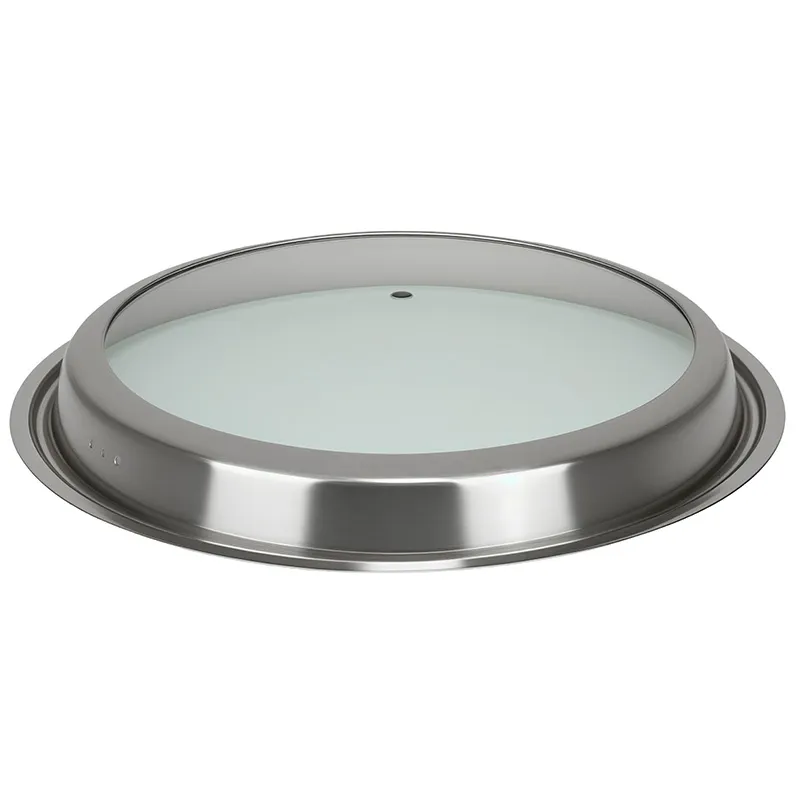
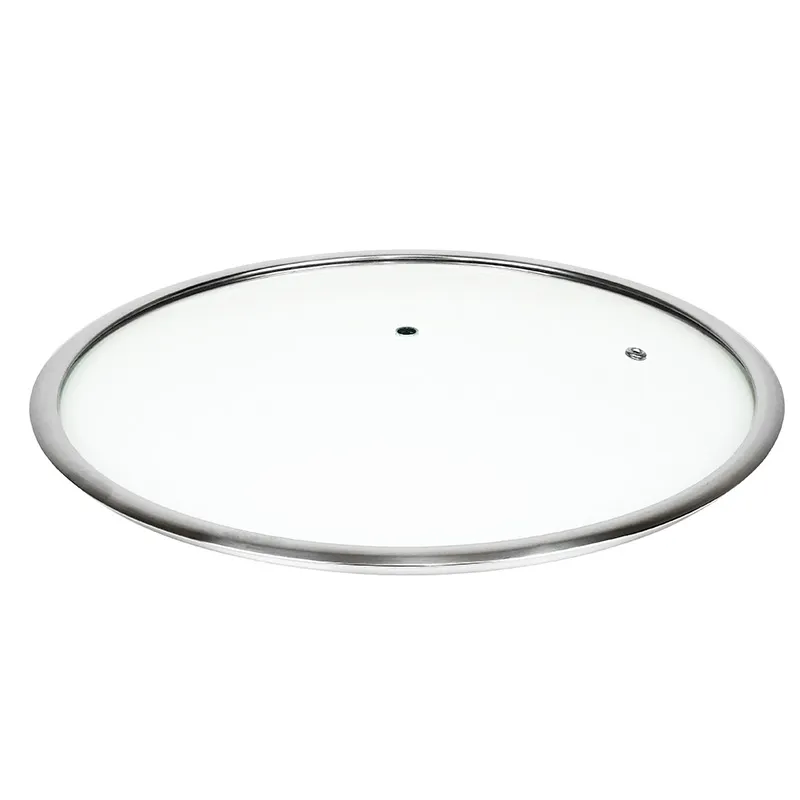
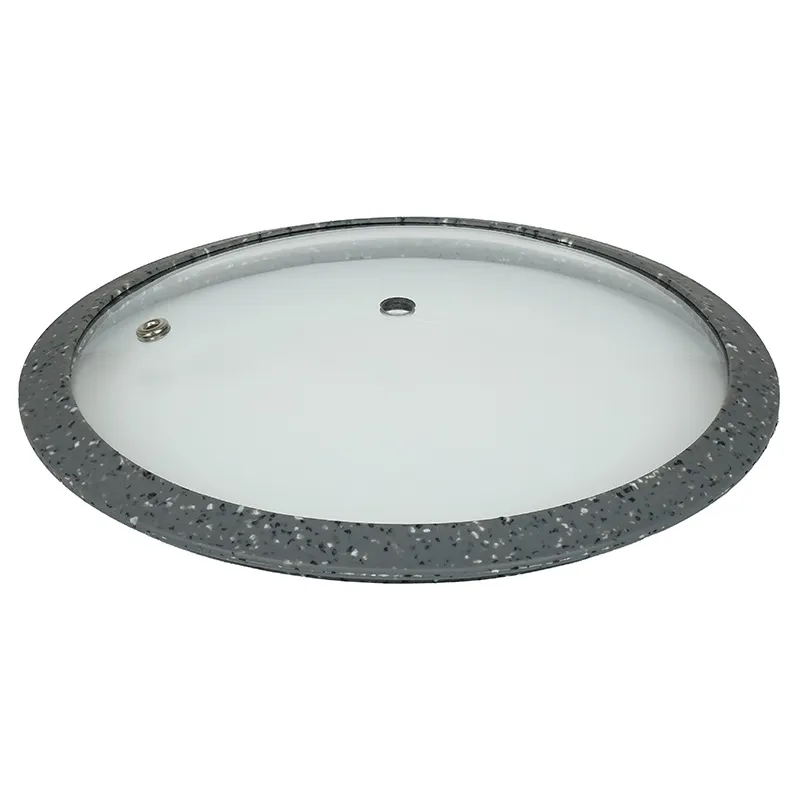
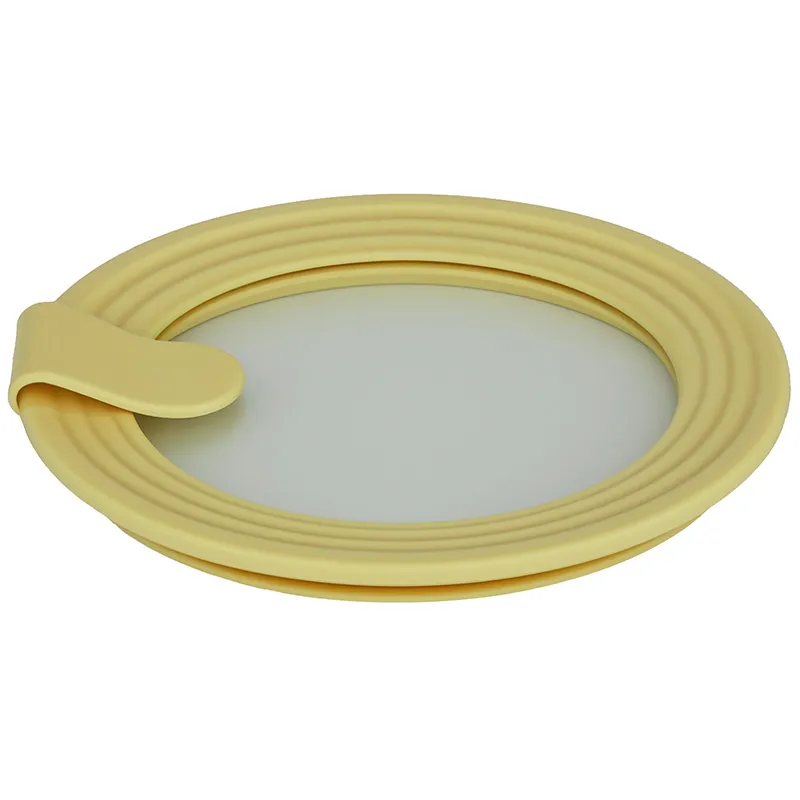
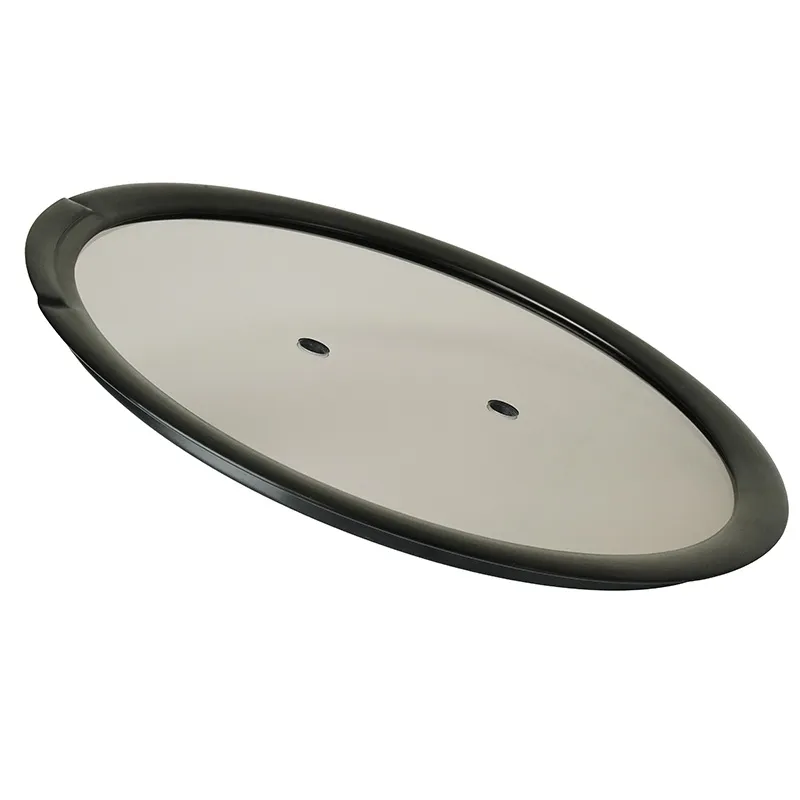
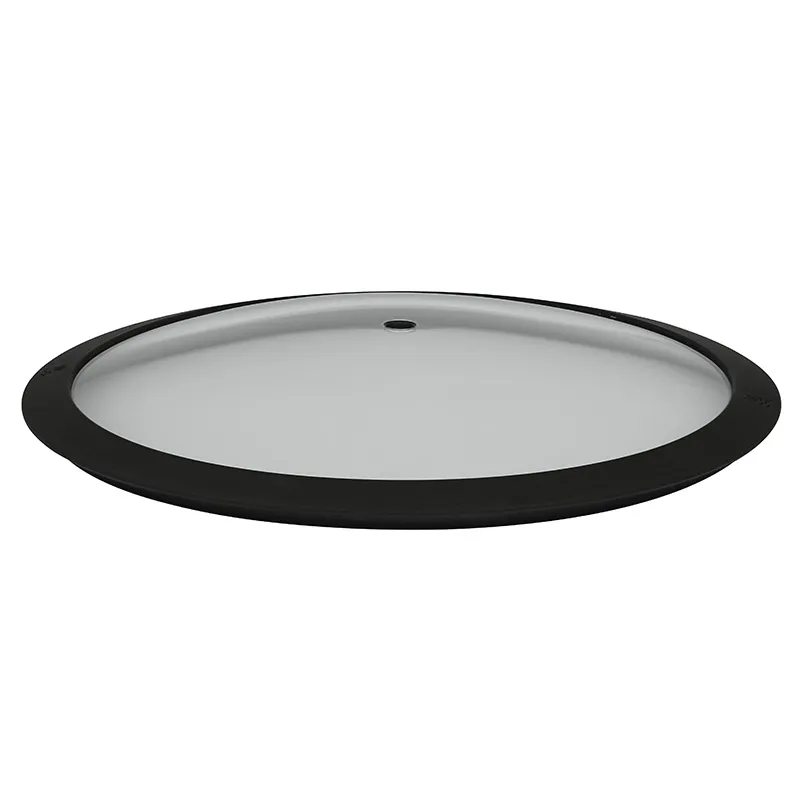
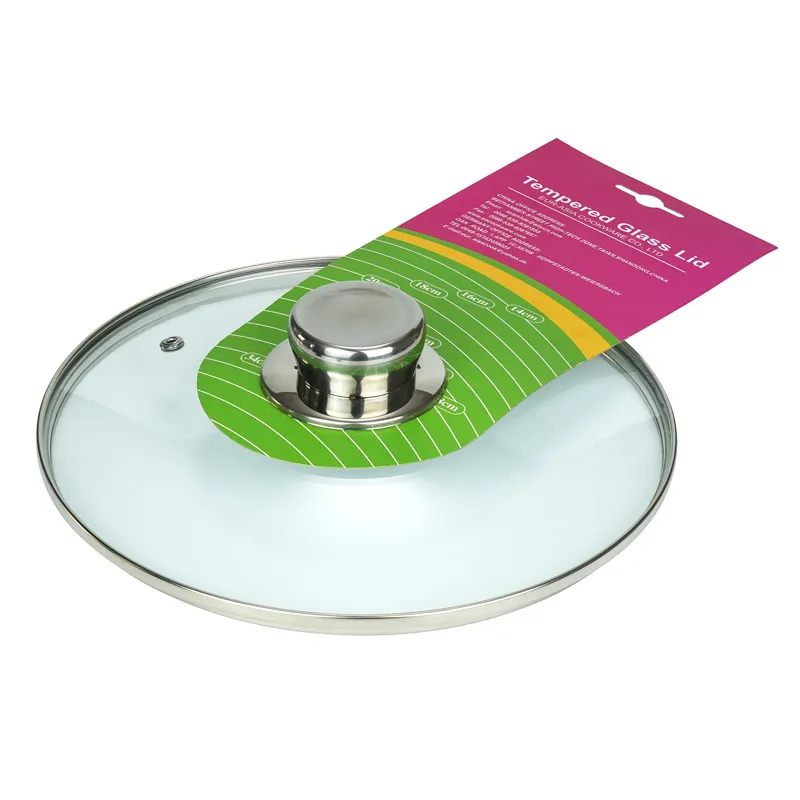
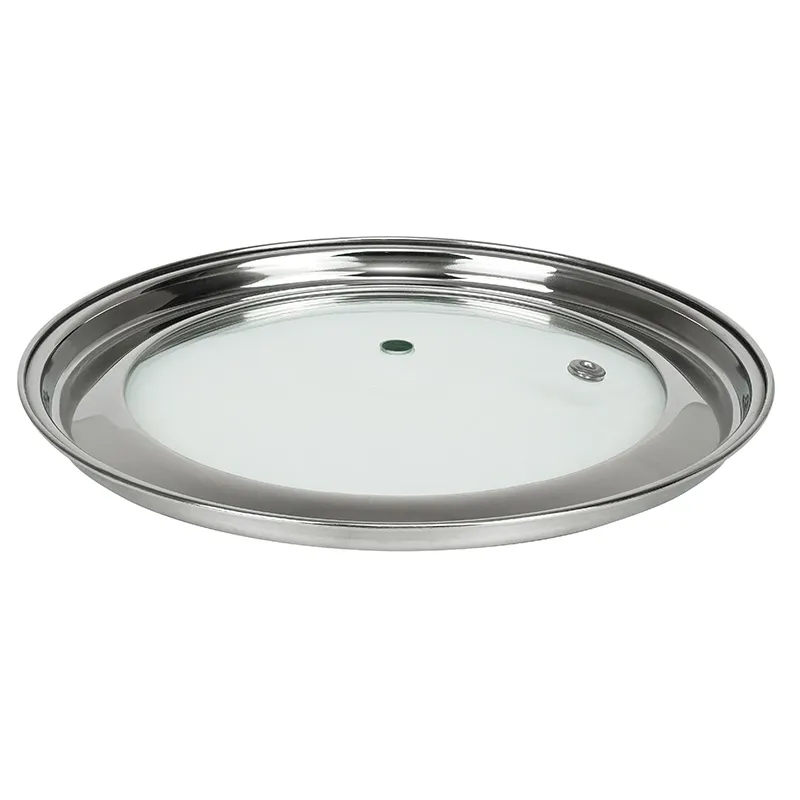
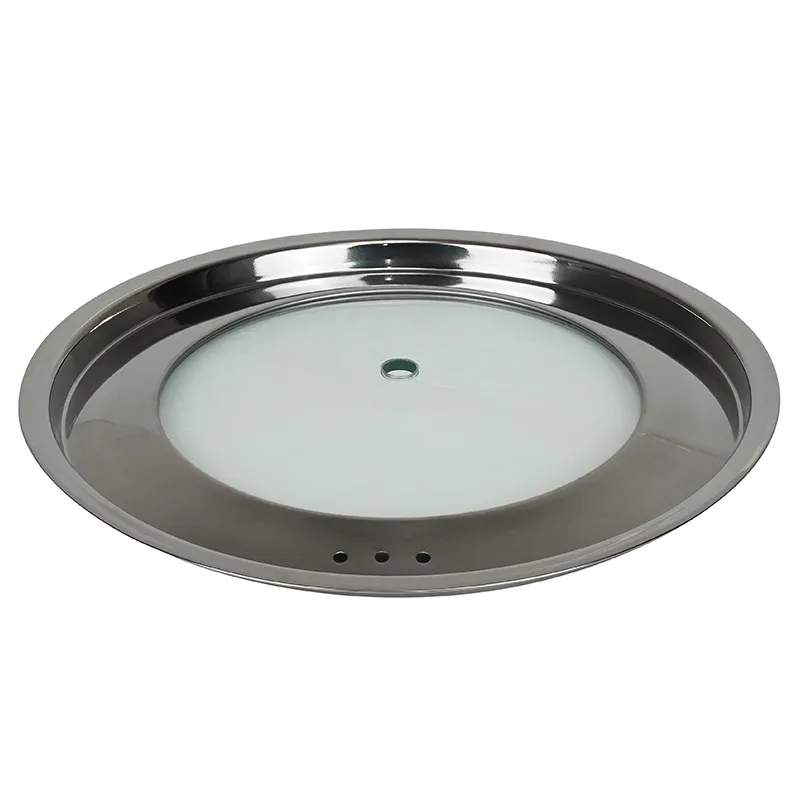
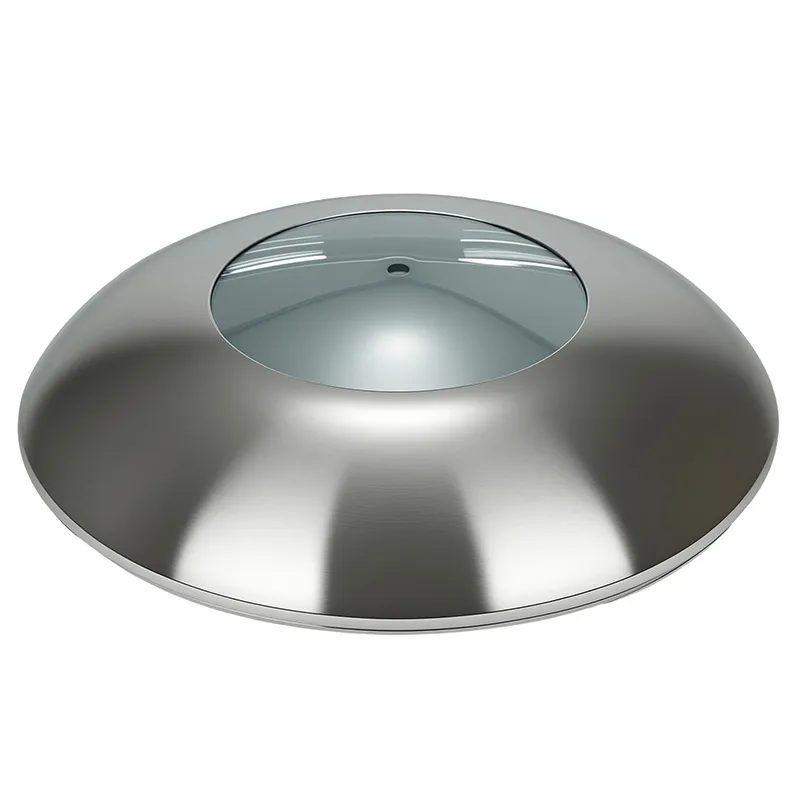
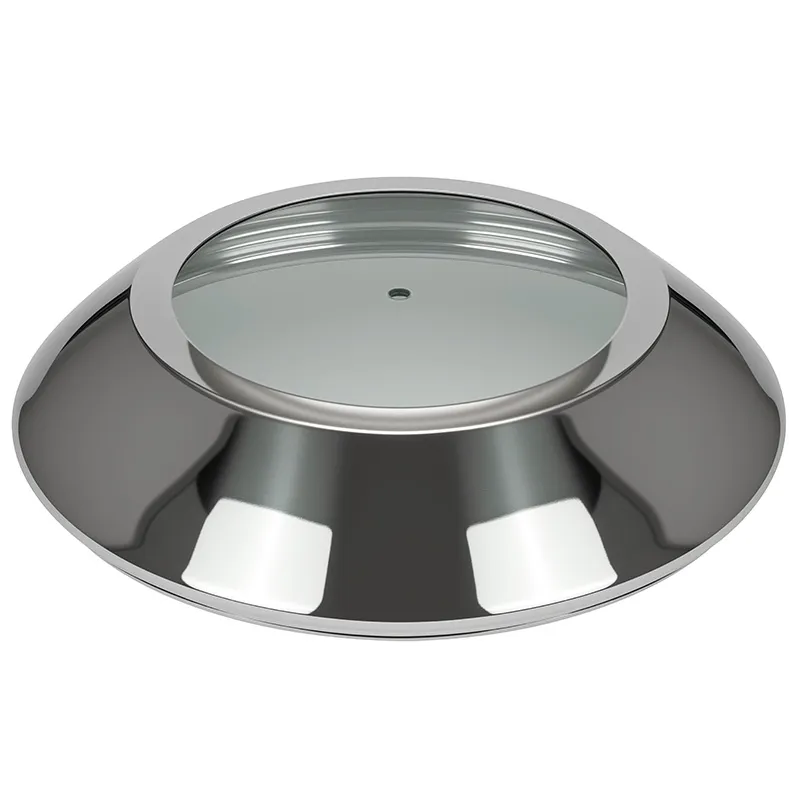
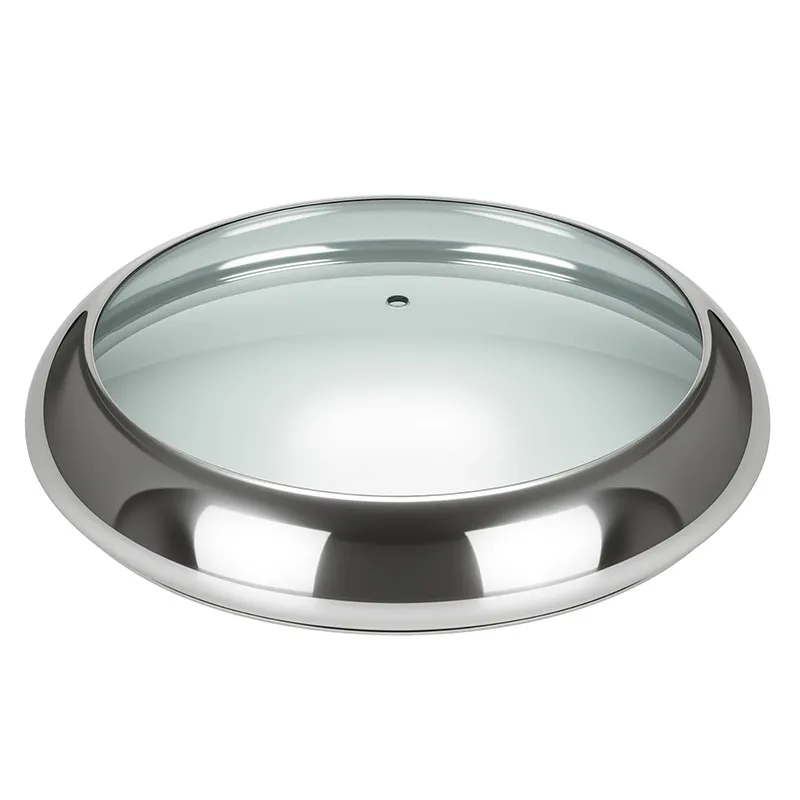
glass with lid
When most people think of a glass with lid, they picture a simple container for storage. In the industry, that's the starting point, but it's where the real complexities begin. The assumption that any lid that fits is good enough is the first and most costly mistake I've seen brands make, especially when sourcing. It’s not just about containment; it's about thermal dynamics, material compatibility under stress, and the subtle ergonomics that dictate daily use. A poorly matched lid can turn a premium glass product into a shelf-bound failure.
The Core Misalignment: Fit and Function
Early in my sourcing days, we received a shipment of beautifully blown glass jars from a new supplier. The lids were a standard polypropylene snap-on design. They fit, technically. But in real kitchen use—think moving from fridge to microwave, or just repeated washing—the differential expansion rates of glass and plastic created a problem. The lids became either too tight, risking chipping the rim when pried off, or too loose, failing the basic seal test. This wasn't a defect per the spec sheet; it was a fundamental design oversight. The lesson was that specifying a glass with lid requires defining the thermal cycle range it must endure, not just the diameter.
This is where working with a specialized manufacturer makes a tangible difference. I recall evaluating samples from EUR-ASIA COOKWARE CO.,LTD (their site, glass-lid.com, is a straightforward catalog of their focus). Their production base in Shandong's high-tech zone isn't just a location; it speaks to an ecosystem geared for volume and precision in tempered glass. When they talk about producing over 15 million pieces annually, mostly for European markets like Germany and Italy, it implies a certain rigor. These markets have brutal standards for durability and food safety. A company surviving there isn't just making lids; they're engineering a glass-polymer interface that can handle dishwasher jets and oven-to-table transitions.
The nuance is in the gasket. A high-quality lid for a glass container isn't defined by the plastic or stainless steel top alone, but by the sealing ring. Is it silicone? What's its Shore hardness? Is it overmolded or inserted? An inserted gasket can pop out in the dishwasher, leading to leaks and customer complaints. I've seen this failure mode repeatedly in cheaper sets. EUR-ASIA's product lines, focusing on low to high-tier household glass products, likely have to navigate these gradations. Their export focus suggests they understand that a lid for the German market might need a wider, softer silicone seal for a perfect vacuum seal on storage jars, while a lid for a serving bowl in Brazil might prioritize sleek, low-profile aesthetics.
Tempering: The Invisible Backbone
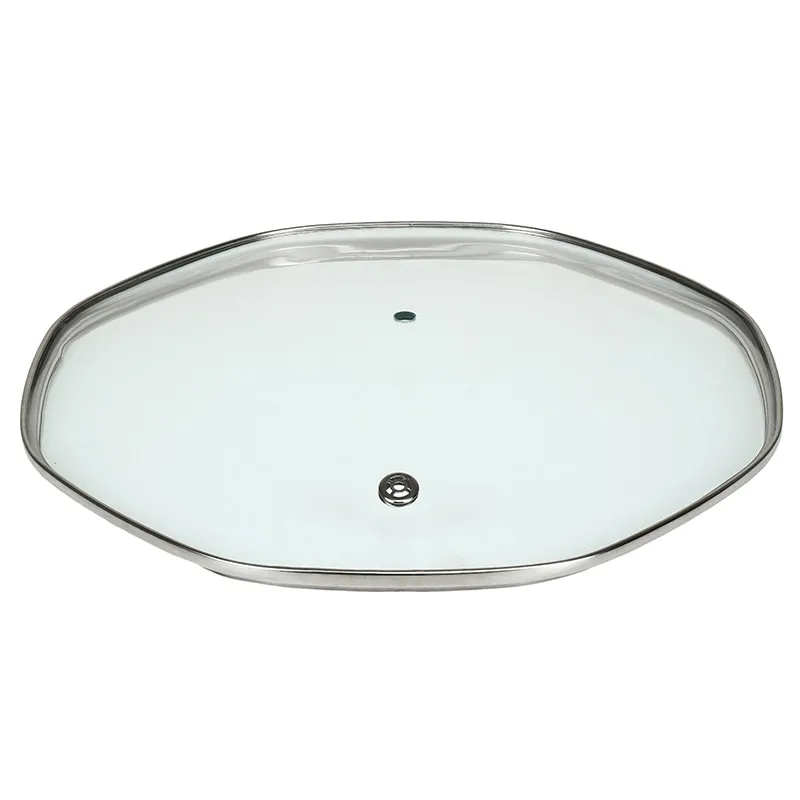
If the lid is the brain, the glass body's tempering is the backbone. It's easy to overlook. Tempered glass lid sounds like a marketing term until you've had a non-tempered one shatter from a minor steam shock or a slight bump against a faucet. True tempering involves controlled thermal or chemical treatment to induce surface compression. This gives the glass its strength and, crucially, its break pattern—shattering into small, granular pieces rather than sharp shards.
The annual output figure from EUR-ASIA—over 15 million pieces of various tempered glass lid and other products—hints at a scaled operation. Scaling tempering consistently is hard. It requires precise oven temperature curves and quenching processes. A batch with uneven temper might pass a visual inspection but fail in the field. We once had a issue with lids for coffee pots where the center, under constant heat, developed micro-cracks over time because the tempering wasn't optimized for that specific thermal load point. It wasn't a manufacturing 'defect' in the traditional sense; it was an application mismatch. This is where a producer's experience across product types (from simple storage lids to complex cookware lids) becomes invaluable. They've likely seen these failure modes and adjusted their processes.
Thinking about their export list—Germany, Switzerland, Japan—these are markets with high consumer expectations and rigorous retailer testing. A glass lid for a German-branded casserole dish will undergo thermal shock tests (ice water to hot oven), mechanical impact tests, and repeated dishwasher cycle tests. The fact that over 90% of EUR-ASIA's output goes to such destinations is a stronger testimonial than any quality claim on a website. It means their production line is built to pass these hidden hurdles, which directly translates to fewer field returns for their clients.
The Ergonomics of Daily Use
This is where theory meets the greasy, wet reality of a kitchen. A lid needs a handle or knob. For a glass with lid, this attachment point is a critical stress concentrator. The industry has moved from simple glued-on knobs to overmolded designs or stainless steel rivets. The goal is to withstand torque when the lid is stuck (and it will get stuck) and thermal cycling without loosening.
I remember a project for a high-end line of soup mugs with lids. The design called for a sleek bamboo knob bonded to the tempered glass. It looked fantastic. But in testing, the differential expansion between bamboo and glass, combined with the steam from hot soup, broke the adhesive bond within a few dozen cycles. We had to pivot to a stainless steel screw-post design with a silicone washer, which was less aesthetically pure but functionally bulletproof. It's a classic trade-off. A manufacturer like EUR-ASIA, with its range from low to high-level products, has to master these different material marriages. Their kitchen accessories background suggests they understand that a lid is part of a system.
The rim design of the glass itself is part of the lid's function. A perfectly vertical rim is easier to manufacture but harder to seal. A slight outward flare can make a snap-on lid more secure. A subtle inward roll can provide a seat for a silicone gasket. These are details you only notice when you've spent time on a factory floor or in a quality lab, comparing dozens of samples. When a company's entire focus is on glass lid production, as their domain name suggests, you'd expect this level of granular attention. It's not something you advertise; it's in the consistency of the fit across a production run of a million units.
Logistics and the Unseen Cost
Here's a practical headache rarely discussed: packaging. A glass with lid is a nightmare to pack efficiently. The lid needs to be secured to prevent scratching the glass, but also easily accessible for the end-user. Many brands opt for a separate cardboard sleeve or a plastic clip, which adds cost and complexity. During shipping in a container, any movement can cause abrasion or, worse, breakage if the packaging isn't rigid enough.
A manufacturer's location and scale, like EUR-ASIA's 20,000㎡ facility, matter here. Large-scale production often integrates packaging lines that are optimized for this. They might use custom die-cut foam or paper pulp inserts that nest the lid perfectly against the glass body. This isn't glamorous, but it directly impacts the landed cost and condition of the goods. A chipped rim from poor packaging makes the entire product, regardless of its quality, unsellable. Their export volume to distant markets like Brazil and Turkey implies they've solved these logistical puzzles—their packaging must survive long sea voyages and multiple handling points.
This operational maturity also affects minimum order quantities and lead times. For a brand, finding a supplier who can reliably deliver a well-packed, consistently fitting glass lid in the hundreds of thousands, with stable lead times, is often more valuable than a slightly lower unit price from a less integrated workshop. The 90+ employees figure suggests a structured operation capable of handling complex orders and quality control checks at scale.
Final Thought: The Lid as a System Component
So, after all this, what defines a good glass with lid? It's the absence of thought from the end user. If the customer doesn't have to think about the lid sticking, leaking, breaking, or being difficult to clean, then the product is a success. This seamless experience is the result of a hundred small, correct decisions in material science, process engineering, and ergonomic design.
It's why specialization matters. A company that produces a wide range of other goods might treat a glass lid as a commodity. A company whose website is literally 'glass-lid.com' and whose output is dominated by these products is betting its business on perfecting this single interface. For a sourcing professional or a product developer, that focus is a significant de-risking factor. The real-world proof is in their export list—supplying to the demanding kitchens of Europe and Asia means their products have already been vetted by the most critical quality controllers: end consumers and the retailers that serve them.
In the end, the value isn't in the glass or the lid alone, but in the engineered synergy between them. It's a lesson learned not from catalogs, but from the failures and successes of products actually used, washed, dropped, and relied upon day after day. That's the difference between a simple container and a true kitchen tool.
Related Products
Related Products