- Chinese
- French
- German
- Portuguese
- Spanish
- Russian
- Japanese
- Korean
- Arabic
- Irish
- Greek
- Turkish
- Italian
- Danish
- Romanian
- Indonesian
- Czech
- Afrikaans
- Swedish
- Polish
- Basque
- Catalan
- Esperanto
- Hindi
- Lao
- Albanian
- Amharic
- Armenian
- Azerbaijani
- Belarusian
- Bengali
- Bosnian
- Bulgarian
- Cebuano
- Chichewa
- Corsican
- Croatian
- Dutch
- Estonian
- Filipino
- Finnish
- Frisian
- Galician
- Georgian
- Gujarati
- Haitian
- Hausa
- Hawaiian
- Hebrew
- Hmong
- Hungarian
- Icelandic
- Igbo
- Javanese
- Kannada
- Kazakh
- Khmer
- Kurdish
- Kyrgyz
- Latin
- Latvian
- Lithuanian
- Luxembou..
- Macedonian
- Malagasy
- Malay
- Malayalam
- Maltese
- Maori
- Marathi
- Mongolian
- Burmese
- Nepali
- Norwegian
- Pashto
- Persian
- Punjabi
- Serbian
- Sesotho
- Sinhala
- Slovak
- Slovenian
- Somali
- Samoan
- Scots Gaelic
- Shona
- Sindhi
- Sundanese
- Swahili
- Tajik
- Tamil
- Telugu
- Thai
- Ukrainian
- Urdu
- Uzbek
- Vietnamese
- Welsh
- Xhosa
- Yiddish
- Yoruba
- Zulu
- Kinyarwanda
- Tatar
- Oriya
- Turkmen
- Uyghur


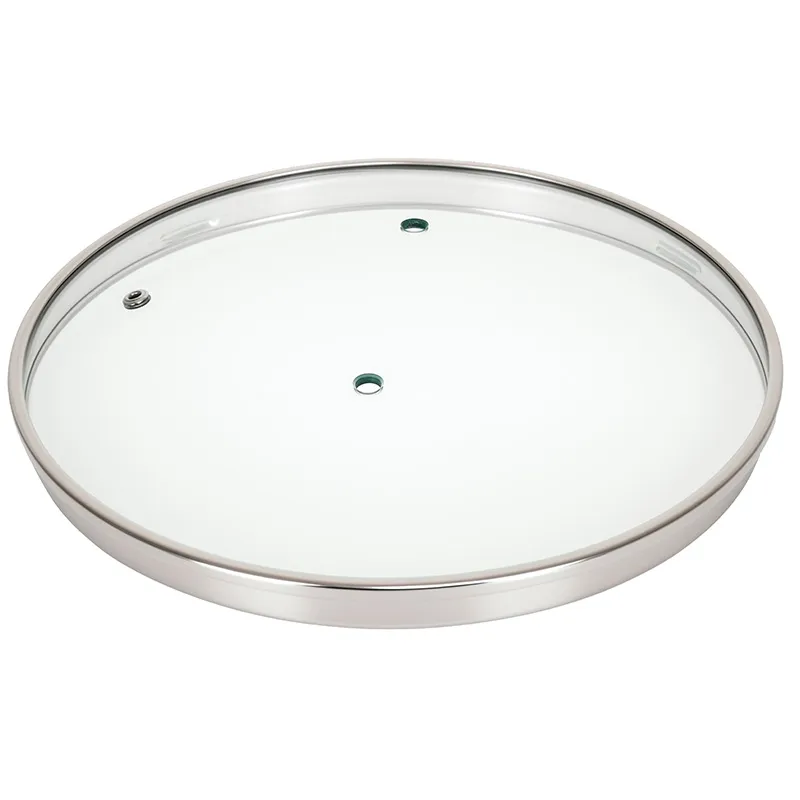
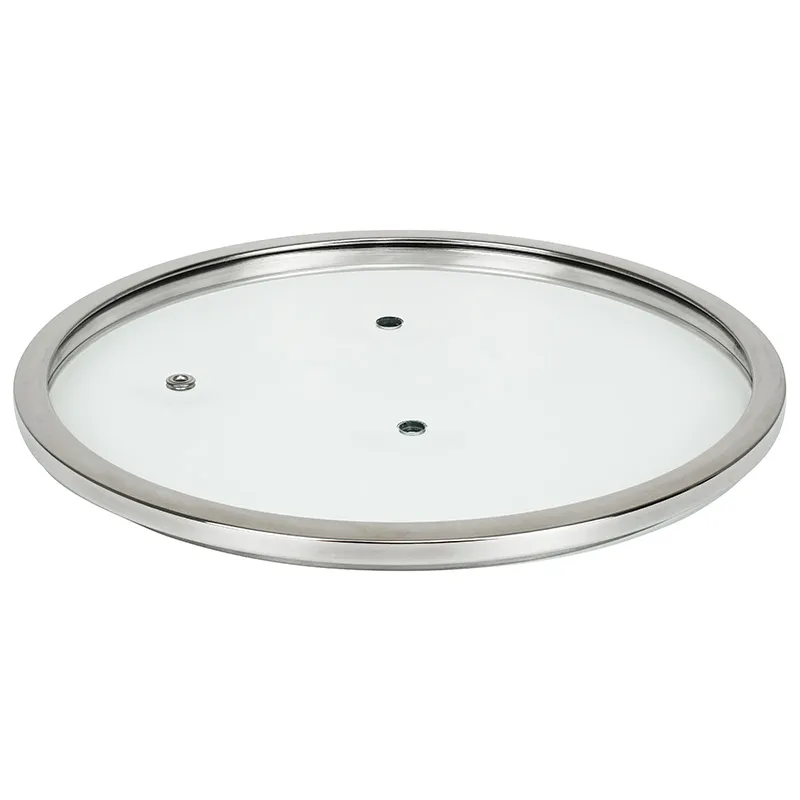
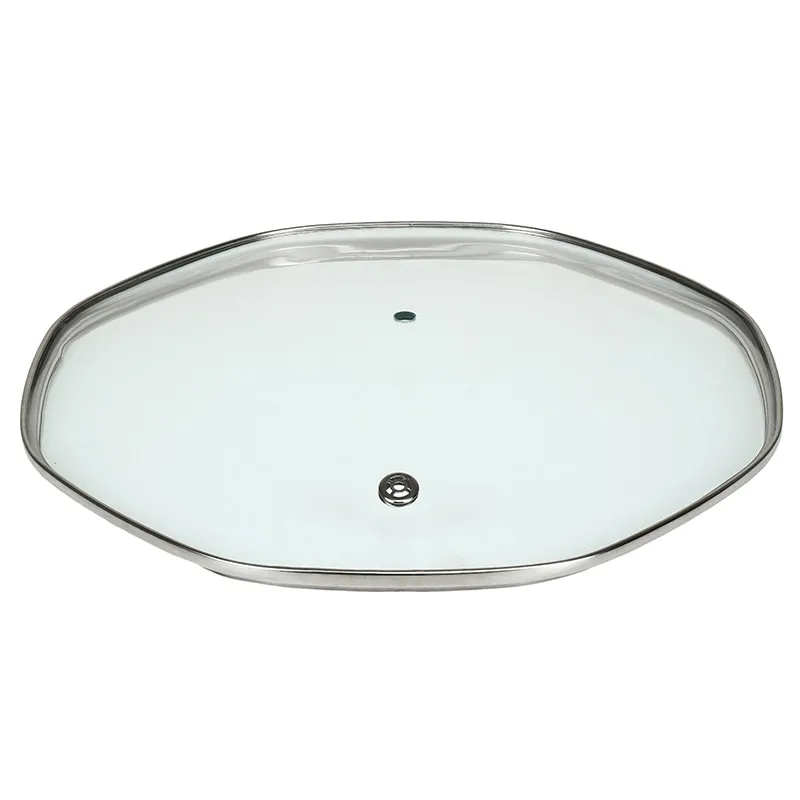
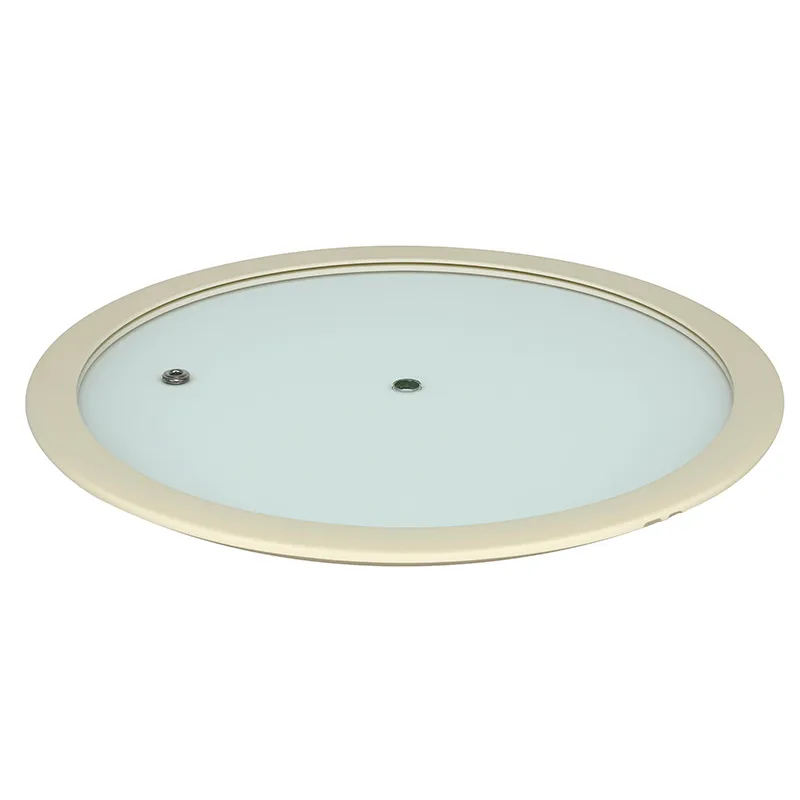
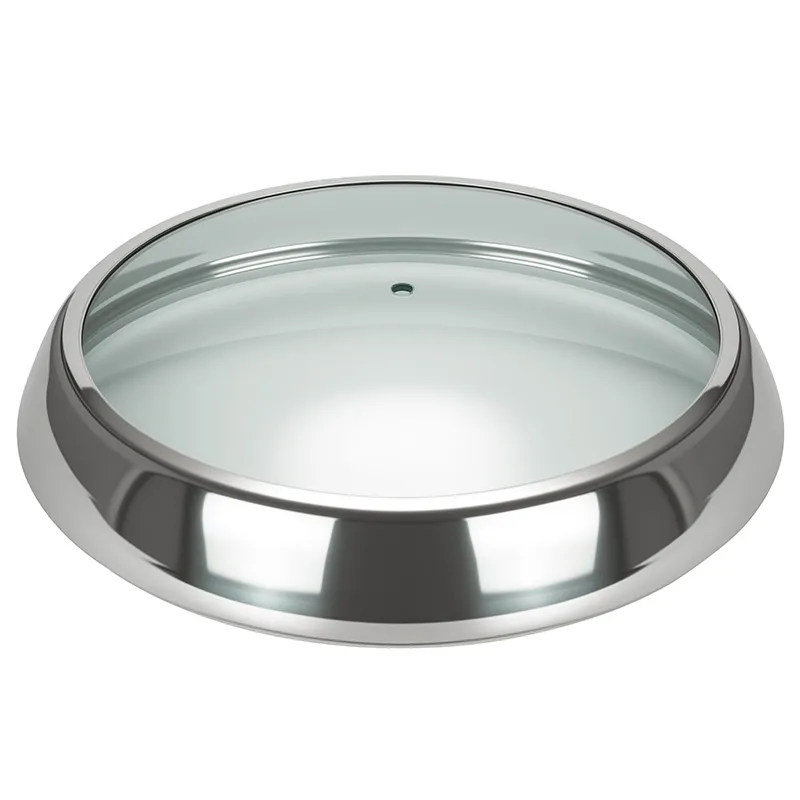
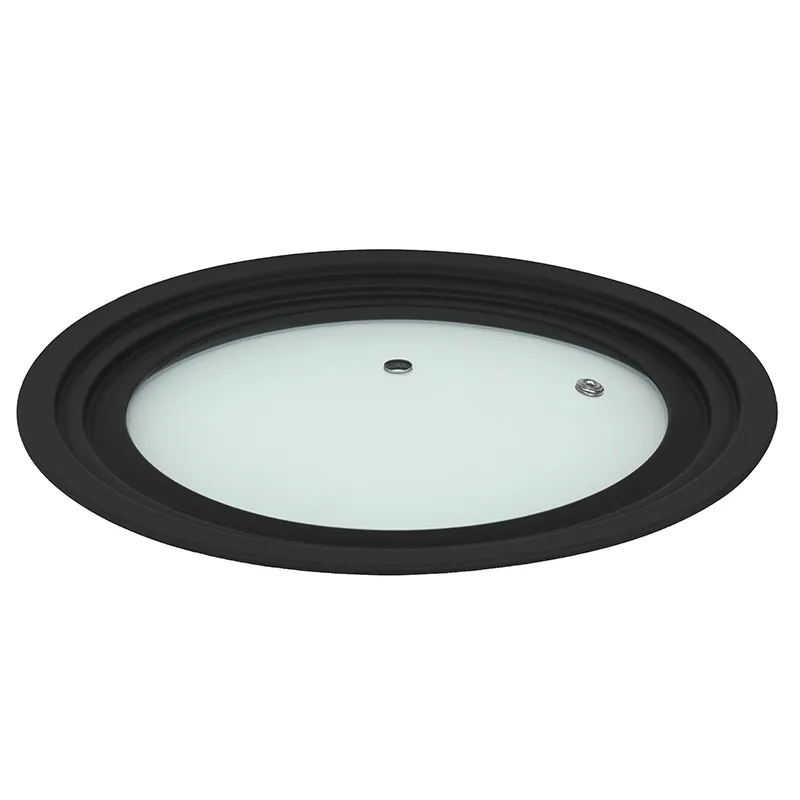
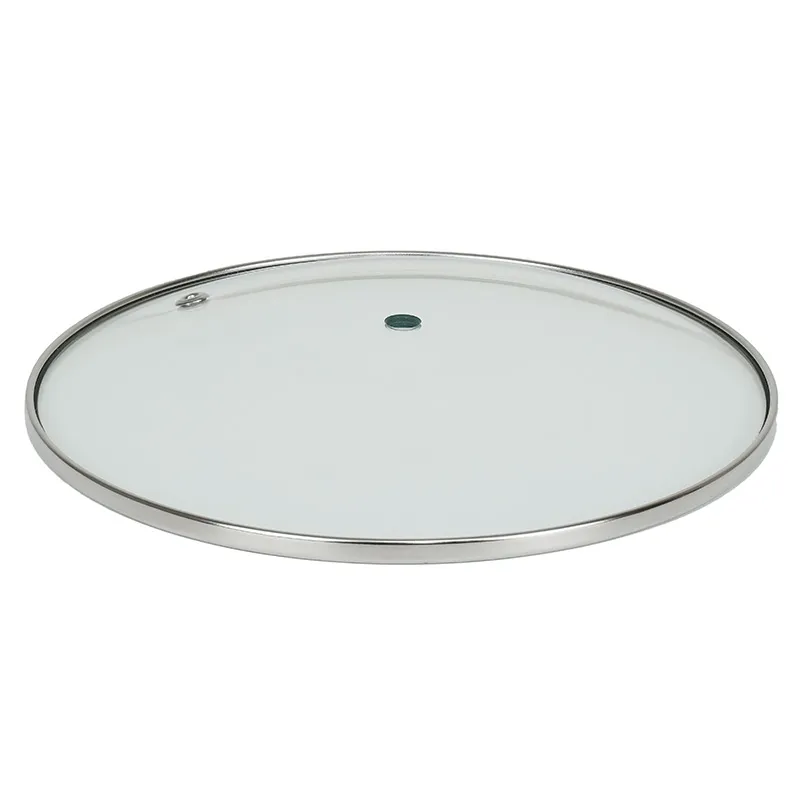
gotham steel clear tempered glass vented lid
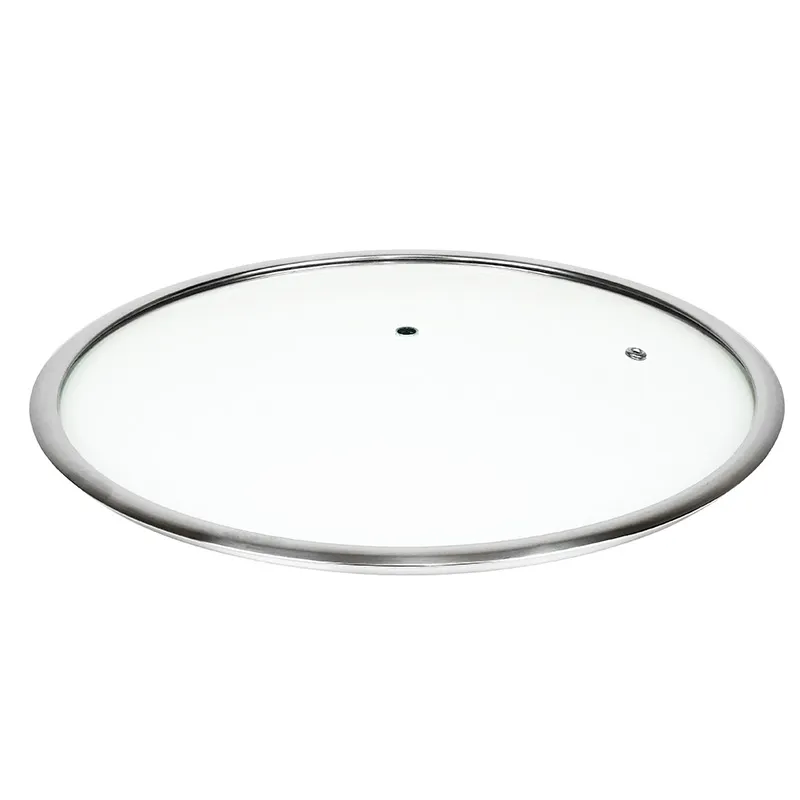
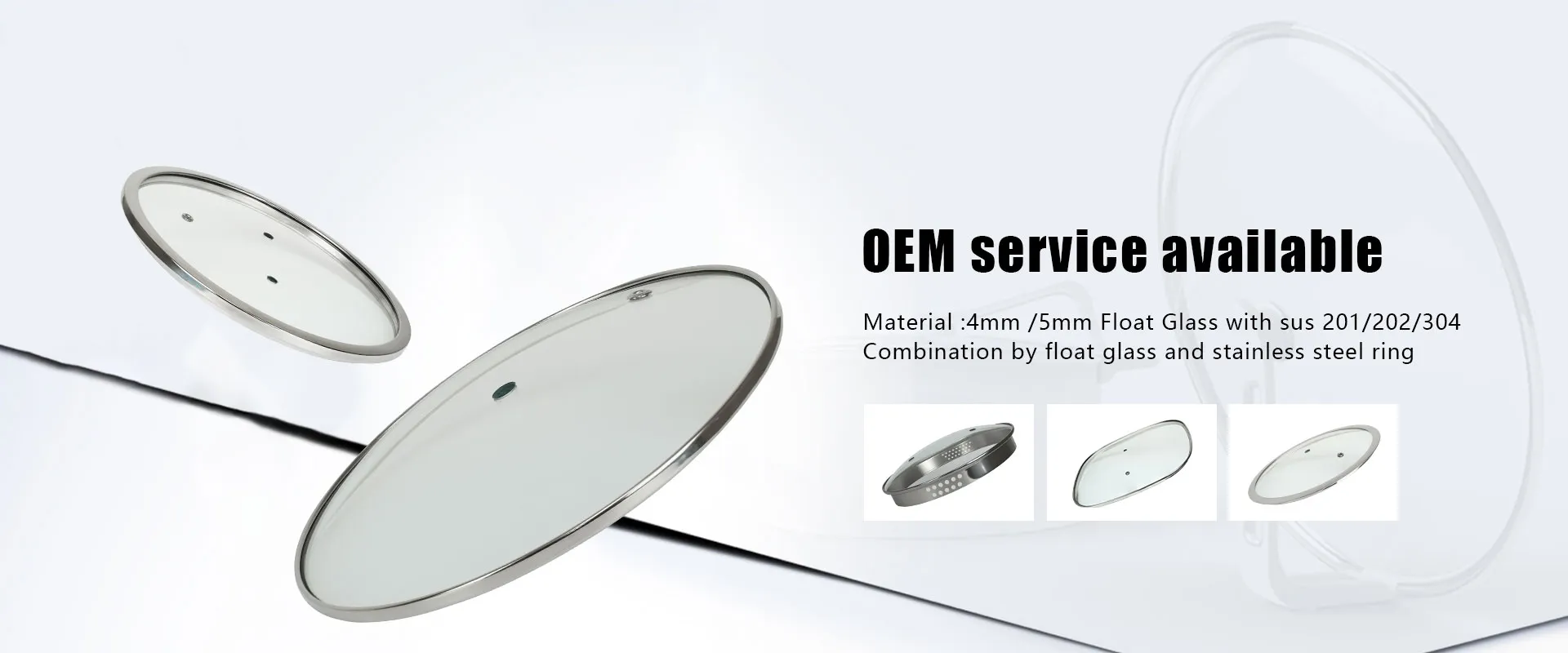
When you hear 'Gotham Steel clear tempered glass vented lid,' most people picture a finished product on a non-stick pan. But in this line of work, you see it as a set of specifications, a manufacturing challenge, and frankly, a category where marketing often overshadows material science. The 'clear tempered glass' part is straightforward, but the 'vented' function and how it integrates with a coated steel body—that's where the real nuance, and common pitfalls, lie.
The Core Material: More Than Just Clear Glass
Let's start with the glass. 'Tempered' is non-negotiable for safety, but the clarity and thermal shock resistance vary wildly based on the raw material source and the tempering curve. We've tested samples where the glass lid developed micro-fissures after just a few rapid temperature cycles—not from the oven to the freezer, but simply from a hot stovetop to a cool granite counter. The issue often traces back to uneven heating during the tempering process. A company like EUR-ASIA COOKWARE CO.,LTD, with their dedicated production base in Taian, typically runs tighter controls here. Their focus on export markets like Germany and Italy means their tempered glass lid specs have to meet stricter thermal shock standards, which is a good proxy for durability.
I remember a batch where the clarity was off—a slight greenish tint. It wasn't a cosmetic flaw alone. That tint often indicates higher iron content in the soda-lime glass, which can, in marginal cases, affect the thermal expansion coefficient. The client, a European distributor, rejected it. It was a good call. For a product branded as 'clear,' optical properties are part of the functional spec. It needs to let the cook see the food without color distortion.
Thickness is another silent factor. A 3mm lid versus a 4mm lid doesn't just feel different; it impacts how the vent functions. A thinner lid is lighter but can warp slightly under high, uneven heat, potentially breaking the seal or causing the vent to rattle. The goal is a balance between heft for stability and mass for heat retention. Most of the high-volume production, like the 15 million pieces annual output from a facility like EUR-ASIA's, is optimized for that sweet spot—durable enough for daily use without being overly bulky.
The Vented Function: Where Theory Meets Steam
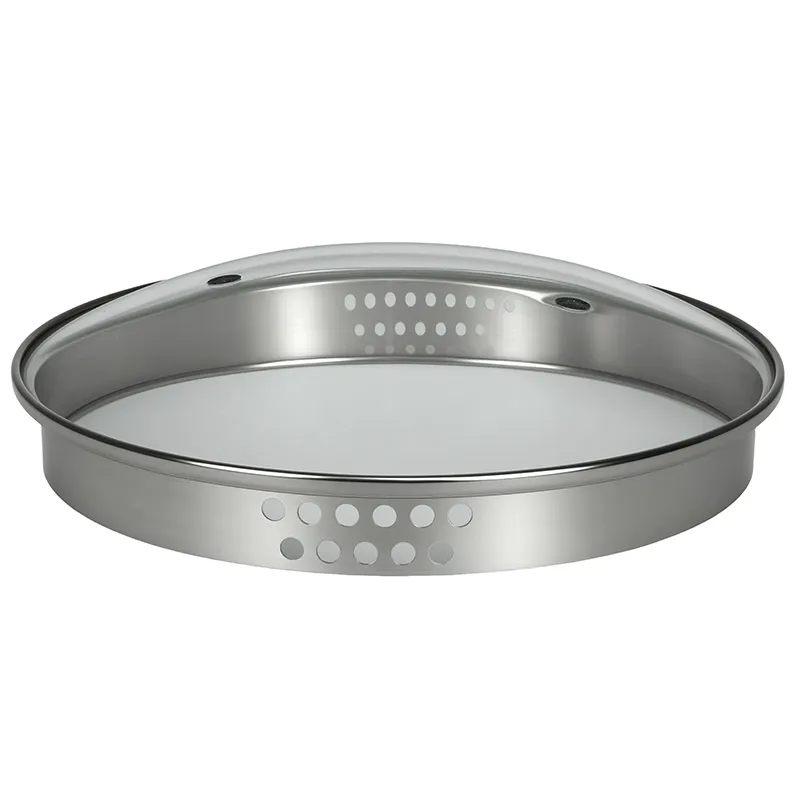
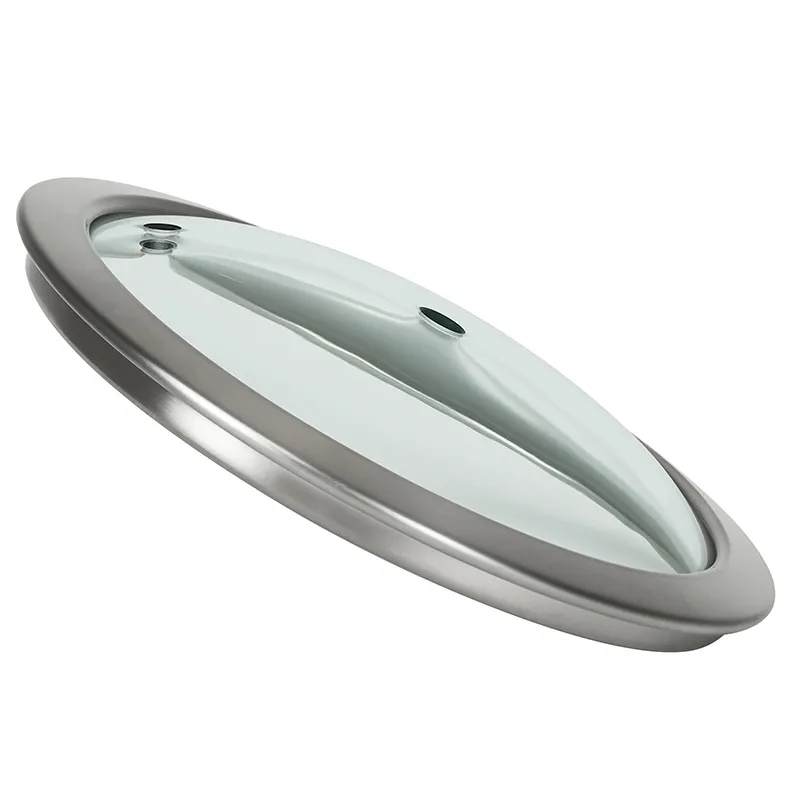
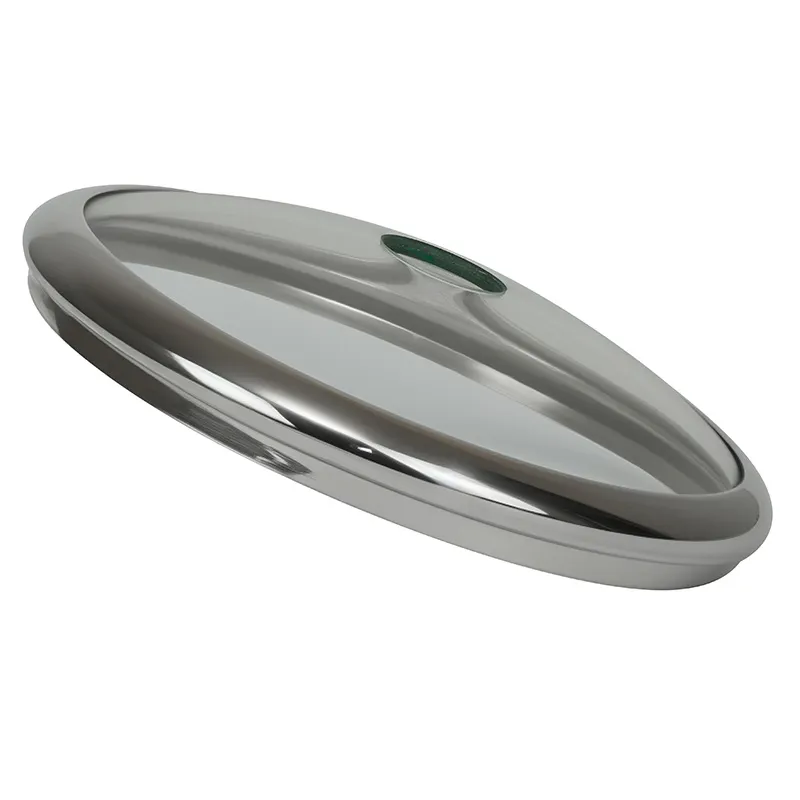
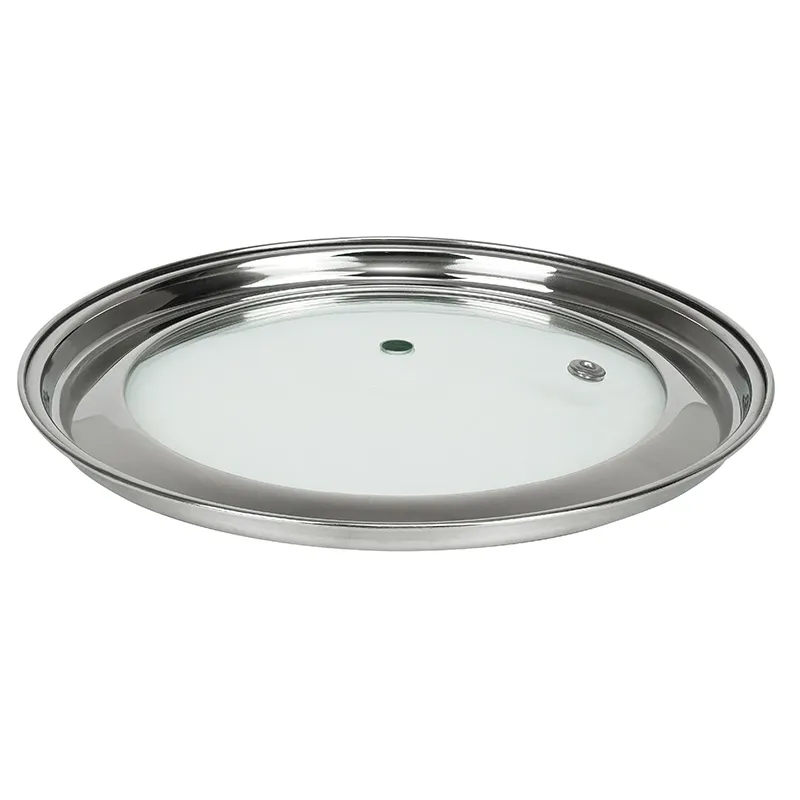
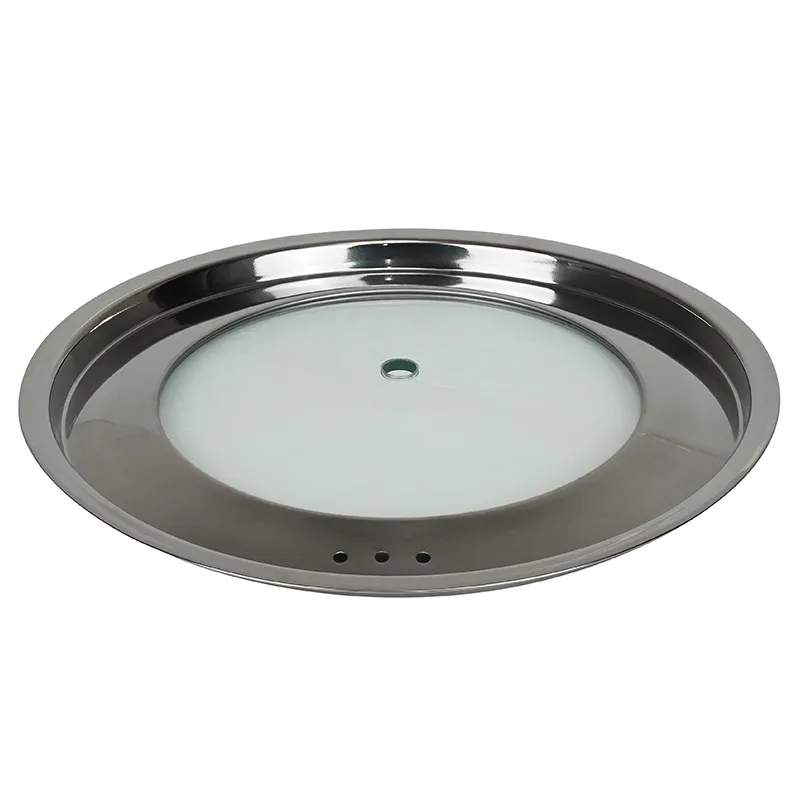
The vent is the make-or-break feature. It seems simple: a hole or series of holes in the glass. But its placement, size, and the design of the plastic or metal knob that often houses it are critical. I've seen vents placed directly over the pan's center, which is logical, but if the knob design creates a cavity that condenses steam and drips back down, you defeat the purpose. The best designs have a slight channel or angled path to direct moisture outwards.
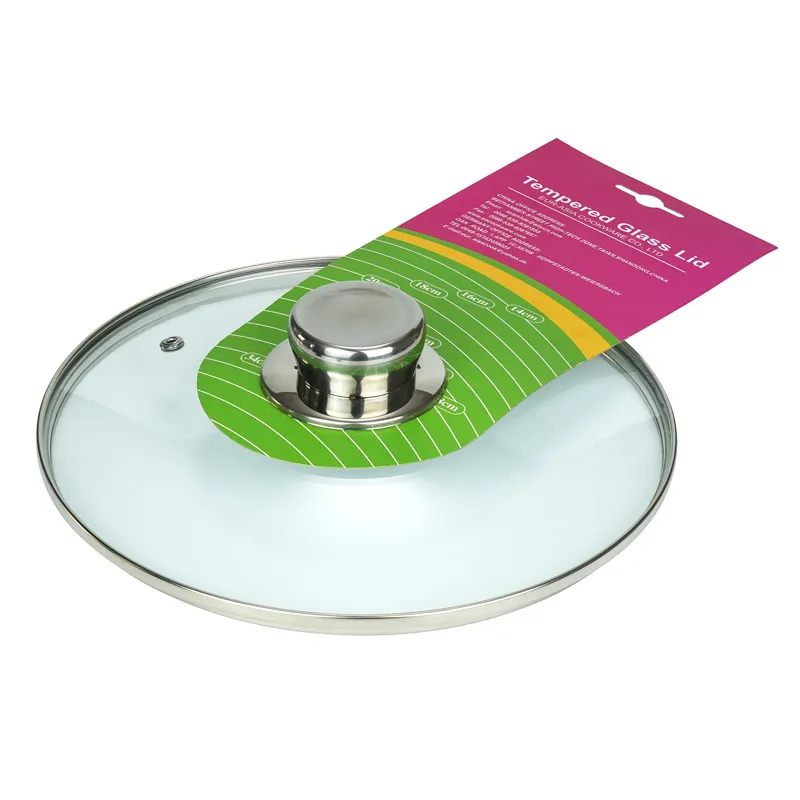
We once worked on a prototype for a line similar to the Gotham Steel concept where the vent was integrated into a stainless steel knob anchored to the glass. The failure point wasn't the glass, but the adhesive bonding the metal bracket. Under repeated steam heat cycles, it degraded. The lesson was that a vented lid is a system. You can't just drill a hole in a perfect piece of tempered glass and call it a day. The assembly must account for differential expansion between glass, metal, and any polymer components.
This is where specialized manufacturers add value. Their entire process, from glass cutting to assembly, is built around these integrated components. Looking at a company profile like the one for https://www.glass-lid.com, their specialization in various types of tempered glass lid suggests they have tooling and experience for these specific assemblies, which is different from a generic glass processor.
Fit and Compatibility: The Unadvertised Challenge
Here's a huge industry open secret: Universal fit is almost always a compromise. A lid designed for a specific pan series has a calibrated curvature and flange. A generic replacement or accessory lid, like what might be sold separately to fit a range of Gotham Steel pans, has to have a more forgiving, often flatter, curvature. This can affect steam capture and condensation runoff. You might get more condensation dripping down the pan sides instead of rolling back into the food.
In practice, when we audit quality for such lids, we test them on multiple pan diameters from the same brand. The variance in the gap between the lid rim and the pan's inner wall tells you a lot. Too tight, and it's hard to remove or creates a vacuum seal. Too loose, and you lose cooking efficiency. The tolerances are tighter than most marketing copy admits.
For exporters like EUR-ASIA COOKWARE, whose products end up in markets from Brazil to South Korea, this becomes even more complex. They're likely producing to a buyer's specific CAD drawings, ensuring the lid fits a particular OEM pan body. The clear tempered glass vented lid you buy as part of a Gotham Steel set probably went through this precise matching process, which is why a random third-party lid rarely performs identically.
The Manufacturing Ecosystem and Real-World Durability
Walking through a production zone that outputs millions of lids a year, you see the checks. After tempering, there's usually a stress pattern check under polarized light. Then, samples go through a cycle test: onto a hotplate, steam generation, cold water spray. The failure you look for isn't always catastrophic shattering. It's the development of a hairline crack originating from the vent hole or the edge over dozens of cycles. A high-quality lid should withstand this mundane abuse.
The edge finishing is another tell. A smoothly seamed, fire-polished edge isn't just for safety; it's more resistant to chipping when it clinks against the pan. Cheaper lids might have a ground edge that feels rough. Given that EUR-ASIA's production covers low- medium- high level products, the difference is literally at the edges. The high-level ones destined for European kitchens will have that superior finish.
It's also worth noting that a lid is a passive component. It doesn't have the non-stick coating challenges of the pan body. So, its longevity is almost entirely down to the glass quality and assembly integrity. From a factory perspective, it's a slightly more predictable product than the pan itself, but getting it consistently right at scale is what separates a real supplier from a reseller.
Final Thoughts: Seeing the Lid, Not Just the Brand
So, when you evaluate a Gotham Steel clear tempered glass vented lid, look past the brand name. Check the glass clarity and edge finish. Look at the vent design—is it a simple hole, or is there thought in how steam exits? Feel the weight and curvature. These are the tangible results of decisions made on a factory floor in places like Taian's High-tech Development Zone, where the focus is on hitting output targets without compromising on the core specs that prevent returns.
Ultimately, a good lid is an unsung hero. It doesn't get the glory of a non-stick surface, but a bad one ruins the cooking experience. The specialization of producers in this niche, evidenced by companies dedicating 15,000 square meters to it, underscores that it's not a commodity item. It's a precision component for the kitchen.
The next time you use one, note if the condensation beads and rolls nicely, if the vent releases pressure without whistling, and if the lid sits snugly without sticking. That's the real test—and the culmination of a long process that starts long before the product ever gets a brand name stamped on its knob.
Related Products
Related Products