- Chinese
- French
- German
- Portuguese
- Spanish
- Russian
- Japanese
- Korean
- Arabic
- Irish
- Greek
- Turkish
- Italian
- Danish
- Romanian
- Indonesian
- Czech
- Afrikaans
- Swedish
- Polish
- Basque
- Catalan
- Esperanto
- Hindi
- Lao
- Albanian
- Amharic
- Armenian
- Azerbaijani
- Belarusian
- Bengali
- Bosnian
- Bulgarian
- Cebuano
- Chichewa
- Corsican
- Croatian
- Dutch
- Estonian
- Filipino
- Finnish
- Frisian
- Galician
- Georgian
- Gujarati
- Haitian
- Hausa
- Hawaiian
- Hebrew
- Hmong
- Hungarian
- Icelandic
- Igbo
- Javanese
- Kannada
- Kazakh
- Khmer
- Kurdish
- Kyrgyz
- Latin
- Latvian
- Lithuanian
- Luxembou..
- Macedonian
- Malagasy
- Malay
- Malayalam
- Maltese
- Maori
- Marathi
- Mongolian
- Burmese
- Nepali
- Norwegian
- Pashto
- Persian
- Punjabi
- Serbian
- Sesotho
- Sinhala
- Slovak
- Slovenian
- Somali
- Samoan
- Scots Gaelic
- Shona
- Sindhi
- Sundanese
- Swahili
- Tajik
- Tamil
- Telugu
- Thai
- Ukrainian
- Urdu
- Uzbek
- Vietnamese
- Welsh
- Xhosa
- Yiddish
- Yoruba
- Zulu
- Kinyarwanda
- Tatar
- Oriya
- Turkmen
- Uyghur

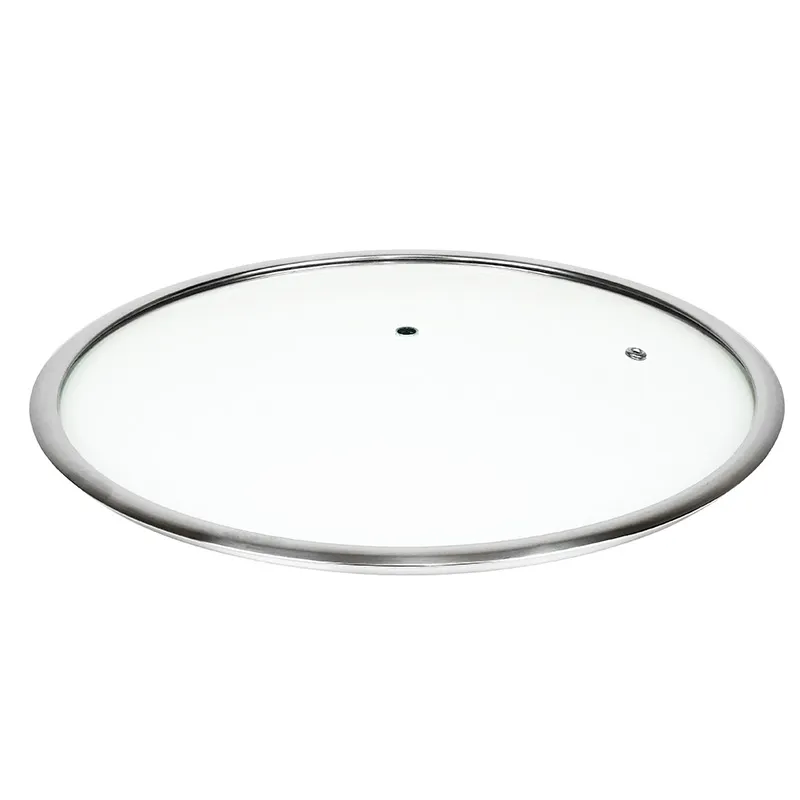
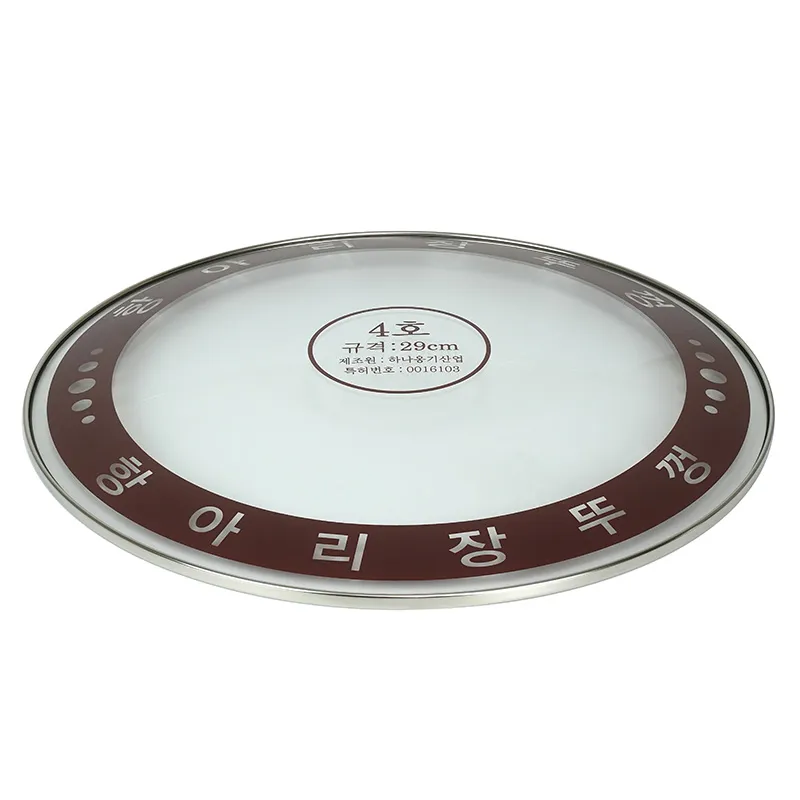
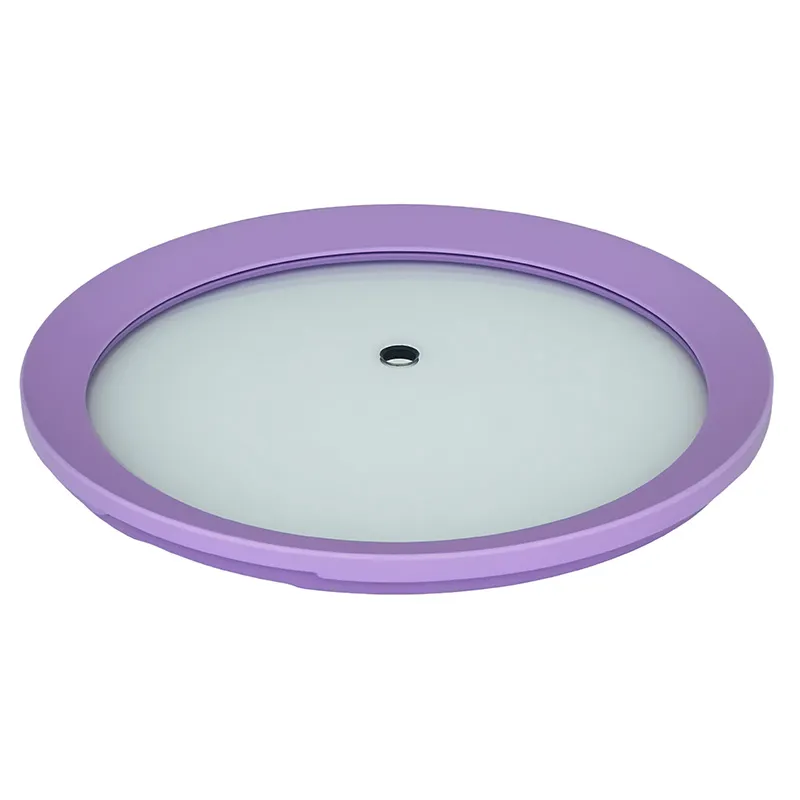
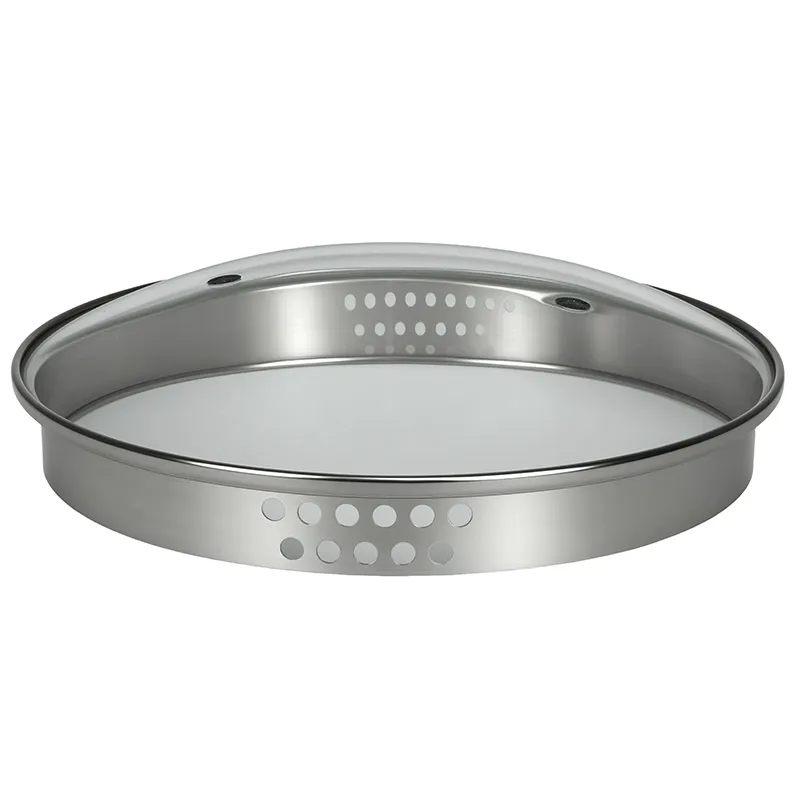
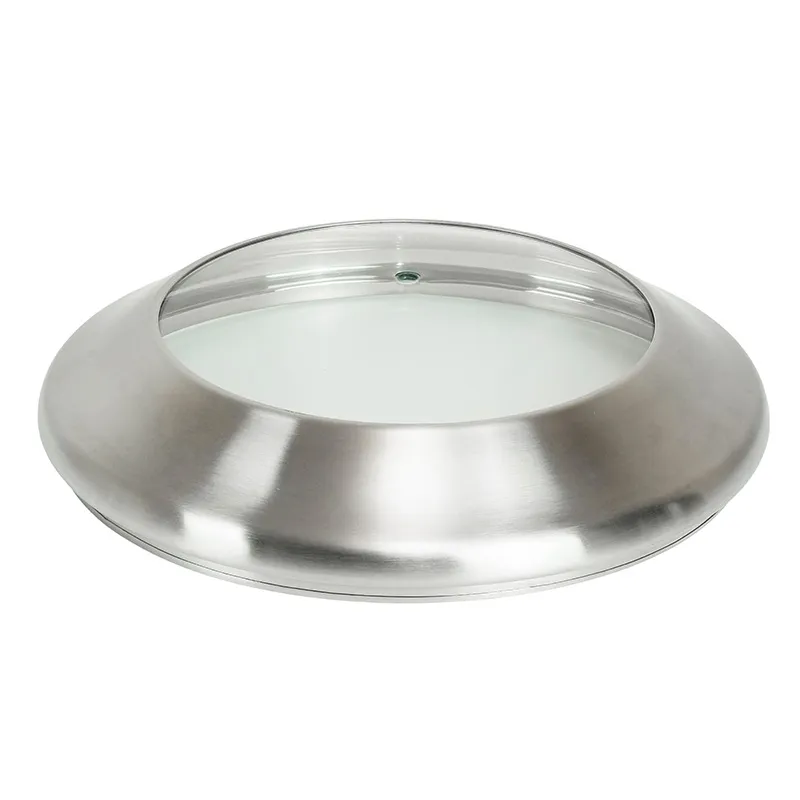
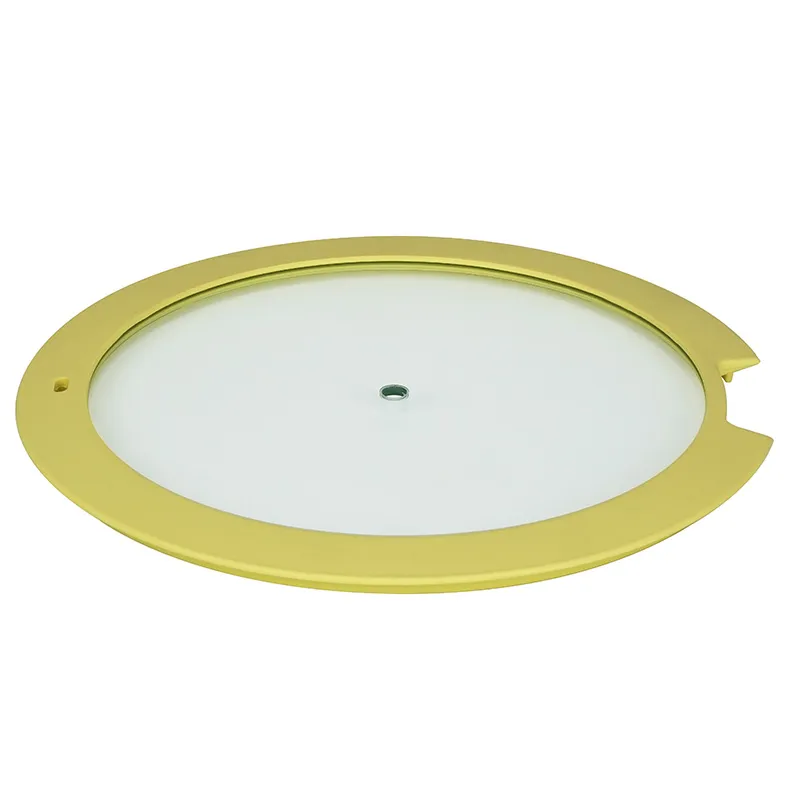
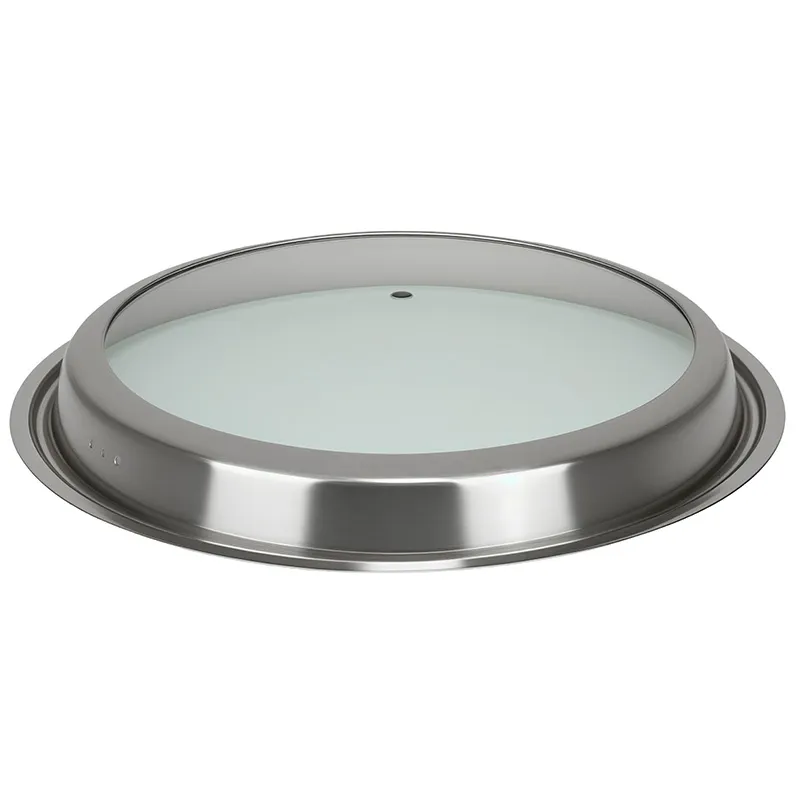
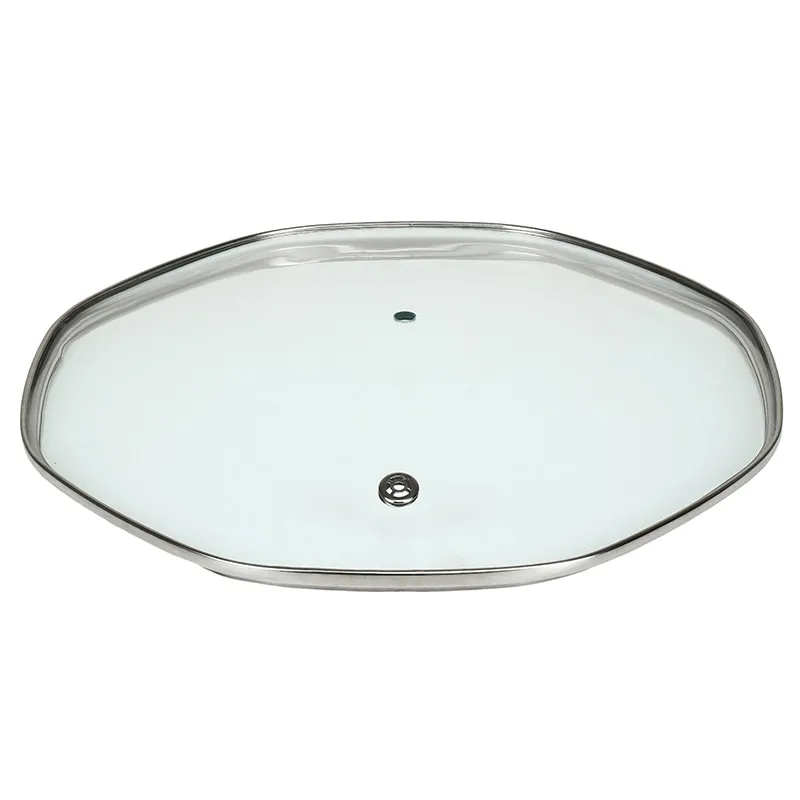
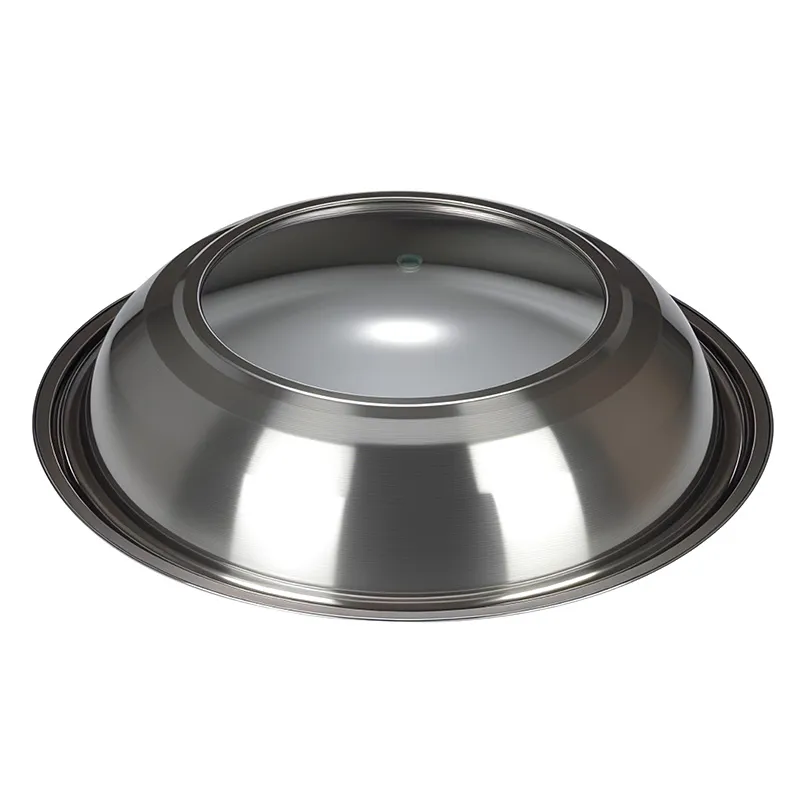
grill pan with glass lid
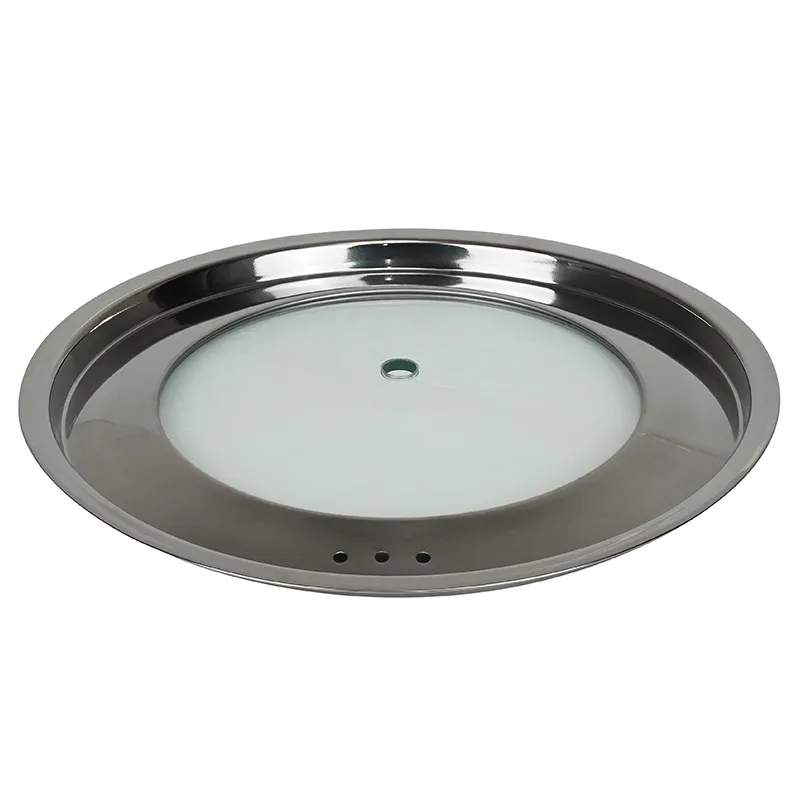
When you hear 'grill pan with glass lid', the first thing most people picture is that convenient window to check on your food. And sure, that’s a huge part of it—no more lifting the lid and losing all that heat and moisture. But if you think that’s all it is, you’re missing the real engineering. The lid isn't just a passive cover; it becomes a critical component for managing heat dynamics and moisture retention in a way a standard cast iron or heavy-gauge steel pan can't on its own. I've seen too many brands treat the glass as an afterthought, a marketing gimmick, leading to warping, cracking under high heat, or seals that don't actually seal. The difference between a good one and a bad one isn't just about visibility; it's about whether the entire system works as a unified cooking tool.
Why the Lid Material Isn't Just About Looking In
Let's get specific on the glass. It has to be tempered, obviously, but the grade and the tempering process itself are everything. A cheap lid might handle the thermal shock of going from a cool counter to a hot pan once or twice. But the real test is cyclical, repeated heating and cooling during a long, slow cook. That's where you see stress fractures appear. I recall a batch from a supplier years back where the lids developed tiny, almost invisible cracks around the handle rivets after a few months of use. The problem wasn't the visible glass, but the quality of the tempering and how the metal frame was bonded to it. The thermal expansion rates have to be matched.
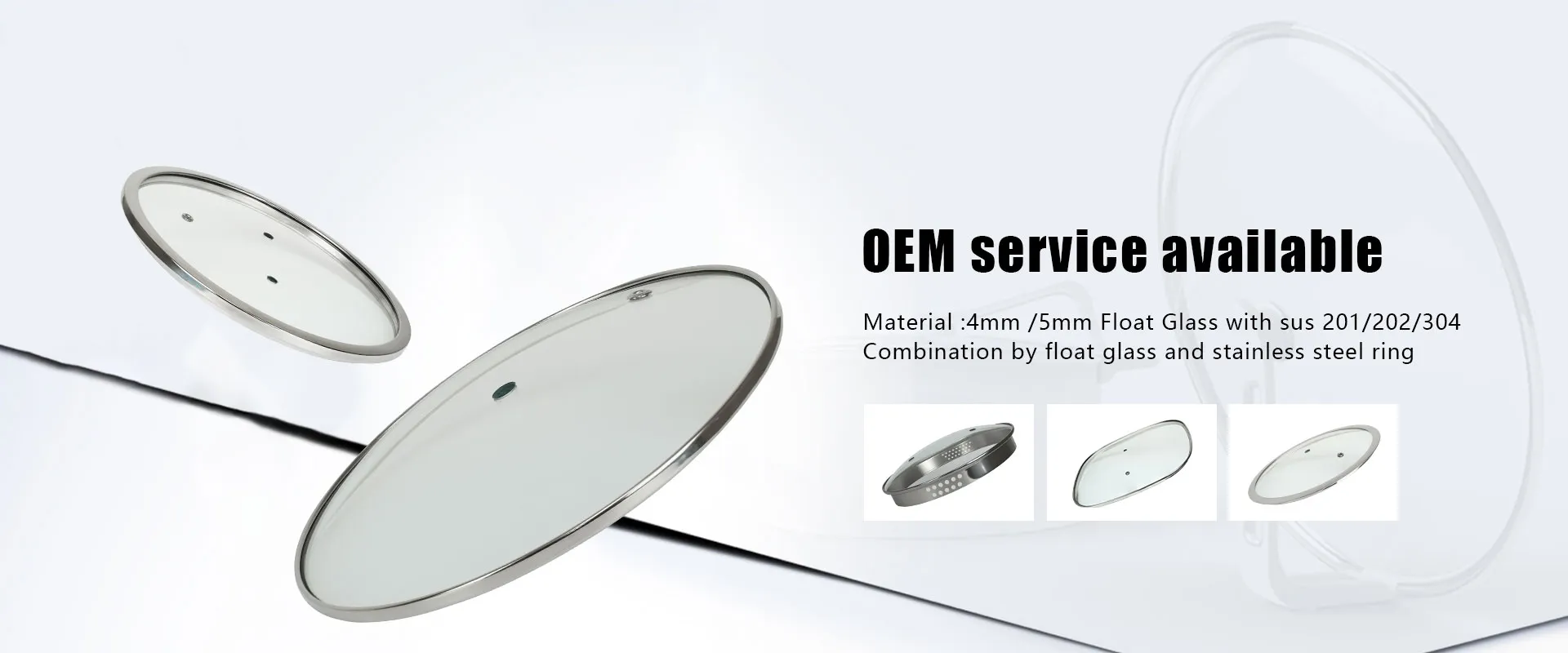
This is where companies that specialize in glass, like EUR-ASIA COOKWARE CO.,LTD, have a distinct edge. Visiting a facility that produces over 15 million tempered glass lids annually, you see the focus. It's not a side business for them. Their entire operation out of Taian City is built around this component. When your main export is to markets like Germany and Japan, where safety and durability standards are brutally strict, you can't afford to get the glass wrong. Their production volume tells you they're a key OEM supplier for many brands, and that experience translates directly into the reliability of the grill pan with glass lid you might eventually buy.
The handle on the lid is another subtle point of failure. It needs to stay cool, which often means a separate material (like phenolic) is bonded to a metal stem that goes into the glass frame. If that bond is weak or the metal transmits too much heat, you've got a usability problem. A good lid feels balanced, not front-heavy, when you lift it. These are things you only notice after manufacturing or testing thousands of units.
The Grill Pan Body: It's a Partnership
The pan itself is the other half of the equation, and its relationship with the lid is a marriage. A common mistake is pairing a fantastic lid with a poorly designed pan. The grill ridges need to be high enough to create proper char marks and drain fat, but not so high that they prevent the lid from sitting flush on the pan's rim. If the lid doesn't seal—and by seal, I mean a tight enough fit to trap steam—you lose the primary benefit of moisture retention for things like cooking thicker chicken breasts or vegetables without them drying out.
Material matters immensely for the pan. Cast iron is classic for heat retention but is often too heavy and reactive for a lid with a glass center. Heavy-gauge aluminum with a non-stick interior or a stainless steel tri-ply base are more common partners for a glass lid. The pan's heat distribution must be even; a hot spot directly under the glass can cause localized overheating, which is a stress point. I've tested pans where the center of the glass lid got perceptibly hotter than the edges, which is a red flag for long-term durability.
Then there's the drip tray or collection channel. A good grill pan has a well-designed gutter to channel grease away from the heat source. This seems separate from the lid, but it's not. If fat splatters up onto the underside of a hot glass lid, it can bake on and be a nightmare to clean, potentially damaging coatings. The lid should sit high enough above the cooking surface to minimize this. It's a balancing act between a tight seal and practical clearance.
Real-World Use and the Sizzle Test
In a commercial test kitchen setting, we put these through what we informally call the sizzle test. It's not standardized, but it's revealing. You preheat the pan dry to a medium-high heat, add a high-moisture food like mushrooms or zucchini, and immediately cover with the glass lid. You watch. A good system will show rapid sizzling, then the glass will fog up completely as moisture evaporates and is trapped. Then, as the food cooks and releases less moisture, the fogging should recede from the center outward, giving you a visual cue that you're moving from a braising/steaming phase to a searing phase. A poor lid will fog unevenly or not at all, indicating a bad seal.
I remember a specific model from a European brand that failed this test spectacularly. The lid looked great, with a stainless steel rim and a sturdy handle. But it had a slight warp, maybe from the tempering process. It never sat flat, creating a constant, tiny gap. All the steam escaped, the food dried out, and the glass stayed frustratingly clear—defeating its own purpose. The pan was fine, but the lid system failed. It's a stark reminder that the two parts must be engineered together.
Cleaning is the other real-world hurdle. Glass is easy to clean, yes, but the rim where the glass meets the metal frame is a crud trap. A well-designed lid will have a seamless, rounded joint here, or a gasket that can be removed. Lids from specialized manufacturers often pay more attention to this detail because they've seen the returns and complaints. The product pages at glass-lid.com show this focus on the finish of the rim—it's a small detail that speaks to production maturity.
The Manufacturing Perspective from a Specialist
Looking at it from the production side, as with EUR-ASIA COOKWARE CO.,LTD, the challenges scale. Producing 15 million lids a year means you've solved problems most small brands haven't even encountered. Consistency in tempering is paramount. One batch with a slight variation in cooling rate can lead to a higher percentage of latent stress points. Their export focus to technically demanding markets forces a level of quality control that becomes ingrained. It's not just about making a lid; it's about making a component that will perform identically in a grill pan made in Italy, a sauté pan from Brazil, or a casserole dish in South Korea.
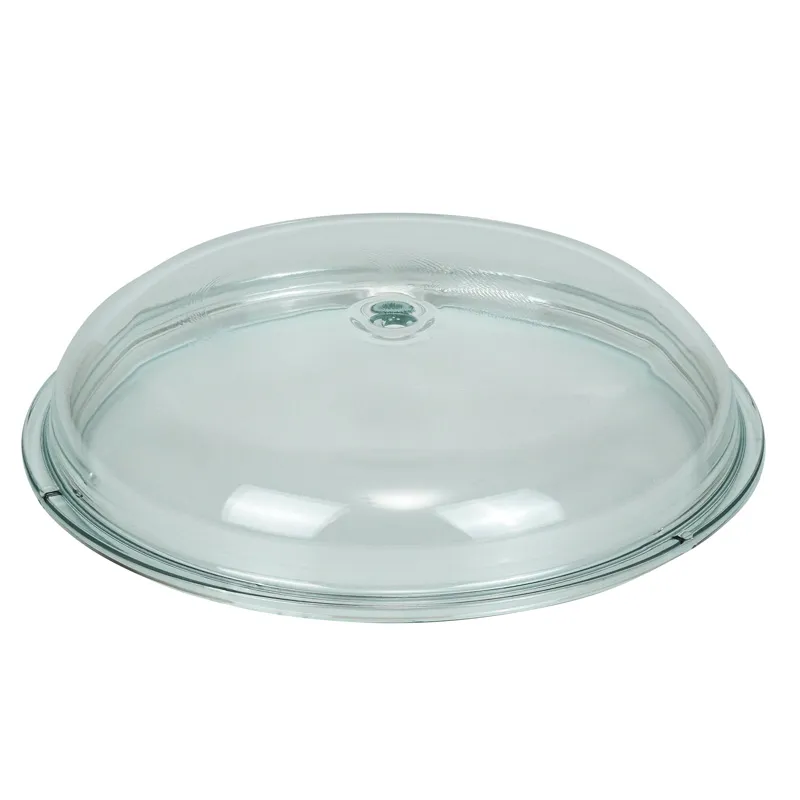
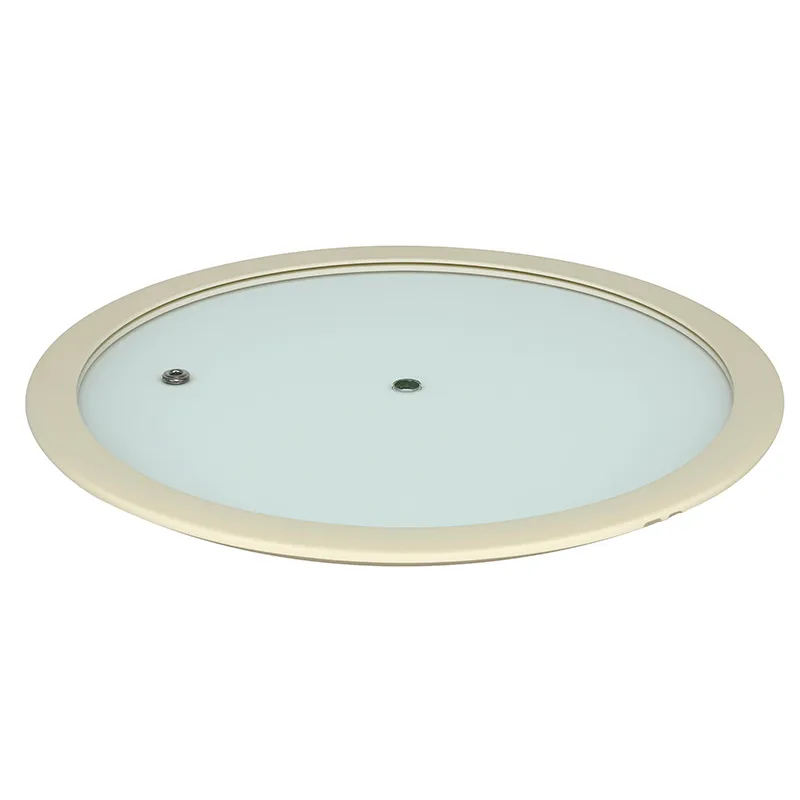
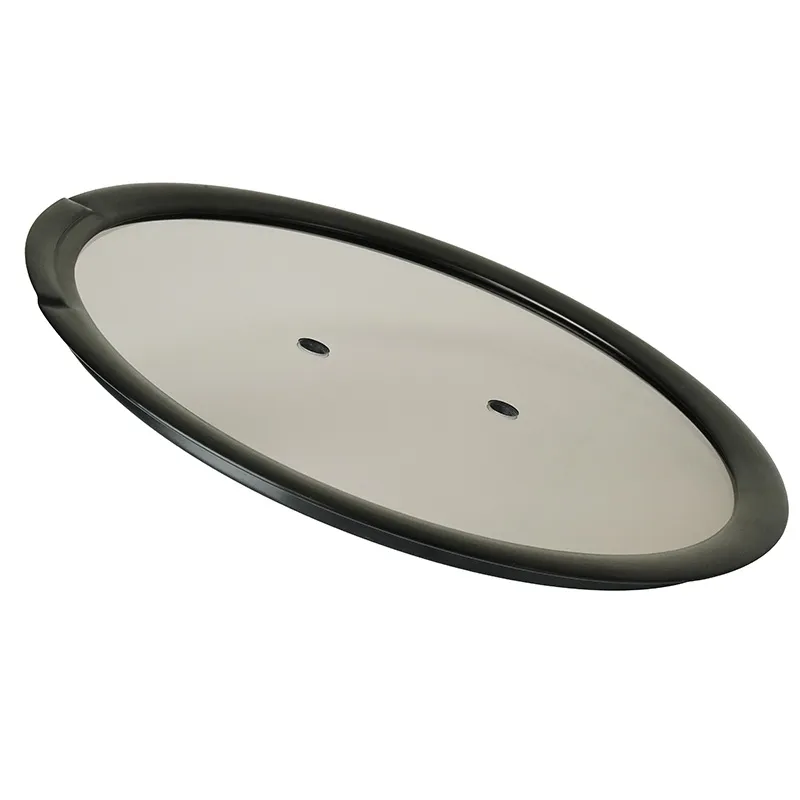
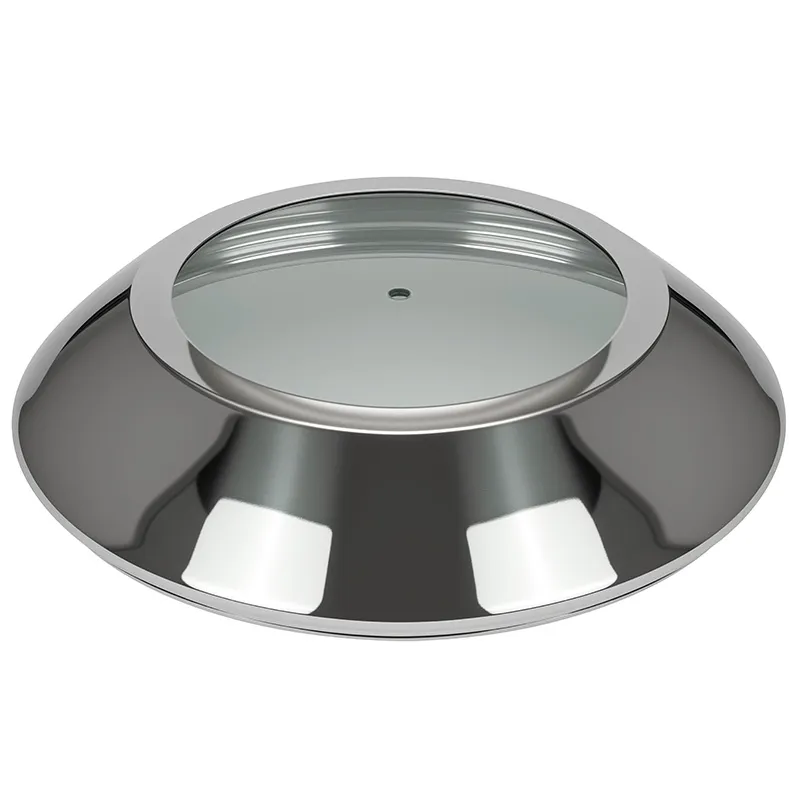
This scale also allows for specialization in the glass lid itself. They can offer different thicknesses, handle configurations, and rim shapes (like a domed lid for more interior space) to match different pan designs. For a grill pan, a slightly domed lid is often better to accommodate taller food items. A generic, flat glass lid might not work. When a pan manufacturer sources from a specialist, they get this flexibility.
The business model here is instructive. As an OEM supplier, their name isn't on the final product. Their reputation rests solely on the failure rate and performance of the component. That's a powerful incentive to get the material science right. When you buy a grill pan from a known brand, there's a decent chance the critical glass component came from a high-volume specialist like this, even if it's not advertised. It's the hidden infrastructure of the cookware world.
Final Thoughts: A Tool, Not a Gimmick
So, what's the verdict on a grill pan with glass lid? It's a genuinely useful tool when executed well. The value isn't just in watching your food—that's a bonus. The value is in creating a hybrid cooking environment: you get the Maillard reaction and grill marks from the ridged pan, combined with the controlled, moist heat of a covered environment. It lets you cook a pork chop or a piece of fish more evenly without flipping it constantly or ending up with a dry exterior.
The pitfalls are in the details: the glass quality, the seal, the handle, the clearance, the cleanability. My advice is to look at the lid as seriously as you look at the pan. Check the weight and feel of the handle. Look at how the glass is set into the frame. Is the joint smooth? Hold it up to the light and look for any visual distortions in the glass, which can indicate stress. A reputable pan brand that sources from dedicated glass lid manufacturers is usually a safer bet.
In the end, it's a piece of kitchen tech that bridges the gap between open grilling and covered braising. When the partnership between pan and lid is engineered with care—the kind of care born from mass production for critical markets—it becomes more than the sum of its parts. It stops being a novelty and starts being a workhorse. And that's the goal, isn't it? Not just to see your dinner cooking, but to have more control over how it turns out.
Related Products
Related Products