
- Chinese
- French
- German
- Portuguese
- Spanish
- Russian
- Japanese
- Korean
- Arabic
- Irish
- Greek
- Turkish
- Italian
- Danish
- Romanian
- Indonesian
- Czech
- Afrikaans
- Swedish
- Polish
- Basque
- Catalan
- Esperanto
- Hindi
- Lao
- Albanian
- Amharic
- Armenian
- Azerbaijani
- Belarusian
- Bengali
- Bosnian
- Bulgarian
- Cebuano
- Chichewa
- Corsican
- Croatian
- Dutch
- Estonian
- Filipino
- Finnish
- Frisian
- Galician
- Georgian
- Gujarati
- Haitian
- Hausa
- Hawaiian
- Hebrew
- Hmong
- Hungarian
- Icelandic
- Igbo
- Javanese
- Kannada
- Kazakh
- Khmer
- Kurdish
- Kyrgyz
- Latin
- Latvian
- Lithuanian
- Luxembou..
- Macedonian
- Malagasy
- Malay
- Malayalam
- Maltese
- Maori
- Marathi
- Mongolian
- Burmese
- Nepali
- Norwegian
- Pashto
- Persian
- Punjabi
- Serbian
- Sesotho
- Sinhala
- Slovak
- Slovenian
- Somali
- Samoan
- Scots Gaelic
- Shona
- Sindhi
- Sundanese
- Swahili
- Tajik
- Tamil
- Telugu
- Thai
- Ukrainian
- Urdu
- Uzbek
- Vietnamese
- Welsh
- Xhosa
- Yiddish
- Yoruba
- Zulu
- Kinyarwanda
- Tatar
- Oriya
- Turkmen
- Uyghur

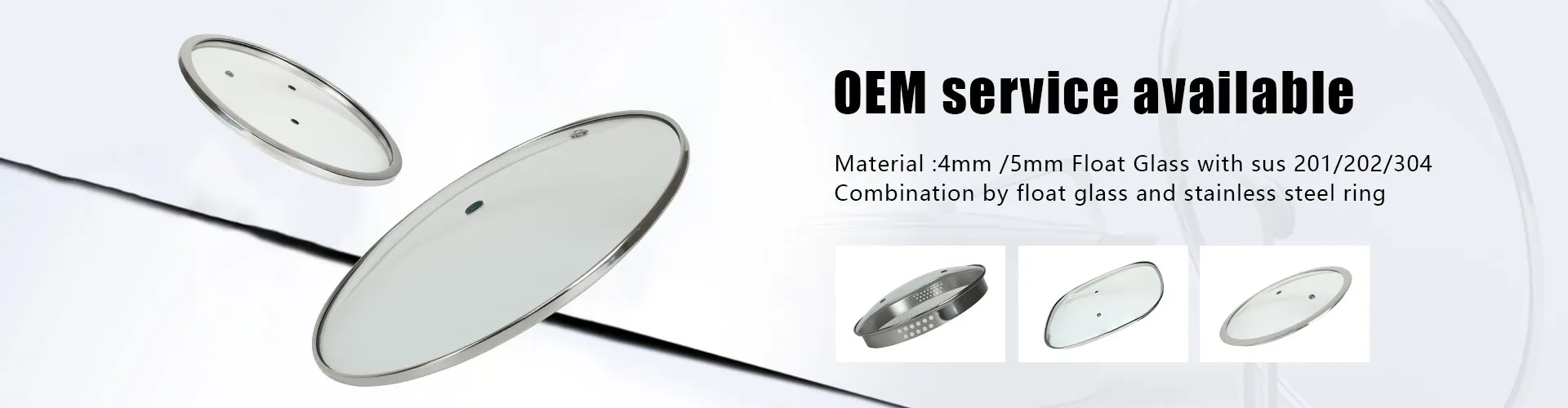
guardian cookware glass lids
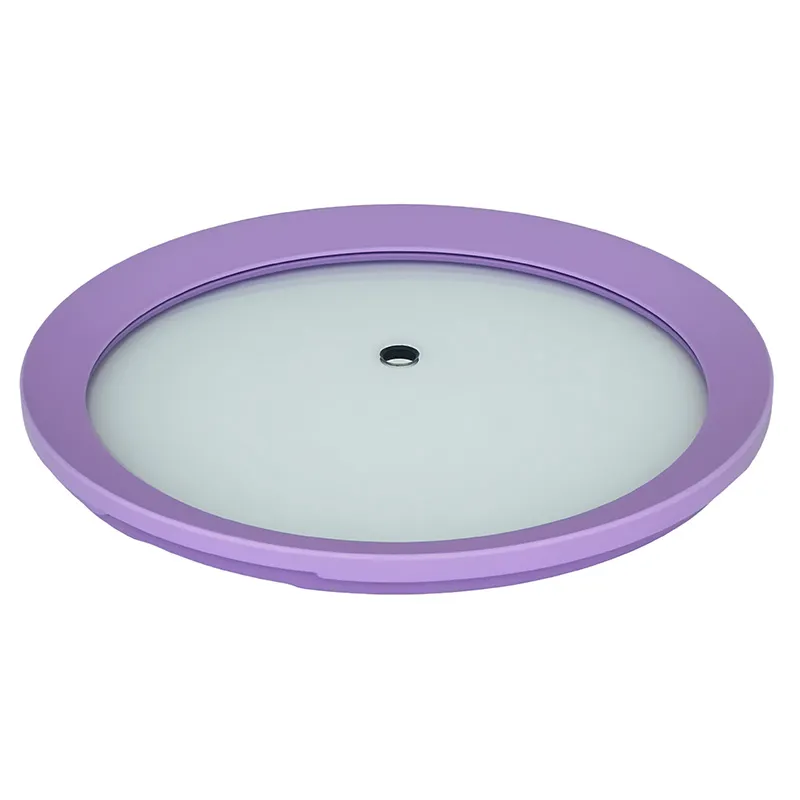
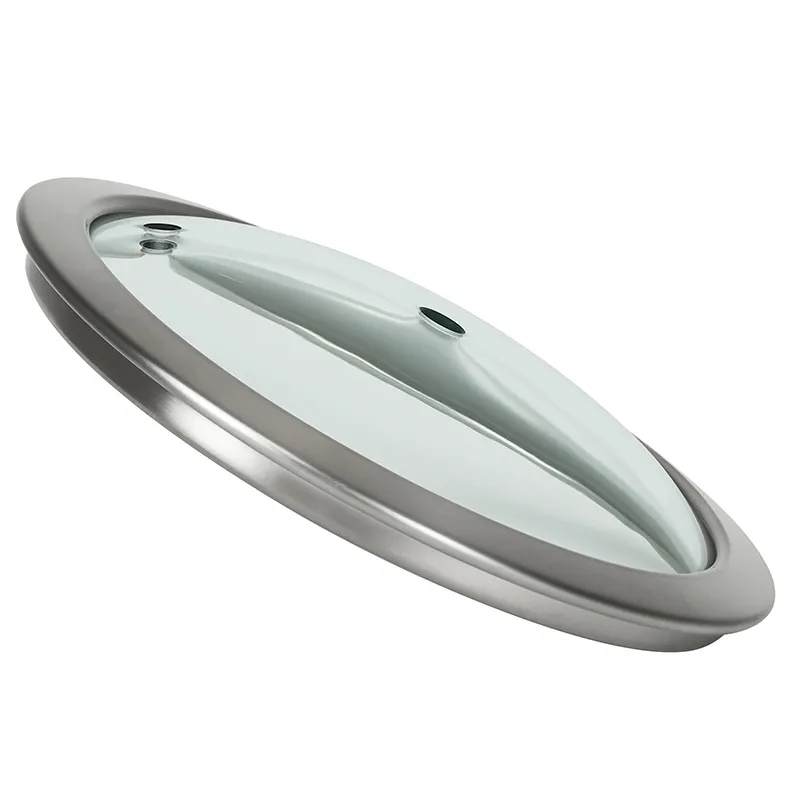
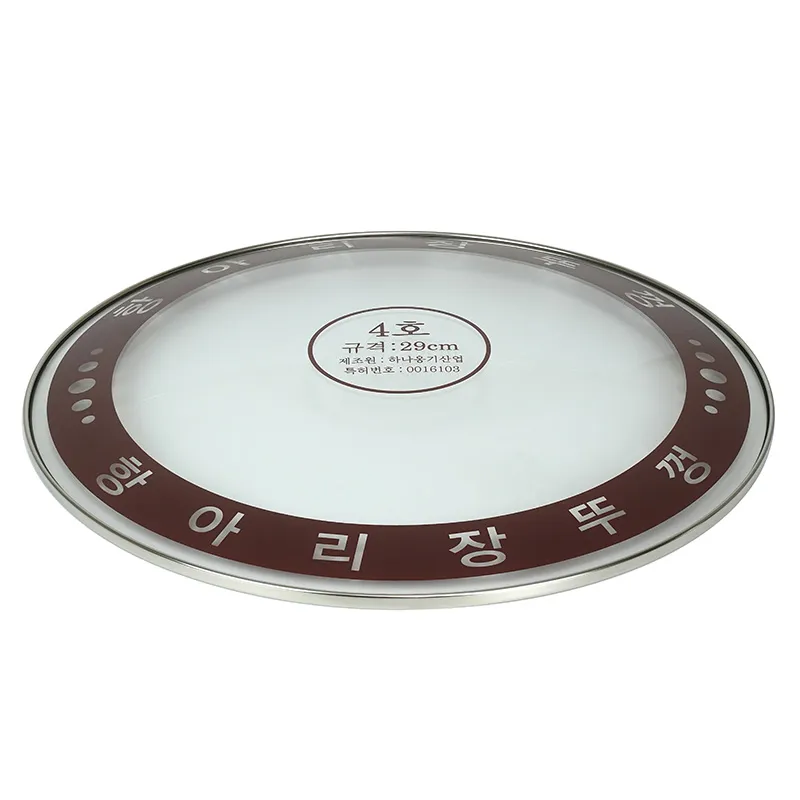
When people search for 'guardian cookware glass lids', I think a lot of them are picturing that one perfect, universal lid that magically fits every pot. The reality, as anyone who's actually sourced or used these in volume knows, is far messier and more interesting. It's not just about a piece of tempered glass; it's about the fit, the seal, the handle's heat resistance, and that frustrating gap between what a designer sketches and what survives a dishwasher for two years. I've seen lids that looked flawless shatter from thermal shock during a simple steam-release, and others, seemingly plain, outlast the pots they came with. The keyword often leads to a generic product category, but the devil—and the value—is in the granular, often overlooked details of manufacturing and material science.
The Core Misconception: Glass is Glass
It's tempting to think all tempered glass lids are created equal. They're not. The base material—the type of soda-lime silica glass used—varies wildly in terms of impurity content and consistency. A supplier cutting corners here introduces microscopic weak points. I recall a batch from years ago where the lids would spontaneously fracture, not from impact, but from internal stress inconsistencies in the tempering process. The issue wasn't visible until failure. This is where a specialized manufacturer's process control becomes critical. For instance, a company like EUR-ASIA COOKWARE CO.,LTD, which states a dedicated production base and an annual output in the millions, is inherently set up to manage this consistency at scale. Their focus on exporting to markets with stringent standards (Germany, Japan, etc.) is a practical, real-world indicator of a certain baseline quality level, as those buyers have zero tolerance for the glass is glass assumption.
The tempering process itself is the real magic. It's not just about heating and quenching; it's about the precise temperature curves and the evenness of the air quench. An uneven temper might leave one side of the lid stronger than the other, leading to warping under heat or that annoying, uneven rocking on a pot rim. A high-quality lid sits flush and silent. You can sometimes spot a poorly tempered lid by looking at it through polarized lenses—uneven stress patterns will show up like a rainbow. It's a neat trick, but one you shouldn't have to use.
Then there's the edge work. Ground and polished edges aren't just for safety; they're integral to the lid's structural integrity and its ability to form a consistent seal. A rough, chipped edge is a stress concentrator—a starting point for a crack. It also prevents a proper seal, letting all that valuable steam (and flavor) escape. I've handled samples where the edge work was an afterthought, and it was the first thing to fail in thermal cycling tests. The product specs from a professional site like https://www.glass-lid.com often gloss over this, but in practice, it's a make-or-break detail you learn to inspect first.
Fit and Function: Beyond the Diameter
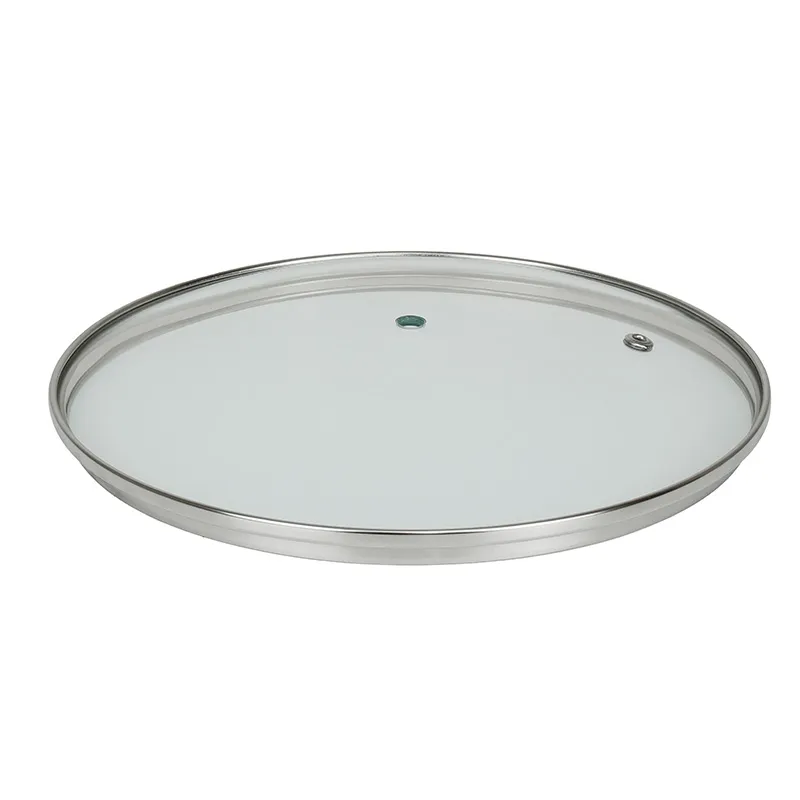
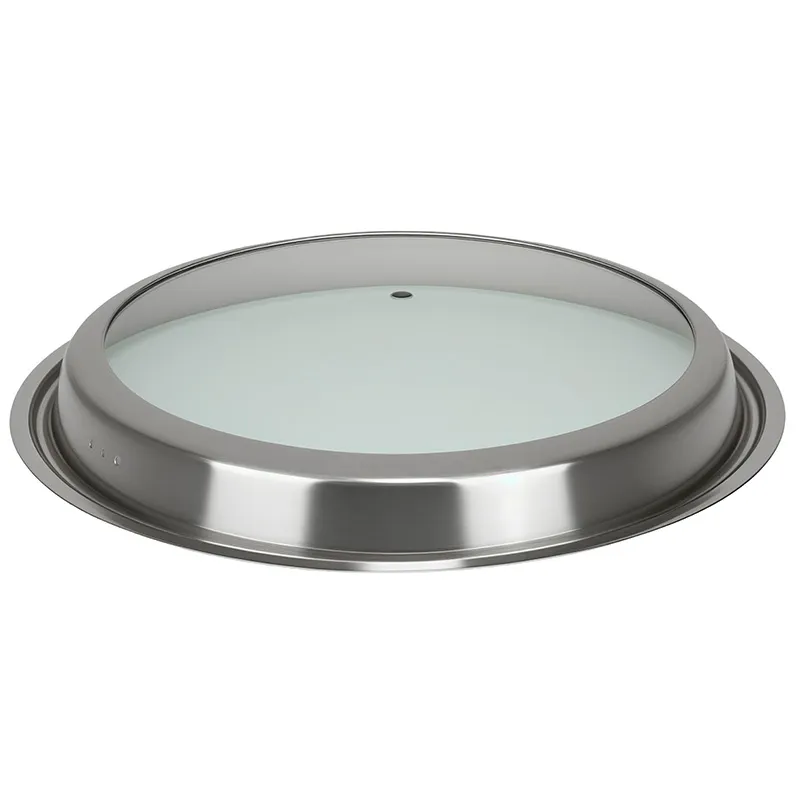
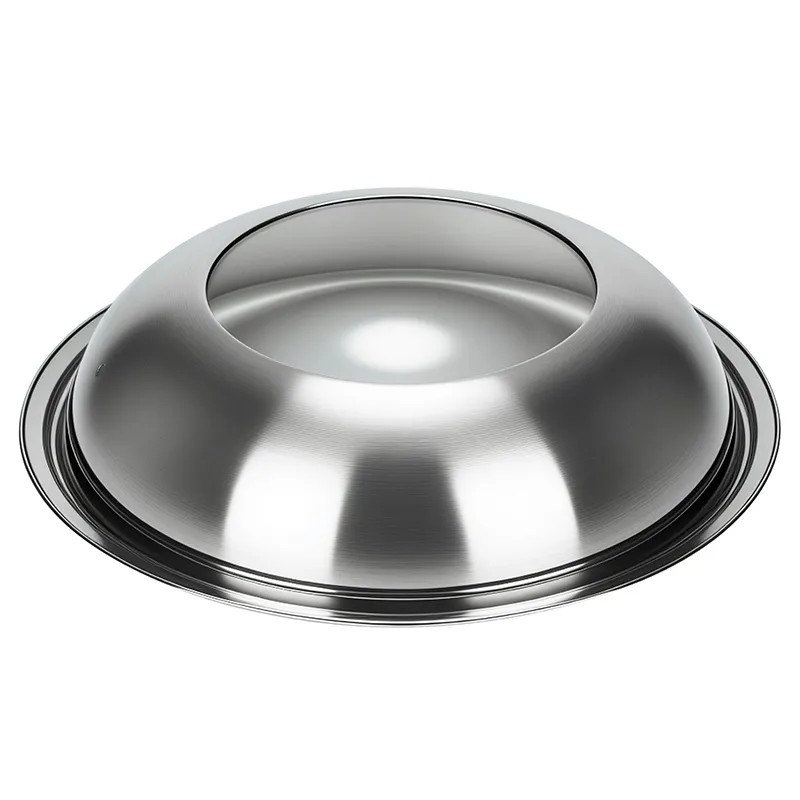
So you have a perfectly tempered, 24cm diameter glass disc. It's not a lid yet. The fit system is where engineering meets daily chaos. The most common is the stainless steel rim or band. The adhesion here is everything. Is it a mechanical crimp or an adhesive? High-heat silicone adhesives are common, but I've seen them degrade and yellow after repeated high-heat oven use, leading to the band loosening. A well-designed mechanical crimp, where the metal is folded over the glass edge under precise pressure, is often more durable but harder to execute perfectly without damaging the glass.
The handle and knob are another frequent point of failure. It must be heat-resistant enough for a 400°F oven, ergonomic for a wet, soapy hand, and attached securely. Thermoset plastics like phenolic resin are the gold standard—they don't melt or get hot to the touch. Cheap ABS or nylon knobs? They'll deform, become loose, or worse, melt into a mess during a broiling session. I've had to explain to a client why their entire shipment was rejected because the knob material spec was changed without informing them, and the knobs softened during a standard steam test. It's these component-level choices that separate a guardian cookware glass lid that lasts from one that becomes a nuisance.
And let's talk about the seal. Some lids have a silicone gasket embedded in the rim for a near-airtight seal, great for braising or keeping food warm. Others rely on the precision of the glass-to-pot contact. The gasket type adds complexity—it must be food-safe, heat-stable, and easy to clean without trapping grime. In a commercial kitchen or for a high-end cookware brand, this feature is a major selling point. For a standard replacement lid, it's often omitted for cost. Knowing which type your pot line needs is a key part of the sourcing puzzle.
The Sourcing Reality: Volume, Specs, and Communication Gaps
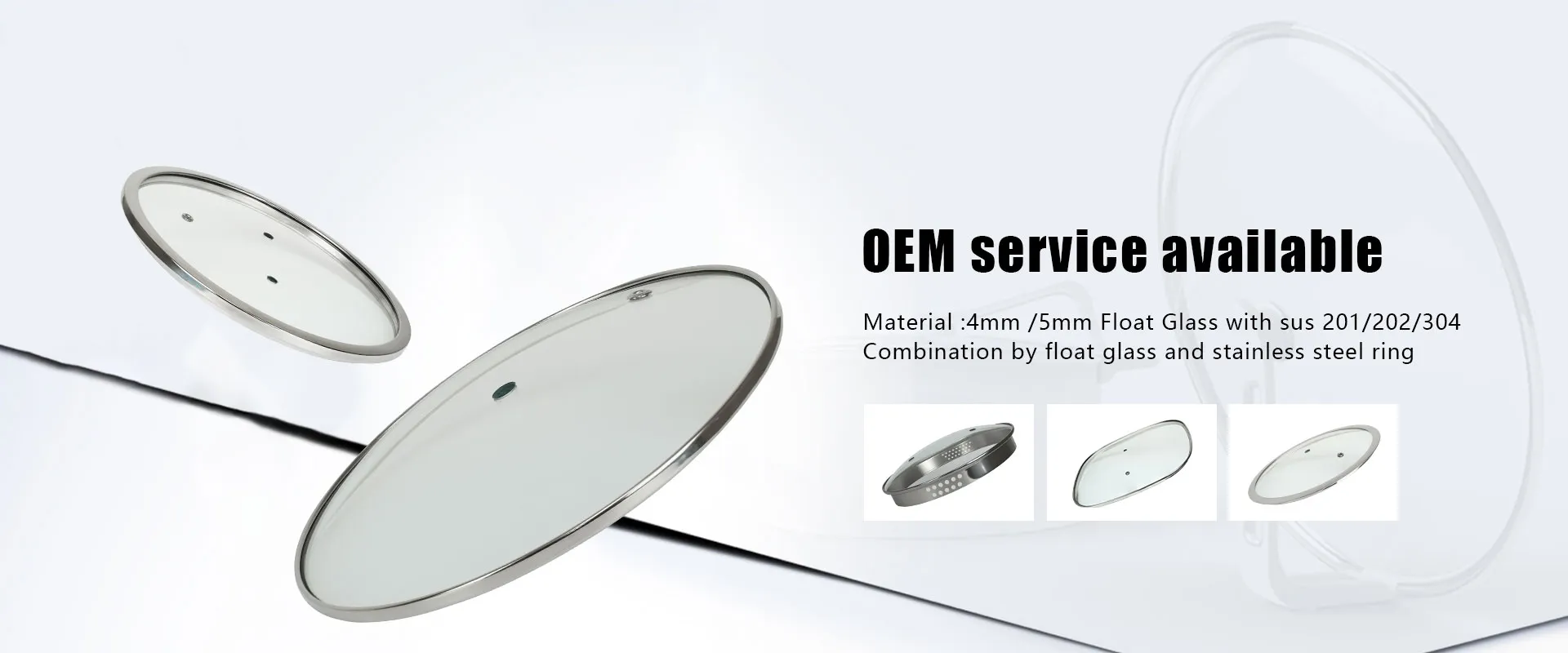
This is where theory meets the grind. When you're sourcing, say, 50,000 units for a private label line, you're not just buying glass lids. You're negotiating a detailed technical specification sheet. Glass thickness (3mm vs. 4mm), band material grade (430 vs. 304 stainless), handle torque resistance, thermal shock resistance delta-T (the temperature difference it can withstand), and packaging specs to prevent transit breakage. A manufacturer's capability is revealed in how they handle these specs. A company with a 20,000㎡ facility and 90+ employees, like the one mentioned, is structured to handle these detailed orders and the rigorous QC they require for export.
One painful lesson learned early: always, always get pre-production samples for real-world testing. Don't just boil water. Simulate the worst-case scenario: take the lid from a freezer, place it on a boiling pot. Or, put it in a 450°F oven, then set it on a cold granite counter. That's how you find the weak points. I once approved a lid based on a beautiful sample, only to find the production run had a different, cheaper glass source. The failure rate in transit was 15%. The cost of returns and lost goodwill far outweighed any per-unit savings.
Communication is the other half. The description low- medium- high level household glass products is telling. It means they segment their production. A low-level lid might be for a discount store brand—thinner glass, simpler band. A high-level line would match the specs for European or Japanese partners, with all the bells and whistles. As a buyer, you must be brutally clear about which tier you need. Assuming you're getting the high-level product at a medium-level price is a recipe for disappointment.
Case in Point: The Steam Vent Dilemma
Here's a specific detail that causes endless debate: to vent or not to vent? A small hole in the glass, often with a plastic or stainless steel bump, allows controlled steam release. It seems simple. But drilling or forming that hole after tempering is impossible—it would shatter the glass. So the hole must be cut before the tempering process, which alters the stress field around it. If not done correctly, the hole becomes the epicenter for cracks.
I worked with a supplier once who kept having a 5% failure rate around the steam vent during testing. The issue traced back to the drilling and edge-finishing process before tempering. The micro-cracks from a dull drill bit were being amplified by the tempering process. The solution wasn't more inspection; it was a better drilling protocol and a finer edge polish on the hole. This is the kind of process-deep knowledge that separates a true specialist in glass lids from a general glass goods factory. It's not on the website, but it's in the yield numbers and the long-term reliability of the product sitting on a consumer's stove.
For some applications, like slow cooking or keeping rice warm, a solid lid is better. The choice depends entirely on the intended use of the cookware. A good manufacturer will ask this question. A great one will have optimized their tempering cycle for both vented and solid versions, understanding that the stress profiles are different.
Conclusion: The Value of Specialization
So, circling back to 'guardian cookware glass lids'. The term points to a functional component, but its quality is a narrative written in material choices, process control, and practical engineering. It's a component where specialization matters immensely. A firm that focuses on this niche, with a dedicated export-oriented production like EUR-ASIA COOKWARE, is likely to have accumulated the tacit knowledge to solve the steam vent issue, to select the right knob adhesive, and to temper glass consistently by the millions. Their product range segmentation (low- medium- high level) is a pragmatic reflection of the market, not a marketing gimmick.
For anyone in the trade, the takeaway is this: look past the keyword. Scrutinize the technical capacity, demand real-world testing samples under stress conditions, and communicate your tier needs explicitly. The perfect glass lid isn't a commodity; it's the result of a hundred small, correct decisions in a factory halfway across the world, decisions that ensure it simply sits there, doing its job, unnoticed—which is the highest compliment a piece of kitchen hardware can receive.
In the end, the best glass lid is the one you never have to think about. It doesn't warp, crack, or lose its seal. It just works, year after year, a transparent guardian for whatever's simmering underneath. That reliability is never an accident; it's the signature of a manufacturer that understands the craft beyond the basic spec sheet.
Related Products
Related Products
Best Selling Products
Best Selling Products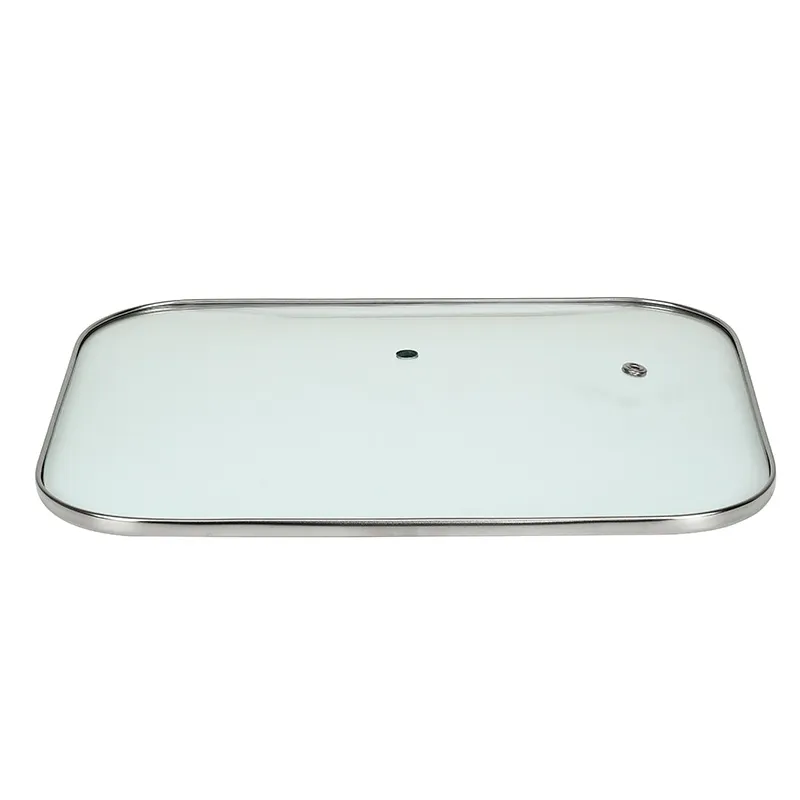
Related Search
Related Search- silicone glass lid manufacturer in China
- glass lid for kettle
- tempered glass lid maker
- glass pouring jar with lid
- C type glass cover manufacturer in China
- hawkins nonstick appe pan with glass lid
- 14 inch glass lid for frying pan
- blue glass jar with lid
- bamboo lid and glass straw
- silicone glass lid manufacturer


