- Chinese
- French
- German
- Portuguese
- Spanish
- Russian
- Japanese
- Korean
- Arabic
- Irish
- Greek
- Turkish
- Italian
- Danish
- Romanian
- Indonesian
- Czech
- Afrikaans
- Swedish
- Polish
- Basque
- Catalan
- Esperanto
- Hindi
- Lao
- Albanian
- Amharic
- Armenian
- Azerbaijani
- Belarusian
- Bengali
- Bosnian
- Bulgarian
- Cebuano
- Chichewa
- Corsican
- Croatian
- Dutch
- Estonian
- Filipino
- Finnish
- Frisian
- Galician
- Georgian
- Gujarati
- Haitian
- Hausa
- Hawaiian
- Hebrew
- Hmong
- Hungarian
- Icelandic
- Igbo
- Javanese
- Kannada
- Kazakh
- Khmer
- Kurdish
- Kyrgyz
- Latin
- Latvian
- Lithuanian
- Luxembou..
- Macedonian
- Malagasy
- Malay
- Malayalam
- Maltese
- Maori
- Marathi
- Mongolian
- Burmese
- Nepali
- Norwegian
- Pashto
- Persian
- Punjabi
- Serbian
- Sesotho
- Sinhala
- Slovak
- Slovenian
- Somali
- Samoan
- Scots Gaelic
- Shona
- Sindhi
- Sundanese
- Swahili
- Tajik
- Tamil
- Telugu
- Thai
- Ukrainian
- Urdu
- Uzbek
- Vietnamese
- Welsh
- Xhosa
- Yiddish
- Yoruba
- Zulu
- Kinyarwanda
- Tatar
- Oriya
- Turkmen
- Uyghur

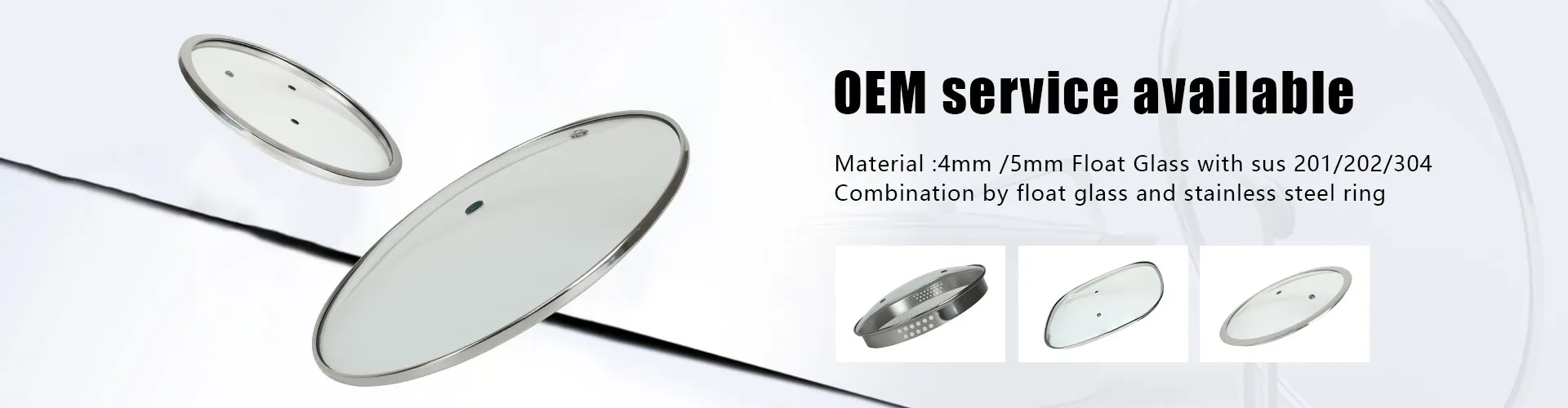
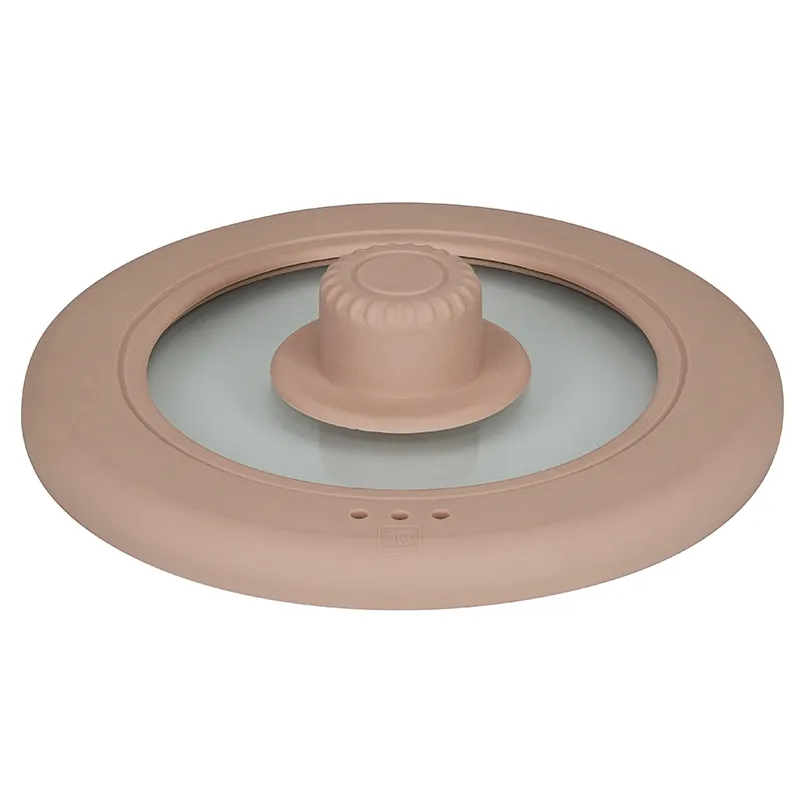
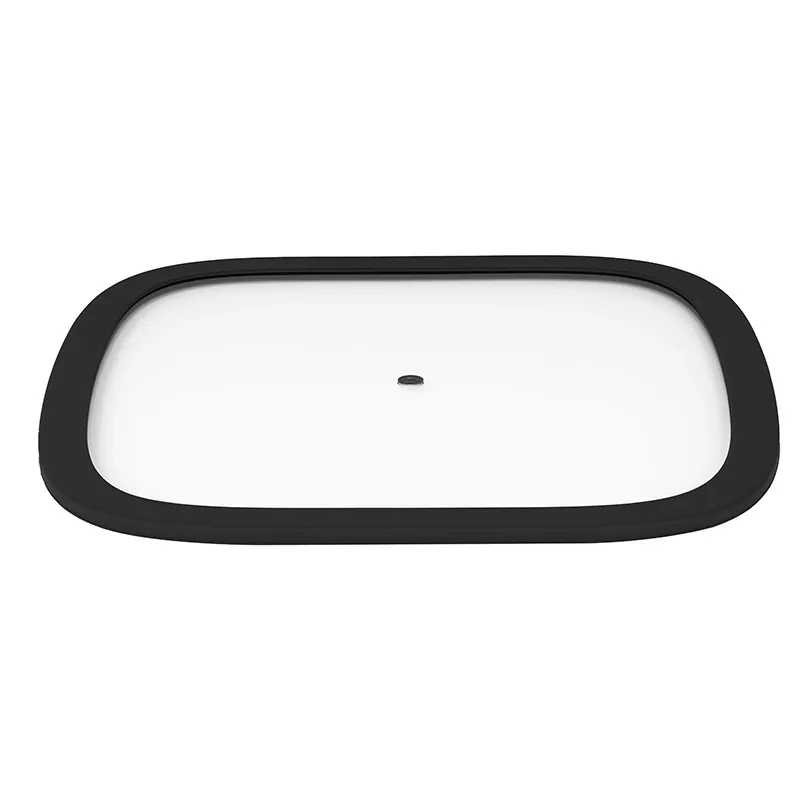
guardian cookware lids
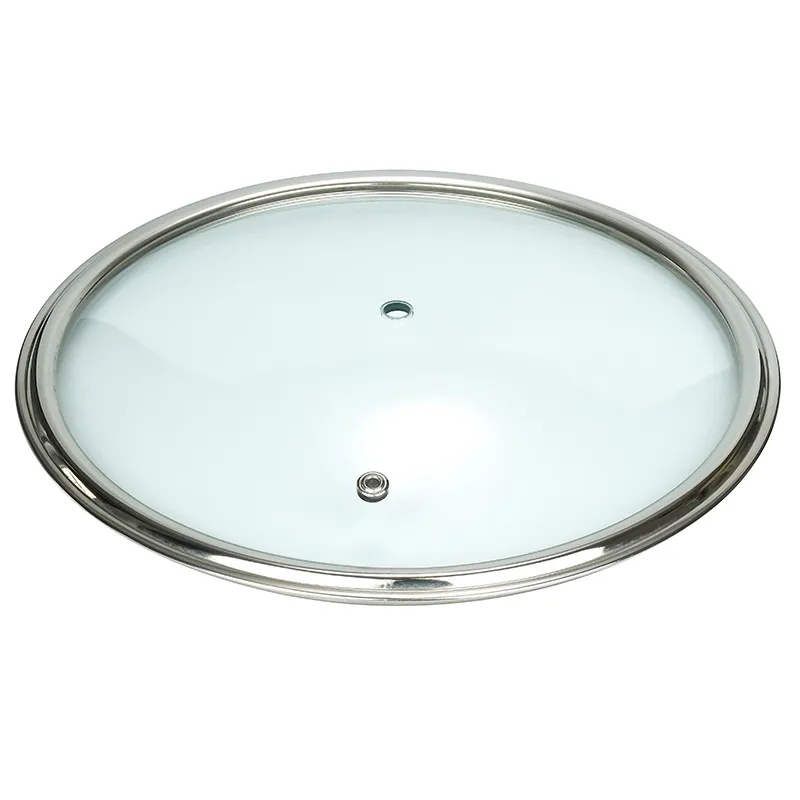
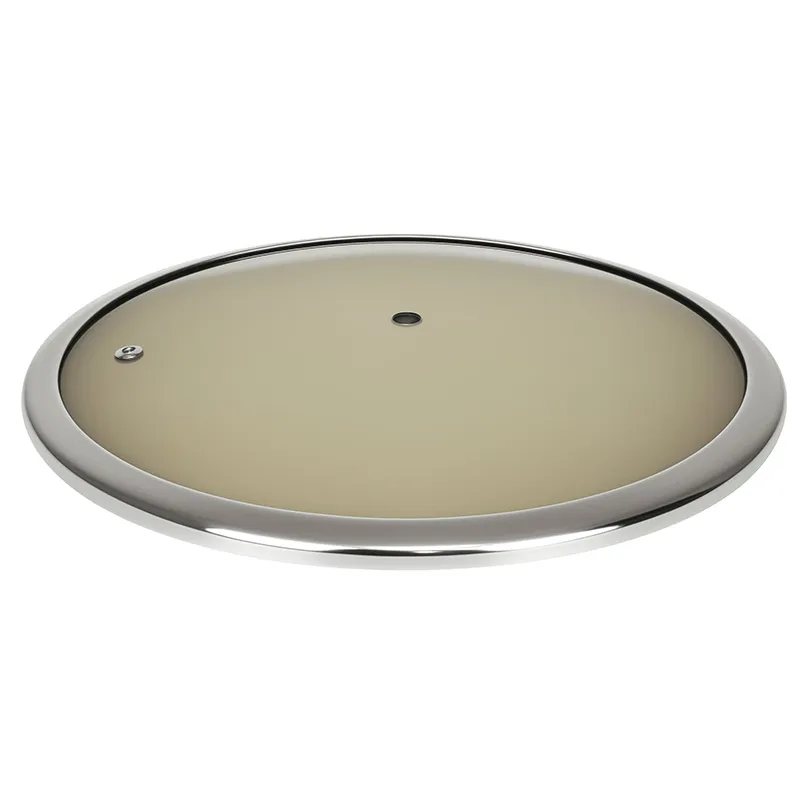
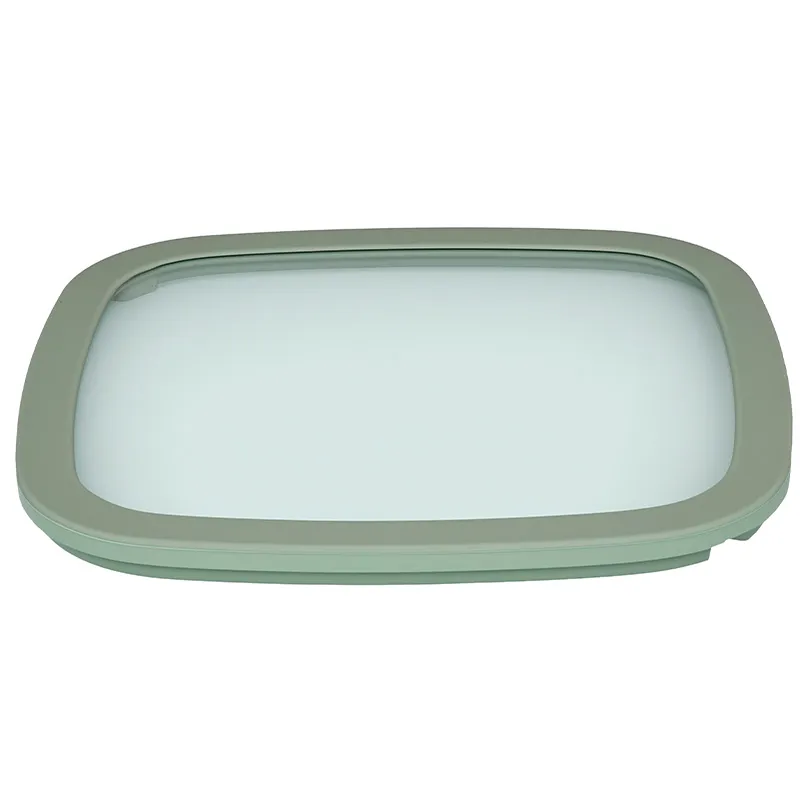
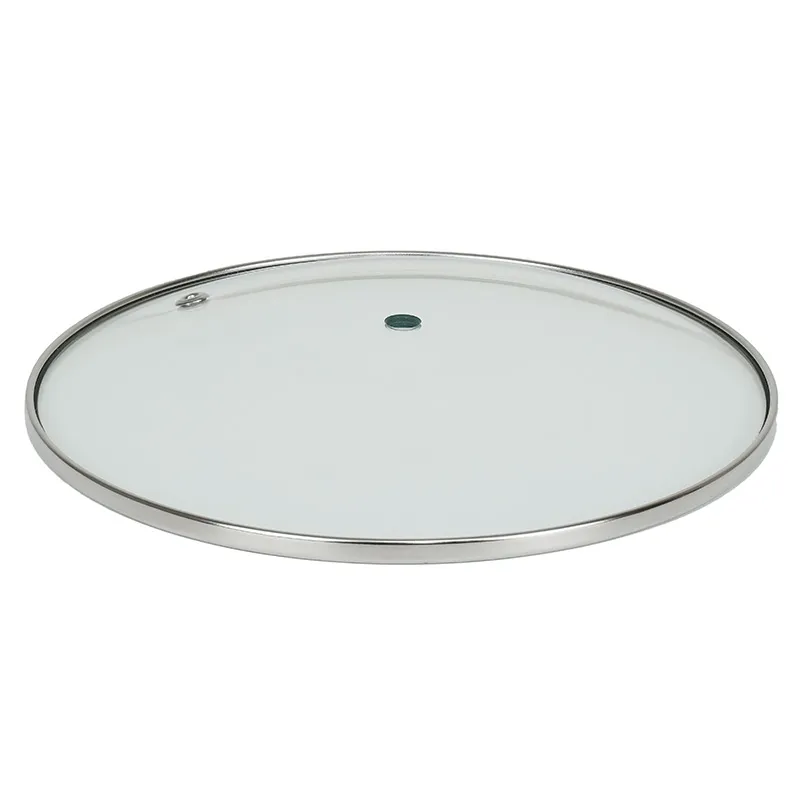
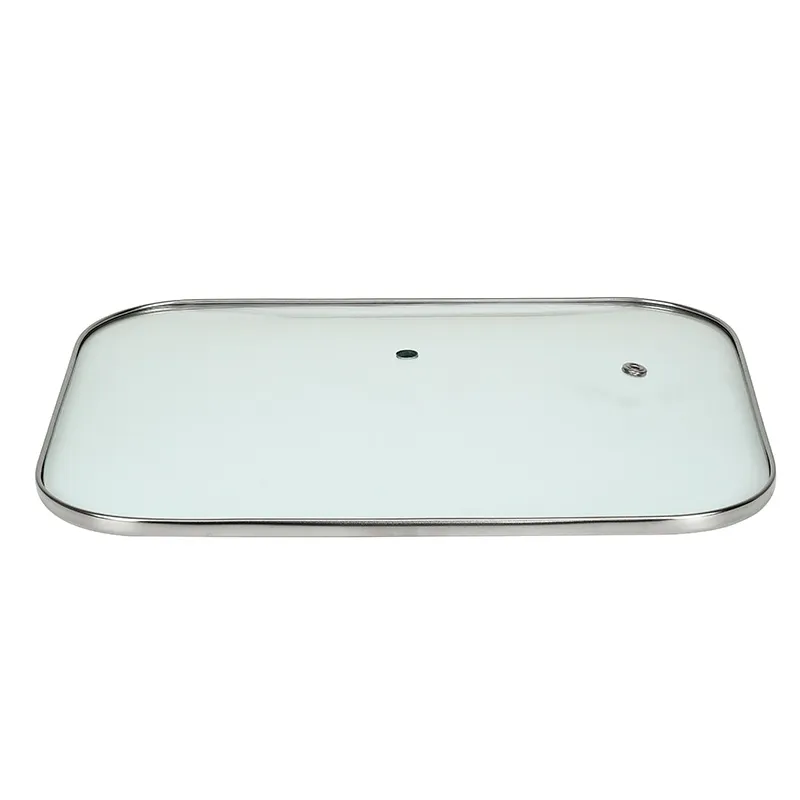
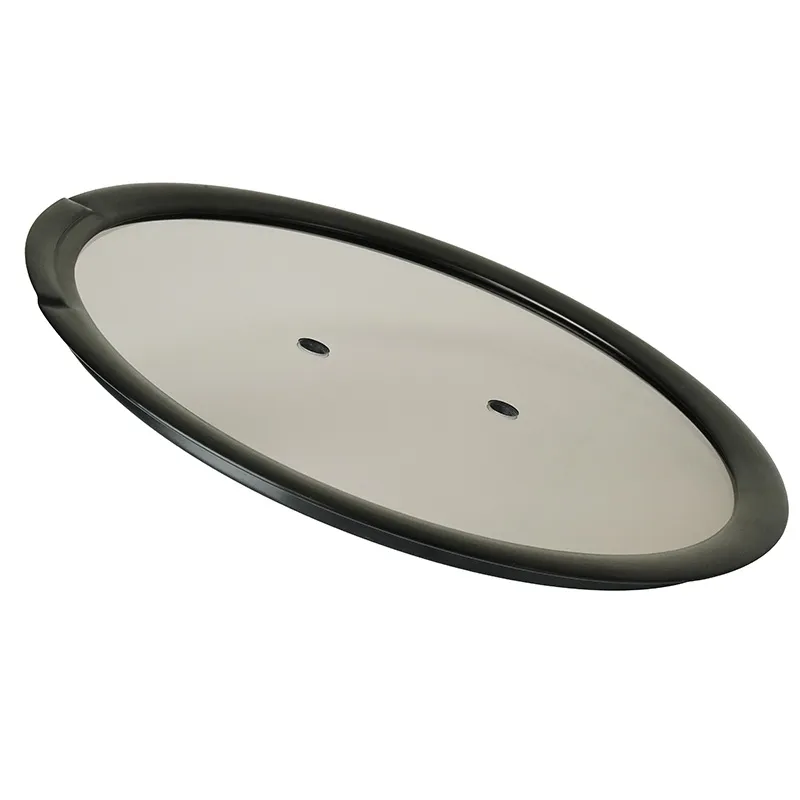
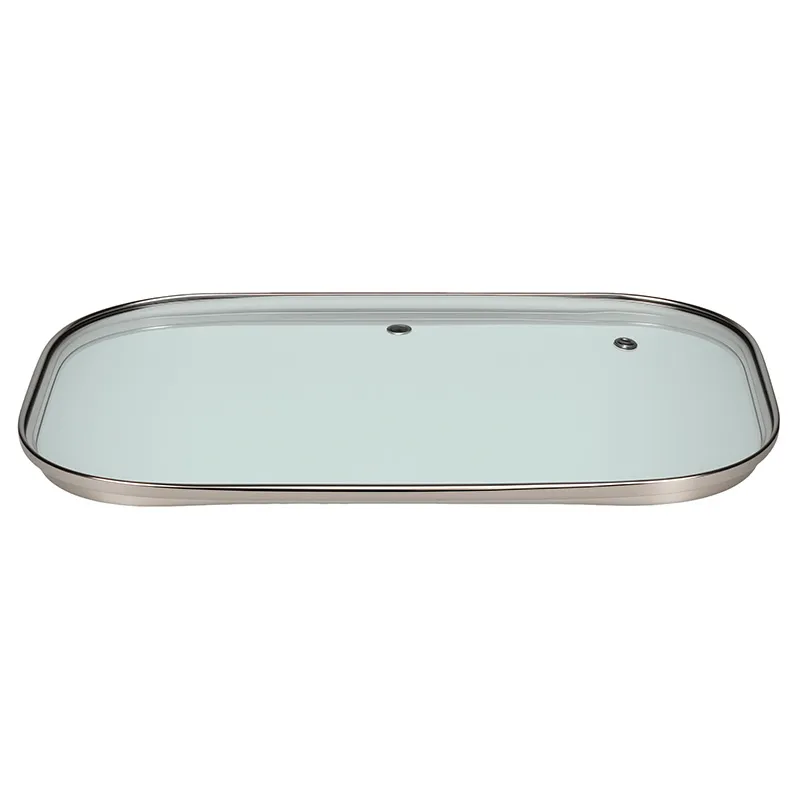
When most people think about upgrading their cookware, lids are an afterthought. The focus is always on the pot or pan material – is it tri-ply? Is it ceramic-coated? But in my years sourcing and testing for commercial and high-end residential setups, I've learned that a poorly designed lid can undermine even the best pot. Guardian cookware lids, specifically, present an interesting case study. They're often marketed as premium, durable covers, but the reality across the industry is a mixed bag. Many assume a tempered glass lid is just a tempered glass lid, but the nuances in fit, sealing, handle ergonomics, and even the glass's thermal shock resistance are where the real performance – and problems – hide.
The Fit and Seal Conundrum
Let's start with the most common pain point: fit. A Guardian lid that doesn't sit flush is worse than useless. I've seen lids from various suppliers that wobble or leave a visible gap, turning a braise into a slow boil that evaporates all your liquid. The issue often isn't the glass itself, but the metal rim or band it's set into. The tolerance has to be incredibly tight. I recall a batch from a manufacturer a few years back where the metal rim was slightly ovalized after the tempering process, causing inconsistent sealing. It wasn't a defect you'd notice on a QC sheet, but chefs noticed immediately when their sauces reduced too fast.
This is where companies that specialize, like EUR-ASIA COOKWARE CO.,LTD, get it right. Their focus on glass lids means they've had to solve the rim problem. Visiting a facility like theirs (you can see their scope at glass-lid.com) shifts your perspective. They're not a general cookware factory dabbling in lids; their entire production, from a 20,000㎡ base in Shandong, is geared toward these components. That specialization translates to better control over how the metal band is formed and married to the tempered glass. It's a subtle thing, but it's the difference between a lid that contains steam and one that merely covers a hole.
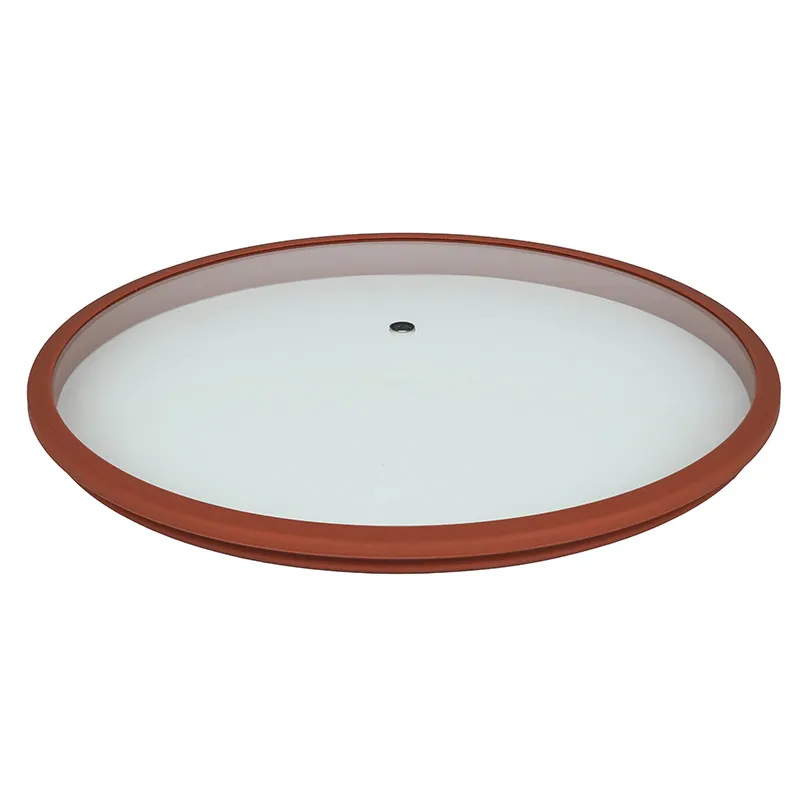
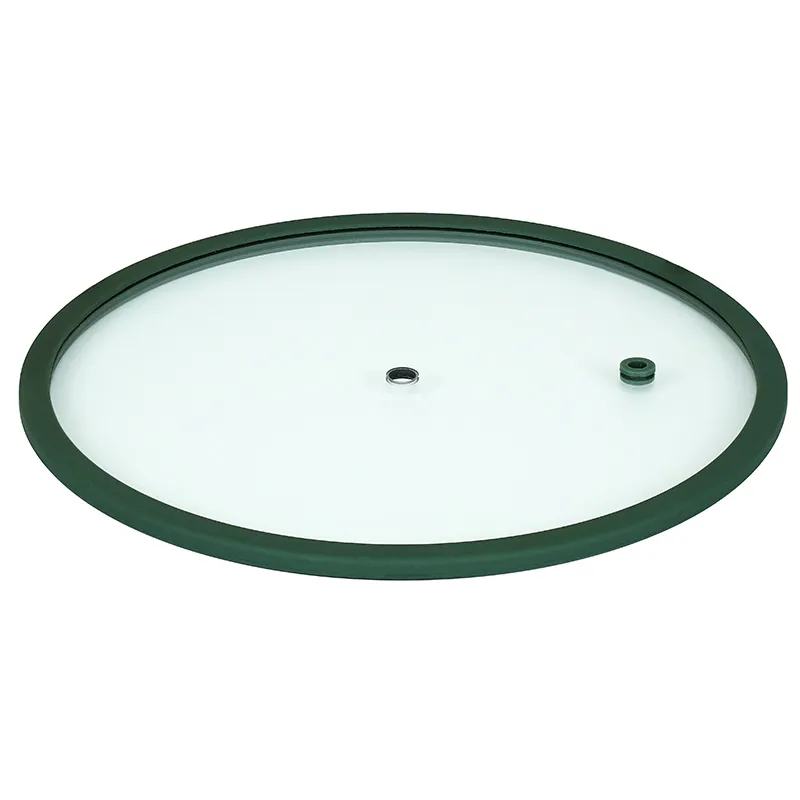
The seal itself is another layer. Some Guardian-style lids use a silicone gasket embedded in the rim. It's great for a perfect seal, but it's a maintenance and longevity issue. In a pro kitchen, that silicone can degrade with heat and grease, and it makes the lid non-dishwasher safe (a bigger deal for home users). Others rely on a precision-machined metal-on-metal contact. This is harder to manufacture consistently but is more durable. EUR-ASIA's data, with over 15 million pieces annual output, suggests they've nailed the consistency needed for export to picky markets like Germany and Japan, where specs are non-negotiable.
Glass Quality: Beyond Tempered
Everyone slaps tempered safety glass on the spec sheet. It's a minimum requirement. The real test is thermal shock resistance. You take a lid off a boiling pot and set it on a cold granite countertop – that's a stress event. Lower-quality tempered glass can develop micro-fractures over time, leading to spontaneous failure. Not explosive, but a quiet network of cracks that renders it useless.
I learned this through a failed experiment. We tried sourcing a cheaper batch of Guardian-compatible lids for a mid-tier line. They passed initial safety tests, but within six months in a test kitchen, we had a 30% failure rate from hazing and cracking. The problem? Inconsistent heating during the tempering process. The glass wasn't uniformly stressed. It's a production cost sink to do it perfectly every time, which is why high-volume specialists have an edge. Their process is the product.
The clarity and thickness of the glass matter more than you'd think. A thick, slightly green-tinted glass feels premium but can distort the view of your food. A thinner, clearer pane offers better visibility but might feel less substantial and can be more prone to thermal stress if not engineered correctly. It's a balancing act. From my observations, the European market (which constitutes a huge chunk of EUR-ASIA's 90% export business) prefers a clearer, low-iron glass for that pristine visual, even if it adds a bit to the cost.
The Handle: A Hot Spot for Failure
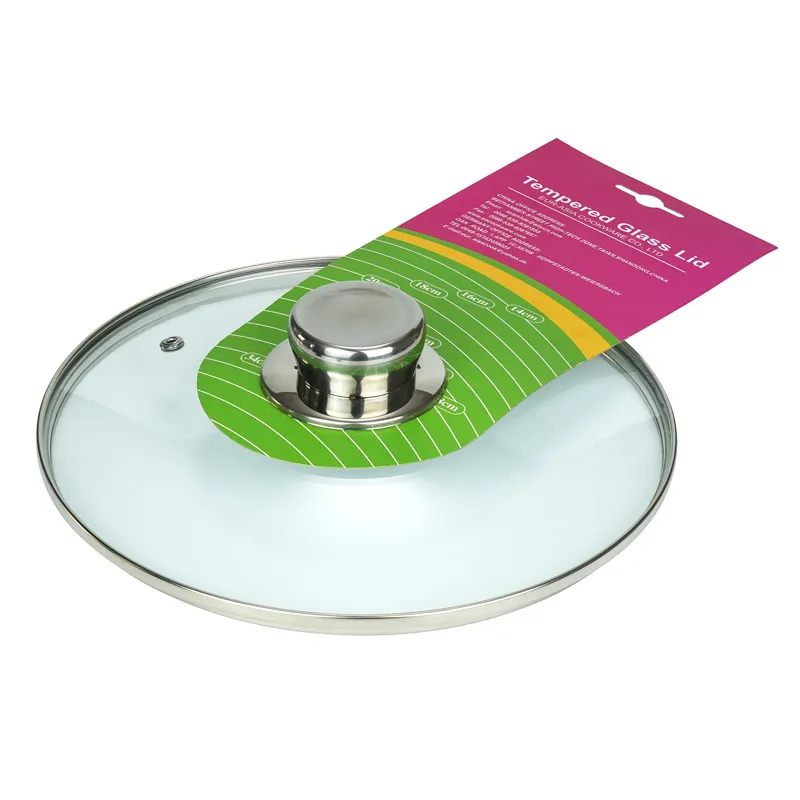
If the glass doesn't fail, the handle will. This is the second most common point of breakdown. The standard is a stainless steel knob bolted through the glass. The failure points are threefold: the bolt loosening over time, the metal itself getting too hot to touch, and the plastic or phenolic insulator underneath degrading.
A good Guardian cookware lid handle will use a locking mechanical fastener (like a nut or a rivet) rather than just a screw, and it will have a substantial insulating layer. I've seen lids where the insulator is just a thin wafer that cracks after a few dozen cycles in the dishwasher. The best ones use a thicker, engineered phenolic resin that stays cool and withstands thermal cycling and cleaning chemicals. It's a small part that speaks volumes about the overall build quality.
When you look at a product range from a dedicated producer, you see attention here. They'll often offer multiple handle options – stainless, phenolic, even brass – because they know it's a key user interface. The fact that a company like EUR-ASIA COOKWARE CO.,LTD lists itself as producing low, medium, and high-level products indicates they segment this. A high-level lid will have a superior handle assembly. It's a detail that separates a component from a complete, functional product.
Compatibility and the Universal Myth
Here's a major industry misconception: the universal lid. Many Guardian cookware sets and open-stock pieces are sold with the promise that their lids fit across multiple lines. In practice, it's often mostly fits. A 24cm lid might sit on a 24cm pan, but if the pan's rim is curved slightly differently or the diameter is measured at the top versus the bottom, you get that gap.
Sourcing for replacement lids is a nightmare because of this. You can't just go by diameter. You need the exact rim profile. This is where the aftermarket and specialist manufacturers thrive. They often build libraries of rim profiles from major brands to produce exact-fit replacements. A company with a vast export portfolio to countries like Italy, France, and Brazil isn't just making one-size-fits-all; they're likely producing dozens of subtle variations to match local and international cookware brands. Their specialization in guardian cookware lids and other glass products means their tooling and molds are extensive, allowing for this kind of precise compatibility.
My advice? If you need a replacement Guardian lid, don't just measure the diameter. Trace the rim of your pot on a piece of paper and match the curve. Or better yet, source from a company whose business model is built on compatibility, not just volume.
The Export Standard as a Benchmark
Finally, let's talk about standards as a proxy for quality. A product made for the German or Japanese market is typically held to a higher standard of finish, material integrity, and packaging than one made for a less regulated market. This isn't a generalization; it's a supply chain reality. Retailers in those regions have stringent requirements.
When I see a manufacturer like EUR-ASIA stating that over 90% of its output is exported to those tech and quality-conscious countries, it tells me their process is audit-ready. Their 150,000㎡ facility and 90+ employees aren't just for scale; that structure exists to maintain consistent quality control for clients who will reject an entire shipment over minor imperfections. For a buyer, this is a useful heuristic. The guardian cookware lids produced in such an environment are more likely to have reliable thermal shock ratings, consistent fit, and safe, durable handle assemblies.
It also means they're probably producing to specific international norms for glass safety and metal leaching. This is the unsexy backend of the product that truly defines it. The lid isn't just a cover; it's a food-contact surface that undergoes extreme temperature swings. The professionalism of its manufacturer is the best guarantee of its performance.
So, next time you evaluate a pot, pick up the lid. Check the fit, heft the handle, look at the clarity of the glass and the finish of the rim. That component, often an afterthought, is what turns a simple pan into a precise cooking tool. And its provenance, from a general factory or a dedicated specialist, makes all the difference in the world.
Related Products
Related Products