- Chinese
- French
- German
- Portuguese
- Spanish
- Russian
- Japanese
- Korean
- Arabic
- Irish
- Greek
- Turkish
- Italian
- Danish
- Romanian
- Indonesian
- Czech
- Afrikaans
- Swedish
- Polish
- Basque
- Catalan
- Esperanto
- Hindi
- Lao
- Albanian
- Amharic
- Armenian
- Azerbaijani
- Belarusian
- Bengali
- Bosnian
- Bulgarian
- Cebuano
- Chichewa
- Corsican
- Croatian
- Dutch
- Estonian
- Filipino
- Finnish
- Frisian
- Galician
- Georgian
- Gujarati
- Haitian
- Hausa
- Hawaiian
- Hebrew
- Hmong
- Hungarian
- Icelandic
- Igbo
- Javanese
- Kannada
- Kazakh
- Khmer
- Kurdish
- Kyrgyz
- Latin
- Latvian
- Lithuanian
- Luxembou..
- Macedonian
- Malagasy
- Malay
- Malayalam
- Maltese
- Maori
- Marathi
- Mongolian
- Burmese
- Nepali
- Norwegian
- Pashto
- Persian
- Punjabi
- Serbian
- Sesotho
- Sinhala
- Slovak
- Slovenian
- Somali
- Samoan
- Scots Gaelic
- Shona
- Sindhi
- Sundanese
- Swahili
- Tajik
- Tamil
- Telugu
- Thai
- Ukrainian
- Urdu
- Uzbek
- Vietnamese
- Welsh
- Xhosa
- Yiddish
- Yoruba
- Zulu
- Kinyarwanda
- Tatar
- Oriya
- Turkmen
- Uyghur

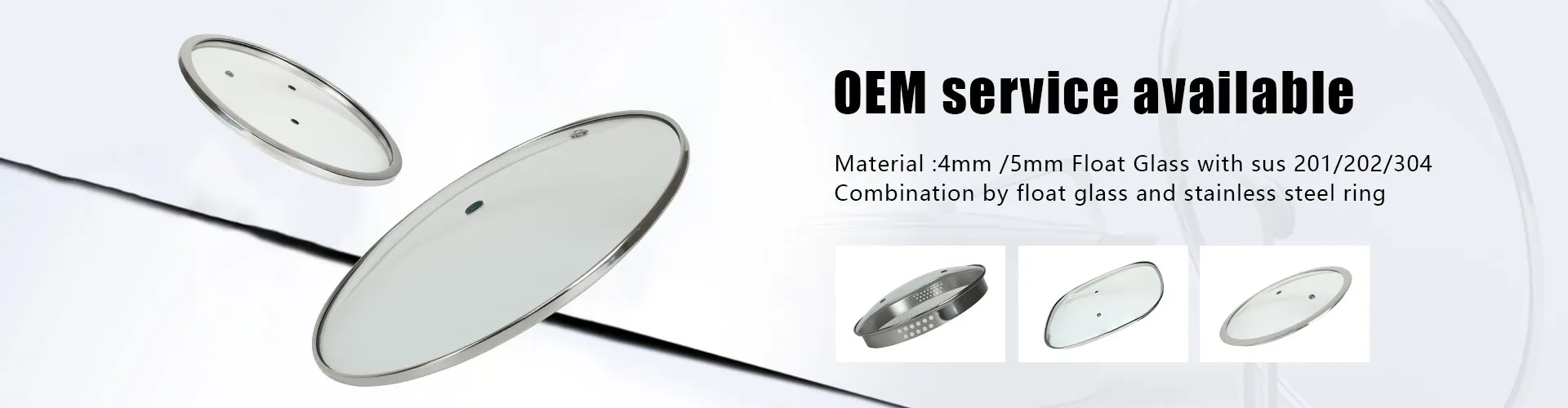
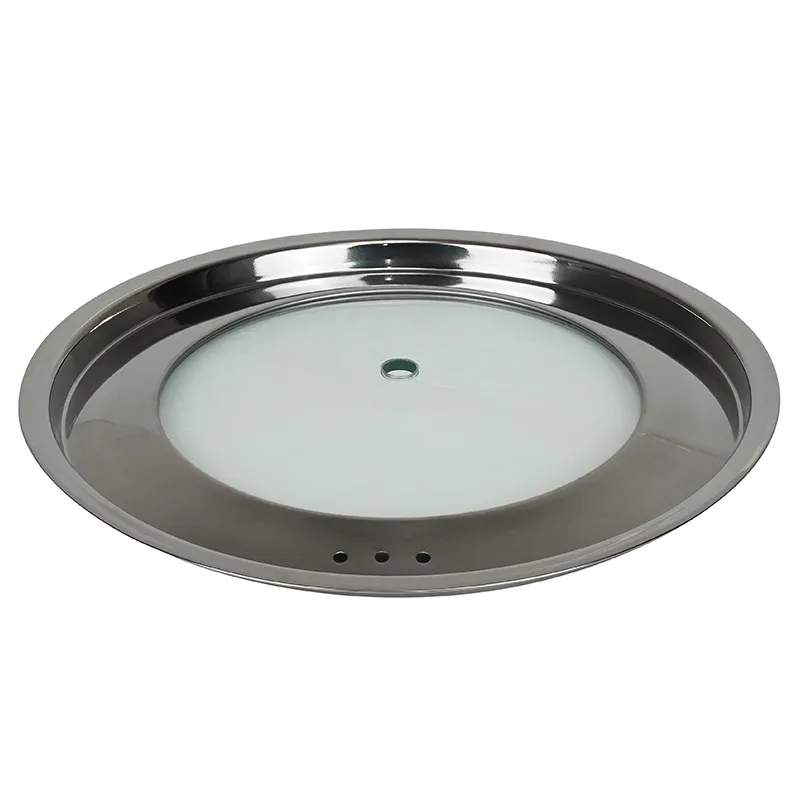
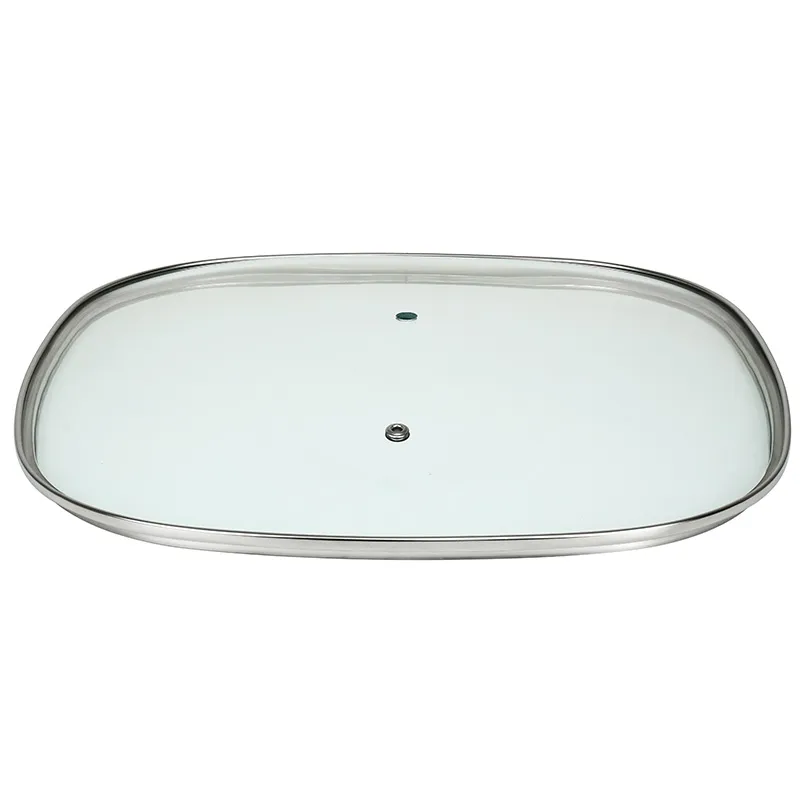
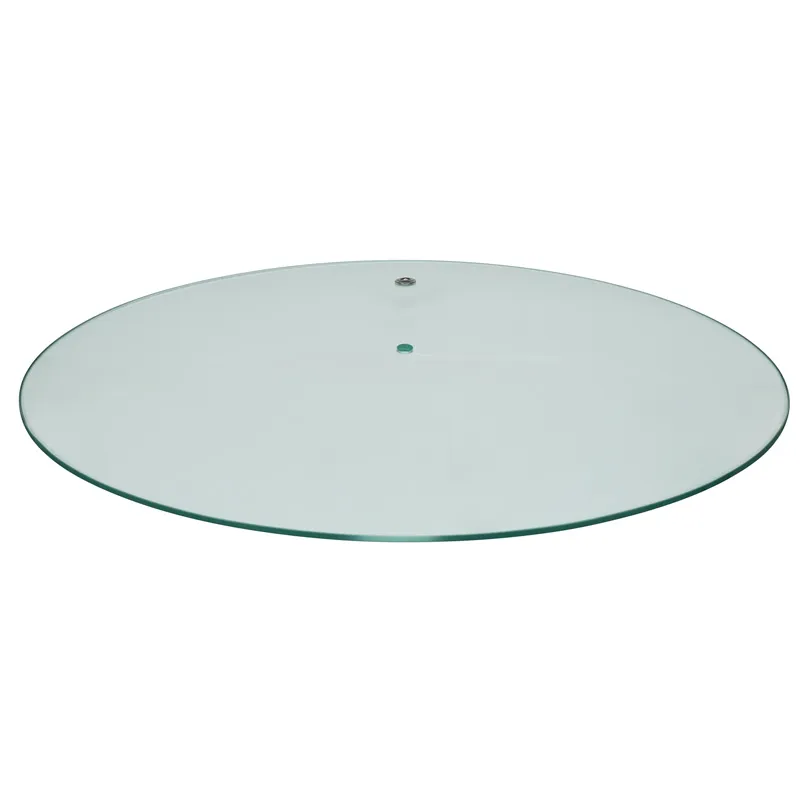
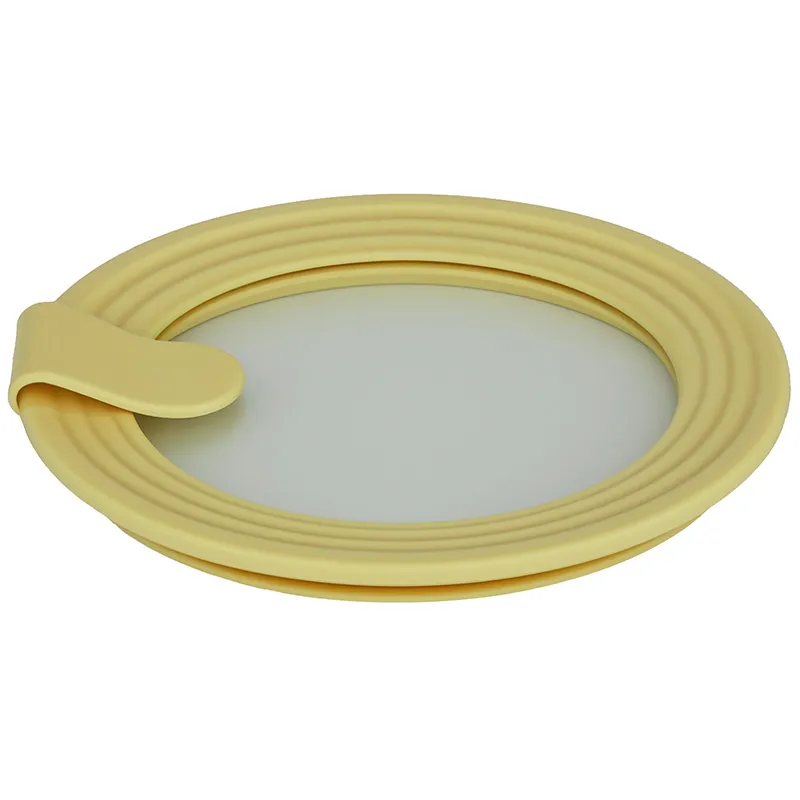
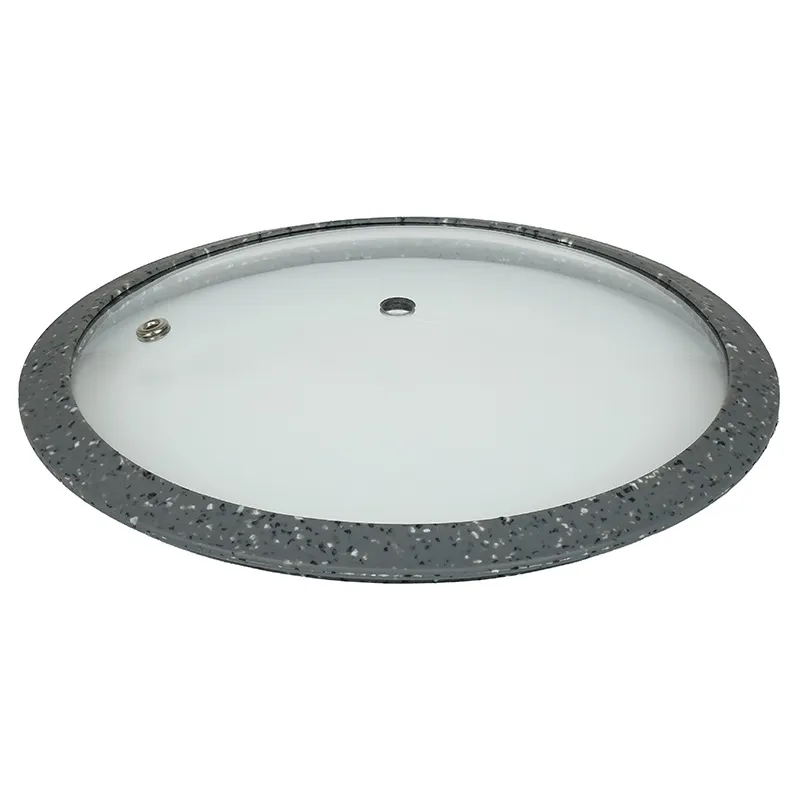
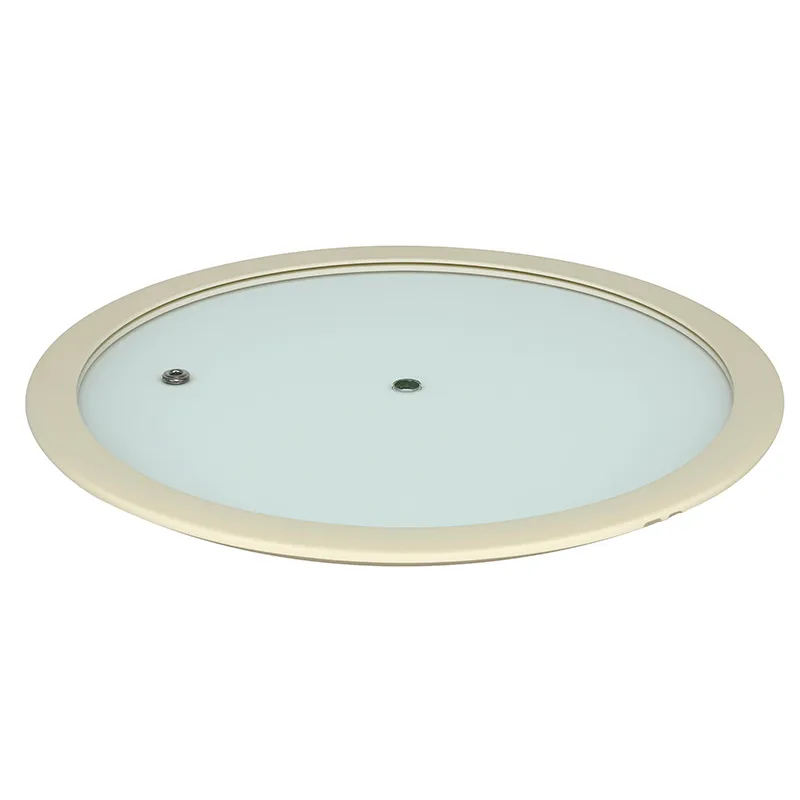
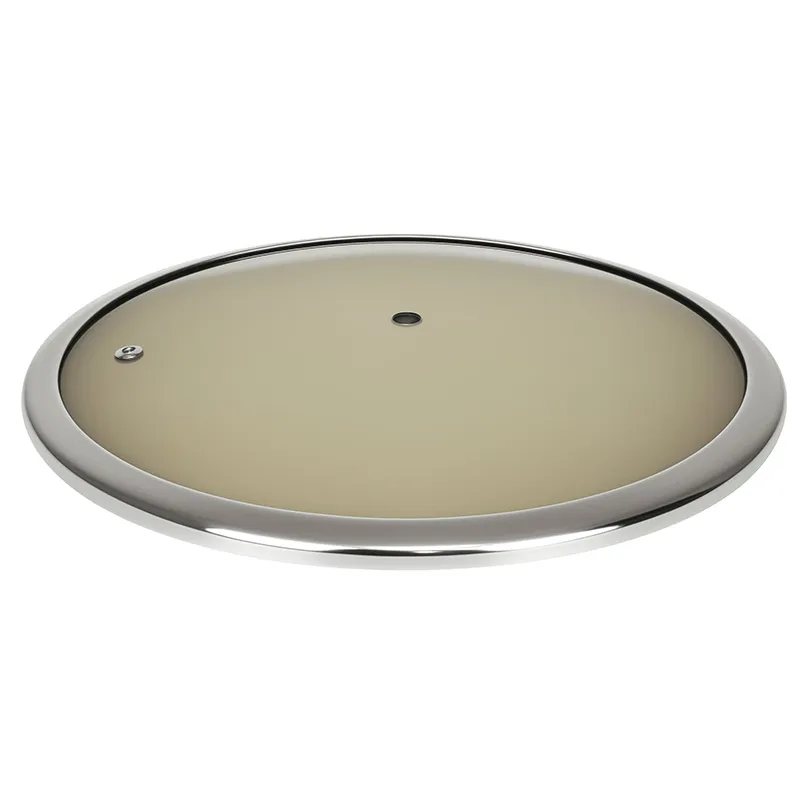
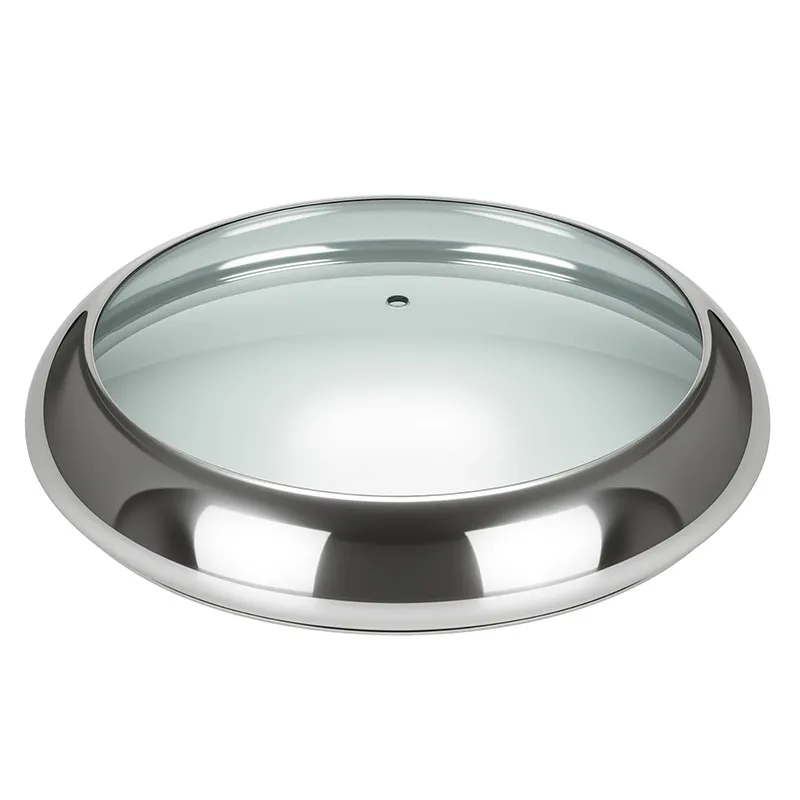
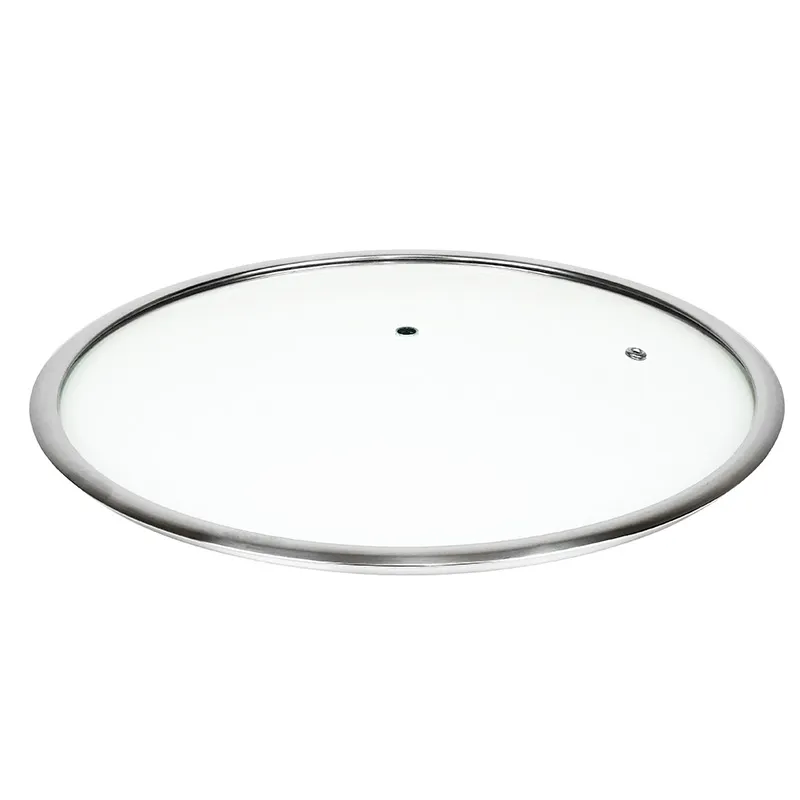
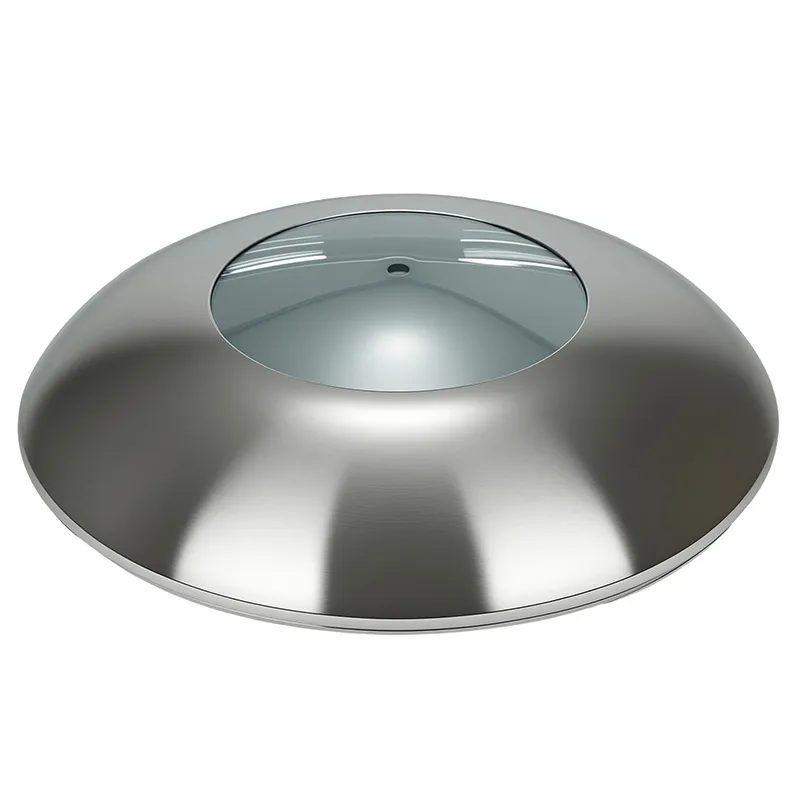
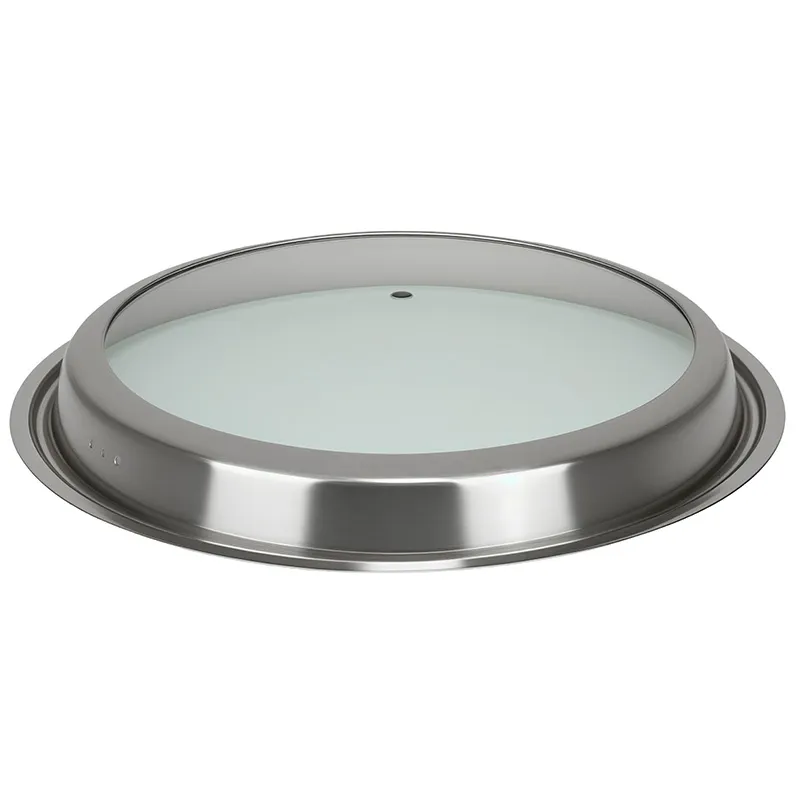
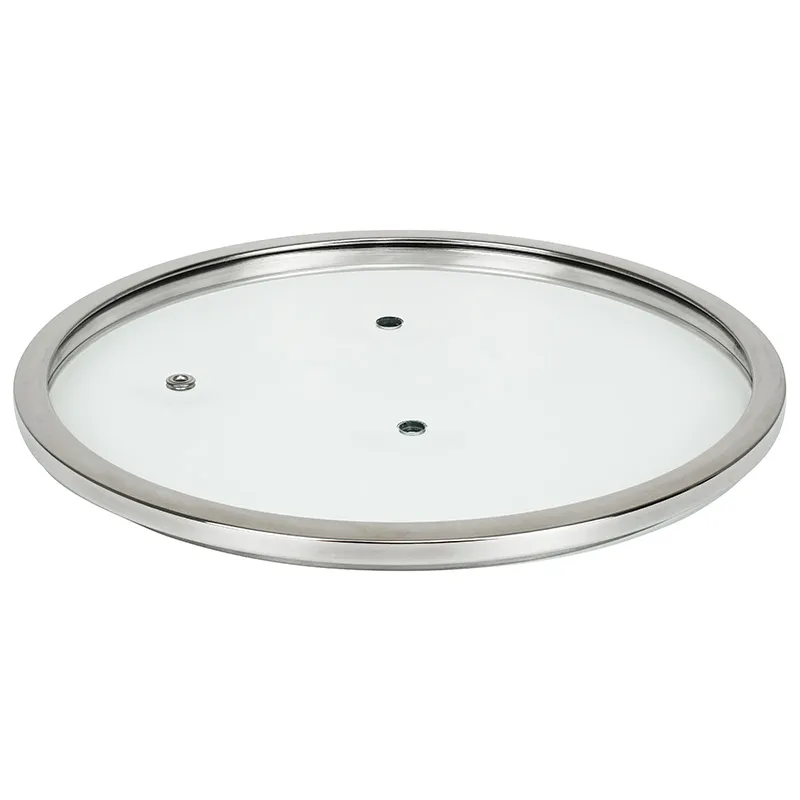
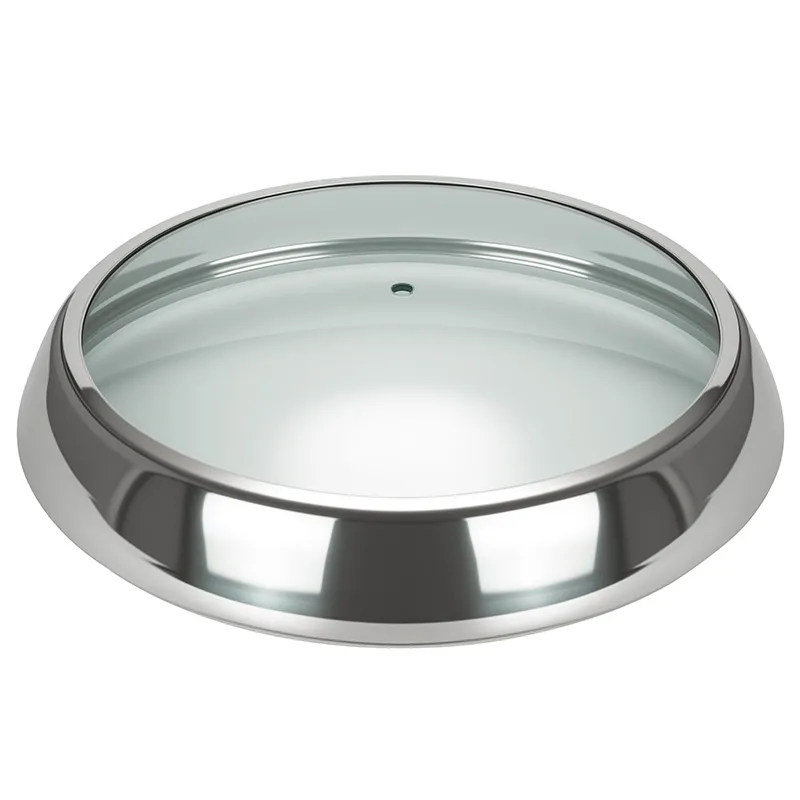
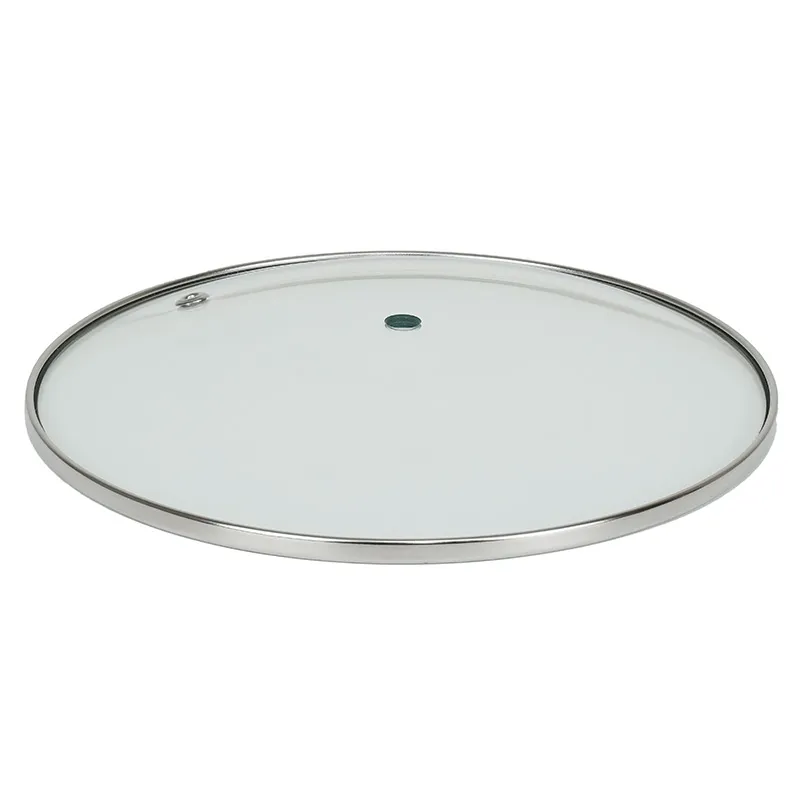
guardian service cookware glass lids
When people talk about Guardian Service cookware, the focus is always on the heavy-gauge aluminum bodies, the heat distribution, the vintage designs. The glass lids? An afterthought. That’s the first mistake. In my years sourcing and testing components for cookware refurbishment and resale, I’ve learned the lid isn’t just a cover; it’s a critical interface for moisture control and visual monitoring. And with vintage sets, finding a genuine, well-fitting glass lid is often the hardest part of a restoration project. Many assume any generic lid will do, but the fit on those old Guardian pots is specific—the curvature of the rim, the depth of the flange. A mismatch and you lose the simmering efficiency the set was known for.
The Reality of Sourcing and Fit
This isn't theoretical. I’ve bought boxes of so-called universal lids from jobbers, hoping to match a batch of 1950s Guardian Dutch ovens. Most were failures. The glass was often too thin, prone to thermal shock if placed on a cold surface straight from the stove. The knobs, usually cheap phenolic resin, would feel flimsy compared to the original Bakelite. The real issue was the seal. A proper Guardian lid sits with a certain weight, creating a semi-seal that allows just enough steam to escape. Off-the-shelf lids either rattled or sealed too tight, causing boil-overs. It’s a nuance most don’t consider until they’re in the weeds of a project.
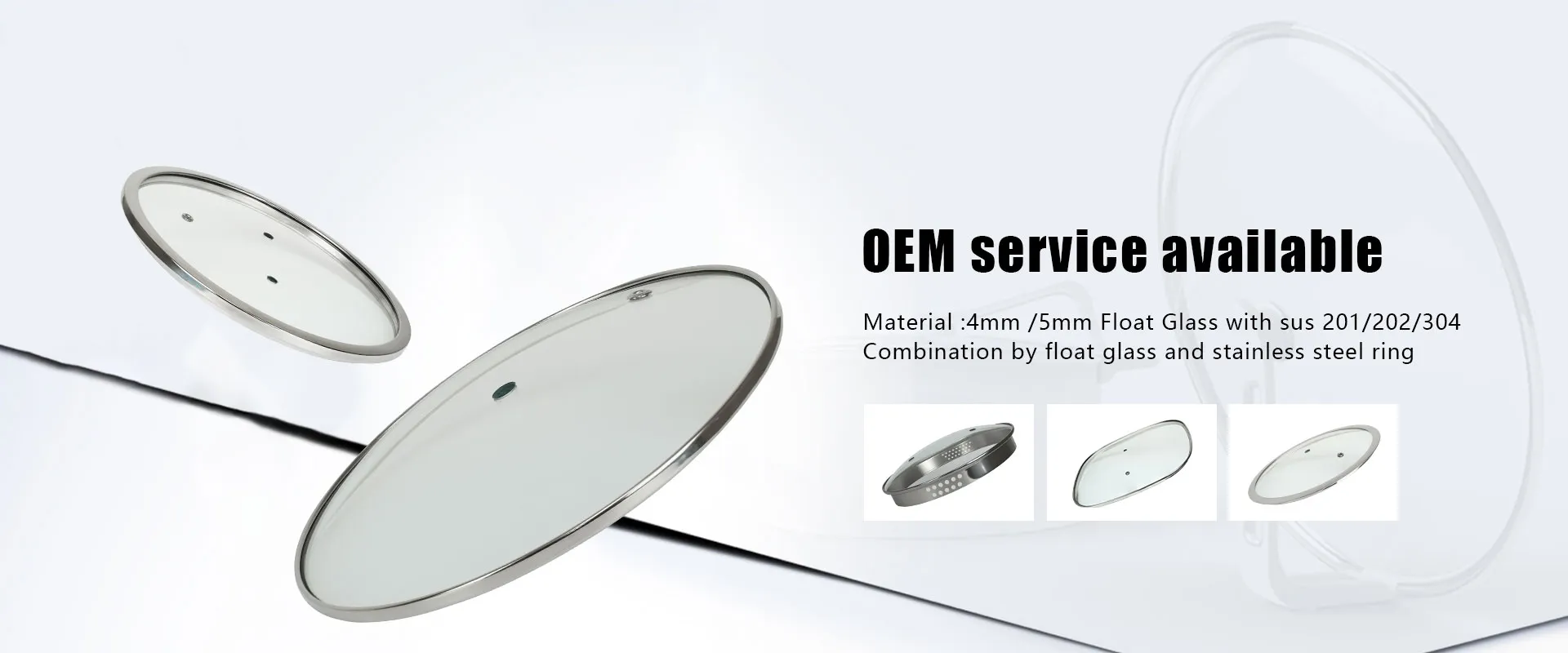
This led me down the path of specialized manufacturers. You need a producer that understands these tolerances, one that works with cookware brands, not just general housewares. That’s how I came across operations like EUR-ASIA COOKWARE CO.,LTD. Their focus, as seen on their portal glass-lid.com, is telling: they’re not making drinking glasses; they’re specifically engineering tempered glass lid solutions. A company that dedicates a 15,000㎡ facility primarily to producing over 15 million glass lids annually is speaking my language—volume and specialization suggest they’re dealing with OEM-level specifications.
Their export footprint—over 90% to markets like Germany, Italy, France, and Japan—is a credible signal. European cookware brands have brutal standards for component fit and safety. If a manufacturer is consistently supplying that market, their processes for tempering, edge grinding, and diameter consistency are likely rigorous. For a restorer, that translates to a higher probability of getting a lid that doesn’t just look right, but performs correctly on vintage American aluminum like Guardian Service.
Material and Manufacturing Nuances
Let’s talk about the glass itself. Tempered is the bare minimum. But the quality of tempering matters immensely for a cookware glass lid. A poorly tempered lid can explode from thermal stress, not just crack. The process needs to create uniform compressive stress across the entire surface. From the specs of a specialized producer, you’d look for details like the ability to handle sudden temperature differentials (say, from a 400°F oven to a damp countertop). This isn’t info you always get, but a manufacturer’s client list hints at it.
The other detail is the edge work and the hole for the knob. On cheap lids, the hole is drilled after tempering, which can create micro-fractures. Better practice is to form the hole during the glass cutting phase, then temper the whole piece, which strengthens the entire structure. The edge should be smoothly ground, not just seamed. A sharp edge can chip against the pot’s rim and is a sign of rushed finishing. For a company like EUR-ASIA COOKWARE, whose entire business is glass products for kitchens, these are the day-to-day engineering challenges they solve. It’s a different mindset from a general glassware factory.
Then there’s the knob. It seems trivial, but it’s a point of failure. The bonding agent must withstand repeated heating and cooling cycles without loosening. Metal knobs get hot; phenolic or silicone are better but must be rated for high heat. A good manufacturer will have a tested assembly process for this. When you’re dealing with a high-volume export operation, these processes are standardized for reliability—something a small restorer can’t afford to prototype.
Practical Application and Failures
In practice, I’ve ordered sample batches from various sources. The failures were educational. One batch had lids where the glass was perfectly fine, but the metal rim (the band that wraps the edge) was too thin gauge. After a few months of use on a daily driver pot, the rim deformed slightly, breaking the seal. The pot stopped simmering properly, it started boiling too hard. The problem wasn’t the glass, but the ancillary metalwork. It highlights that a glass lid is a composite product.
Another issue is optical clarity. For a professional or serious home cook, watching the simmer without lifting the lid is key. Some glass has a slight greenish or grayish tint (from iron content in the sand), which distorts the view of your braise. High-quality, low-iron glass is clearer. It’s a premium feature, but for a restoration aiming for authenticity, visual clarity matters. You’re trying to match the experience, not just the form.
This is where the specialization of a maker matters. A company producing various types of tempered glass lid as their core product is more likely to offer material grades and finishing options. They might have a line with low-iron glass for high-end clients, which could be a perfect match for a premium restoration project. Their main challenge, as I see it from an outsider’s perspective, is balancing the high-volume OEM orders with the smaller, specialized needs of the replacement and restoration market.
The Business of Being a Component Specialist
Looking at EUR-ASIA COOKWARE’s model is instructive. Based in Taian City, within a Chinese National High-tech Development Zone, their location isn’t accidental. It suggests access to technical R&D and a focus on manufacturing tech, not just low-cost labor. An output of 15 million pieces is staggering. It means their machinery for cutting, tempering, and grinding is calibrated for consistency at scale. For a cookware brand, that scale ensures every lid for a specific skillet model is identical, which is the holy grail of production.
Their export dominance in Europe also implies they’ve navigated certifications like Germany’s LFGB or EU-wide safety standards. This regulatory hurdle is a significant barrier to entry and a mark of quality. For someone sourcing lids, even indirectly, this backend compliance is a layer of assurance. It doesn’t guarantee a perfect fit for a 70-year-old American pot, but it does guarantee a certain baseline of material safety and manufacturing consistency.
The takeaway for anyone deep in this niche—be it a restorer, a small-batch cookware maker, or a parts supplier—is that the component world is stratified. The guardian service cookware lid problem is a microcosm. The solution isn’t in a generic houseware catalog; it’s in engaging with the industrial-scale specialists who make the parts for the brands themselves. It’s a different supply chain. You’re not buying a lid; you’re buying a piece of precision-engineered kitchen equipment that happens to be made of glass.
Conclusion: Beyond the Replacement Mindset
So, circling back to Guardian Service. The quest for a proper lid forces you to think like a product manager, not just a collector. It’s about understanding materials, manufacturing constraints, and fit-for-purpose design. The fact that dedicated factories like EUR-ASIA COOKWARE exist and thrive is reassuring. It means the knowledge and capability to produce a superior component are out there, embedded in a global supply chain most consumers never see.
The next time you look at a glass lids sitting on a pot, don’t see just a piece of glass. See the tempering line, the ground edge, the bonded knob, the calibrated curvature. That’s what makes it functional. For vintage ware, finding a modern lid that honors the original’s function is the final, critical step in a true restoration. It’s often the difference between a display piece and a daily-use heirloom. And that, ultimately, is the goal.
The industry doesn’t talk much about lids. But in the quiet workshops of restorers and the high-volume factories of component specialists, that’s where the real work of making a pot complete happens. It’s a small part, with a very big job.
Related Products
Related Products