- Chinese
- French
- German
- Portuguese
- Spanish
- Russian
- Japanese
- Korean
- Arabic
- Irish
- Greek
- Turkish
- Italian
- Danish
- Romanian
- Indonesian
- Czech
- Afrikaans
- Swedish
- Polish
- Basque
- Catalan
- Esperanto
- Hindi
- Lao
- Albanian
- Amharic
- Armenian
- Azerbaijani
- Belarusian
- Bengali
- Bosnian
- Bulgarian
- Cebuano
- Chichewa
- Corsican
- Croatian
- Dutch
- Estonian
- Filipino
- Finnish
- Frisian
- Galician
- Georgian
- Gujarati
- Haitian
- Hausa
- Hawaiian
- Hebrew
- Hmong
- Hungarian
- Icelandic
- Igbo
- Javanese
- Kannada
- Kazakh
- Khmer
- Kurdish
- Kyrgyz
- Latin
- Latvian
- Lithuanian
- Luxembou..
- Macedonian
- Malagasy
- Malay
- Malayalam
- Maltese
- Maori
- Marathi
- Mongolian
- Burmese
- Nepali
- Norwegian
- Pashto
- Persian
- Punjabi
- Serbian
- Sesotho
- Sinhala
- Slovak
- Slovenian
- Somali
- Samoan
- Scots Gaelic
- Shona
- Sindhi
- Sundanese
- Swahili
- Tajik
- Tamil
- Telugu
- Thai
- Ukrainian
- Urdu
- Uzbek
- Vietnamese
- Welsh
- Xhosa
- Yiddish
- Yoruba
- Zulu
- Kinyarwanda
- Tatar
- Oriya
- Turkmen
- Uyghur

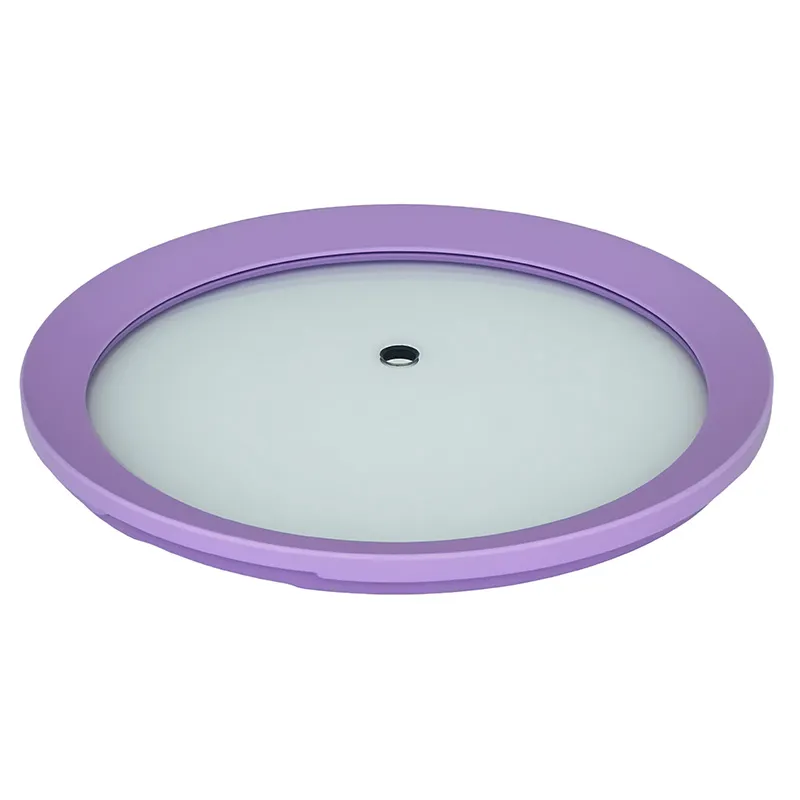
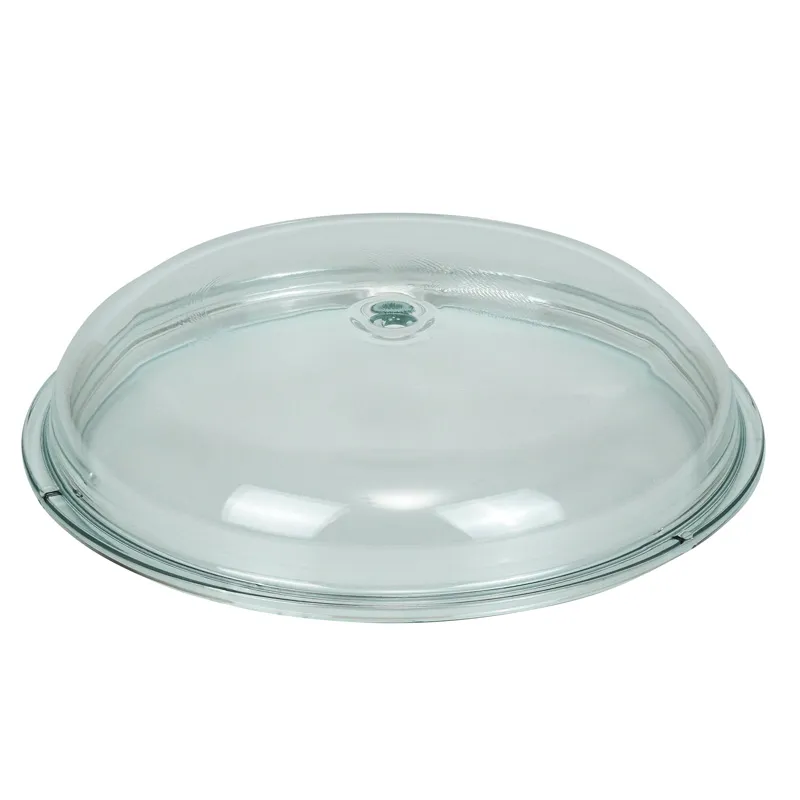
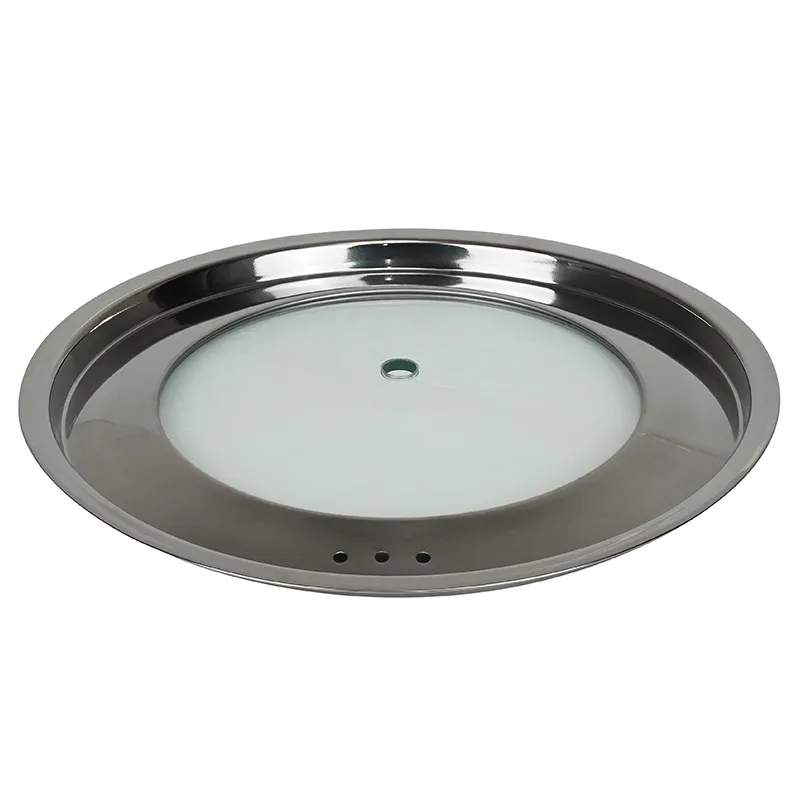
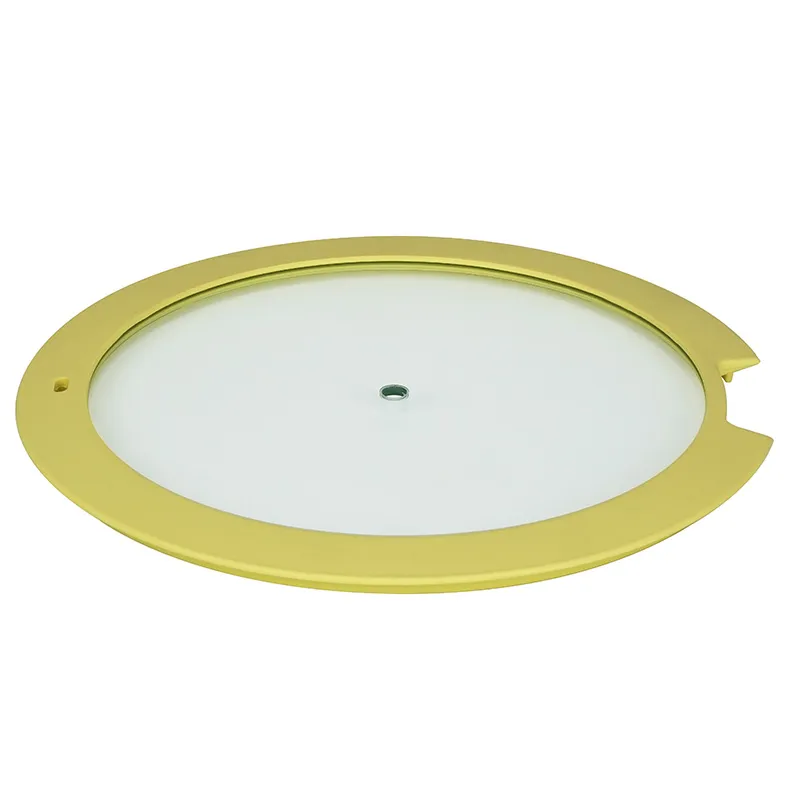
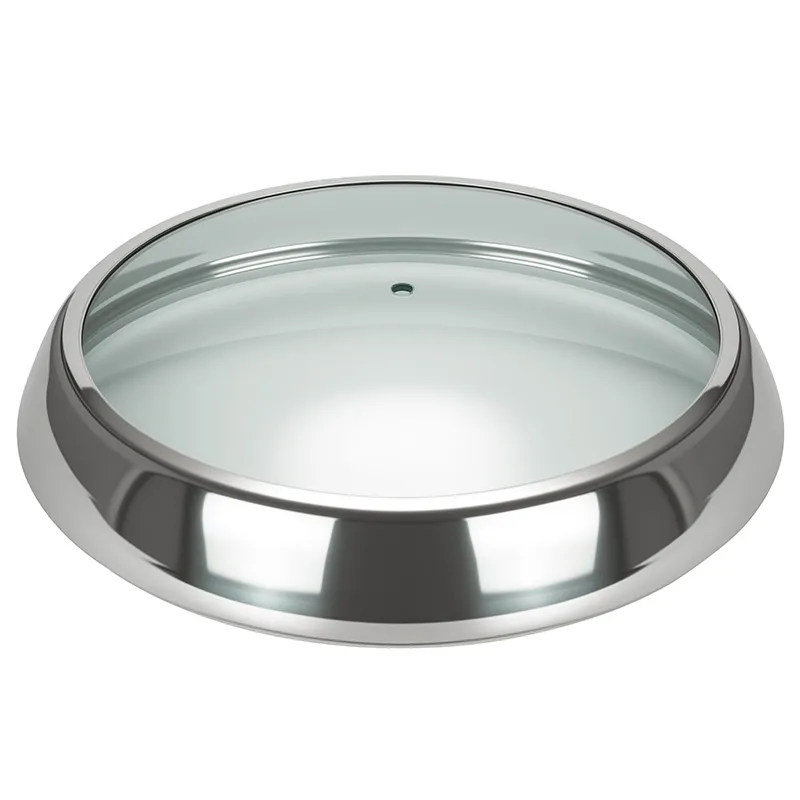
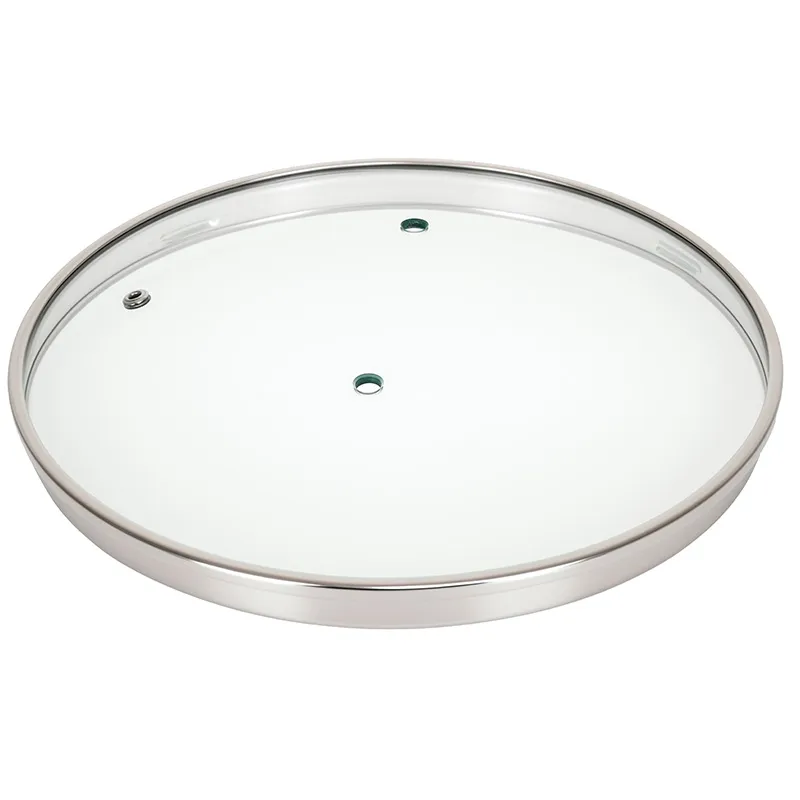
hawkins glass lid
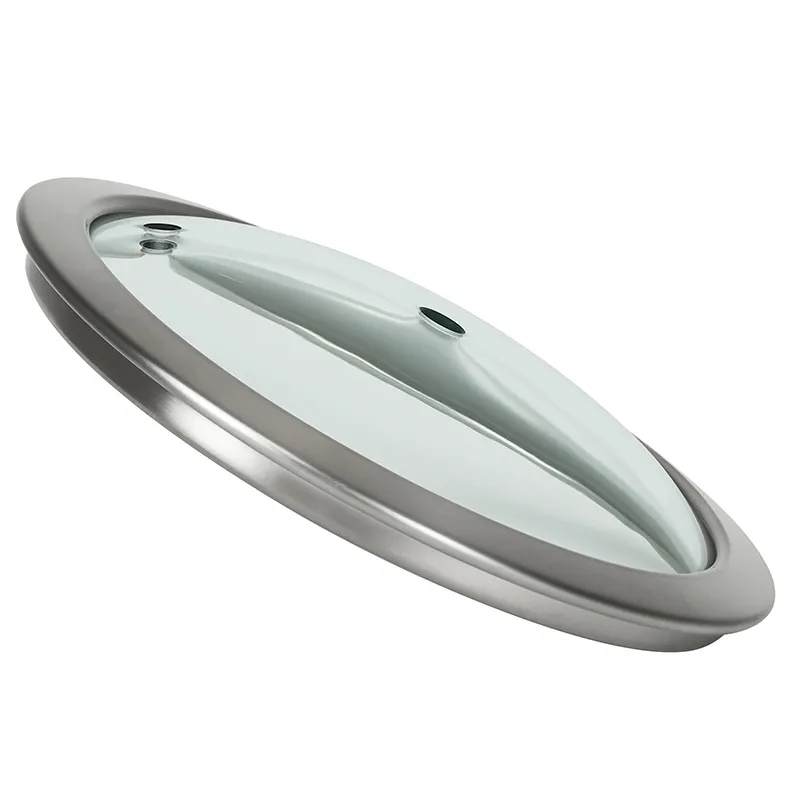
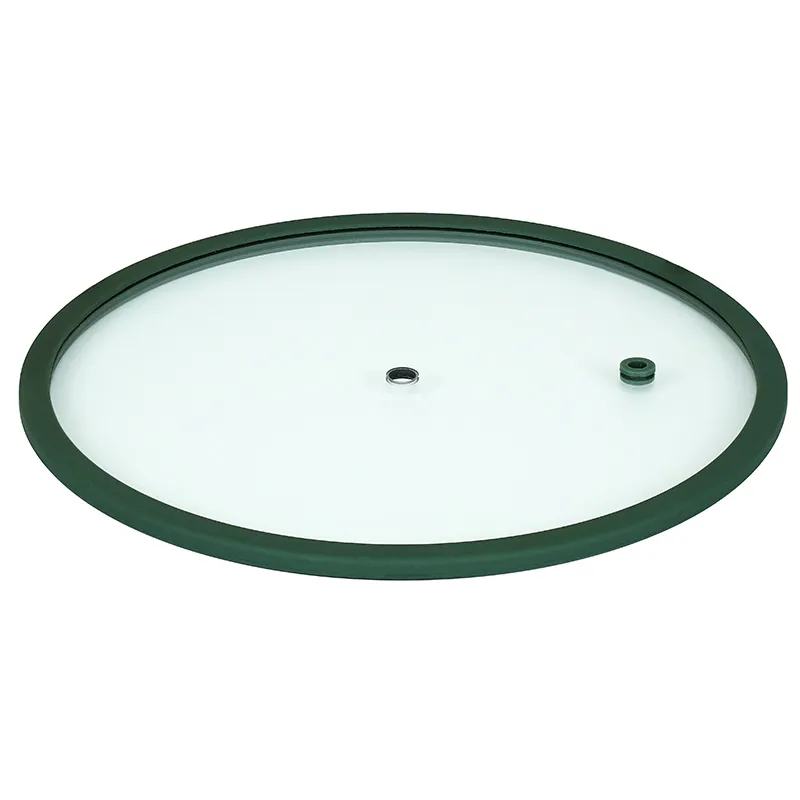
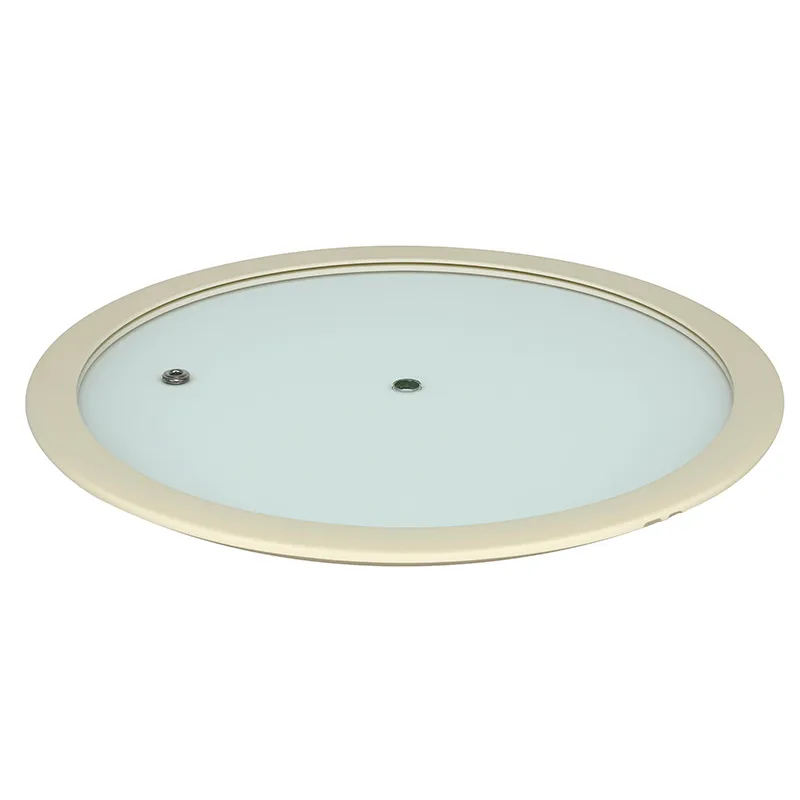
When most people hear 'Hawkins glass lid', they think of that classic, clear, often slightly domed piece sitting on a pressure cooker. It's become almost generic in some markets, a synonym for the category itself. But that's where the first misconception lies. In the trade, we don't just see a simple lid; we see a specific set of material tolerances, a thermal shock resistance rating, and a sealing geometry that's been iterated upon for decades. The assumption that all glass lids for pressure cookers are created equal is a quick way to end up with a warehouse full of returns. I've seen it happen.
The Material Reality: It's Not Just Glass
Let's get technical for a moment, but in a practical way. The core material is borosilicate glass, or at least it should be. The term gets thrown around loosely. True, pharmaceutical-grade borosilicate is overkill and cost-prohibitive for cookware. What we specify is a modified borosilicate composition that balances cost with performance—specifically, a coefficient of thermal expansion around 3.3 x 10^-6 /K. Why does this number matter? Because when you drop a hawkins glass lid onto a boiling pot, or pour cold water over it to quick-release pressure, that's the number standing between a intact lid and a catastrophic crack.
I recall a batch from a new supplier a few years back. The samples passed the standard 220°C to 20°C thermal shock test. But in real-world testing, we had a 15% failure rate when users did a cold-water quick-release on a full 15psi cooker. The lab analysis showed the composition was off—more soda-lime silicate than claimed. The expansion coefficient was nearly double the spec. The lids couldn't handle the localized, rapid temperature gradient. That's the difference between a spec sheet and real kitchen physics.
This is where a manufacturer's base matters. A company like EUR-ASIA COOKWARE CO.,LTD, with their dedicated production base in Taian, typically has tighter control over their raw material sourcing and melting process. They're not just buying cut glass circles from a commodity market; they're overseeing the formula from the batch house. Their stated annual output of over 15 million pieces of tempered glass lid suggests a scale that demands consistency in the glass itself. You can't run that volume with variable material.
Tempering: The Invisible Armor
Tempering is the non-negotiable step. It's what gives the glass lid its safety characteristic, causing it to fracture into small, granular pieces instead of sharp shards. But the tempering process for a lid isn't the same as for a flat glass panel. The curvature, the handle hole, the rim thickness—all of these affect how the heated glass is quenched by air jets.
The most common flaw we see is uneven surface compression. If the air jets aren't calibrated for the specific lid profile, you get weak spots. You might pass a standard impact test hitting the center, but a tap from a metal spoon on the edge could cause a spontaneous break days later. It's a latent defect. I've spent hours on factory floors with engineers, mapping air pressure profiles across different lid diameters and dome heights. It's a subtle art.
Looking at EUR-ASIA's operation—15,000 ㎡ of building area—that scale allows for dedicated tempering lines. They can afford to fine-tune the process for specific product lines, say, a lid for the European market versus one for South Korea, where local cooker brands might have slightly different flange designs. This specialization is critical. A one-size-fits-all tempering recipe is a compromise that shows up in failure rates.
The Handle & Seal Interface: Where Engineering Meets User Error
This is the part most DIY replacement guides get wrong. The handle isn't just a knob to lift with. On a genuine Hawkins or its compatible replacements, the handle assembly is part of the pressure system. It often houses the primary pressure release mechanism or a secondary safety valve port. The way the metal or phenolic handle is bonded to the glass is crucial. Epoxy alone fails under cyclic heat stress.
The robust method involves a mechanical interlock—a metal stem that passes through the glass hole, secured with a nut and washer, with a high-temp silicone gasket absorbing the differential expansion between metal and glass. I've dissected lids where aftermarket glue-on handles failed, causing the lid to lift unevenly and break the seal during cooking. Not just a nuisance, but a potential safety issue with pressurized steam.
When evaluating a supplier, I always ask for their handle attachment shear and torque test reports. A company exporting to Germany and Switzerland, markets with stringent GS certification requirements, like EUR-ASIA likely does, will have this data on hand. Their product page at https://www.glass-lid.com would be a logical place to detail these construction features, as it directly addresses professional buyers' concerns about durability and compliance.
Sizing and Compatibility: The Almost Fits Problem
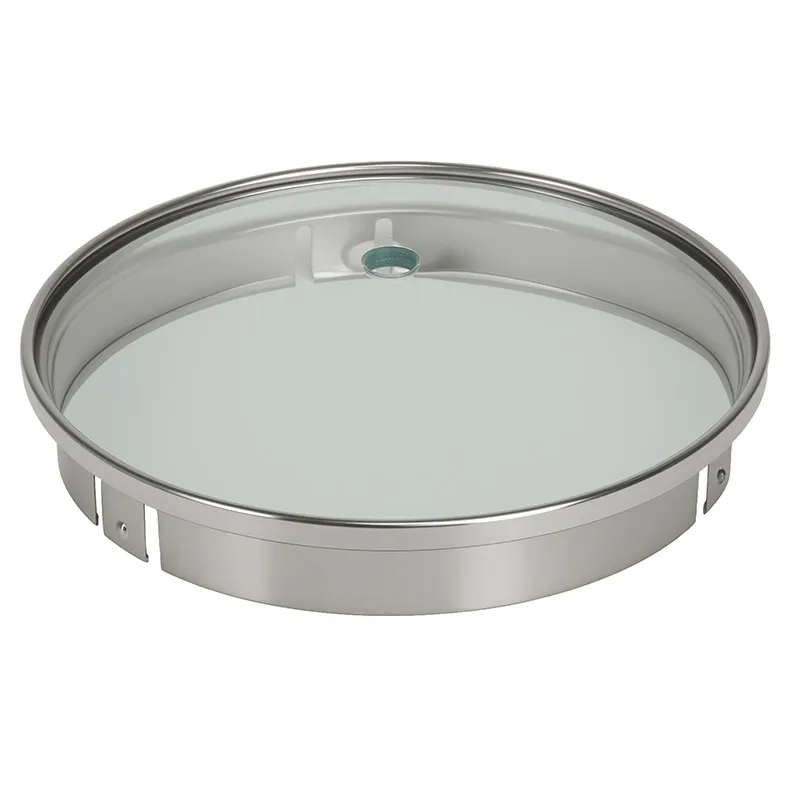
Here's a field headache: nominal diameter versus sealing diameter. A 24cm cooker doesn't necessarily take a 24cm lid. The critical measurement is the inner diameter of the cooker's rim channel where the lid's rubber gasket sits. We've had situations where a lid was a mere 1.5mm undersized. It seemed to sit fine, but under pressure, it would walk or vibrate, leading to steam leakage and inconsistent cooking.
Manufacturers need extensive compatibility libraries. This is where a supplier's export history becomes an asset. Selling to Italy, France, Brazil, Turkey, and Japan, as EUR-ASIA notes, means they've had to catalog the subtle differences in rim designs from brands like Lagostina, Magefesa, or local market leaders. They develop families of lid profiles. A good supplier won't just sell you a 24cm lid; they'll ask, For which brand and model of cooker?
This complexity is why the aftermarket is fragmented. A perfect hawkins glass lid replacement isn't just a glass disc. It's a system: the glass composition, the tempering profile, the handle attachment, and the precise outer rim contour. Missing one element gives you a product that fits but doesn't perform.
The Economics of Scale and the Export Game
Producing 15 million lids a year isn't just about volume; it's about amortizing the cost of precision. The molds for the glass pressing, the custom tempering quilts, the automated inspection cameras—these are high capital costs. A small shop can't compete on consistency or price. This scale is what allows a company to serve as an OEM for major brands while also supplying the replacement market.
Their export focus, with over 90% of products shipped out, tells you about their quality threshold. Markets like Germany and Denmark have rigorous consumer goods standards. The lids have to withstand not just lab tests but also the expectations of informed consumers. A failure there means losing a whole distribution channel. This external pressure forces a level of quality control that a purely domestic-focused factory might not prioritize.
So, when you source a glass lid, you're not just buying a piece of glass. You're buying into a manufacturer's process maturity, their quality heritage, and their understanding of global market nuances. The price difference between a generic lid and a proper one isn't just markup; it's the cost of all the engineering and testing that prevents that lid from failing in a customer's kitchen. That's the real value of dealing with specialized producers who live and breathe this single, deceptively complex product.
Related Products
Related Products