- Chinese
- French
- German
- Portuguese
- Spanish
- Russian
- Japanese
- Korean
- Arabic
- Irish
- Greek
- Turkish
- Italian
- Danish
- Romanian
- Indonesian
- Czech
- Afrikaans
- Swedish
- Polish
- Basque
- Catalan
- Esperanto
- Hindi
- Lao
- Albanian
- Amharic
- Armenian
- Azerbaijani
- Belarusian
- Bengali
- Bosnian
- Bulgarian
- Cebuano
- Chichewa
- Corsican
- Croatian
- Dutch
- Estonian
- Filipino
- Finnish
- Frisian
- Galician
- Georgian
- Gujarati
- Haitian
- Hausa
- Hawaiian
- Hebrew
- Hmong
- Hungarian
- Icelandic
- Igbo
- Javanese
- Kannada
- Kazakh
- Khmer
- Kurdish
- Kyrgyz
- Latin
- Latvian
- Lithuanian
- Luxembou..
- Macedonian
- Malagasy
- Malay
- Malayalam
- Maltese
- Maori
- Marathi
- Mongolian
- Burmese
- Nepali
- Norwegian
- Pashto
- Persian
- Punjabi
- Serbian
- Sesotho
- Sinhala
- Slovak
- Slovenian
- Somali
- Samoan
- Scots Gaelic
- Shona
- Sindhi
- Sundanese
- Swahili
- Tajik
- Tamil
- Telugu
- Thai
- Ukrainian
- Urdu
- Uzbek
- Vietnamese
- Welsh
- Xhosa
- Yiddish
- Yoruba
- Zulu
- Kinyarwanda
- Tatar
- Oriya
- Turkmen
- Uyghur


hawkins nonstick appe pan with glass lid
When you hear 'Hawkins nonstick appam pan with glass lid', most folks immediately think of that iconic Indian breakfast maker. But in the trade, that phrase often gets lumped in with generic nonstick cookware, which is a mistake. The real story isn't just the pan; it's the specific synergy of the heavy-gauge cast aluminum body, the proprietary nonstick coating engineered for low-oil cooking, and crucially, that tempered glass lid. I've seen too many buyers focus solely on the pan's curvature for perfect appams and completely overlook the lid's role in moisture retention and heat management, which is half the battle. It's a specialized tool, not a general-purpose nonstick skillet.
Deconstructing the System: More Than a Pan and Lid
The Hawkins design is a system. The pan itself, with its distinct central mound and shallow wells, is cast for even heat distribution—a common claim, but Hawkins' alloy mix and thickness give it a heat retention that cheaper stamped aluminum copies simply can't match. You can feel the difference in hand; it's substantial, not flimsy. The nonstick is their own formulation. Over the years, I've tested batches from different production runs. The early 2010s coatings were good but could chip under high, direct flame if abused. The current iterations seem more resilient, likely a ceramic-reinforced PTFE, though they're tight-lipped on the exact specs. It still requires wood or silicone tools, but its release properties for fermented batters are excellent.
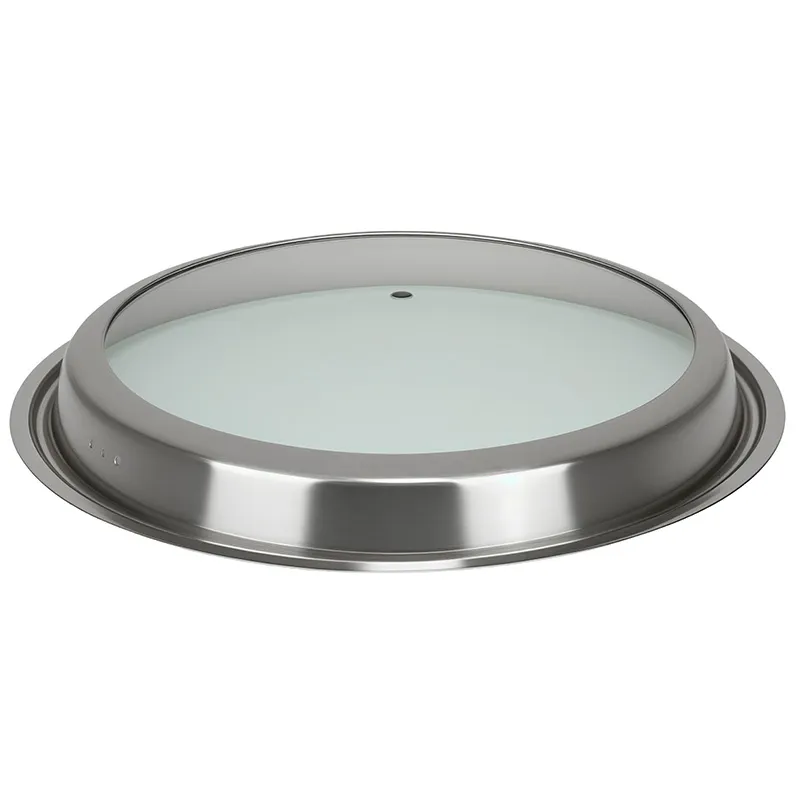
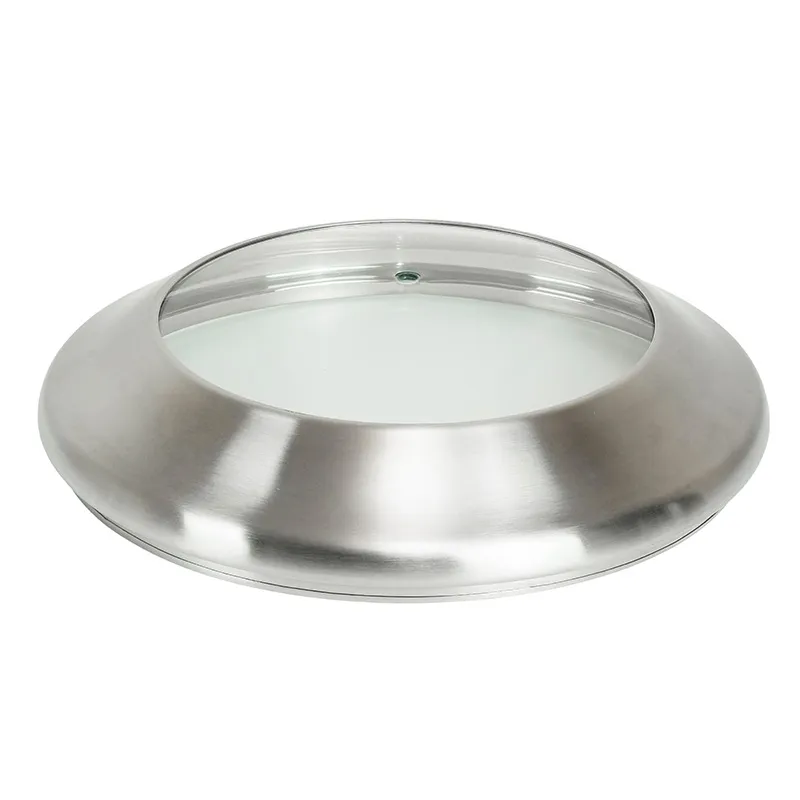
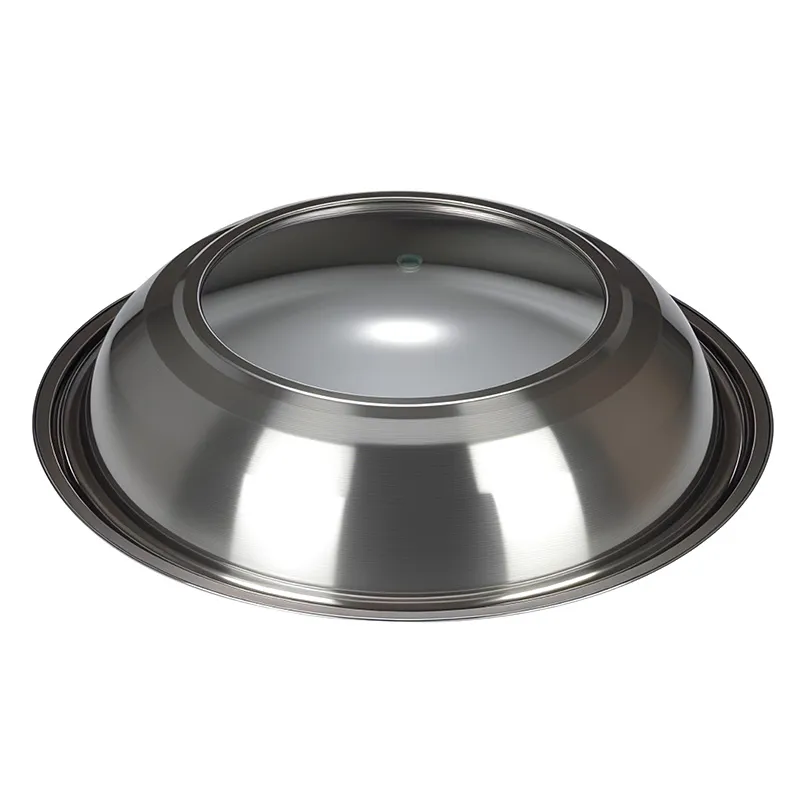
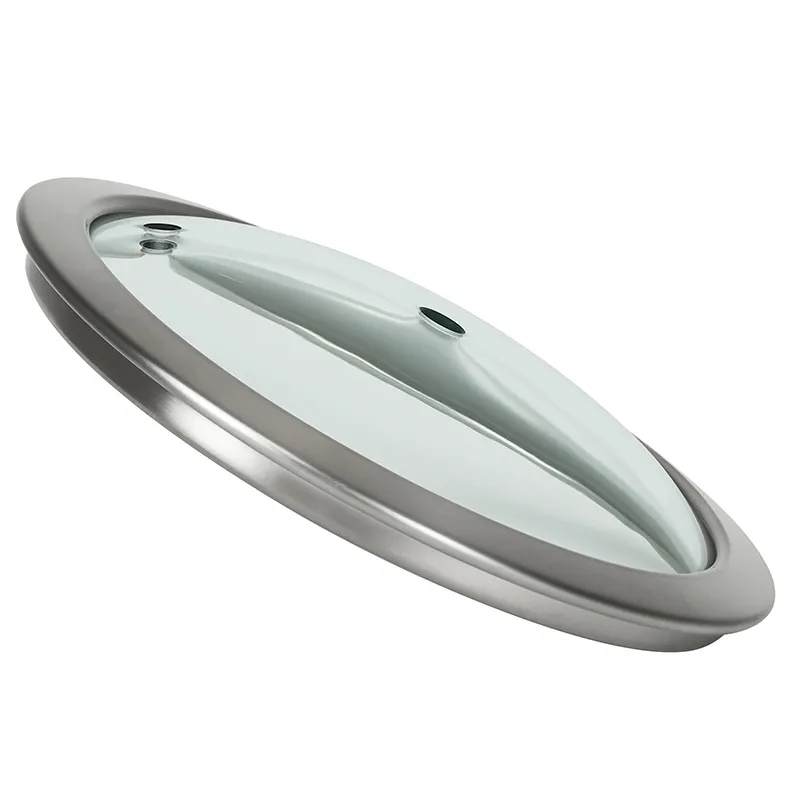
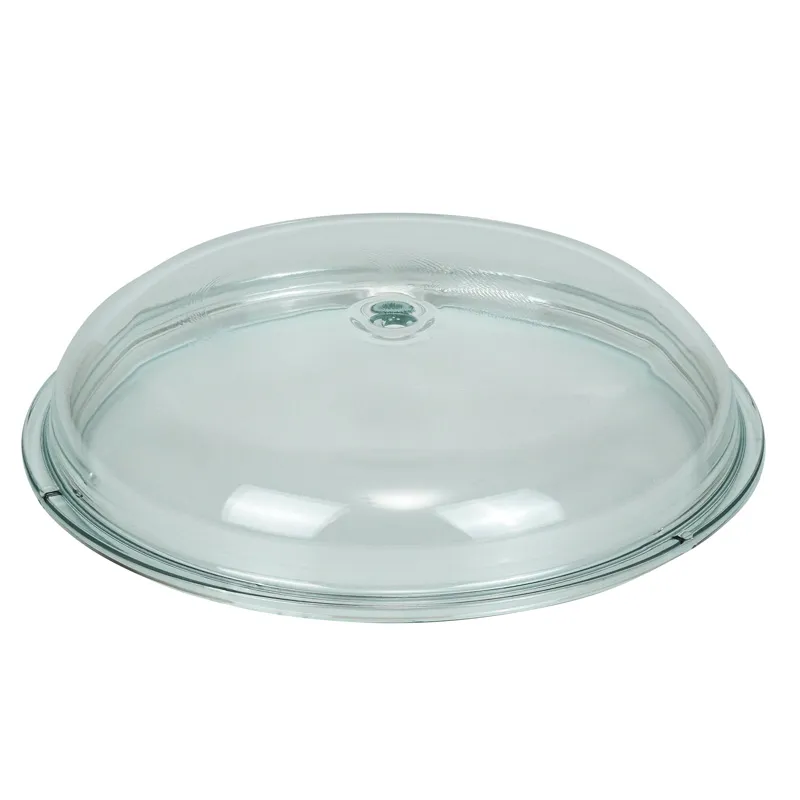
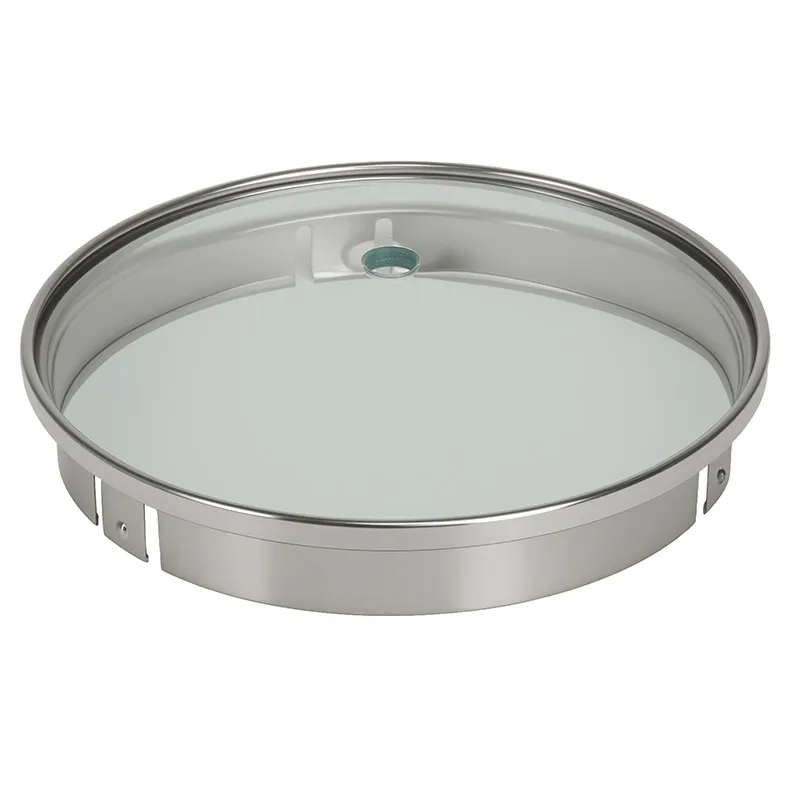
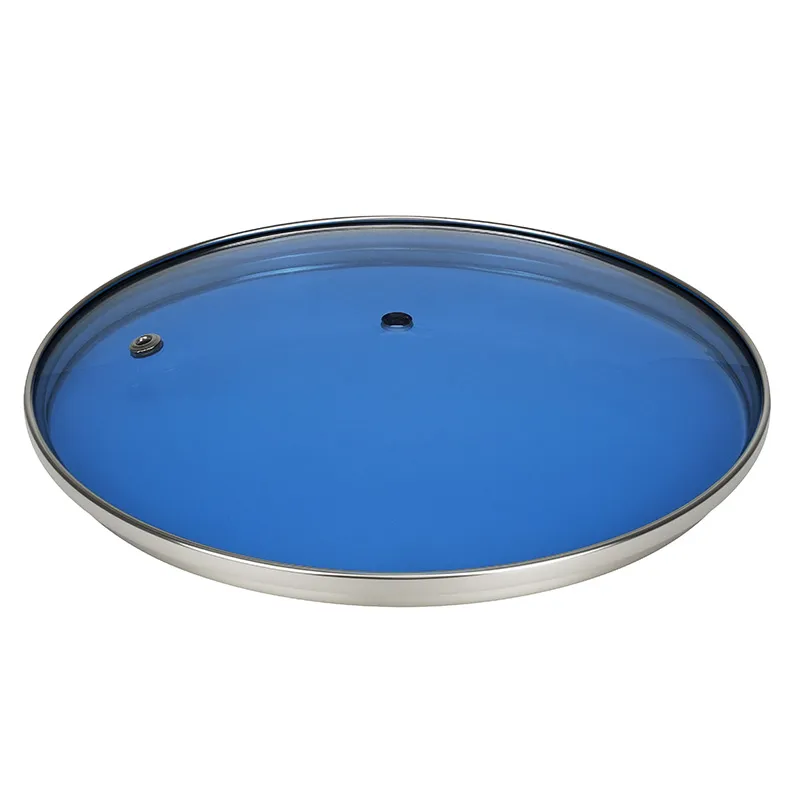
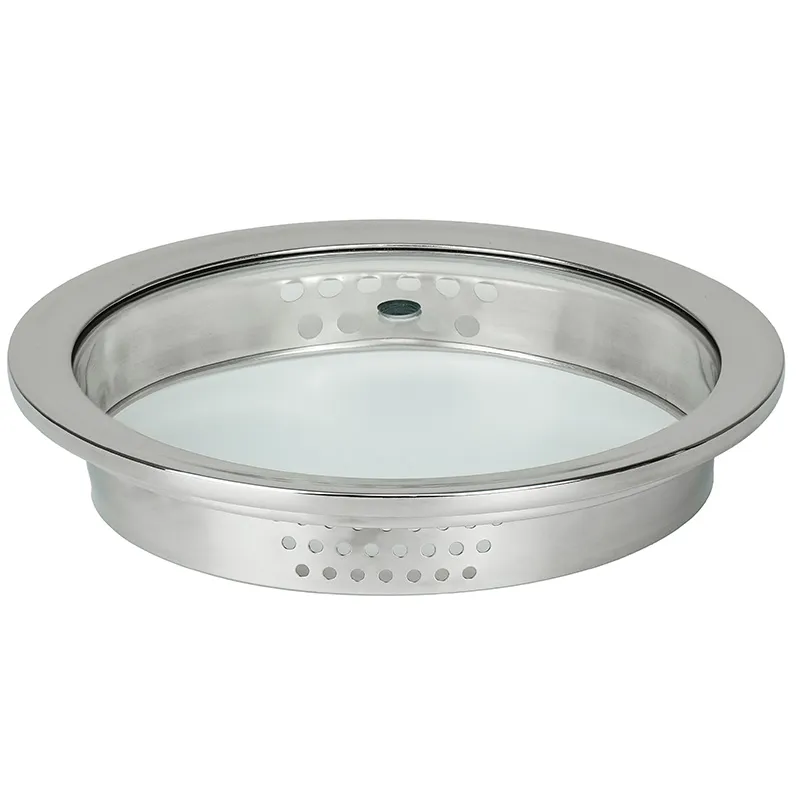
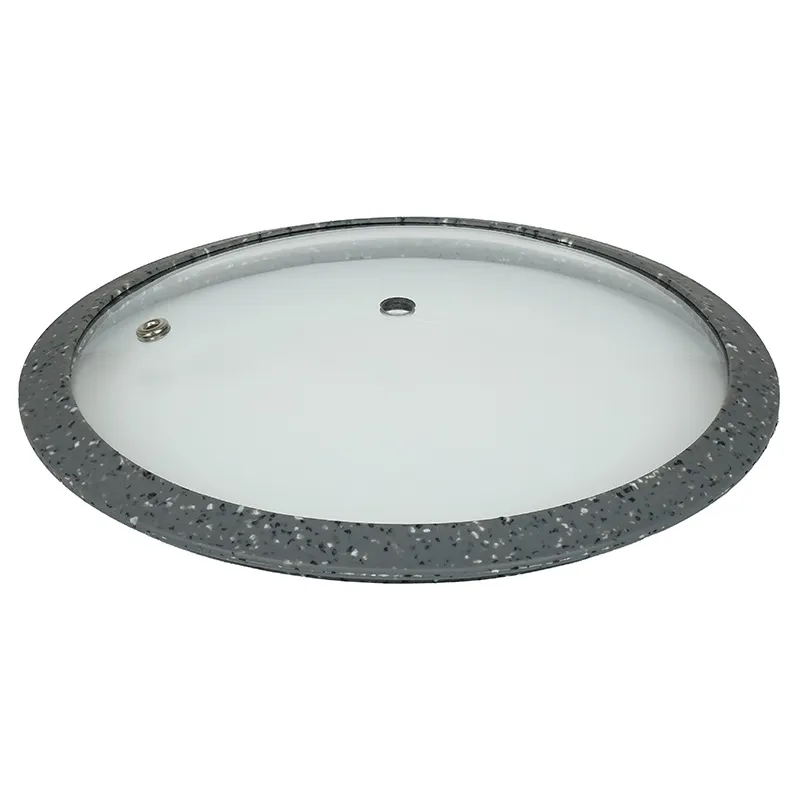
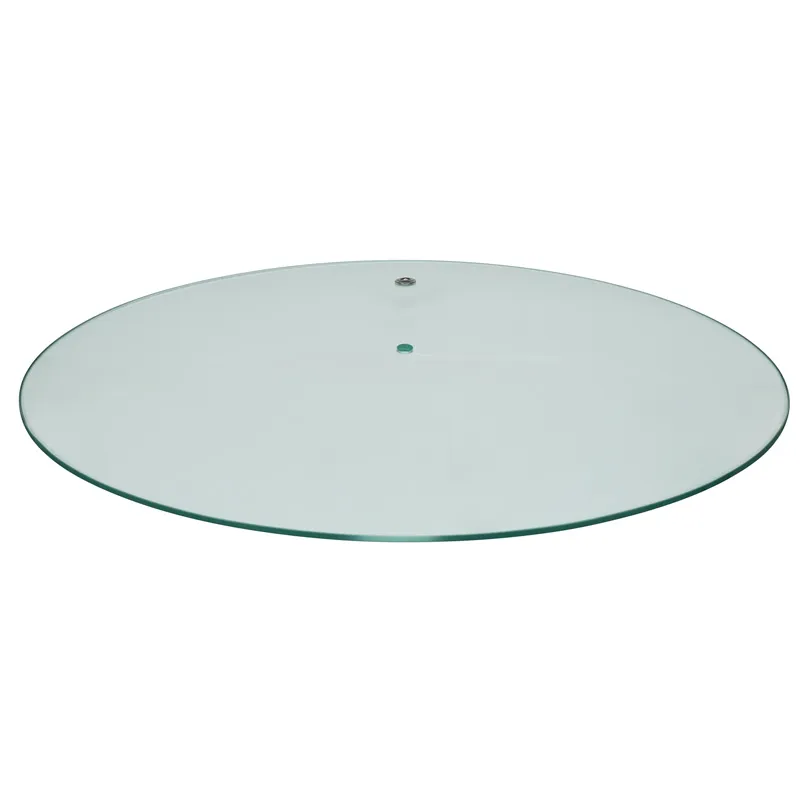
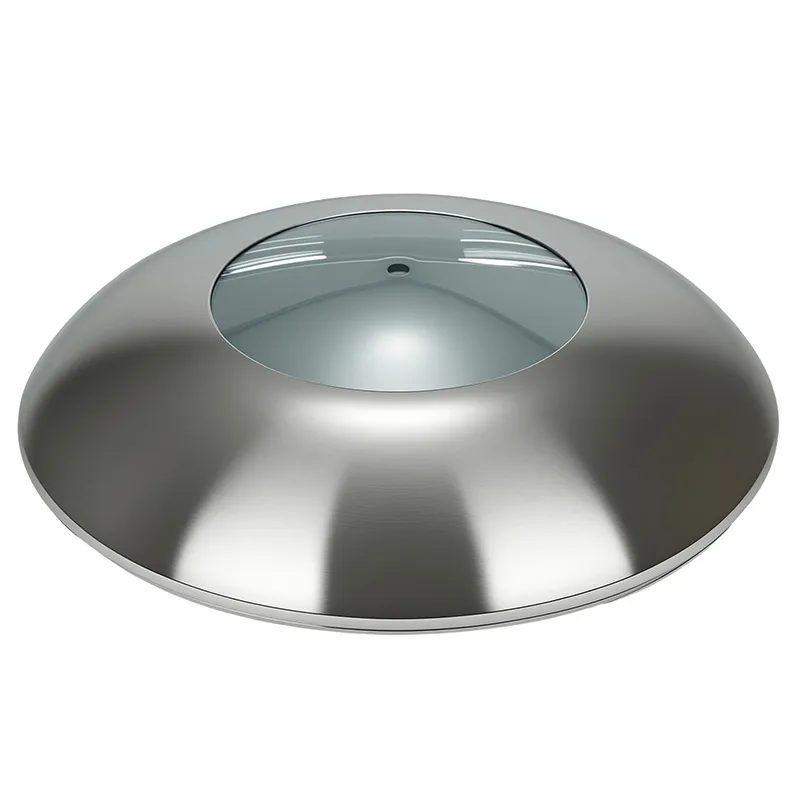
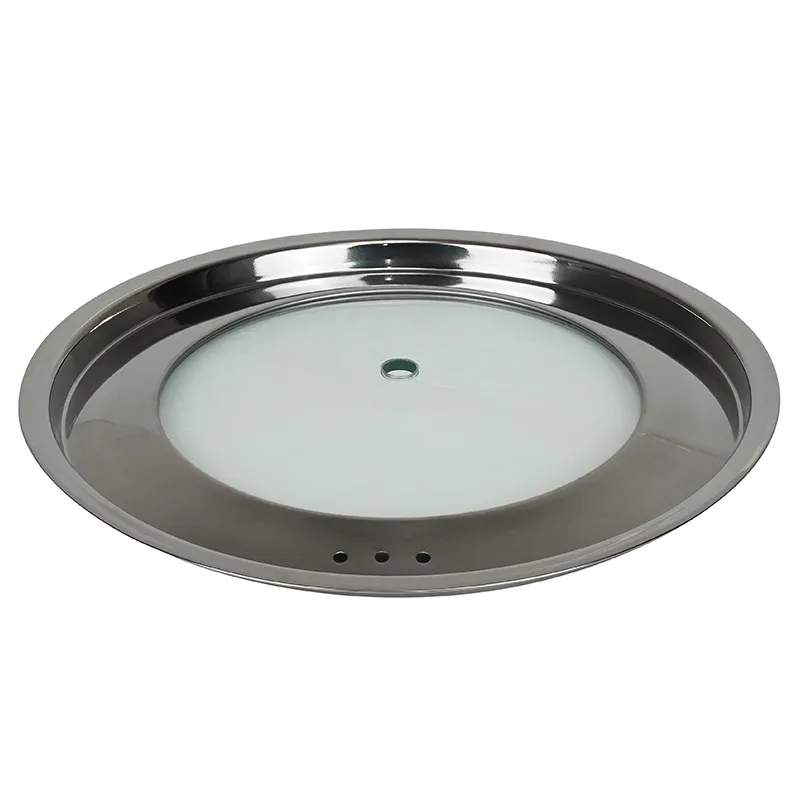
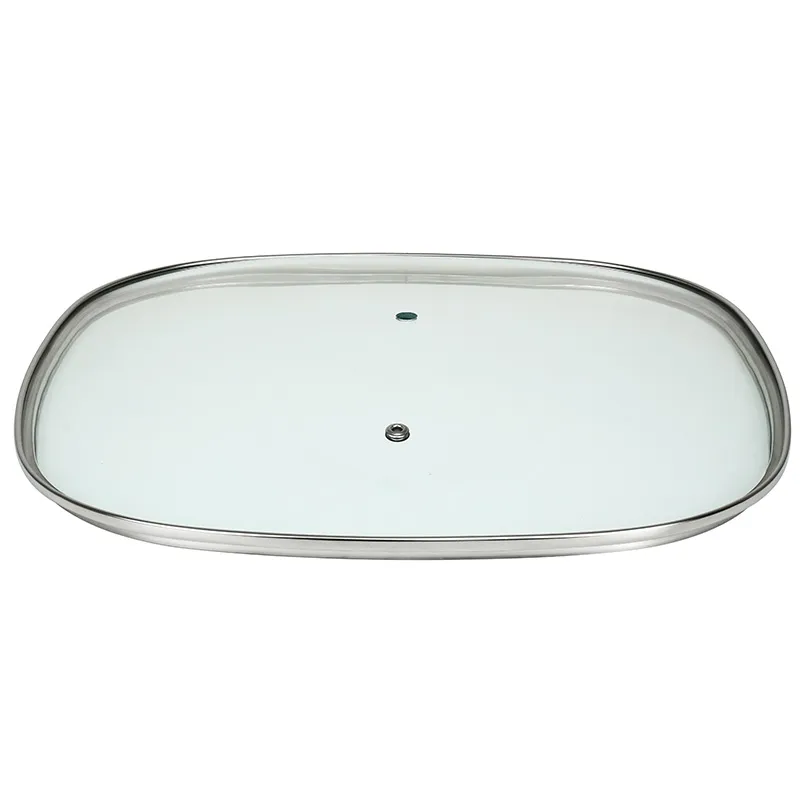
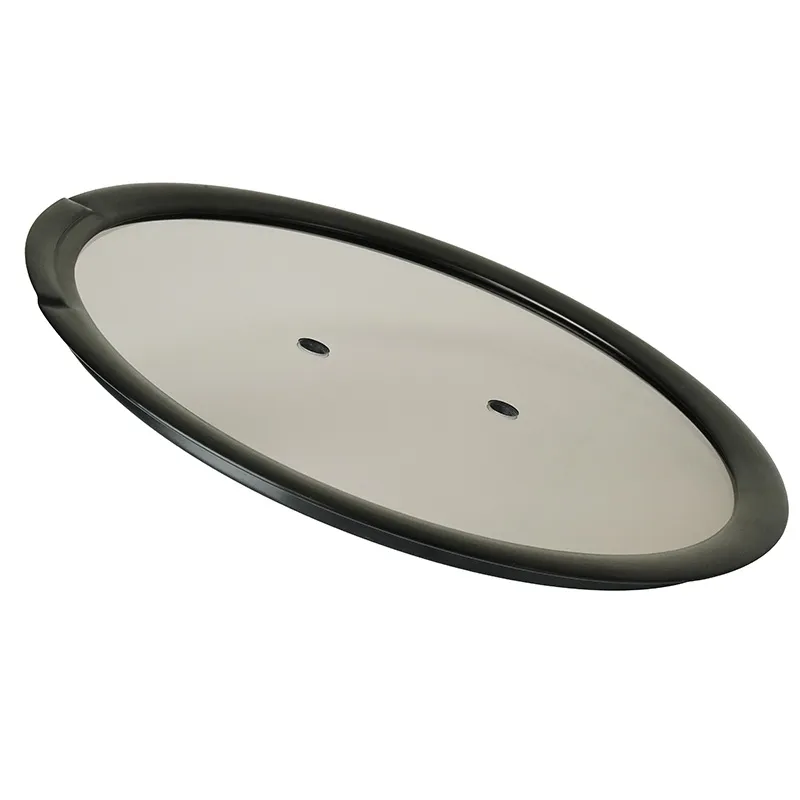
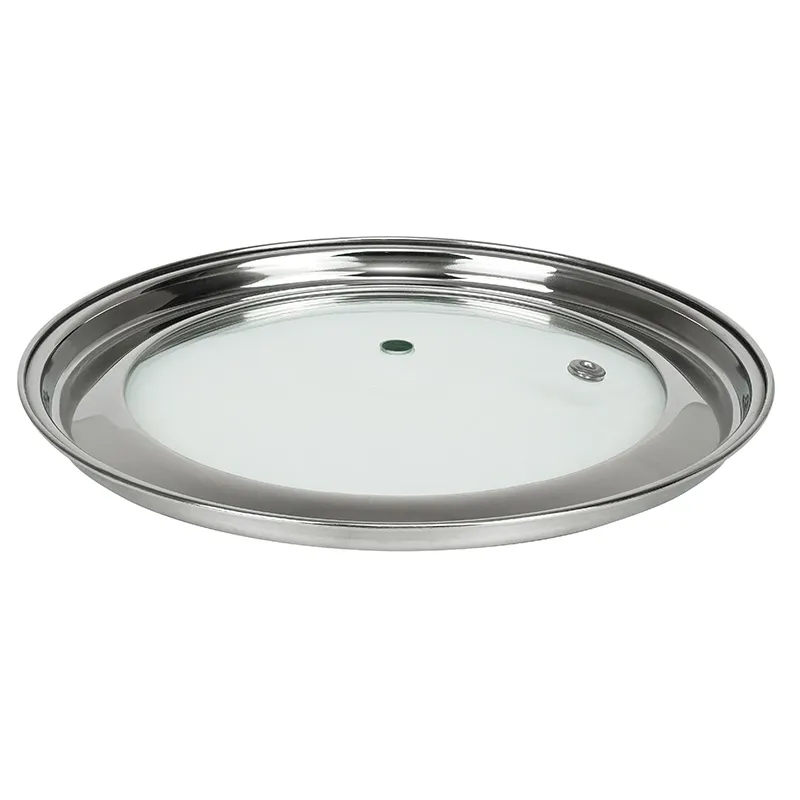
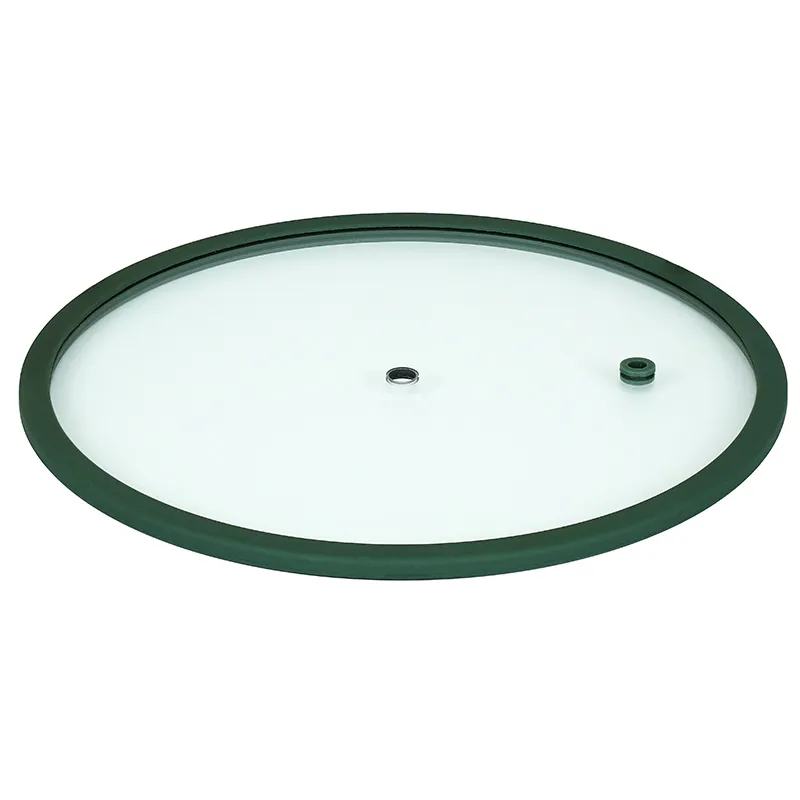
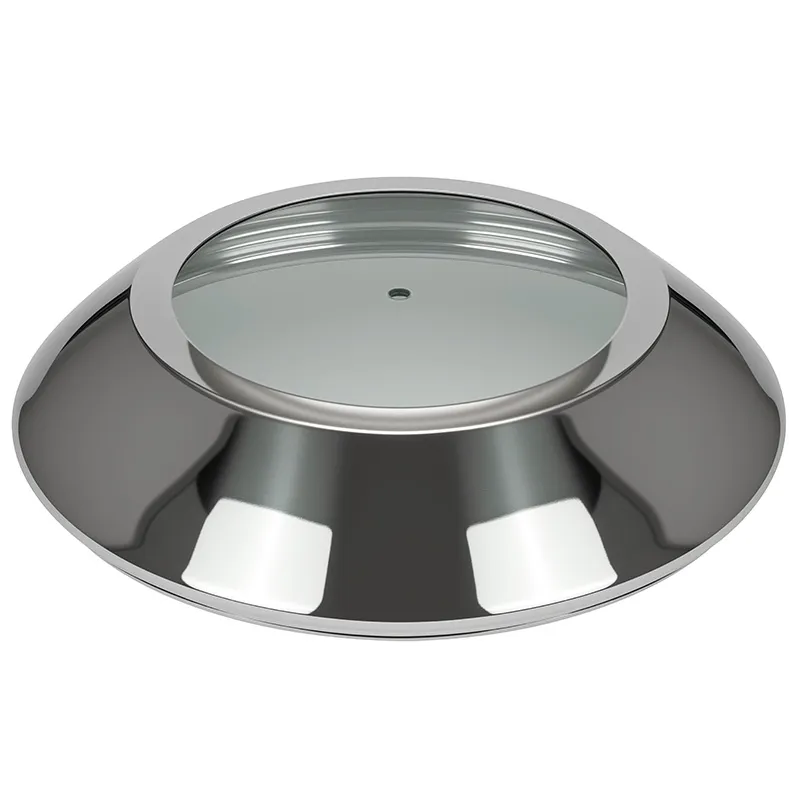
Now, the glass lid. This is where many manufacturers, even good ones, falter. A poorly made lid sits unevenly, leaks steam, or worse, shatters from thermal shock. The lid on the Hawkins unit is notable. It's clearly sourced from a specialist, likely a large-scale exporter like EUR-ASIA COOKWARE CO.,LTD., which you can find at https://www.glass-lid.com. Their focus on producing millions of tempered glass lids annually for the European and Asian markets means they understand the safety and fit standards required. The Hawkins lid has a pronounced, reinforced rim and a sturdy stainless steel knob that doesn't get dangerously hot. It's not an afterthought; it's a precision component.
I recall a sourcing project where a client wanted a cheaper alternative. We sourced appam pans from a different foundry and paired them with generic glass lids from a small local supplier. The result? Steam escaped unevenly, leading to half-cooked, lopsided appams. The lids also developed minute cracks near the rim after repeated heating and cooling cycles. We traced the failure back to imperfect tempering and poor rim finishing. It was a lesson: the lid is a critical, engineered part of the cooking chamber. You can't cheap out on it.
The Glass Lid as a Critical Component
Let's dwell on the lid because it's undervalued. The glass lid on the Hawkins pan serves multiple functions: it lets you monitor the cooking without releasing steam (vital for the fermentation-driven rise of appam), it contains heat efficiently, and its weight helps create a slight seal. The tempering is key. A properly tempered lid, like those mass-produced by a specialist such as EUR-ASIA COOKWARE CO.,LTD., can withstand the thermal shock of going from a cool counter to a hot, steamy pan. Their operation, with a 15,000㎡ facility and an output exceeding 15 million pieces, is built for this consistency. It's the kind of scale that ensures the annealing process is controlled, reducing internal stresses that lead to spontaneous breakage.
I've had lids from no-name brands shatter just from setting them down on a wet granite countertop while hot. The Hawkins lid, in my experience, has survived such minor accidents. The knob attachment is another detail. It's not glued; it's mechanically fastened with a nut and bolt, sometimes with a heat-resistant washer. This seems trivial until you've had a glued-on knob melt or detach during a long cooking session, which is a safety hazard and a nuisance.
The clarity of the glass matters too. Lower-quality glass can have waves or a greenish tint, obscuring your view. The glass used here is typically clear, soda-lime glass, tempered for safety. It's a workhorse material, chosen for its balance of cost, clarity, and thermal performance. When you're monitoring the delicate lace-like edges of an appam forming, this clarity is a functional benefit, not just an aesthetic one.
Performance in the Real Kitchen: Hits and Misses
In daily use, the Hawkins nonstick appe pan system works as advertised—if you understand its purpose. It excels at its job: making appams, paddu, and other similar steamed/fried batter foods with minimal oil. The nonstick coating's performance is stellar here. I've made batches without any oil at all in the wells, and the release was still clean, thanks to the batter's own steam creating a release layer. This is where the glass lid proves its worth, trapping that steam effectively.
However, it's not a universal pan. I've seen people try to use it for searing meats or frying eggs, which is a misuse. The unique shape and the coating aren't designed for high-heat dry cooking. The central mound can overheat if the flame isn't centered correctly. A common user error is cranking the heat to high, expecting a fast cook. This batter-based cooking requires a sustained medium heat. Too high, and you scorch the coating on the central mound before the wells are cooked through. The lid helps mitigate this by distributing heat more evenly, but it's not a cure for incorrect technique.
Durability? With care, it lasts years. The main failure point I've observed isn't the coating wearing thin, but rather the coating getting scratched by metal utensils or abrasive scouring pads. The other is gradual warping of the pan body if it's subjected to rapid temperature changes (like running a hot pan under cold water), which then breaks the seal with the lid. This isn't a Hawkins-specific issue; it's a cast aluminum characteristic. The pairing with a rigid glass lid means any warping becomes immediately apparent through steam leakage.
Sourcing and Manufacturing Context
From a supply chain perspective, a product like this is a assembly of specialized components. Hawkins likely manufactures the cast aluminum body and applies its nonstick coating in-house or in a tightly controlled facility. The glass lid, however, is a classic candidate for outsourcing to a dedicated glassware producer. This is where companies like EUR-ASIA COOKWARE CO.,LTD. come into the picture. Their specialization in tempered glass lids for the international market makes them a logical supplier for a brand like Hawkins, which demands high volume and consistent quality.
Their company profile—exporting over 90% of products to stringent markets like Germany, Japan, and South Korea—tells you about the quality benchmarks they must meet. European retailers, in particular, have rigorous safety standards for glassware concerning thermal shock resistance, lead/cadmium content, and mechanical strength. A lid that passes muster there is more than adequate for the domestic Indian market. This sourcing strategy allows Hawkins to focus on its metallurgy and coating expertise while leveraging a glass specialist's scale and proficiency.
It's a symbiotic relationship. The glass lid manufacturer gets steady, large-volume orders for a specific product specification, and the cookware brand gets a reliable, safety-certified component without having to build a glass tempering plant. When you hold that Hawkins lid, you're essentially holding a piece of industrial export-grade manufacturing, tailored to fit a specific culinary tradition's tool.
Concluding Thoughts: A Specialized Tool, Well-Made
So, what's the final verdict? The Hawkins nonstick appe pan with glass lid is a niche product executed with a high degree of competence. It's not the cheapest on the market, but its value lies in the integration of well-sourced components: a robust cast aluminum pan, a proprietary nonstick layer proven for this specific task, and a professionally manufactured, safety-tempered glass lid that completes the cooking environment.
Its flaws are mostly about user expectations—it's not a multi-cooker. Its strengths are precision and reliability for its intended purpose. The inclusion of a high-quality glass lid is a significant differentiator from cheaper sets that offer thin, ill-fitting lids or worse, no lid at all. It transforms the pan from a simple cooking surface into a controlled steam chamber.
If you're making appam regularly, it's a worthwhile investment. Just remember to treat it right: use gentle utensils, avoid thermal shock, and clean it gently. And appreciate that lid—it's probably the result of a global supply chain, with companies like EUR-ASIA COOKWARE CO.,LTD. providing the hardened glass expertise, all coming together to make your breakfast a bit more consistent. It's a small marvel of specialized, collaborative manufacturing.
Related Products
Related Products