- Chinese
- French
- German
- Portuguese
- Spanish
- Russian
- Japanese
- Korean
- Arabic
- Irish
- Greek
- Turkish
- Italian
- Danish
- Romanian
- Indonesian
- Czech
- Afrikaans
- Swedish
- Polish
- Basque
- Catalan
- Esperanto
- Hindi
- Lao
- Albanian
- Amharic
- Armenian
- Azerbaijani
- Belarusian
- Bengali
- Bosnian
- Bulgarian
- Cebuano
- Chichewa
- Corsican
- Croatian
- Dutch
- Estonian
- Filipino
- Finnish
- Frisian
- Galician
- Georgian
- Gujarati
- Haitian
- Hausa
- Hawaiian
- Hebrew
- Hmong
- Hungarian
- Icelandic
- Igbo
- Javanese
- Kannada
- Kazakh
- Khmer
- Kurdish
- Kyrgyz
- Latin
- Latvian
- Lithuanian
- Luxembou..
- Macedonian
- Malagasy
- Malay
- Malayalam
- Maltese
- Maori
- Marathi
- Mongolian
- Burmese
- Nepali
- Norwegian
- Pashto
- Persian
- Punjabi
- Serbian
- Sesotho
- Sinhala
- Slovak
- Slovenian
- Somali
- Samoan
- Scots Gaelic
- Shona
- Sindhi
- Sundanese
- Swahili
- Tajik
- Tamil
- Telugu
- Thai
- Ukrainian
- Urdu
- Uzbek
- Vietnamese
- Welsh
- Xhosa
- Yiddish
- Yoruba
- Zulu
- Kinyarwanda
- Tatar
- Oriya
- Turkmen
- Uyghur


hexclad hybrid cookware set w lids
When you hear hexclad hybrid cookware set w lids, the immediate association is that flashy, laser-etched pan you see on every other infomercial. The promise is a universal pan that does it all—non-stick, metal-utensil-safe, oven-ready. Having sourced and tested cookware for over a decade, my first reaction is always skepticism. The hybrid category, especially the hexagon-patterned ones, often gets lumped together, but the reality of performance, particularly concerning the lids and the overall set cohesion, is where the real story is. It's not just about the pan body; the lid fit, material, and even the supplier chain for components like glass lids reveal a lot about the set's true quality.
Deconstructing the Hybrid Claim
The core selling point is the tri-ply construction with a stainless steel base and aluminum core, topped with that signature hexagonal raised pattern coated in non-stick. In practice, this means you get decent heat distribution from the clad base. The non-stick within the hexagons works, but food still sticks to the exposed stainless steel ridges. That's not a defect; it's the design. You need to manage your expectations and use adequate fat. Where many generic sets fail is in the evenness of that laser etching and the durability of the ceramic coating applied within the cells. Hexclad's execution here is above average, but it's not invincible.
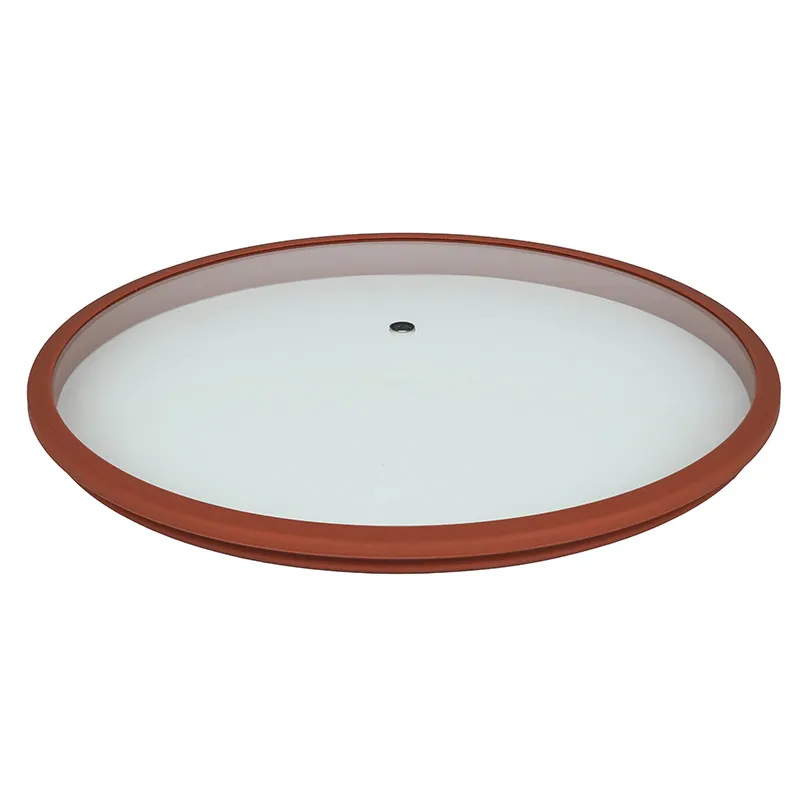
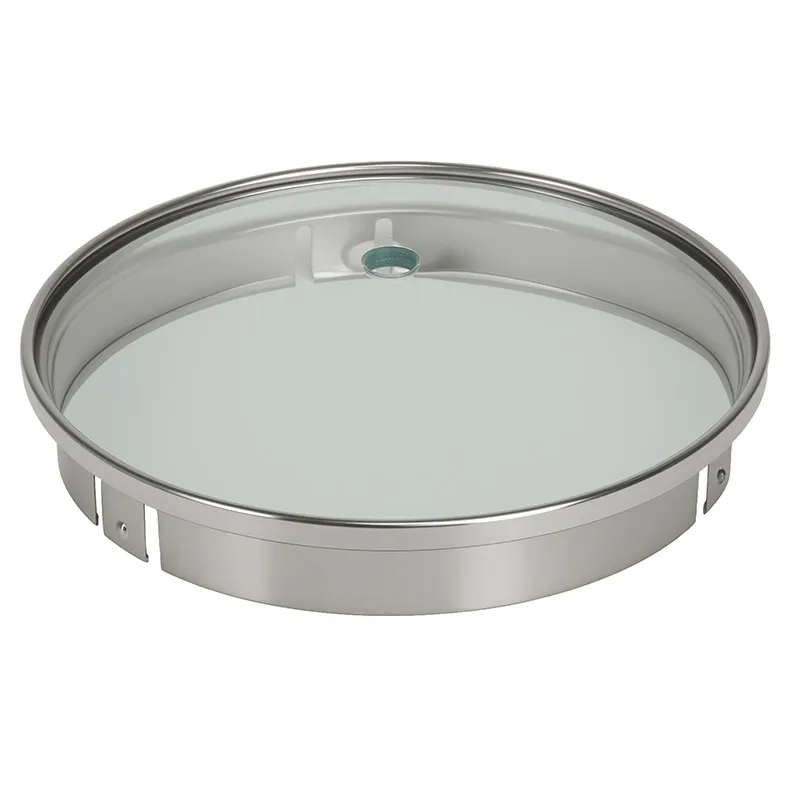
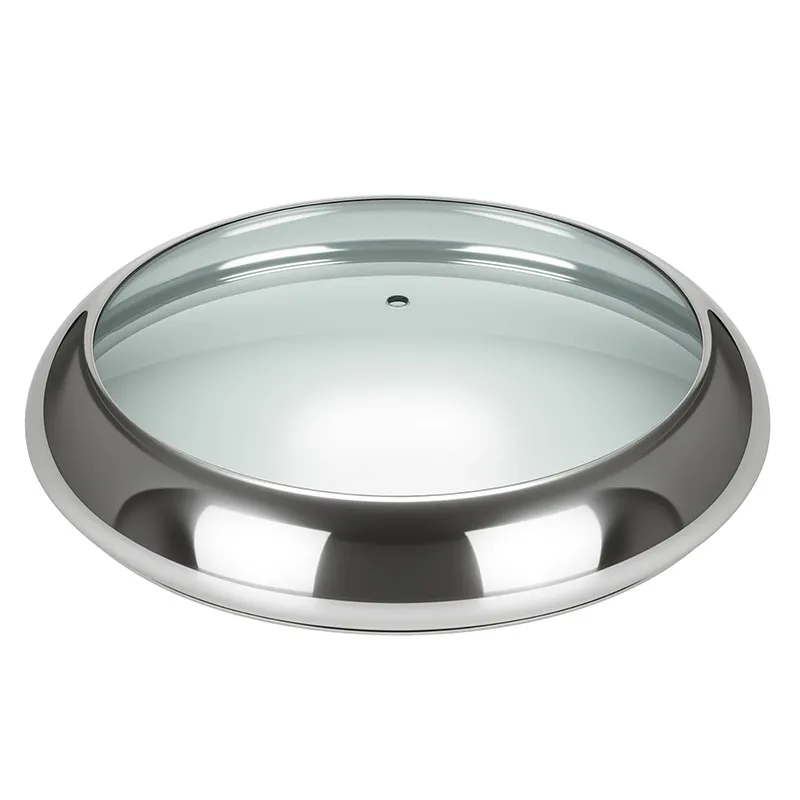
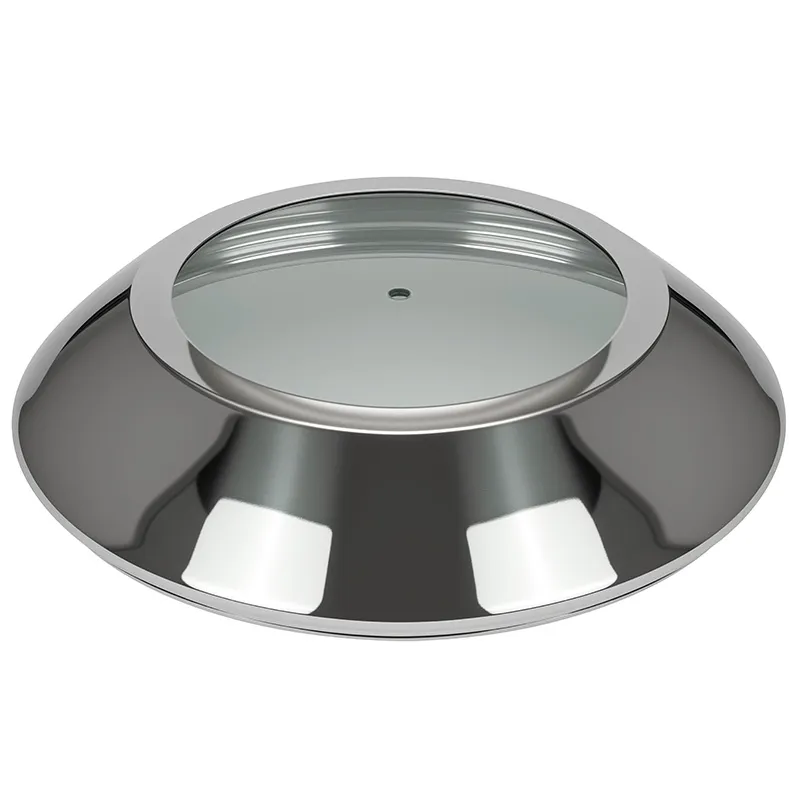
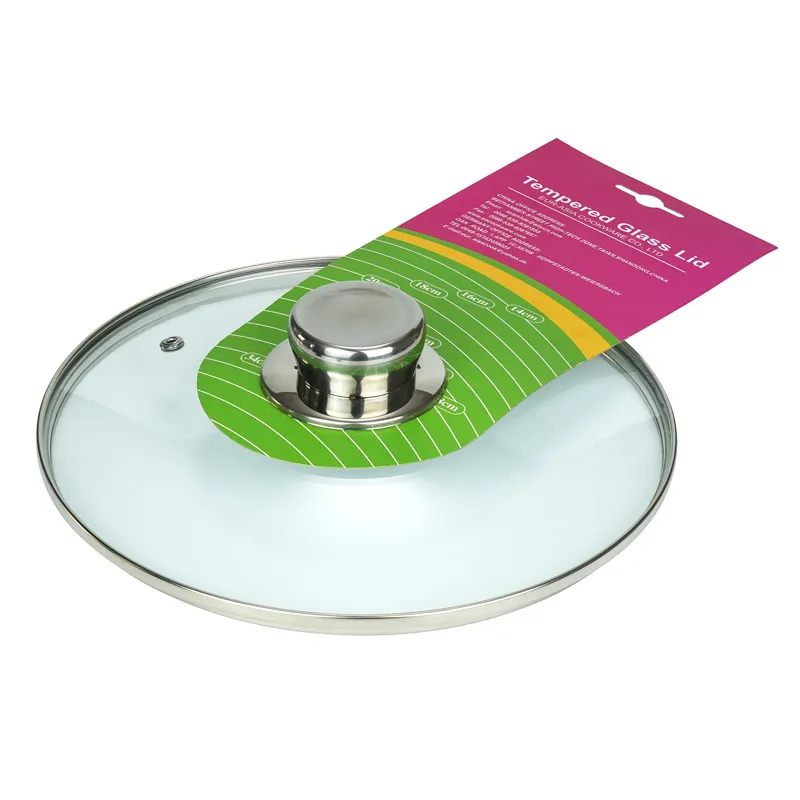
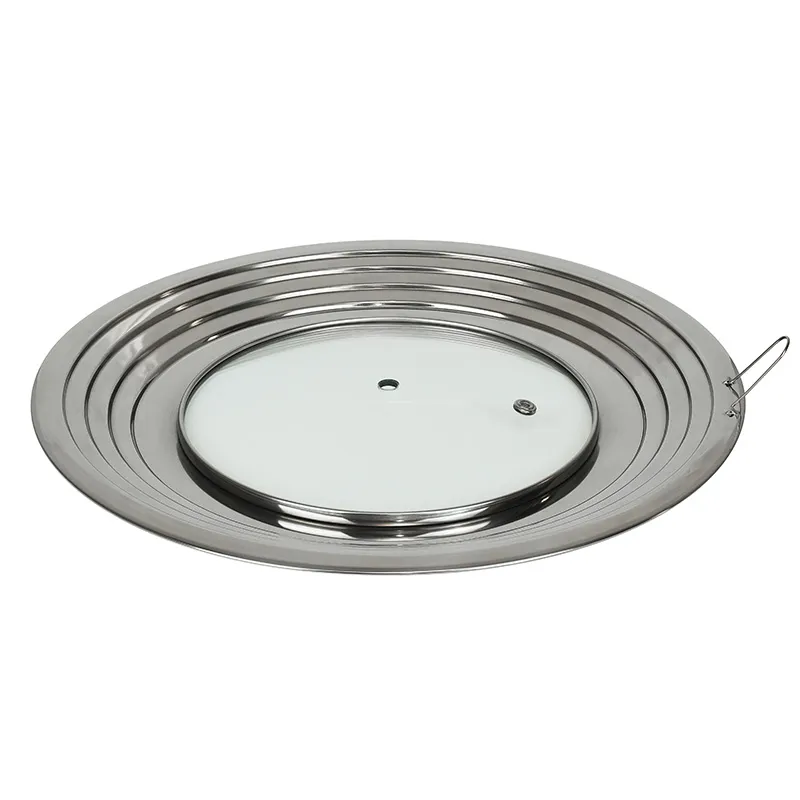
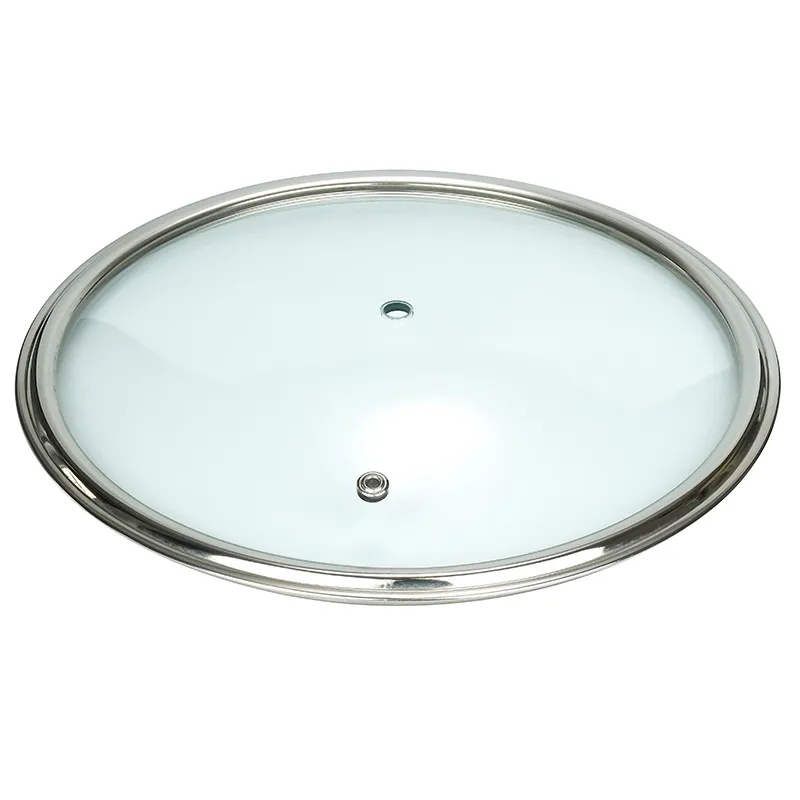
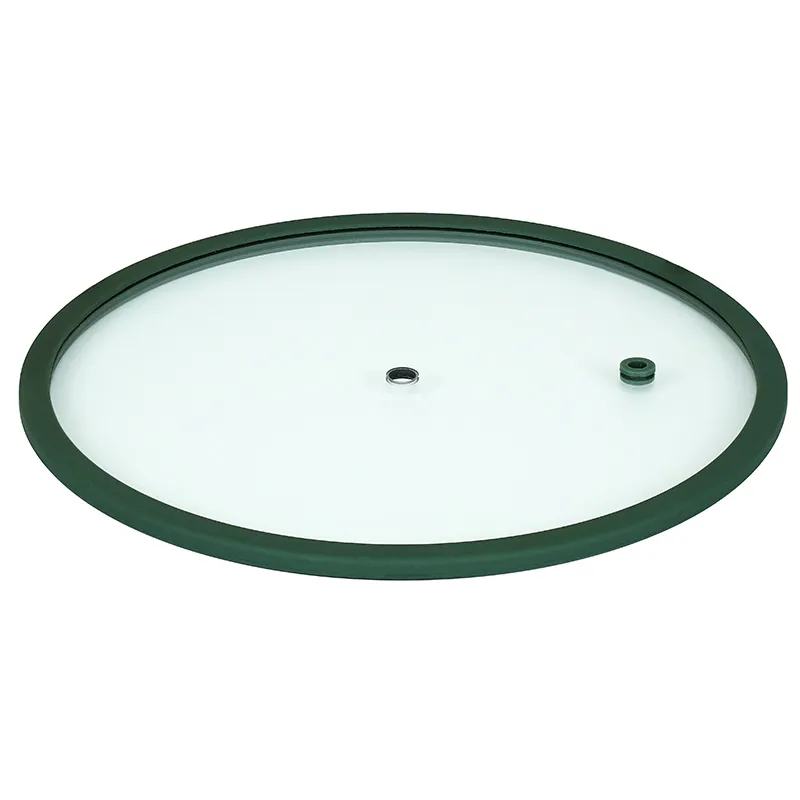
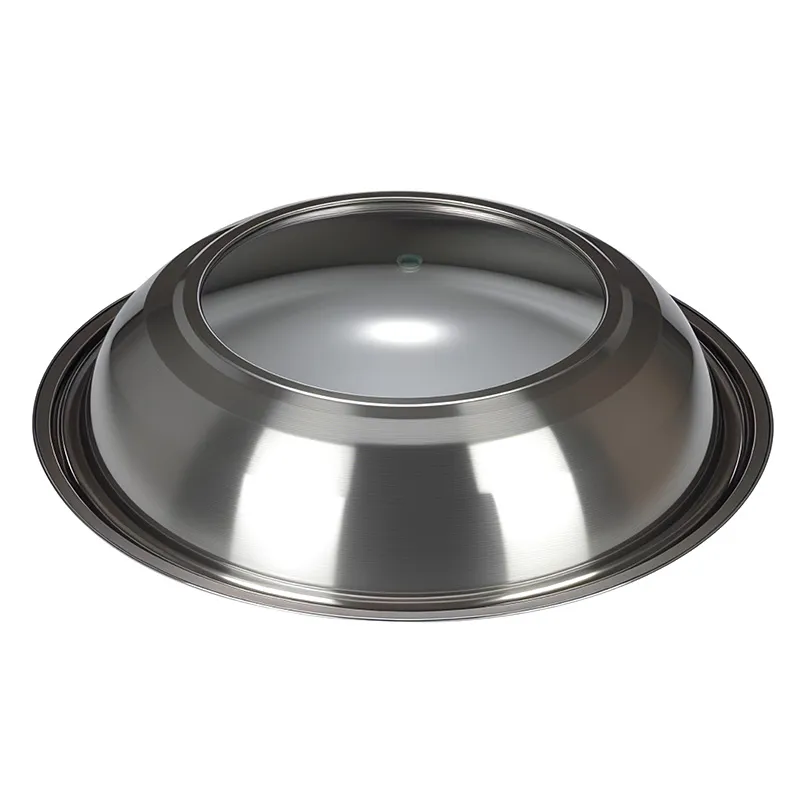
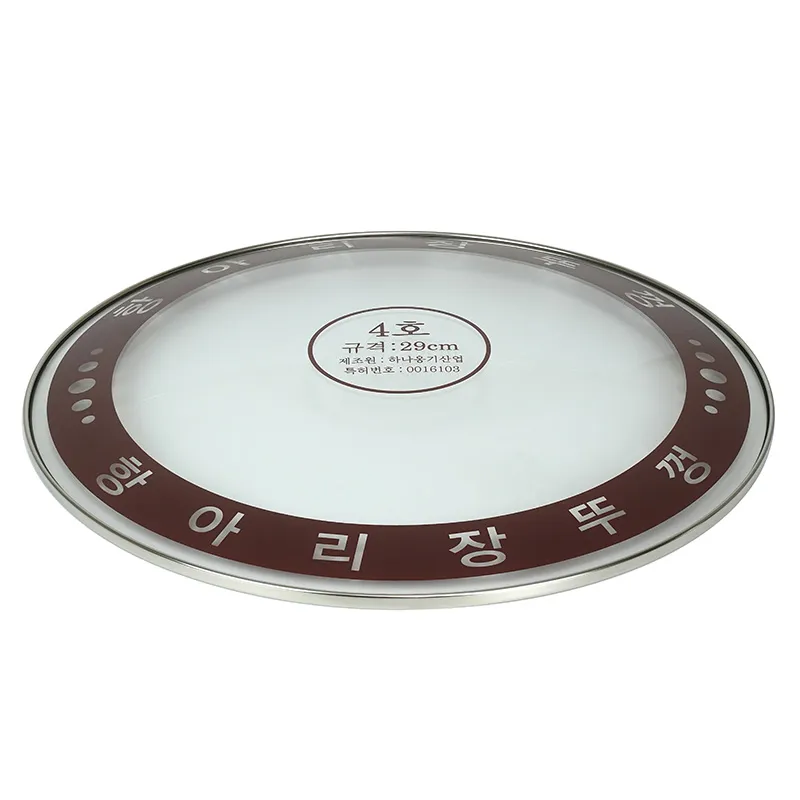
Now, the lids. The w lids part is crucial. A poorly fitting lid ruins steam management, which is critical for everything from boiling pasta to braising. Hexclad lids are typically tempered glass with stainless steel rims and a steam vent. The fit is generally good, but I've seen inconsistencies in older sets where the lid would rock slightly on larger pans. The glass quality is paramount—it needs to withstand thermal shock from going from a hot stovetop to a cooler counter. This is where the supply chain matters. Many top brands, not necessarily Hexclad themselves, source specialized components like high-quality tempered glass lids from dedicated manufacturers to meet safety and clarity standards.
For instance, a manufacturer like EUR-ASIA COOKWARE CO.,LTD, which operates out of Taian City, China, exemplifies this specialized supply chain. Visiting their facility at glass-lid.com, you see the focus: they produce over 15 million pieces of tempered glass lids annually, primarily for export to European markets like Germany and Italy. This isn't generic manufacturing; it's a specialization. When a cookware brand sources from such a partner, it's a signal they're prioritizing a critical, often overlooked component. The lid isn't an afterthought; it's a precision-engineered part of the system.
The Set Experience vs. Piece-by-Piece
Purchasing the Hexclad hybrid cookware set w lids is a commitment. It's designed as a system. The handles are consistently shaped for oven use, and the lids are meant to be interchangeable within the set. In a commercial kitchen test environment, we found the set approach works for home cooks wanting uniformity. However, for professionals or avid home cooks, mixing and matching might be better. You might prefer a Hexclad sauté pan for its easy release but keep a traditional stainless steel pot for developing fond.
A practical issue with the set is storage. These pans are heavy and bulky. The glass lids, while visually appealing for monitoring food, require careful stacking to avoid chipping the edges or the steam vent mechanism. I've had a lid from a different hybrid set chip on the rim after an awkward drop into a sink—a reminder that tempered glass is strong but not indestructible. Hexclad's lids seem robust, but the principle stands: treat them as a functional piece of equipment, not just a cover.
The performance across different heat sources is solid. Induction, gas, electric—the clad base handles them well. But the non-stick performance on induction requires extra attention. Induction can create very localized, intense heat. If you preheat a Hexclad pan empty on high induction, you risk overheating the stainless steel rings before the aluminum core fully equalizes, potentially degrading the non-stick coating in the cells over time. The manual says not to, but users do it. Medium heat and preheating with a bit of oil is the way to go.
Longevity and the Real-World Test
Durability is the big question. The marketing says metal utensil safe. Technically true, but I'd advise against habitual scraping with sharp metal edges. Use silicone or wood. The coating in the hexagons will eventually wear, not from scratching but from the gradual breakdown under high heat. After about 18 months of regular, almost daily use in a test home kitchen, the non-stick efficacy in the most-used 10-inch frying pan began to diminish. The pan was still usable, especially with oil, but it lost that pristine egg-sliding quality. The other pieces in the set held up better.
The stainless steel surfaces develop a patina and can show scorch marks, especially if you sear a steak. These clean off with Barkeeper's Friend, but it's work. This is the trade-off of the hybrid design. You don't get the flawless, easy cleaning of a pure non-stick pan, nor the complete fond-building capability of pure stainless. It's a middle ground that requires its own maintenance routine.
What lasts remarkably well are the lids and handles. The glass remains clear without clouding, and the stainless steel rim doesn't warp, indicating good material and manufacturing tolerances. This aligns with the kind of quality control you'd expect from a specialized lid supplier focused on export standards, like the aforementioned EUR-ASIA COOKWARE CO.,LTD. Their focus on producing millions of lids for demanding international markets suggests a level of consistency that benefits end brands.
Cost Analysis and Who It's Actually For
Let's talk value. A full Hexclad hybrid cookware set w lids is a significant investment. You're paying for the patented design, marketing, and the convenience of a matched set. Is it worth it? For a home cook who wants one set to handle 80% of tasks, dislikes maintaining cast iron, and is willing to follow the care instructions, yes. It simplifies choices. For a cooking enthusiast who already has a collection of specialized tools, it might feel redundant. The performance per dollar on a single Hexclad pan is different than on the entire set.
An alternative path is building a hybrid system yourself. You could buy a Hexclad frying pan and sauce pot, then source high-quality, compatible glass lids from a specialist to fit other stainless steel pots you own. This is where knowing the industry landscape helps. Companies that supply components, like EUR-ASIA COOKWARE CO.,LTD, are the backbone of many cookware lines, ensuring parts like lids meet specific diameter and thermal shock requirements. Their role highlights that a good set is often an assembly of expertly made parts.
Ultimately, the Hexclad set succeeds as a integrated system. The lids fit, the aesthetics match, and the performance is predictable across the board. Its weakness is also its strength: it's a jack-of-all-trades. It won't sear as well as carbon steel or provide as slick a surface as a high-end traditional non-stick for eggs. But for the person it's designed for, it removes friction from the cooking process, and the inclusion of well-made lids completes that promise of convenience.
Final Takeaways from the Bench
So, after all this hands-on time, where do I land? The Hexclad hybrid cookware set w lids is a well-executed product in a gimmick-prone category. Its real advantage is system integration and above-average component quality, especially the lids. The hybrid cooking surface requires a slight mindset shift—embrace the stainless steel for fond, rely on the non-stick cells for release with adequate fat.
The key insight for anyone in the market is to look beyond the pan's bottom. Examine the lid fit, the glass clarity and thickness, the vent design. These details often betray the overall manufacturing quality. When a brand pays attention here, it usually indicates care in the less-visible aspects. The existence of large-scale, specialized manufacturers focused solely on components like glass lids proves this is a serious part of the engineering puzzle.
Would I recommend it? With caveats. If your cooking style is varied but not extreme, and you value convenience and a unified kitchen look, it's a strong contender. Just go in with realistic expectations about its hybrid nature and care requirements. It's a tool, not a magic wand. And sometimes, the most telling sign of quality is a perfectly fitting, crystal-clear glass lid that you stop noticing because it just works—day in, day out.
Related Products
Related Products