- Chinese
- French
- German
- Portuguese
- Spanish
- Russian
- Japanese
- Korean
- Arabic
- Irish
- Greek
- Turkish
- Italian
- Danish
- Romanian
- Indonesian
- Czech
- Afrikaans
- Swedish
- Polish
- Basque
- Catalan
- Esperanto
- Hindi
- Lao
- Albanian
- Amharic
- Armenian
- Azerbaijani
- Belarusian
- Bengali
- Bosnian
- Bulgarian
- Cebuano
- Chichewa
- Corsican
- Croatian
- Dutch
- Estonian
- Filipino
- Finnish
- Frisian
- Galician
- Georgian
- Gujarati
- Haitian
- Hausa
- Hawaiian
- Hebrew
- Hmong
- Hungarian
- Icelandic
- Igbo
- Javanese
- Kannada
- Kazakh
- Khmer
- Kurdish
- Kyrgyz
- Latin
- Latvian
- Lithuanian
- Luxembou..
- Macedonian
- Malagasy
- Malay
- Malayalam
- Maltese
- Maori
- Marathi
- Mongolian
- Burmese
- Nepali
- Norwegian
- Pashto
- Persian
- Punjabi
- Serbian
- Sesotho
- Sinhala
- Slovak
- Slovenian
- Somali
- Samoan
- Scots Gaelic
- Shona
- Sindhi
- Sundanese
- Swahili
- Tajik
- Tamil
- Telugu
- Thai
- Ukrainian
- Urdu
- Uzbek
- Vietnamese
- Welsh
- Xhosa
- Yiddish
- Yoruba
- Zulu
- Kinyarwanda
- Tatar
- Oriya
- Turkmen
- Uyghur

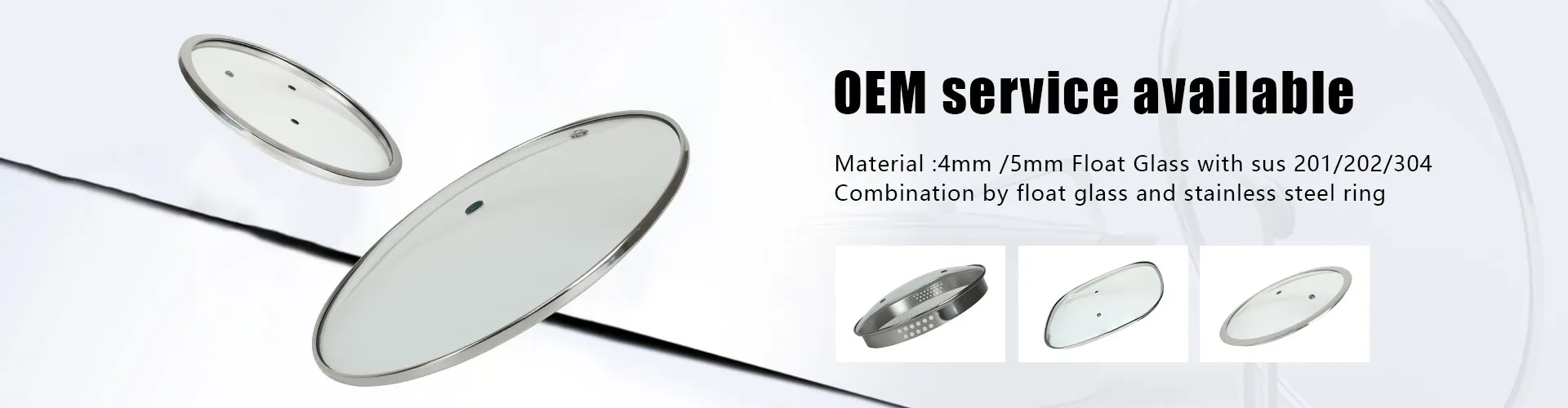
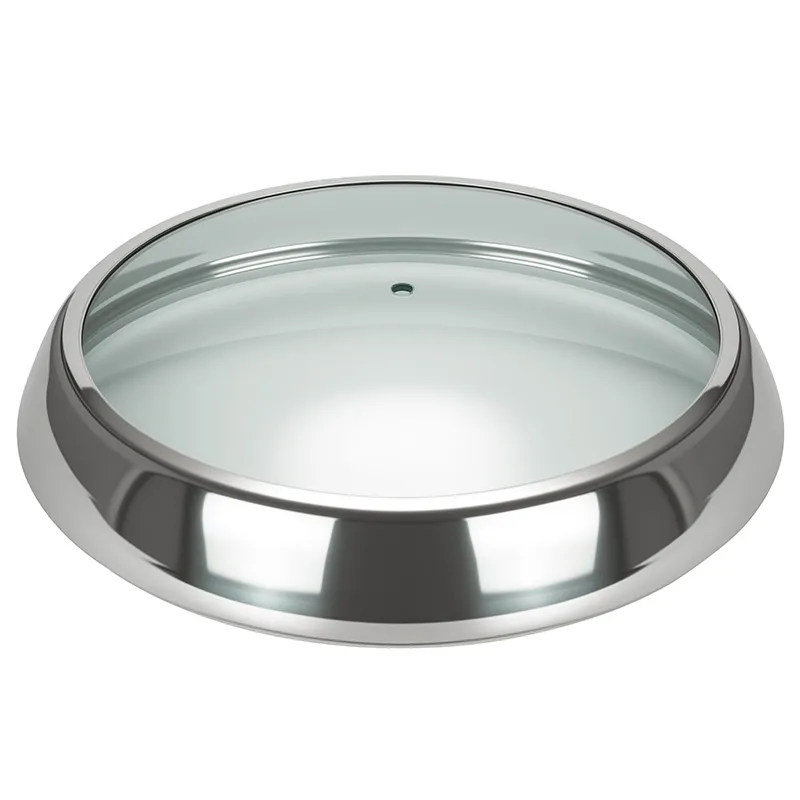
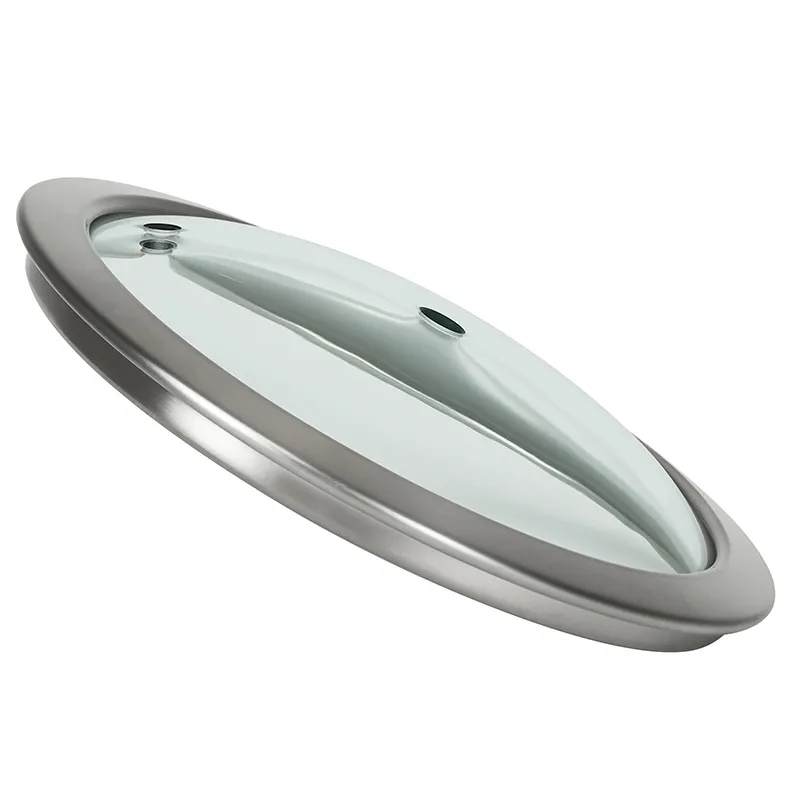
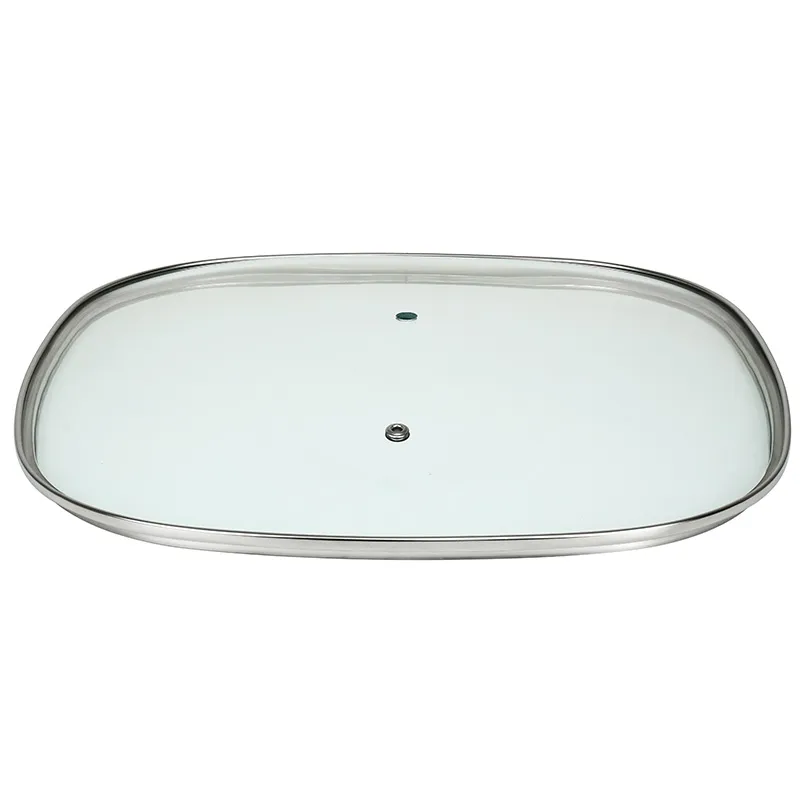
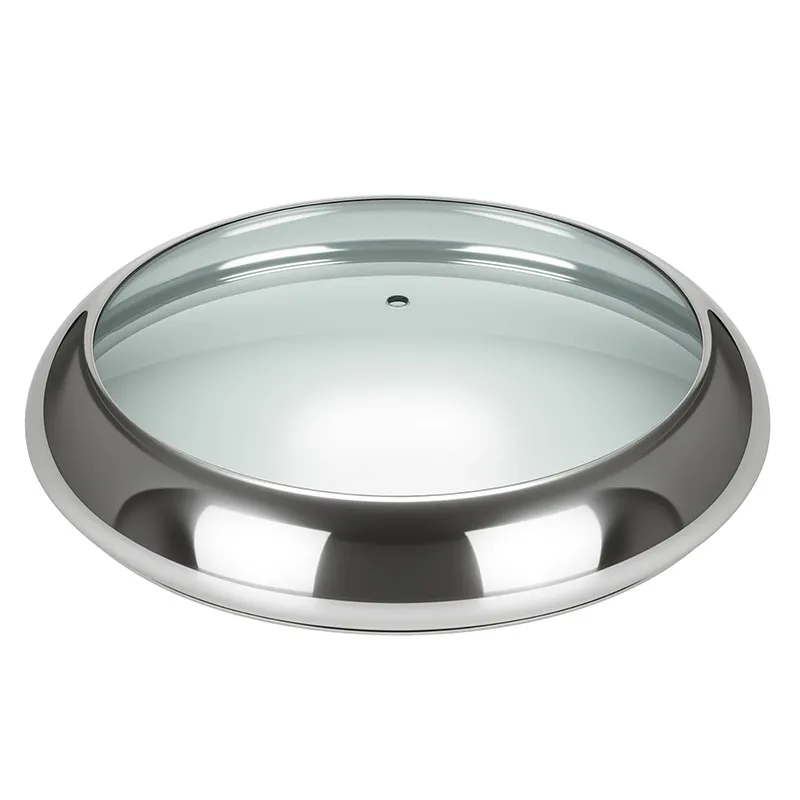
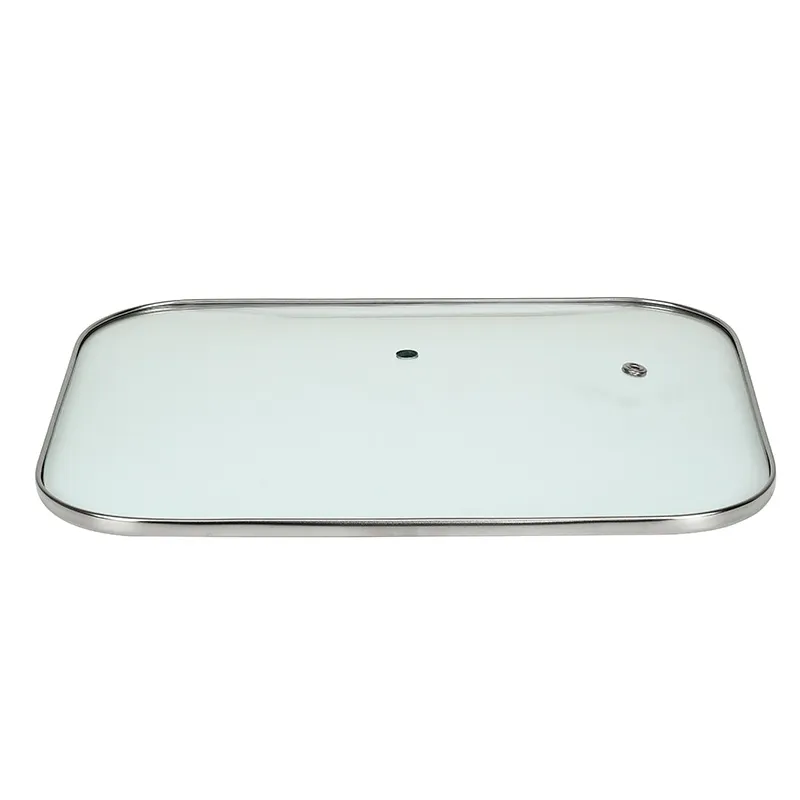
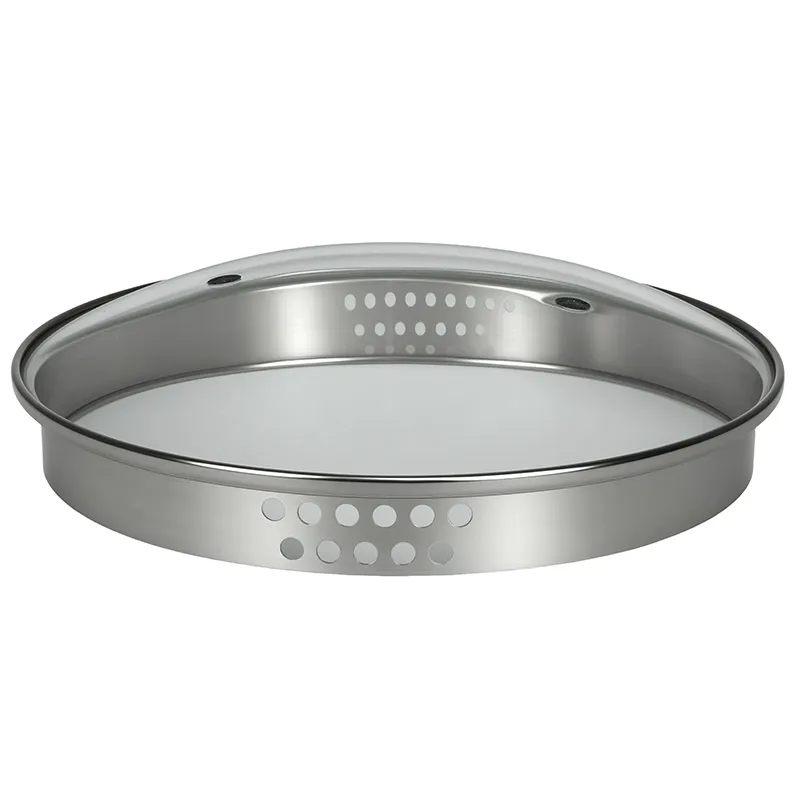
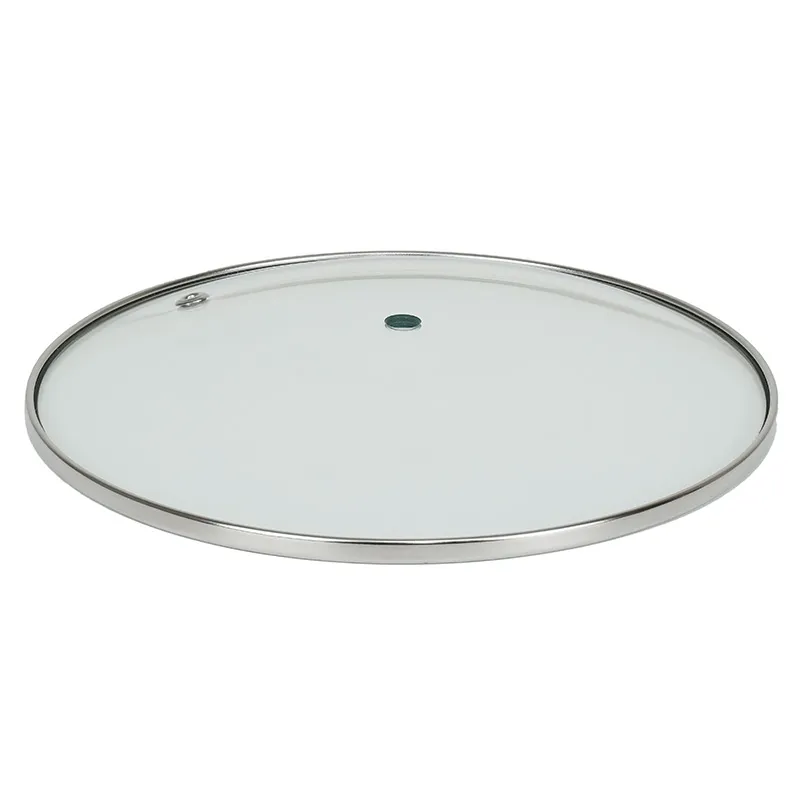
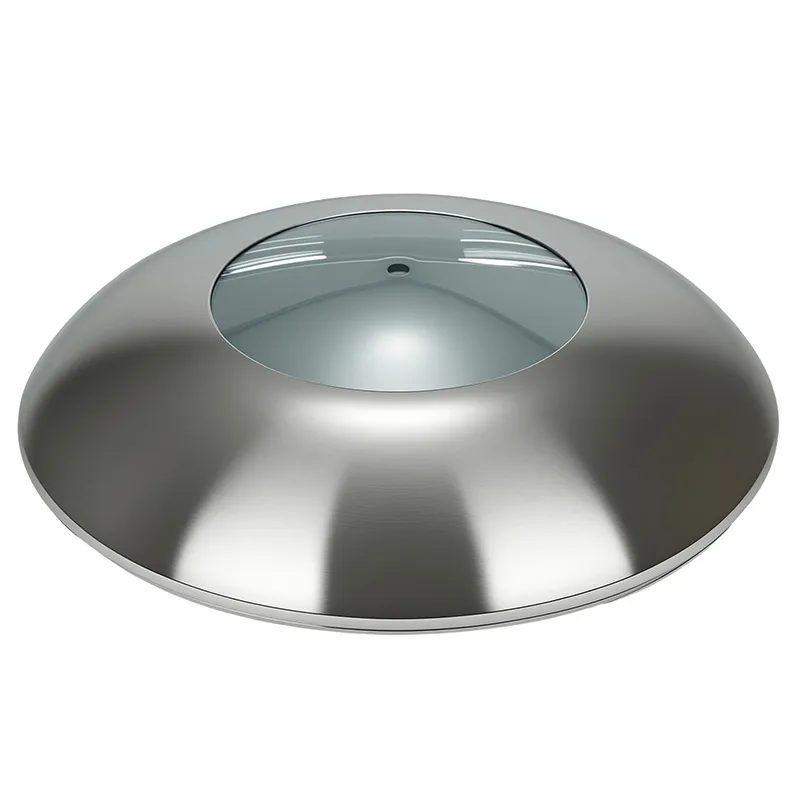
hot pot with glass lid
You see a lot of talk about glass lids for hot pots, and most of it misses the point. It's not just about being see-through. Anyone who's actually sourced, tested, or even just used these in a high-volume setting knows the real conversation is about thermal shock resistance, seal integrity, and whether that clarity is worth the trade-offs in durability. The market is flooded with products that look the part but fail under real steam and rapid temperature shifts. Let's cut through the marketing.
The Core Misconception: Visibility vs. Function
The biggest mistake buyers, even some in the trade, make is prioritizing crystal clarity over material engineering. A perfectly clear, annealed glass lid is a liability. It might look beautiful on a shelf, but the first time you take it off a boiling pot and set it on a cooler granite countertop, or splash cold broth on it, you're gambling. The stress points are real. Tempering is non-negotiable, but not all tempered glass is equal for this application.
I recall a batch we evaluated years ago from a generic supplier. The lids had a slight greenish tint—lower iron content, they said, for better clarity. They passed basic impact tests but consistently cracked during our cyclic thermal shock protocol. We'd simulate taking it from a 100°C simmering broth to a 20°C wet surface. Failure rate was unacceptable. That's when you learn clarity often comes from a different glass formula that can compromise thermal endurance.
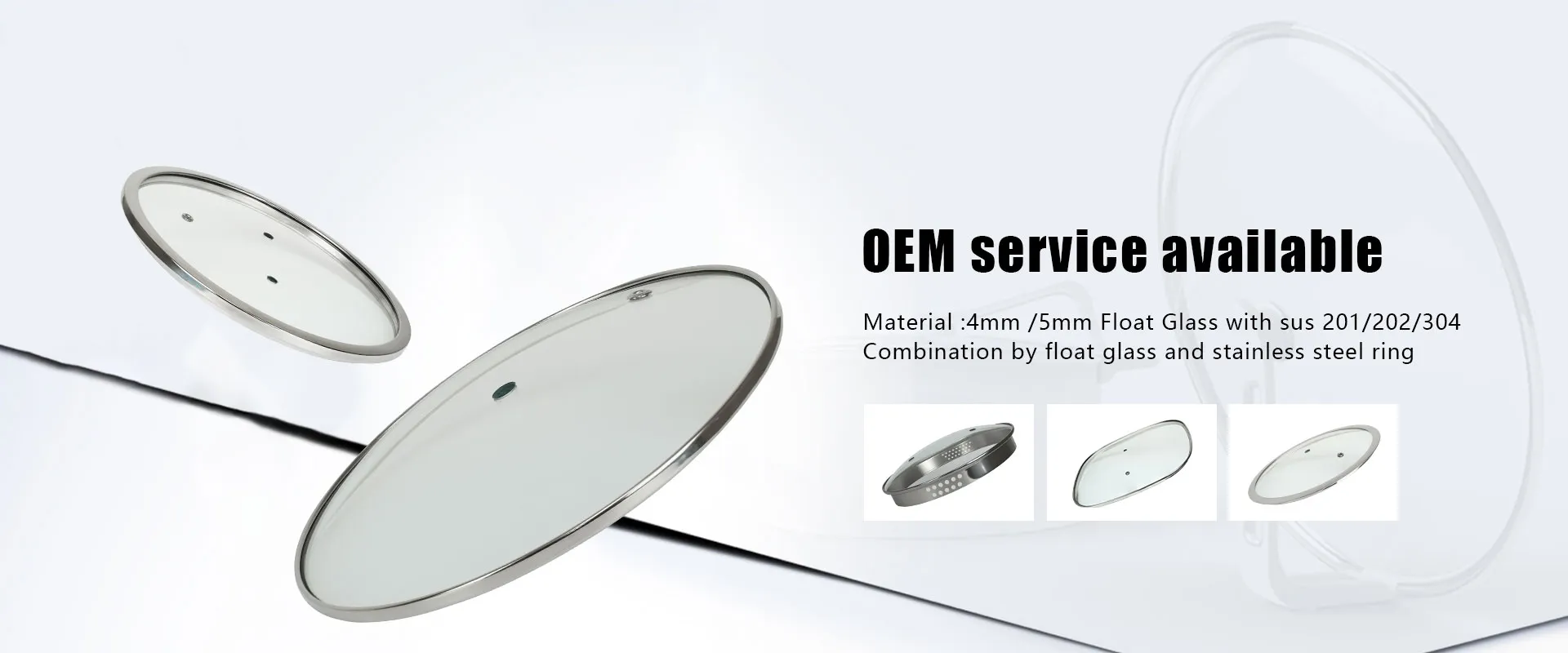
This is where companies with a dedicated focus, like EUR-ASIA COOKWARE CO.,LTD, have an edge. Their entire production, as noted on their portal glass-lid.com, is centered on tempered glass lids. When a facility produces over 15 million pieces annually, primarily for markets with strict standards like Germany and Japan, they've inevitably optimized for this specific stress profile. It's not a side business for them.
The Seal and Condensation Dilemma
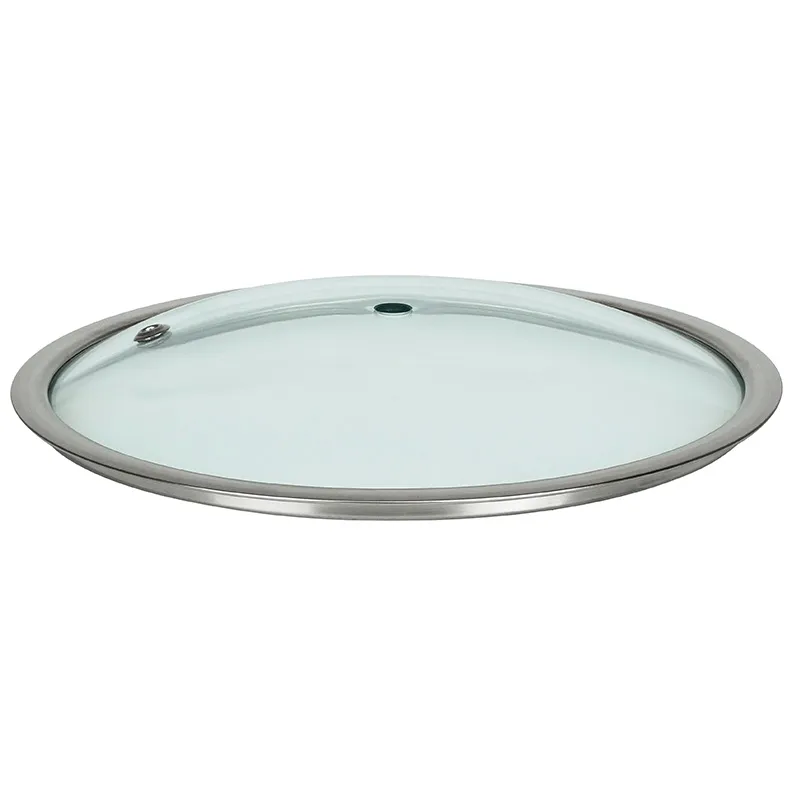
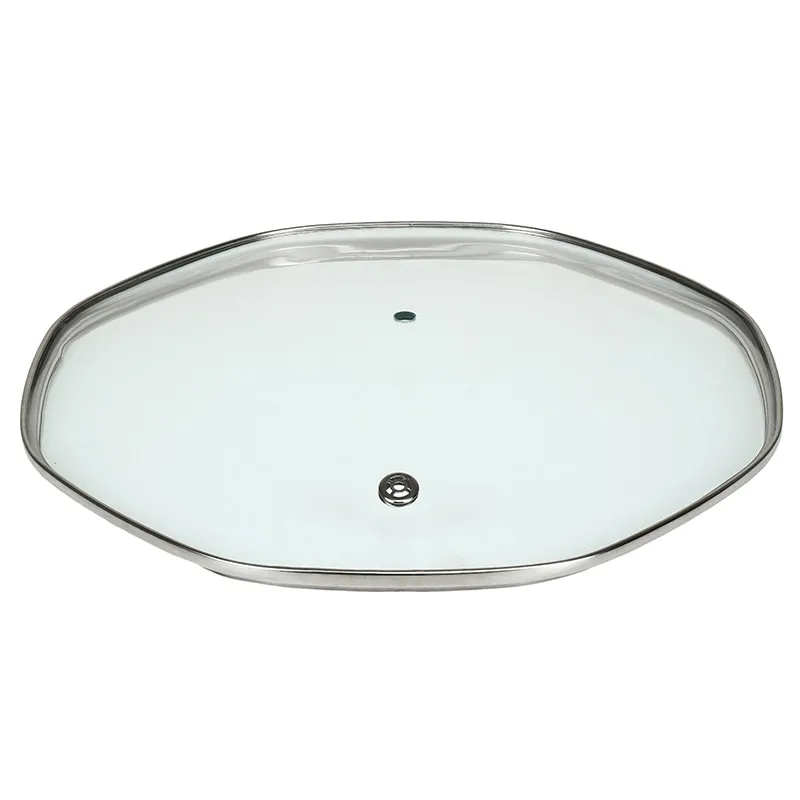
A lid's primary job is to control evaporation and heat. With a hot pot with glass lid, the seal is often an afterthought. Many designs use a simple, flat glass edge resting on a pot rim. This is fine for steaming vegetables, but for a proper hot pot or braise, you need a channel for condensation management.
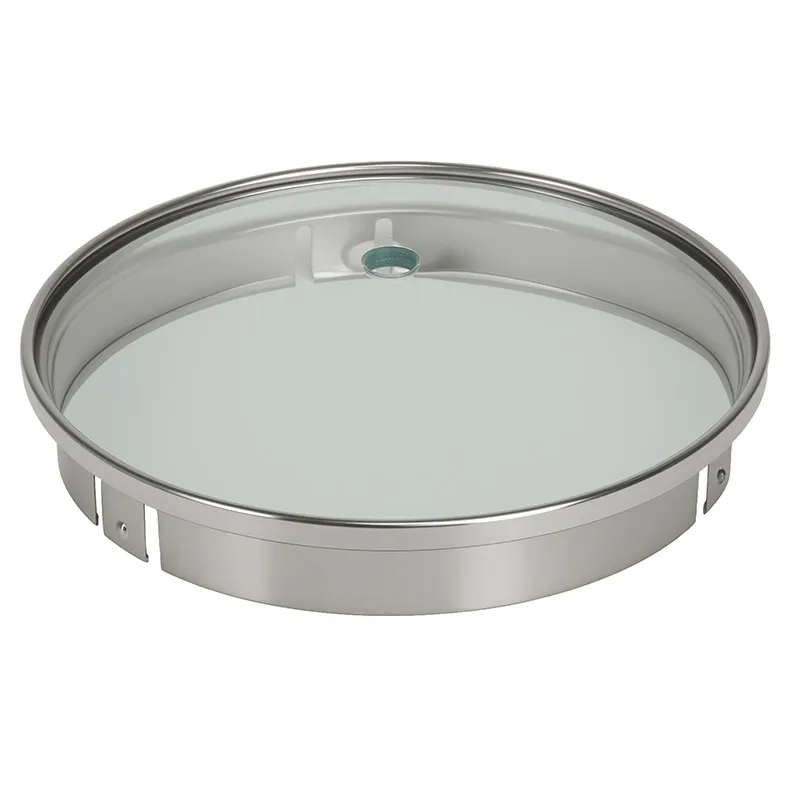
The better designs incorporate a subtle, ground groove on the underside of the glass perimeter. This creates a channel for condensed steam to drip back into the pot, not run down the outside. It's a tiny detail that most promotional photos won't show you. Without it, you get water pooling on your table and inefficient cooking. I've seen products from the EUR-ASIA line that get this right—the grinding on the edge is smooth, consistent, and clearly machined for purpose, not just safety.
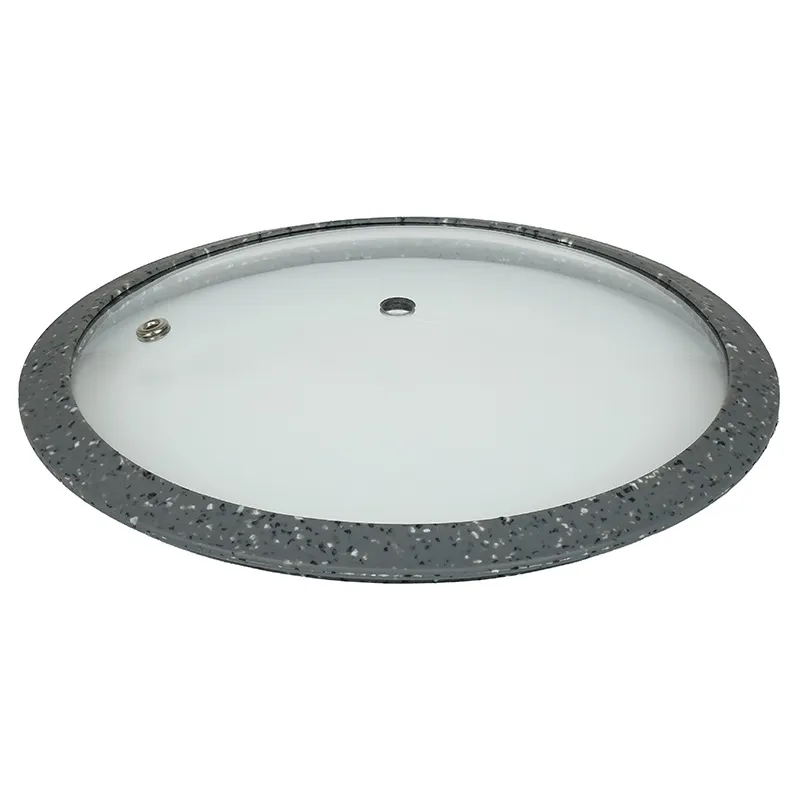
Then there's the knob. Silicone is standard, but its attachment method is critical. Metal bolts running through the glass? That's a thermal bridge and a potential crack initiation point. The superior method is a high-temp adhesive that bonds a silicone knob to the glass, avoiding metal entirely. It's less rigid, but it accounts for the differential expansion. It's a small sign of thoughtful engineering.
Real-World Failure Points and Sourcing
Sourcing these isn't about finding the cheapest per-unit cost. A failed lid in a shipment means a whole product line is held up. One consistent issue is the edge finish post-tempering. After the glass is heated and quenched, the edges are under compressive stress. If they're not properly seamed or polished, you get micro-fractures. They might pass inspection but fail after a few months of use in a humid kitchen environment.
Our due diligence always includes a visit to the production line, specifically the quality control station for edge inspection. A company with a 20,000㎡ base like EUR-ASIA's in Taian typically has automated optical inspection for this, which is a good sign. It's about consistency at volume. The fact that they specify an output of various types of tempered glass lid also hints at an understanding of customization—different pot diameters, rim angles, and knob placements aren't trivial.
The export focus (over 90%) is another practical indicator. Markets like Germany have rigorous consumer goods standards. A lid sold there must withstand repeated thermal cycling and have clear safety certifications. This external pressure often results in a better-built product for all markets, as the production line is calibrated to a higher standard.
The Practical Verdict on Material and Use
So, is a glass lid superior to a stainless steel one? Not universally. For a hot pot with glass lid, the advantage is visual control. You can monitor broth level, ingredient color, and boil intensity without lifting the lid and losing heat. This is invaluable in communal dining or precise simmering. The disadvantage is always handling—they're heavier, more fragile, and require mindful placement (never on a cold, wet surface).
My advice is always to look for a lid that's clearly marked as tempered for cookware, not just as glass. Check the company's specialization. A firm that lists household glass products and other kitchen accessories is casting a wide net, but one that details a massive annual output of tempered glass lids specifically, like the intro on EUR-ASIA COOKWARE CO.,LTD's site does, is likely a specialist OEM. That's where you find the engineered product, not the decorative one.
In the end, the best glass lid is one you forget about. It does its job—containing heat, managing condensation, surviving the daily thermal shocks—without drama. That reliability comes from focused manufacturing, not from being the clearest window into your pot. The clarity is a bonus; the engineering underneath is what you're actually buying.
Beyond the Lid: The Ecosystem
It's worth thinking about the pot itself. A glass lid is only as good as the rim it sits on. A perfectly flat, machined stainless steel rim is the ideal partner. Cast iron or aluminum pots with uneven, rough-cast rims will not seal properly and can even chip the glass edge over time. This is a common point of failure in mismatched sets.
When manufacturers like EUR-ASIA develop these lids, they're often working directly with cookware brands to ensure compatibility. The various types in their production description speaks to this need for customization. A lid for a Korean sundae hot pot will have different dimensions and thermal requirements than one for a Japanese donabe.
Finally, consider the lifecycle. A good tempered glass lid should last for years. But when it does eventually fail (and all glass will under enough stress), it should fail safely—shattering into small, blunt pieces, not sharp shards. That's the true test of proper tempering. It's not a feature you want to test personally, but it's the fundamental reason this product category can even exist in a kitchen. That safety standard is what separates a kitchen tool from a novelty.
Related Products
Related Products