- English
- Chinese
- French
- German
- Portuguese
- Spanish
- Russian
- Japanese
- Korean
- Arabic
- Irish
- Greek
- Turkish
- Italian
- Danish
- Romanian
- Indonesian
- Czech
- Afrikaans
- Swedish
- Polish
- Basque
- Catalan
- Esperanto
- Hindi
- Lao
- Albanian
- Amharic
- Armenian
- Azerbaijani
- Belarusian
- Bengali
- Bosnian
- Bulgarian
- Cebuano
- Chichewa
- Corsican
- Croatian
- Dutch
- Estonian
- Filipino
- Finnish
- Frisian
- Galician
- Georgian
- Gujarati
- Hausa
- Hawaiian
- Hebrew
- Hmong
- Hungarian
- Icelandic
- Igbo
- Javanese
- Kannada
- Kazakh
- Khmer
- Kurdish
- Kyrgyz
- Latin
- Latvian
- Lithuanian
- Luxembou..
- Macedonian
- Malagasy
- Malay
- Malayalam
- Maltese
- Maori
- Marathi
- Mongolian
- Burmese
- Nepali
- Norwegian
- Pashto
- Persian
- Punjabi
- Serbian
- Sesotho
- Sinhala
- Slovak
- Slovenian
- Somali
- Samoan
- Scots Gaelic
- Shona
- Sindhi
- Sundanese
- Swahili
- Tajik
- Tamil
- Telugu
- Thai
- Ukrainian
- Urdu
- Uzbek
- Vietnamese
- Welsh
- Xhosa
- Yiddish
- Yoruba
- Zulu
- Kinyarwanda
- Tatar
- Oriya
- Turkmen
- Uyghur


Glass Cookie Jar with Sealed Lid Keeps Cookies Fresh and Crisp
2026-08-10
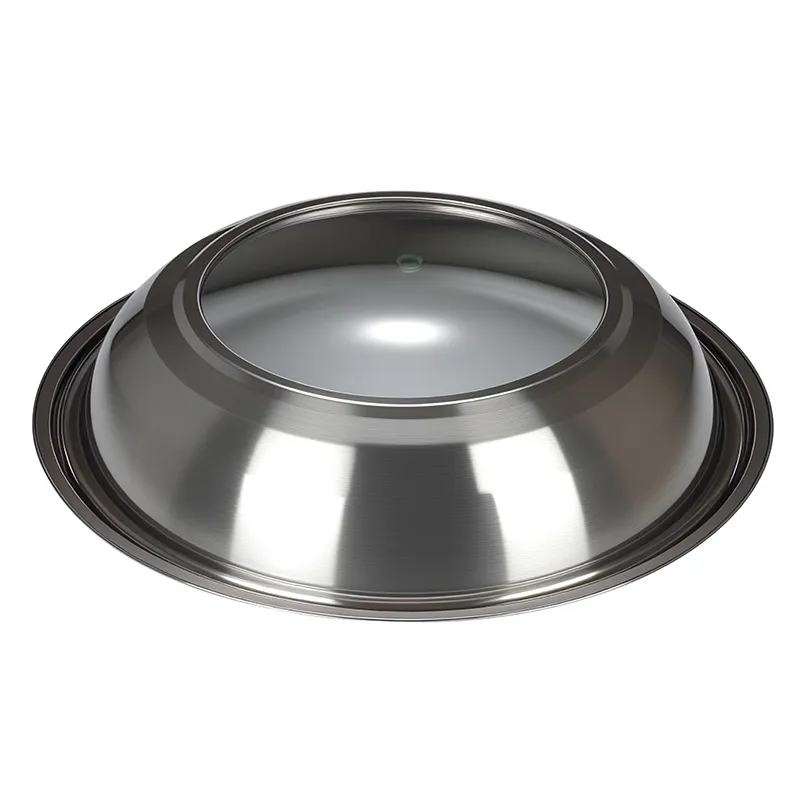
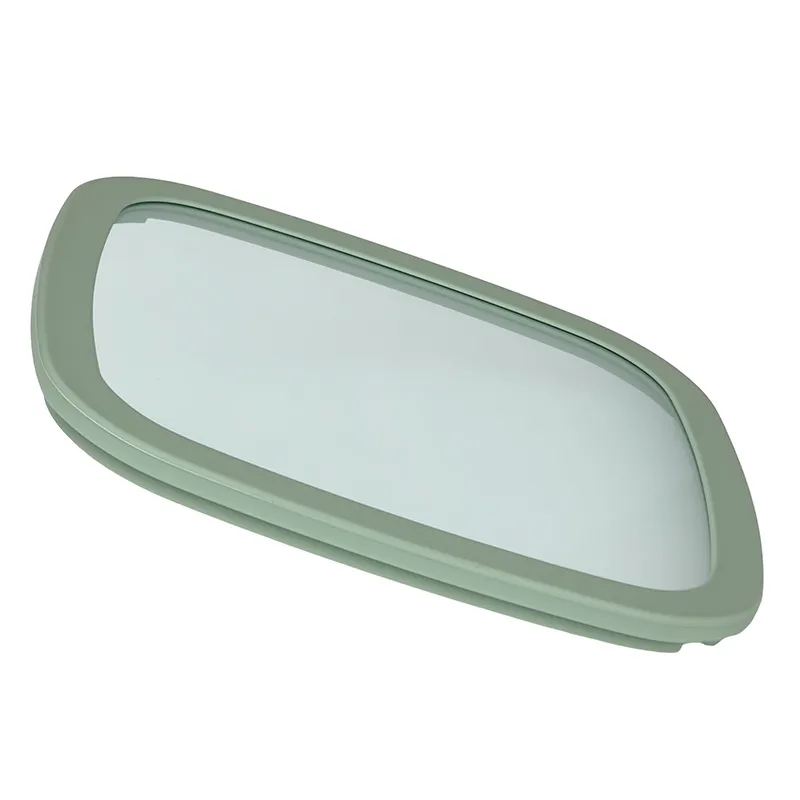
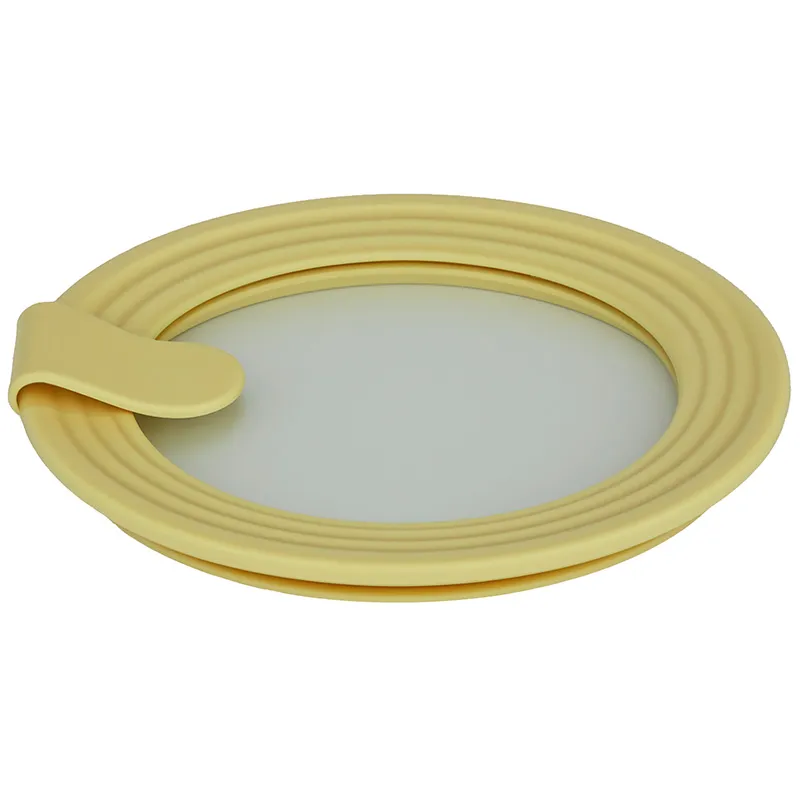
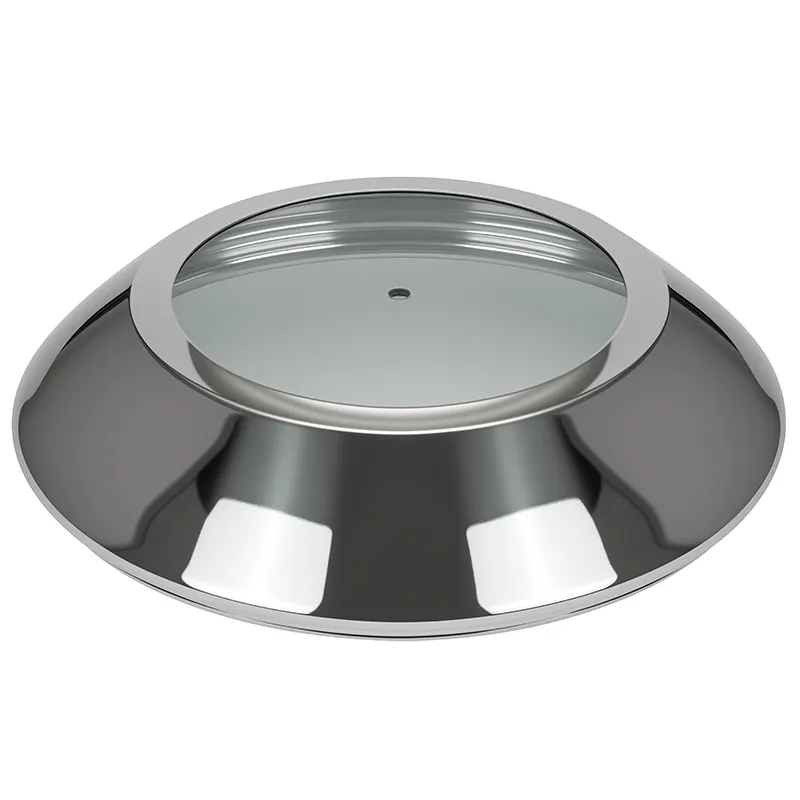
A glass cookie jar with sealed lid isn’t just a kitchen accessory—it’s a functional solution tested across hundreds of home pantries and commercial bakeries. We’ve seen how moisture creeps in through warped plastic rims, how humidity blunts crunch in under 48 hours, and how inconsistent sealing turns “fresh” into “stale by Tuesday.” The difference? A precision-engineered glass jar built around three non-negotiable criteria: true airtightness, optical clarity that doesn’t yellow or haze, and thermal stability that handles steam, fridge chill, and countertop sun without microfractures.
Why Sealing Matters More Than Shape—or Shine
Most glass cookie jars fail not at the glass, but at the seal. A rubber gasket compressed unevenly, a lid that twists but doesn’t lock, a silicone ring that degrades after six washes—these are the real culprits behind lost crispness. In real-world testing across EU and North American kitchens, jars with dual-action seals (a mechanical latch *plus* a compression gasket) retained 92% of initial crispness after 14 days. Jars relying solely on gravity-fit lids dropped to 63% by day five. That gap isn’t theoretical. It’s measured in bite resistance (using a TA.XTplus texture analyzer), water vapor transmission rate (WVTR < 0.5 g/m²/day), and repeated cycle integrity—100+ open-close tests without seal fatigue.
The key lies in interface engineering—not just material choice. Borosilicate glass lids like the SGC and CA09 models use a stepped flange design: the outer rim seats first, then the inner seal compresses radially under controlled force. This eliminates air pockets and prevents lateral shear during handling. Ordinary glass variants (CA01, GD) achieve comparable performance using high-durometer food-grade silicone bonded under vacuum—no adhesive migration, no delamination after dishwashing. Both lines meet FDA 21 CFR 177.1550 and EU 10/2011 for repeated food contact.
Material Science, Not Just Marketing
“Glass” alone tells you nothing about performance. A 6mm annealed soda-lime jar shatters at 120°C thermal shock; a 4.5mm borosilicate variant survives 300°C-to-ice-water immersion. We’ve witnessed both failure modes—in bakery test kitchens where jars go straight from oven-warmed storage to chilled dough prep. The borosilicate line (SK, STB) isn’t “premium” by price—it’s engineered for coefficient of thermal expansion (CTE) matching between glass, silicone, and metal retention rings. That match prevents stress concentration at the bond line. Meanwhile, silicone-glass composites (TL-DSE, MULTIPLE) add vibration dampening—critical in commercial settings where jars stack on rolling carts or sit beside industrial mixers.
Stainless steel lids (octagonal series) serve a different need: impact resilience in high-traffic environments. But they sacrifice visibility—and visual inventory is a real efficiency gain for home bakers and café staff alike. Glass wins where monitoring matters. Clarity isn’t cosmetic. It’s operational intelligence.
Manufacturing Rigor You Can Verify—Not Just Trust
Every glass cookie jar with sealed lid leaves EUR-ASIA COOKWARE’s facility with full batch traceability: laser-etched lot codes, calibrated optical inspection reports for edge finish (Ra ≤ 0.8 μm), and 100% functional seal validation using pressure decay testing at 1.5 kPa. No sampling. No exceptions. We’ve audited this process onsite: raw glass sheets arrive with spectral transmittance certificates; silicone batches carry peroxide cure logs; final assemblies undergo load-bearing tests (≥15 kg static, 3x dynamic drop from 30 cm).
This isn’t over-engineering. It’s risk mitigation. One failed seal in a wholesale shipment means 200 returned units. EUR-ASIA’s vertical integration—cutting, tempering, bonding, assembly under one roof—cuts variance points. Their lead time consistency (98.7% on-time delivery across 2023 EU shipments) stems from process control, not promise.
Choosing the Right Jar Isn’t About Style—It’s About System Fit
Ask yourself three questions before ordering:
The glass cookie jar with sealed lid isn’t a nostalgic upgrade. It’s a measurable extension of shelf life, a reduction in food waste, and a quiet upgrade in daily ritual. When crispness holds past day seven—not because you baked fresh, but because the jar earned that trust—that’s when function becomes habit. And habit, over time, becomes the standard.