- Chinese
- French
- German
- Portuguese
- Spanish
- Russian
- Japanese
- Korean
- Arabic
- Irish
- Greek
- Turkish
- Italian
- Danish
- Romanian
- Indonesian
- Czech
- Afrikaans
- Swedish
- Polish
- Basque
- Catalan
- Esperanto
- Hindi
- Lao
- Albanian
- Amharic
- Armenian
- Azerbaijani
- Belarusian
- Bengali
- Bosnian
- Bulgarian
- Cebuano
- Chichewa
- Corsican
- Croatian
- Dutch
- Estonian
- Filipino
- Finnish
- Frisian
- Galician
- Georgian
- Gujarati
- Haitian
- Hausa
- Hawaiian
- Hebrew
- Hmong
- Hungarian
- Icelandic
- Igbo
- Javanese
- Kannada
- Kazakh
- Khmer
- Kurdish
- Kyrgyz
- Latin
- Latvian
- Lithuanian
- Luxembou..
- Macedonian
- Malagasy
- Malay
- Malayalam
- Maltese
- Maori
- Marathi
- Mongolian
- Burmese
- Nepali
- Norwegian
- Pashto
- Persian
- Punjabi
- Serbian
- Sesotho
- Sinhala
- Slovak
- Slovenian
- Somali
- Samoan
- Scots Gaelic
- Shona
- Sindhi
- Sundanese
- Swahili
- Tajik
- Tamil
- Telugu
- Thai
- Ukrainian
- Urdu
- Uzbek
- Vietnamese
- Welsh
- Xhosa
- Yiddish
- Yoruba
- Zulu
- Kinyarwanda
- Tatar
- Oriya
- Turkmen
- Uyghur


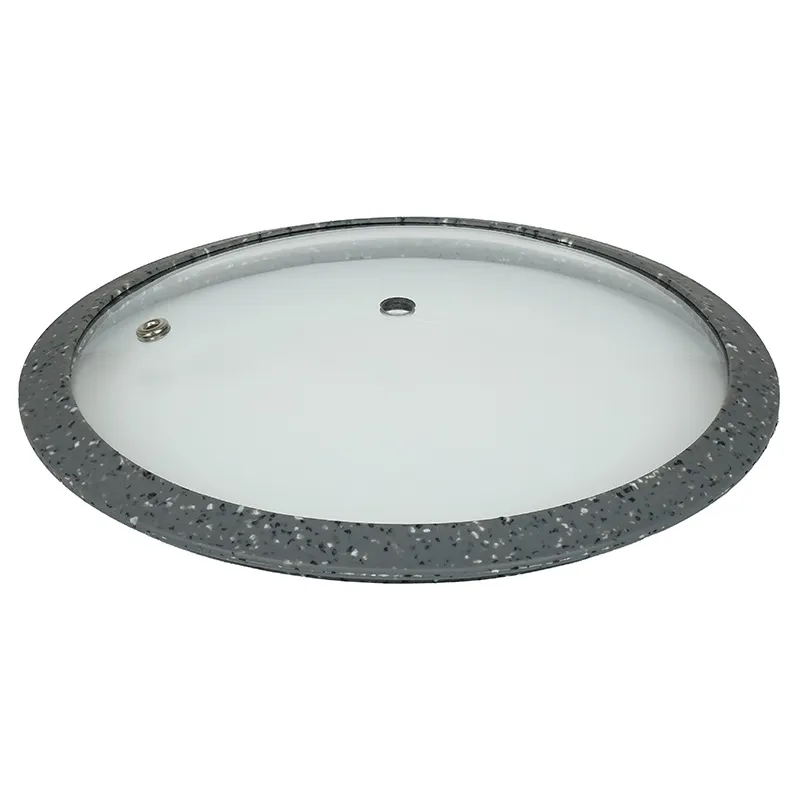
instant pot 6 quart tempered glass lid
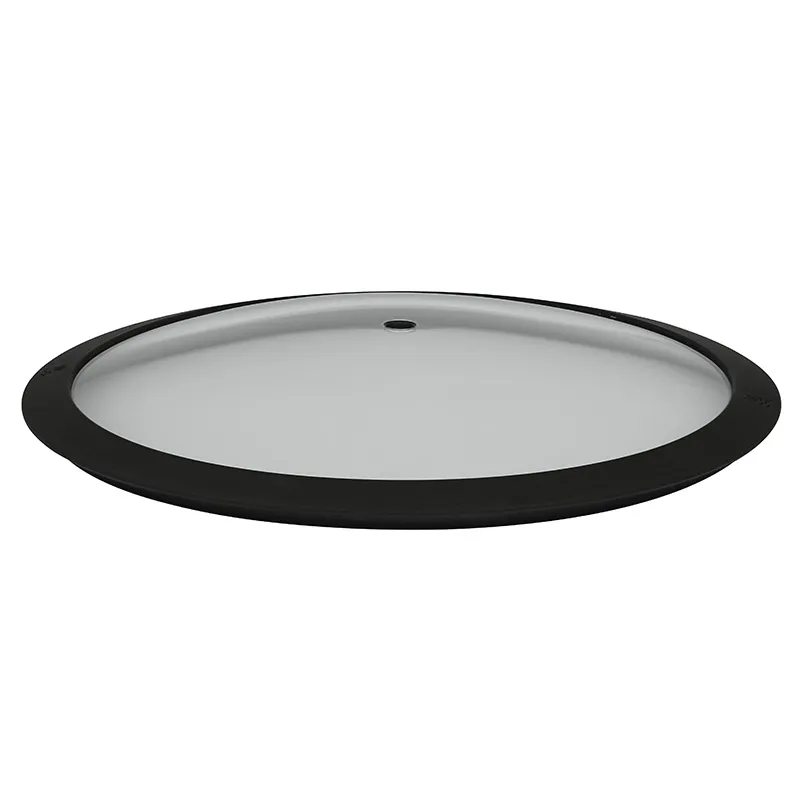
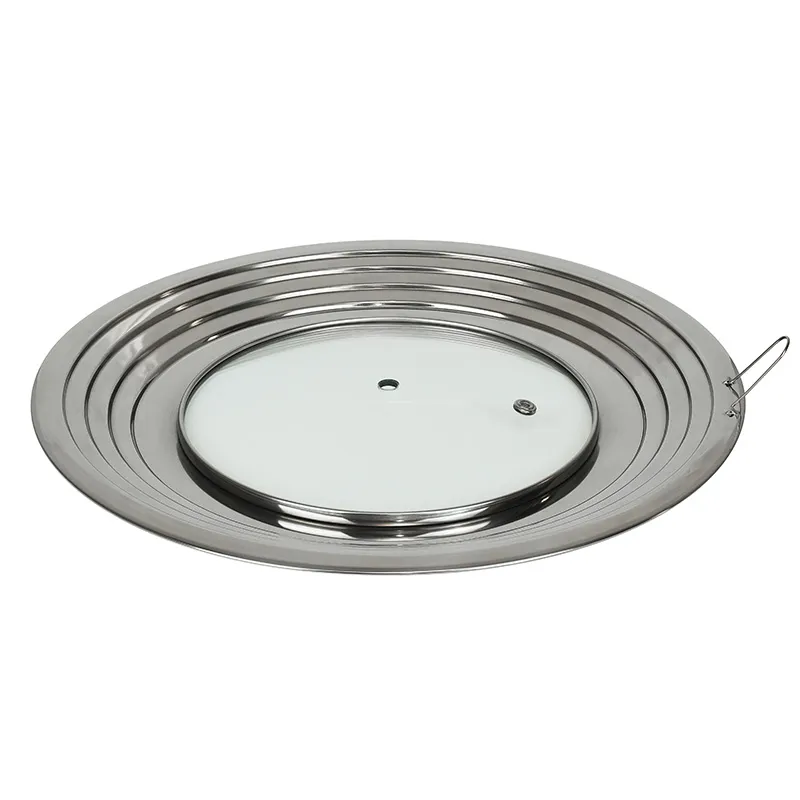
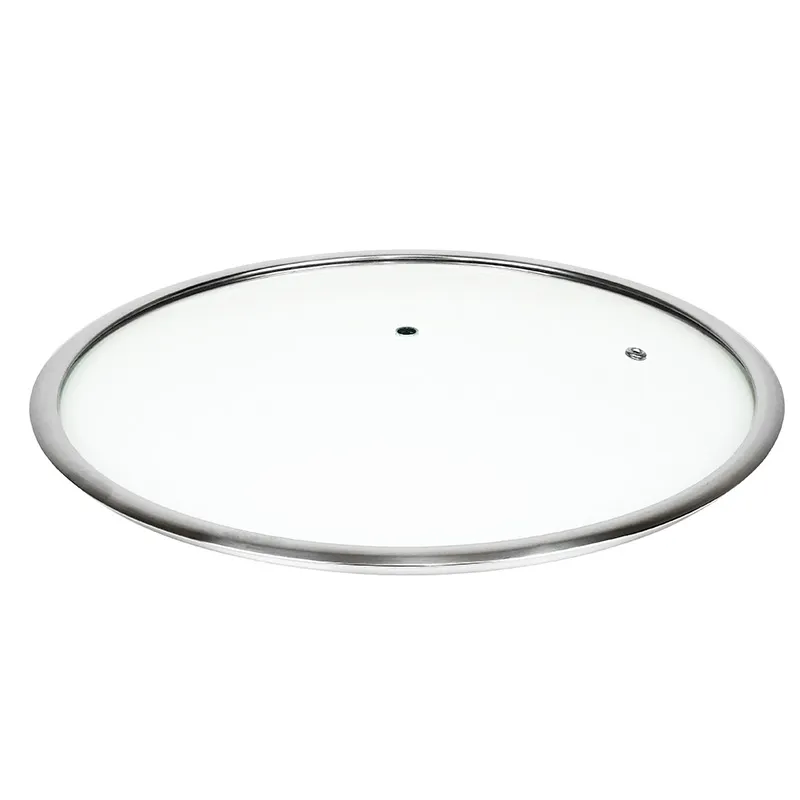
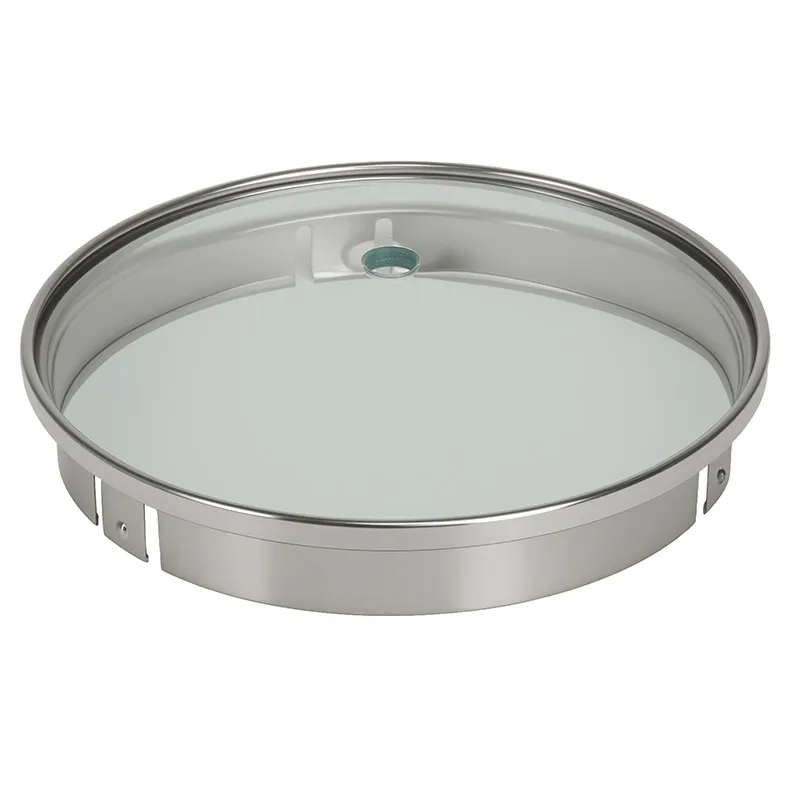
When most people think about an Instant Pot, they think about the stainless steel inner pot or the pressure cooking function. The lid, especially the optional tempered glass lid, is often an afterthought. That's a mistake I see all the time. It's not just a piece of glass; it's the key to transforming your 6-quart workhorse from a pressure cooker into a true all-in-one countertop appliance for sautéing, slow cooking, or keeping an eye on a yogurt culture. The wrong lid can be a safety hazard or just a poorly fitting frustration.
Why Tempered Glass, and Why It Matters
Let's get technical for a second. Tempering is a heat treatment process that increases the strength of the glass and, critically, causes it to crumble into small, granular chunks instead of sharp shards if it does break. For a kitchen lid that sees steam, sudden temperature changes, and the occasional bump against the faucet, this is non-negotiable. A regular glass lid from a random pot is a risk. I've seen cheap lids crack just from the thermal shock of going from a hot dishwasher rack to a cool countertop. The Instant Pot 6 quart specifically needs a lid with the right diameter and a curvature that sits flush on the rim of the inner pot, not the outer housing. If it doesn't seal the pot properly during slow cooking, you'll lose too much moisture.
There's a common misconception that any 9-inch or 23-centimeter lid will fit. That's roughly true for diameter, but the depth of the dome is crucial. A lid that's too shallow will hit the food or the inner pot's handles. I learned this the hard way trying to use a generic Dutch oven lid; it rested on the handles, leaving a gap, and my stew dried out. The official Instant Pot glass lid is designed with that clearance in mind. Aftermarket options from reputable suppliers get this right, but you have to check the specs.
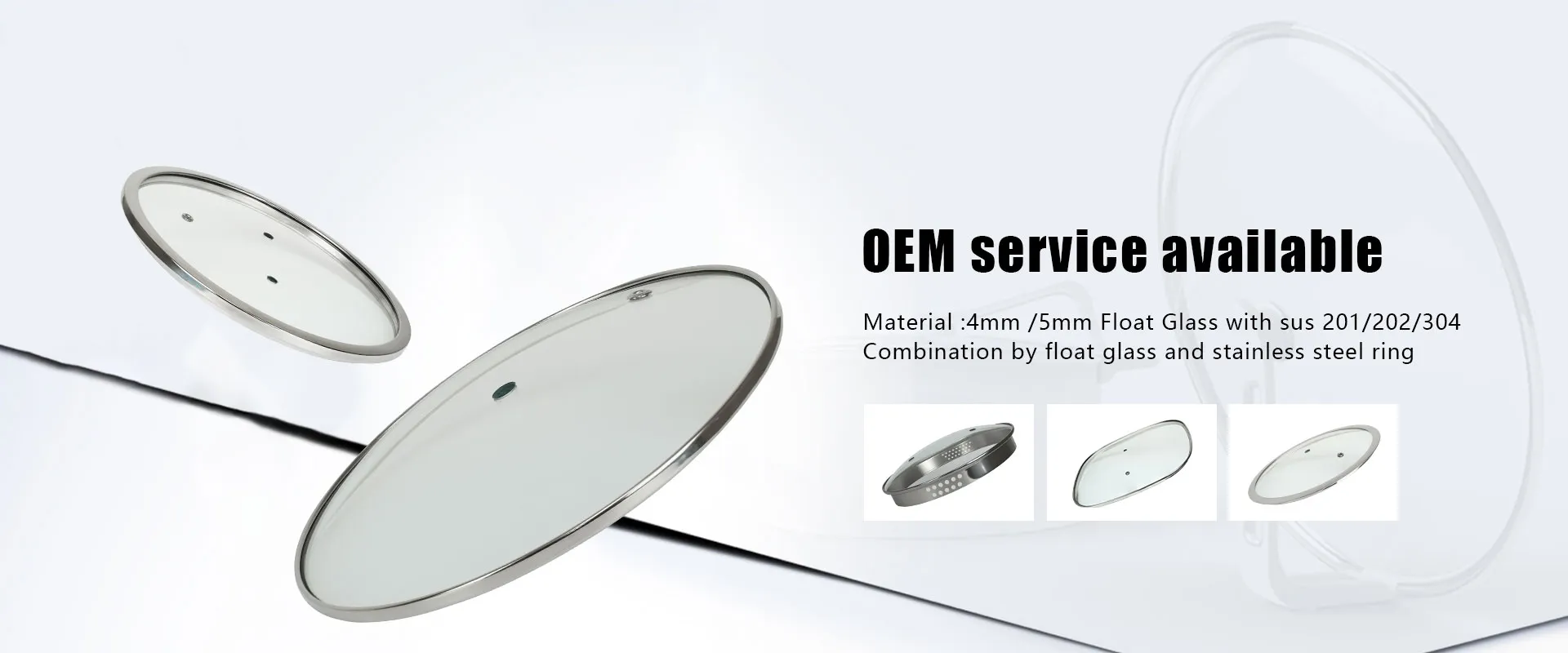
This is where the manufacturing source becomes relevant. A significant portion of the world's quality kitchen glassware, including these specialized lids, comes from dedicated factories in places like China's Shandong province. For instance, a company like EUR-ASIA COOKWARE CO.,LTD, which operates a sizable production facility in Taian City, specializes in this exact product category. Their focus on producing millions of tempered glass lid units annually, primarily for export to European and other international markets, indicates a scale and quality standard that meets stringent safety regulations. When you're sourcing a component that deals with heat and food, that kind of specialized, high-volume manufacturing pedigree matters more than a generic made in label.
Function Over Form: The Real-World Use Cases
So, what do you actually use it for? Pressure cooking is off the table, of course. But the moment you want to sear meats using the sauté function and then deglaze the pot, a glass lid is invaluable for containing splatter. Try doing that with the stainless steel pressure lid on—it's awkward and traps too much steam, preventing proper browning. The transparency is the killer feature. For slow cooking soups or making rice (using the manual keep warm or specific rice functions), you can monitor the boil level without releasing heat and steam by lifting the lid. It sounds trivial, but it prevents that why is my rice still watery? moment where you keep peeking and ruin the cook.
Yogurt making is the perfect example. The process requires maintaining a precise, low temperature for hours. With the glass lid on your Instant Pot 6 quart, you can see condensation forming evenly on the inside, a good visual cue that the temperature is stable and uniform, without disturbing the culture. Using the pressure lid for this feels like overkill and doesn't offer that visual feedback.
One practical headache is storage. The official lid often doesn't have a handle knob that allows it to sit upside down. It rolls around. Some third-party lids solve this with a flat, stable handle or included silicone covers that act as stands. It's a small detail, but in a crowded cupboard, it's the kind of thing you appreciate. Also, look for lids with a steam vent hole or a slight gap in the silicone seal. A completely airtight seal during slow cooking can sometimes create a slight vacuum, making the lid annoyingly difficult to remove. A tiny vent prevents that.
Sourcing and Quality Nuances
Not all tempered glass is created equal. The feel of the silicone sealing ring, the finish on the glass edges, and the heat resistance of the handle knob are telltale signs. A high-quality lid, like those produced for OEM partners or reputable brands, will have smoothly ground edges, a thick and pliable silicone gasket that creates a consistent seal, and a knob that doesn't get uncomfortably hot during stovetop use (yes, a good one can often be used on regular pots too).
Companies that export globally, such as EUR-ASIA COOKWARE CO.,LTD (whose product portfolio you can explore at glass-lid.com), have to adhere to different regional safety standards, from Germany's GS certification to broader EU norms. This forces a higher baseline quality than unbranded, commodity-grade products. Their business model, producing over 15 million glass lids and products yearly, is built on consistency and meeting these specs. For a kitchenware buyer or a discerning consumer, understanding that your lid likely comes from a specialized ecosystem like this is reassuring. It's not a sideline product for the factory.
I've tested lids where the silicone ring was too thin or stiff, leading to warping over time and a poor seal. Others had glass that developed fine, cloudy scratches after a few rounds in the dishwasher. The best ones resist this etching. My advice? If you're buying a third-party lid, check if the seller specifies dishwasher safety and temperature resistance range (it should handle at least 400°F/200°C). The lack of those details is a red flag.
The Fit and the Almost Right Problem
The 6-quart Instant Pot is the most common size, but even within that, there are subtle generational differences in the inner pot rim. The lid designed for the Duo series might fit the Ultra or the Pro, but sometimes it sits a millimeter differently. It usually works, but it's not always perfect. I keep the official lid for my primary pot and have a well-made third-party one as a backup for meal prep. The backup is from a supplier that explicitly states compatibility with my model.
A failure point I encountered once was with a lid that had a metal handle assembly screwed directly into the glass. Over many heat cycles, the metal and glass expanded and contracted at different rates, eventually loosening the screw. The lid became wobbly and unsafe. Better designs use a broader, insulating buffer between the metal screw and the glass, or a high-temp plastic clamp system. It's a detail you don't think about until it fails.
This is where the engineering from a specialized manufacturer shows its value. A company focused on glass lid production will have iterated on these assembly challenges across millions of units, developing more reliable mounting solutions for the handle and knob. Their entire operation, from the 20,000㎡ facility to the 90+ employees, is geared towards solving these specific material and assembly puzzles for kitchenware.
Final Thoughts: An Essential Accessory, Not an Extra
To wrap this up, don't view the tempered glass lid for Instant Pot 6 quart as an optional extra. If you use your Instant Pot for anything beyond pressure cooking, it's as essential as the inner pot itself. It unlocks the appliance's full potential. The goal is to find one that is properly tempered for safety, has the correct dome depth and diameter for a secure fit, and exhibits quality in the materials of its sealing ring and handle.
Look for clues of professional manufacturing, whether it's from the Instant Pot brand itself or a dedicated supplier with transparent specifications and a track record in export markets. The infrastructure and expertise found in large-scale producers, like the one we discussed, often translate to a more reliable product that handles the daily thermal stresses of a busy kitchen.
In the end, it's a simple tool, but its value is in the details: the clarity of the glass when you're checking on a simmer, the soft thud of a perfect seal, and the confidence that it's built to last. Skipping it means you're only using half your appliance.
Related Products
Related Products