- Chinese
- French
- German
- Portuguese
- Spanish
- Russian
- Japanese
- Korean
- Arabic
- Irish
- Greek
- Turkish
- Italian
- Danish
- Romanian
- Indonesian
- Czech
- Afrikaans
- Swedish
- Polish
- Basque
- Catalan
- Esperanto
- Hindi
- Lao
- Albanian
- Amharic
- Armenian
- Azerbaijani
- Belarusian
- Bengali
- Bosnian
- Bulgarian
- Cebuano
- Chichewa
- Corsican
- Croatian
- Dutch
- Estonian
- Filipino
- Finnish
- Frisian
- Galician
- Georgian
- Gujarati
- Haitian
- Hausa
- Hawaiian
- Hebrew
- Hmong
- Hungarian
- Icelandic
- Igbo
- Javanese
- Kannada
- Kazakh
- Khmer
- Kurdish
- Kyrgyz
- Latin
- Latvian
- Lithuanian
- Luxembou..
- Macedonian
- Malagasy
- Malay
- Malayalam
- Maltese
- Maori
- Marathi
- Mongolian
- Burmese
- Nepali
- Norwegian
- Pashto
- Persian
- Punjabi
- Serbian
- Sesotho
- Sinhala
- Slovak
- Slovenian
- Somali
- Samoan
- Scots Gaelic
- Shona
- Sindhi
- Sundanese
- Swahili
- Tajik
- Tamil
- Telugu
- Thai
- Ukrainian
- Urdu
- Uzbek
- Vietnamese
- Welsh
- Xhosa
- Yiddish
- Yoruba
- Zulu
- Kinyarwanda
- Tatar
- Oriya
- Turkmen
- Uyghur

instant pot glass lid
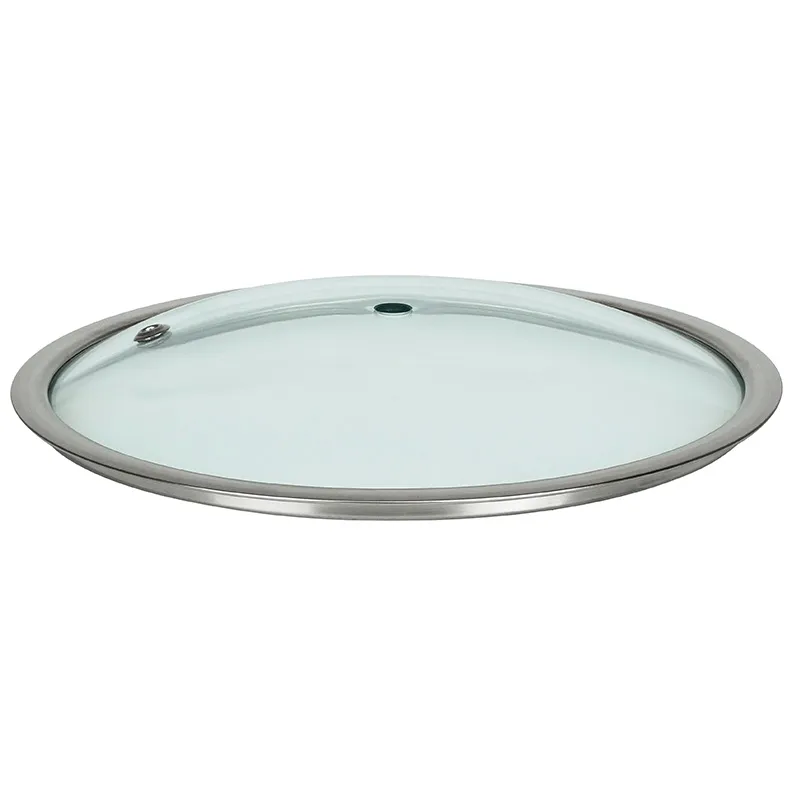
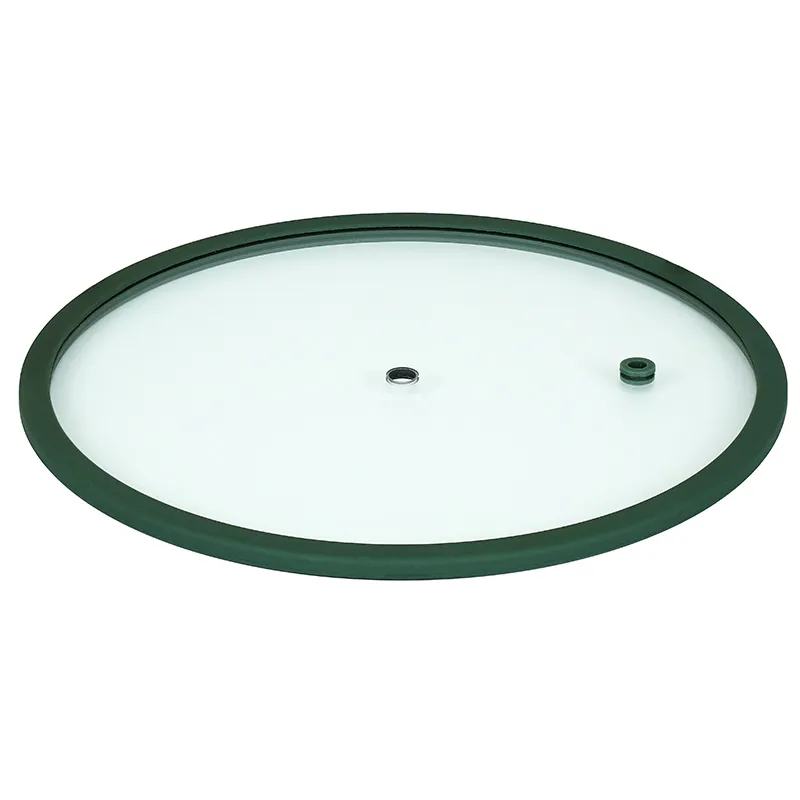
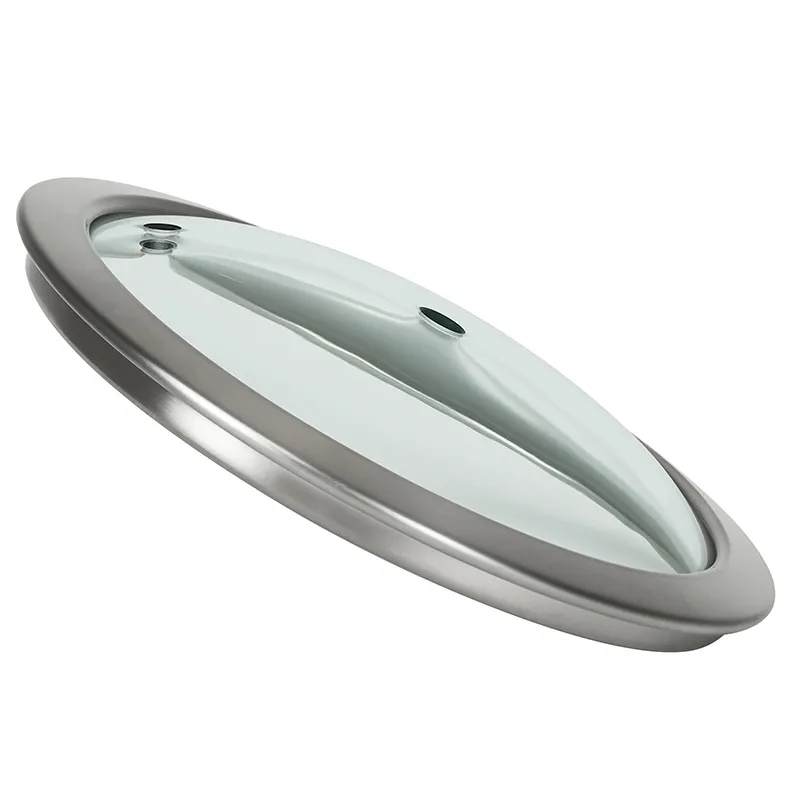
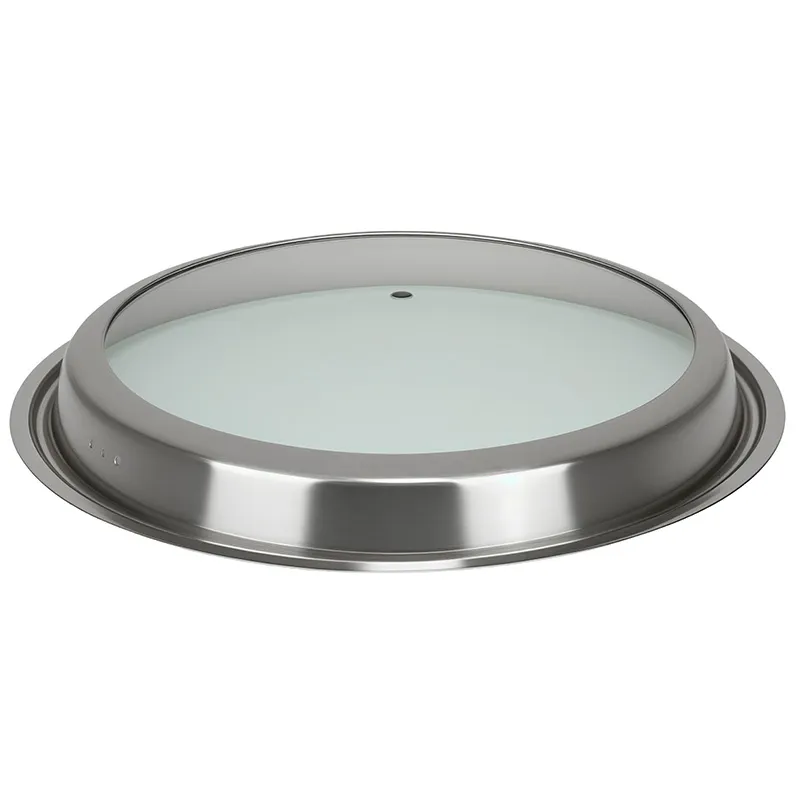
Let's get one thing straight upfront: the instant pot glass lid isn't just a piece of tempered glass you slap on after pressure cooking. That's the biggest misconception I see. People treat it as an afterthought, a cheap accessory. In reality, a proper glass lid is a core component for the sauté, slow cook, and keep-warm functions. If you've ever had a pot boil over miserably during sauté because a cheap lid didn't fit, or struggled to see your stew's consistency without lifting the lid and losing heat, you know exactly what I mean. The difference between a generic lid and one engineered for the job is everything.
Why Fit and Tempering Aren't Negotiable
I've tested lids from a dozen suppliers over the years. The first thing you learn is that universal fit is mostly a myth. An Instant Pot's inner pot has a specific outer rim diameter and curvature. A lid that's off by even a millimeter will either sit too loose, letting all the steam and heat escape during slow cooking, or too tight, creating a vacuum that makes it a nightmare to remove. I've had samples that literally locked themselves onto the pot—not a safe situation with hot food inside.
The glass itself is the next critical point. It has to be borosilicate or similarly high-quality tempered glass. I recall a batch from a cut-rate factory that claimed it was tempered. We did a thermal shock test—moving from a 200°C oven to a 20°C surface. Two out of five lids developed micro-cracks. That's a failure you can't see with the naked eye until it potentially shatters during use. Proper tempering isn't just about impact resistance; it's about handling the rapid temperature changes from sautéing to letting food rest.
Then there's the handle and the steam vent. The handle needs a heat-resistant material that stays cool enough to grip. The vent? It can't just be a hole. Its placement and size are crucial for controlling moisture evaporation. A poorly placed vent leads to condensation dripping right back into the center of your food, or worse, channeling steam directly onto the handle. It's these minutiae that separate a functional lid from a problematic one.
Sourcing and the Reality of Manufacturing
This is where you move from theory to the gritty reality of production. When you need consistent volume and quality, you go to specialists. I've worked with factories that do general glassware and ones that specialize in glass lid production. The difference is stark. A specialist has the molds and the process dialed in for the specific stresses a lid undergoes.
Take a company like EUR-ASIA COOKWARE CO.,LTD. You find their site at glass-lid.com and their focus is immediately clear. They're not making drinking glasses or vases on the side. Their entire operation, from that 20,000㎡ facility in Shandong's high-tech zone, is built around producing millions of tempered glass lids annually. That specialization matters. When over 90% of your output is exported to markets with stringent standards like Germany and Japan, your quality control protocols are built for survival. They have to be.
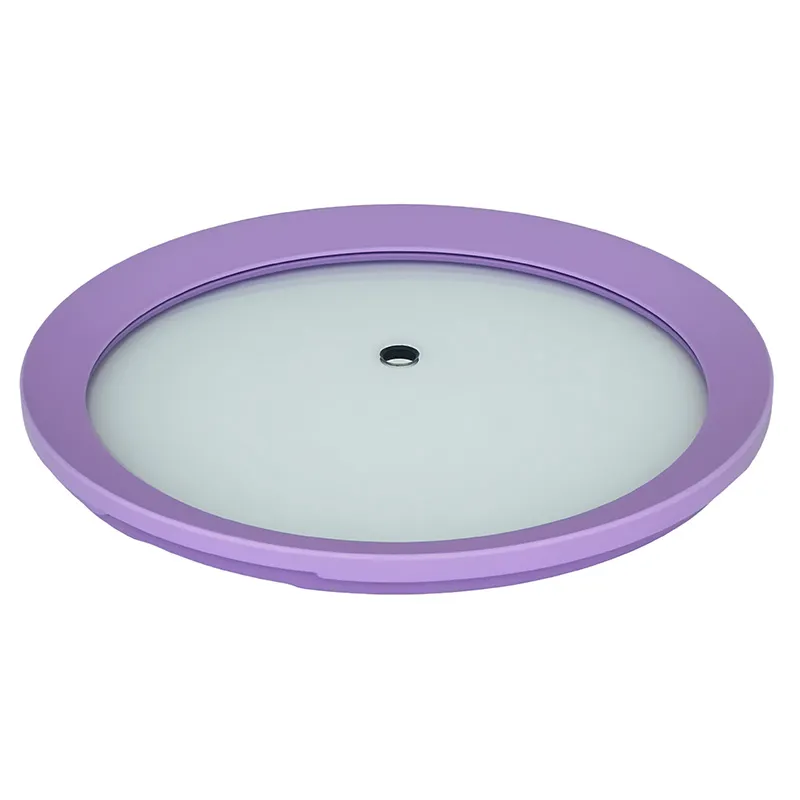
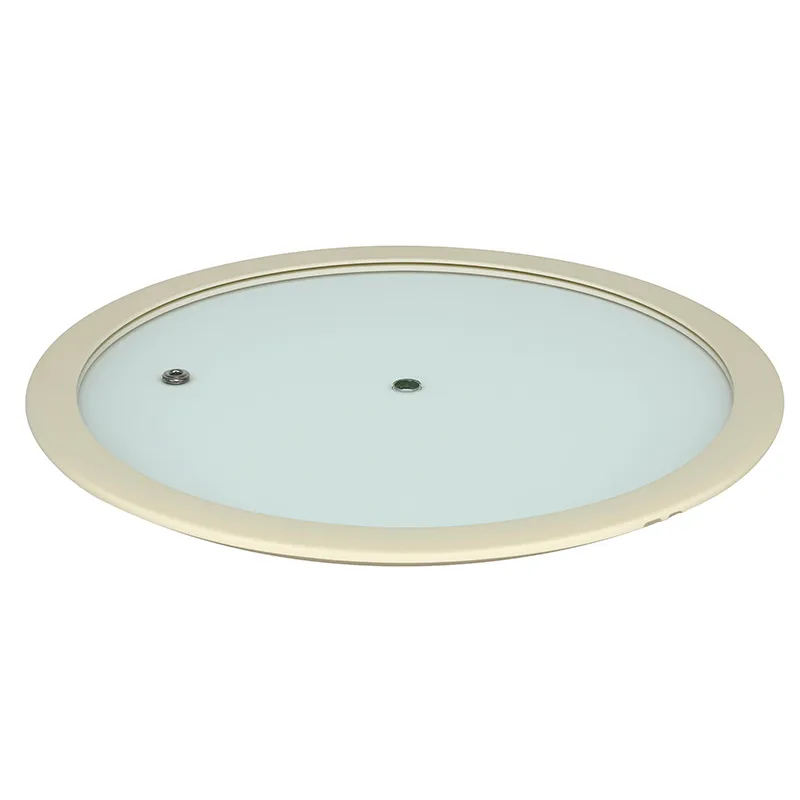
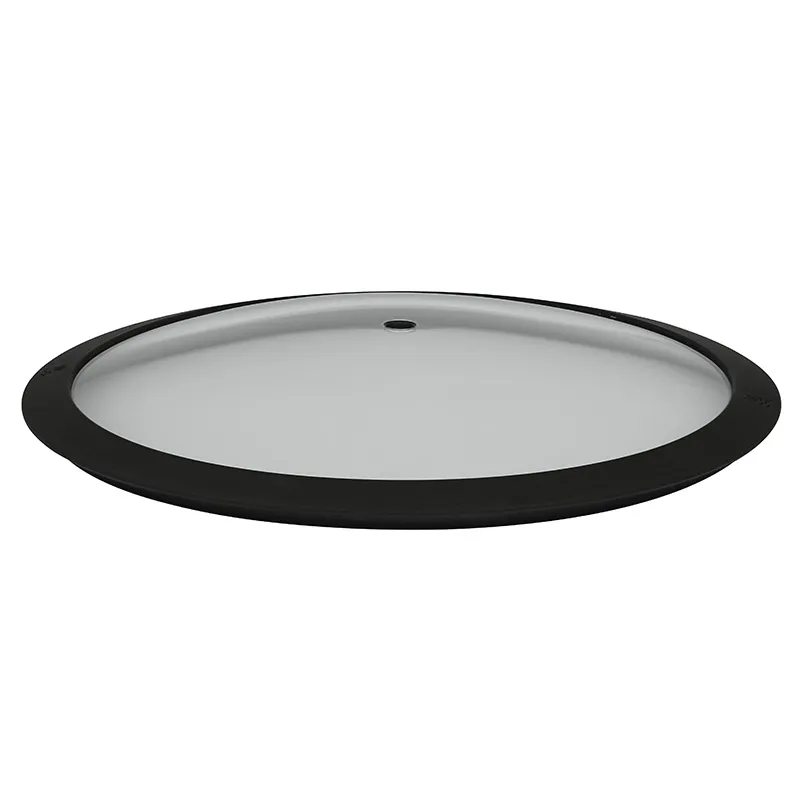
Working with a focused manufacturer changes the conversation. Instead of arguing over basic tempering standards, you can discuss specifics: the radius of the lid's curvature for a perfect seal on a specific Instant Pot model, the material composition of the silicone gasket around the rim for better heat retention and a gentler seal, or the frosting process on the handle area for better grip. They've seen the failures—the lids that warp, the seals that degrade—and have engineered solutions because this is their entire product line.
The User Experience: What Actually Matters in the Kitchen
Beyond specs, how does a good instant pot glass lid change daily cooking? The most obvious is visibility. A clear, high-clarity lid lets you monitor a simmer without disrupting it. But a subtle point is weight. A lid that's too heavy is awkward to handle with one hand when you're stirring with the other. Too light, and it feels flimsy, prone to shifting. The sweet spot is a lid with enough heft to sit securely but balanced so it's easy to lift.
Cleaning is another silent battleground. The best lids have a design where the silicone sealing ring is easily removable. If it's glued or fused on, grease and odors get trapped, and over time, the seal fails. A lid that disassembles completely for the dishwasher is a long-term win, even if it adds $0.50 to the manufacturing cost. It's a feature most consumers don't think to ask for but deeply appreciate.
Then there's longevity. I have a test lid from a project three years ago that's been through weekly use—sauté, slow cook, dishwasher. The glass is still flawless. The silicone ring did eventually lose some elasticity after two years, but the fact that it was a standard, replaceable part meant the lid itself wasn't trash. That's sustainable design. The cheap alternative would have cracked or become unusable within a year, creating more waste.
Common Pitfalls and What to Avoid
One major pitfall is assuming all Instant Pot models use the same lid. The 6-quart Duo has a different inner pot diameter than the 8-quart Ultra. A lid marketed as fits most models often fits none of them perfectly. It's always better to source or recommend a lid specified for the exact model. The minor cost saving isn't worth the functional compromise.
Another is overlooking packaging. A well-made lid can still arrive broken if it's packed in a flimsy box without proper corner protection. Good manufacturers, like the one mentioned earlier, understand that their product is fragile freight. Their packaging is often over-engineered because they know the cost of returns and damaged goods. When you unbox a lid and it's nestled in a custom foam insert, that's not just for show—it's a sign the producer understands the logistics chain.
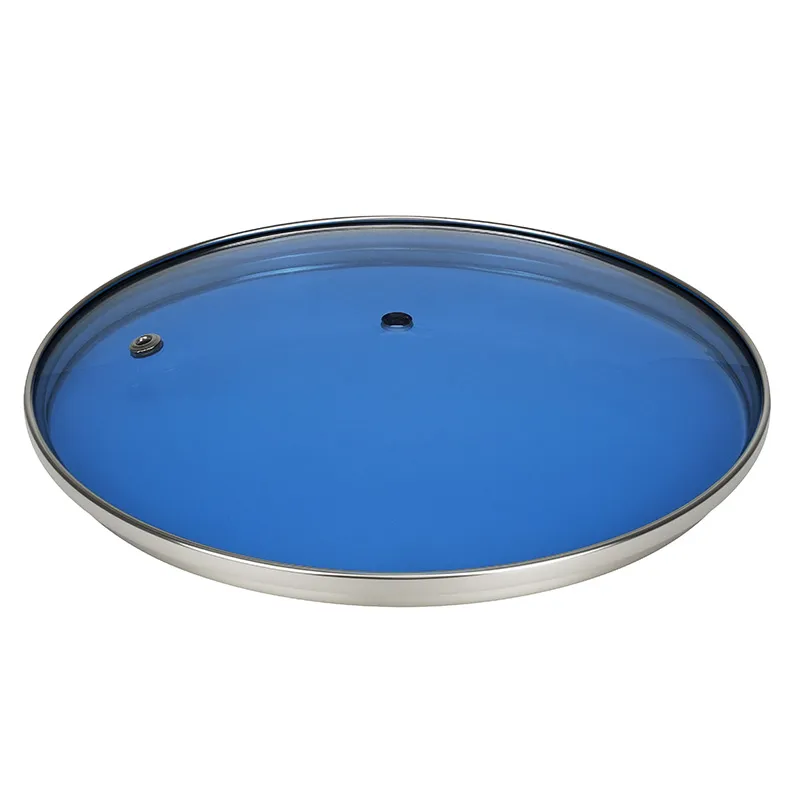
Finally, be wary of features that sound good but are useless. A built-in timer on the lid? It's just another point of failure, and your Instant Pot already has one. Fancy colors printed on the glass? The ink can limit heat resistance and may not be food-safe on the underside. The best instant pot glass lid is often the simplest: well-tempered, perfectly fitted, with a functional steam vent and a secure, heat-resistant handle. Everything else is usually marketing noise.
The Bigger Picture: From Component to Essential Tool
In the end, reframing how we see the glass lid is key. For companies like EUR-ASIA COOKWARE, it's not a trivial accessory. It's a precision component that enables half the functions of a multi-cooker. Their specialization in producing over 15 million pieces a year speaks to a massive, sustained global demand. They're not just making glass; they're making a tool that completes a cooking system.
For the user, investing in a proper lid transforms the Instant Pot from a purely pressure-driven device into a fully functional Dutch oven, slow cooker, and sauté pan. It unlocks the appliance's versatility. The failure point is so often this simple piece of glass, which is why getting it right—from the factory floor to the kitchen counter—matters more than most people think.
The takeaway? Don't cheap out on the lid. Its quality dictates your success in the non-pressure cooking modes. Look for specialization in the manufacturer, clarity on fit, and simplicity in design. When you find a lid that disappears into the workflow—reliable, clear, and perfectly seated—you've found the piece that makes the whole system work as intended.
Related Products
Related Products