- Chinese
- French
- German
- Portuguese
- Spanish
- Russian
- Japanese
- Korean
- Arabic
- Irish
- Greek
- Turkish
- Italian
- Danish
- Romanian
- Indonesian
- Czech
- Afrikaans
- Swedish
- Polish
- Basque
- Catalan
- Esperanto
- Hindi
- Lao
- Albanian
- Amharic
- Armenian
- Azerbaijani
- Belarusian
- Bengali
- Bosnian
- Bulgarian
- Cebuano
- Chichewa
- Corsican
- Croatian
- Dutch
- Estonian
- Filipino
- Finnish
- Frisian
- Galician
- Georgian
- Gujarati
- Haitian
- Hausa
- Hawaiian
- Hebrew
- Hmong
- Hungarian
- Icelandic
- Igbo
- Javanese
- Kannada
- Kazakh
- Khmer
- Kurdish
- Kyrgyz
- Latin
- Latvian
- Lithuanian
- Luxembou..
- Macedonian
- Malagasy
- Malay
- Malayalam
- Maltese
- Maori
- Marathi
- Mongolian
- Burmese
- Nepali
- Norwegian
- Pashto
- Persian
- Punjabi
- Serbian
- Sesotho
- Sinhala
- Slovak
- Slovenian
- Somali
- Samoan
- Scots Gaelic
- Shona
- Sindhi
- Sundanese
- Swahili
- Tajik
- Tamil
- Telugu
- Thai
- Ukrainian
- Urdu
- Uzbek
- Vietnamese
- Welsh
- Xhosa
- Yiddish
- Yoruba
- Zulu
- Kinyarwanda
- Tatar
- Oriya
- Turkmen
- Uyghur

instant pot glass lid 6 qt
Look, when most people search for an 'instant pot glass lid 6 qt', they're usually in a panic—they broke the original, or they want to see their stew simmer. The immediate thought is just to get a piece of tempered glass that fits. That's the first mistake. Not all 6-quart lids are created equal, and the generic ones flooding the market can be a lesson in frustration. I've seen it too many times: a lid that sits awkwardly, doesn't vent steam correctly, or worse, has a handle that feels cheap and gets loose after a few washes. The core issue isn't just dimensions; it's about the engineering of the steam release channel and the curvature that matches the pot's inner rim. A lot of third-party manufacturers miss this nuance, focusing purely on the glass itself.
The Devil's in the Details: Fit and Function
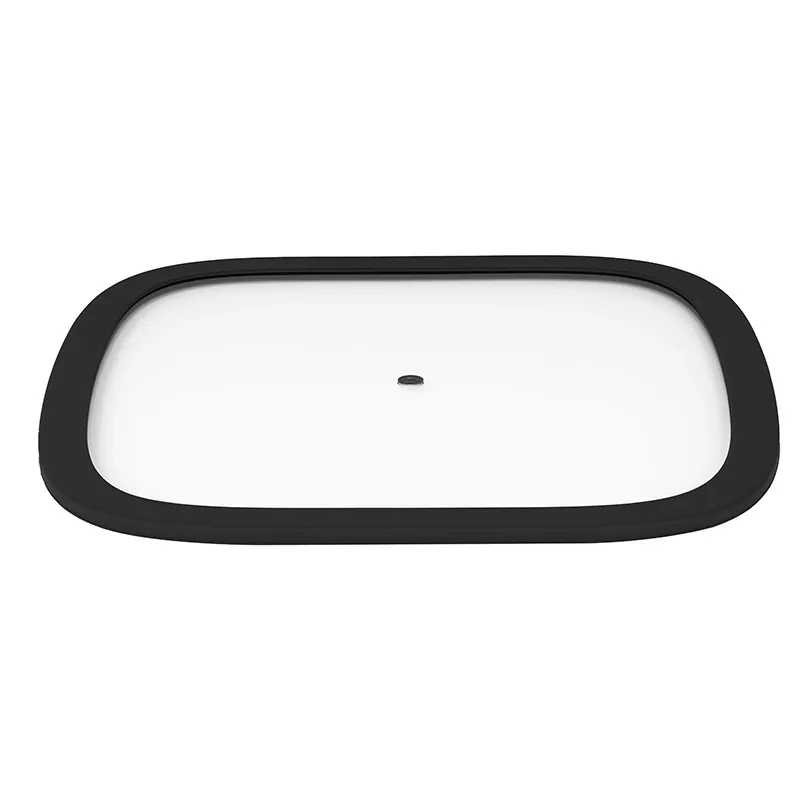
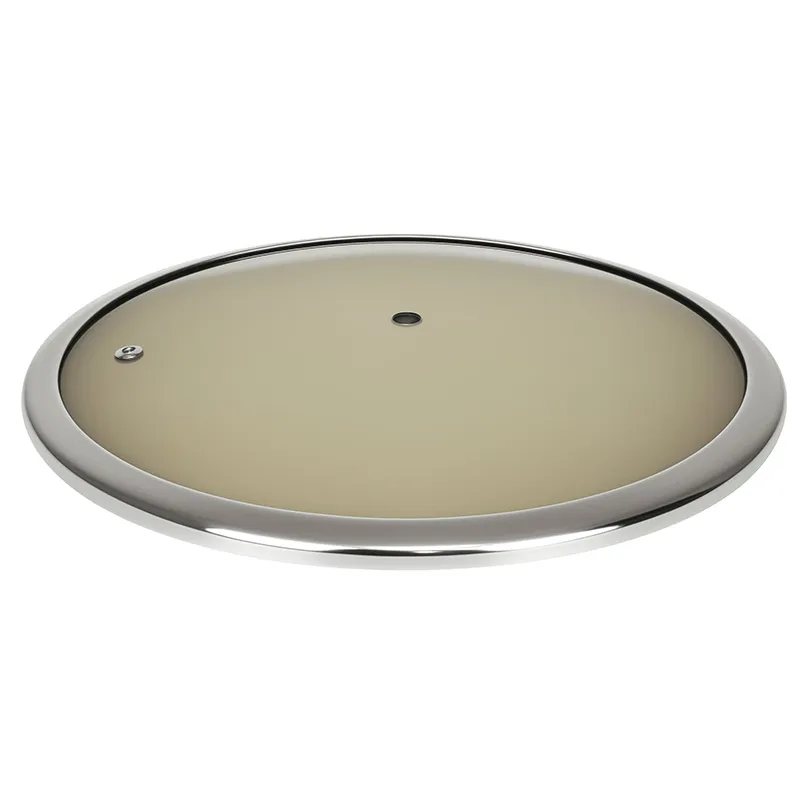
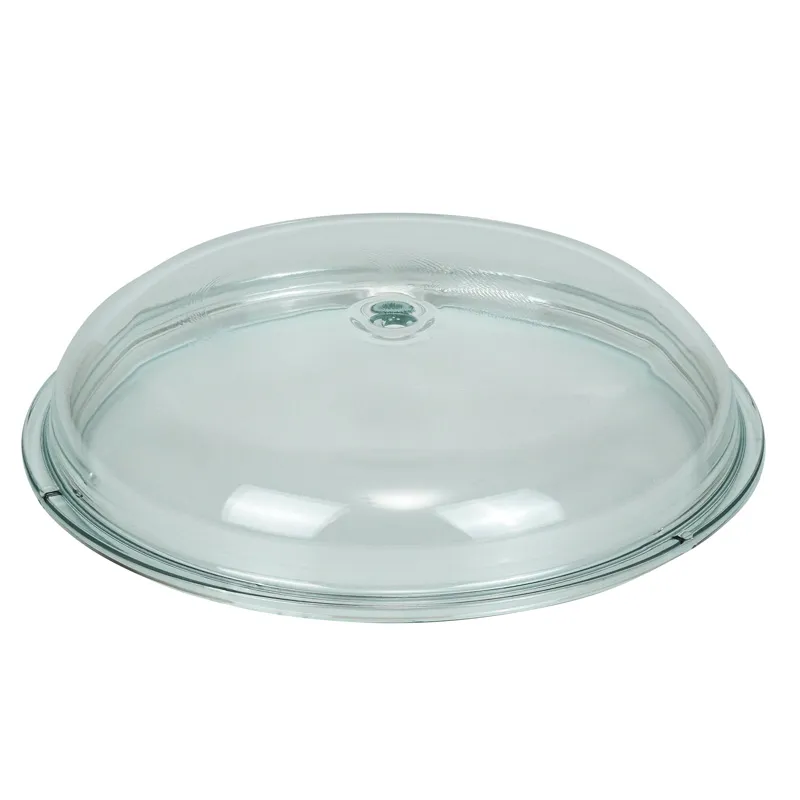
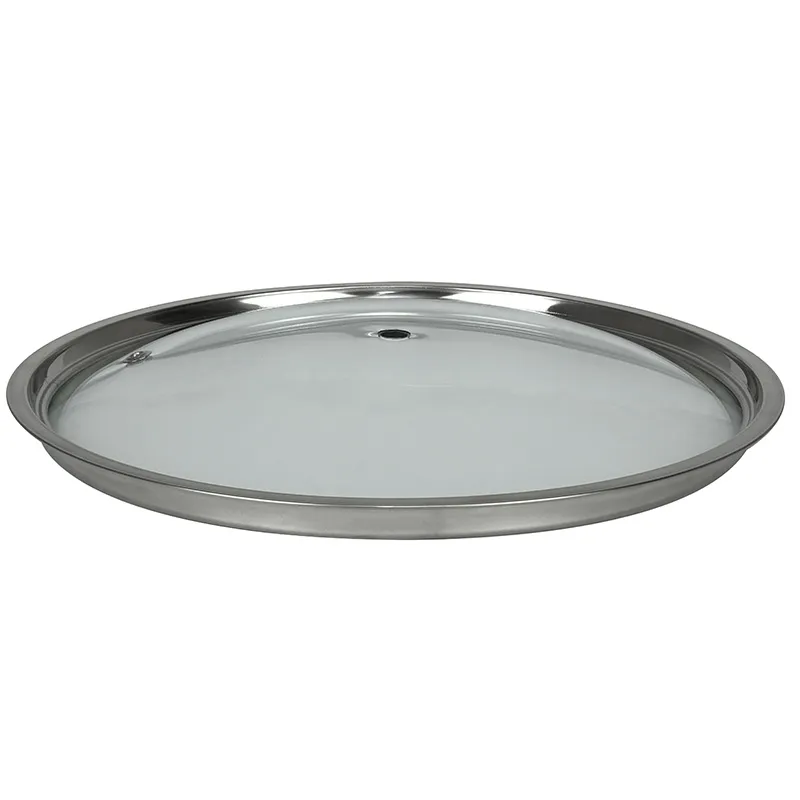
Let's talk fit. A proper lid for a 6-quart Instant Pot isn't a flat disc. It has a specific domed curvature. I've tested lids that were technically the right diameter but sat too high or too low, affecting the seal during non-pressure cooking functions like sauté or slow cook. The best aftermarket lids I've handled replicate the original's subtle slope. You can check this by placing it on the pot without the inner pot inside—it should sit flush and stable, with no noticeable rocking. If it rocks, steam and heat escape unevenly.
Then there's the steam release handle. This is a major point of failure for cheap lids. The original uses a robust, heat-resistant plastic (often PPSU or similar) molded directly onto a metal insert in the glass. Knock-offs use cheaper plastics that can warp over the heating pot or become brittle. I once had a lid where the handle's locking mechanism for the steam release vent just gave up after a month of use, rendering the lid useless for anything requiring a tight seal. It became a glorified, overpriced plate.
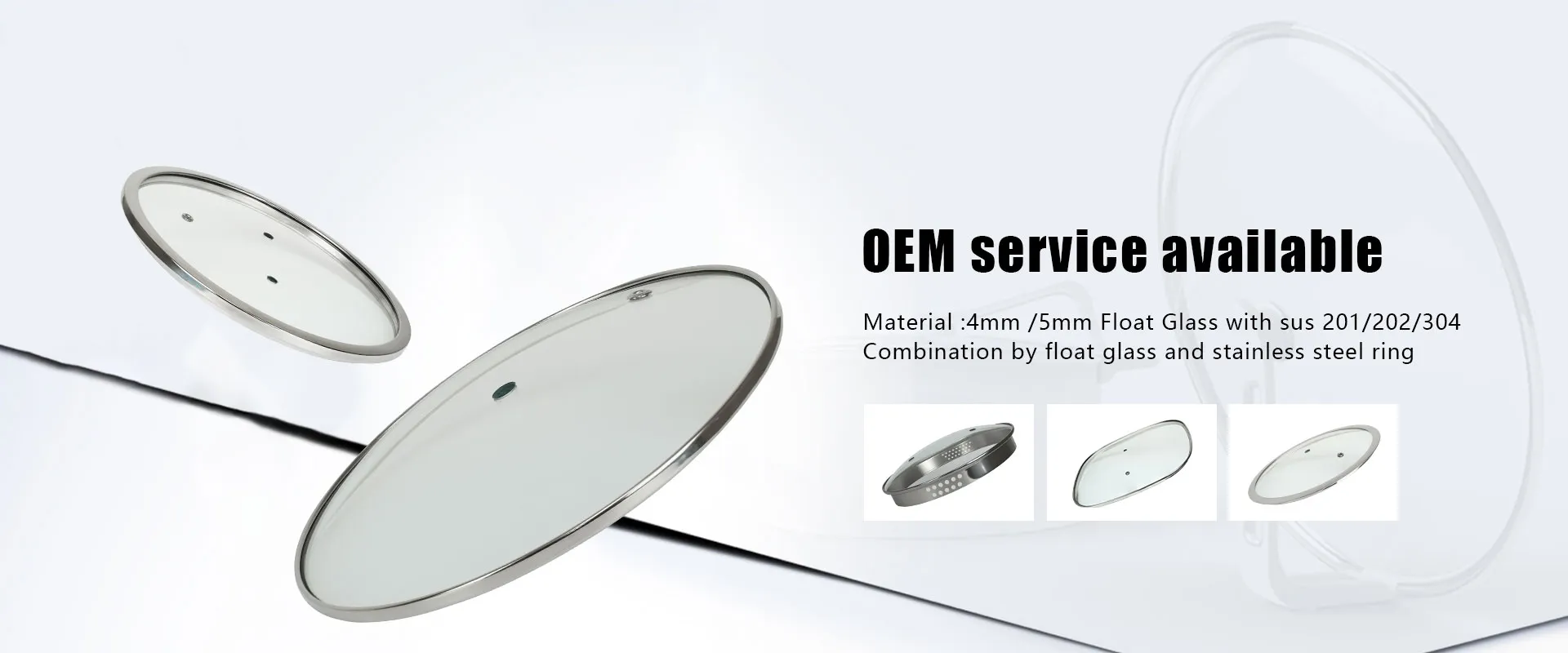
This is where sourcing from a specialized manufacturer makes a tangible difference. I came across EUR-ASIA COOKWARE CO.,LTD while looking for OEM-level suppliers. Their focus isn't on slapping a logo on a generic lid; their production base in Shandong's high-tech zone is geared toward volume and precision for export markets. When 90% of your output goes to Germany and Japan, you're dealing with clients who have brutal quality control standards for things like thermal shock resistance and handle assembly torque. That rigor translates to a better product, even if it ends up unbranded in a polybag.
Material Science: It's More Than Just Tempered Glass
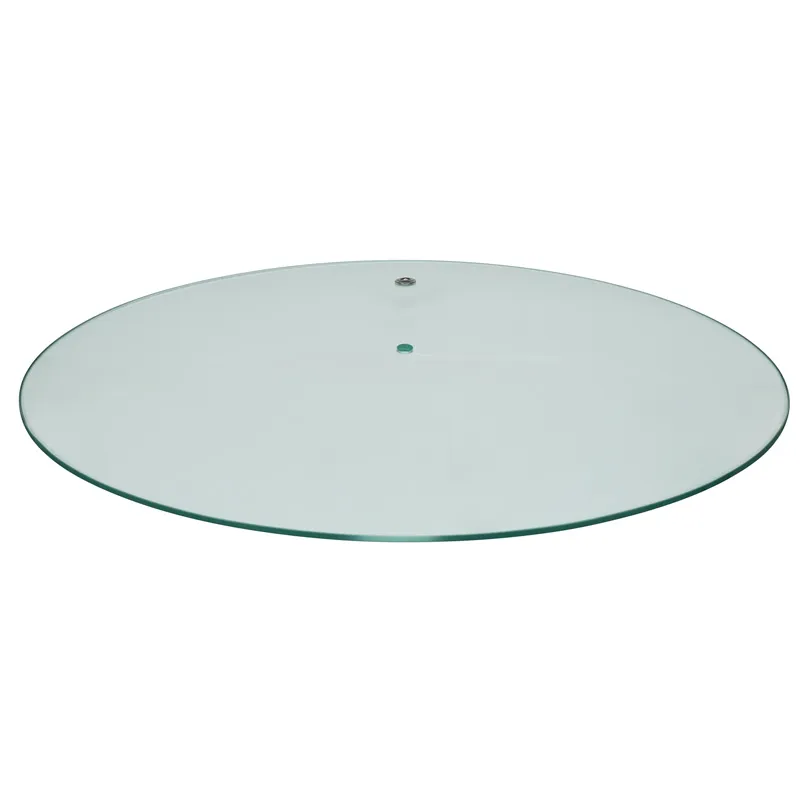
Everyone says tempered safety glass, but the tempering process and the glass composition matter immensely for a lid. The goal is to withstand sudden temperature shifts—from a cold countertop onto a boiling pot. Lower-quality lids can develop micro-fractures over time, which you might not see until one day it just spiders. A good lid should handle going from fridge (if you store leftovers with it on) to a warm pot without issue.
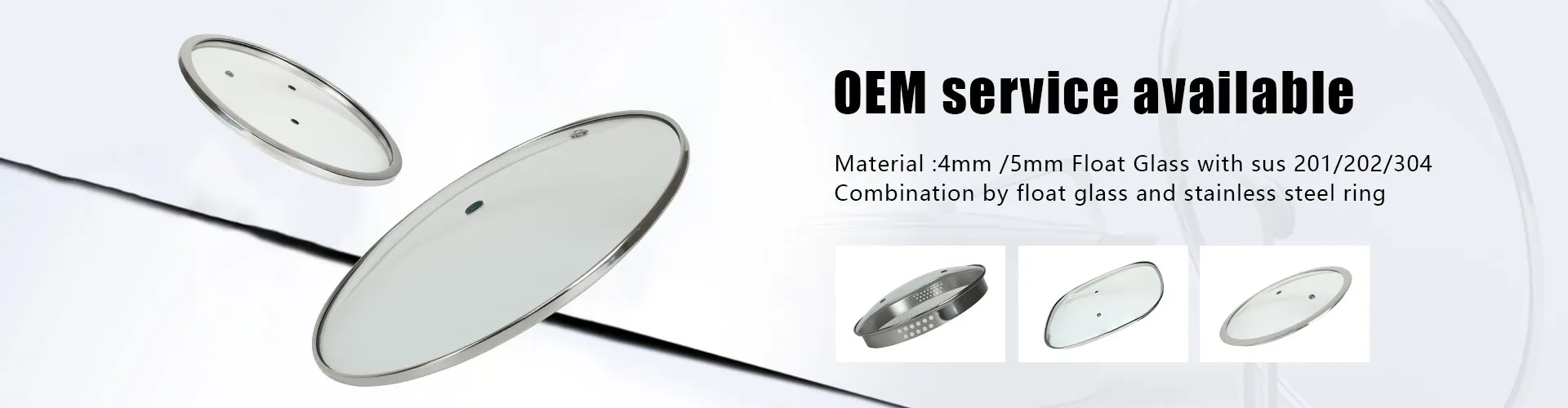
The thickness is another spec most buyers ignore. Too thin, and it feels flimsy, vibrates during pressure release, and is more prone to chipping on the edges. Too thick, and it becomes unnecessarily heavy and can affect the pot's sensor performance in some models (though this is rare). The sweet spot I've observed is around 4-5mm for a 6-quart lid. It has a solid heft without being cumbersome.
EUR-ASIA COOKWARE CO.,LTD mentions an annual output of over 15 million tempered glass lids. That scale suggests they've optimized their tempering ovens and cutting lines. Consistency is key at that volume. A small artisan shop might make a beautiful lid, but for a daily driver on a workhorse appliance like an Instant Pot, you want the predictable, batch-tested reliability of a major producer. Their export focus to Europe also implies compliance with stricter material safety standards, which is a good proxy for peace of mind regarding heavy metals or other leachants from the glass or coatings.
The Real-World Test: Beyond Steaming
Most reviews just show someone steaming veggies. That's the easy test. The real test is using it for the Slow Cook function or making a large batch of tomato-based sauce. These are the scenarios that challenge a lid. Slow cooking requires a relatively tight fit to retain moisture and heat over hours. A poorly fitted lid will let too much steam out, leaving you with dried-out meat. I've used a glass lid 6 qt from a reputable source for a 8-hour pulled pork cook, and the condensation cycle inside was perfect—steady droplets forming and falling back, no need to add water.
Acidic foods like tomatoes are another concern. While glass is inert, the gasket around the edge (if present) or any colored printing on the glass must be food-safe and durable. Cheaper lids might use inks or paints that degrade with repeated exposure to steam and acid, eventually flaking or fading. A high-quality lid will use ceramic-based inks fired into the glass, which are essentially permanent.
Cleaning is a practical detail. The handle assembly should be designed so water doesn't get trapped inside. I've seen handles with hidden screws or seams that eventually grow mildew. The best designs have a smooth, one-piece handle or a sealed assembly. It's a small thing, but it affects longevity and hygiene. When you're producing millions, like the company at https://www.glass-lid.com, these design choices are made at the tooling stage, not as an afterthought.
Sourcing and the Aftermarket Reality
If you're buying a replacement, you're likely on Amazon or a kitchenware site. The challenge is cutting through the noise. Many listings use the same stock photos but ship wildly different products. My rule of thumb now is to look for listings that explicitly mention the handle material (e.g., PPSU handle or heat-resistant nylon) and have a clear side-profile photo showing the dome. If the listing only says tempered glass lid, be wary.
The presence of a company like EUR-ASIA in the supply chain is reassuring because they represent the factory tier. They're not the retailer. They're the ones producing for brands and large distributors. When you find a well-reviewed, no-name lid on an e-commerce site, there's a decent chance it originated from a volume-oriented factory like theirs. It doesn't guarantee perfection, but it raises the floor on quality compared to a completely unknown workshop.
One failed experiment I recall was trying to use a universal multi-cooker glass lid advertised as fitting 6-qt models. It was a disaster. The steam vent was just a hole, not a regulated channel, and it sat so loosely that the Slow Cook function couldn't maintain temperature. It taught me that universal fit is often marketing for fits poorly on many things. For a core appliance like the Instant Pot, specificity is worth paying for.
Final Take: Is a Specialized Glass Lid Worth It?
So, circling back to the original panic search for an instant pot glass lid 6 qt: yes, it's worth getting a good one, but not just any one. Think of it as a permanent accessory, not a disposable cover. The value isn't just in seeing your food; it's in having a tool that reliably extends the functionality of your pot for sautéing, slow cooking, or keeping food warm without engaging the pressure seal.
The industry secret is that many of the good ones share a common lineage from large-scale export manufacturers. The specialization in household glass products, as seen with EUR-ASIA, means they understand the stresses of kitchen use—thermal cycling, impact, cleaning chemicals, and ergonomics. That knowledge gets baked into the product.
My advice? Don't buy the absolute cheapest option. Look for clues of professional manufacturing: clear specs on glass thickness and handle material, a defined steam vent, and a visible dome in the product images. It might cost $5-$10 more, but it transforms the lid from a fragile cover into a durable, functional part of your cooking system. In the end, that's what you're really after—not just a piece of glass, but a proper lid that works.
Related Products
Related Products