- Chinese
- French
- German
- Portuguese
- Spanish
- Russian
- Japanese
- Korean
- Arabic
- Irish
- Greek
- Turkish
- Italian
- Danish
- Romanian
- Indonesian
- Czech
- Afrikaans
- Swedish
- Polish
- Basque
- Catalan
- Esperanto
- Hindi
- Lao
- Albanian
- Amharic
- Armenian
- Azerbaijani
- Belarusian
- Bengali
- Bosnian
- Bulgarian
- Cebuano
- Chichewa
- Corsican
- Croatian
- Dutch
- Estonian
- Filipino
- Finnish
- Frisian
- Galician
- Georgian
- Gujarati
- Haitian
- Hausa
- Hawaiian
- Hebrew
- Hmong
- Hungarian
- Icelandic
- Igbo
- Javanese
- Kannada
- Kazakh
- Khmer
- Kurdish
- Kyrgyz
- Latin
- Latvian
- Lithuanian
- Luxembou..
- Macedonian
- Malagasy
- Malay
- Malayalam
- Maltese
- Maori
- Marathi
- Mongolian
- Burmese
- Nepali
- Norwegian
- Pashto
- Persian
- Punjabi
- Serbian
- Sesotho
- Sinhala
- Slovak
- Slovenian
- Somali
- Samoan
- Scots Gaelic
- Shona
- Sindhi
- Sundanese
- Swahili
- Tajik
- Tamil
- Telugu
- Thai
- Ukrainian
- Urdu
- Uzbek
- Vietnamese
- Welsh
- Xhosa
- Yiddish
- Yoruba
- Zulu
- Kinyarwanda
- Tatar
- Oriya
- Turkmen
- Uyghur


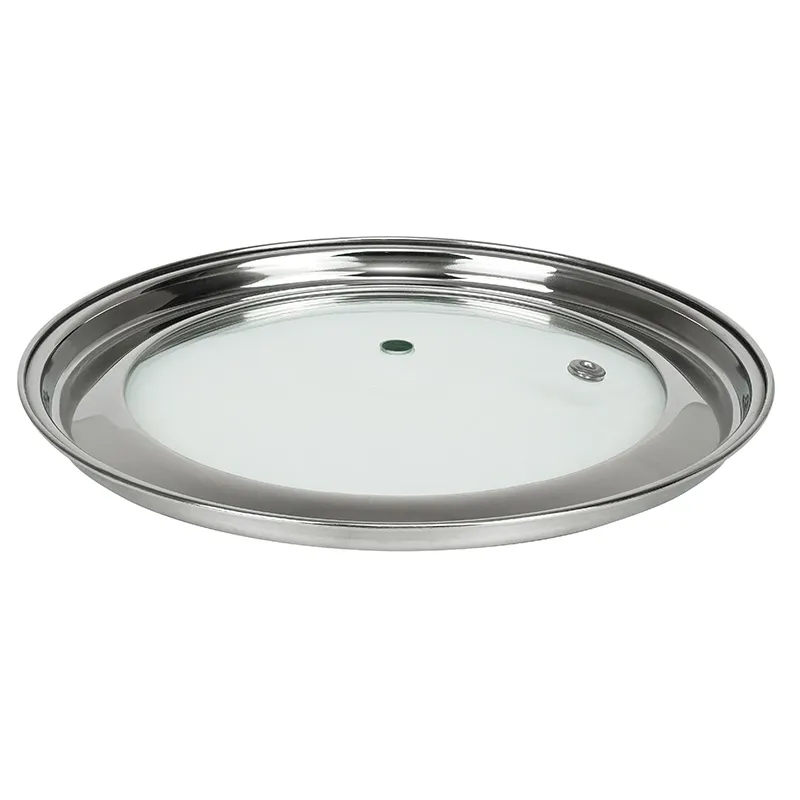
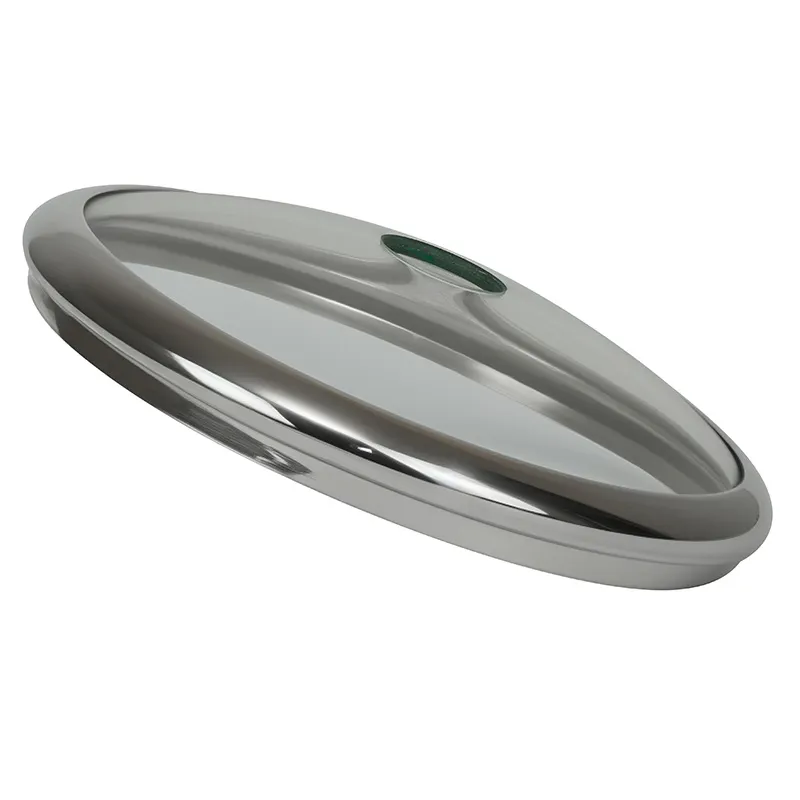
instant pot glass lid 8 qt
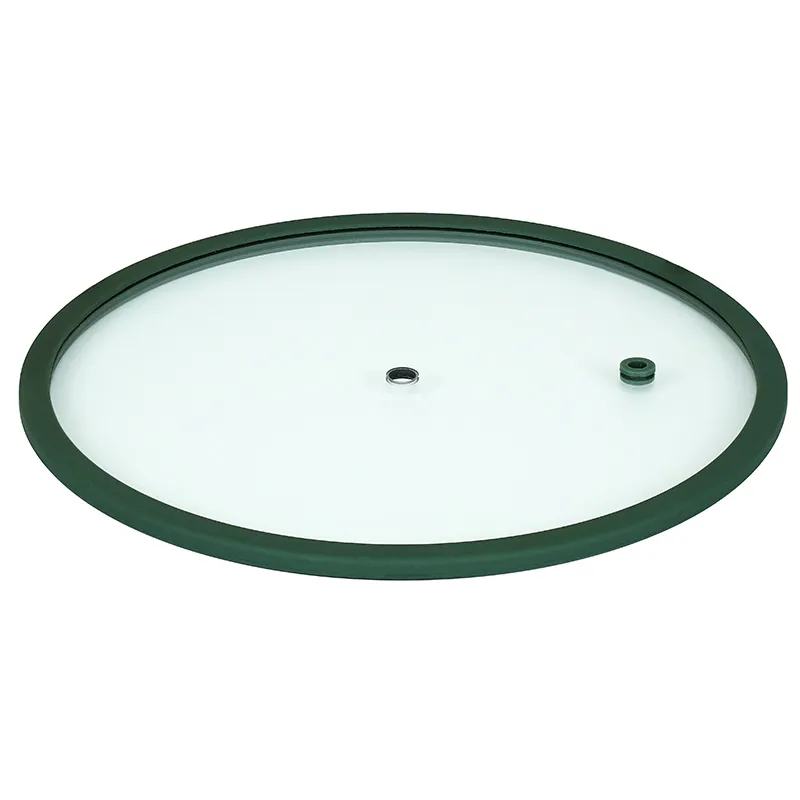
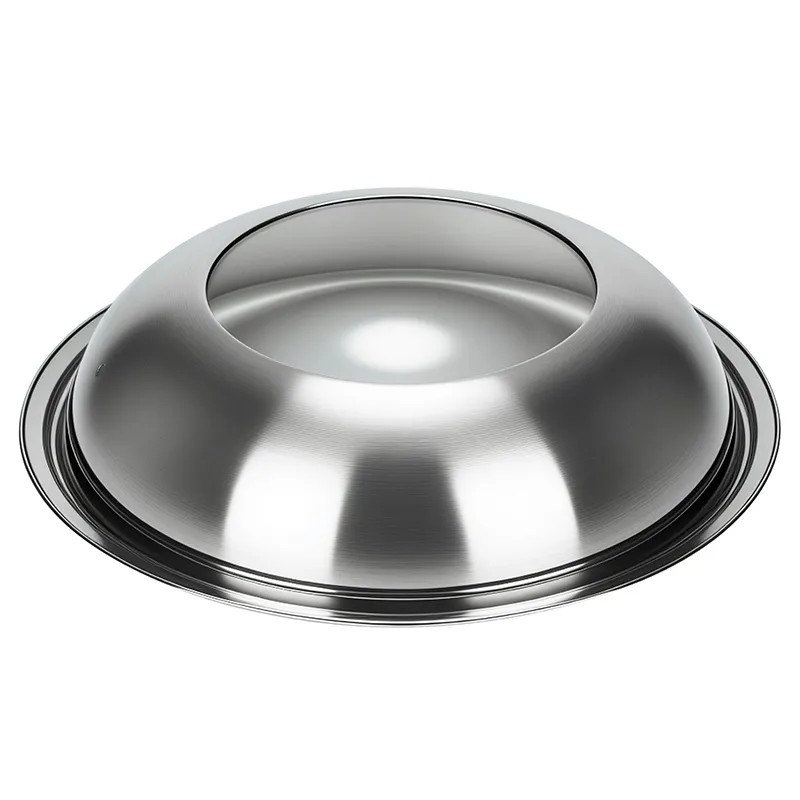
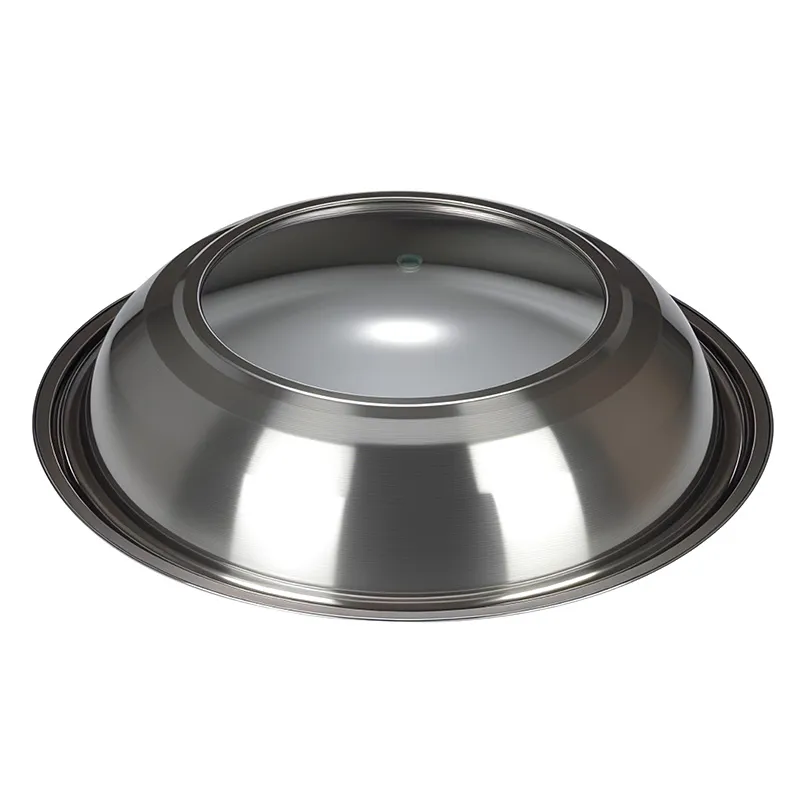
When most people think about an Instant Pot, they fixate on the stainless steel inner pot or the programmable base. The lid is often an afterthought—just a piece that seals the deal. But if you've spent any real time pressure cooking, slow cooking, or using the sauté-then-simmer function, you know the lid is where the real game changes. Specifically, the instant pot glass lid 8 qt isn't just an accessory; it's a fundamental tool for shifting the appliance from a purely pressurized environment to a versatile stovetop-style cooker. A common industry oversight is treating it as a generic, one-size-fits-all component. In reality, the fit, the glass quality, and the steam vent design are what separate a functional lid from one that sits in a drawer.
Why a Dedicated Glass Lid Matters
You can't just use any 8-quart pot lid. The inner rim of the Instant Pot is designed for a specific outer diameter and curvature. A lid that's even a few millimeters off will either sit loosely, letting all your heat and moisture escape, or it won't sit flat at all. I've seen folks try to use a universal glass lid from a department store, and the results are inconsistent at best—uneven cooking, excessive evaporation, and a lid that rattles with every simmer bubble. The official Instant Pot brand lid is engineered to that exact specification, but third-party manufacturers have gotten very good at this, provided they have the right tooling and quality control.
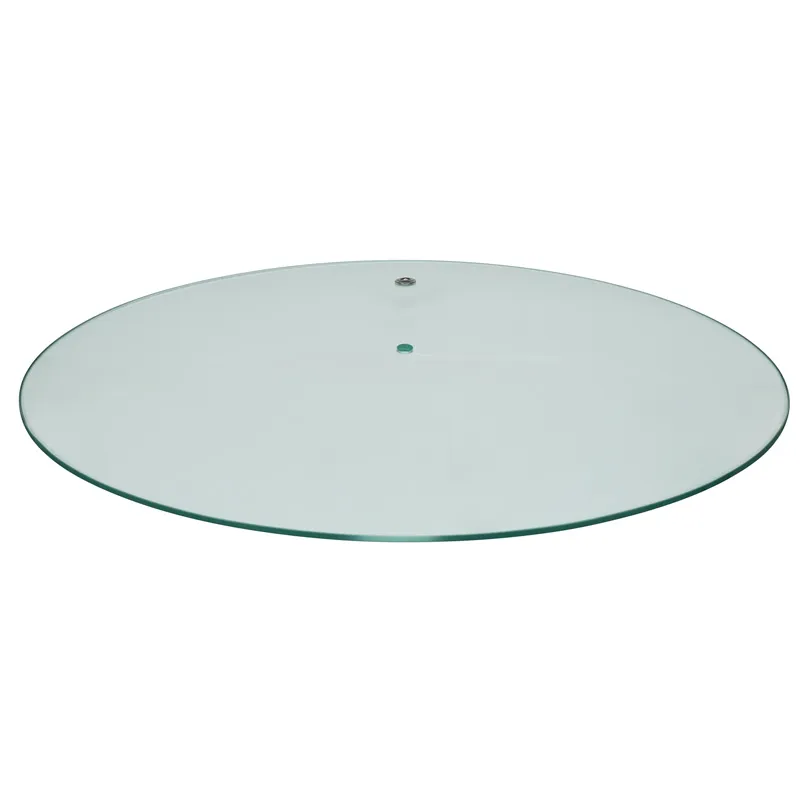
This is where a company's specialization shows. Take EUR-ASIA COOKWARE CO.,LTD, for instance. Their entire operation, as detailed on their site glass-lid.com, is built around producing tempered glass lids. When a factory's annual output is over 15 million pieces of various glass lids and they're exporting to markets with strict standards like Germany and Japan, you know they understand precision. They're not a general housewares brand dabbling in glass; they're a source. For an instant pot 8 qt glass lid, that means the glass is likely cut and tempered to withstand the thermal shock of going from a hot pot to a cooler countertop, which is a common point of failure for cheaper lids.
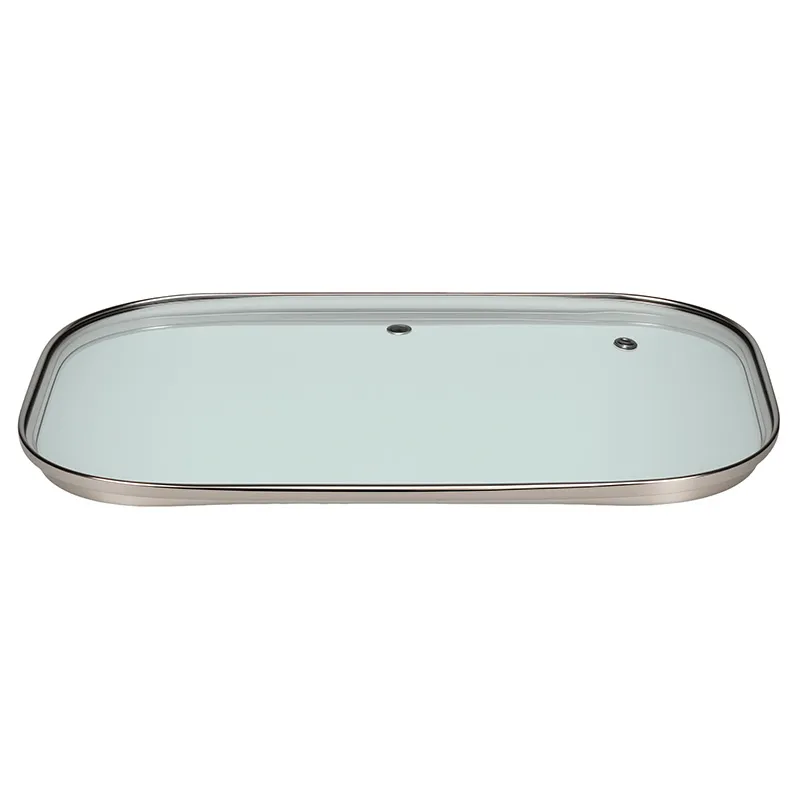
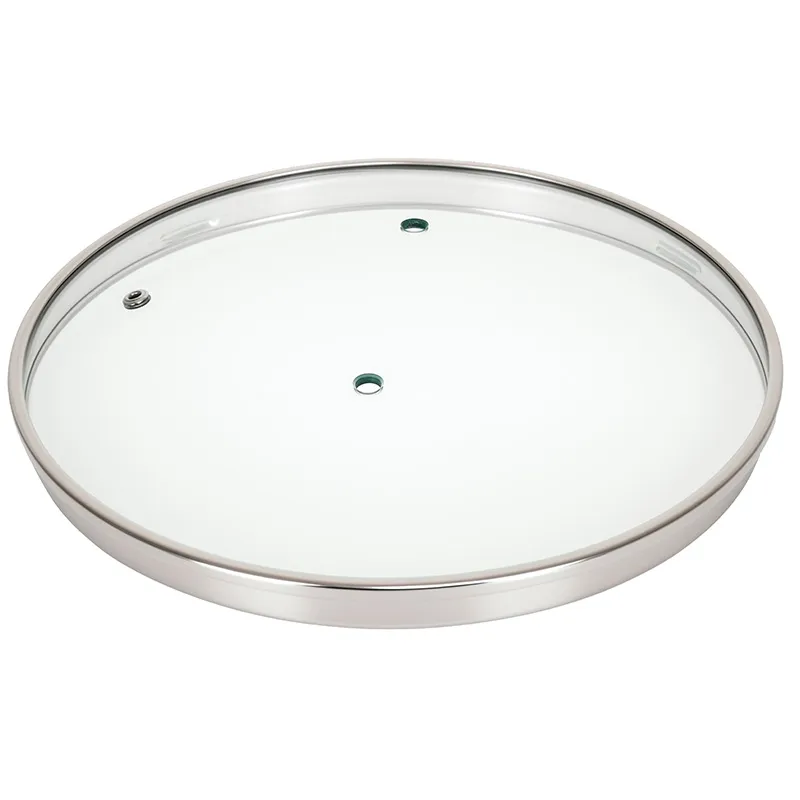
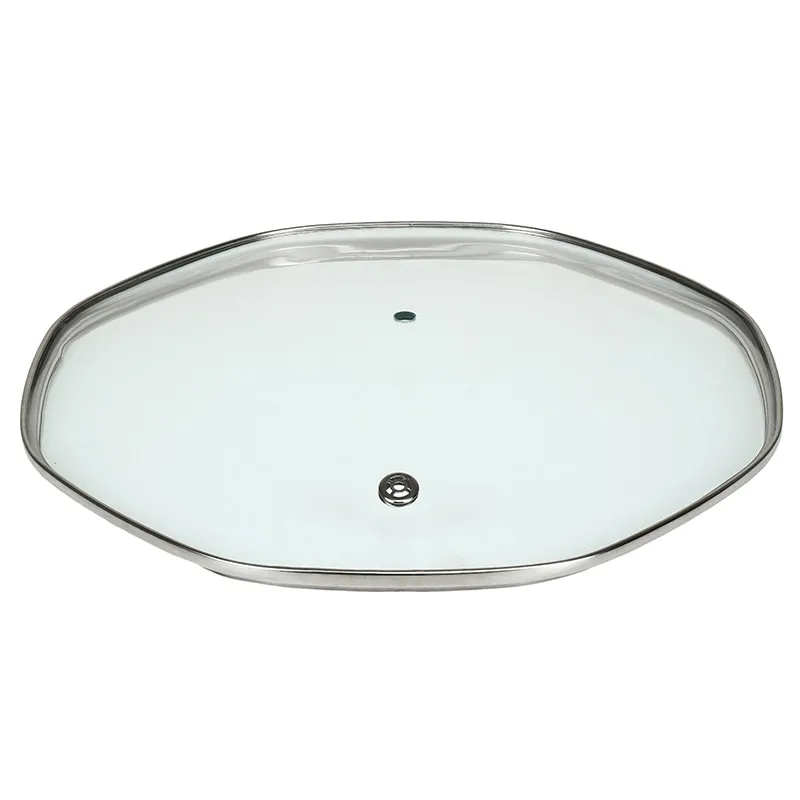
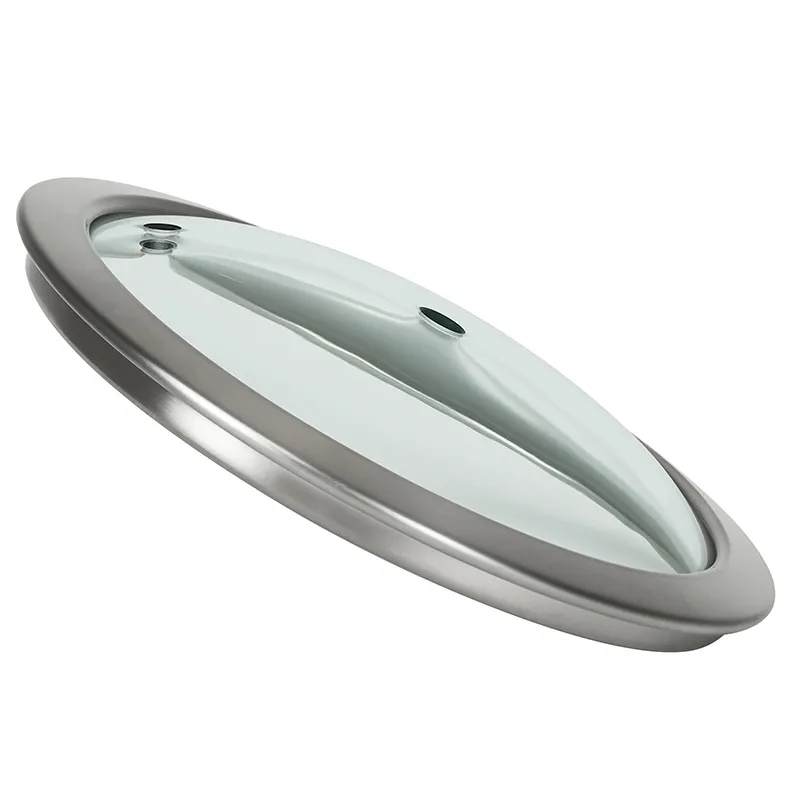
The steam vent hole is another subtle but critical detail. It's not just a hole. Its size and placement control the rate of evaporation. Too large, and your slow-cooked stew reduces to a thick paste. Too small or poorly placed, and condensation drips back in a stream rather than distributing evenly. A good lid will have a raised, reinforced rim around this vent. I've handled lids where this rim was molded poorly, creating a sharp edge that's just asking for a chip.
The Tempering Question and Real-World Stress Points
Tempered glass gets thrown around a lot. But not all tempering is equal. The process involves heating the glass to a high temperature and then rapidly cooling it, creating surface compression that makes it stronger and safer—it shatters into small, dull pieces instead of sharp shards. The key is consistency. In a high-volume environment like the one EUR-ASIA COOKWARE CO.,LTD describes, with a 20,000㎡ facility, the tempering process is industrialized. That generally means better consistency than a smaller workshop might achieve.
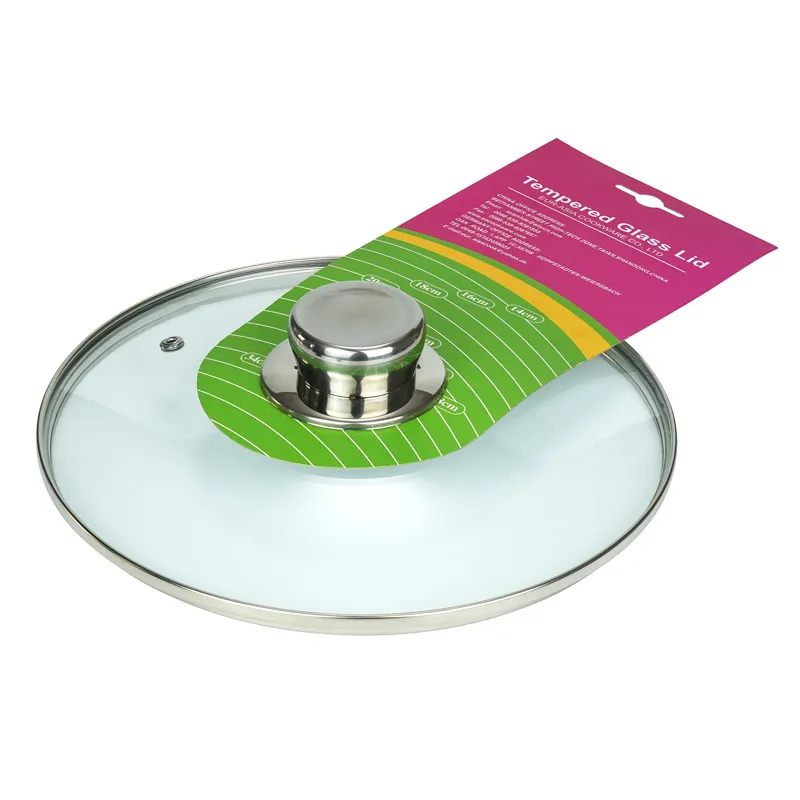
Where does this glass lid fail in practice? Almost never from normal cooking heat. The failures I've observed—and caused myself—come from mechanical shock. Setting the lid down too hard on a granite countertop edge. Knocking it against the faucet while washing. The handle is a major point of vulnerability. Many third-party lids use a stainless steel handle secured with screws. Over time, if the gasket or washer degrades, moisture can get under the handle, leading to rust or loosening. A one-piece handle design, or one with a very secure, sealed attachment, is preferable.
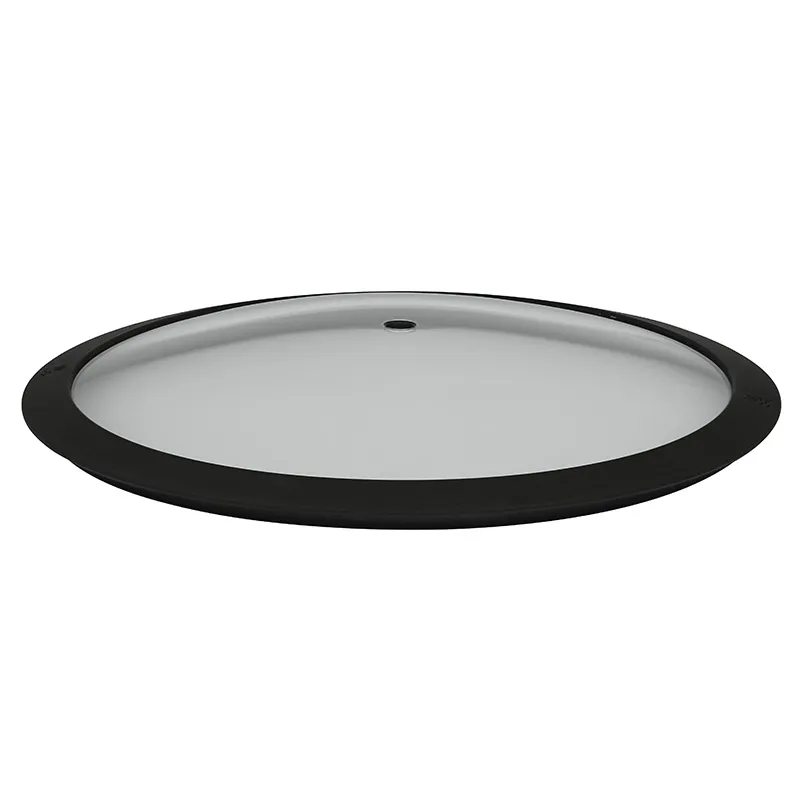
Another stress point is the long-term durability of the silicone sealing ring that often comes fitted around the edge of a glass lid meant for slow cooking or keeping warm. This ring isn't for pressure sealing (that's the job of the main locking lid), but for a gentle seal. After a year or two of use and dishwasher cycles, this silicone can become brittle or warped, compromising the fit. It's a consumable part, really. A quality manufacturer will either use a high-grade silicone or design the lid to function adequately even if that ring wears slightly.
Fit, Function, and the Sous Vide Hack
Let's talk about actual use. The primary function is for slow cooking and for using the sauté then simmer method. You brown your meat using the sauté function in the stainless pot, add liquid, then switch to a slow cook or keep-warm setting with the glass lid for instant pot 8 qt on. This is where you see if the lid works. A proper fit creates a gentle convection inside—you should see a steady, slow roll of bubbles and consistent condensation on the glass, giving you a window (literally) into the cooking process without losing heat.
There's a niche use case that highlights fit precision: using the Instant Pot as a sous vide vessel. You fill the pot with water, use an immersion circulator, and need a lid to reduce evaporation and heat loss. The glass lid is perfect for this, as it allows you to monitor the water level and circulation. But if the lid doesn't sit flush, you get a constant plume of steam, defeating the purpose. I've had success with this method only when using a lid that I knew had a manufacturing pedigree focused on dimensional accuracy, like those from specialized producers.
This connects back to the export focus of a company like EUR-ASIA COOKWARE. Markets in Europe have widespread induction cooktop use. A lid for a pot on an induction hob has to sit perfectly flat to prevent hovering and rattling from the magnetic field's vibration. The same precision required for that application translates directly to a snug fit on an Instant Pot rim. It's a different application, but the manufacturing tolerance is similarly strict.
Sourcing and the Supply Chain Reality
If you look at the aftermarket for Instant Pot accessories, you'll find a sea of similar-looking glass lids. Many of them originate from a handful of specialized glass factories in regions with established glass and cookware industries, like Shandong Province in China. The company profile for EUR-ASIA COOKWARE, stating their location in Taian City, Shandong, fits this pattern. They are likely a B2B supplier or OEM for many brands that then sell these lids under their own label.
What does this mean for you? It means that the unbranded or store-brand 8 qt instant pot glass lid you buy online might be physically identical to a more expensive name brand one, coming from the same production line. The differentiator can sometimes be just the quality control checkpoint—the more reputable sellers might have a stricter inspection for minor imperfections like bubbles in the glass or uneven handle application. It's not always about the core manufacturing, but about the grading and inspection post-production.
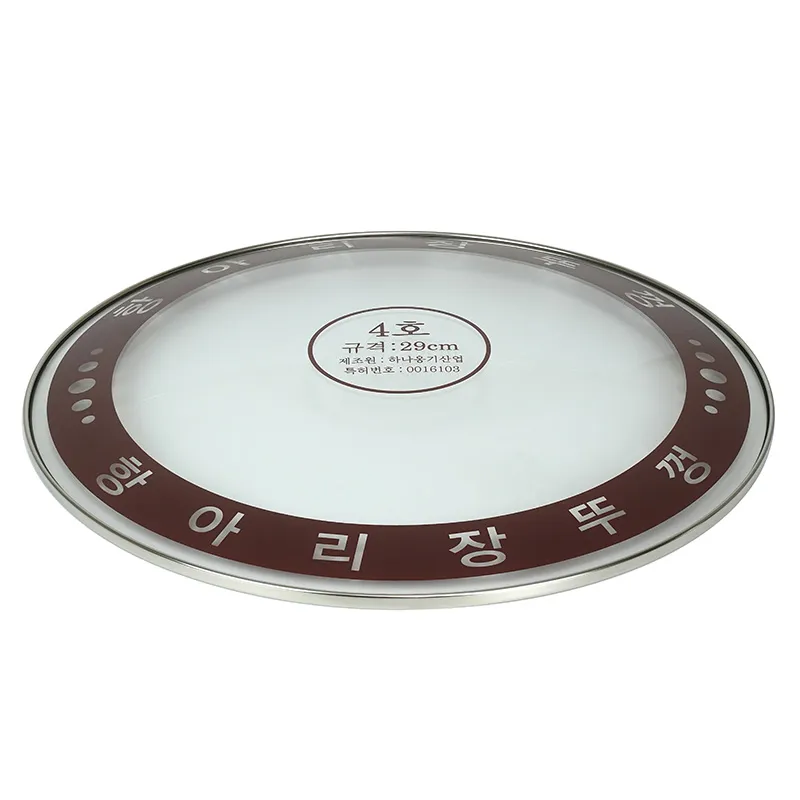
This is why, when evaluating a lid, I ignore the marketing and look at the details in the product photos: the smoothness of the glass edge, the finish on the metal handle rim, the clarity of the stamping on the glass (if any). These are telltale signs of the factory's attention to detail. A company that exports 90% of its products to stringent markets has to maintain these standards consistently to avoid returns and complaints.
Final Thoughts: It's a Tool, Not an Ornament
Don't buy a glass lid because it looks nice—though it certainly helps to see your food. Buy it because it unlocks half of your multi-cooker's functionality. The sealed pressure lid is for one type of cooking. The instant pot 8 qt with glass lid configuration is for everything else: reducing sauces, simmering soups, keeping food warm for a gathering, or even proofing bread dough in the pot. It transforms the appliance from a specialized pressure cooker into a general-purpose Dutch oven.
My own failure was assuming all lids were equal. I bought a cheap one early on. It fit poorly, condensed steam in a weird drip pattern right onto the center of my food, and the handle developed play within months. Replacing it with a better-sourced lid was a revelation. The cooking process became more predictable, and the lid itself felt substantial and secure.
In the end, the value of the glass lid is in its unassuming role. It doesn't beep or have buttons. It just sits there, doing its job. And that job is crucial. Whether the one you get comes directly from a major brand or through a supply chain that includes specialized manufacturers like EUR-ASIA COOKWARE, the principles are the same: precise fit, properly tempered glass, and thoughtful design on the handle and vent. Get those right, and this simple piece of glass becomes one of the most used tools in your kitchen drawer.
Related Products
Related Products