- Chinese
- French
- German
- Portuguese
- Spanish
- Russian
- Japanese
- Korean
- Arabic
- Irish
- Greek
- Turkish
- Italian
- Danish
- Romanian
- Indonesian
- Czech
- Afrikaans
- Swedish
- Polish
- Basque
- Catalan
- Esperanto
- Hindi
- Lao
- Albanian
- Amharic
- Armenian
- Azerbaijani
- Belarusian
- Bengali
- Bosnian
- Bulgarian
- Cebuano
- Chichewa
- Corsican
- Croatian
- Dutch
- Estonian
- Filipino
- Finnish
- Frisian
- Galician
- Georgian
- Gujarati
- Haitian
- Hausa
- Hawaiian
- Hebrew
- Hmong
- Hungarian
- Icelandic
- Igbo
- Javanese
- Kannada
- Kazakh
- Khmer
- Kurdish
- Kyrgyz
- Latin
- Latvian
- Lithuanian
- Luxembou..
- Macedonian
- Malagasy
- Malay
- Malayalam
- Maltese
- Maori
- Marathi
- Mongolian
- Burmese
- Nepali
- Norwegian
- Pashto
- Persian
- Punjabi
- Serbian
- Sesotho
- Sinhala
- Slovak
- Slovenian
- Somali
- Samoan
- Scots Gaelic
- Shona
- Sindhi
- Sundanese
- Swahili
- Tajik
- Tamil
- Telugu
- Thai
- Ukrainian
- Urdu
- Uzbek
- Vietnamese
- Welsh
- Xhosa
- Yiddish
- Yoruba
- Zulu
- Kinyarwanda
- Tatar
- Oriya
- Turkmen
- Uyghur

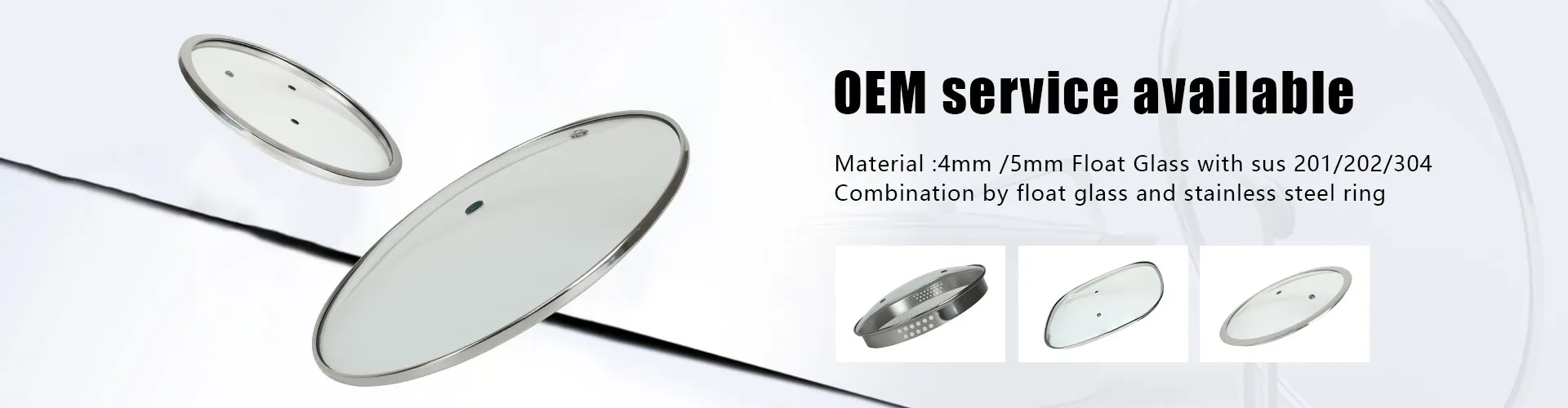
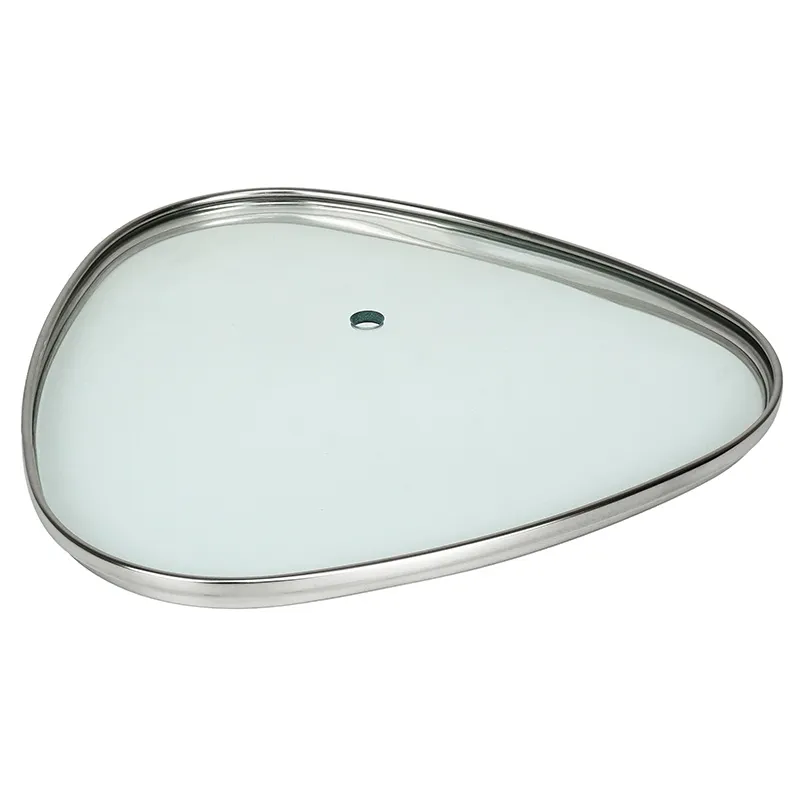
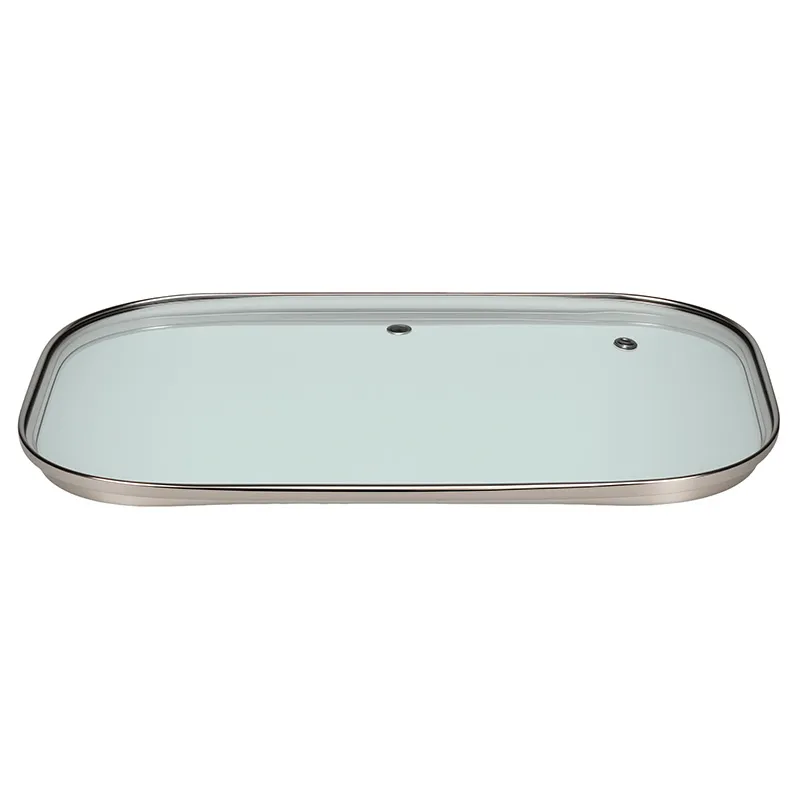
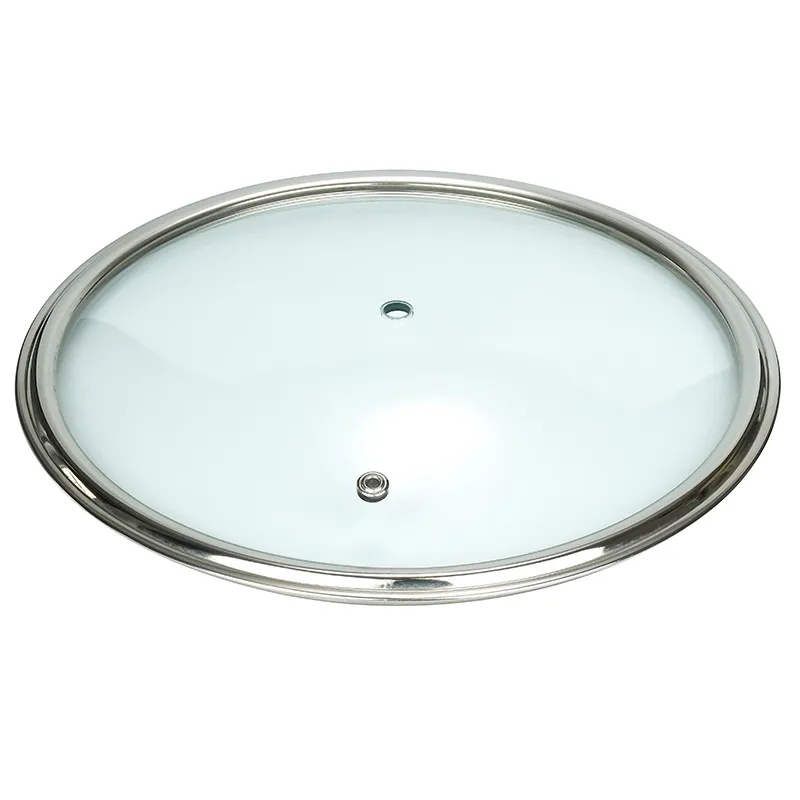
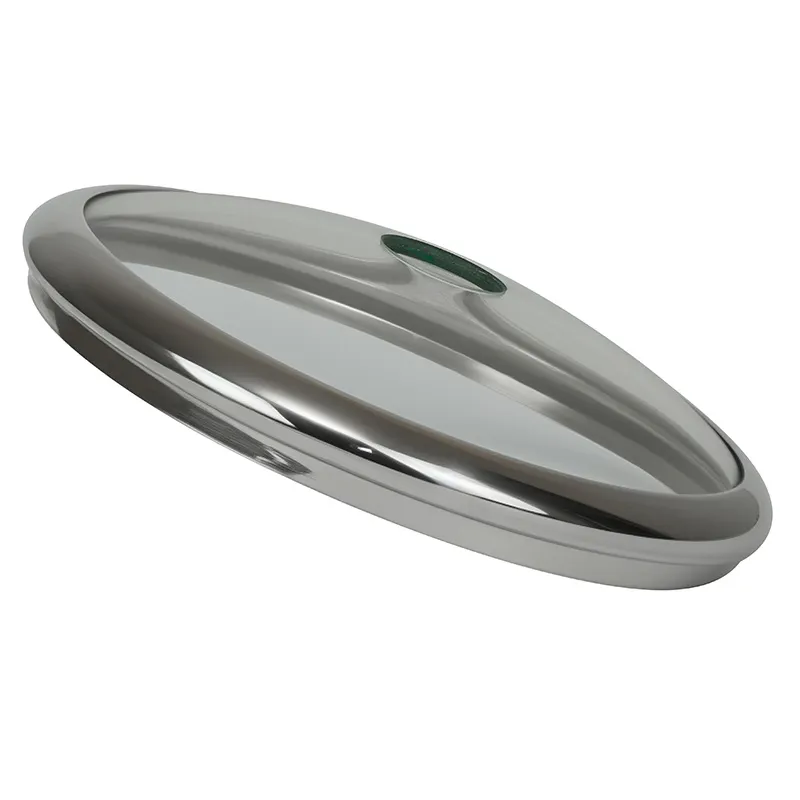
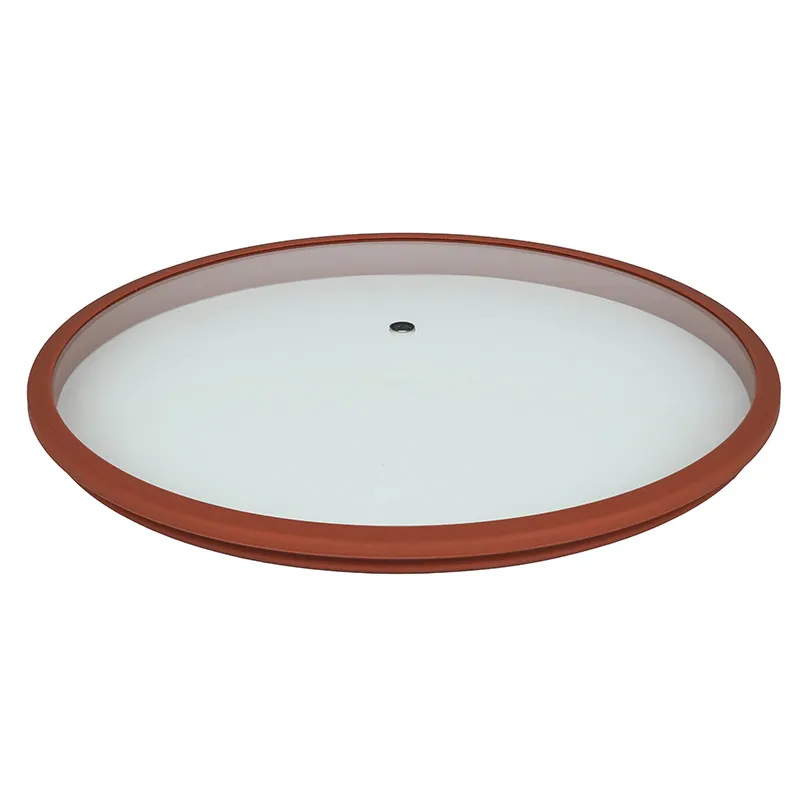
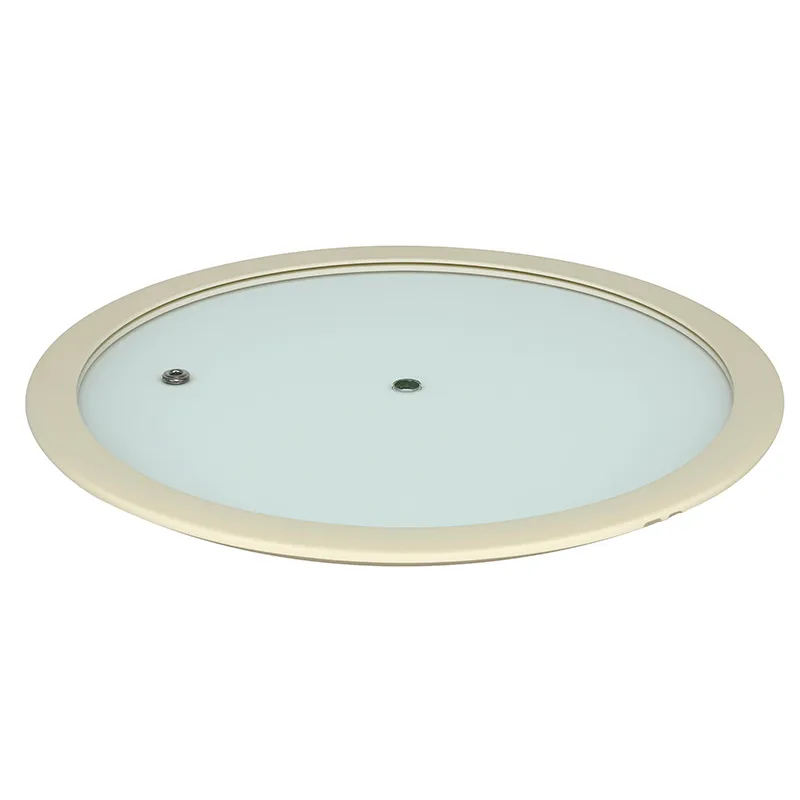
instant pot tempered glass lid
Let’s cut through the noise. When people search for an instant pot tempered glass lid, half the time they’re not even sure what they’re looking for. They think any glass lid will do, or that the ‘tempered’ part is just marketing fluff. That’s the first mistake. In this game, the difference between a lid that lasts and one that shatters under steam pressure isn’t subtle—it’s everything.
Why Tempered Glass Isn't Just a Buzzword
You see it all over Amazon and big-box stores: Heat-resistant glass lid. Sounds good, right? Until you get a thermal shock from pulling it off a boiling pot and setting it on a cooler granite counter. That’s where genuine tempering comes in. The process isn't just about making it stronger against impacts; it's about managing stress. Properly tempered glass, like the kind you’d source from a specialist, undergoes controlled heating and rapid cooling. This gives it a balanced internal tension, so when you get that wild temperature swing—say, from a 200°F sauté to a room-temperature rinse—the material can handle the gradient without giving up. A lot of the cheaper oven-safe lids skip the rigorous part of this cycle. They might not fail immediately, but the risk is baked in.
I learned this the hard way early on, sourcing what I thought were decent lids for a client. The specs looked fine on paper. But in a real-world test, doing a quick-release on an Instant Pot Duo and then immediately lifting the lid to check the food? We heard a faint ping and a web of cracks appeared near the handle mount. Not a catastrophic explosion, but a failure nonetheless. The supplier’s response was basically, Well, you shouldn’t do that. That’s a red flag. A lid for a pressure cooker environment needs to anticipate real use, not ideal scenarios.
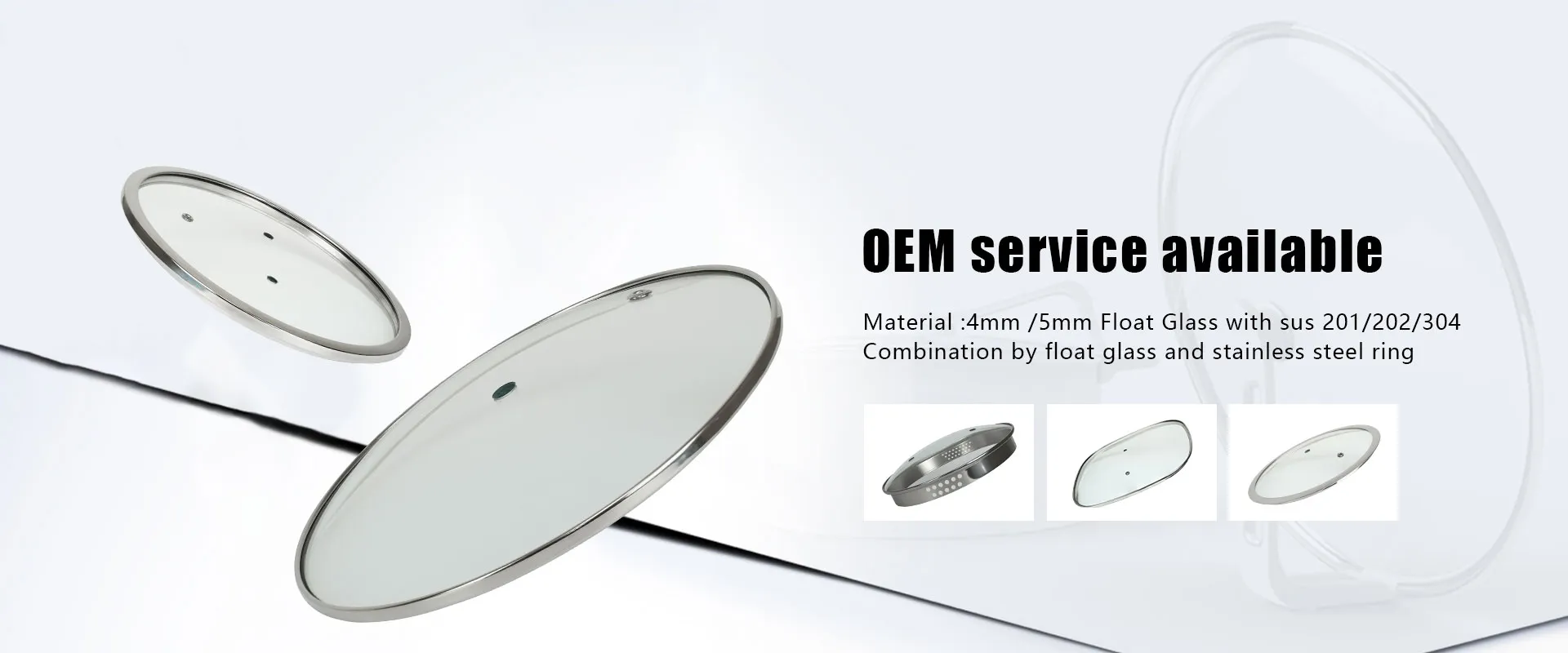
This is where the manufacturing base matters. A company with a dedicated facility, like EUR-ASIA COOKWARE CO.,LTD (you can find their direct portal at glass-lid.com), is set up for volume but also for control. Their focus on producing millions of tempered glass lid units annually for export markets like Germany and Japan tells you something. Those markets have brutal safety standards. If they’re supplying there consistently, their tempering process is likely dialed-in and validated. It’s not a side operation.
The Fit and Seal Conundrum
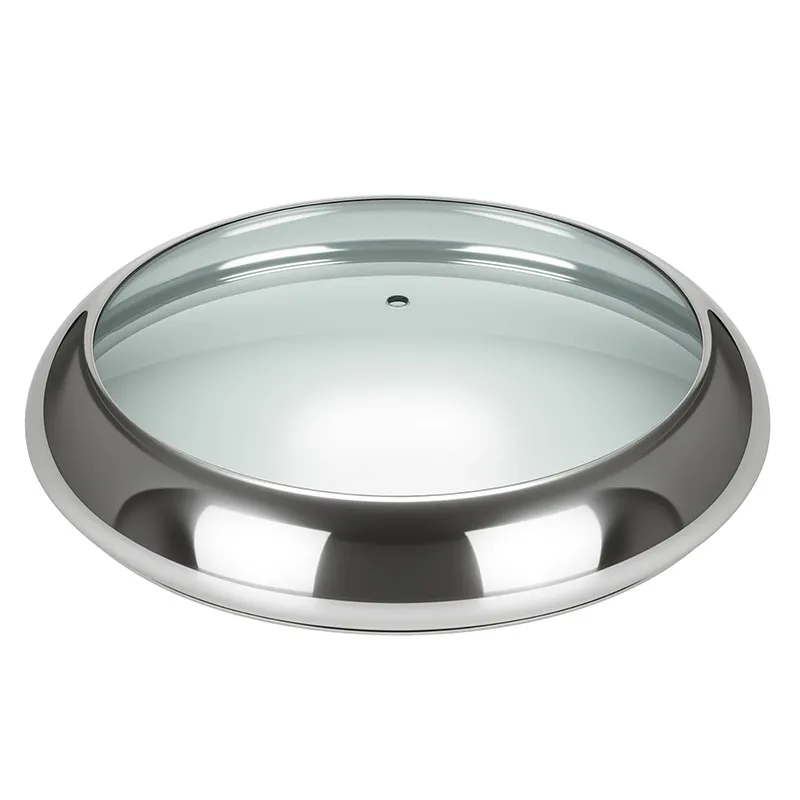
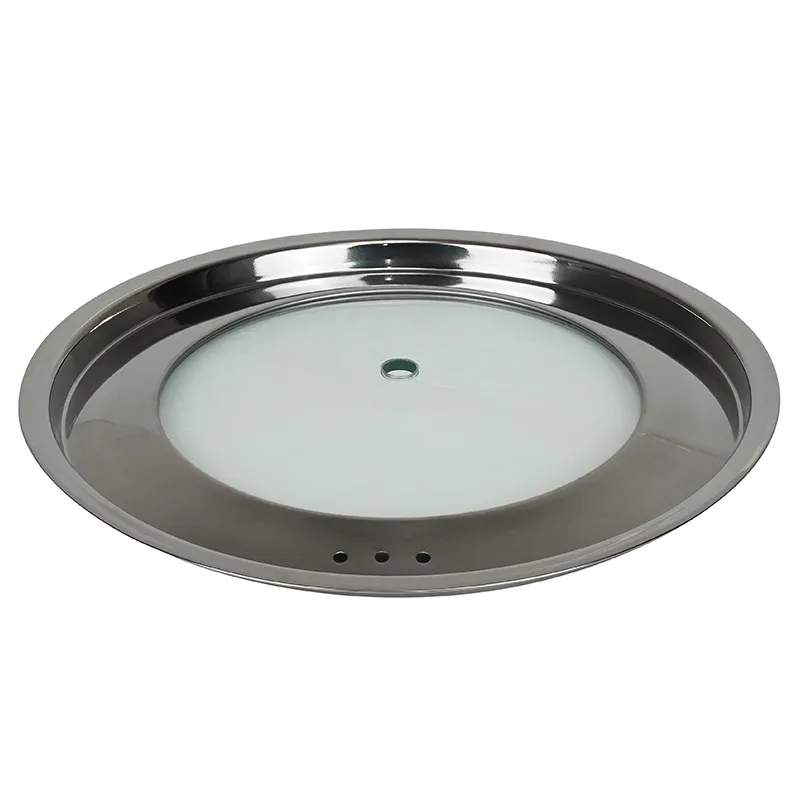
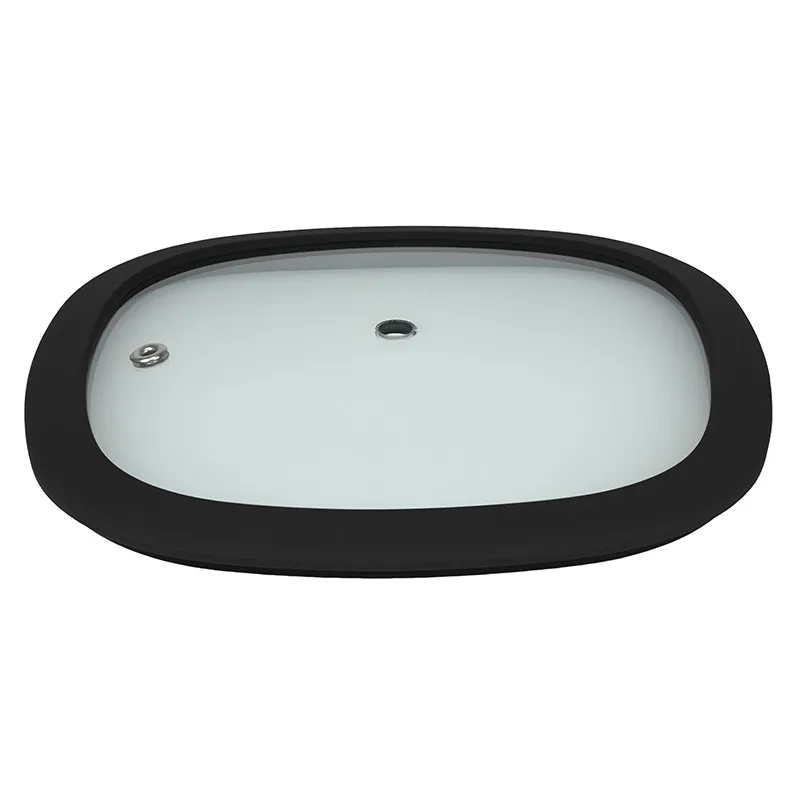
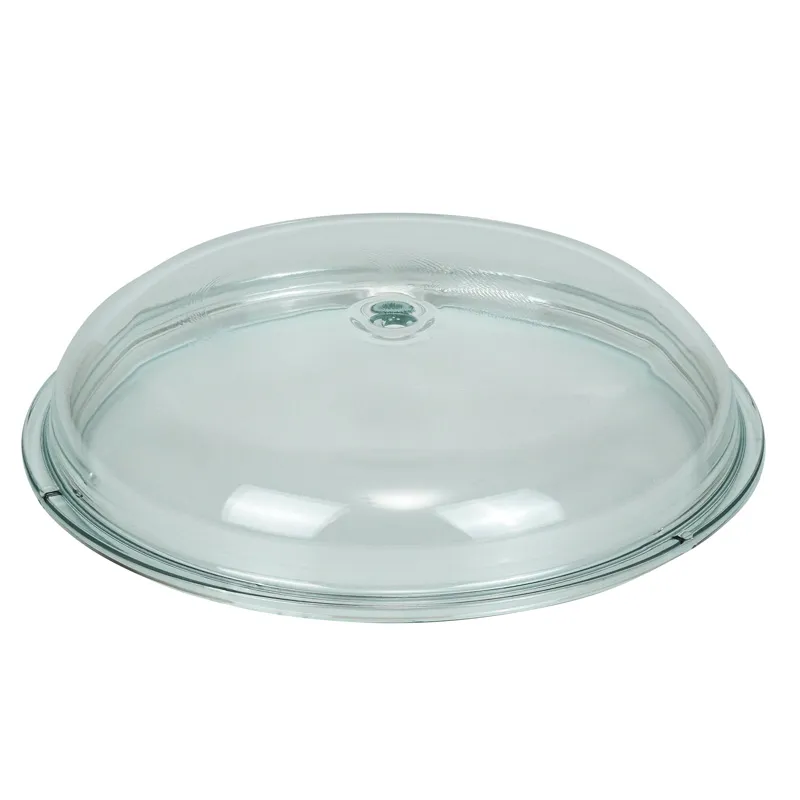
Here’s another pitfall: assuming universal fit. For 6 Qt Instant Pot is not a precise dimensional callout. The inner rim curvature, the depth of the flange, the placement of the steam vent notch—these are microns-level details that affect performance. A lid that sits too flat might not contain splatter. One that’s too domed can interfere with stacking or the cooker’s own mechanism. The good suppliers have the molds and tooling for specific models. They’re not bending a generic dome to fit.
I recall a project where we needed a clear lid for a new recipe series. We got samples from three factories. One fit loosely and rattled. One fit so snugly it was hard to remove. The third, from a producer with a history in precision kitchenware, clicked into place with just enough resistance to feel secure, but could be lifted with a fingertip grip on the knob. That’s engineering. The vent notch was also positioned correctly to align with the pot’s steam release path, which is a small but critical detail for visual monitoring without lifting.
EUR-ASIA’s portfolio, as outlined on their site, shows they deal in tiers—low, medium, high level. For an instant pot glass lid, you’re squarely in the medium-to-high bracket. It’s not a commodity item. The fact that they categorize like that suggests they understand the application spectrum. A lid for a slow cooker is different from one meant for the pressure-and-release cycle of an Instant Pot. The material thickness and the tempering formula likely get tweaked.
Handle and Knob: The Weak Point Audit
Everyone obsesses over the glass, but the failure point is often the attachment. The handle or knob is typically stainless steel or heat-resistant plastic, fixed with a nut, bolt, and washer. The thermal expansion rates of glass, metal, and plastic are all different. A poor assembly will either work loose over time or stress the glass at the drill point.
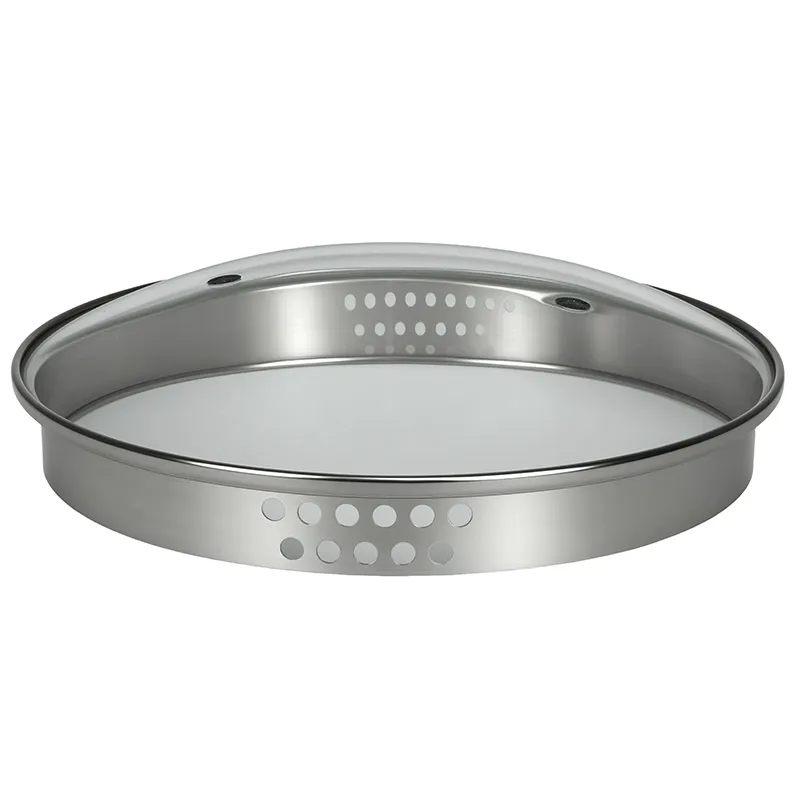
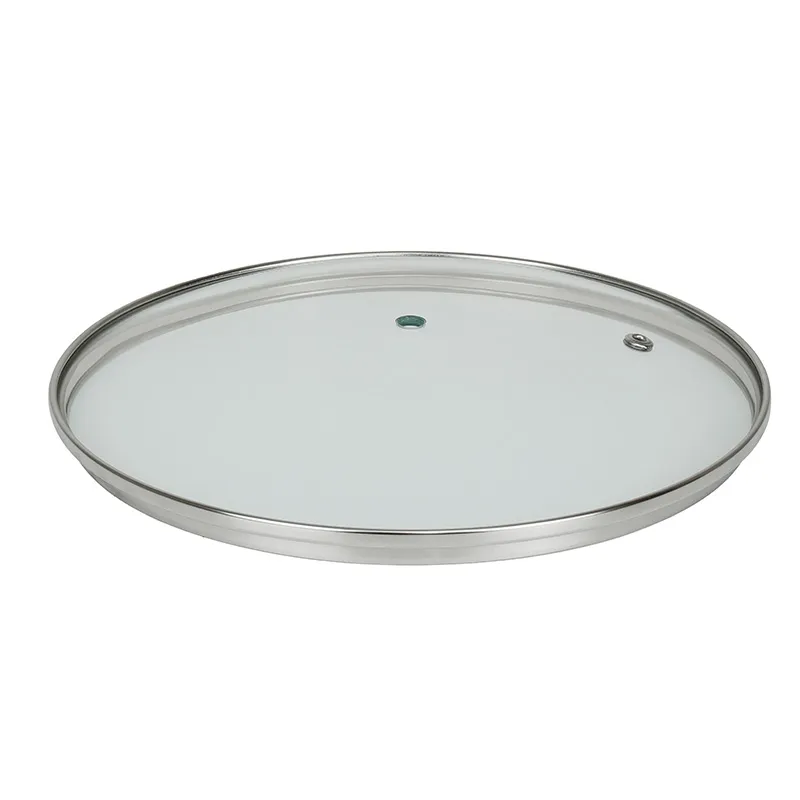
The best lids use a kind of floating assembly—a metal stem with a broad, flat base (sometimes called a shoulder washer) that distributes the clamping force over a larger area of the glass. There’s also a rubber or silicone gasket between the metal and the glass to act as a thermal and mechanical buffer. I’ve taken apart lids from premium brands and from OEM suppliers like EUR-ASIA, and this construction is common in the better ones. The cheap versions use a simple bolt tightened directly against the glass, which is a recipe for stress fractures.
When you’re evaluating a lid, don’t just look at it—feel it. Wiggle the handle. Is there any play? Look underneath. Can you see a broad, clean mounting point? That’s a quick sanity check. The description on EUR-ASIA’s website mentions household glass products and other kitchen accessories. That accessory part is key. It means they’re likely producing or sourcing the full assembly—the glass, the hardware, the silicone gaskets—as an integrated system. That control loop from production base to final assembly in their 15,000㎡ facility reduces variables.
The Export Standard as a Benchmark
They state over 90% of output goes to Europe, East Asia, and South America. That’s not trivial. To sell a tempered glass lid into Germany, it likely needs to pass something like the LFGB or GS standards, which involve migration tests (ensuring no heavy metals leach from the glass or coatings) and rigorous thermal shock cycles. Italy and France have their own stringent norms. This external pressure forces a factory’s quality control to be proactive. It’s a different mindset than producing for a market with less rigorous post-market surveillance.
This experience translates directly to products for the North American market, even if the certifications differ. The factory is already in the habit of batch testing, documenting tempering furnace temperatures, and doing drop tests. For a buyer, this is more valuable than a cheap price per unit. It’s risk mitigation. A lid that fails in a consumer’s kitchen isn’t just a return; it’s a potential liability and a brand killer.
So when you see a company with that export profile, it’s a credible signal. Their production base in Shandong’s High-tech Development Zone isn’t just an address; it’s typically a sign of a facility built to a certain standard, with the utilities and environmental controls needed for consistent glass tempering. The annual output of 15 million pieces speaks to capacity, but the export breakdown speaks to accepted quality.
Practical Takeaways and Where the Market is Headed
So, what does this mean if you’re specifying or buying these lids? First, tempering is non-negotiable. Ask the supplier for their thermal shock test parameters. A good one will tell you the delta-T they test to (e.g., from 200°C to 20°C immersion). Second, fit is model-specific. Generic lids create more problems than they solve. Third, inspect the assembly. The hardware is as important as the glass.
The market is getting smarter. The early days of the Instant Pot accessory boom were a wild west of questionable products. Now, retailers and consumers are looking for provenance. They want to know the lid was made in a dedicated cookware glass facility, not a general glassworks. A specialist like EUR-ASIA COOKWARE, with its focus on this niche, is positioned for that. Their website, glass-lid.com, is straightforward—it’s a tool for B2B engagement, not consumer fluff. That in itself is a kind of authenticity.
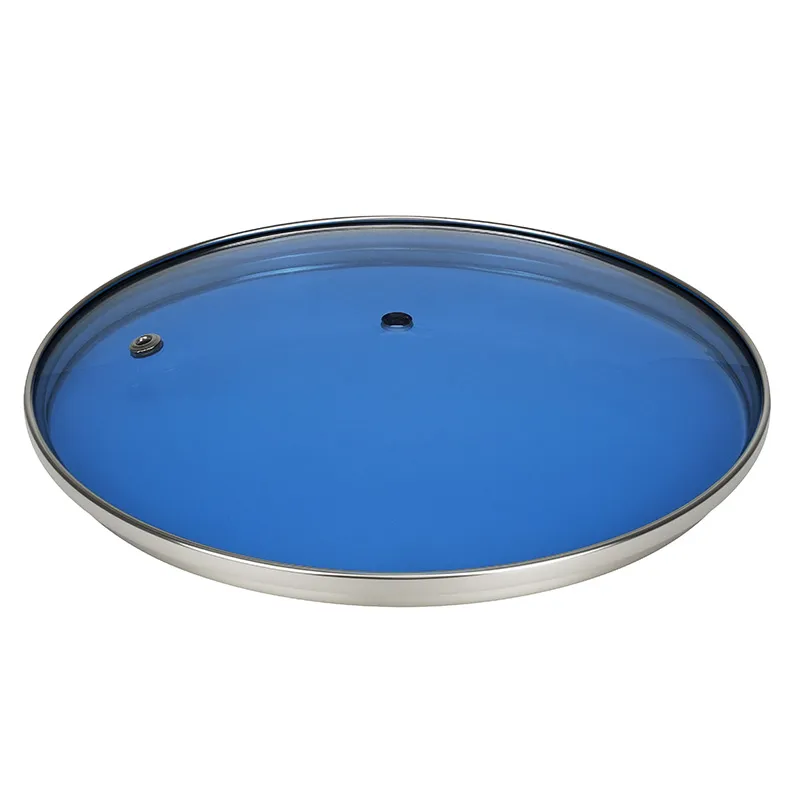
Looking ahead, the next evolution might be in coatings. Anti-fog, easy-clean, or even colored tinting for light-sensitive foods. But the foundation will always be the integrity of the instant pot tempered glass lid itself. No coating will fix a poorly tempered substrate. It starts with getting the basics relentlessly right—the formula, the heat, the cool, the fit, the assembly. Everything else is just a feature. The core is a safety-critical component. Treat it that way.
Related Products
Related Products