- Chinese
- French
- German
- Portuguese
- Spanish
- Russian
- Japanese
- Korean
- Arabic
- Irish
- Greek
- Turkish
- Italian
- Danish
- Romanian
- Indonesian
- Czech
- Afrikaans
- Swedish
- Polish
- Basque
- Catalan
- Esperanto
- Hindi
- Lao
- Albanian
- Amharic
- Armenian
- Azerbaijani
- Belarusian
- Bengali
- Bosnian
- Bulgarian
- Cebuano
- Chichewa
- Corsican
- Croatian
- Dutch
- Estonian
- Filipino
- Finnish
- Frisian
- Galician
- Georgian
- Gujarati
- Haitian
- Hausa
- Hawaiian
- Hebrew
- Hmong
- Hungarian
- Icelandic
- Igbo
- Javanese
- Kannada
- Kazakh
- Khmer
- Kurdish
- Kyrgyz
- Latin
- Latvian
- Lithuanian
- Luxembou..
- Macedonian
- Malagasy
- Malay
- Malayalam
- Maltese
- Maori
- Marathi
- Mongolian
- Burmese
- Nepali
- Norwegian
- Pashto
- Persian
- Punjabi
- Serbian
- Sesotho
- Sinhala
- Slovak
- Slovenian
- Somali
- Samoan
- Scots Gaelic
- Shona
- Sindhi
- Sundanese
- Swahili
- Tajik
- Tamil
- Telugu
- Thai
- Ukrainian
- Urdu
- Uzbek
- Vietnamese
- Welsh
- Xhosa
- Yiddish
- Yoruba
- Zulu
- Kinyarwanda
- Tatar
- Oriya
- Turkmen
- Uyghur


instant pot tempered glass lid 6 quart
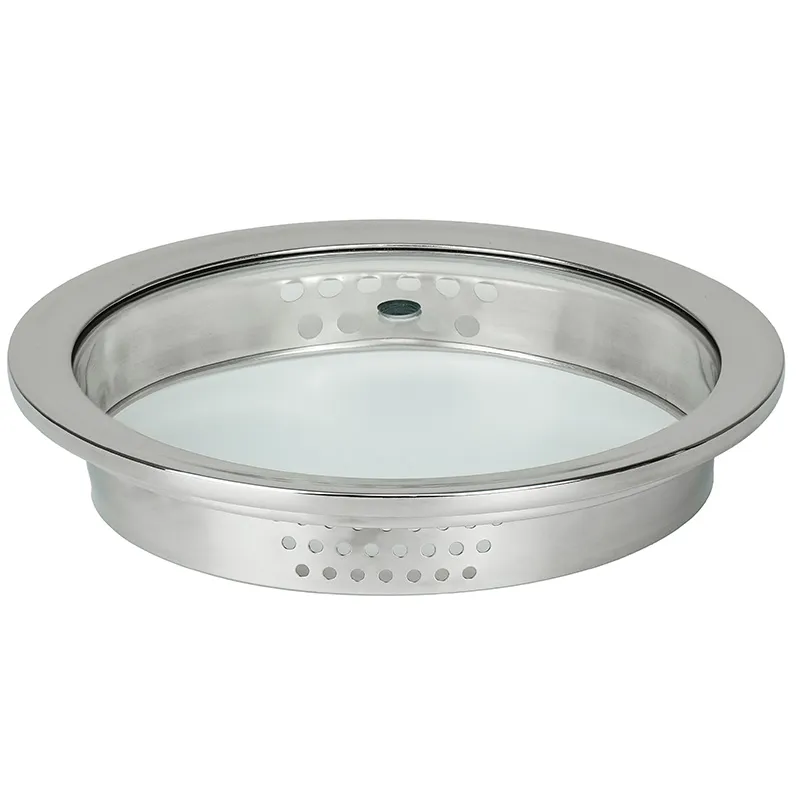
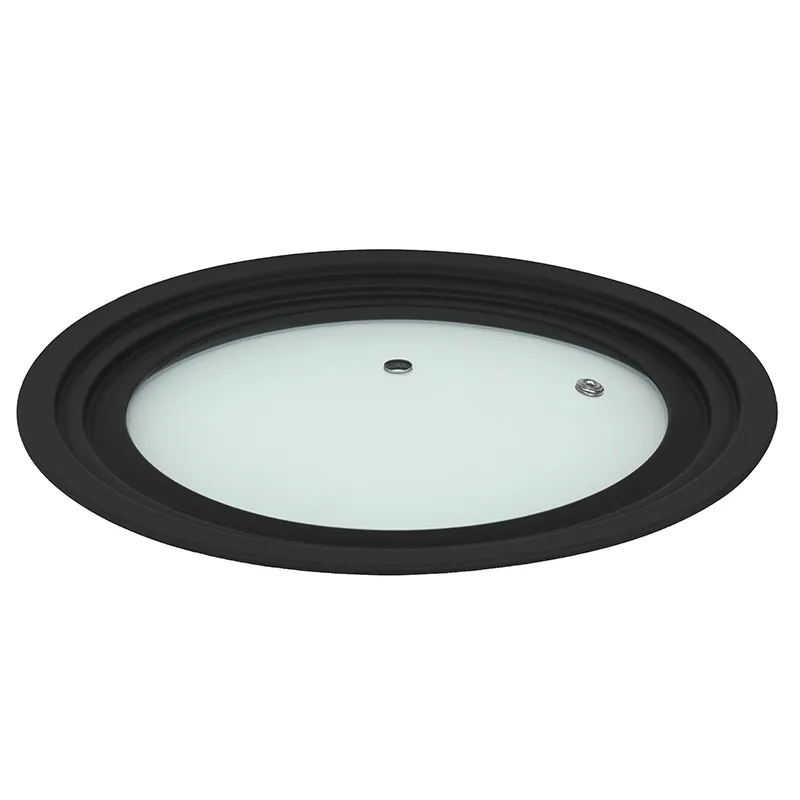
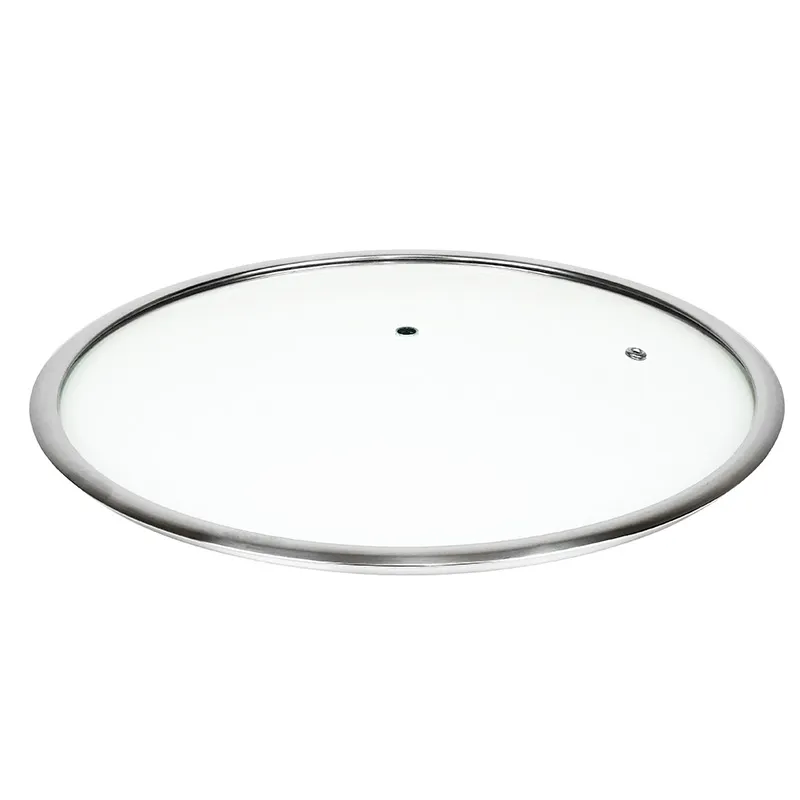
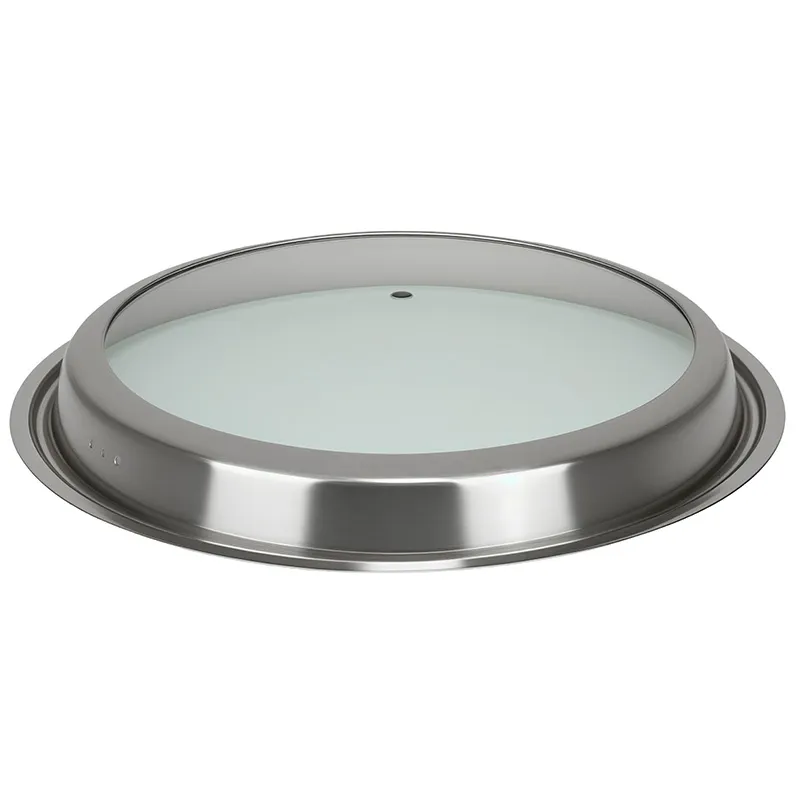
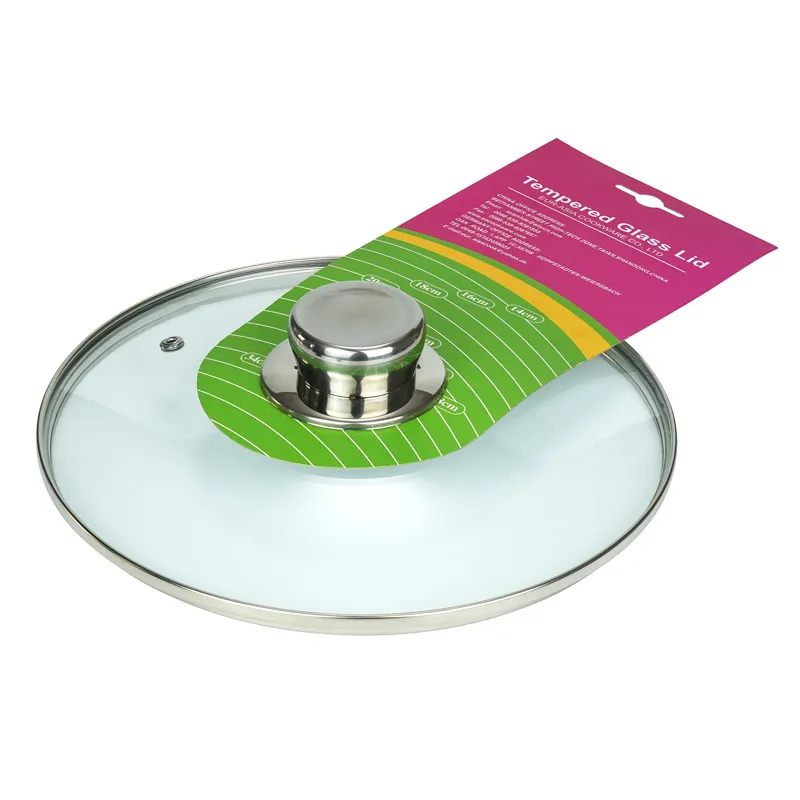
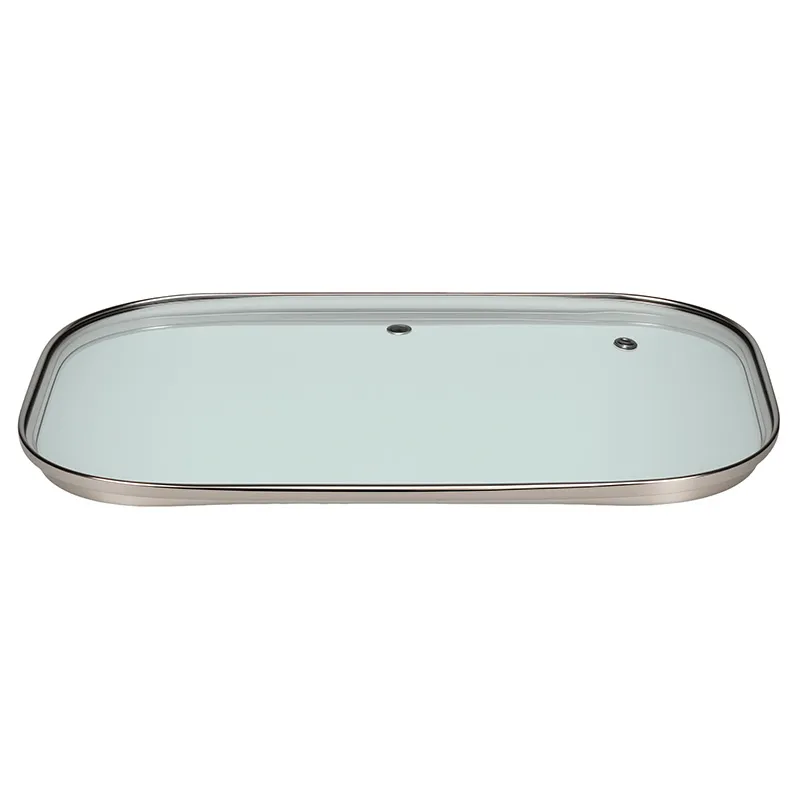
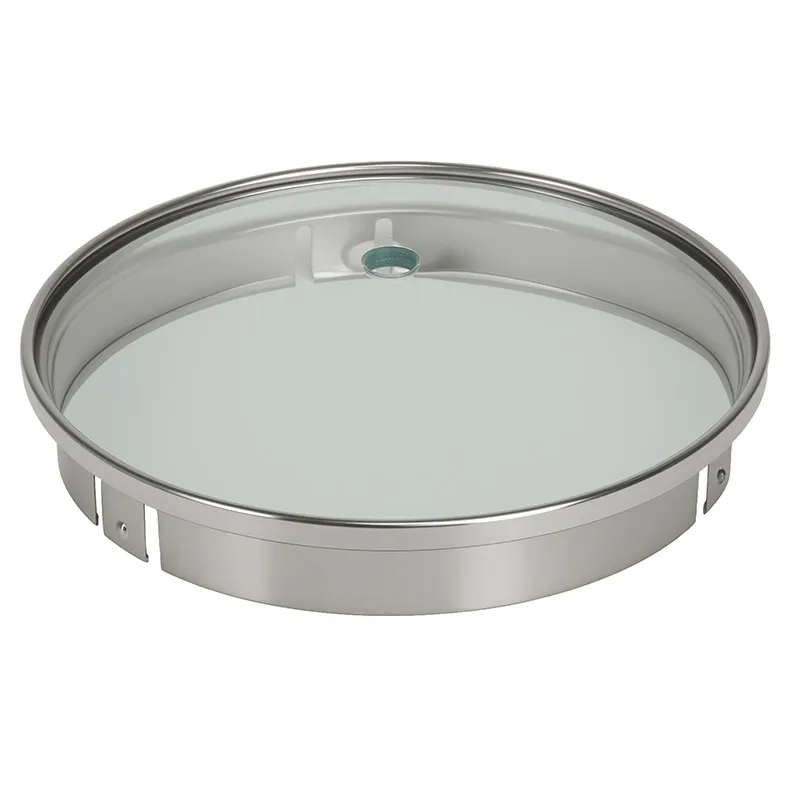
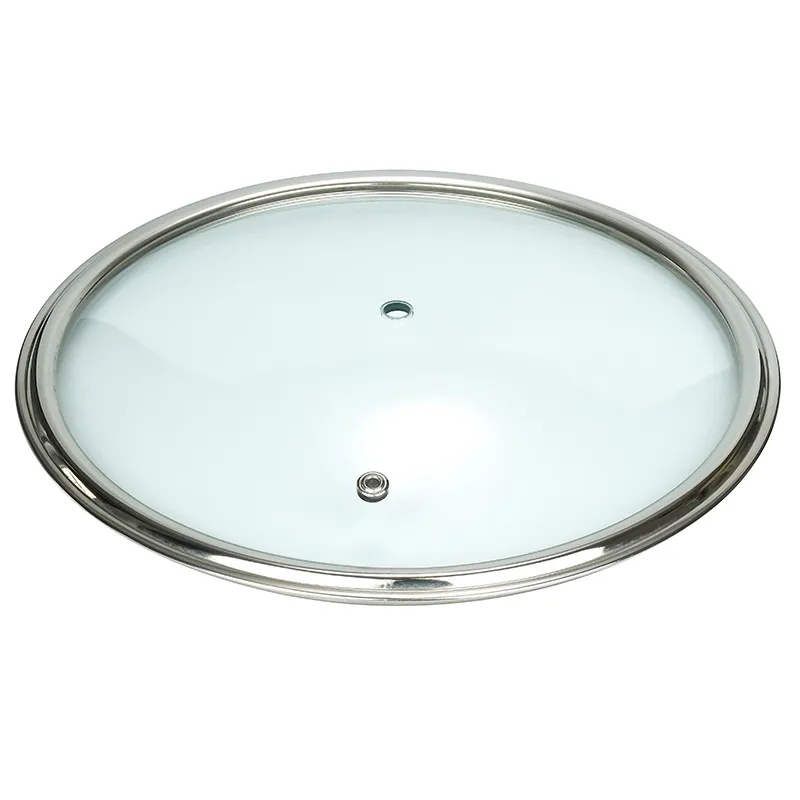
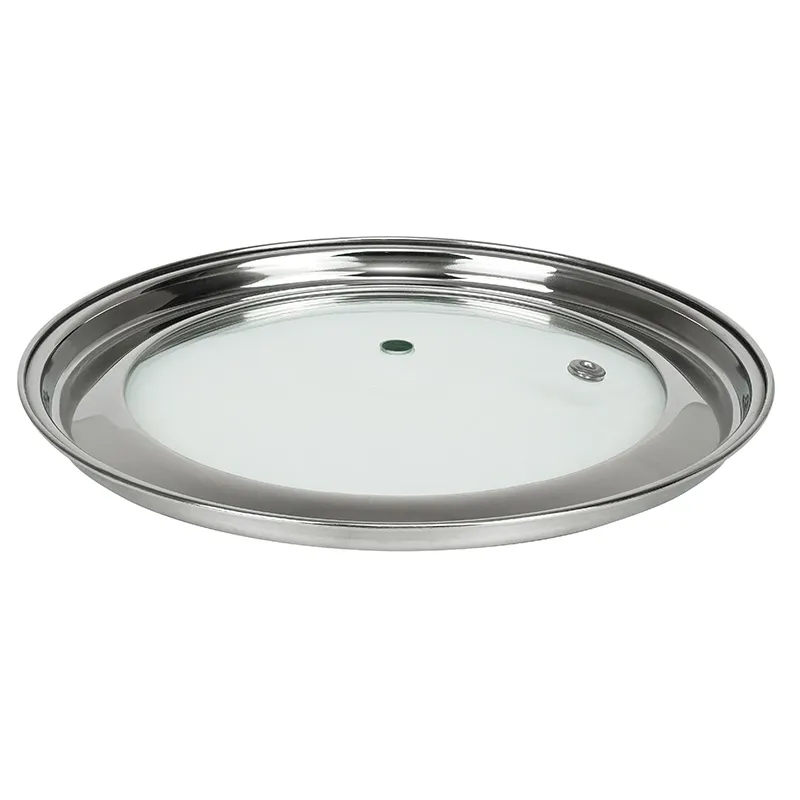
When you hear 'instant pot tempered glass lid 6 quart', most folks just think of a piece of glass that fits. That's the first mistake. In reality, it's a critical interface between pressure cooking and visual monitoring, and the quality variance across suppliers is staggering. I've seen lids that shatter from thermal shock during a simple steam release and others that last years. The 6-quart size is particularly tricky because it's the most common, leading to a flood of generic options that often miss the mark on fit and safety. Let's cut through the noise.
Why Tempered Glass Isn't Just Glass
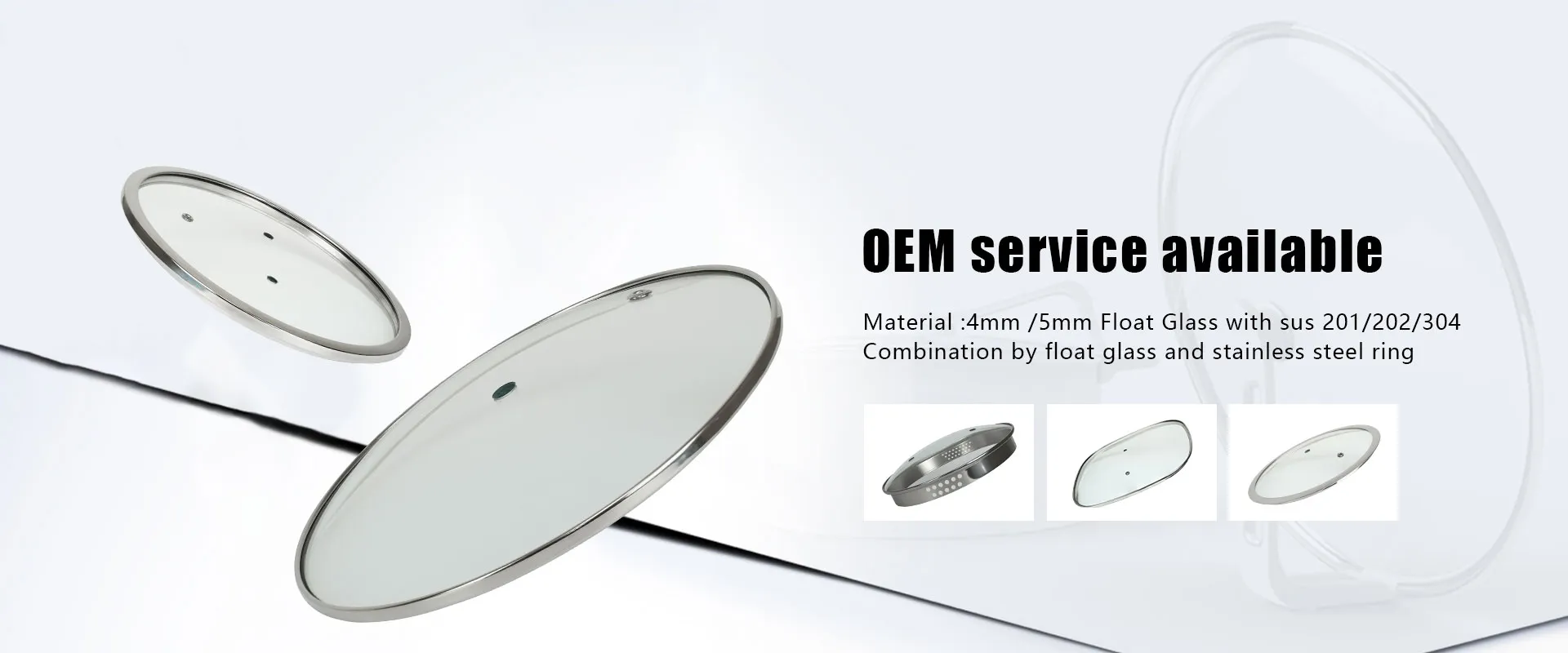
Many importers or even brands sourcing from China make a fundamental error: they treat the lid as a commodity. They'll shop for the cheapest tempered glass lid without understanding the process. True tempering for cookware involves controlled heating and rapid cooling to induce compressive stress on the surface. For a lid that goes from a cold counter to a hot, steaming pot, the thermal cycle rating is everything. A poorly tempered lid might pass a basic impact test but fail catastrophically under repeated steam heat. I've had samples from factories that looked perfect but developed micro-cracks after three cycles of use. That's the hidden cost of chasing the lowest price point.
This is where the specialization of a manufacturer matters. A company like EUR-ASIA COOKWARE CO.,LTD, which states its focus on household glass products, typically has the dedicated furnace lines and testing protocols for this. Their production base in Taian's high-tech zone isn't just an address; it suggests an investment in controlled manufacturing environment, which is non-negotiable for consistent tempering. A random glass workshop can't replicate that.
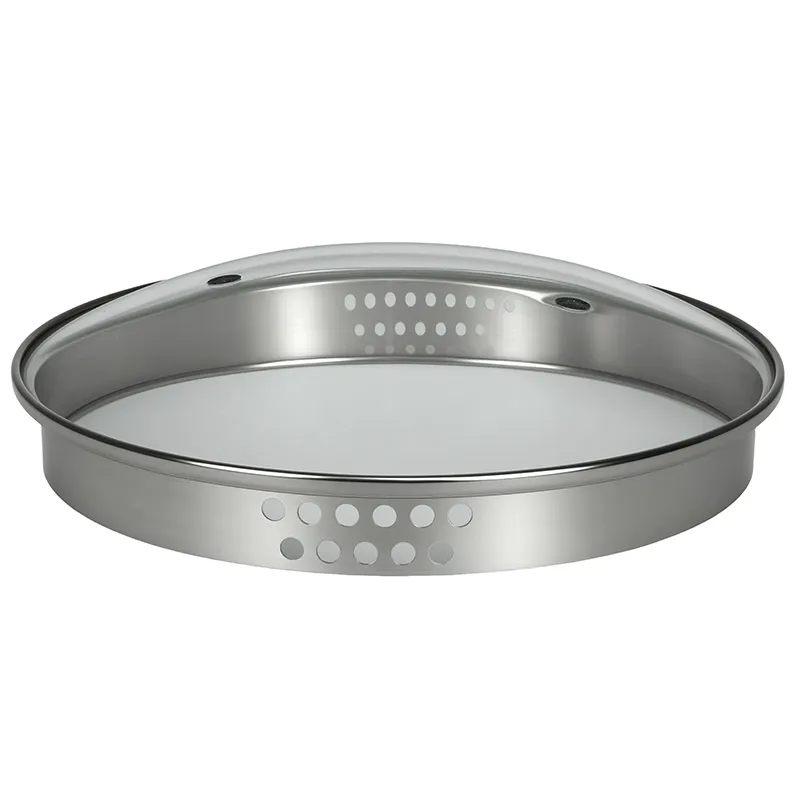
The 6-quart specification adds another layer. The curvature and flange design must match the inner rim of the pot precisely. Too loose, and it doesn't seal properly for functions like sautéing or slow cooking, letting out too much moisture. Too tight, and it becomes a vacuum seal when hot, making it dangerously difficult to remove. I've measured lids with a variance of just 0.5mm in flange diameter that completely changed the user experience. It's never just one-size-fits-all even within the same nominal capacity.
The Fit and Function Dilemma for the Instant Pot
Here's a practical headache: the Instant Pot inner pot rim isn't standardized across all its own models. The Duo Nova, Duo Evo Plus, and Ultra can have subtle differences. A universal 6 quart instant pot lid claim is often a red flag. A proper lid supplier needs the exact CAD specs or physical samples of the pot to model the glass. EUR-ASIA's portfolio, focusing on export, likely deals with this regularly, as European and North American brands have stringent fit requirements. Their experience in exporting to markets like Germany and Japan is a proxy for dealing with precise, demanding specifications.
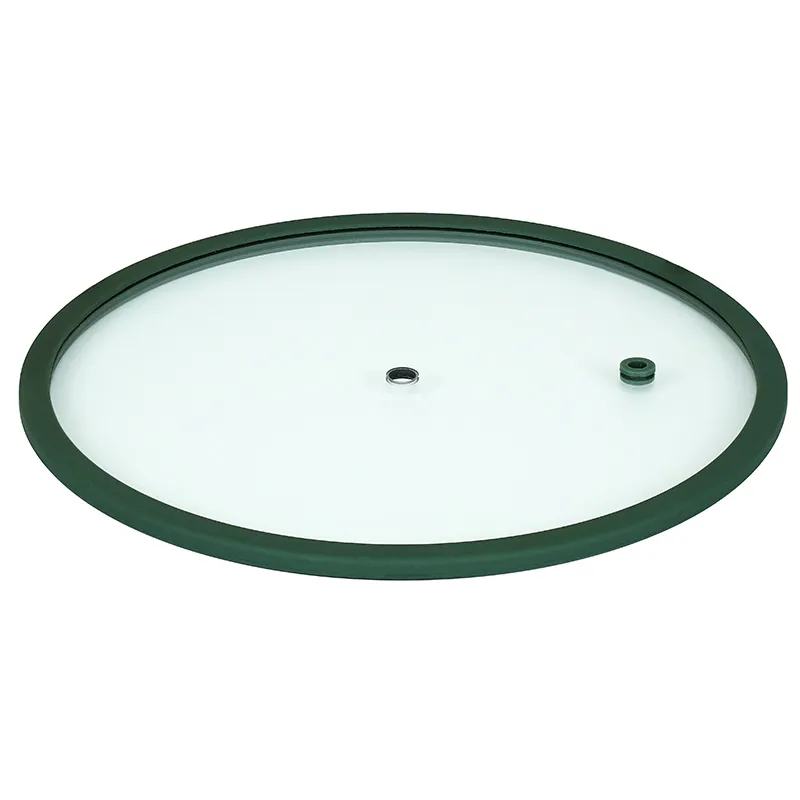
Then there's the handle and vent. The handle attachment is a common point of failure. Cheap lids use a low-grade silicone or plastic grommet that degrades with heat and steam, becoming loose or brittle. The handle should be mechanically fastened with a metal or high-temperature nylon nut, not just glued. The steam vent hole placement is also critical—it must align with the pot's float valve to allow clear visibility, which is the whole point of a glass lid. I've rejected shipments where the vent hole was drilled a few millimeters off, obscuring the valve.
For slow cooking or yogurt making, this lid is indispensable. But I've seen users complain about condensation dripping from the dome back into the food. A well-designed lid has a subtle, continuous dome that directs condensation to the edges where it rolls back into the pot, not forming large droplets that fall from the center. It's a small detail that separates a thoughtful product from a basic one.
Sourcing and the Reality of High-Volume Claims
When a factory like EUR-ASIA mentions an annual output of over 15 million pieces, that figure is impressive but needs context. It speaks to capacity and scale, which for a buyer means they can handle large orders and likely have automated inspection systems. However, for a smaller brand or a retailer testing the waters, the minimum order quantity (MOQ) is the real gate. High-volume factories often have high MOQs, sometimes in the thousands of units per SKU. This is a barrier for many.
Their export focus, with over 90% going to Europe and Asia, is a double-edged sword. It means their quality systems are probably aligned with international standards (think CE marks, LFGB compliance for glass), which is a huge plus. But it also means their default product specs—like handle design or glass thickness—might be tailored for those markets. A U.S. buyer might need to request adjustments. For instance, the preferred handle shape in Germany might differ from what's ergonomic for the North American market.
Communication is another layer. Dealing directly with a Chinese manufacturer requires clarity on specs, packaging, and lead times. From my experience, providing a detailed technical drawing with tolerances (e.g., overall diameter: 288mm ±0.8mm, thickness: 3.8mm ±0.2mm) is the only way to avoid misunderstandings. Vague emails lead to wrong products.
Failure Points and What to Look For
Let me share a failure from early in my sourcing days. We ordered a batch of tempered glass lids based on a sample that was perfect. The production run, however, had a slight mismatch in the silicone sealing ring channel. The lids fit but created a faint whistle from steam escaping at a specific frequency during high sauté. It was a minor, almost comical defect, but it led to a 20% return rate from customers annoyed by the noise. The lesson? Audit the production process, not just the sample. A factory's quality control during mass production is what you're really buying.
Scrutinize the edge finishing. The glass edge should be smoothly seamed, not sharp. A chipped or rough edge is a sign of poor finishing or careless handling post-tempering. It's also a safety hazard. A good test is to run a finger lightly around the perimeter—it should feel consistently smooth.
Check the material certification. Reputable factories can provide a Material Safety Data Sheet (MSDS) for the glass, confirming it's lead and cadmium-free. For a lid that sits over food, this is non-negotiable. EUR-ASIA's export to regulated markets like France and Switzerland strongly implies they have these certifications in place, as you can't ship there without them.
The Verdict: Integrating a Specialist Lid
So, is a specialized manufacturer worth it for an instant pot glass lid? Absolutely, if you value reliability and brand reputation. For a retailer or a brand, selling a lid that shatters or fits poorly is a customer service nightmare and a liability risk. Sourcing from a dedicated producer, even at a slightly higher unit cost, mitigates that.
The website glass-lid.com for EUR-ASIA is telling—it's product-focused. In my experience, factories with such specific domain names often have deeper expertise in that niche. Their stated specialization across low, medium, and high-level products also suggests they can cater to different market segments, from budget-friendly to premium lines.
Ultimately, the instant pot tempered glass lid 6 quart is a deceptively simple product. Its success hinges on materials science, precision engineering, and an understanding of the end-user's cooking process. It's not an accessory; it's a functional component. Choosing a supplier isn't about finding the cheapest glass cutter; it's about finding a partner that understands the heat, the steam, and the daily use it will endure. That's the difference between a product that gets returned and one that gets recommended.
Related Products
Related Products