- Chinese
- French
- German
- Portuguese
- Spanish
- Russian
- Japanese
- Korean
- Arabic
- Irish
- Greek
- Turkish
- Italian
- Danish
- Romanian
- Indonesian
- Czech
- Afrikaans
- Swedish
- Polish
- Basque
- Catalan
- Esperanto
- Hindi
- Lao
- Albanian
- Amharic
- Armenian
- Azerbaijani
- Belarusian
- Bengali
- Bosnian
- Bulgarian
- Cebuano
- Chichewa
- Corsican
- Croatian
- Dutch
- Estonian
- Filipino
- Finnish
- Frisian
- Galician
- Georgian
- Gujarati
- Haitian
- Hausa
- Hawaiian
- Hebrew
- Hmong
- Hungarian
- Icelandic
- Igbo
- Javanese
- Kannada
- Kazakh
- Khmer
- Kurdish
- Kyrgyz
- Latin
- Latvian
- Lithuanian
- Luxembou..
- Macedonian
- Malagasy
- Malay
- Malayalam
- Maltese
- Maori
- Marathi
- Mongolian
- Burmese
- Nepali
- Norwegian
- Pashto
- Persian
- Punjabi
- Serbian
- Sesotho
- Sinhala
- Slovak
- Slovenian
- Somali
- Samoan
- Scots Gaelic
- Shona
- Sindhi
- Sundanese
- Swahili
- Tajik
- Tamil
- Telugu
- Thai
- Ukrainian
- Urdu
- Uzbek
- Vietnamese
- Welsh
- Xhosa
- Yiddish
- Yoruba
- Zulu
- Kinyarwanda
- Tatar
- Oriya
- Turkmen
- Uyghur

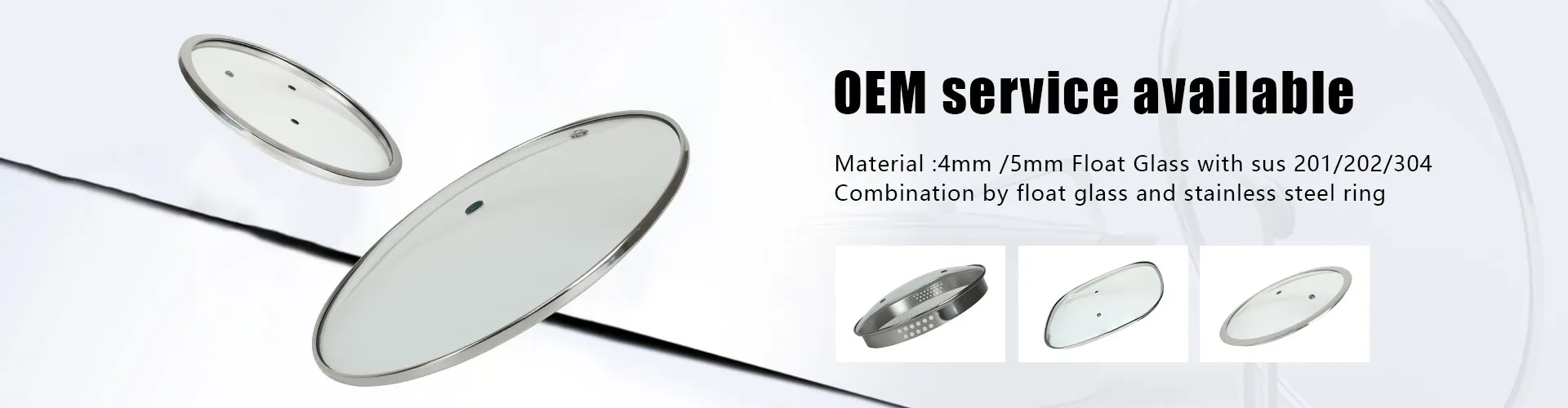
instant pot tempered glass lid 8 quart
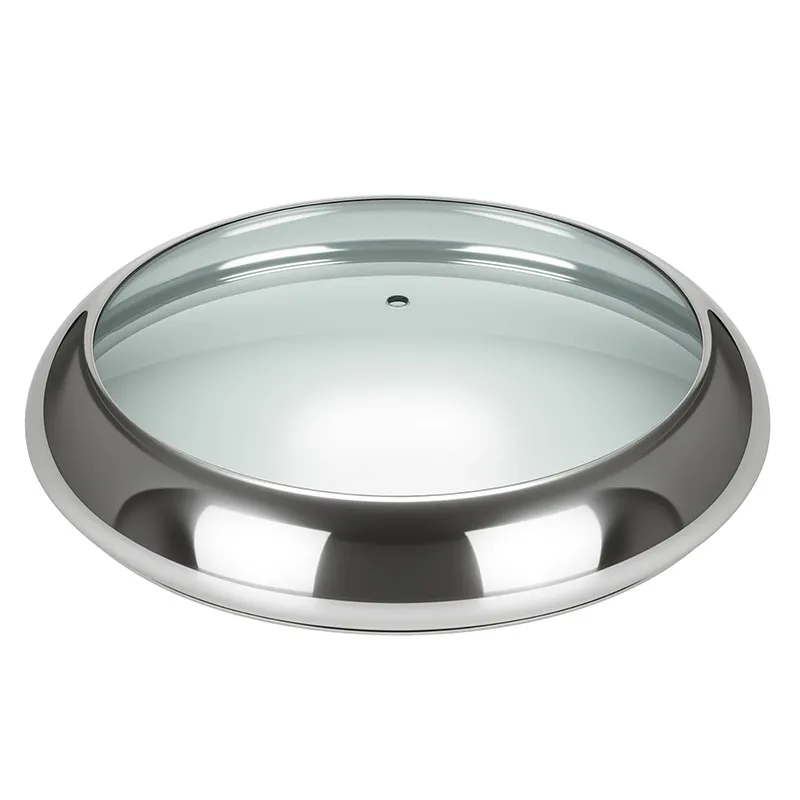
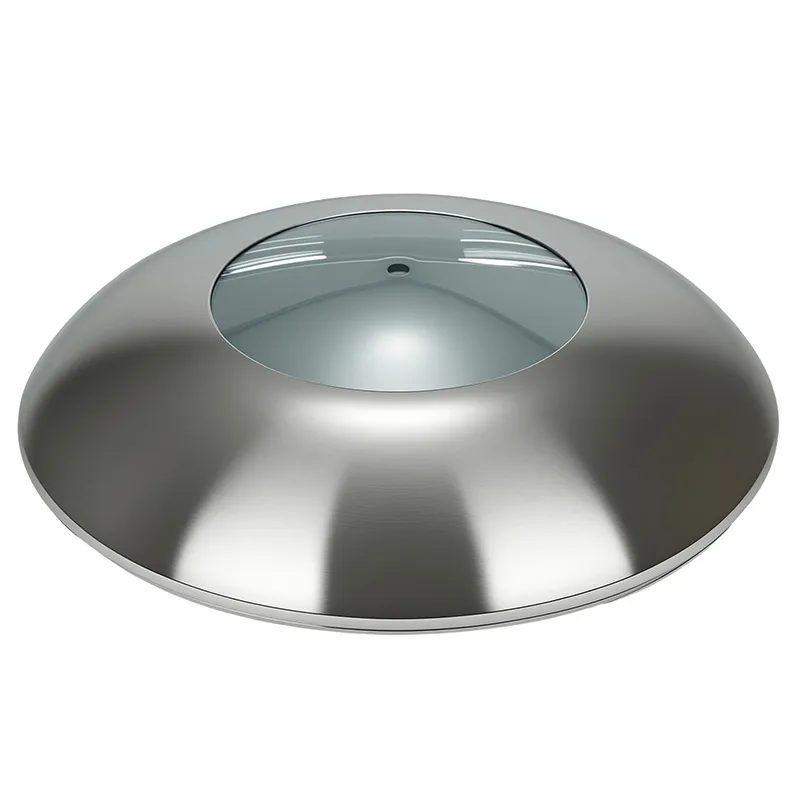
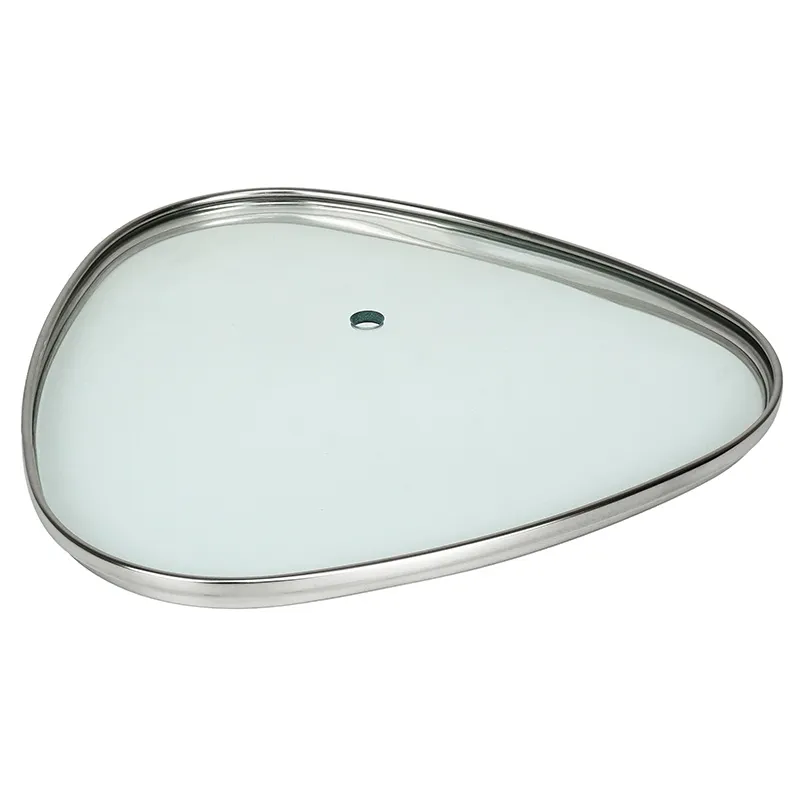
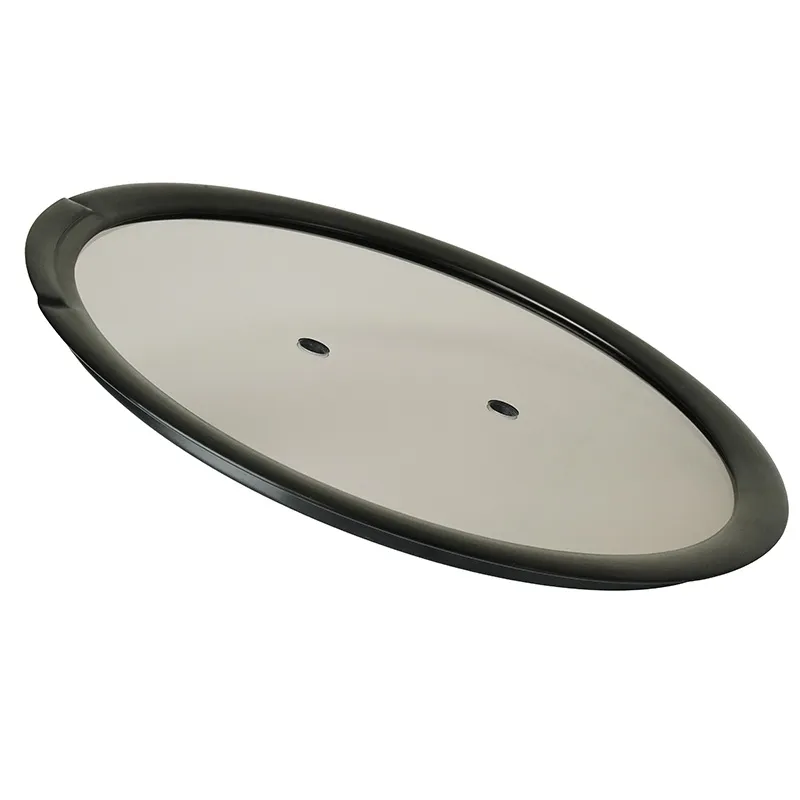
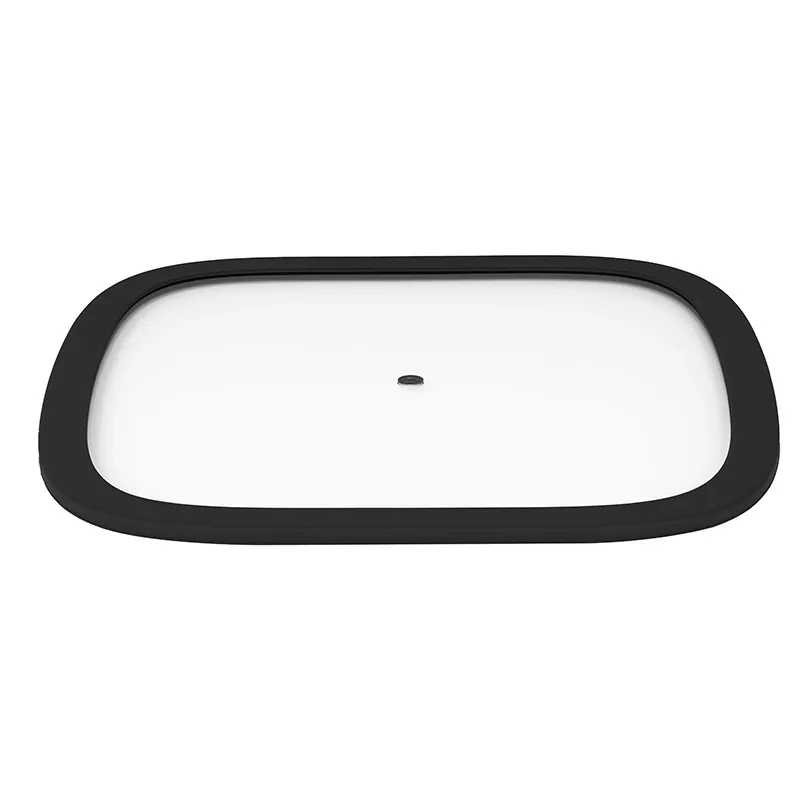
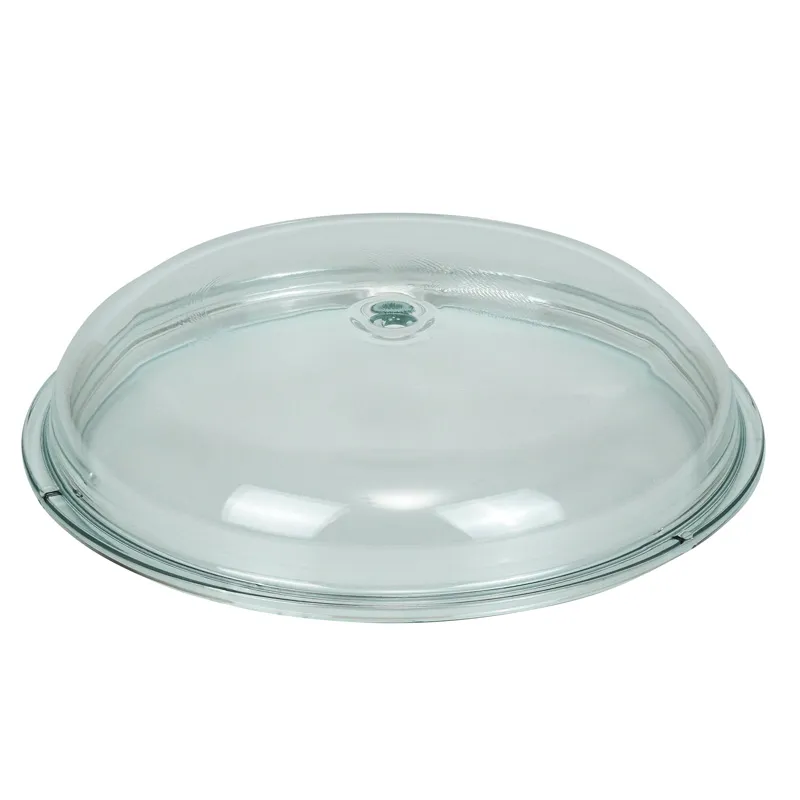
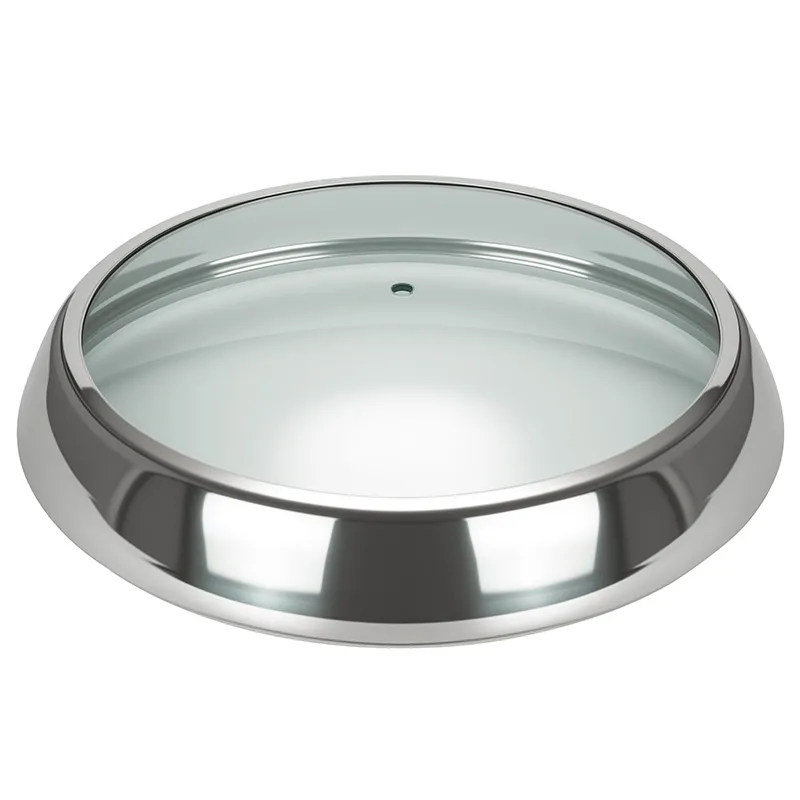
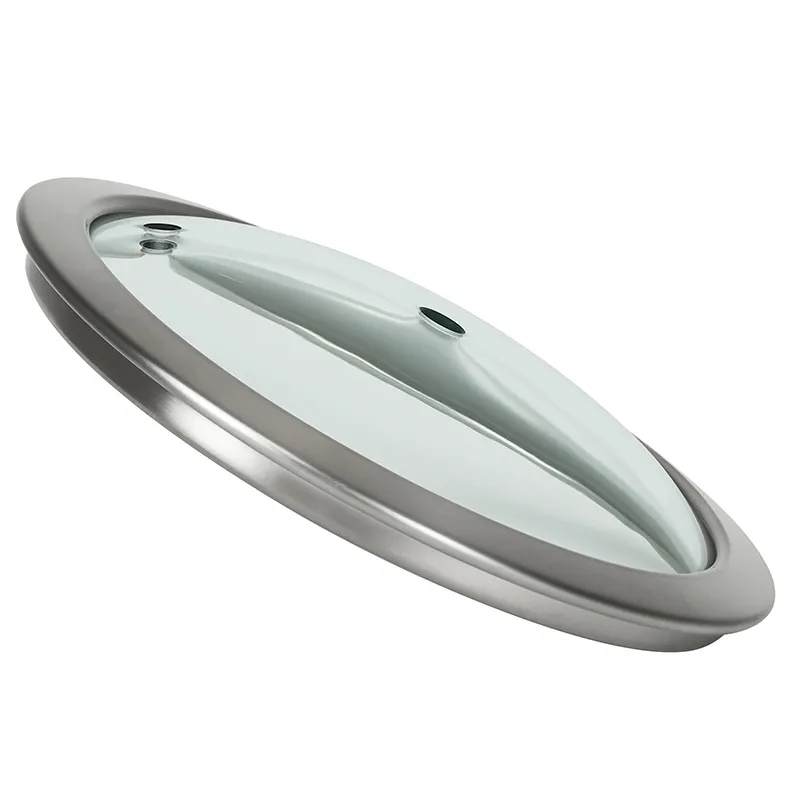
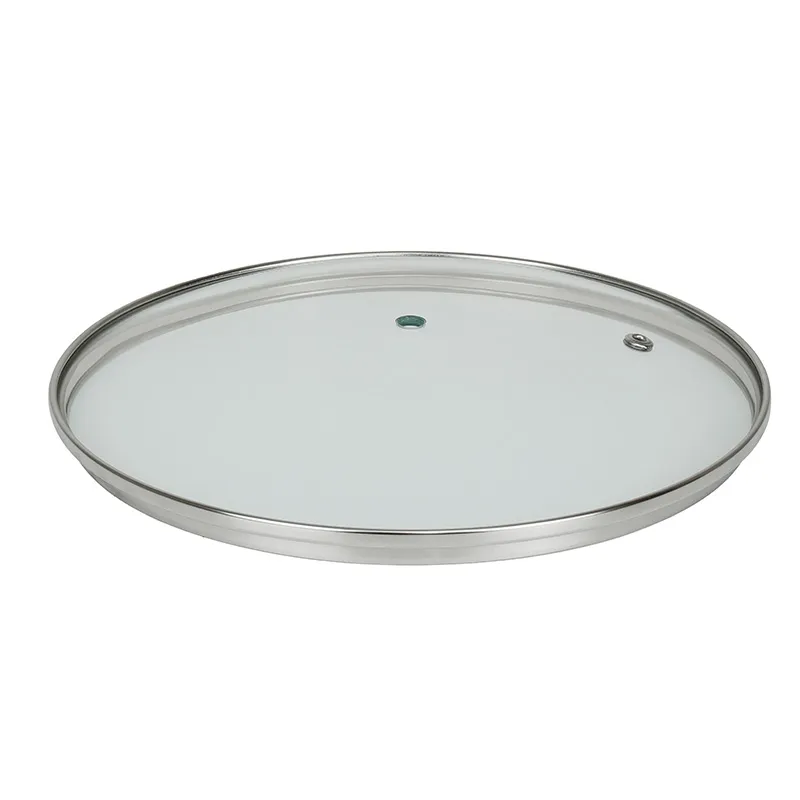
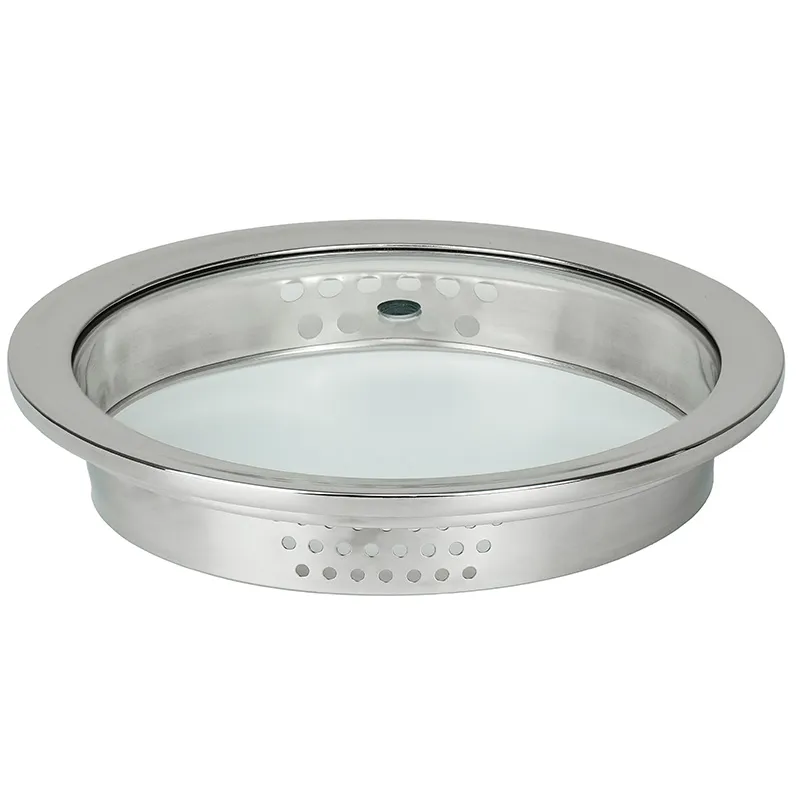
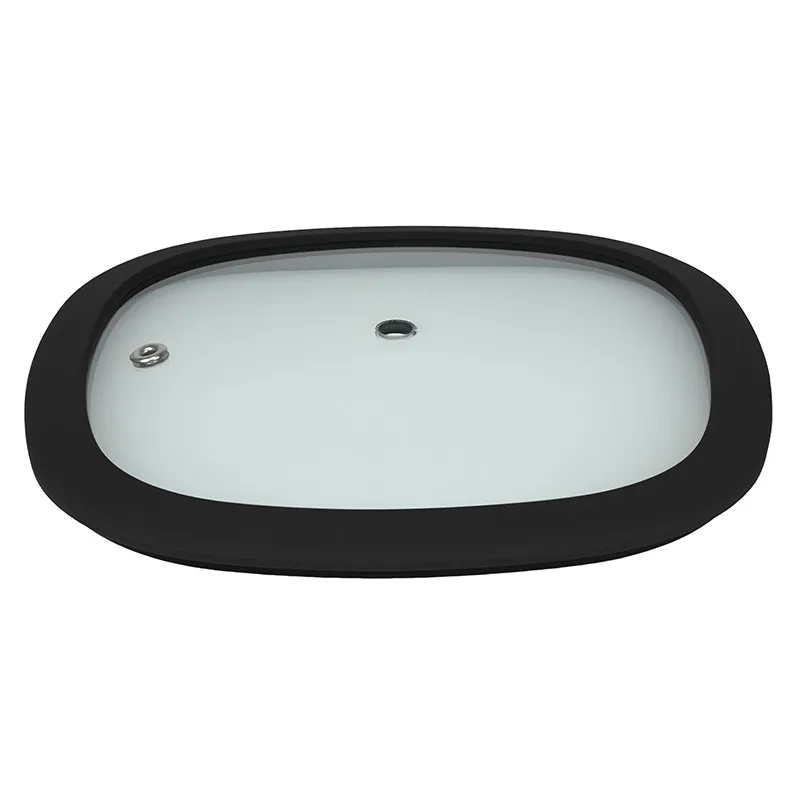
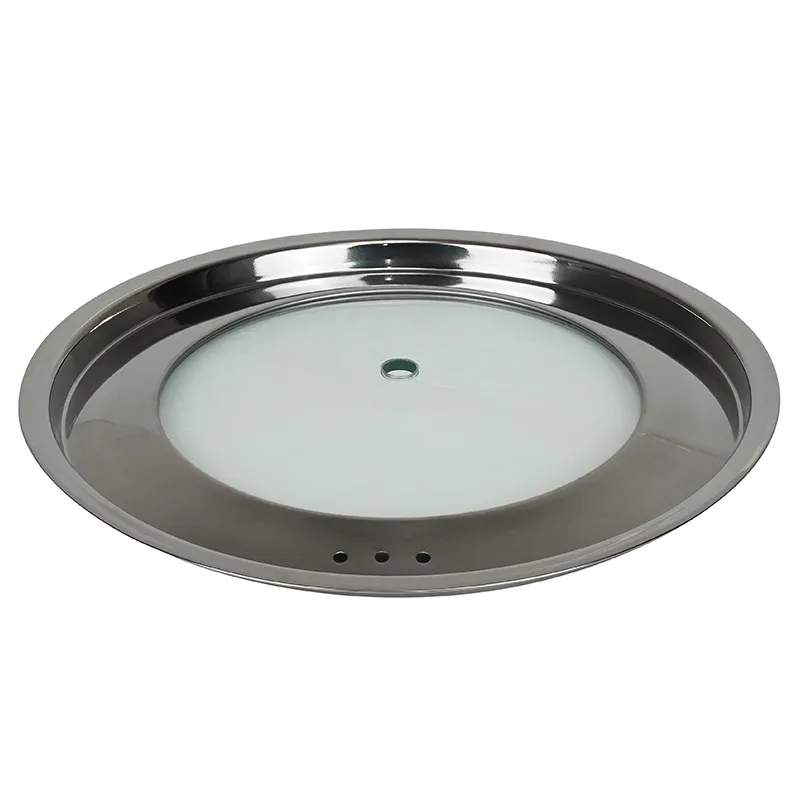
When you search for an 'instant pot tempered glass lid 8 quart', you're not just looking for a piece of glass. You're looking for a solution to a specific problem—maybe your original lid broke, or you want the visibility a glass lid offers for slow cooking or sautéing. The common misconception is that any 8-quart glass lid will fit, but that's where the nuance begins. The curvature, the rim depth, the handle placement—they all matter more than most product listings let on. I've seen too many returns from customers who bought a 'universal' lid only to find it sits awkwardly or doesn't seal the steam properly for their specific Instant Pot model. It's not just about dimensions; it's about engineering tolerances that match the pot's original design.
The Anatomy of a Proper Fit
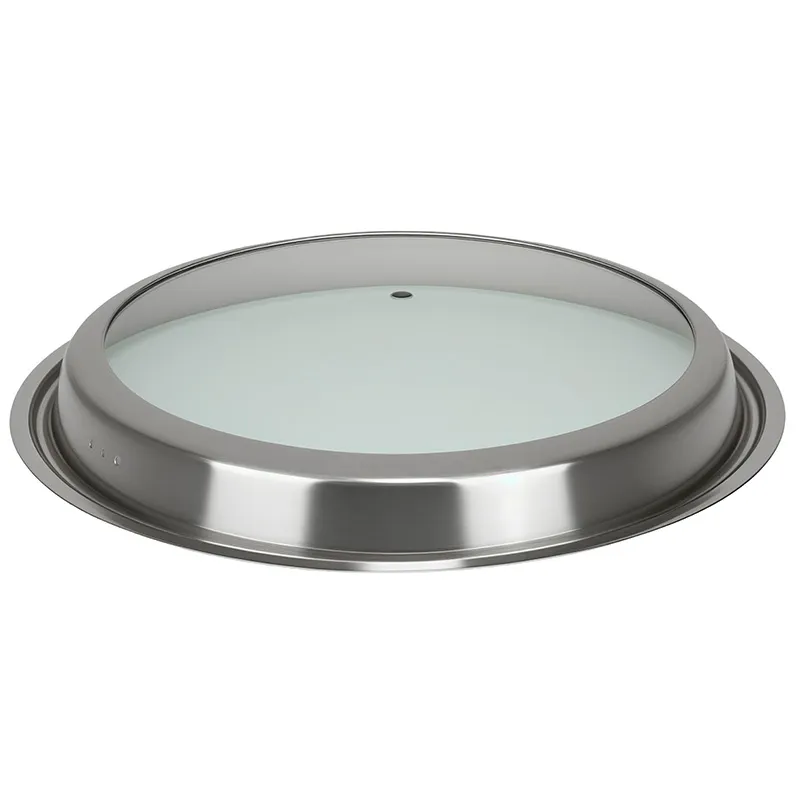
Let's talk about the rim. A genuine or well-engineered replacement lid for an 8-quart Instant Pot doesn't just rest on top; it has a specific bevel. This isn't for aesthetics. That angled edge helps create a semi-seal, crucial for when you're using the pot for functions like 'Slow Cook' or 'Keep Warm'. If the lid is too flat, steam escapes too rapidly, drying out your food. If it's too steep, it can create a vacuum and become difficult to remove. I learned this the hard way early on, sourcing a batch of lids that looked perfect on spec sheets but caused condensation to drip down the outside of the pot because the drip ridge was a millimeter off.
Then there's the handle. It seems trivial, but the thermal conductivity of the handle material is a big deal. A cheap plastic handle can get uncomfortably hot if the lid has been covering a rolling simmer for an hour. The better ones use a thicker, heat-resistant phenolic resin or have a stainless steel core. You can feel the difference in weight and solidity. The bolt that secures it should be stainless steel, not a plated screw that will rust after a dozen dishwasher cycles. These are the details you only notice after testing, or after a failure.
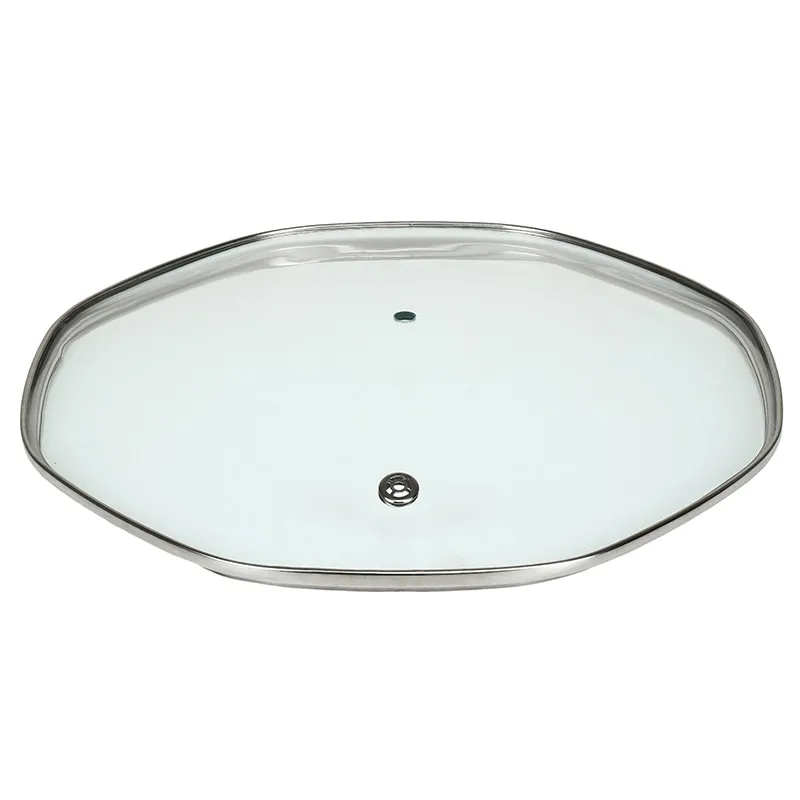
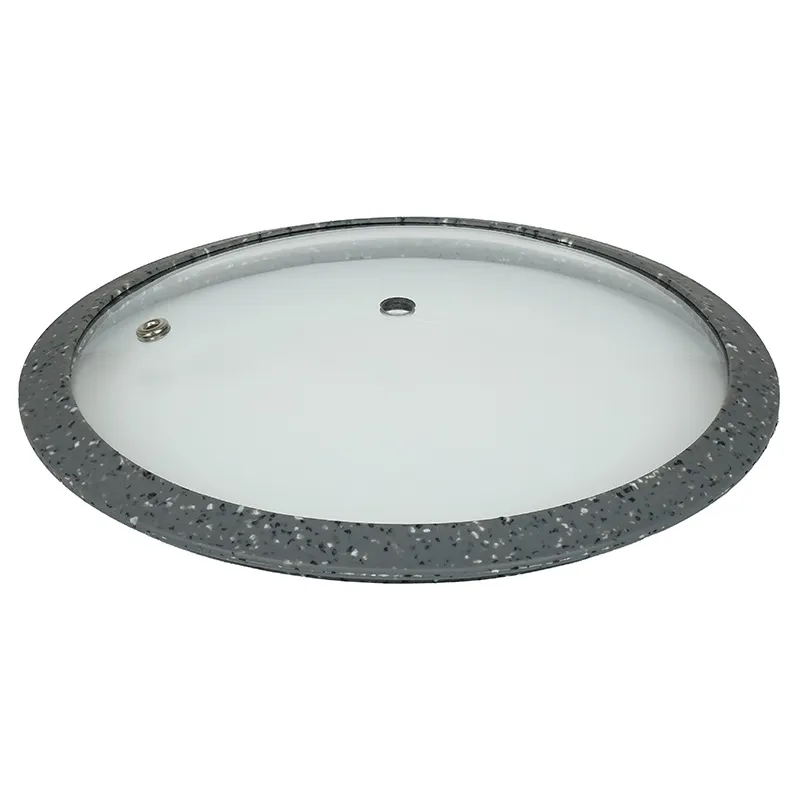
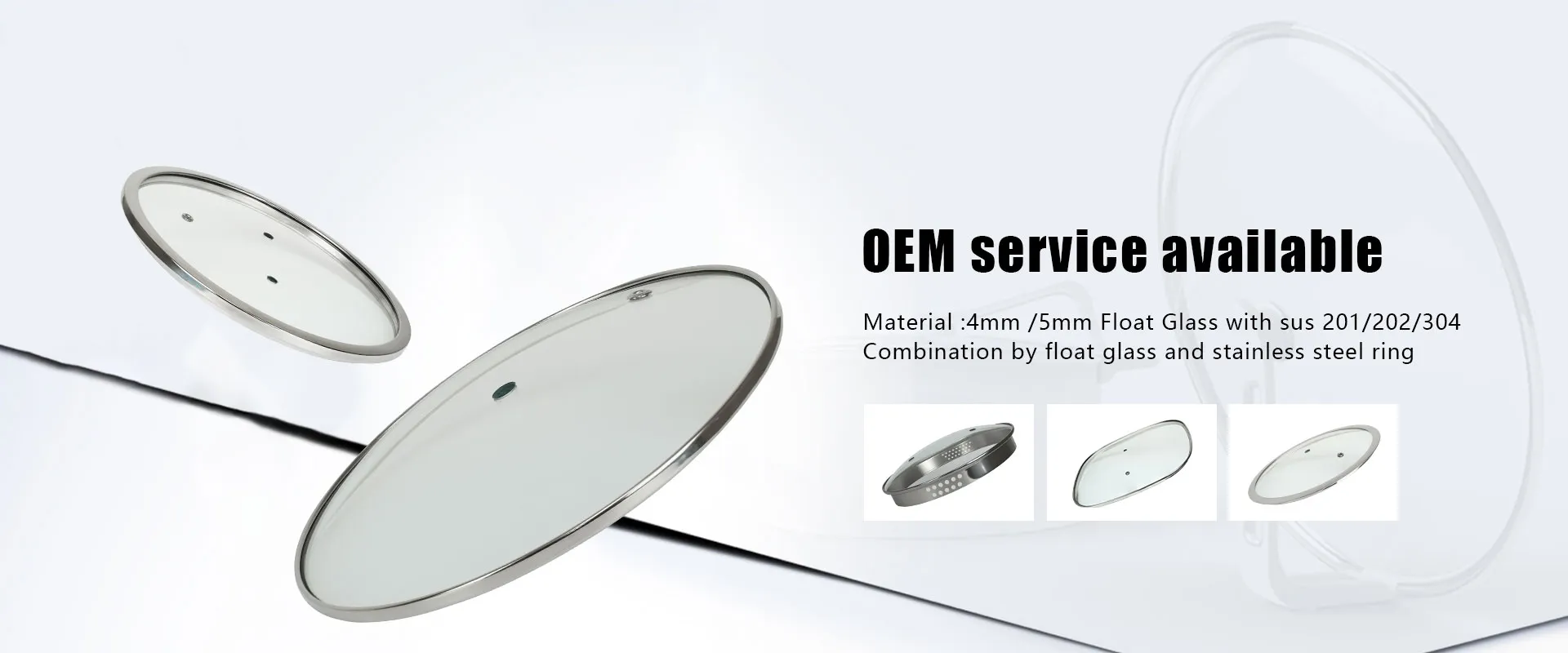
And the glass itself—'tempered' is the bare minimum. But the quality of tempering varies wildly. A good lid can withstand a thermal shock from a cold countertop to a hot pot. A poor one might shatter from that same shock, or develop micro-fractures over time near the handle mount point due to uneven stress. I've had samples from different factories fail in different ways during drop tests. The ones that passed consistently came from facilities with rigorous quenching processes, like the production lines at EUR-ASIA COOKWARE CO.,LTD. Their specialization in glass for the European market, where safety standards are stringent, shows in the product consistency.
Supply Chain Realities and the EUR-ASIA Example
Most of these lids, like the majority of cookware glass, originate from manufacturing hubs in China. But 'Made in China' tells you nothing. The key is the factory's focus and clientele. A factory exporting primarily to markets with lax standards operates differently from one serving German or Japanese retailers. This is where a company's background, like that of EUR-ASIA COOKWARE CO.,LTD, becomes relevant. Their website states they export over 90% of their output to countries like Germany, France, and Japan. That's a tangible signal. It means their quality control systems are built to pass inspections from buyers who will reject an entire shipment for minor defects in glass clarity or rim smoothness.
Their scale—an annual output of over 15 million pieces—isn't just about volume. It's about process refinement. At that quantity, maintaining consistency is a bigger challenge than making a single perfect lid. It suggests automated grinding and polishing for the edges, precise oven tempering curves, and systematic batch testing. For a buyer or a brand sourcing a reliable instant pot tempered glass lid 8 quart, partnering with a specialist like this mitigates risk. You're not their experiment; you're buying into a mature process developed for demanding clients.
I recall a project where we needed a custom lid for a private label line. The challenge was the vent hole position. We worked with a generic supplier first, and the prototype had the hole drilled after tempering. This weakened the glass structure around the hole. The lid from EUR-ASIA's type of production line would have the hole molded and fire-polished before the tempering process, making that point structurally integral. It's these procedural details, often invisible in the final product, that separate a durable accessory from a liability.
Practical Pitfalls and User Scenarios
In real kitchen use, the lid's performance is tested beyond specs. A common user complaint is 'it's too heavy' or 'it's too light'. Weight is a double-edged sword. A heavier, thicker glass lid retains heat better and minimizes condensation drip, but it can be cumbersome. A lighter lid is easier to handle but might warp with heat over time if the glass is too thin. For an 8-quart pot, which is a sizable piece of cookware, I lean towards a mid-weight lid—substantial enough to feel quality but not so heavy it's a chore to lift one-handed.
Another overlooked scenario is storage. The original Instant Pot lid often has a locking handle that folds. Most replacement glass lids do not. They are a single, dome-shaped object. Where do you put it when it's hot and wet? Users often lean it against the backsplash or lay it on a towel. This is where the robustness of the rim and the stability of the handle are tested repeatedly. A lid that can't survive occasional, careful bumps against a granite countertop isn't fit for purpose.
Dishwasher safety is a major selling point, but it's not just about the glass. It's about the handle assembly. Can the adhesive or the seal between the handle base and the glass withstand repeated high-temperature wash cycles without loosening or becoming milky? From my experience, lids that use a silicone gasket under the handle base, combined with a mechanical bolt, fare much better long-term than those relying solely on adhesive. This is a spec you almost never see listed, but it's a primary point of failure after six months of daily use.
The Verdict on Sourcing and Value
So, what are you actually buying? You're not just buying a circle of glass. You're buying the engineering in the curvature, the quality control in the tempering, the durability of the handle assembly, and the factory's experience in meeting high export standards. A lid from a random Amazon seller at $15 might work, but it's a gamble on those factors. A lid sourced from or produced to the standards of a specialist manufacturer represents a known quantity.
For businesses or serious home cooks, the value proposition shifts from 'lowest cost' to 'lowest total cost of ownership'. A lid that lasts for years without chipping, clouding, or handle failure is cheaper than replacing two cheap lids. The production focus of a company like EUR-ASIA COOKWARE CO.,LTD—on tempered glass lids as a core product, not a side gig—aligns with this. Their dedicated facility and export focus are proxies for reliability.
Ultimately, the right instant pot tempered glass lid 8 quart becomes an invisible workhorse. You stop thinking about it. It fits, it cleans easily, it doesn't degrade, and it just lets you see your braise simmering away. That's the goal. The search should start with understanding what makes that possible: precise manufacturing for fit, rigorous safety processes for the glass, and thoughtful design for the handle. When those elements come from a place of specialization, like the high-volume, export-oriented production described, you're far more likely to hit that mark on the first try.
Related Products
Related Products