- Chinese
- French
- German
- Portuguese
- Spanish
- Russian
- Japanese
- Korean
- Arabic
- Irish
- Greek
- Turkish
- Italian
- Danish
- Romanian
- Indonesian
- Czech
- Afrikaans
- Swedish
- Polish
- Basque
- Catalan
- Esperanto
- Hindi
- Lao
- Albanian
- Amharic
- Armenian
- Azerbaijani
- Belarusian
- Bengali
- Bosnian
- Bulgarian
- Cebuano
- Chichewa
- Corsican
- Croatian
- Dutch
- Estonian
- Filipino
- Finnish
- Frisian
- Galician
- Georgian
- Gujarati
- Haitian
- Hausa
- Hawaiian
- Hebrew
- Hmong
- Hungarian
- Icelandic
- Igbo
- Javanese
- Kannada
- Kazakh
- Khmer
- Kurdish
- Kyrgyz
- Latin
- Latvian
- Lithuanian
- Luxembou..
- Macedonian
- Malagasy
- Malay
- Malayalam
- Maltese
- Maori
- Marathi
- Mongolian
- Burmese
- Nepali
- Norwegian
- Pashto
- Persian
- Punjabi
- Serbian
- Sesotho
- Sinhala
- Slovak
- Slovenian
- Somali
- Samoan
- Scots Gaelic
- Shona
- Sindhi
- Sundanese
- Swahili
- Tajik
- Tamil
- Telugu
- Thai
- Ukrainian
- Urdu
- Uzbek
- Vietnamese
- Welsh
- Xhosa
- Yiddish
- Yoruba
- Zulu
- Kinyarwanda
- Tatar
- Oriya
- Turkmen
- Uyghur


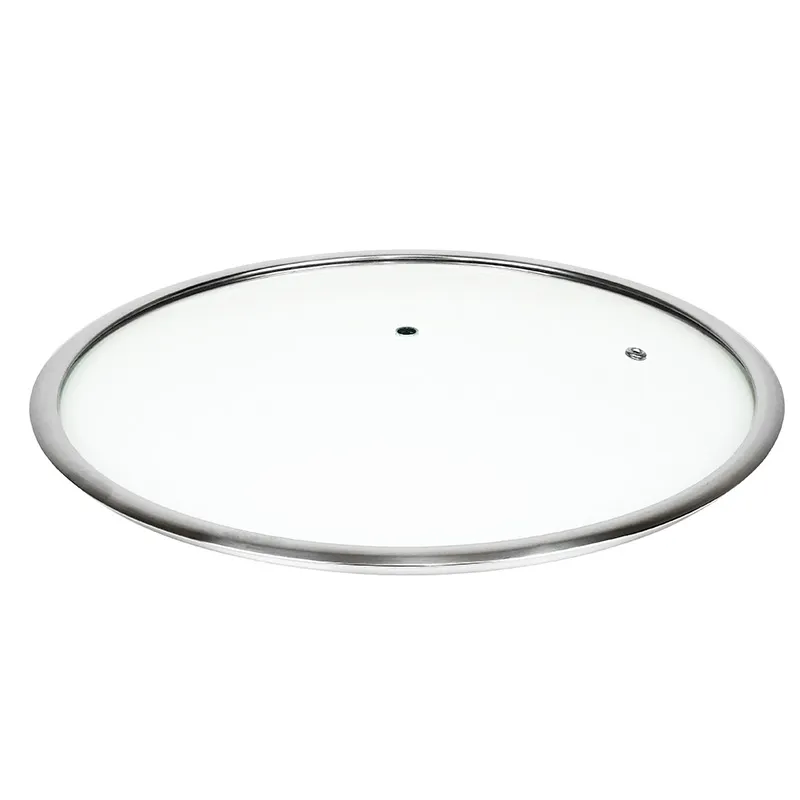
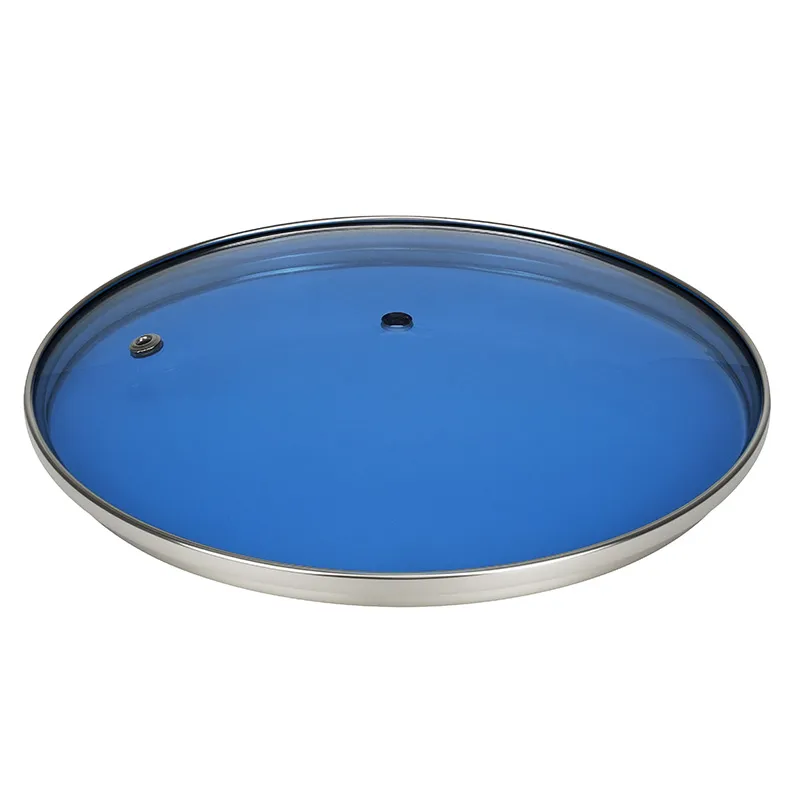
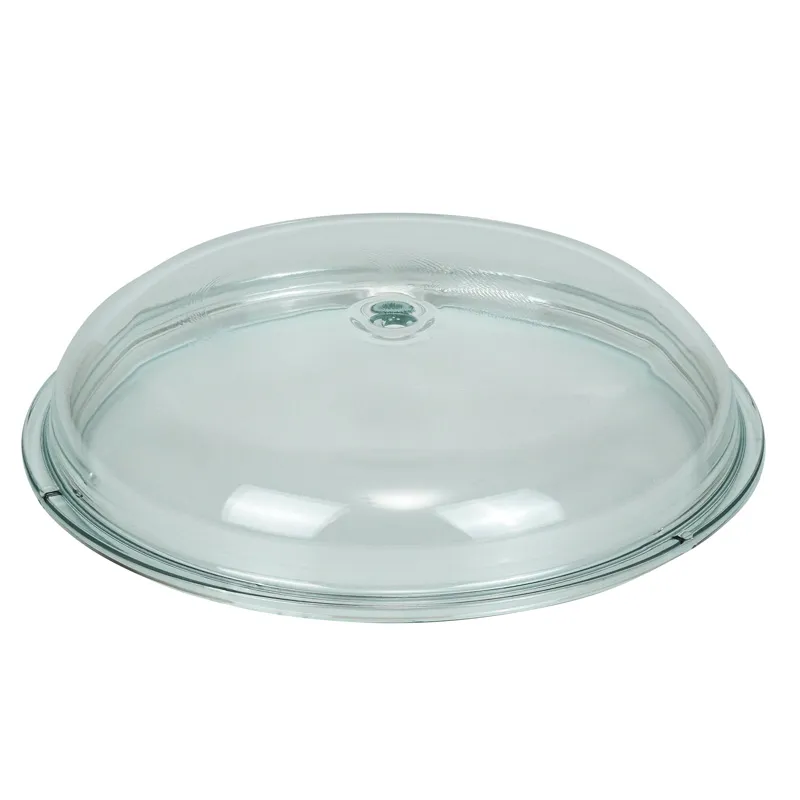
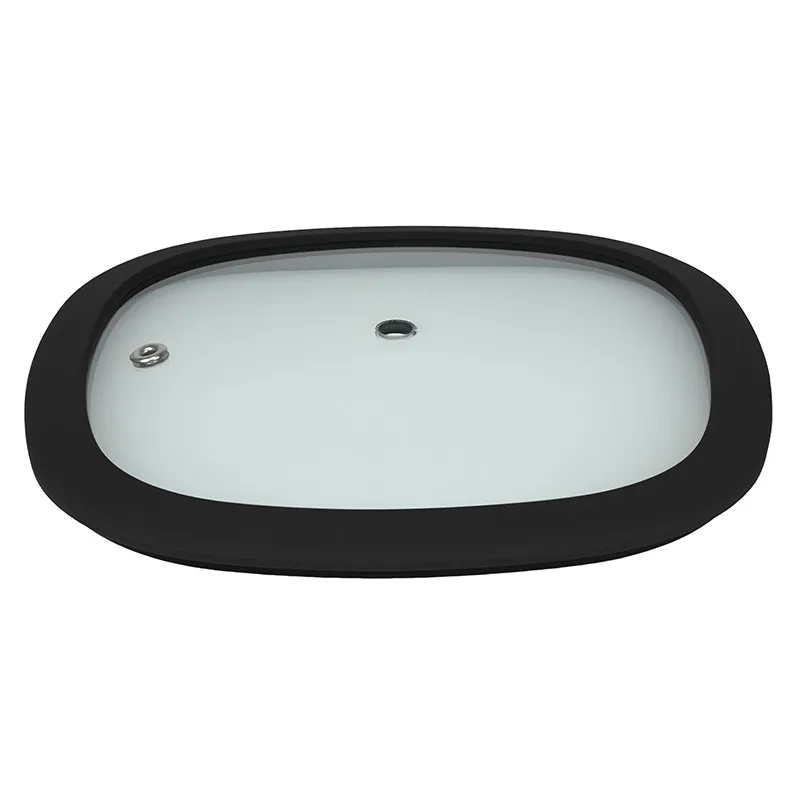
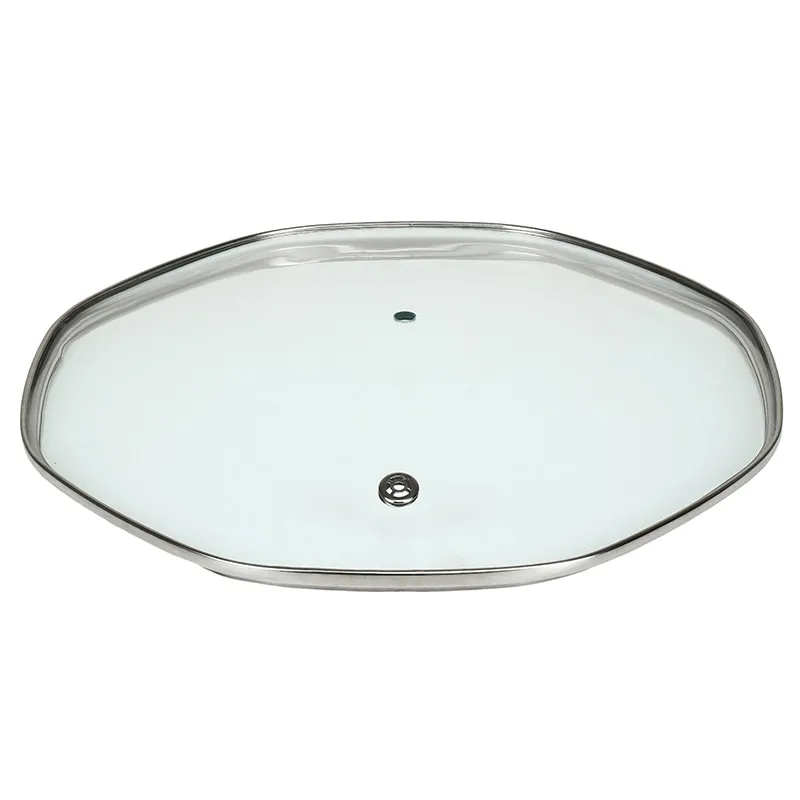
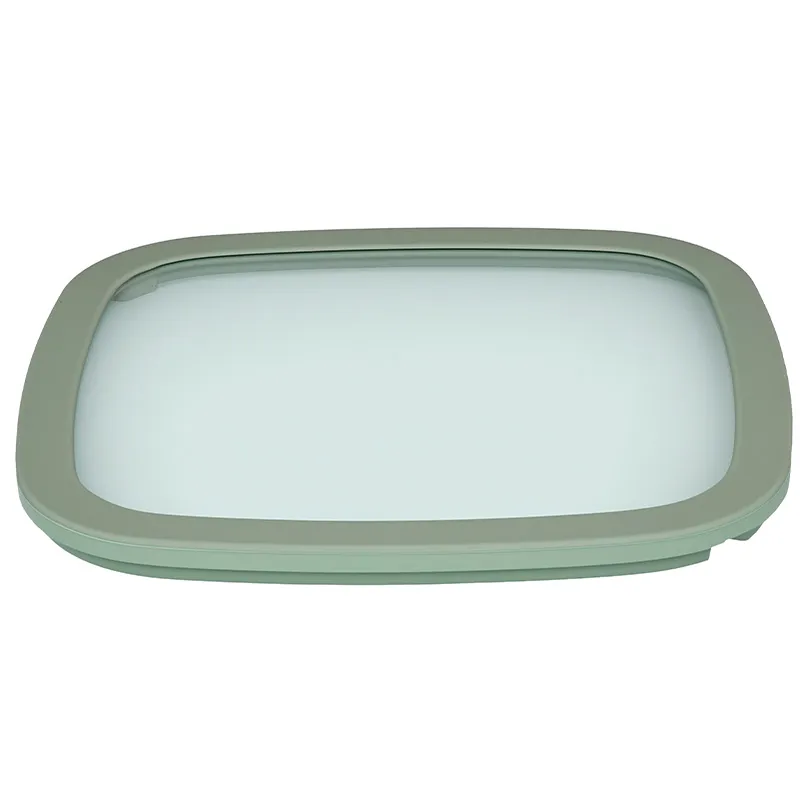
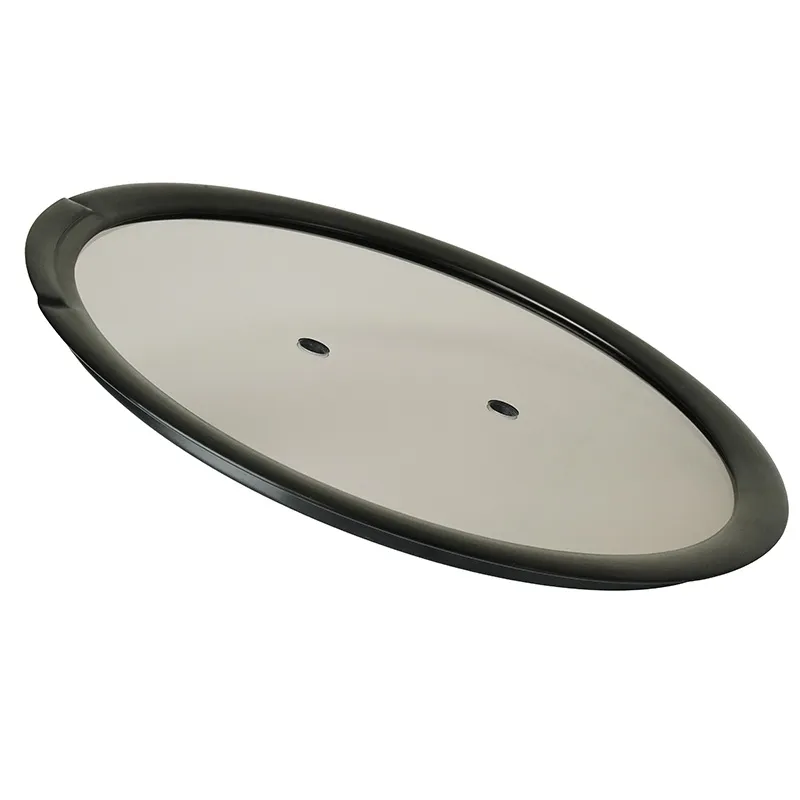
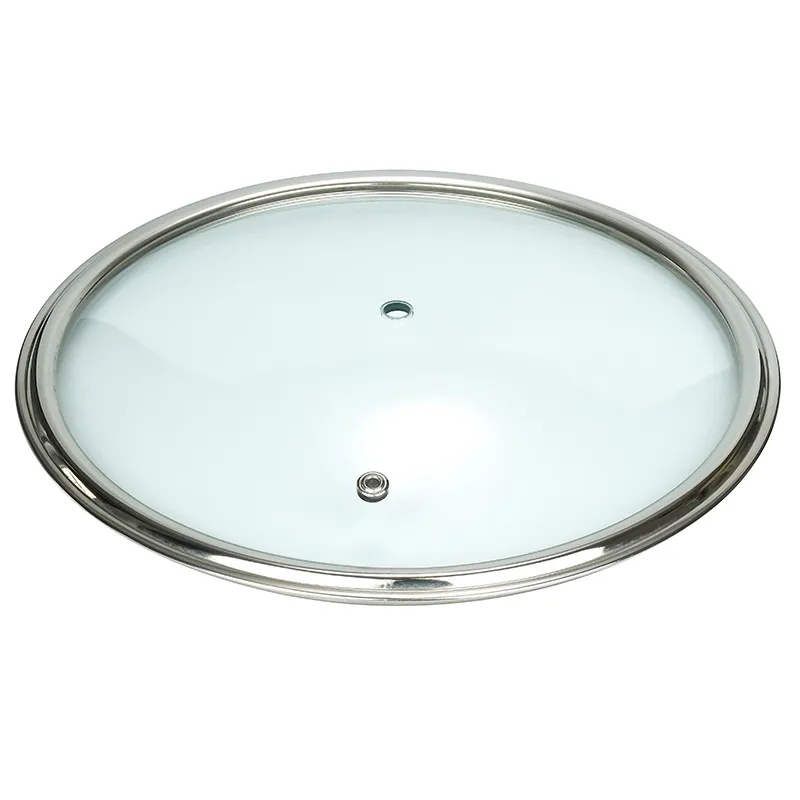
juice glass with lid
When most people hear 'juice glass with lid', they picture a simple tumbler with a snap-on cover. That's the common misconception. In reality, that term, especially when sourcing for retail or designing for production, encompasses a critical intersection of material science, user behavior, and manufacturing tolerances that most generic product descriptions completely miss. It's not just a drinking vessel; it's a containment system for acidic, often chilled, sometimes carbonated liquids that needs to survive dishwashers, drops, and daily use without leaking or imparting taste. Many get the glass right but fail spectacularly on the lid interface.
Material Compatibility is Everything
The glass itself seems straightforward—tempered, obviously, for safety. But the grade and the annealing process matter immensely for a juice glass with lid. Thin-walled, lightweight glasses are cost-effective but can chip at the rim during lid insertion or removal if the tolerance isn't perfect. A slightly heavier, low-iron glass (like some European brands use) feels premium and shows off the juice color, but it drives up the unit cost and the breakage rate in transit. It's a constant trade-off.
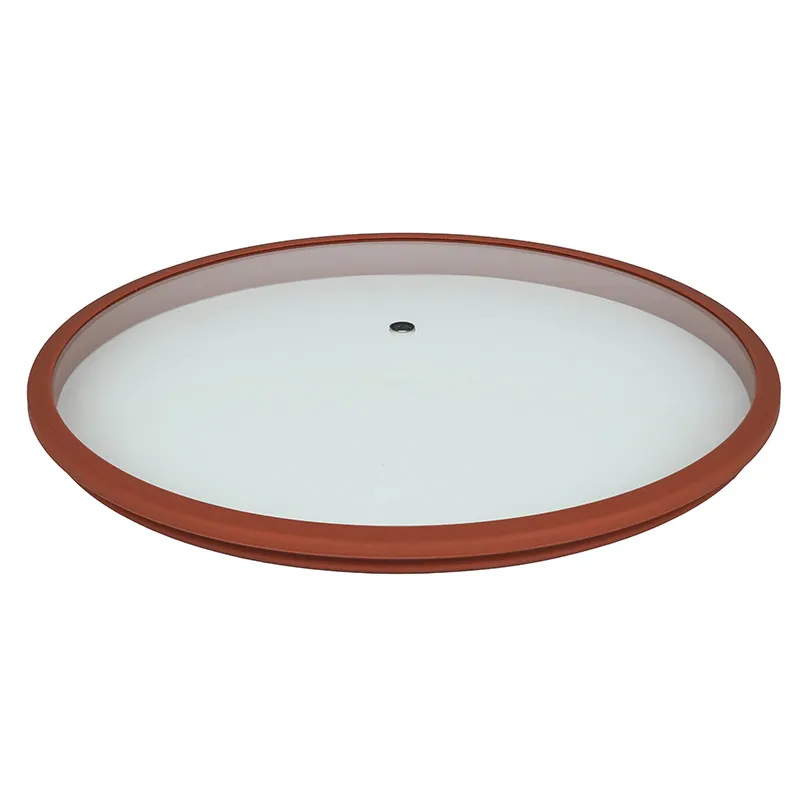
Then comes the lid. Food-grade silicone gaskets are standard, but the thickness and durometer (hardness) are where failures happen. A too-soft gasket seals beautifully initially but deforms over time, especially with citrus juice exposure, leading to leaks after a few months. A too-hard one requires excessive force to seal, frustrating users. We learned this through returns. A batch we did in 2019 had a beautiful, clear PP lid with a rigid gasket. Lab tests passed. Real-world tests? People complained they couldn't close it with one hand. Back to the drawing board.
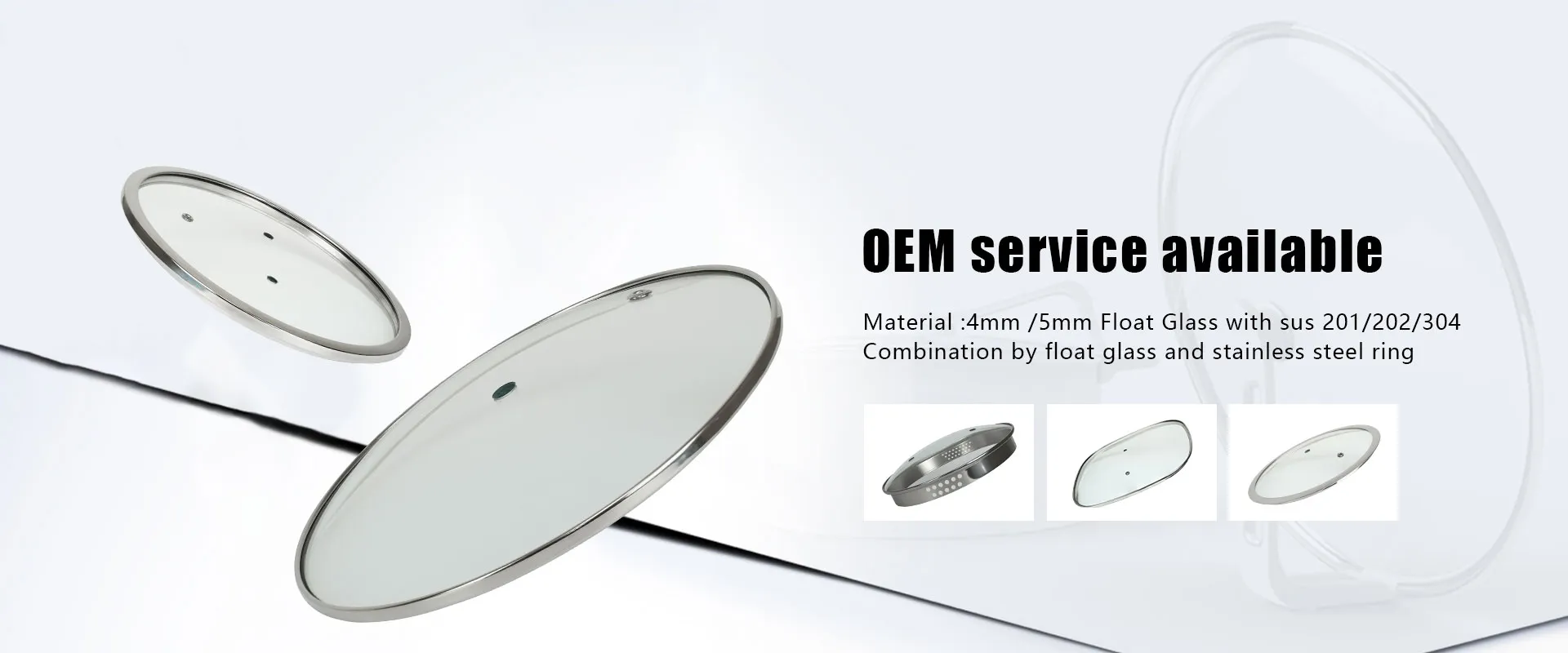
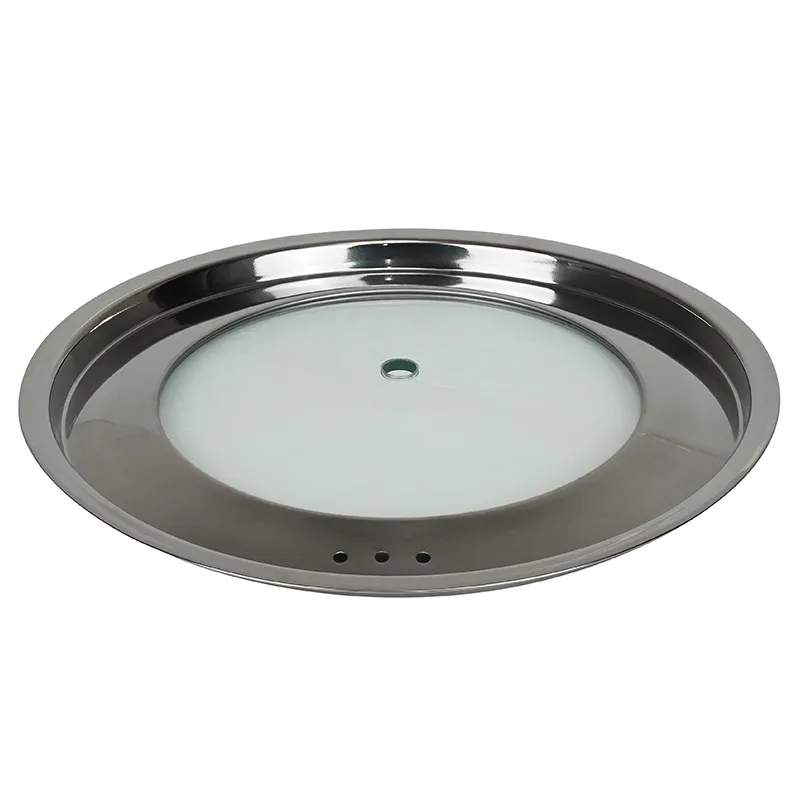
This is where specialized manufacturers have an edge. A company like EUR-ASIA COOKWARE CO.,LTD, which produces millions of tempered glass lids annually, understands these pressures literally. Their production of over 15 million pieces a year for markets like Germany and Japan means they've had to solve for the high expectations of those consumers regarding precision and durability. Their focus on the lid as a core component, not an accessory, is telling. You can find their approach detailed on their site at https://www.glass-lid.com. It’s this kind of specialization that separates a generic container from a reliable juice glass with lid system.
The Sealing Mechanism: A Hidden Point of Friction
Flip-top, screw-on, or press-and-seal? Each has its dogma. Flip-tops with a silicone seal are great for one-handed operation—think squeezing a lemon with the other hand—but the hinge is a weakness. It collects residue and can break if the plastic is brittle. I've seen hinges snap in cold weather testing. Screw-on lids offer the best seal, ideal for carbonated juices or smoothies, but they're slower to use and the threads on the glass need to be molded perfectly. Any flashing or imperfection leads to cross-threading and customer frustration.
Press-and-seal, the most common for casual home use, is the trickiest. The success hinges on the undercut on the glass rim and the corresponding groove in the lid. A 0.5mm deviation is the difference between a satisfying 'pop' and a lid that flies off when you shake it. We prototyped a line where the lid fit our quality control jig perfectly but failed on 30% of the actual glasses due to minute variations in the glass molding. The entire batch was scrapped. It was a brutal lesson in designing for manufacturing variance, not just ideal specs.
For high-volume, consistent production, this is where a supplier's process control is paramount. The fact that a producer like EUR-ASIA COOKWARE CO.,LTD. exports over 90% of its output to technically demanding regions suggests they've mastered the consistency of the glass component, which is the foundation for any reliable lid seal. Their product base being specifically tempered glass lid and other glass products indicates a depth of focus. A wobbly glass rim dooms even the best-designed lid.
Beyond the Kitchen: Usage Scenarios and Unintended Consequences
You design a juice glass with lid for the kitchen counter. It ends up in a kid's lunchbox, a car cupholder, and a gym bag. The lid isn't just for spill prevention during sipping; it's for total containment during transport. This demands a positive locking feature—something that audibly clicks. Without it, pressure changes (like in a car climbing a mountain) can pop a simple press-on lid. We added a small locking tab to our design after a distributor in Switzerland reported leaks during alpine deliveries.
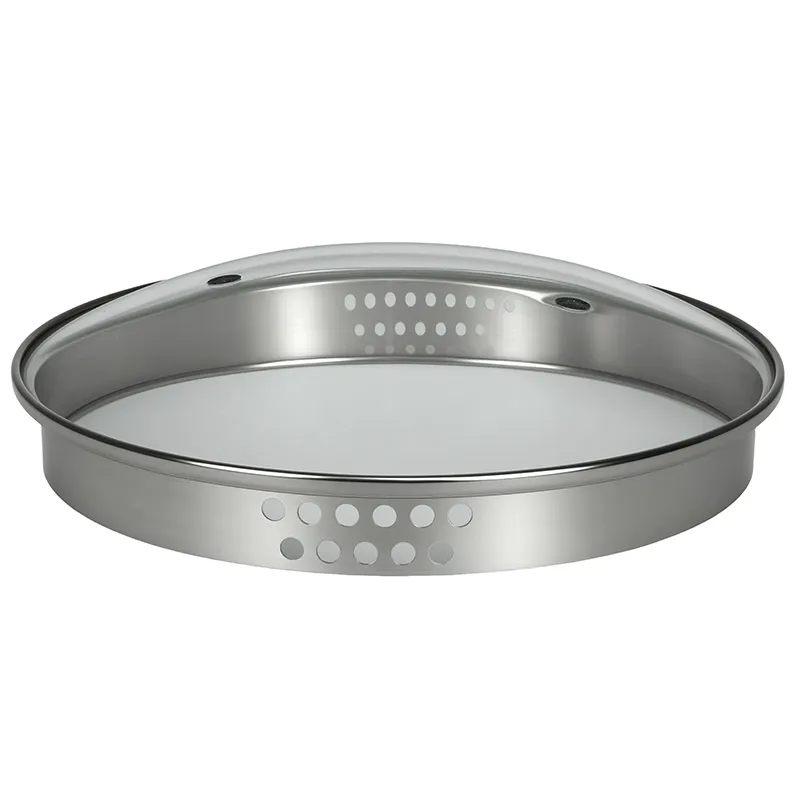
Another overlooked factor is venting. A perfectly sealed lid is great until you put a hot fruit tea in it and the vacuum makes it impossible to open. Or, you shake a protein shake and the pressure blows the lid off when you crack the seal. Some high-end designs now incorporate a small, silicone-covered vent pin or a dual-seal system that allows pressure equalization. It adds cost but solves real-world problems. It's a detail you only think of after fielding the complaints.
Cleaning is the final hurdle. Complex lids with multiple parts trap pulp and dye. A lid with a removable gasket is easier to clean but introduces another small part to lose. A one-piece lid with an integrated seal is more user-friendly but can wear out faster. Observing how people actually clean them—often just tossing them in the dishwasher—dictates material choices. The lid must withstand high heat and aggressive detergents cycle after cycle without warping or degrading the seal.
Sourcing and the Reality of Scale
When you move from a concept to sourcing 10,000 units, the conversation shifts dramatically. It's no longer about the perfect design, but the design that can be produced consistently at scale. A subtle curve on the lid that aids grip might require a more complex, slower mold. A glass color that's not standard means a longer lead time and a higher minimum order quantity. You have to pick your battles.
This is why partnering with an established manufacturer isn't just about price; it's about engineering support. A company with a 20,000㎡ production base and 90+ employees, like the one mentioned earlier, typically has in-house mold-making and quality control teams that can advise on design-for-manufacturability. They've seen what works and what fails in the markets you're targeting. Their experience exporting to Germany and Japan, for instance, means they inherently understand CE standards, material safety protocols, and aesthetic minimalism that those markets demand.
The low- medium- high level range in their company description is a crucial point. It means they can likely produce a basic, cost-effective juice glass with lid for a promotional line and a premium, low-iron glass with a sophisticated locking lid for a boutique brand. This flexibility is valuable. It allows a brand to develop a tiered product line without having to find a new supplier for each level, ensuring some component consistency across their offerings.
Closing Thoughts: It's a System, Not a Product
So, after all this, what makes a good juice glass with lid? Reliability. It's the unsexy answer. It's the confidence that it won't leak in a bag, that the lid will still fit after a year of dishwasher cycles, that the glass won't stain from turmeric or beetroot. This reliability is born from treating the glass and lid as a single, integrated system, where each component is engineered with the other in mind.
The journey to get there is littered with prototypes, failed tests, and customer feedback. It involves choosing partners who specialize in the core components, not just general housewares. It requires accepting that some perfect-on-paper features must be compromised for robustness and manufacturability.
In the end, the best juice glass with lid is the one you stop thinking about. It just works. It becomes a seamless part of the kitchen landscape, not a finicky gadget. Achieving that simplicity is the complex, iterative, and deeply practical work that happens long before the product ever hits a shelf. And that's what separates a commodity from a considered tool for daily life.
Related Products
Related Products