
- English
- Chinese
- French
- German
- Portuguese
- Spanish
- Russian
- Japanese
- Korean
- Arabic
- Irish
- Greek
- Turkish
- Italian
- Danish
- Romanian
- Indonesian
- Czech
- Afrikaans
- Swedish
- Polish
- Basque
- Catalan
- Esperanto
- Hindi
- Lao
- Albanian
- Amharic
- Armenian
- Azerbaijani
- Belarusian
- Bengali
- Bosnian
- Bulgarian
- Cebuano
- Chichewa
- Corsican
- Croatian
- Dutch
- Estonian
- Filipino
- Finnish
- Frisian
- Galician
- Georgian
- Gujarati
- Haitian
- Hausa
- Hawaiian
- Hebrew
- Hmong
- Hungarian
- Icelandic
- Igbo
- Javanese
- Kazakh
- Khmer
- Kurdish
- Kyrgyz
- Latin
- Latvian
- Lithuanian
- Luxembou..
- Macedonian
- Malagasy
- Malay
- Malayalam
- Maltese
- Maori
- Marathi
- Mongolian
- Burmese
- Nepali
- Norwegian
- Pashto
- Persian
- Punjabi
- Serbian
- Sesotho
- Sinhala
- Slovak
- Slovenian
- Somali
- Samoan
- Scots Gaelic
- Shona
- Sindhi
- Sundanese
- Swahili
- Tajik
- Tamil
- Telugu
- Thai
- Ukrainian
- Urdu
- Uzbek
- Vietnamese
- Welsh
- Xhosa
- Yiddish
- Yoruba
- Zulu
- Kinyarwanda
- Tatar
- Oriya
- Turkmen
- Uyghur


ಮುಚ್ಚಳ ಮತ್ತು ಒಣಹುಲ್ಲಿನೊಂದಿಗೆ ಗಾಜು
When you hear glass with lid and straw, most people picture a trendy tumbler for iced coffee. That's not wrong, but it's a surface-level take. In the industry, especially from a manufacturing and product development angle, this category sits at a messy intersection of material science, user behavior, and frankly, a lot of failed assumptions. I've seen countless prototypes that looked great on a mood board but were a nightmare in daily use. The real challenge isn't making a glass with a lid and a straw; it's making one that people actually use repeatedly, not just for the Instagram post. It's about the seal, the straw material's interaction with different beverages, the lid's durability after hundreds of clicks, and how all that feels in the hand. ಅದು ನಿಜವಾಗಿ ಏನನ್ನು ಒಳಗೊಳ್ಳುತ್ತದೆ ಎಂಬುದನ್ನು ಅಗೆಯೋಣ.
ದಿ ಕೋರ್ ಮಿಸ್ಕಾನ್ಸೆಪ್ಶನ್: ಲಿಡ್ ಆಸ್ ಆನ್ ಆಫ್ಟರ್ಥಾಟ್
ನಾನು ಸ್ಟಾರ್ಟ್ಅಪ್ಗಳು ಮತ್ತು ಕೆಲವು ಸ್ಥಾಪಿತ ಬ್ರಾಂಡ್ಗಳು ಮಾಡುವ ದೊಡ್ಡ ತಪ್ಪು ಎಂದರೆ ಮುಚ್ಚಳವನ್ನು ಕೇವಲ ಪರಿಕರವಾಗಿ ಪರಿಗಣಿಸುವುದು. ಅವರು ಒಂದು ಸಂತೋಷವನ್ನು ಮೂಲ ಮುಚ್ಚಳ ಮತ್ತು ಒಣಹುಲ್ಲಿನೊಂದಿಗೆ ಗಾಜು from a supplier, often focusing on the aesthetic of the glass itself, and assume the lid-straw combo is a standard, solved problem. ಇದು ಅಲ್ಲ. A lid needs to achieve two opposing goals: provide a secure, leak-resistant seal, while being effortless to open and close with one hand, often while holding a phone or a bag. The click sound is psychologically important—it gives feedback that it's sealed—but if the mechanism wears out after a few months, you've got a product destined for the back of the cabinet.
I recall a project where we used a silicone gasket for sealing. ಪ್ರಯೋಗಾಲಯ ಪರೀಕ್ಷೆಗಳಲ್ಲಿ ಇದು ಸಂಪೂರ್ಣವಾಗಿ ಕೆಲಸ ಮಾಡಿದೆ. But real life introduced lemon slices and mint leaves—common in infused water. Those little fibers and citrus oils degraded the silicone over time, making it sticky and eventually compromising the seal. We had to switch to a food-grade TPE compound with better chemical resistance, which was a cost jump the marketing team initially fought against. ಅದು ಸರಿಯಾದ ಕರೆಯಾಗಿತ್ತು. ಉತ್ಪನ್ನದ ಸಾಲು ಇನ್ನೂ ಮಾರಾಟವಾಗುತ್ತಿದೆ.
ವಿಶೇಷ ತಯಾರಕರೊಂದಿಗೆ ಕೆಲಸ ಮಾಡುವುದು ಇಲ್ಲಿ ವ್ಯತ್ಯಾಸವನ್ನುಂಟುಮಾಡುತ್ತದೆ. ಹಾಗೆ ಒಂದು ಕಂಪನಿ EUR-ASIA ಕುಕ್ವೇರ್ ಕಂ., ಲಿಮಿಟೆಡ್, which has a production base focused on glass and kitchen accessories, understands these material interactions at scale. ನಲ್ಲಿ ಅವರ ಪೋರ್ಟ್ಫೋಲಿಯೊ ಬ್ರೌಸಿಂಗ್ glass-lid.com, ನೀವು ಅವರ ಪರಿಣತಿಯನ್ನು ಕೇವಲ ಗಾಜಿನಲ್ಲಿರುವುದನ್ನು ನೋಡಬಹುದು, ಆದರೆ ಗಾಜಿನ ಕ್ರಿಯಾತ್ಮಕತೆಯನ್ನು ಮಾಡುವ ಸಹಾಯಕ ಘಟಕಗಳಲ್ಲಿ. ಜರ್ಮನಿ ಮತ್ತು ಜಪಾನ್ನಂತಹ ಕಟ್ಟುನಿಟ್ಟಾದ ಮಾನದಂಡಗಳೊಂದಿಗೆ ಮಾರುಕಟ್ಟೆಗಳಿಗೆ ರಫ್ತು ಮಾಡುವಲ್ಲಿ ಅವರ ಅನುಭವವು ಬಾಳಿಕೆ ಬರುವ ಸರಕುಗಳಿಗೆ ನೆಗೋಶಬಲ್ ಆಗದ ಗುಣಮಟ್ಟದ ನಿಯಂತ್ರಣದ ಬೇಸ್ಲೈನ್ ಅನ್ನು ಸೂಚಿಸುತ್ತದೆ.
ಒಣಹುಲ್ಲಿನ ಸಂದಿಗ್ಧತೆ: ವಸ್ತು ಯುದ್ಧಗಳು ಮತ್ತು ಬಳಕೆದಾರರ ಅನುಭವ
Then there's the straw. The anti-plastic movement pushed everyone toward stainless steel, silicone, and glass straws. Each has trade-offs. ಸ್ಟೇನ್ಲೆಸ್ ಸ್ಟೀಲ್ ಬಾಳಿಕೆ ಬರುವಂತಹದ್ದಾಗಿದೆ ಆದರೆ ತಾಪಮಾನವನ್ನು ಚೆನ್ನಾಗಿ ನಡೆಸುತ್ತದೆ - ಯಾರಾದರೂ ಹೆಪ್ಪುಗಟ್ಟಿದ ಸ್ಮೂಥಿಯನ್ನು ಕುಡಿಯುತ್ತಿದ್ದರೆ ಅದು ಅಹಿತಕರವಾಗಿರುತ್ತದೆ. It also clinks against the glass, a small but persistent annoyance. Silicone is soft and safe but can retain flavors and is a magnet for dust in a bag. Glass straws, while elegant and inert, introduce a fragility that contradicts the portable nature of a ಮುಚ್ಚಳ ಮತ್ತು ಒಣಹುಲ್ಲಿನೊಂದಿಗೆ ಗಾಜು.
We experimented with a co-molded straw: a silicone exterior for mouthfeel and a thin, rigid polypropylene core for structure and easy cleaning. ಇದು ಬುದ್ಧಿವಂತವಾಗಿತ್ತು, ಆದರೆ ಬಂಧದ ಪ್ರಕ್ರಿಯೆಯು ಸೂಕ್ಷ್ಮವಾಗಿತ್ತು, ಮತ್ತು ಯುನಿಟ್ ವೆಚ್ಚವು ಮಧ್ಯಮ ಬೆಲೆಯ ಐಟಂಗೆ ಅಂಚುಗಳನ್ನು ಕೊಂದಿತು. We shelved it. Sometimes, the perfect solution isn't commercially viable. The pragmatic choice often ends up being food-grade polypropylene (PP) for its balance of cost, durability, and cleanability, even if it's less trendy. The key is thickness and finish—a thin straw feels cheap and can collapse; ಚೆನ್ನಾಗಿ ಮಾಡಿದ ಒಂದು ಅದರ ಆಕಾರವನ್ನು ಹೊಂದಿದೆ.
ಏಕೀಕರಣ ಮತ್ತೊಂದು ತಲೆನೋವು. A straw hole that's too tight makes insertion difficult; ತುಂಬಾ ಸಡಿಲವಾಗಿದೆ, ಮತ್ತು ಅದು ಸೋರಿಕೆಯಾಗುತ್ತದೆ ಅಥವಾ ನಡುಗುತ್ತದೆ. The best designs I've used have a slight taper or a soft silicone grommet around the hole, which grips the straw securely without needing excessive force. It's a tiny detail that most consumers wouldn't articulate, but they'd notice its absence immediately.
ಕೇಸ್ ಇನ್ ಪಾಯಿಂಟ್: ಥರ್ಮಲ್ ಶಾಕ್ ವೈಫಲ್ಯ
ಸಮೀಪದ ದುರಂತದ ಕಥೆ ಇಲ್ಲಿದೆ. ಒಬ್ಬ ಕ್ಲೈಂಟ್ ನಯವಾದ, ಡಬಲ್-ವಾಲ್ ಇನ್ಸುಲೇಟೆಡ್ ಅನ್ನು ಬಯಸಿದನು ಮುಚ್ಚಳ ಮತ್ತು ಒಣಹುಲ್ಲಿನೊಂದಿಗೆ ಗಾಜು for hot and cold drinks. The glass itself was sourced from a reputable tempering plant. We passed the standard thermal shock tests (220°C to 20°C). ಆತ್ಮವಿಶ್ವಾಸದಿಂದ, ನಾವು ಉತ್ಪಾದನೆಗೆ ಹೋದೆವು. Then field reports trickled in: spontaneous cracking. Not during the first use, but sometimes the third or fourth.
ಫೋರೆನ್ಸಿಕ್ ಟಿಯರ್-ಡೌನ್ ನಂತರ, ವೈಫಲ್ಯದ ಬಿಂದು ಗಾಜಿನ ದೇಹವಲ್ಲ, ಆದರೆ ಮುಚ್ಚಳದ ಸಿಪ್ ರಂಧ್ರದ ಸುತ್ತಲಿನ ಒತ್ತಡದ ಸಾಂದ್ರತೆ ಎಂದು ನಾವು ಅರಿತುಕೊಂಡೆವು. ಬಿಸಿ ದ್ರವವನ್ನು ಸುರಿದಾಗ, ಆ ಕೊರೆಯಲಾದ ರಂಧ್ರದ ಸುತ್ತಲೂ ಗಾಜಿನ ತೆಳುವಾದ ರಿಮ್ ಇನ್ಸುಲೇಟೆಡ್ ದೇಹಕ್ಕಿಂತ ಹೆಚ್ಚು ವೇಗವಾಗಿ ಬಿಸಿಯಾಗುತ್ತದೆ, ಮೂಲ ಪರೀಕ್ಷೆಗಳು ಗಣನೆಗೆ ತೆಗೆದುಕೊಳ್ಳದ ಸ್ಥಳೀಯ ಒತ್ತಡದ ಗ್ರೇಡಿಯಂಟ್ ಅನ್ನು ರಚಿಸುತ್ತದೆ. ಪರಿಹಾರವೆಂದರೆ ಗಾಜನ್ನು ಬದಲಾಯಿಸುವುದು ಅಲ್ಲ, ಆದರೆ ಆ ಪ್ರದೇಶದಲ್ಲಿ ವಿಶಾಲವಾದ, ಹೆಚ್ಚು ನಿರೋಧಿಸಲ್ಪಟ್ಟ ಚಾಚುಪಟ್ಟಿ ಹೊಂದಲು ಮುಚ್ಚಳವನ್ನು ಮರುವಿನ್ಯಾಸಗೊಳಿಸುವುದು, ಥರ್ಮಲ್ ಲೋಡ್ ಅನ್ನು ವಿತರಿಸುವುದು. ಇದು ಡಿಸೈನರ್ ದ್ವೇಷಿಸುತ್ತಿದ್ದ ಪ್ರೊಫೈಲ್ಗೆ ಮಿಲಿಮೀಟರ್ ಅನ್ನು ಸೇರಿಸಿತು, ಆದರೆ ಇದು ಸಮಸ್ಯೆಯನ್ನು ಪರಿಹರಿಸಿತು. ಇದು ಸಿಸ್ಟಮ್ ಚಿಂತನೆಯಲ್ಲಿ ಒಂದು ಕ್ರೂರ ಪಾಠವಾಗಿತ್ತು-ನೀವು ಪ್ರತ್ಯೇಕವಾಗಿ ಘಟಕಗಳನ್ನು ಪರೀಕ್ಷಿಸಲು ಸಾಧ್ಯವಿಲ್ಲ.
EUR-ASIA COOKWARE CO.,LTD ಯಂತಹ ಹೆಚ್ಚಿನ-ಪ್ರಮಾಣದ ನಿರ್ಮಾಪಕರು ಈ ರೀತಿಯ ಸಮಸ್ಯೆಯಾಗಿದೆ. ಸಾಧ್ಯತೆಯನ್ನು ಎದುರಿಸುತ್ತದೆ ಮತ್ತು ವಾಡಿಕೆಯಂತೆ ಪರಿಹರಿಸುತ್ತದೆ. Their annual output of millions of tempered glass lids means they've probably seen every weird failure mode under the sun. ಆ ಸಾಂಸ್ಥಿಕ ಜ್ಞಾನ ಅತ್ಯಮೂಲ್ಯವಾಗಿದೆ. Their specialization in low- medium- high level products is telling—it means they have the flexibility and process understanding to cater to different price points without sacrificing core functionality.
ಕೆಫೆಯ ಆಚೆ: ಅನಿರೀಕ್ಷಿತ ಬಳಕೆಯ ಪ್ರಕರಣಗಳು
ಮಾರುಕಟ್ಟೆಯು ವೈಯಕ್ತಿಕ ಪಾನೀಯ ಧಾರಕಗಳಿಂದ ನಡೆಸಲ್ಪಡುತ್ತಿರುವಾಗ, ದಿ ಮುಚ್ಚಳ ಮತ್ತು ಒಣಹುಲ್ಲಿನೊಂದಿಗೆ ಗಾಜು ಸ್ವರೂಪವು ಹೆಚ್ಚಾಗಿ ಹೆಚ್ಚು ಬೇಡಿಕೆಯಿರುವ ಗೂಡುಗಳನ್ನು ಕಂಡುಹಿಡಿದಿದೆ. ಮಾದರಿ ಸಂಗ್ರಹಣೆಗಾಗಿ ಪ್ರಯೋಗಾಲಯದ ಸೆಟ್ಟಿಂಗ್ಗಳು ಅಥವಾ ಬ್ಯಾಚ್ ಕಾಕ್ಟೇಲ್ಗಳಿಗಾಗಿ ಹೈ-ಎಂಡ್ ಬಾರ್ಗಳನ್ನು ಮುಚ್ಚಿ ಮತ್ತು ಆರೋಗ್ಯಕರವಾಗಿ ವಿತರಿಸಲು ಯೋಚಿಸಿ. ಈ ಸಂದರ್ಭಗಳಲ್ಲಿ, ಅವಶ್ಯಕತೆಗಳನ್ನು ವರ್ಧಿಸಲಾಗುತ್ತದೆ: ಸೀಲ್ ಸಂಪೂರ್ಣವಾಗಿರಬೇಕು, ನಿರ್ದಿಷ್ಟ ರಾಸಾಯನಿಕ ಪ್ರತಿರೋಧಕ್ಕಾಗಿ ವಸ್ತುಗಳನ್ನು ಪ್ರಮಾಣೀಕರಿಸಬೇಕು ಮತ್ತು ವಾಲ್ಯೂಮೆಟ್ರಿಕ್ ವಿತರಣೆಗೆ ಒಣಹುಲ್ಲಿನ ನಿಖರವಾದ ವ್ಯಾಸದ ಅಗತ್ಯವಿದೆ.
ನಾನು ಬೊಟಾನಿಕಲ್ ನರ್ಸರಿಗಾಗಿ ಯೋಜನೆಯೊಂದನ್ನು ಸಮಾಲೋಚಿಸಿದೆ, ಈ ಕನ್ನಡಕವನ್ನು ಸಾರಿಗೆ ಸಮಯದಲ್ಲಿ ಸೂಕ್ಷ್ಮವಾದ ಸಸ್ಯ ಕತ್ತರಿಸುವಿಕೆಗಾಗಿ ಪೋರ್ಟಬಲ್ ಜಲಸಂಚಯನ ಕೇಂದ್ರಗಳಾಗಿ ಬಳಸಿದೆ. ಬಹಳ ತೆಳುವಾದ, ಹೊಂದಿಕೊಳ್ಳುವ ಒಣಹುಲ್ಲಿನ ಮಣ್ಣನ್ನು ಭೇದಿಸಲು ಅನುಮತಿಸುವ ಸಂದರ್ಭದಲ್ಲಿ ಆವಿಯಾಗುವಿಕೆಯನ್ನು ಕಡಿಮೆ ಮಾಡುವ ಮುಚ್ಚಳವು ಅವರ ಅಗತ್ಯವಾಗಿತ್ತು. ಇದು ಸ್ವಯಂ-ಸೀಲಿಂಗ್ ಸಿಲಿಕೋನ್ ಕವಾಟದೊಂದಿಗೆ ವಿಶೇಷ ಮುಚ್ಚಳವನ್ನು ಮೂಲಕ್ಕೆ ತಳ್ಳಿತು. ಇದು ಸಮೂಹ-ಮಾರುಕಟ್ಟೆ ಉತ್ಪನ್ನವಾಗಿರಲಿಲ್ಲ, ಆದರೆ ನೀವು ಆಧಾರವಾಗಿರುವ ಎಂಜಿನಿಯರಿಂಗ್ ತತ್ವಗಳನ್ನು ಅರ್ಥಮಾಡಿಕೊಂಡಾಗ ಫಾರ್ಮ್ ಫ್ಯಾಕ್ಟರ್ನ ಬಹುಮುಖತೆಯನ್ನು ಇದು ಹೈಲೈಟ್ ಮಾಡುತ್ತದೆ.
ಇದು EUR-ASIA ನಂತಹ ಕಂಪನಿಗಳಲ್ಲಿ ಕಂಡುಬರುವ ರಫ್ತು-ಕೇಂದ್ರಿತ ಕಾರ್ಯತಂತ್ರದೊಂದಿಗೆ ಹೊಂದಾಣಿಕೆಯಾಗುತ್ತದೆ. Serving diverse markets from Brazil to South Korea means adapting to different drinking cultures and regulatory environments. A product that works for iced maté in Brazil has different requirements than one for barley tea in Korea. ಆ ಜಾಗತಿಕ ದೃಷ್ಟಿಕೋನವು ವಿನ್ಯಾಸ ತತ್ತ್ವಶಾಸ್ತ್ರಕ್ಕೆ ದೃಢತೆಯನ್ನು ಒತ್ತಾಯಿಸುತ್ತದೆ.
ದಿ ಮ್ಯಾನುಫ್ಯಾಕ್ಚರಿಂಗ್ ರಿಯಾಲಿಟಿ: ಟಾಲರೆನ್ಸ್ ಮತ್ತು ಟಚ್ಪಾಯಿಂಟ್ಗಳು
ಕಾರ್ಖಾನೆಯ ಮಹಡಿಯಲ್ಲಿ, ಮ್ಯಾಜಿಕ್ ಪದವೆಂದರೆ ಸಹಿಷ್ಣುತೆ. The glass diameter, the lid's inner skirt, the straw's outer diameter—they all have manufacturing variances. Stack those tolerances incorrectly, and you get a lid that's either too loose or impossible to snap on. A good manufacturer will design the interference fits (how tightly parts press together) with these variances in mind. They'll tune the mold for the lid's snap-feature based on the actual glass samples from the tempering oven, not just the CAD drawing.
ಮತ್ತೊಂದು ಸಾಮಾನ್ಯವಾಗಿ ಕಡೆಗಣಿಸದ ಟಚ್ಪಾಯಿಂಟ್ ಶುಚಿಗೊಳಿಸುವ ಅನುಭವವಾಗಿದೆ. ಪ್ರಮಾಣಿತ ಬಾಟಲ್ ಕುಂಚವು ಒಣಹುಲ್ಲಿನ ರಂಧ್ರದ ಮೂಲಕ ಕೆಳಭಾಗವನ್ನು ತಲುಪಬಹುದೇ? ಮುಚ್ಚಳವು ಹಾಲು ಅಥವಾ ಪ್ರೋಟೀನ್ ಪುಡಿಯನ್ನು ಹಿಡಿದಿಟ್ಟುಕೊಳ್ಳುವ ಬಿರುಕುಗಳನ್ನು ಹೊಂದಿದೆಯೇ? ನಾವು ಒಮ್ಮೆ ಮುಚ್ಚಳದ ಮೇಲೆ ಸುಂದರವಾದ, ಹಿಮ್ಮೆಟ್ಟಿಸಿದ ಲೋಗೋದೊಂದಿಗೆ ವಿನ್ಯಾಸವನ್ನು ಹೊಂದಿದ್ದೇವೆ, ಅದು ಬ್ಯಾಕ್ಟೀರಿಯಾದ ಸ್ವರ್ಗವಾಯಿತು. ನಾವು ಅದನ್ನು ತೊಡೆದುಹಾಕಬೇಕಾಗಿತ್ತು. ಸ್ವಚ್ಛಗೊಳಿಸಲು ಕಷ್ಟಕರವಾದ ಉತ್ಪನ್ನವು ಕೈಬಿಡಲ್ಪಡುವ ಉತ್ಪನ್ನವಾಗಿದೆ. ಅತ್ಯುತ್ತಮ ವಿನ್ಯಾಸಗಳು ತಮ್ಮ ಸರಳತೆಯಲ್ಲಿ ಬಹುತೇಕ ಸ್ವಯಂ-ಶುಚಿಗೊಳಿಸುವಿಕೆ.
Looking at the scale of operations at a place like EUR-ASIA's 20,000㎡ facility, this level of process control is a necessity, not a luxury. ಮಿಲಿಯನ್ಗಳಲ್ಲಿ ಔಟ್ಪುಟ್ನೊಂದಿಗೆ, ಅವರು ಬ್ಯಾಚ್-ಮಟ್ಟದ ಅಸಂಗತತೆಯನ್ನು ಪಡೆಯಲು ಸಾಧ್ಯವಿಲ್ಲ. ಸ್ಪರ್ಧಾತ್ಮಕ ರಫ್ತು ಮಾರುಕಟ್ಟೆಗಳಲ್ಲಿ ಅವರ ಬದುಕುಳಿಯುವಿಕೆಯು ವಿತರಣೆಯ ಮೇಲೆ ಅವಲಂಬಿತವಾಗಿದೆ ಮುಚ್ಚಳ ಮತ್ತು ಒಣಹುಲ್ಲಿನೊಂದಿಗೆ ಗಾಜು ಸ್ವಿಟ್ಜರ್ಲೆಂಡ್ ಅಥವಾ ಜಪಾನ್ನಲ್ಲಿ ಗ್ರಾಹಕರು ದಿನದಿಂದ ದಿನಕ್ಕೆ ವಿಶ್ವಾಸಾರ್ಹವಾಗಿ ನಿಖರವಾಗಿ ಕಂಡುಕೊಳ್ಳುತ್ತಾರೆ. ಆ ವಿಶ್ವಾಸಾರ್ಹತೆಯು ವೃತ್ತಿಪರ-ದರ್ಜೆಯ ಉತ್ಪನ್ನದ ನಿಜವಾದ ವಿಶಿಷ್ಟ ಲಕ್ಷಣವಾಗಿದೆ, ಬಿಸಾಡಬಹುದಾದ ಪ್ರವೃತ್ತಿಯ ವಸ್ತುಗಳಿಂದ ದೂರವಿದೆ.
ವ್ರ್ಯಾಪಿಂಗ್ ಇಟ್ ಅಪ್: ಫಂಕ್ಷನ್ ಓವರ್ ಫಾರ್ಮ್, ಯಾವಾಗಲೂ
So, what's the takeaway after all these trials and errors? ದಿ ಮುಚ್ಚಳ ಮತ್ತು ಒಣಹುಲ್ಲಿನೊಂದಿಗೆ ಗಾಜು that endures is the one that disappears into the user's routine. ನೀವು ಅದರ ಬಗ್ಗೆ ಯೋಚಿಸುವುದಿಲ್ಲ. It doesn't leak in your bag, the straw doesn't taste like yesterday's smoothie, the lid opens without a struggle, and it survives the dishwasher. ನೀರಸ, ಪರಿಪೂರ್ಣ ವಿಶ್ವಾಸಾರ್ಹತೆಯನ್ನು ಸಾಧಿಸುವುದು ನಿಜವಾದ ಕಲೆ.
It requires a deep respect for the entire system—the glass, the lid, the straw, the gaskets, the hinges—and how they interact with real-world chaos. It's not a commodity item you can source cheaply and slap a logo on. ಇದು ಕ್ರಿಯಾತ್ಮಕ ಕೈಗಾರಿಕಾ ವಿನ್ಯಾಸದ ಒಂದು ಭಾಗವಾಗಿದೆ. That's why the expertise of dedicated manufacturers, those who live in the details of tempered glass and precision molds, remains critical. The next time you use one, the mark of quality isn't the brand etched on the side; it's the satisfying, leak-proof click you barely notice.
ಕೊನೆಯಲ್ಲಿ, ತಂತ್ರಜ್ಞಾನ ಮತ್ತು ಉತ್ಪಾದನಾ ಸಾಮರ್ಥ್ಯ, ವರ್ಷಗಳಲ್ಲಿ ನಿರ್ಮಿಸಲಾದ ರೀತಿಯ ಮತ್ತು ಲಕ್ಷಾಂತರ ಘಟಕಗಳು ಇದ್ದಾಗ ಉತ್ಪನ್ನವು ಯಶಸ್ವಿಯಾಗುತ್ತದೆ. EUR-ASIA ಕುಕ್ವೇರ್ ಕಂ., ಲಿಮಿಟೆಡ್, ಅದೃಶ್ಯವಾಗಲು, ಸಂಪೂರ್ಣವಾಗಿ ಸರಳವಾದ ಅನುಭವವನ್ನು ಮಾತ್ರ ಬಿಟ್ಟುಬಿಡುತ್ತದೆ. ಅದೇನೇ ಇರಲಿ ಗುರಿ. ನಾವು ಯಾವಾಗಲೂ ಹತ್ತಿರವಾಗುತ್ತಿದ್ದೇವೆ, ಒಂದು ಸಮಯದಲ್ಲಿ ಒಂದು ವಿಫಲವಾದ ಮೂಲಮಾದರಿ.
ಸಂಬಂಧಿಸಿದೆ ಉತ್ಪನ್ನಗಳು
ಸಂಬಂಧಿತ ಉತ್ಪನ್ನಗಳು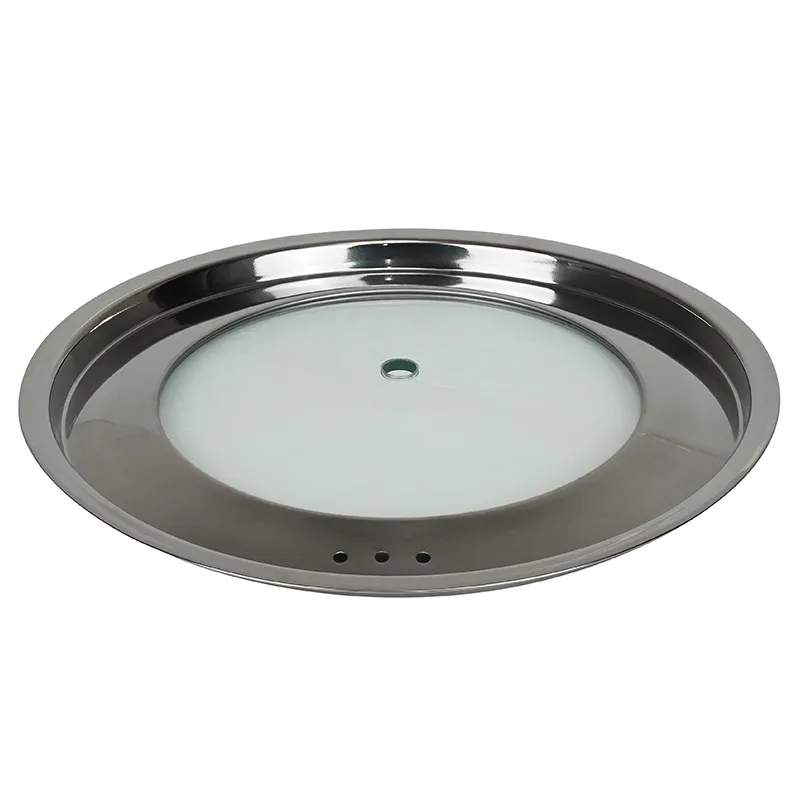
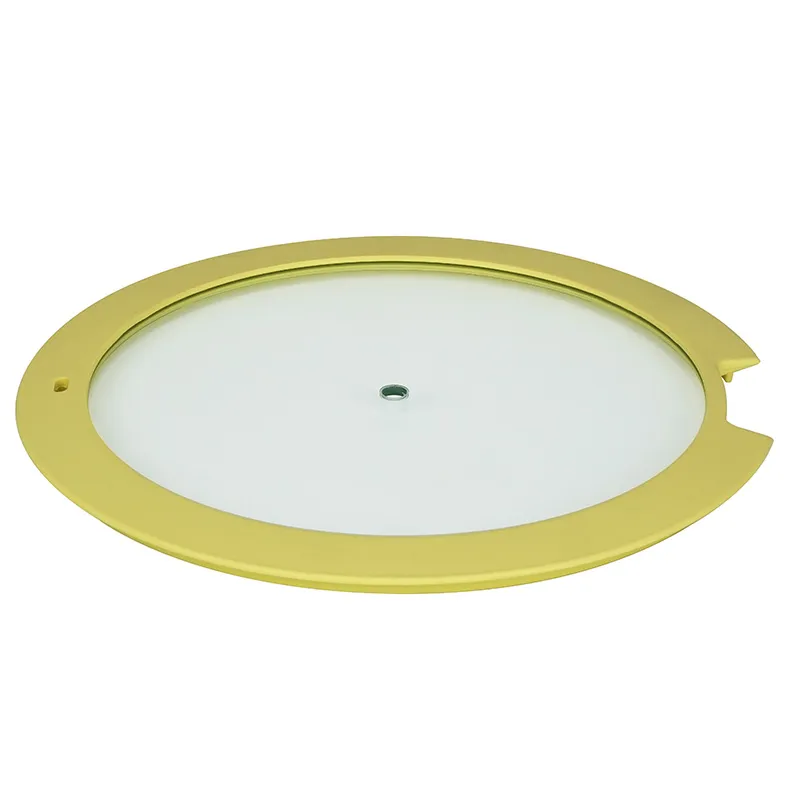
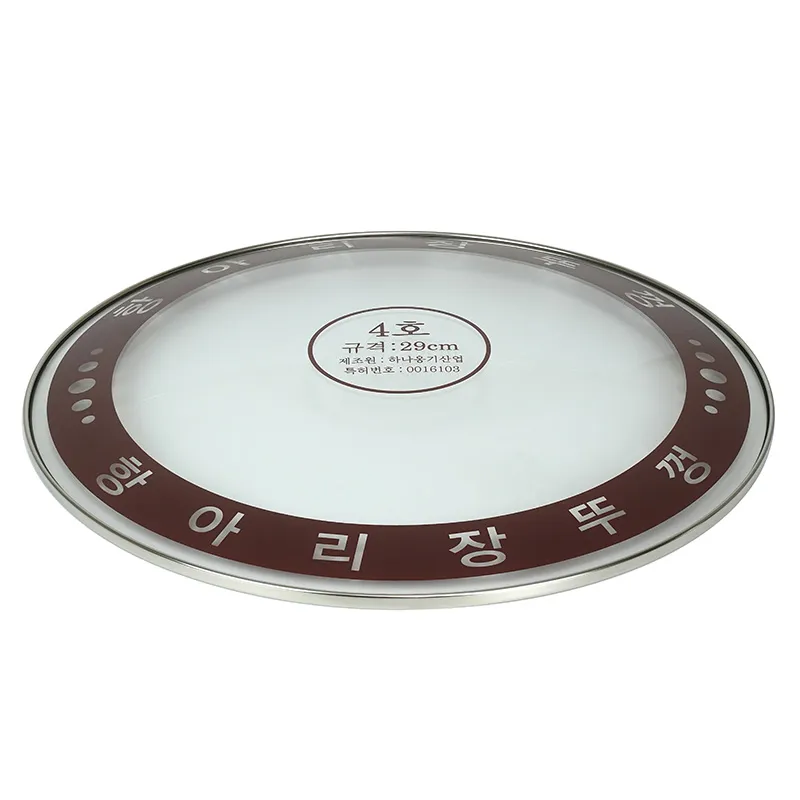
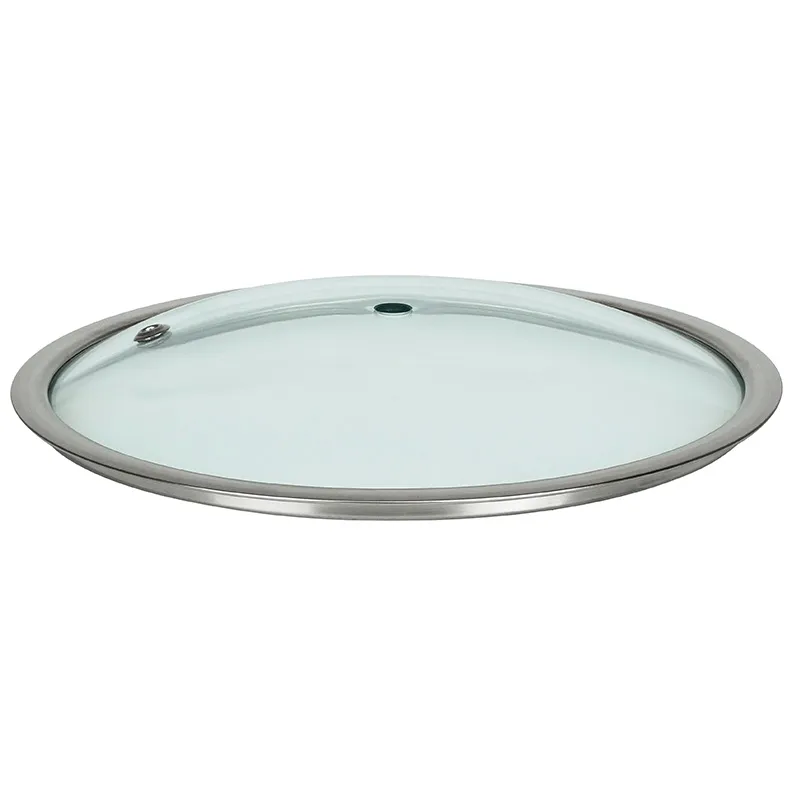
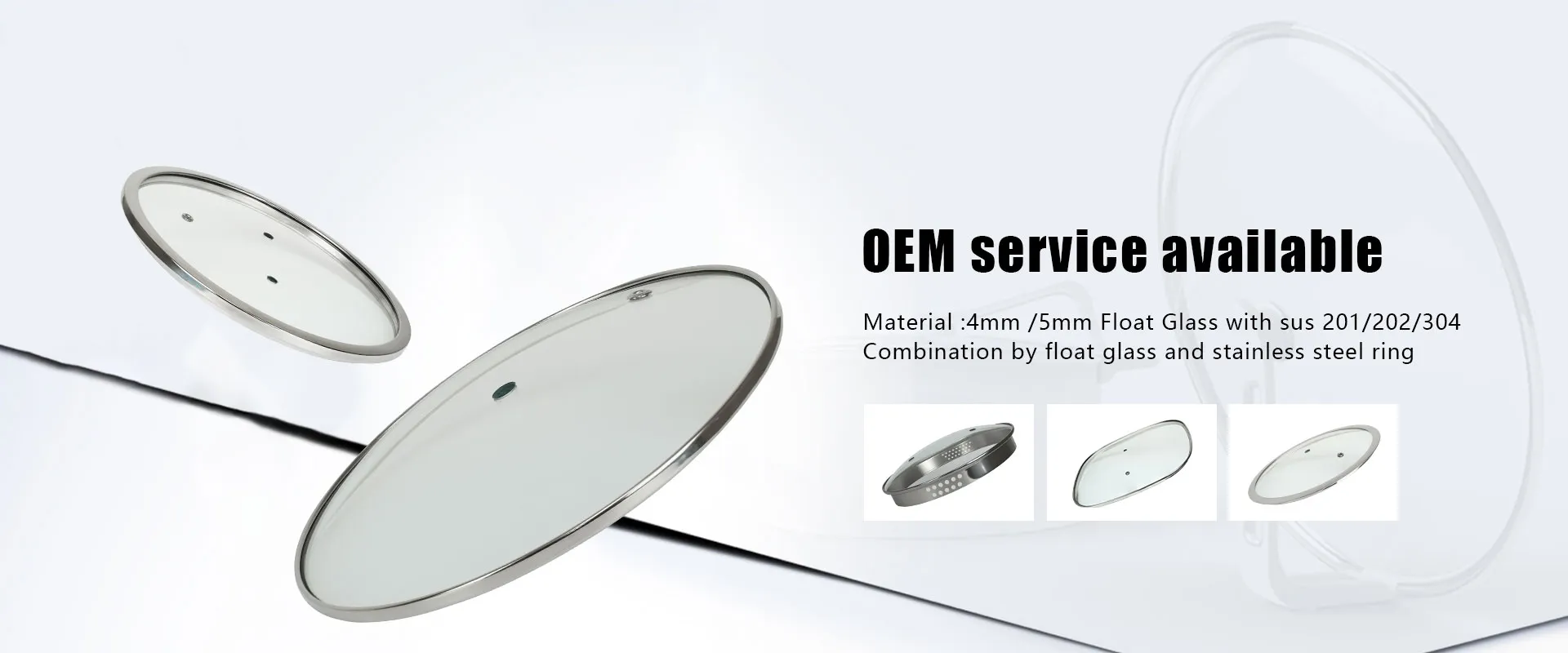
ಬೆಸ್ಟ್ ಸೆಲ್ಲಿಂಗ್ ಉತ್ಪನ್ನಗಳು
ಉತ್ತಮ ಮಾರಾಟವಾದ ಉತ್ಪನ್ನಗಳು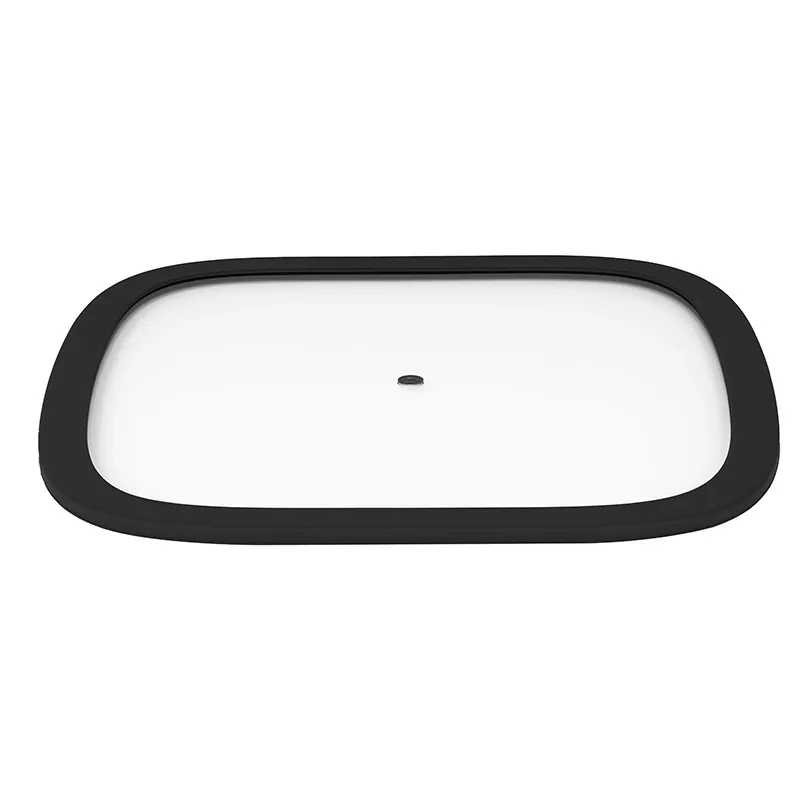
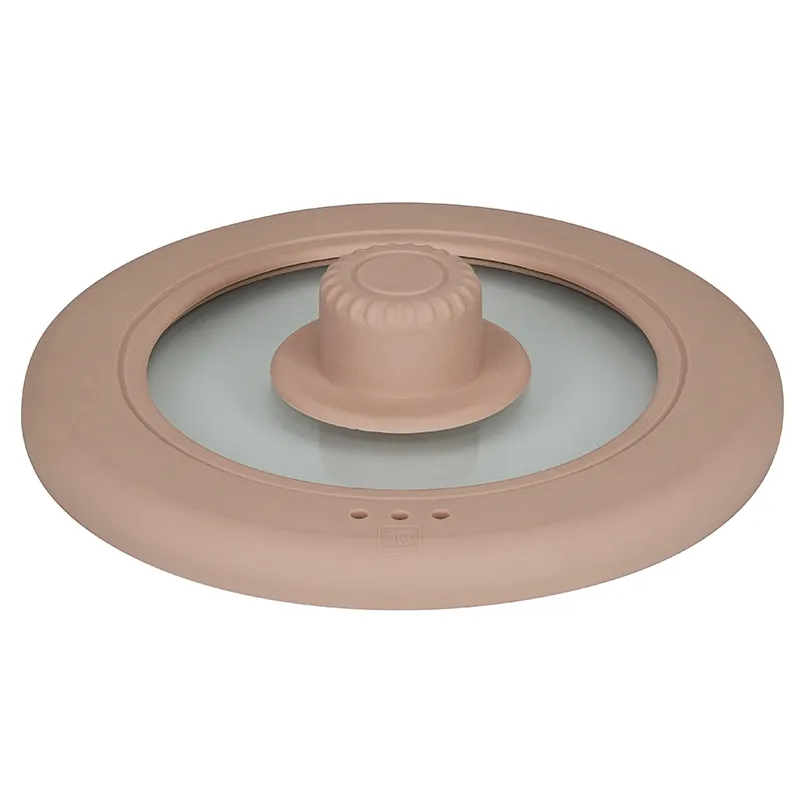

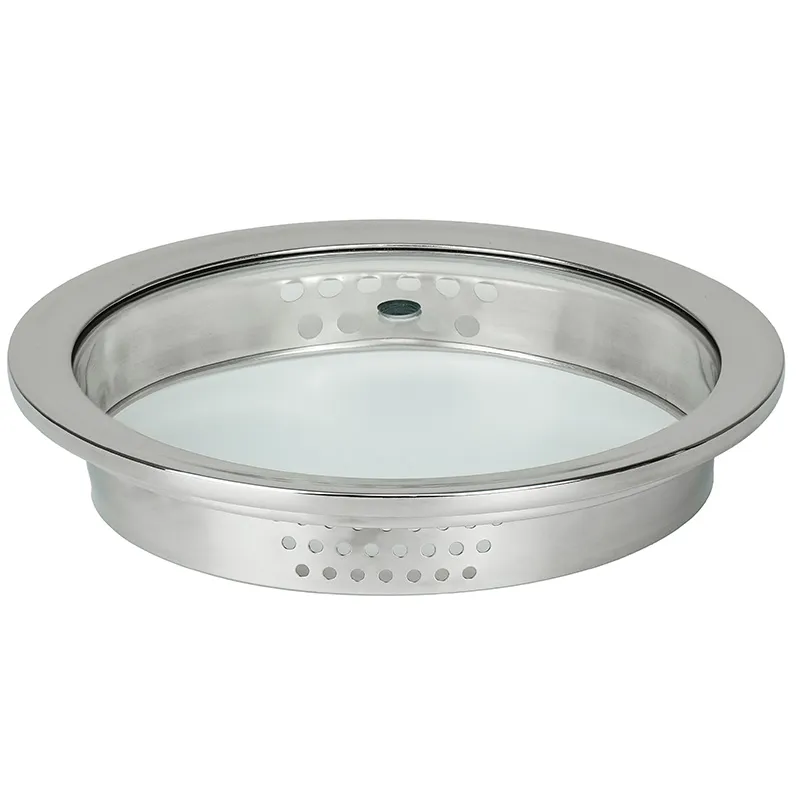

ಸಂಬಂಧಿಸಿದೆ ಹುಡುಕು
ಸಂಬಂಧಿತ ಹುಡುಕಾಟ- ಎಲ್ಲಾ ಹೊದಿಕೆಯ ಗಾಜಿನ ಮುಚ್ಚಳ
- ಹದಗೊಳಿಸಿದ ಗಾಜಿನ ಮುಚ್ಚಳ
- ಚೀನಾದ ಸಿಲಿಕೋನ್ ಮುಚ್ಚಳ ರಫ್ತುದಾರ
- PVD ಟೆಂಪರ್ಡ್ ಗಾಜಿನ ಮುಚ್ಚಳ
- ಅಕೇಶಿಯ ಮುಚ್ಚಳವನ್ನು ಹೊಂದಿರುವ ಗಾಜಿನ ಜಾರ್
- ಸ್ಟಬ್ 4 ಕ್ಯೂಟಿ ಗಾಜಿನ ಮುಚ್ಚಳ
- Z ಗಾಜಿನ ಮುಚ್ಚಳ
- ಬಿದಿರಿನ ಮುಚ್ಚಳವನ್ನು ಹೊಂದಿರುವ ಗಾಜಿನ ಡಬ್ಬಿ ಮತ್ತು ಒಣಹುಲ್ಲಿನ ಸಗಟು
- ಮುಚ್ಚಳವನ್ನು ಹೊಂದಿರುವ ಉದ್ದವಾದ ಗಾಜಿನ ಜಾರ್
- ಸ್ಟೇನ್ಲೆಸ್ ಸ್ಟೀಲ್ನೊಂದಿಗೆ ಗಾಜಿನ ಮುಚ್ಚಳ


