- Chinese
- French
- German
- Portuguese
- Spanish
- Russian
- Japanese
- Korean
- Arabic
- Irish
- Greek
- Turkish
- Italian
- Danish
- Romanian
- Indonesian
- Czech
- Afrikaans
- Swedish
- Polish
- Basque
- Catalan
- Esperanto
- Hindi
- Lao
- Albanian
- Amharic
- Armenian
- Azerbaijani
- Belarusian
- Bengali
- Bosnian
- Bulgarian
- Cebuano
- Chichewa
- Corsican
- Croatian
- Dutch
- Estonian
- Filipino
- Finnish
- Frisian
- Galician
- Georgian
- Gujarati
- Haitian
- Hausa
- Hawaiian
- Hebrew
- Hmong
- Hungarian
- Icelandic
- Igbo
- Javanese
- Kannada
- Kazakh
- Khmer
- Kurdish
- Kyrgyz
- Latin
- Latvian
- Lithuanian
- Luxembou..
- Macedonian
- Malagasy
- Malay
- Malayalam
- Maltese
- Maori
- Marathi
- Mongolian
- Burmese
- Nepali
- Norwegian
- Pashto
- Persian
- Punjabi
- Serbian
- Sesotho
- Sinhala
- Slovak
- Slovenian
- Somali
- Samoan
- Scots Gaelic
- Shona
- Sindhi
- Sundanese
- Swahili
- Tajik
- Tamil
- Telugu
- Thai
- Ukrainian
- Urdu
- Uzbek
- Vietnamese
- Welsh
- Xhosa
- Yiddish
- Yoruba
- Zulu
- Kinyarwanda
- Tatar
- Oriya
- Turkmen
- Uyghur


large glass sweet jar with lid
You see them everywhere, from old-school candy stores to modern kitchen shelves, and most people just think jar. But when you've been sourcing and specifying glassware for retail and domestic use for a while, you start to see the nuances. A large glass sweet jar with lid isn't just a vessel; it's a functional display unit, a preservation tool, and a surprisingly complex product to get right. The common mistake is focusing solely on aesthetics or price per unit, overlooking the critical interplay between glass quality, lid seal integrity, and base stability that separates a premium piece from a liability.
Defining the Parameters: What Large Really Means
In the industry, large is frustratingly vague. Are we talking a 2-liter capacity for a home kitchen counter, or a 5-gallon behemoth for a commercial bakery display? For this discussion, I'm leaning into the 1.5 to 3-gallon range—that sweet spot for bulk storage in a deli or as a statement piece in a pantry. The size immediately dictates the glass thickness. Go too thin on a jar this big, and you're inviting stress fractures, especially during temperature changes or just from the weight of the contents. I've seen batches where the bottom would simply spider-web crack after a few fill cycles, a clear sign of improper annealing or subpar material.
The base design is another silent hero. A slightly recessed or reinforced bottom isn't just for looks; it's for preventing scratches and, more importantly, distributing weight evenly. A perfectly flat base on a heavy, filled jar is a slide-and-crash waiting to happen on a polished counter. Some European designs incorporate a subtle, almost imperceptible rubberized ring fused to the glass bottom—an elegant solution we rarely see in mass-market offerings.
And then there's the handling. A true large glass sweet jar needs a grip. Those classic shoulders aren't just stylistic; they're functional, providing a secure hold when the jar is full and weighs 15 pounds. I recall a supplier who tried to streamline production by making the sides completely smooth and vertical. The jars looked sleek in the catalog, but the number of breakage reports from staff trying to lift them was a costly lesson in form versus function.
The Lid: The Make-or-Break Component
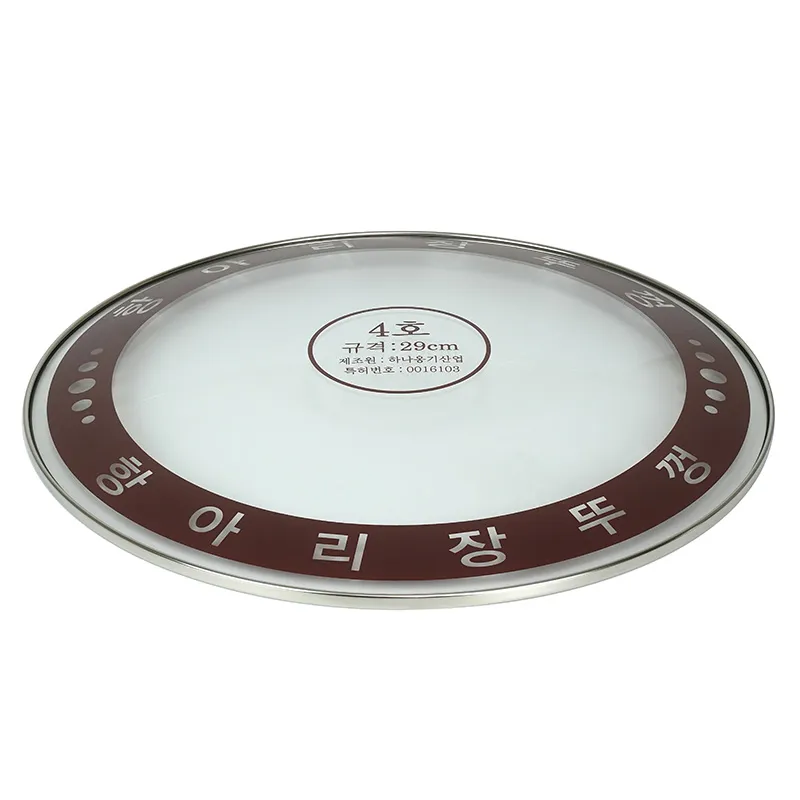
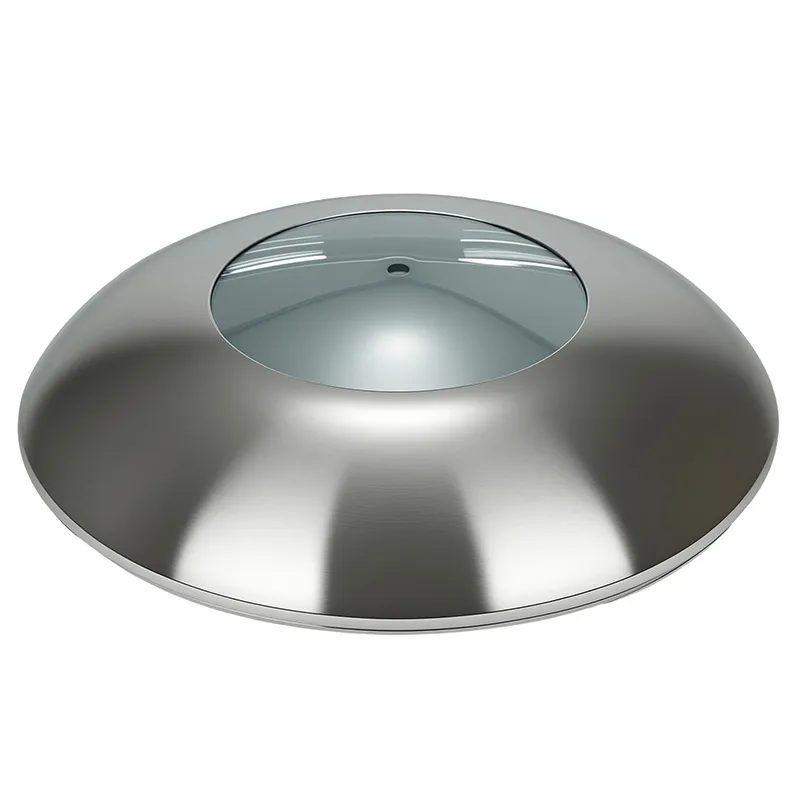
If the jar body is the stage, the lid is the lead actor. It's where most failures occur. The ideal lid for a sweet jar with lid assembly achieves two things: an airtight seal and effortless removal. The common clamp-and-rubber-gasket system, often seen on German-style jars, is excellent for long-term sealing but can be fiddly for daily access. The screw-on metal or plastic lid with a separate seal is more common, but here, the devil's in the details.
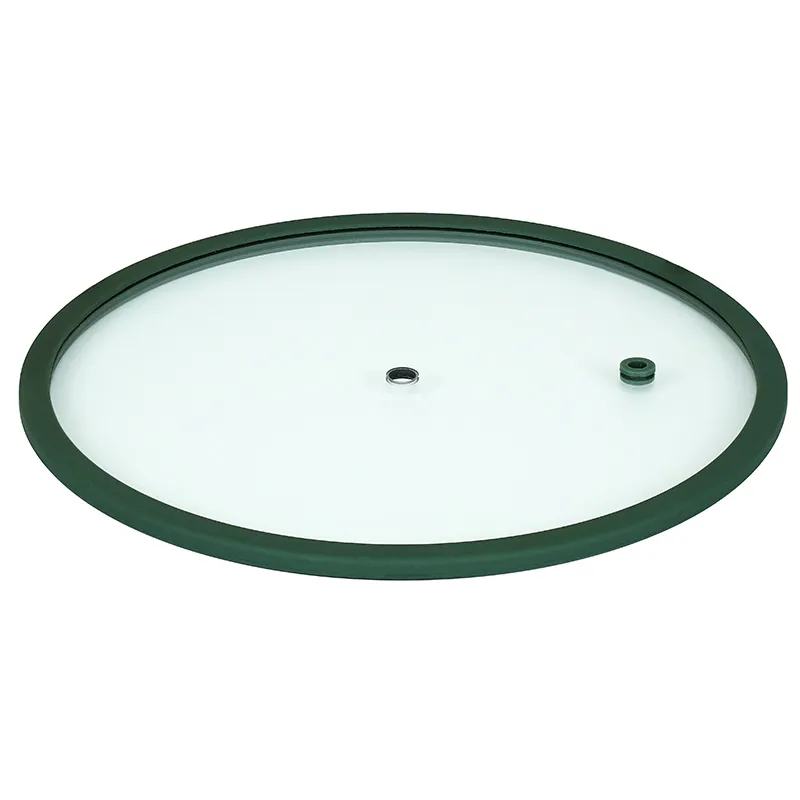
The seal material is critical. A cheap PVC gasket will impart a smell to the contents—fine for hardware, disastrous for confectionery or coffee. Food-grade silicone is the gold standard, but it needs to be properly seated in a channel. I've evaluated samples where the gasket was just loosely placed, leading to inconsistent seals. The threading on the glass neck is another pain point. Imperfect molds can create cross-threading issues, making the lid feel gritty and insecure. A smooth, multi-start thread is what you want.
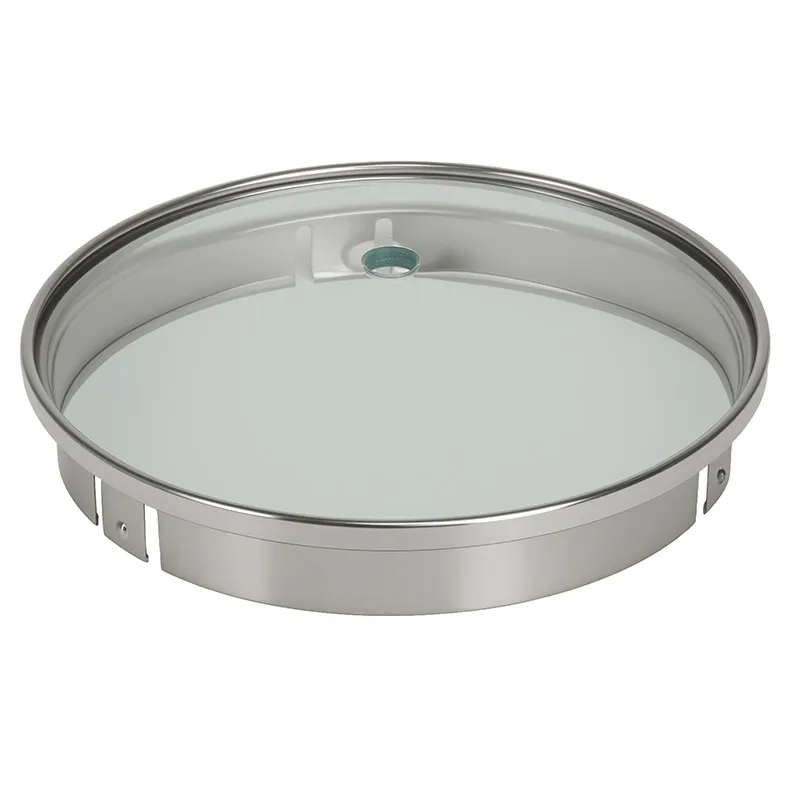
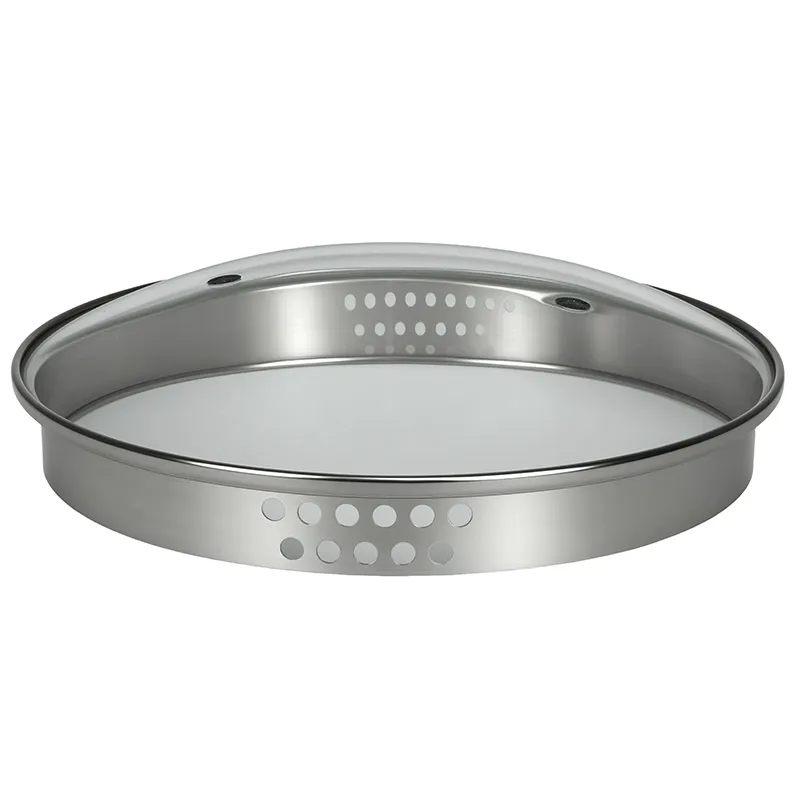
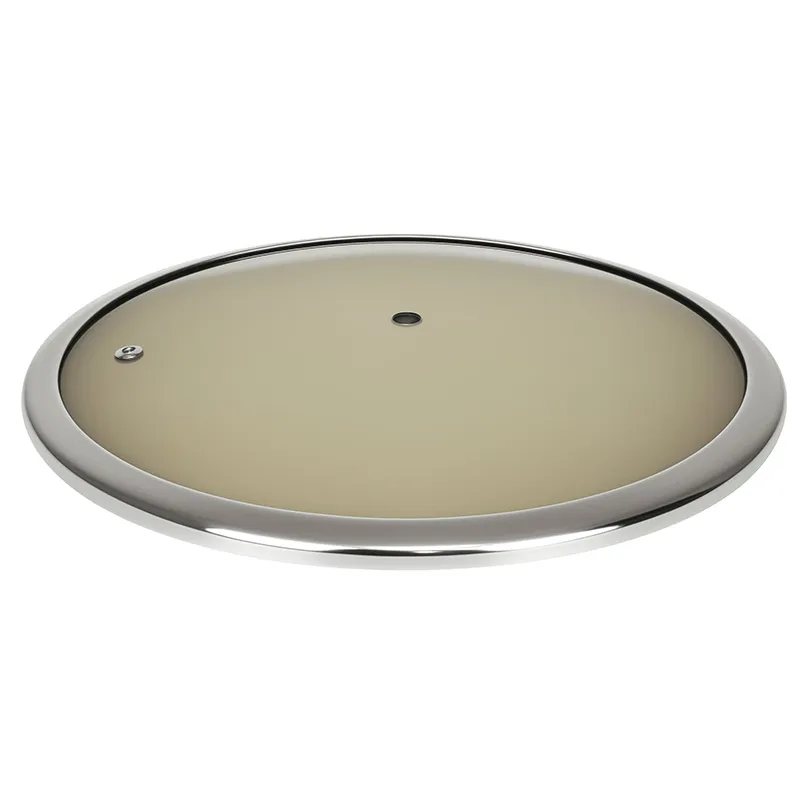
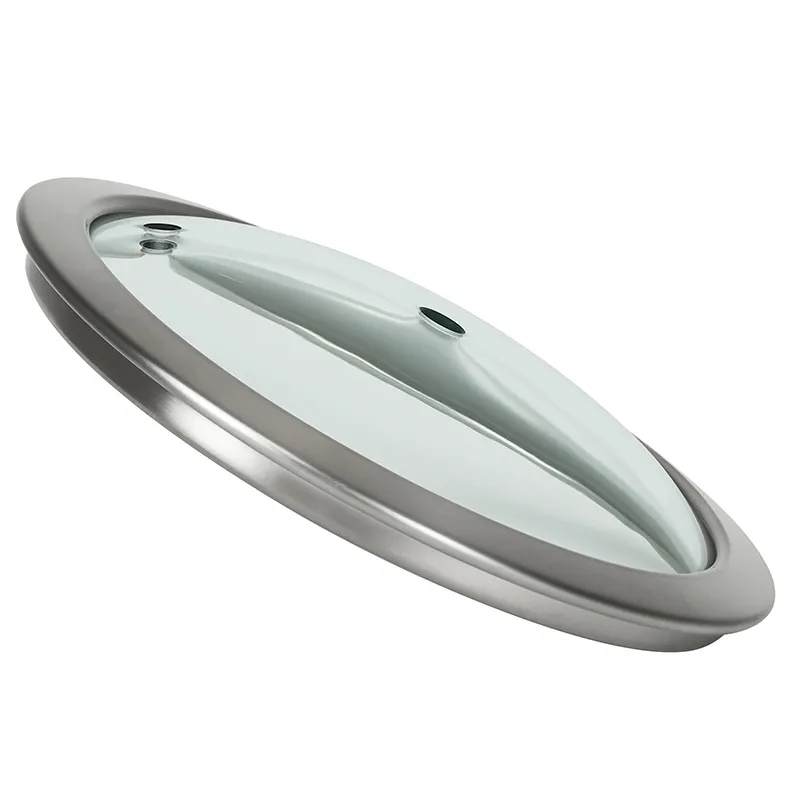
One of the more reliable producers I've worked with on the OEM side is EUR-ASIA COOKWARE CO.,LTD. Visiting their facility in Taian City, you see the focus on volume and precision for export markets. Their strength, as seen on their site glass-lid.com, is in tempered glass lids and components. For a full jar unit, they understand that the lid's compatibility with the glass body is paramount. Their expertise in producing millions of tempered glass lids annually for global markets means they get the thermal strengthening process right, which is crucial for a lid that might be subjected to steam or rapid washing. It's this kind of specialized, high-volume manufacturing that raises the baseline quality for the entire assembly.
Material and Clarity: Beyond Just Glass
Soda-lime glass is the standard, but the clarity and color tinge vary wildly based on the iron content. Low-iron glass, often marketed as crystal clear, is stunning for display—it makes gumballs or rock candy pop with color. But it's more expensive and can be slightly less durable. For most commercial applications, standard clear soda-lime is fine, but you must specify food-grade and request material certificates. I once had a client who complained of a faint chemical odor from their new jars; it turned out the glass batch had contamination issues from the recycled cullet used.
Tempering is another consideration. For safety, a large, heavy jar should be fully tempered. When it breaks, it shatters into small, granular pieces rather than large, sharp shards. However, fully tempering a complex shape with a wide mouth and threaded neck is technically challenging and increases cost. Many so-called tempered jars are only partially treated, or not at all. It's a specification you must verify with the factory, not just take the sales sheet's word for it.
The lip or pouring rim is a small but vital detail. It should be fire-polished to a smooth finish, not just ground. A rough-cut rim is unpleasant to handle, difficult to clean, and can even chip over time. A fire-polished finish seals the glass surface, making it more hygienic and durable. It's one of those finishing touches that separates a premium product from a budget one.
Practical Pitfalls and Storage Realities
In a real-world retail setting, these jars aren't just sitting prettily. They're being scooped from, banged against each other during cleaning, and moved around. The glass needs to withstand the occasional metal scoop scrape. I've seen jars develop deep, cloudy scratches over time from careless handling, which ruins the display appeal. Some manufacturers now offer a light external coating or treatment that increases scratch resistance, but it's not yet common.
Cleaning is a major operational factor. A jar with a narrow mouth is a nightmare. The wide mouth of a proper sweet jar is non-negotiable. But even then, can a standard brush reach the bottom corners? Is the glass clear enough that staff can easily see residue? And the lid components—can they be fully disassembled for cleaning? Mold growing in the lid's thread channel or under a poorly designed seal is a real, and disgusting, problem I've encountered in audits.
Stackability is often an afterthought. In a stockroom, being able to safely nest empty jars saves tremendous space. The design of the shoulder and base determines this. A jar that nests too tightly can become vacuum-sealed and be hard to separate; one that nests too loosely is inefficient. It's a simple engineering point that has huge logistical implications for anyone dealing in volume.
Sourcing and the Global Supply Chain
This brings us back to makers like EUR-ASIA COOKWARE. Their model, as a specialized producer exporting over 90% of their output to markets like Germany, Italy, and Japan, is instructive. These are demanding markets with strict standards for food contact materials and safety. A company surviving there isn't competing on rock-bottom price alone; they're competing on consistency, compliance, and precision. When you source a large glass sweet jar with lid from such a manufacturer, you're not just buying a jar. You're buying their experience in meeting EU REACH or FDA standards, their understanding of thread tolerances that won't fail after 100 twists, and their capacity to deliver 10,000 units that are functionally identical.
Their specialization in glass lids and kitchen accessories, as noted in their company profile, points to a deep vertical knowledge. They likely aren't mining the silica sand, but they control the processes from glass cutting to tempering to final assembly. This control is key for quality. The downside of such large-scale, export-focused production is minimum order quantities. You can't just order 50 pieces. This is why most end-users buy through distributors or importers who consolidate container loads.
Finally, it's about matching the product to the use. The perfect jar for a humid climate selling hygroscopic candy (like saltwater taffy) needs a near-hermetic seal. A jar for dry, shelf-stable hard candies in a low-traffic home kitchen can get by with much less. There's no single best jar. The professional's job is to understand these gradients and specify accordingly—balancing cost, function, and durability without getting seduced by a glossy catalog image. The real test is how it performs on the third shift, when it's been washed for the hundredth time and is still clear, secure, and ready to hold another 20 pounds of sweets.
Related Products
Related Products