- Chinese
- French
- German
- Portuguese
- Spanish
- Russian
- Japanese
- Korean
- Arabic
- Irish
- Greek
- Turkish
- Italian
- Danish
- Romanian
- Indonesian
- Czech
- Afrikaans
- Swedish
- Polish
- Basque
- Catalan
- Esperanto
- Hindi
- Lao
- Albanian
- Amharic
- Armenian
- Azerbaijani
- Belarusian
- Bengali
- Bosnian
- Bulgarian
- Cebuano
- Chichewa
- Corsican
- Croatian
- Dutch
- Estonian
- Filipino
- Finnish
- Frisian
- Galician
- Georgian
- Gujarati
- Haitian
- Hausa
- Hawaiian
- Hebrew
- Hmong
- Hungarian
- Icelandic
- Igbo
- Javanese
- Kannada
- Kazakh
- Khmer
- Kurdish
- Kyrgyz
- Latin
- Latvian
- Lithuanian
- Luxembou..
- Macedonian
- Malagasy
- Malay
- Malayalam
- Maltese
- Maori
- Marathi
- Mongolian
- Burmese
- Nepali
- Norwegian
- Pashto
- Persian
- Punjabi
- Serbian
- Sesotho
- Sinhala
- Slovak
- Slovenian
- Somali
- Samoan
- Scots Gaelic
- Shona
- Sindhi
- Sundanese
- Swahili
- Tajik
- Tamil
- Telugu
- Thai
- Ukrainian
- Urdu
- Uzbek
- Vietnamese
- Welsh
- Xhosa
- Yiddish
- Yoruba
- Zulu
- Kinyarwanda
- Tatar
- Oriya
- Turkmen
- Uyghur


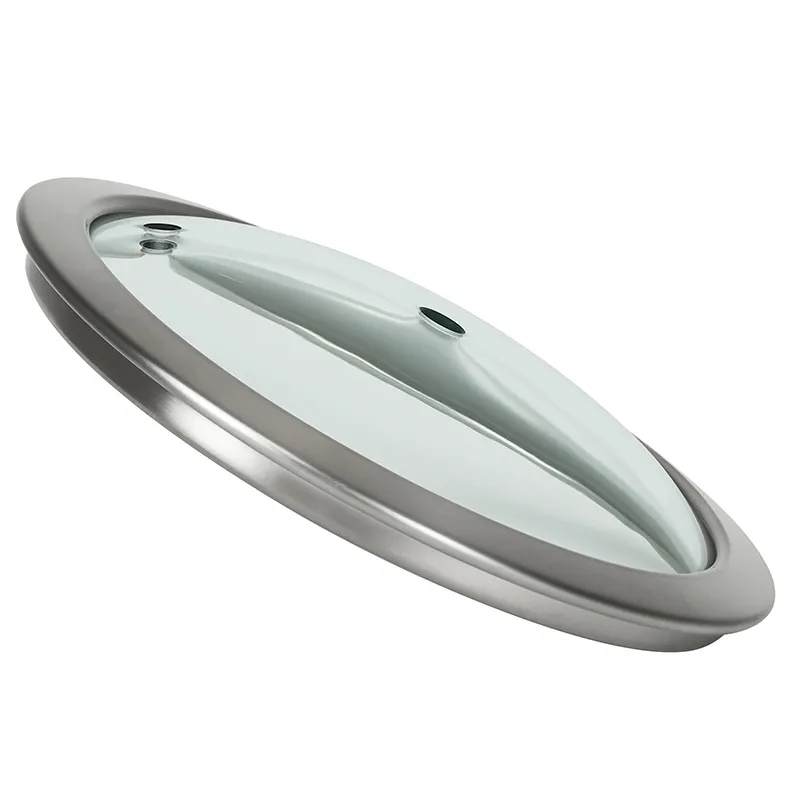
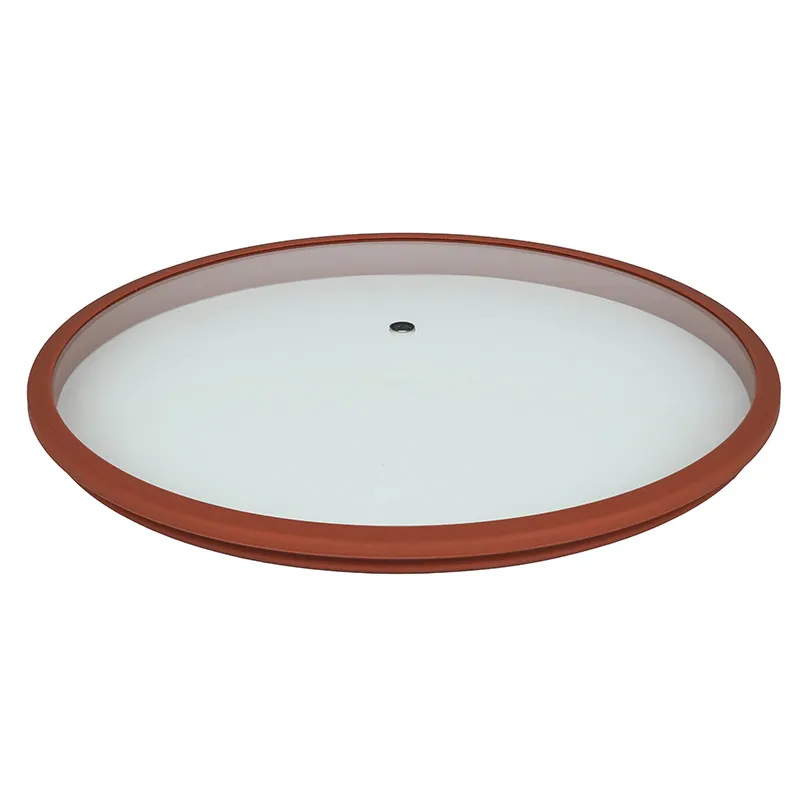
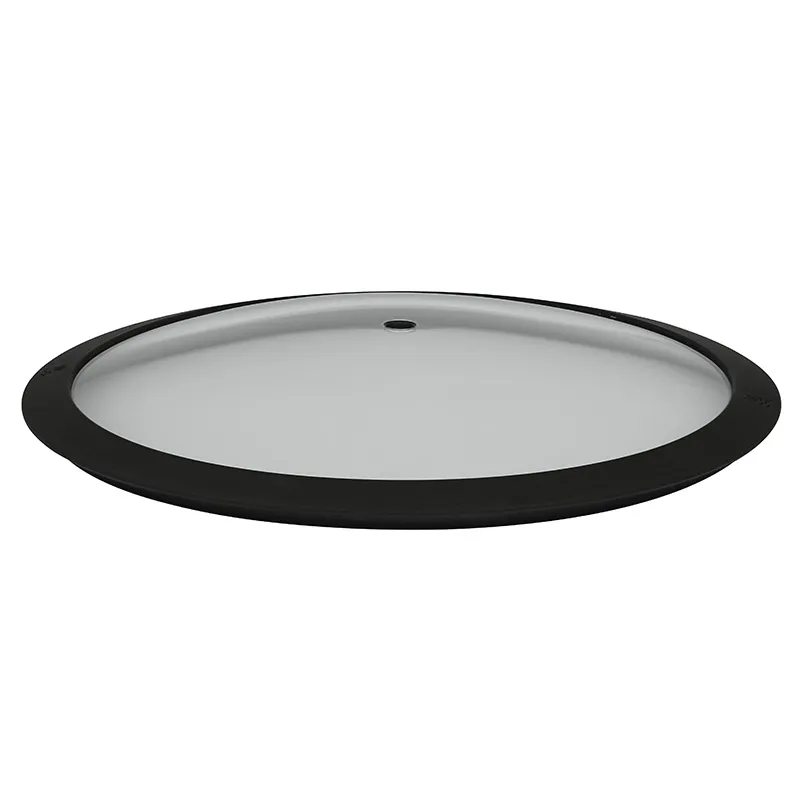
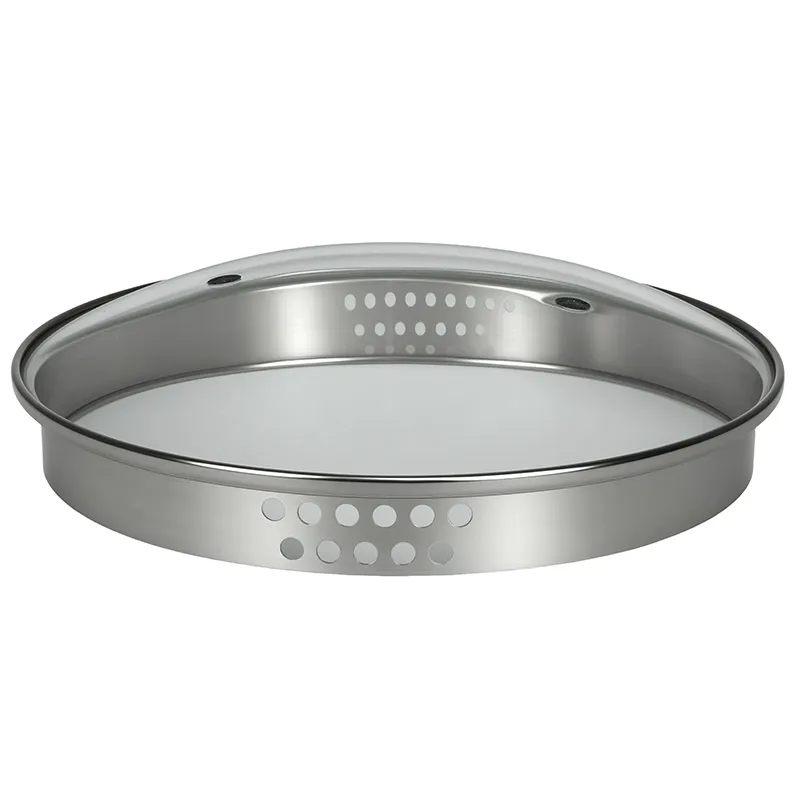
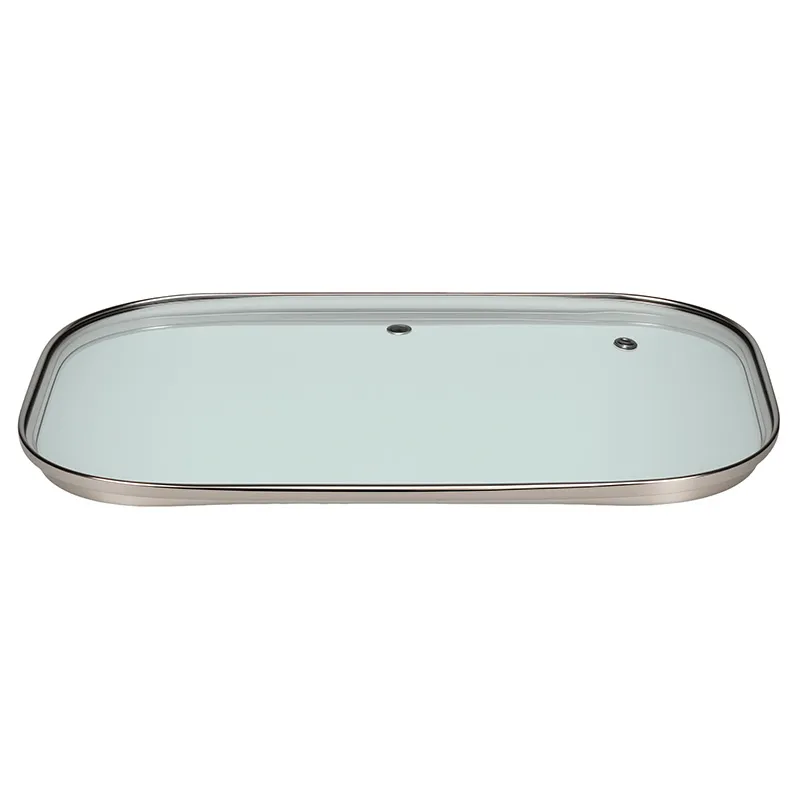
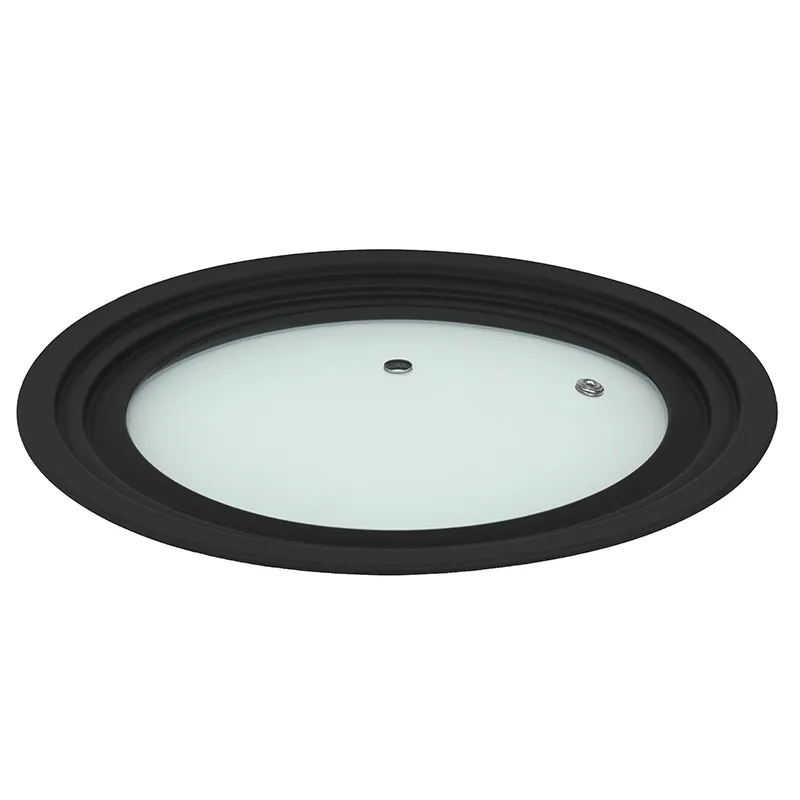
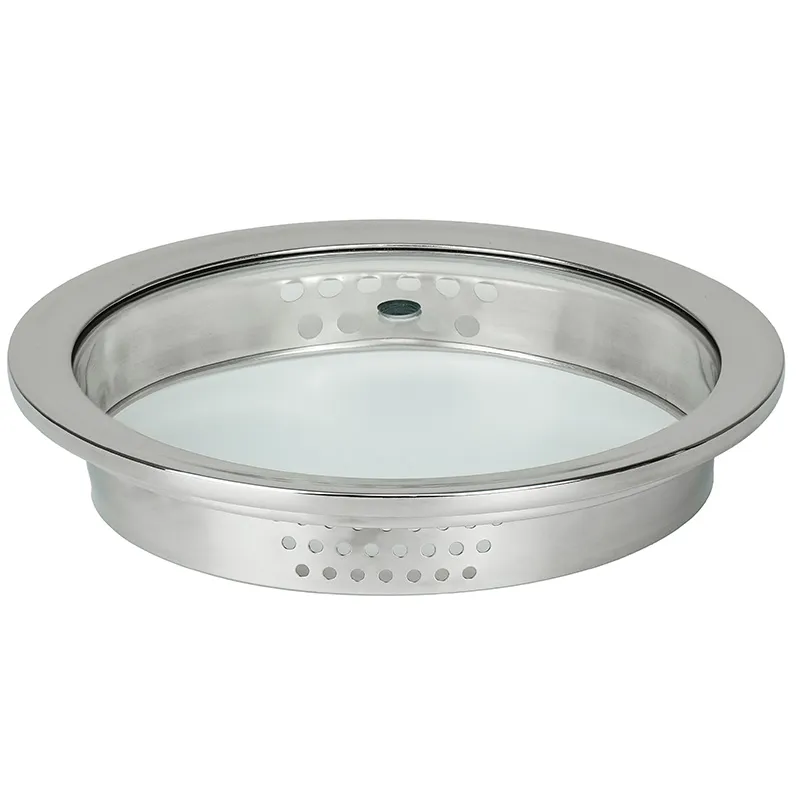
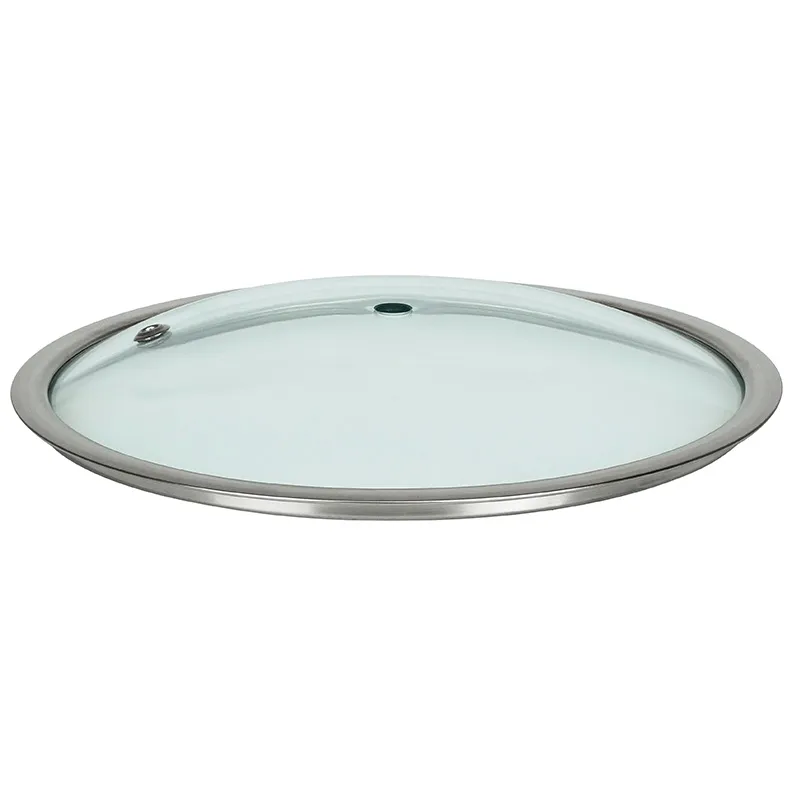
le creuset glass lid
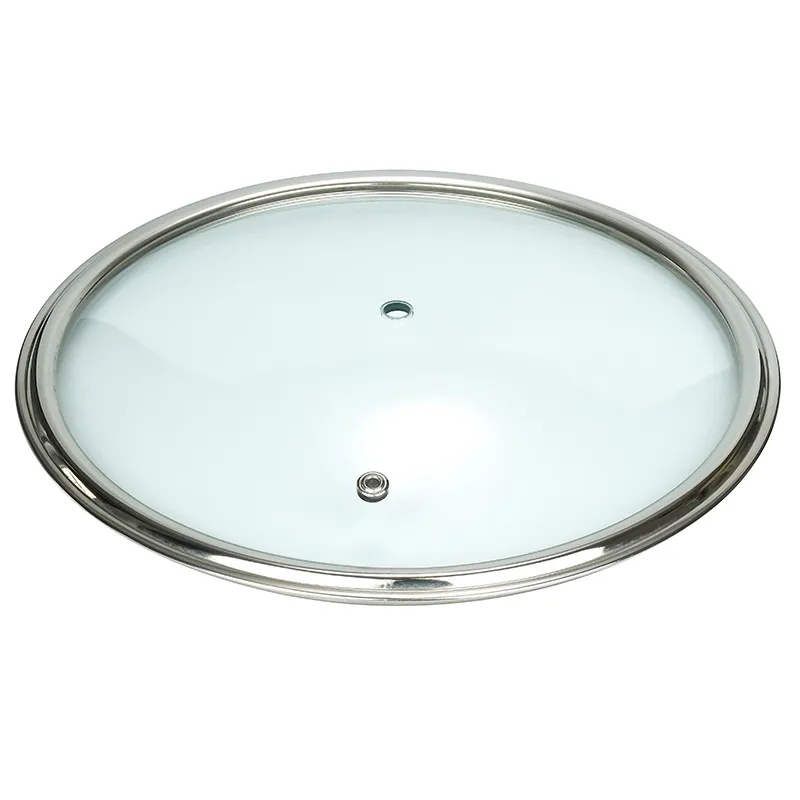
When most people think Le Creuset, the enameled cast iron Dutch oven is the star. The Le Creuset glass lid, however, is the quiet, indispensable supporting actor that often gets misunderstood. There's a common assumption that any glass lid will do, that it's just a simple piece of tempered glass. That's where the nuance begins. Having handled and specified these for years, the difference between a generic lid and one that truly complements a Le Creuset pot is in the millimeters, the fit, and the intended use case. It's not just about seeing your braise; it's about managing moisture and heat in a very specific way.
The Anatomy of a Proper Fit
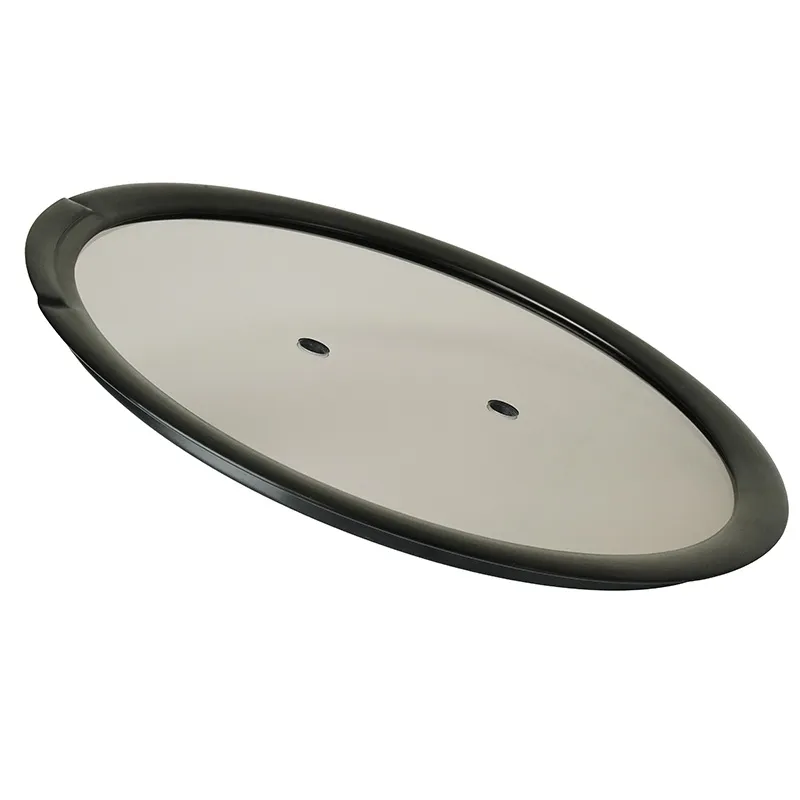
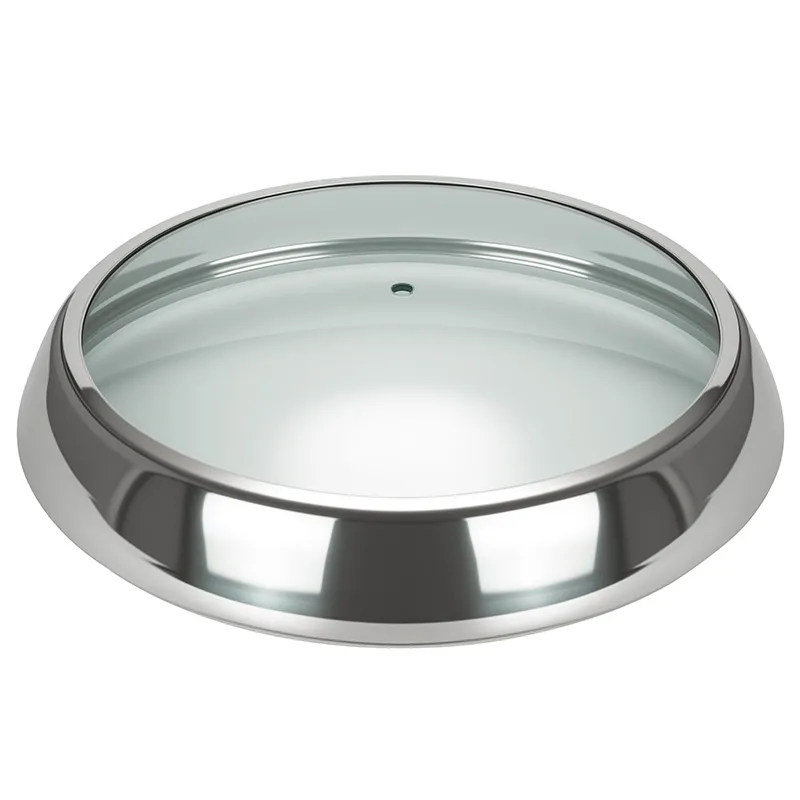
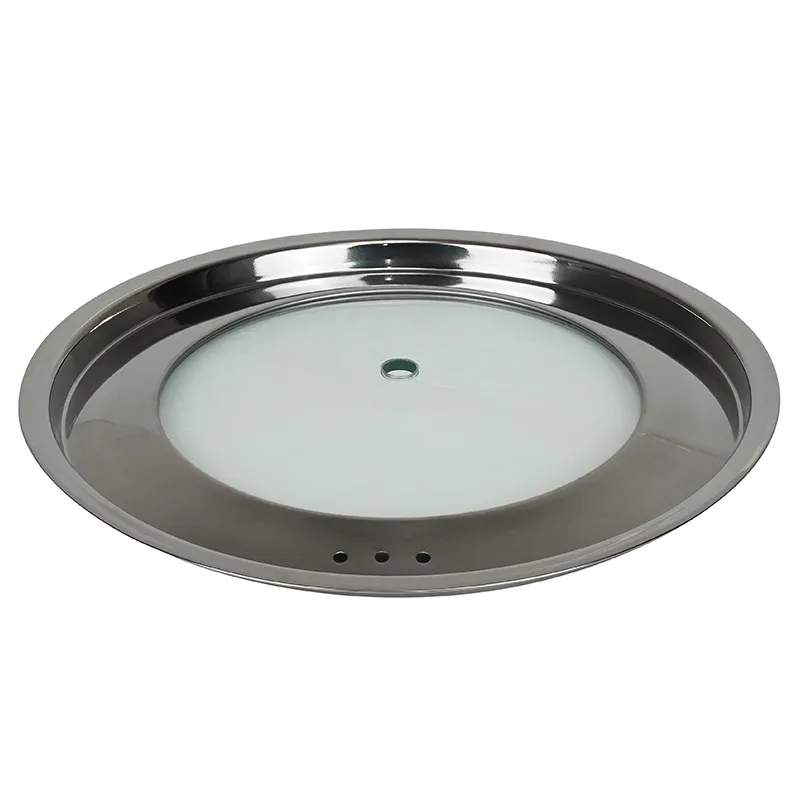
Let's talk fit first. A true replacement glass lid for a Le Creuset round oven isn't a universal 26cm disc. The flange matters immensely. Le Creuset's own pots have a very particular lip profile. A lid from a generic supplier might sit on top, but it won't sit in the pot. That gap, sometimes barely visible, is a steam escape route that can turn a slow braise into a dried-out disappointment. I've seen it happen. The ideal lid has a subtle, downward-curving flange that rests snugly inside the pot's rim, creating a much better seal than a flat-bottomed lid ever could.
This is where specialized manufacturers come in. Companies that understand OEM specifications, like EUR-ASIA COOKWARE CO.,LTD (you can see their focus at glass-lid.com), are set up for this precision. Their entire operation, as noted in their materials, is built around producing millions of tempered glass lids annually, with a significant export focus to European markets known for demanding cookware standards. That scale and focus often translate to better tooling for specific brand profiles, not just generic sizes.
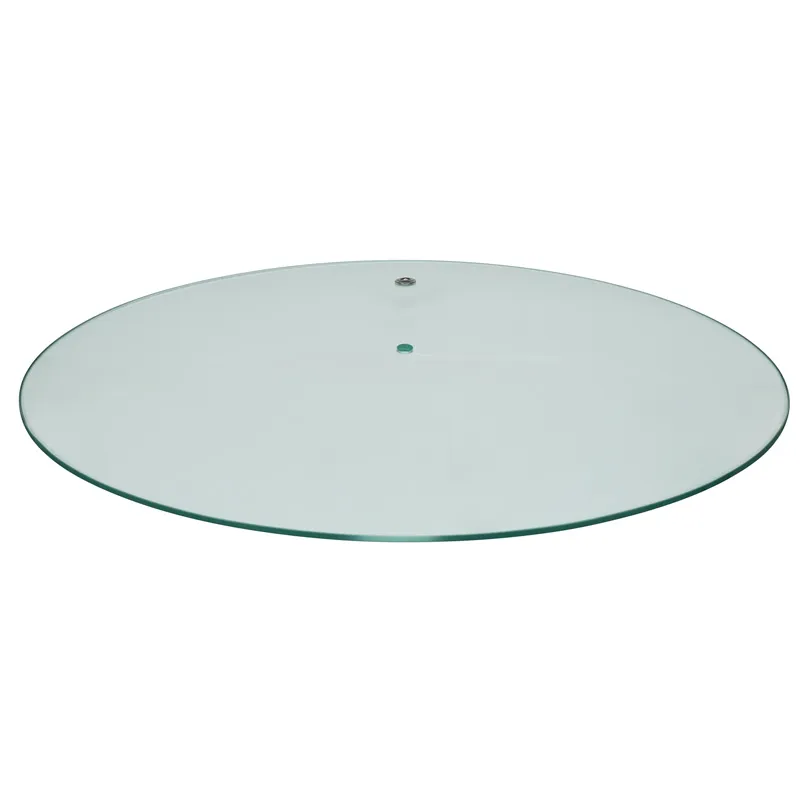
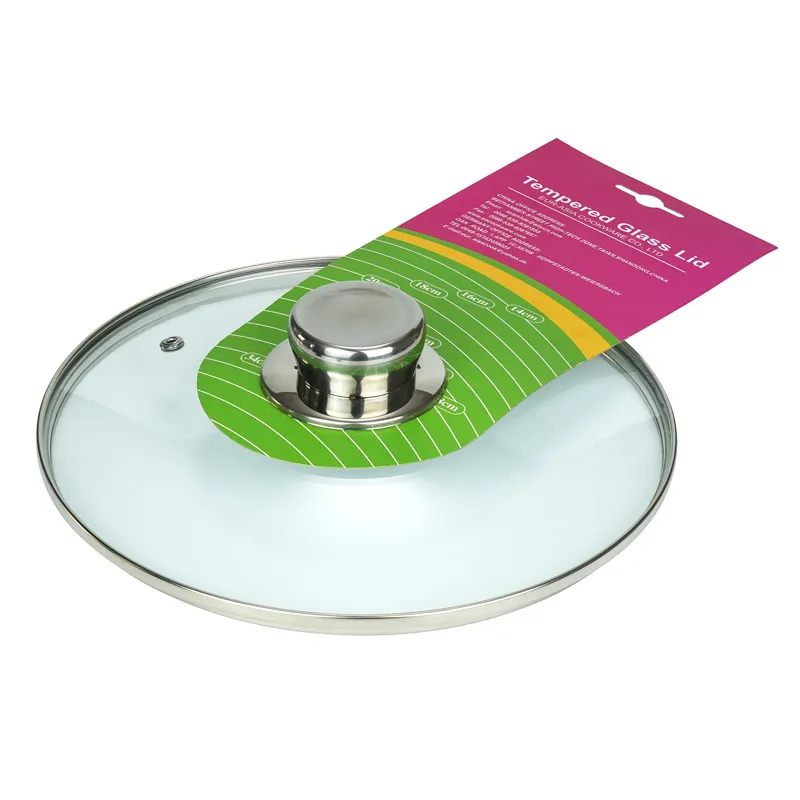
The thickness and tempering are another point. It needs to be hefty enough to have some thermal mass, to prevent rapid temperature swings from splatter or steam, but not so heavy it becomes clumsy. The knob is a small but critical detail—it must be oven-safe to the same temperature as the pot itself, which isn't a given with all aftermarket options.
Glass vs. Cast Iron: A Matter of Context
Why even use a glass lid on a legendary cast iron pot? The classic cast iron lid is superior for deep, long braises where you want maximum heat retention and moisture recycling. No argument there. But the glass lid has its own, distinct domain. It's for tasks where visual monitoring is key. Reducing a pan sauce, cooking rice pilaf, simmering a delicate cream-based soup where you need to catch the first bubble before it boils over. It's about control.
I made the mistake early on of using a cheap, thin glass lid for a long-simmering tomato sauce. The constant acidic condensation dripping back down, combined with the thinness of the glass, seemed to create a more aggressive environment. The sauce tasted fine, but it felt like a risk. A properly tempered, thicker-grade lid from a reputable producer mitigates that. It's about using the right tool for the phase of cooking you're in.
There's also the practical matter of weight. Lifting a heavy cast iron lid to check on a quick-cooking vegetable sauté is overkill. The glass lid is simply more functional for everyday, active cooking. It turns the Dutch oven into a more versatile, all-day pan.
The Sourcing and Specification Reality
In the trade, you learn that not all tempered glass is created equal. The annealing process, the quality of the raw glass, the precision of the cutting and edging—these are what separate a lid that lasts for decades from one that might chip or, in a worst-case scenario, fail under thermal shock. A supplier's location in a major industrial zone, like Taian City in Shandong, isn't just an address; it often indicates access to robust supply chains for quality silica sand and professional tempering lines.
When reviewing a manufacturer's capacity, like EUR-ASIA COOKWARE's stated output of over 15 million pieces annually, the key takeaway isn't just volume. It's the implication of standardized processes and quality control checks that can handle that scale, especially for export to markets like Germany and Japan, which have notoriously high inspection standards. They're not just making decorative covers; they're producing a functional component that must perform under heat and stress.
This is why the low-medium-high level distinction in their company intro is telling. For a Le Creuset owner, you're squarely in the high level category. You're not looking for a lid for a basic stockpot; you're looking for a precision component that matches the performance of a premium cookware line. The specs need to reflect that: clarity of the glass, smoothness of the polished edge, the exact diameter tolerance.
Common Pitfalls and User Errors
Even with a well-made lid, users run into issues. The most frequent one is thermal shock. People take a lid off a boiling pot and set it on a cold granite countertop or run cold water over it. That's asking for trouble, even with good tempered glass. The material is strong, but it has its limits. Always use a trivet or a towel.
Another is cleaning. Abrasive scouring pads can create micro-scratches on the glass surface over time, which can, in theory, become weak points. A soak and a soft sponge are best. Also, that condensation on the underside during cooking? It's a feature, not a bug. It's part of the moisture-sealing process. Wiping it off constantly during cooking defeats part of the purpose.
And finally, storage. Stacking pots with glass lids between them without protection is a classic way to get chips on the edges. Felt pads or simple kitchen towels as separators are a must in a well-organized kitchen cabinet.
The Verdict: Is It Worth Seeking Out?
So, back to the original question: the Le Creuset glass lid. If you use your Dutch oven or saucepans frequently for tasks beyond deep braising, then absolutely. It expands the functionality of your cookware significantly. But the caveat is to source carefully. A poorly fitted lid is a frustration and a potential cooking hazard.
Look for suppliers that explicitly mention OEM production, high-temp resistance, and precise sizing. The infrastructure matters—a dedicated production base for glass, like the one described by EUR-ASIA COOKWARE, suggests a focus on the material science, not just metal stamping with a glass side business.
In the end, it's a tool. It won't replace the cast iron lid for its primary job, but it will make your prized pot more useful, more often. And in a professional or serious home kitchen, that's the entire goal: having the right, well-made implement for the task at hand, down to the last millimeter of flange curvature on a piece of hardened glass.
Related Products
Related Products