- Chinese
- French
- German
- Portuguese
- Spanish
- Russian
- Japanese
- Korean
- Arabic
- Irish
- Greek
- Turkish
- Italian
- Danish
- Romanian
- Indonesian
- Czech
- Afrikaans
- Swedish
- Polish
- Basque
- Catalan
- Esperanto
- Hindi
- Lao
- Albanian
- Amharic
- Armenian
- Azerbaijani
- Belarusian
- Bengali
- Bosnian
- Bulgarian
- Cebuano
- Chichewa
- Corsican
- Croatian
- Dutch
- Estonian
- Filipino
- Finnish
- Frisian
- Galician
- Georgian
- Gujarati
- Haitian
- Hausa
- Hawaiian
- Hebrew
- Hmong
- Hungarian
- Icelandic
- Igbo
- Javanese
- Kannada
- Kazakh
- Khmer
- Kurdish
- Kyrgyz
- Latin
- Latvian
- Lithuanian
- Luxembou..
- Macedonian
- Malagasy
- Malay
- Malayalam
- Maltese
- Maori
- Marathi
- Mongolian
- Burmese
- Nepali
- Norwegian
- Pashto
- Persian
- Punjabi
- Serbian
- Sesotho
- Sinhala
- Slovak
- Slovenian
- Somali
- Samoan
- Scots Gaelic
- Shona
- Sindhi
- Sundanese
- Swahili
- Tajik
- Tamil
- Telugu
- Thai
- Ukrainian
- Urdu
- Uzbek
- Vietnamese
- Welsh
- Xhosa
- Yiddish
- Yoruba
- Zulu
- Kinyarwanda
- Tatar
- Oriya
- Turkmen
- Uyghur


le creuset soup pot with glass lid
When you hear 'Le Creuset soup pot with glass lid,' most people picture that iconic, heavy enameled cast iron pot with a clear, domed top. It's become a bit of a status symbol, hasn't it? But from where I sit, having been involved in sourcing and manufacturing components for cookware, that phrase immediately splits into two distinct worlds: the revered brand and the critical, often overlooked, component—the glass lid. There's a common misconception that the lid is just an accessory. In reality, for a soup pot, it's a primary performance feature. The brand gets the glory, but the functionality hinges on that piece of tempered glass.
Why the Glass Lid Isn't an Afterthought
Let's talk about the glass itself. Not all tempered glass is created equal for this application. For a Le Creuset-style pot, you need a lid that can handle the thermal shock of going from a simmering, moist environment to a cooler, dry countertop. I've seen batches fail—not from the brand itself, mind you, but from generic replacements—where the glass develops micro-fractures or, in a worst-case scenario, just shatters. It's usually a flaw in the tempering process or the grade of silica used.
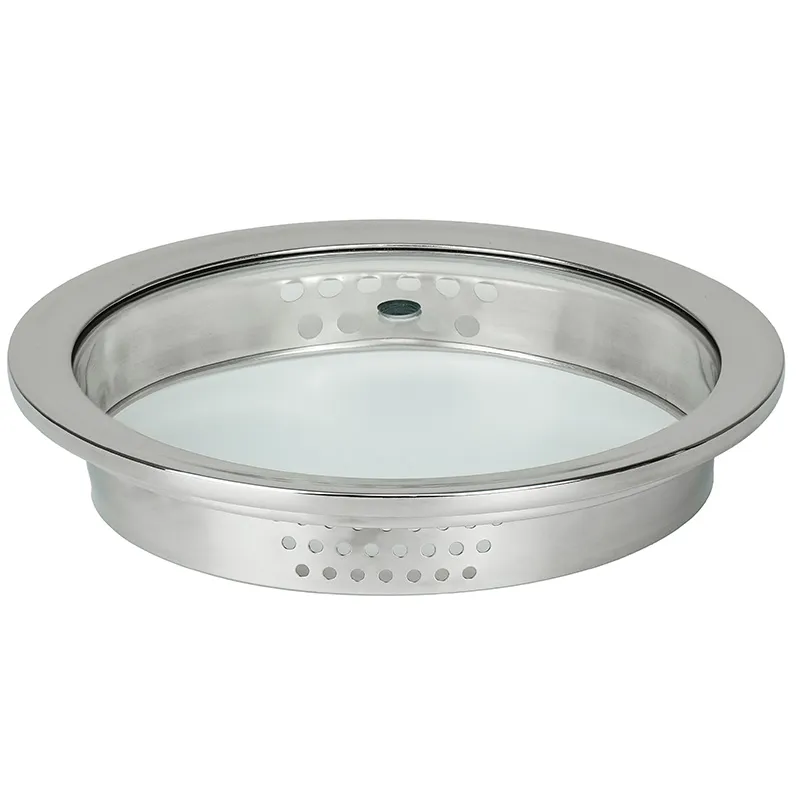
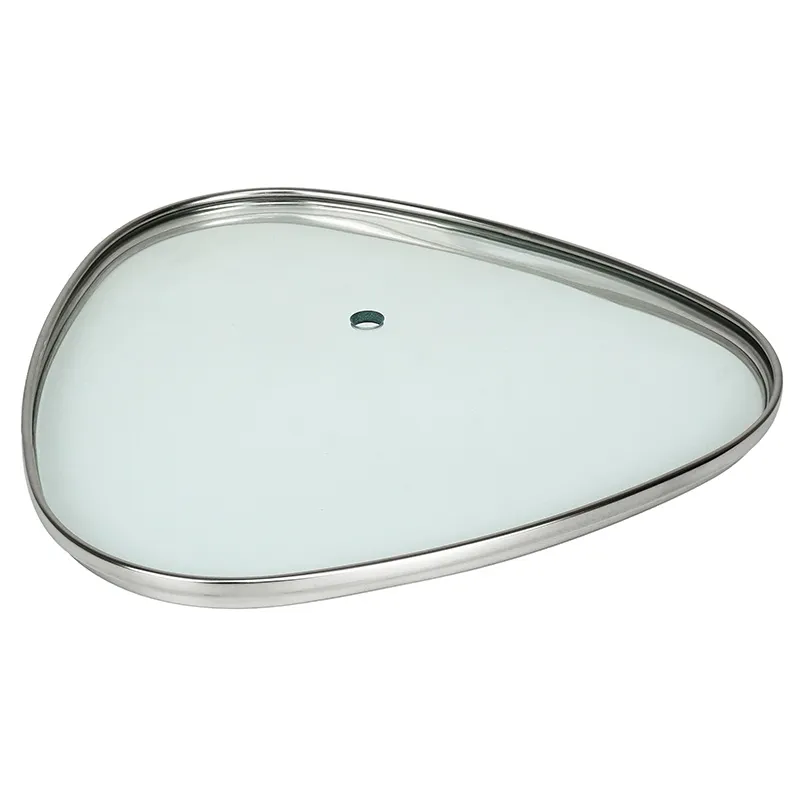
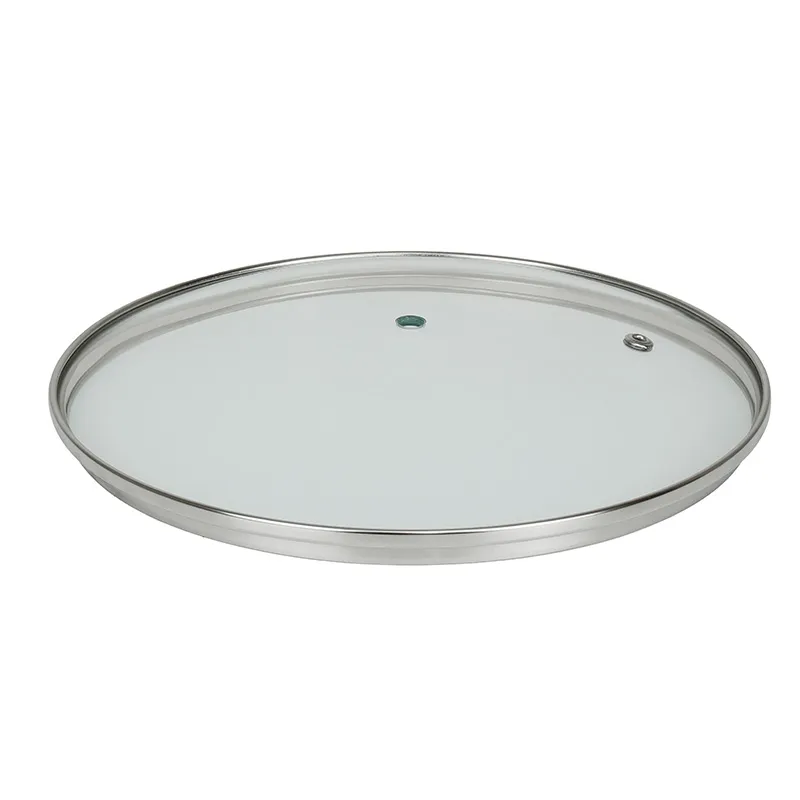
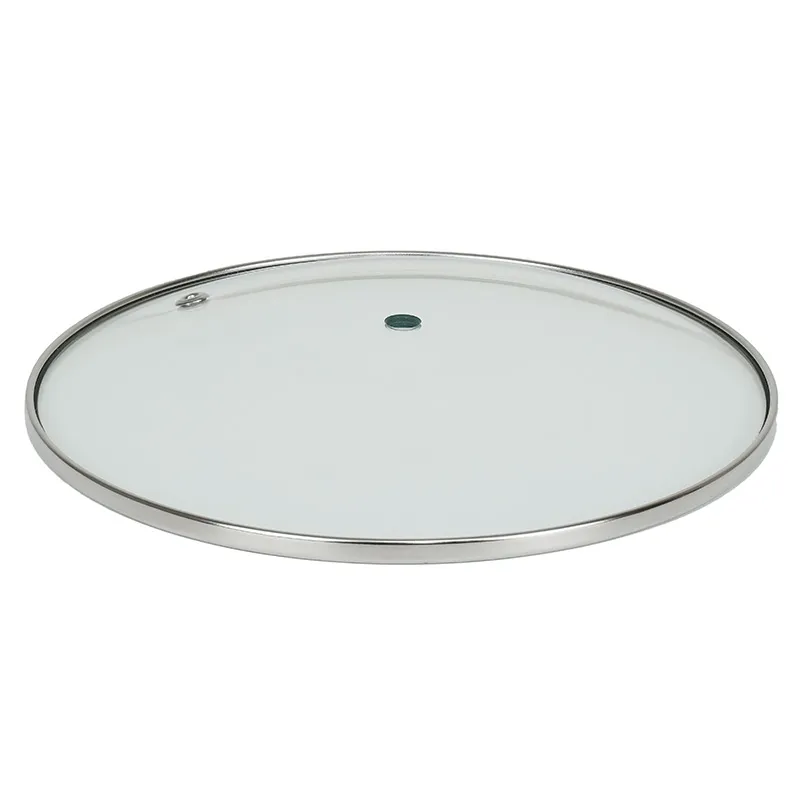
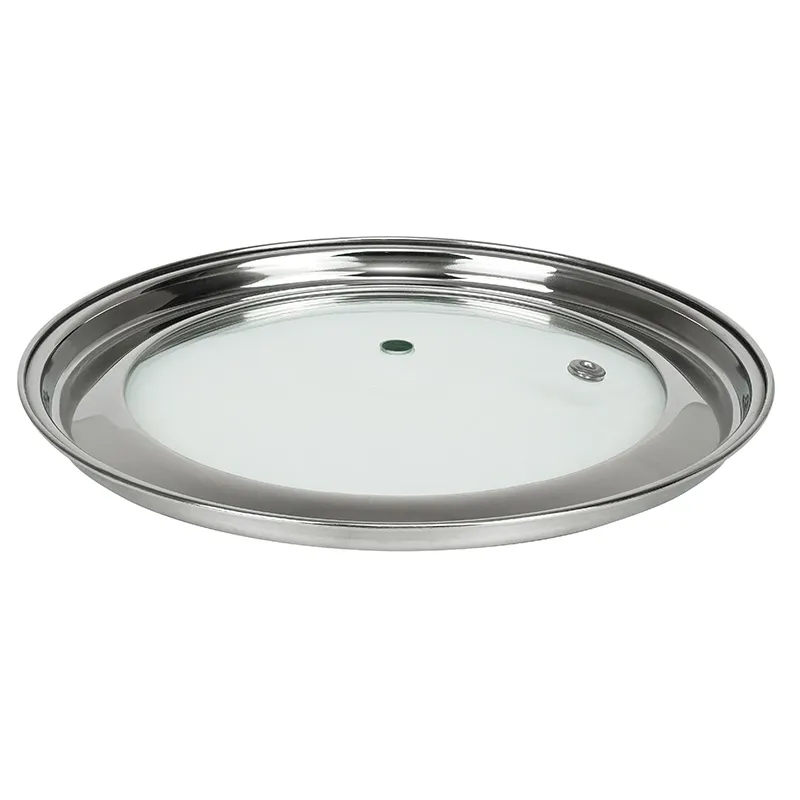
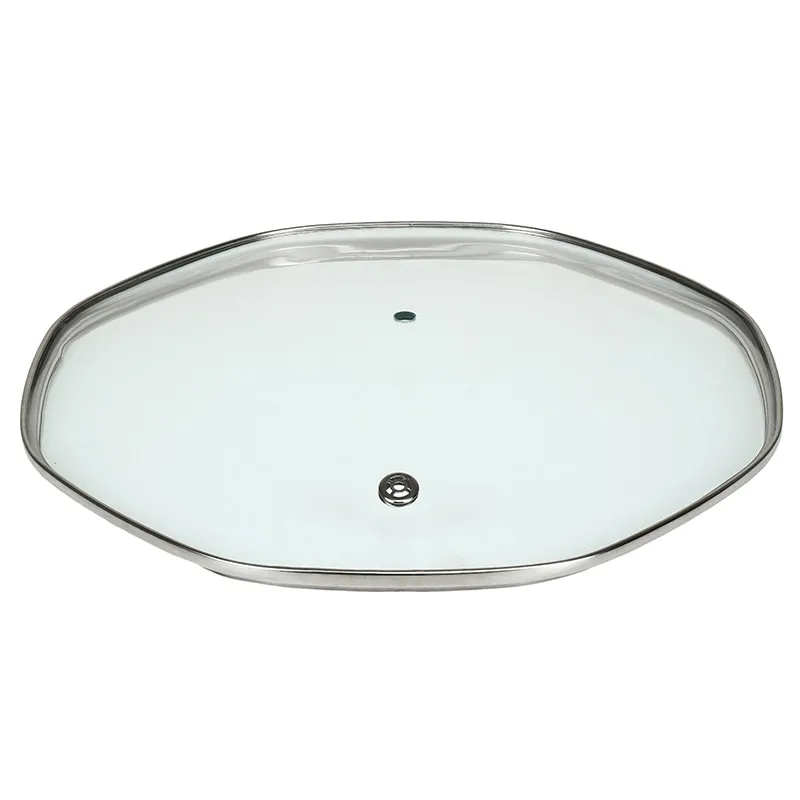
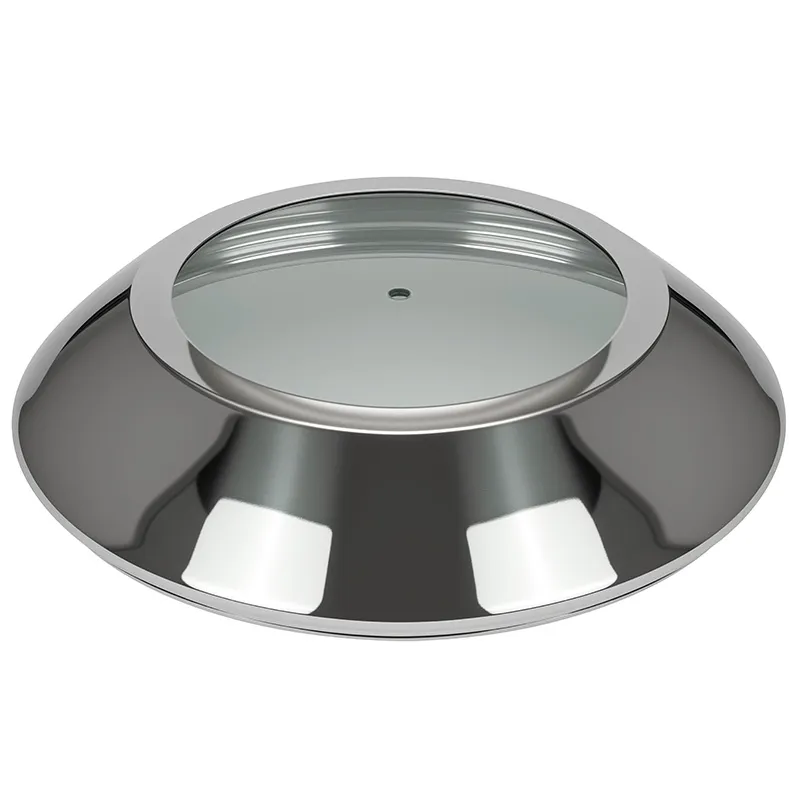
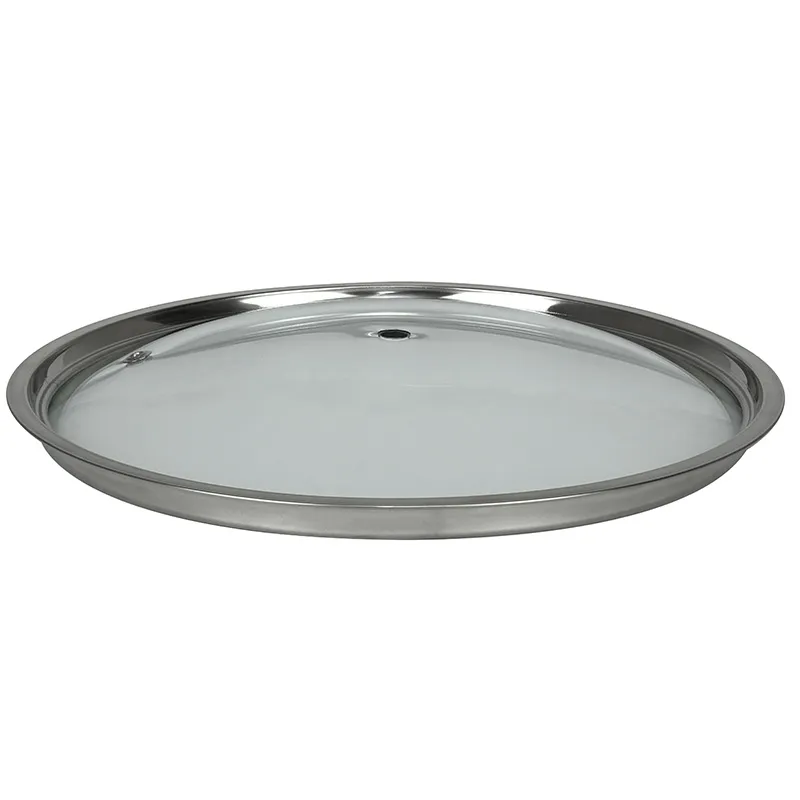
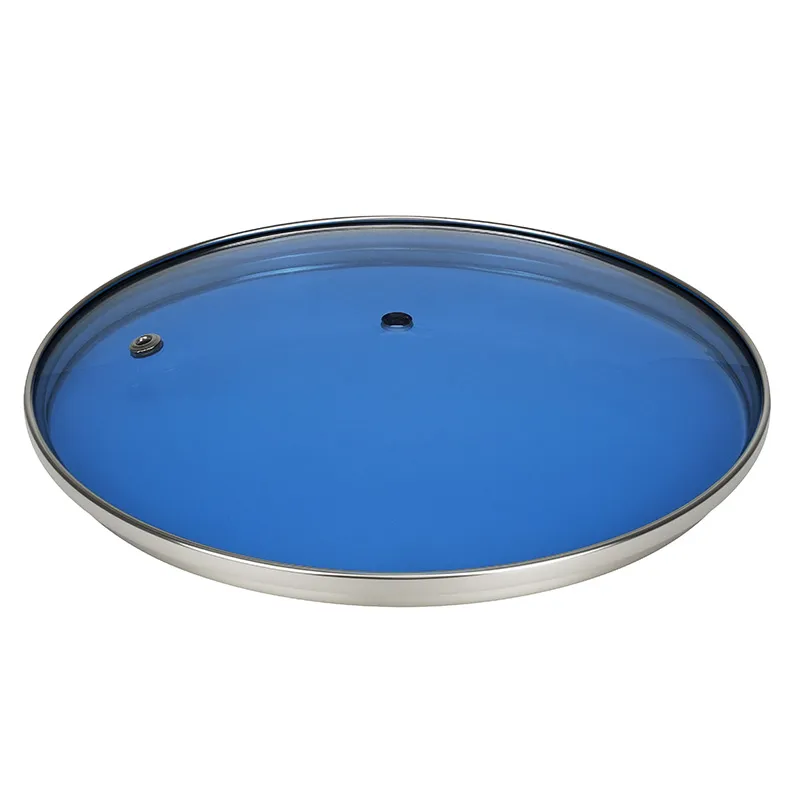
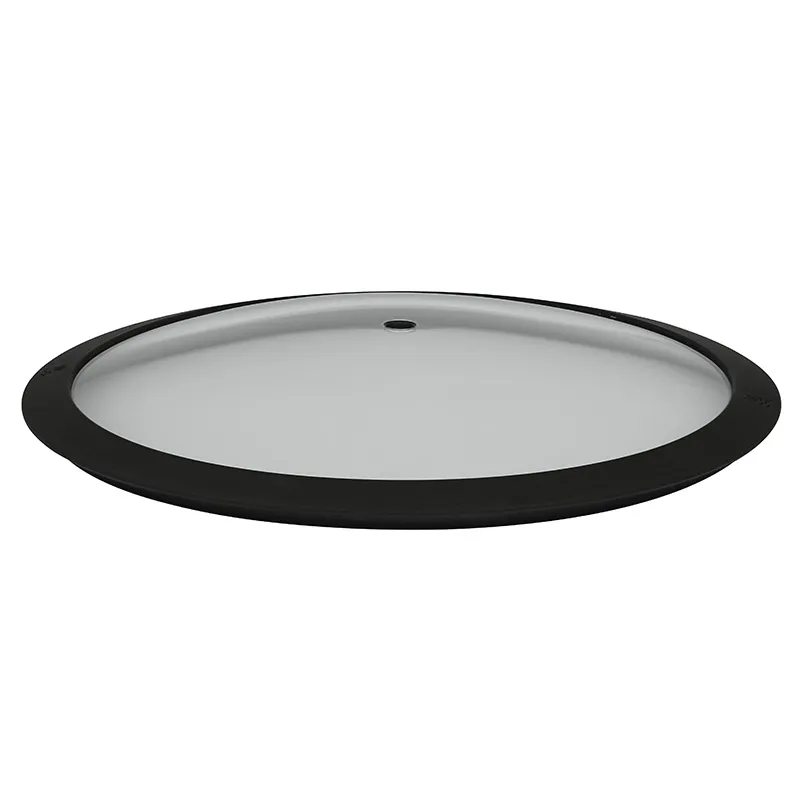
This is where companies that specialize in this component become crucial. Take a supplier like EUR-ASIA COOKWARE CO.,LTD. You find their products under many brands. Their focus, as their site glass-lid.com states, is specifically on producing glass lids and kitchen accessories. When a manufacturer has a dedicated facility covering 20,000㎡ just for this, it tells you the scale and specialization required. They're not making pots; they're perfecting lids. For a high-end application like complementing a Le Creuset pot, that specialization matters. Their export list to Germany, France, Japan—markets with strict safety standards—is a quiet testament to the quality tier they operate in.
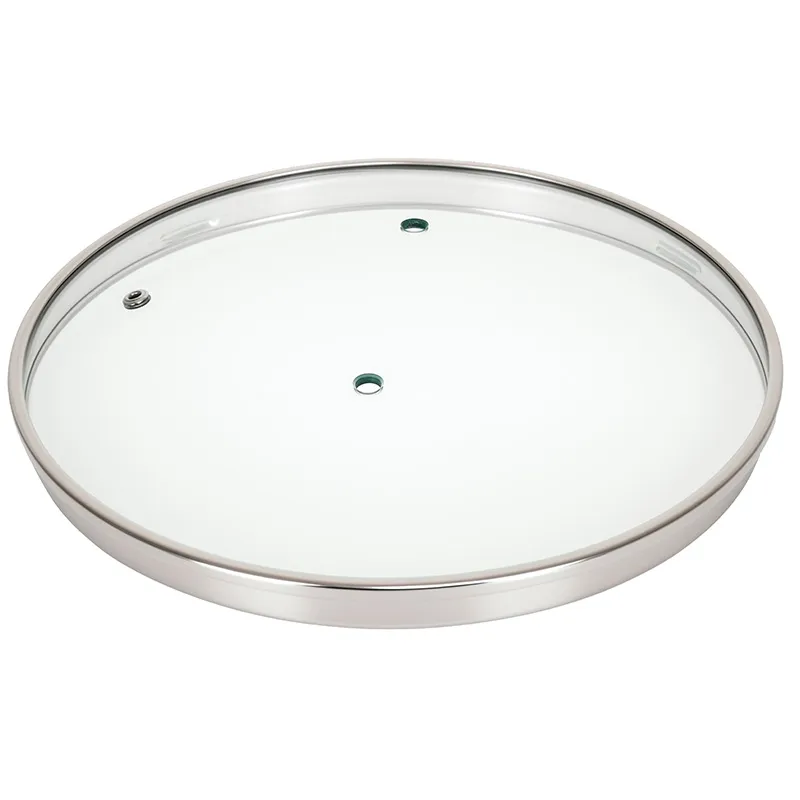
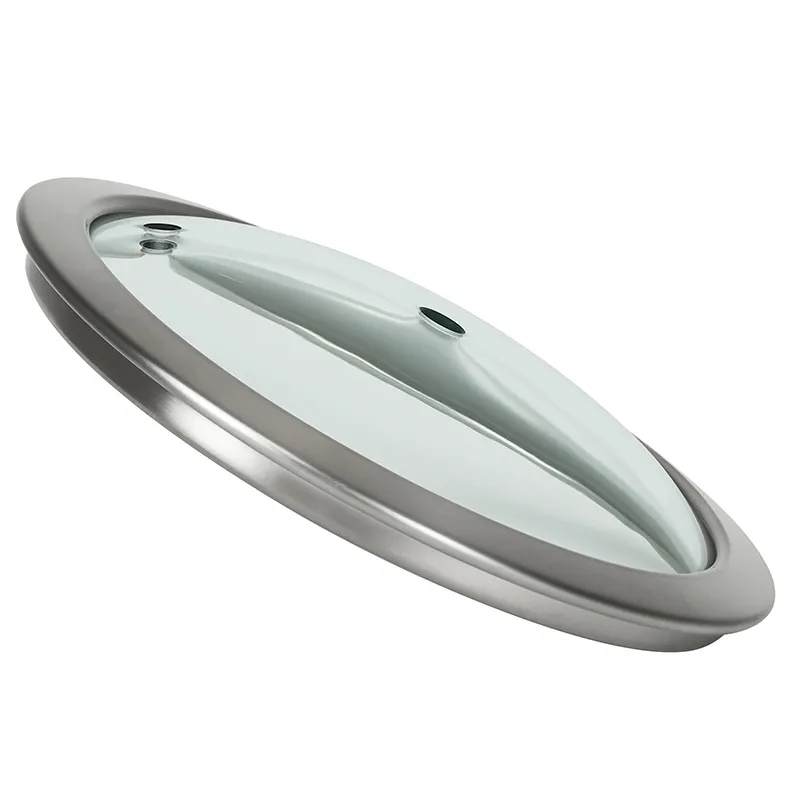
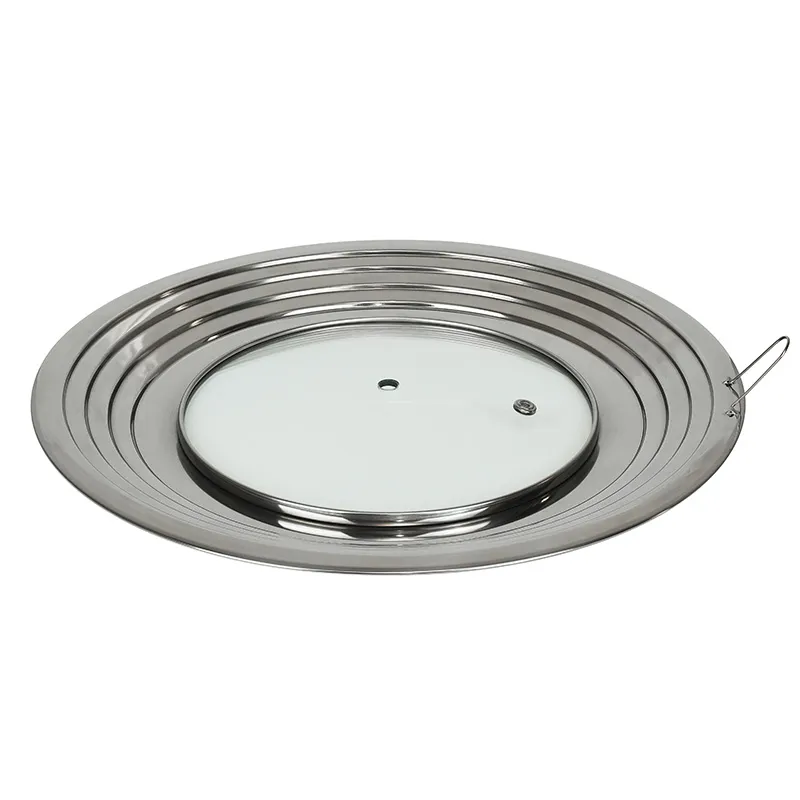
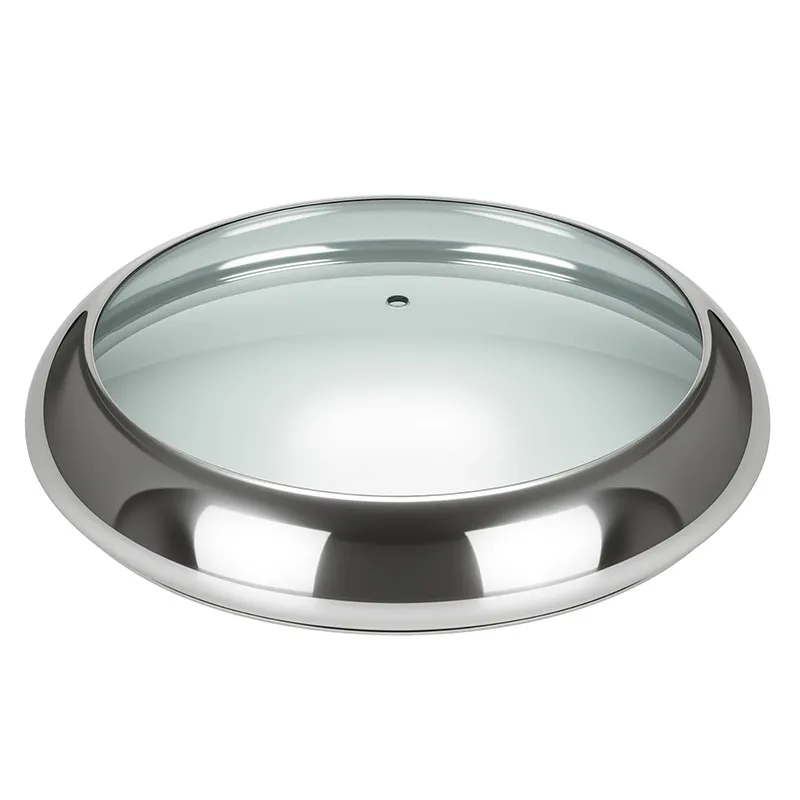
The domed shape isn't just for aesthetics, either. That design serves a purpose for a soup pot: it creates condensation that drips back down, basting the contents and preventing everything from drying out. A flat glass lid wouldn't perform the same way. So when you're looking at a Le Creuset soup pot with glass lid, you're paying for that engineered condensation cycle as much as for the cast iron.
The Fit and Finish Challenge
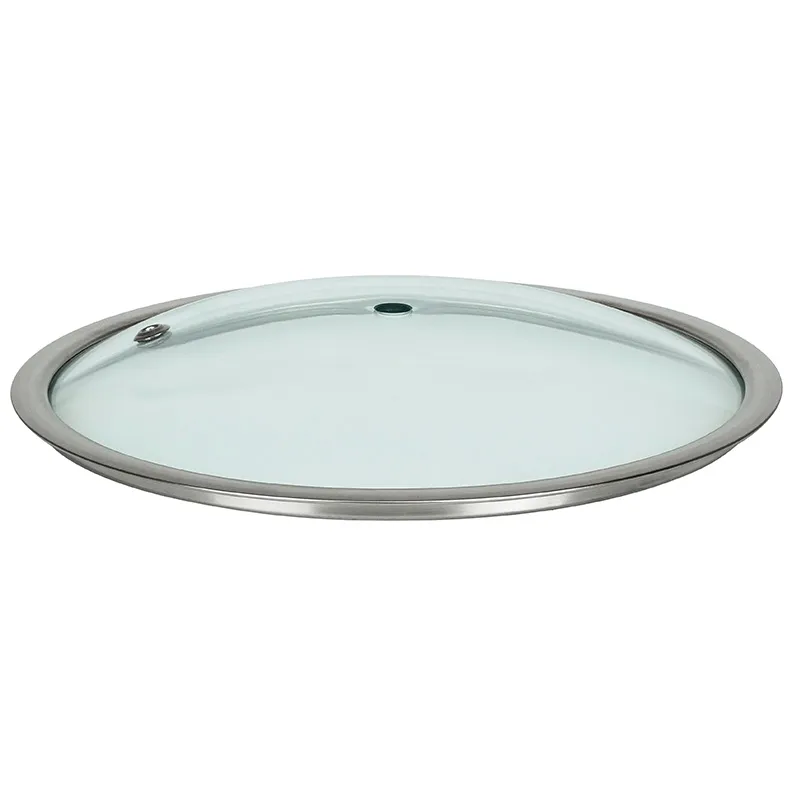
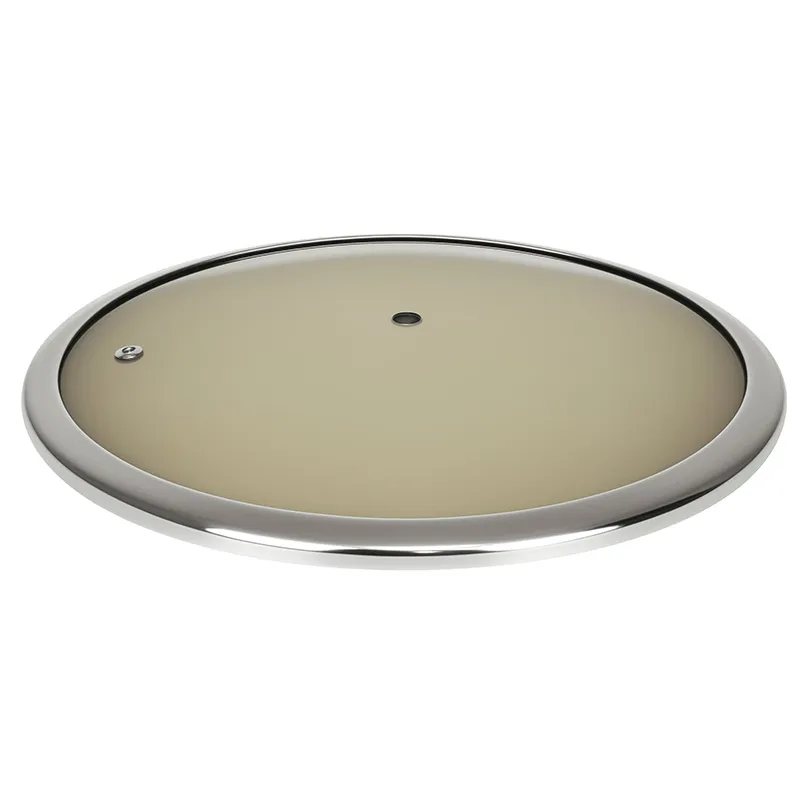
Here's a practical headache: the rim. The lid must sit flush on the enameled cast iron rim of the pot. Any warp, any inconsistency in the glass bending or the metal band (if it has one), and you lose the seal. I recall a project years ago where we sourced lids for a similar style pot. The prototypes looked great, but under heat, the slight expansion would cause a faint rocking. Unacceptable. It created steam leaks and ruined the energy efficiency.
The knob is another detail. Le Creuset uses their signature phenolic knob on their glass lids, which is oven-safe to a high temperature. Many generic glass lids come with stainless steel knobs, which is fine, but the material and its attachment point are failure points if not done right. The bolt can loosen over time with repeated heating and cooling cycles.
This is why vertical integration in a component maker helps. A company like EUR-ASIA COOKWARE, with control from raw glass to tempering to attaching the hardware, has a better chance of managing these tolerances. Their mention of producing over 15 million pieces annually isn't just a volume brag; it speaks to process refinement. High volume with low defect rates in this field is brutally difficult.
Beyond the Brand: The Real-World Use Case
In a professional kitchen setting I've worked with, the allure of the brand fades fast. What matters is: can you see your stock without lifting the lid? Does the lid seal well enough to retain flavor? Is it easy to clean? The glass lid on a soup pot answers yes to all, but only if it's well-made. Lifting a heavy cast iron lid to check on a simmering broth is a hassle and loses heat and moisture.
I've also seen the failure of trying to use a universal glass lid on a Le Creuset pot. The diameters might match, but the curvature of the pot's rim is unique. It never sits quite right. It's a lesson in specificity. The genuine lid is designed for that specific pot model. This is probably why specialized glass lid manufacturers work so closely with cookware brands—the specs are tight.
For the home cook, the advantage is visual. Watching onions sweat, seeing the first bubbles of a simmer, knowing when your soup is at a vigorous boil without releasing all the steam—it's about control. The glass lid transforms the pot from a black box into a tool you can interact with visually. That's a functional benefit often overshadowed by the pot's color and heft.
Material Science and Heat Management
Let's get a bit technical. The glass isn't just soda-lime glass like a window. It's borosilicate or a similarly formulated thermal shock-resistant glass. The tempering process is critical. It has to be heated uniformly and cooled (quenched) in a controlled manner to create surface compression. This is what gives it strength. A flaw here means a lid that might fail months later.
Now, pair that glass with cast iron. Cast iron heats slowly and retains heat incredibly well. The glass lid heats up quickly from the steam and radiant heat. This differential expansion is the engineering challenge. The metal band around the glass (the ferrule) acts as a buffer, but it must have a similar coefficient of expansion to the glass, or the bond fails. It's a marriage of materials.
From a sourcing perspective, when you see a company's production base is in a National High-tech Development Zone (as EUR-ASIA's is in Taian), it often implies access to better manufacturing tech and stricter process controls. This isn't a generic glass workshop. It's a sign they're likely investing in the precision equipment needed for consistent, high-volume output of a safety-critical component.
The Verdict from the Workbench
So, is the Le Creuset soup pot with glass lid worth it? From a pure performance and durability standpoint, yes. The brand's lid is engineered for that specific pot. But understanding the component demystifies it. The value isn't magic; it's in precise material selection, controlled manufacturing, and rigorous testing.
For those seeking a replacement or a lid for a similar pot, looking at OEM-focused manufacturers is wise. The specs on a site like glass-lid.com won't be consumer-friendly, but the fact that they supply to European and Asian markets indicates they meet international safety standards (like Germany's LFGB). That's a more reliable indicator of quality than most marketing copy.
In the end, the glass lid turns a beautiful pot into a practical, daily tool. It bridges the gap between the slow, steady heat of cast iron and the cook's need for immediate feedback. And that's something no solid lid, no matter how iconic, can ever provide. The next time you see that pot simmering away, give a nod to the unsung hero—the piece of expertly tempered glass on top.
Related Products
Related Products